How To Care For Christmas Cactus During Texas Fall
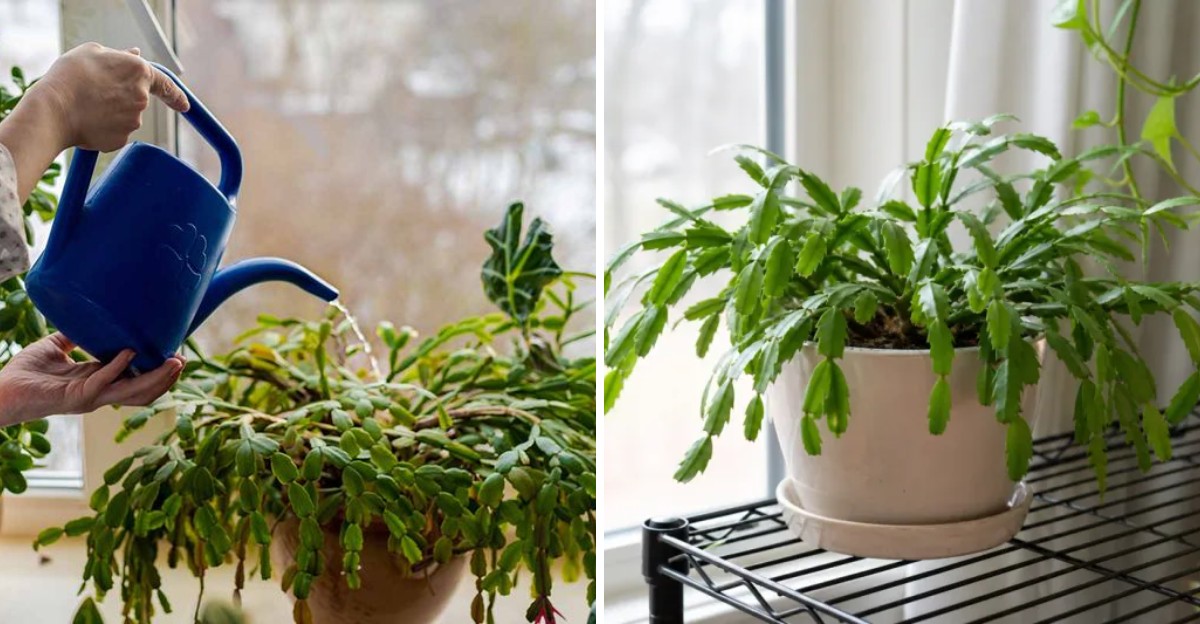
Every December, plenty of Texans wait for their Christmas cactus to burst into bloom. Some get a stunning show of pink, red, or white flowers.
Others end up staring at a pot full of green. The difference usually comes down to what happens in the fall.
To set flower buds, this plant needs two things: long nights and cooler temperatures. In much of the country, autumn takes care of both.
In Texas, it’s not always that simple. Warm spells can linger well into October, and lamps left on in the evening can throw off its natural rhythm. That’s when buds fail to form.
Fortunately, a little attention now can make a big difference. With the right care this fall, your cactus can be covered in bright blooms right on schedule.
1. Keep It Out Of Harsh Afternoon Sun
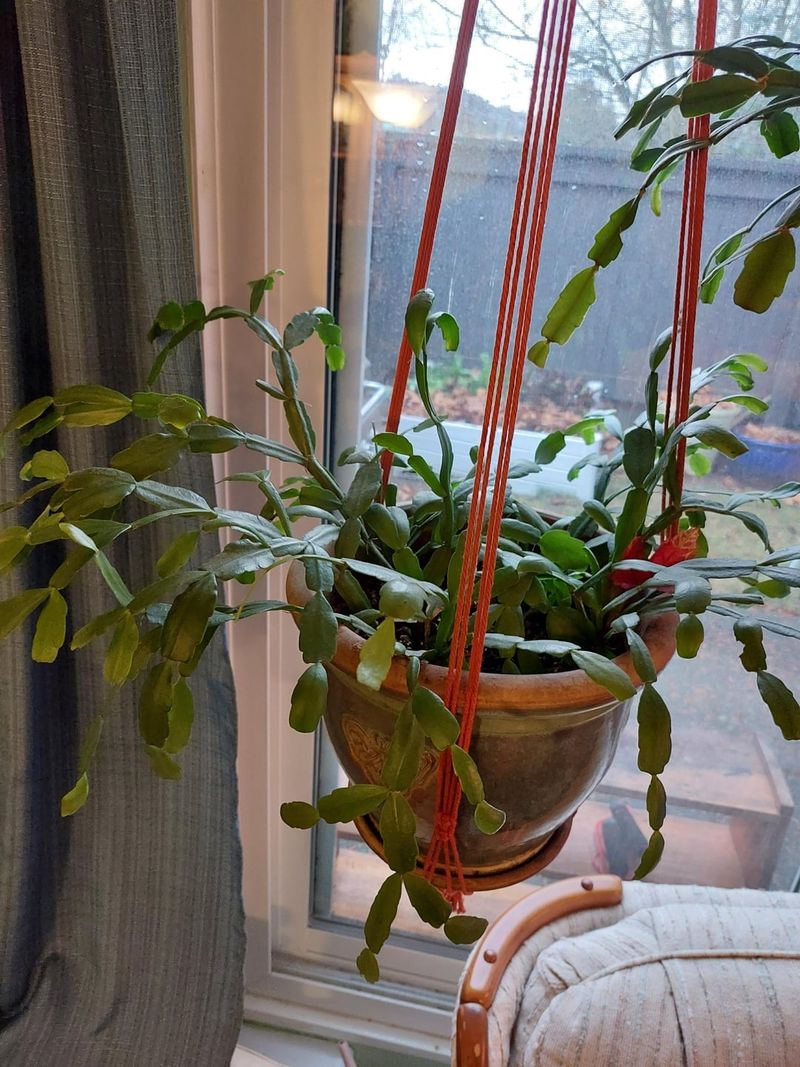
Ask any Texas gardener about October, and you will probably hear a laugh. The calendar says fall, but the sun often acts like it is still July. Your Christmas cactus can feel that heat in a big way.
Unlike desert cactus plants, the Christmas cactus comes from the rainforests of Brazil. In the wild, it grows on tree branches under a leafy canopy. That means it is used to filtered, gentle light, not blazing rays beating down all afternoon.
When it gets too much direct sun, you will see warning signs. The flat green segments may turn reddish or purple.
Some may look pale, yellow, or even crispy at the edges. That color change is the plant saying it is stressed and needs a break.
The best fix is easy. Put your plant in bright, indirect light. An east-facing window works great because it gets soft morning sun and then stays shaded during the hottest part of the day. Outdoors, a covered porch or a spot under a tree can do the trick.
If your only bright window faces west or south, try a sheer curtain. It softens the light without making the room dark. You can also set the plant a few feet back from the glass.
Watch your plant for a week or two after moving it. Healthy segments should look plump and rich green. If they still look red, give a little more shade.
Getting the light right is the first building block for great blooms. A happy, unstressed plant has more energy to make flower buds later in the season.
2. Give It Long, Dark Nights
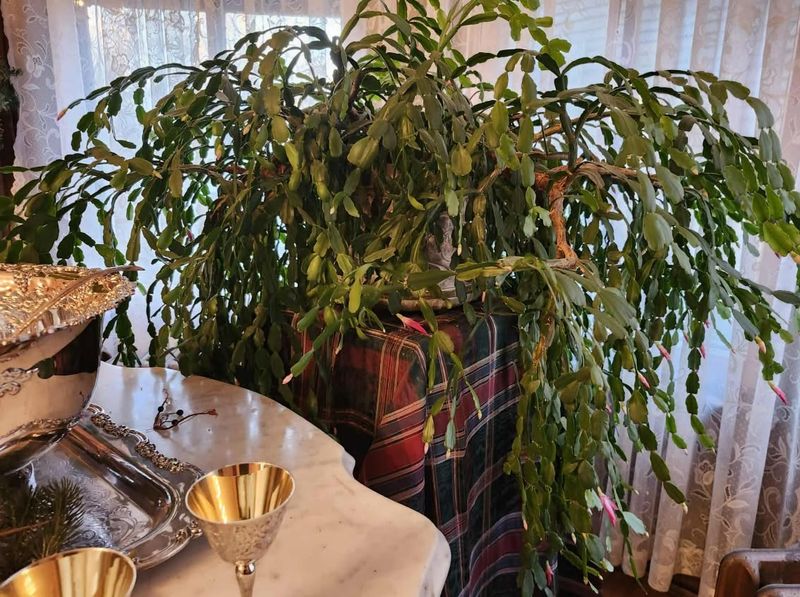
Here is a fun secret about your Christmas cactus. It can tell time by counting the hours of darkness. Plants like this are called short-day plants, and they bloom when nights grow long.
To set flower buds, your cactus needs about 12 to 14 hours of total darkness every night. It needs this for around six weeks in a row. In nature, fall provides these long nights all on its own.
Inside our homes, though, things get tricky. Lamps, TVs, porch lights, and even streetlights can break up the darkness. Just a short burst of light can confuse the plant and reset its clock.
Your Texas Garden Changes Every Week. Your Plan Should Too.
Gardening in Texas changes quickly throughout the season. Every Friday you’ll receive a simple weekly plan showing exactly what to plant, prune, fertilize, harvest, and protect so you never miss the right timing.
So how do you help? One popular trick is the closet method. Each evening around 6 p.m., move your plant into a dark closet or spare room. Then bring it back to its bright spot around 8 a.m. the next morning.
If moving it every day sounds like too much, pick a room nobody uses at night. A guest bedroom with the curtains closed can work well. You could also cover the plant with a cardboard box, as long as no light sneaks through.
Many people start this routine in late September or early October. Count back about six to eight weeks from when you want flowers. For Christmas blooms, early October is a good target.
Set a phone reminder so you do not forget. Kids can even help by making it their evening job. Once you see tiny buds forming at the tips, you will know the dark nights did their magic.
3. Take Advantage Of Cooler Nights
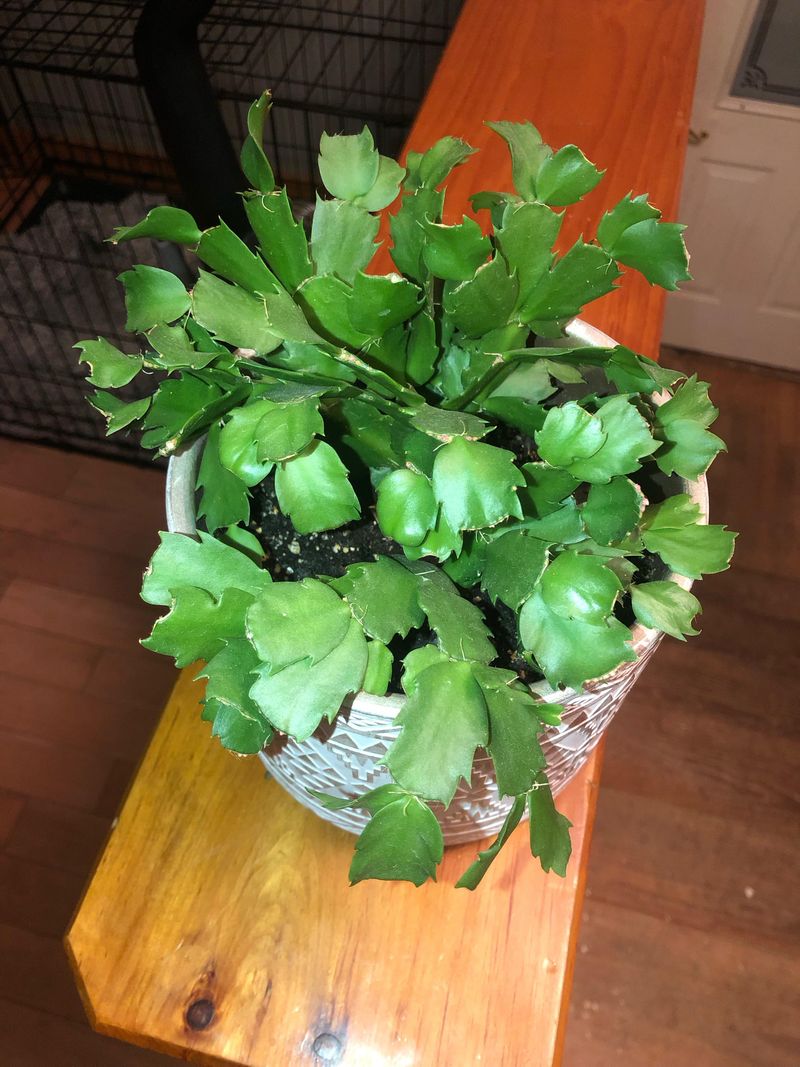
Cool air is like a wake-up call for a Christmas cactus. When nights drop to around 50 to 60 degrees Fahrenheit, the plant gets a strong signal that it is time to bloom. Together with long nights, chilly evenings make the perfect recipe for buds.
In many parts of the country, those cool nights show up in September. Texas is a different story. Warm evenings can last well into October, and sometimes even later in South Texas.
That is why the dark nights from the last tip matter so much here. When temperatures will not cooperate, darkness has to do most of the work. The good news is that darkness alone can still bring flowers. It just may take a little longer.
You can also help by finding the coolest spot you have. A room that stays a bit cooler, like a back bedroom, can make a difference. Some folks set their plant near a window that feels cool at night, as long as it is not drafty.
If you keep your cactus outside on a porch, watch the weather report. Those first mild fronts that roll through in October are a real gift. A few nights in the 50s can push your plant toward blooming.
Just be careful not to go too far. Cool is good, but cold is not. Keep a simple thermometer nearby so you know what your plant is feeling.
Fun fact: in its home in Brazil, the Christmas cactus grows high in the mountains. There, nights are naturally cool, which helps explain why it loves a crisp evening.
4. Bring It Inside Before It Gets Too Cold
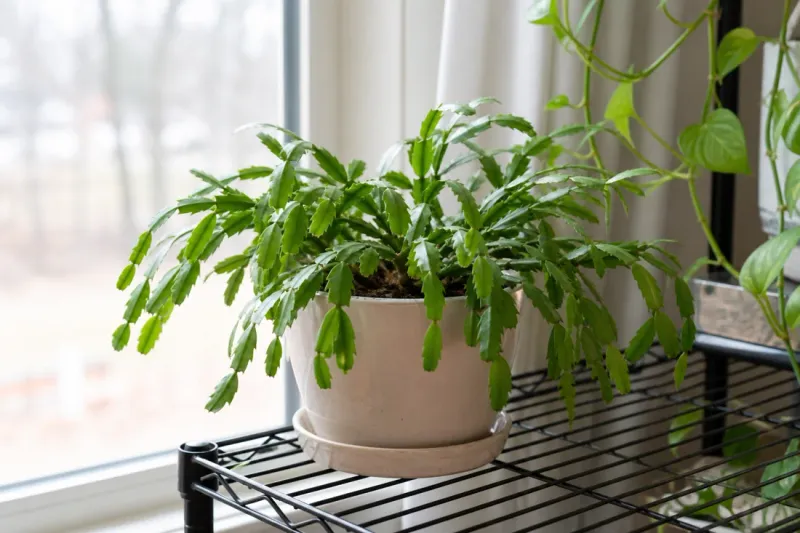
Last November, my neighbor learned a hard lesson. She left her Christmas cactus on the porch during a surprise blue norther, and by morning the segments looked limp and mushy. Texas weather can flip fast, so timing matters.
Many people let their Christmas cactus spend summer and early fall outside in the shade. That fresh air can be great for growth. But once nights start dropping into the 40s on a regular basis, it is time to bring the plant indoors.
Near-freezing temperatures can harm the tender segments and roots. Even one frosty night may cause lasting damage. Do not wait until the forecast says freeze. Plan ahead and move it a little early.
Before you carry it inside, give it a careful checkup. Pests love to hitch a ride. Look closely at the tops and bottoms of the segments for mealybugs, which look like tiny bits of white cotton. Also check for scale, aphids, and fungus gnats.
Do not forget the soil. Gently poke around the surface for crawling bugs or larvae. If you find pests, wipe the segments with a soft cloth dipped in soapy water. A spray of insecticidal soap can also help.
Keep the plant away from your other houseplants for about a week. That way, any hidden bugs will not spread. Once it looks clean, you can move it to its normal indoor spot.
Bringing it in slowly is also kind to the plant. A few hours inside each day for several days helps it adjust to the change.
5. Water A Little Less Often
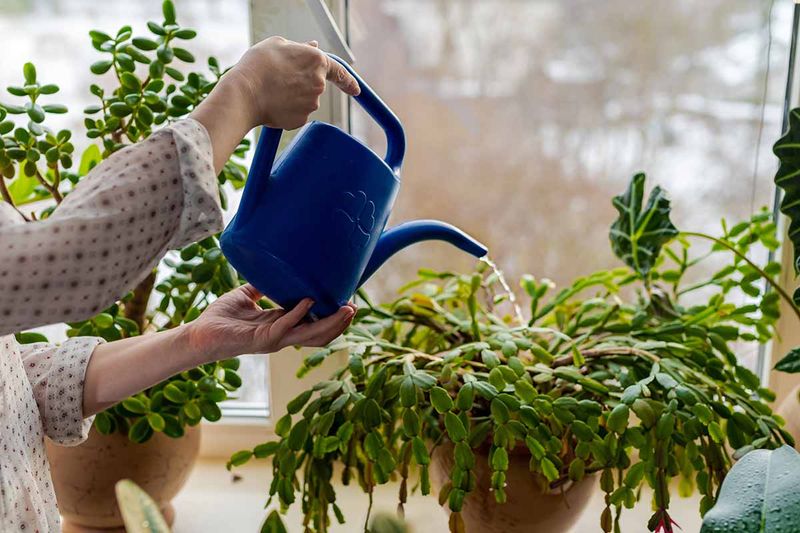
More plants get into trouble from too much water than too little. It sounds strange, but it is true. Loving your Christmas cactus a bit too much with the watering can is an easy mistake to make.
During fall, your plant slows down and focuses on making buds. It does not need as much water as it did in summer. A good rule is to let the top inch of soil dry out before watering again.
How do you check? Stick your finger into the soil up to your first knuckle. If it feels dry, it is time to water. If it still feels damp, wait a few more days and check again.
Do not let the soil go bone dry, though. A totally parched plant may drop its buds or look wrinkled. You want a happy middle ground, not a drought and not a swamp.
When you do water, water deeply. Pour slowly until water runs out the bottom of the pot. Then let it drain fully and empty any water in the saucer below.
Drainage is a big deal. Soggy soil leads to root rot, which can sneak up quietly. Make sure your pot has holes in the bottom. A light, airy mix made for cactus or orchids works better than heavy garden soil.
Indoor air conditioning in Texas can still run in October, which may dry soil faster. Heaters later in the season do the same. Checking the soil every few days is smarter than following a strict schedule.
6. Stop Fertilizing In Early Fall
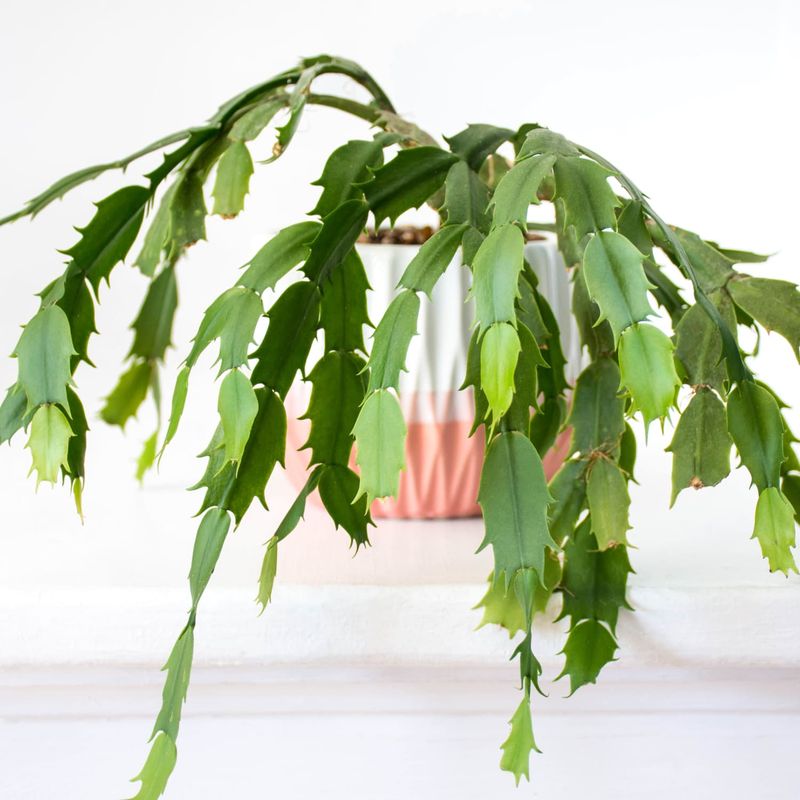
Think of plant food like an energy drink. In spring and summer, your Christmas cactus uses that boost to grow new segments and get bigger. In fall, though, all that extra energy sends the wrong message.
When you fertilize during autumn, the plant thinks it should keep growing leaves. It puts its effort into green growth instead of flowers. You might end up with a fuller plant but very few blooms, or none at all.
The fix is simple. Stop feeding your cactus by early fall. For most Texas gardeners, that means wrapping up fertilizer by mid to late September. Then let the plant rest and focus on making buds.
You may worry that your plant will go hungry. Not to worry. A healthy Christmas cactus stores plenty of energy from its summer meals. It has what it needs to carry it through the blooming season.
Once the flowers fade, usually in January or February, give it a little rest. Then start feeding again in spring when you see fresh growth. A balanced houseplant fertilizer mixed at half strength every few weeks works well.
Some growers like to use a bloom booster in late summer, right before the pause. These have more phosphorus, which supports flowers. Just make sure you still stop by early fall.
Here is an easy way to remember. Write a note on your calendar for the first day of fall that says no more food. That tiny reminder can make a big difference come December.
7. Avoid Sudden Changes Once Buds Form
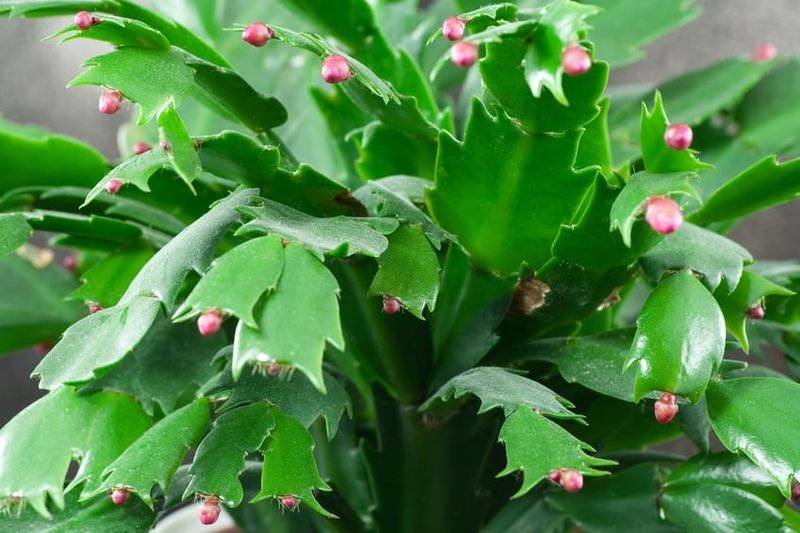
Nothing feels worse than finding pretty pink buds scattered on the floor. One week your plant is loaded with promise, and the next the buds are gone. Bud drop is a common heartbreak, but you can usually prevent it.
Christmas cactus buds are sensitive. Once they appear, the plant likes things calm and steady. Sudden shifts in temperature, light, or location can stress it enough to drop its buds.
So, the golden rule is simple. Pick a good spot and leave it there. Try not to move the plant around the house, even to show it off to guests. Some growers say even turning the pot can upset it.
Watch out for hidden hot and cold spots. Heating vents blow dry, warm air that can stress buds. Air conditioning drafts can do the same. Since Texas homes might run the AC one day and the heater the next, placement really matters.
Doorways are another trouble zone. Each time the front door opens on a chilly day, a cold blast rushes in. Keep your cactus away from entryways and drafty windows.
Keep up with your careful watering too. Soil that swings from soaked to bone dry can also cause buds to fall. Steady moisture helps the buds hold on until they open.
With a little patience, you will be rewarded. The buds will swell, then burst into colorful, layered flowers that can last for weeks.
Many Christmas cactus plants live for decades, so this yearly show can become a cherished family tradition.