Where Florida Native Plant Lovers Actually Shop (It’s Not The Big Box Store)
Ask a serious Florida native plant fan where they shop, and watch them smile like they’ve got a secret worth guarding.
The big orange and blue stores stock whatever ships easy and sells fast. Natives rarely make the cut.
What does show up often comes labeled wrong, grown far away, or bred into something its wild cousins would hardly recognize.
The real action happens elsewhere, in places most casual gardeners drive past without a second glance. Prices run fair, advice comes free, and staff can tell you which plant suits your exact patch of dirt.
Skip your usual weekend errand this time and go where the experts go. Your yard will thank you for years.
1. Native Plant Nurseries Specialize In Florida Species
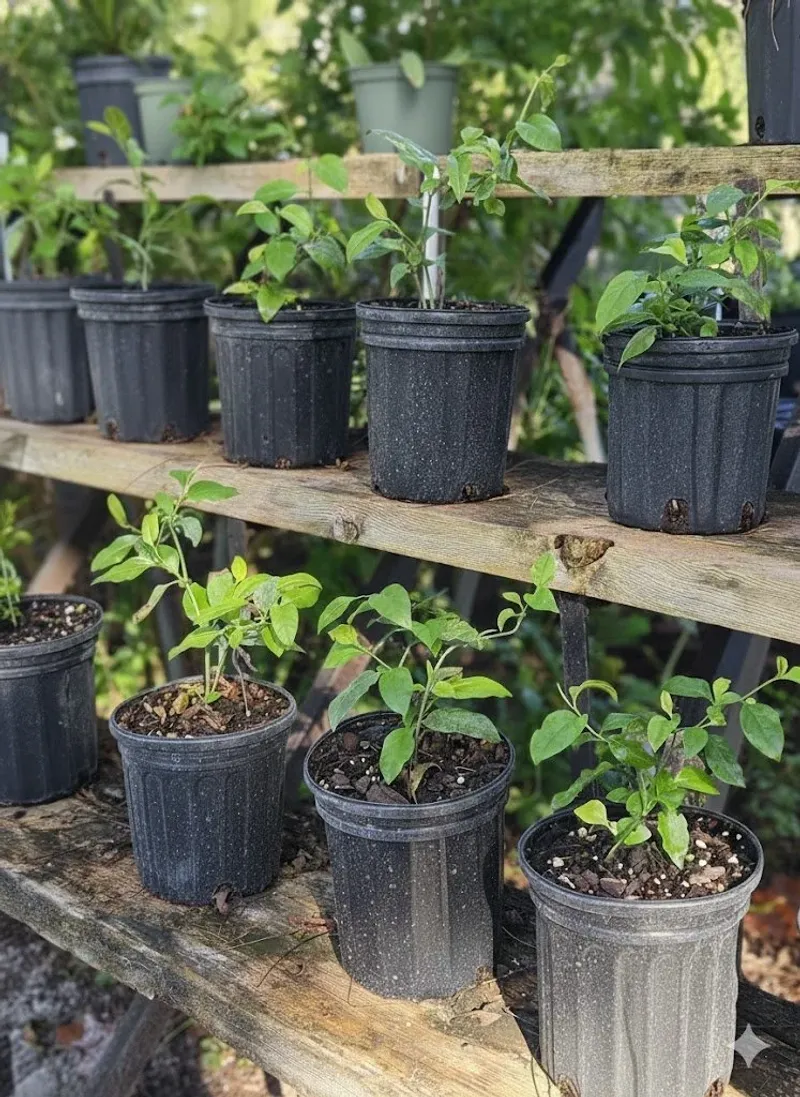
Walk into a native nursery and the first thing you notice is the buzz. Bees and butterflies are already shopping the aisles before you arrive.
Native nurseries grow plants that started life in our soil. Many raise them from seeds collected nearby, so the plants are ready for your local heat, rain, and sand.
Deep South Native Nurseries focuses on Southwest Florida trees, wildflowers, and shrubs grown from local seed. Indian Trails Native Nursery has been growing since 1987 and carries more than 60 species.
The Natives Inc. has sold native plants since 1982, both wholesale and retail.
Staff at these places tend to be plant nerds in the best way. Ask them which shrub handles salty breezes or soggy yards, and you may get a ten-minute story with your answer.
Many of these nurseries also help with landscape design, planting, and advice. That can save you from buying the wrong thing and watching it struggle in July.
Here is a smart tip for your first visit. Bring a photo of your yard and note how many hours of sun each spot gets.
Also jot down whether the ground stays wet or dries fast after rain. With those details, the experts can point you toward plants that will settle in happily and keep wildlife visiting for years.
2. Plant Real Lists Retail Native Nurseries
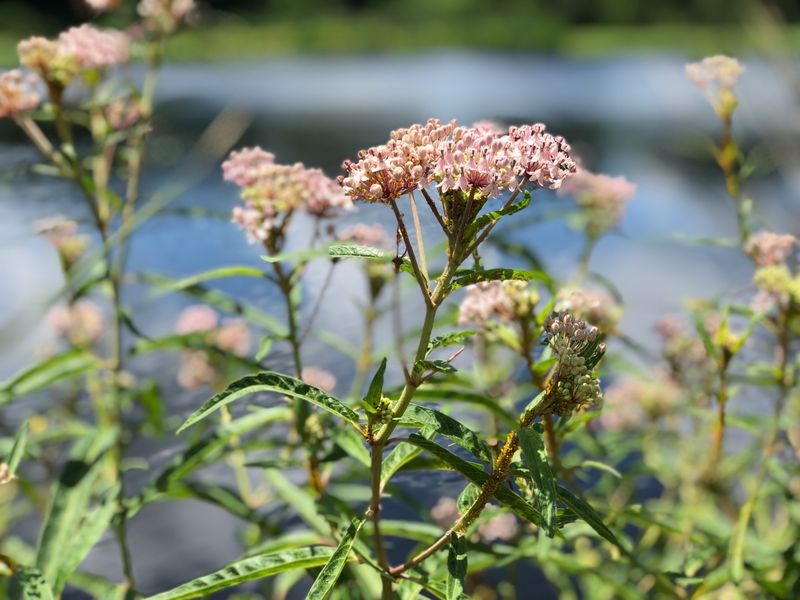
Think of it as a phone book, but greener. Plant Real Florida is a website run by the Florida Association of Native Nurseries, also called FANN.
Its main job is simple. It lists retail native plant nurseries all over the state, so you can find growers who care about healthy, natural landscapes.
Before this kind of tool existed, finding a native nursery often meant word of mouth. Someone at a garden club would whisper a name, and you would drive around hoping to spot a hand-painted sign.
Now the hunt takes a few clicks. The list includes nurseries with storefronts, plus businesses that offer mail order, online sales, or local delivery.
That variety matters if you live far from a big city. A grower two counties away might still bring plants to your door or ship them safely in a box.
Fun fact: FANN members are professionals who grow, sell, or install native plants for a living. Many of them have spent decades learning which species thrive in each corner of the state.
Your Florida Garden Changes Every Week. Your Plan Should Too.
Gardening in Florida changes quickly throughout the season. Every Friday you’ll receive a simple weekly plan showing exactly what to plant, prune, fertilize, harvest, and protect so you never miss the right timing.
Bookmark the site on your phone before your next weekend errand run. You might discover a hidden nursery just a short drive from the grocery store you visit every week.
Once you find one, call ahead to check hours. Small growers sometimes close on certain days to tend their fields.
3. Search By Plant, Zip Code Or County
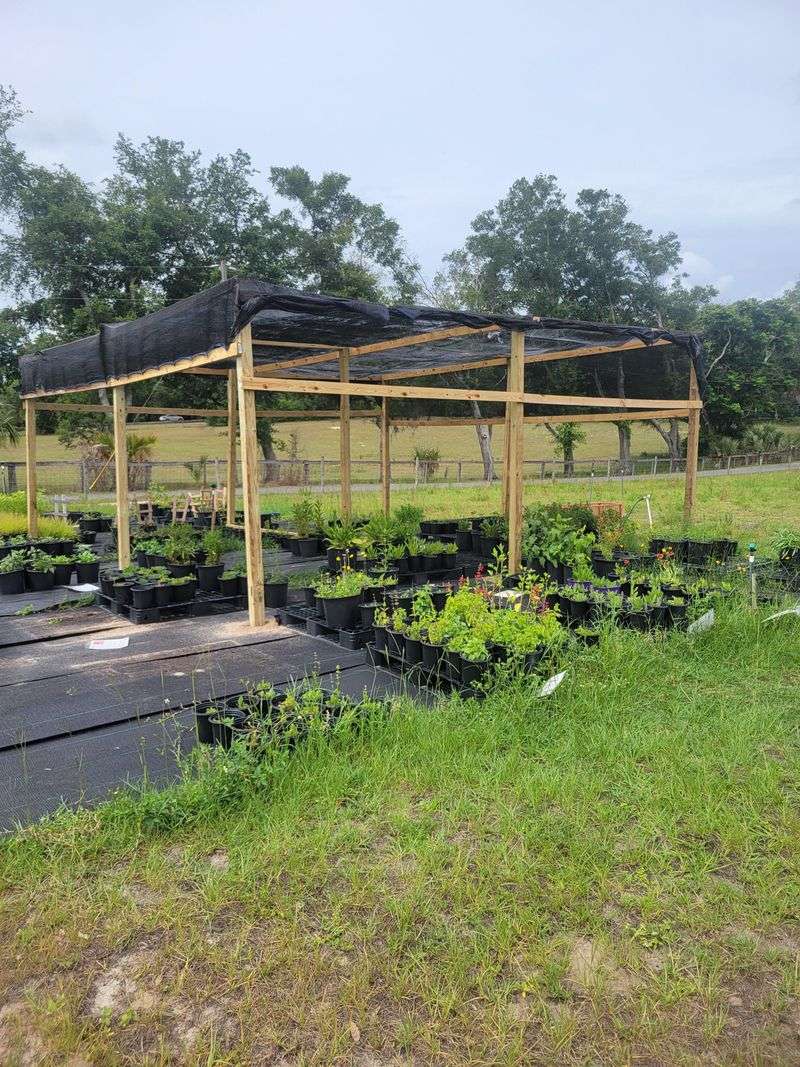
Okay, detective, time to narrow down the suspects. Plant Real Florida has handy filters that help you find exactly what you need.
You can sort nurseries by business type and by whether they sell online or by mail. You can also look for landscape pros or environmental services if you want help with a bigger project.
The county search is where things get exciting. Type in your county and you will see nurseries close to home, plus ideas about which plants grow naturally in your part of the state.
That second part is a big deal. The state stretches about 450 miles from the Panhandle to Key West, and a plant that loves Pensacola may sulk in Miami.
Want even more detail? The Native Plant Society runs its own plant database.
There you can search by common name or scientific name. You can also filter by growing conditions, like sun, shade, wet soil, or dry sand, and by county.
Try this little game before shopping. Search for three plants that match your yard, then check which nurseries near you carry them.
Write your list on an index card and tuck it in your pocket. Shopping with a plan keeps you from coming home with a car full of pretty plants and nowhere to put them.
4. Florida Native Plant Society Chapters Hold Plant Sales
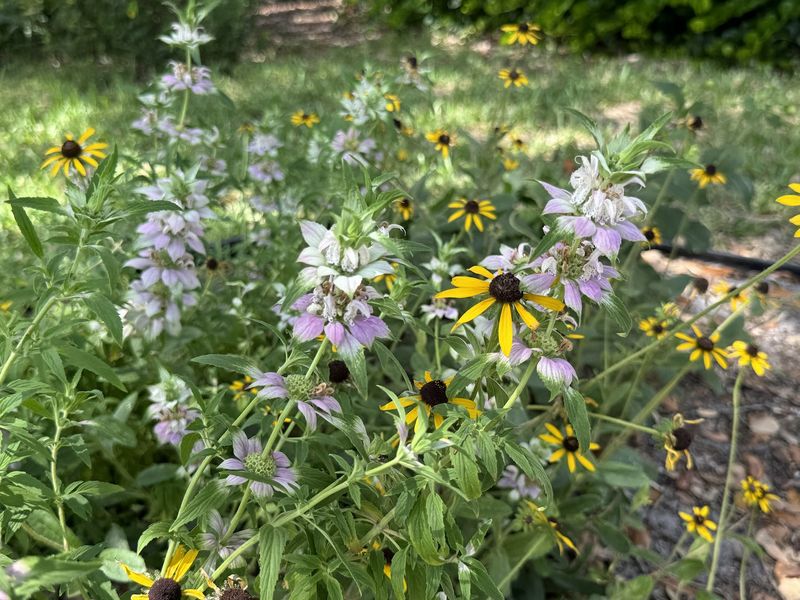
Saturday morning, eight o’clock, and the line is already curling around the parking lot. Welcome to a Native Plant Society chapter sale, where early birds get the rarest blooms.
FNPS has chapters all across the state, and many host plant sales during the year. These events often feature plants you will not find at regular stores.
Some growers bring unusual wildflowers or shrubs they only raise in small batches. Grab them fast, because the best tables can empty before lunch.
The sales are about more than shopping. The Pawpaw Chapter, for example, adds expert talks to its yearly sale, so you can learn while you browse.
Volunteers love to chat, too. Ask how to plant a tree or which flower feeds monarch caterpillars, and you will likely walk away with tips and a new friend.
To find upcoming dates, check the statewide FNPS calendar or your local chapter page. The FNPS Annual Conference also has a large plant sale worth planning around.
A few tricks make sale day easier. Bring a wagon or a sturdy box, plus cash in case card readers act up.
Pack water and sunscreen because our mornings warm up quickly. Then enjoy the happy chaos of people trading plant stories in the shade.
5. Master Gardener Nurseries Sell Florida-Friendly Plants
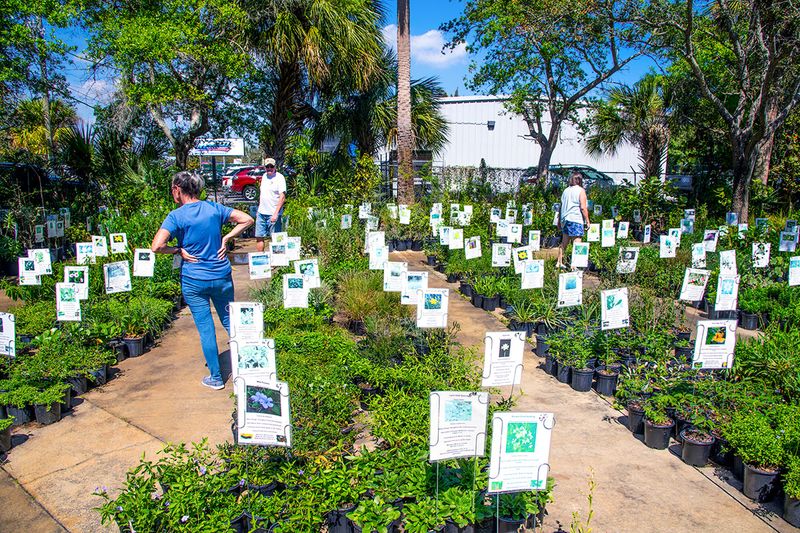
Imagine getting gardening advice from a neighbor who has trained for it like a pro. That is basically what Master Gardener Volunteers are.
These helpers work with UF/IFAS Extension, which is part of the University of Florida. Some local programs host plant sales filled with Florida-Friendly choices.
Sarasota County volunteers, for example, hold a yearly plant sale paired with an event called EdFest. They expanded their native plant selection in a big way for the October 2026 sale.
Here is a quick note about words. Florida-Friendly plants are suited to our conditions, but not all of them are natives.
If you want true natives, just ask the volunteers to point them out. They are happy to explain the difference and help you choose.
The Florida-Friendly Landscaping program guides people toward plants that fit local ecosystems and home yards. It teaches smart ideas like putting the right plant in the right place and using less water.
Master Gardeners also show up at farmers markets with free advice. Bring a leaf, a photo, or a puzzling bug, and they will help you figure things out.
Check your county Extension office website for sale dates. The prices are usually friendly, and the money often supports local garden education programs.
6. Botanical Gardens Host Spring And Fall Sales
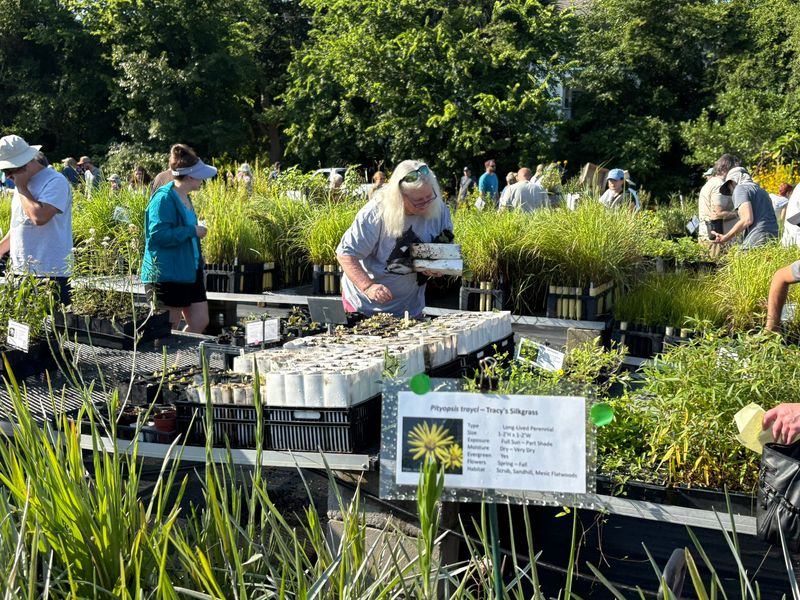
Twice a year, some gardens turn into something like a plant carnival. Tents pop up, wagons roll, and shoppers compare finds like trading cards.
Many botanical gardens host spring and fall plant sales, and native plants usually show up in the mix. These events bring together lots of growers in one spot.
Mounts Botanical Garden of Palm Beach County holds both Spring and Fall Plant Sales. Dozens of vendors bring a wide variety of plants, including native species.
Over in Tampa, the USF Botanical Gardens hosts Spring and Fall Plant Festivals. Native plants are part of the lineup, along with plenty of eye-catching extras.
The Florida Museum in Gainesville also hosts one of the biggest sales of the year each fall. It offers more than 100 species of Florida-friendly and pollinator-friendly plants.
Why do spring and fall matter so much? Those seasons are mild, which gives new plants time to root before summer heat or winter chill arrives.
Since so many vendors attend, read signs closely to spot the true natives. Many sellers label them clearly, and others will gladly answer questions.
Arrive early, wear comfy shoes, and stroll the garden paths afterward. Seeing grown plants in the beds helps you picture how your new babies will look someday.
7. Wildflower Seed Comes From A Grower Cooperative
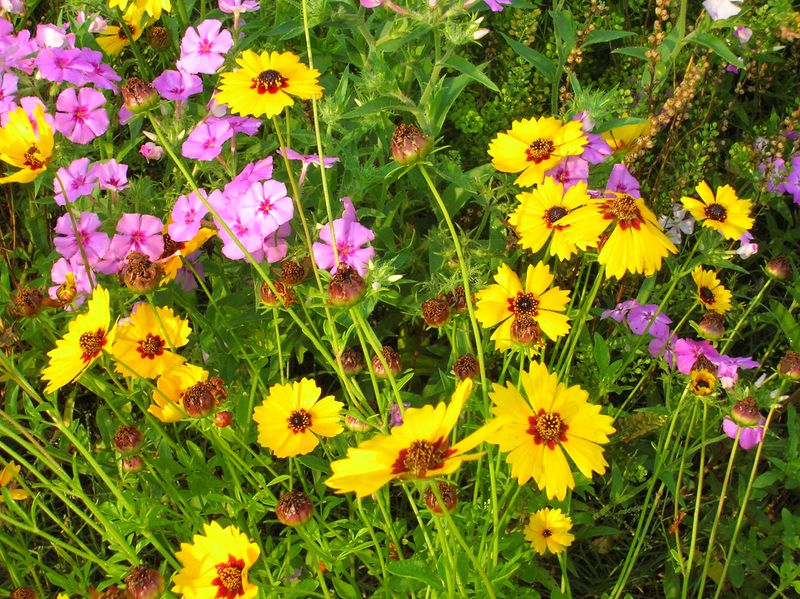
Ever seen a roadside in the state glowing yellow with coreopsis? That golden carpet often starts with a tiny seed, and some of the best ones come from a cooperative.
The Florida Wildflowers Growers Cooperative is a group of growers who produce native wildflower seed. Their seeds are Florida-native ecotype, meaning they come from plants adapted to the state.
That matters more than you might think. A coreopsis from another state can look the same but may not handle our heat, storms, or sandy soil nearly as well.
You can buy individual species packs if you want just one favorite flower. Mixed options are handy if you dream of a colorful meadow.
Stover Seed also partners with Pollinator Partnership to offer regional seed mixes for the state. These mixes match native plants with pollinators and contain no invasive species.
Timing is the secret sauce here. Fall is usually the best season for sowing, although some species can go in during spring and summer.
Prep is simple. Clear away grass and weeds, press seeds lightly onto bare soil, and keep the area moist for a few weeks.
Then practice patience. Some wildflowers take a season to show off, but when they do, bees and butterflies arrive like guests at a block party.
8. Many Native Nurseries Ship Their Plants
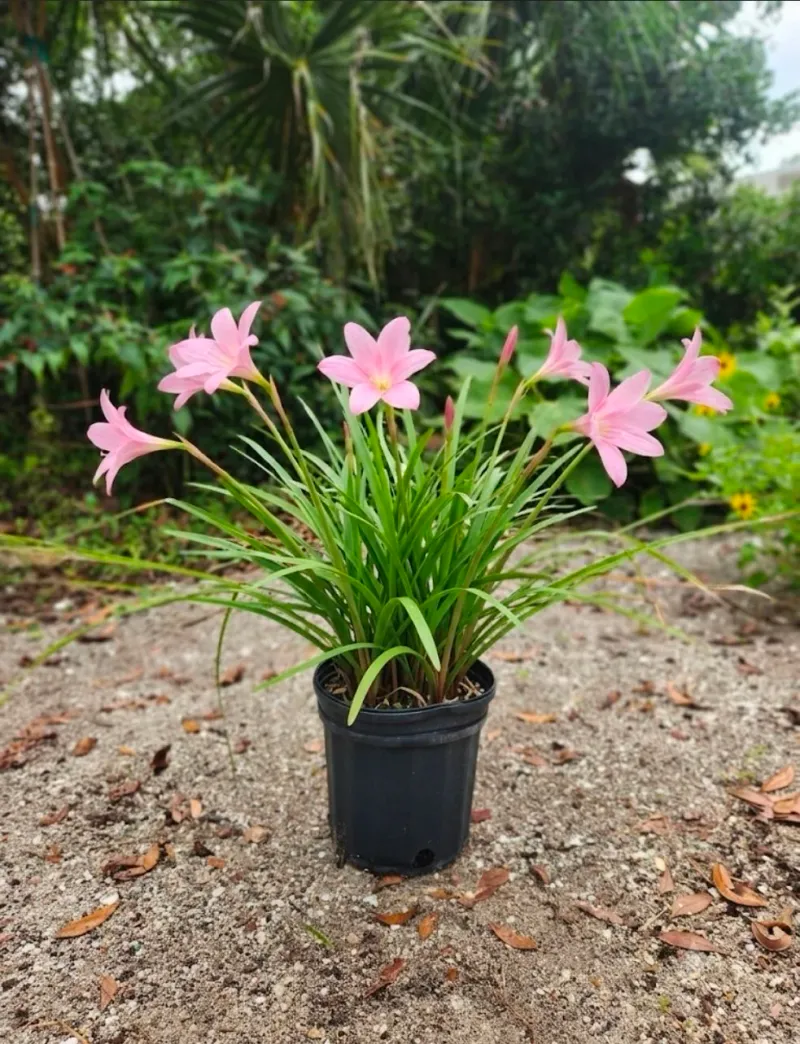
Ding dong, your plants have arrived. Yes, you can shop for native plants in your pajamas, and many growers will ship right to your door.
Shipping is a lifesaver for gardeners who live far from a native nursery. It also helps when you are hunting for one special plant no local seller carries.
Flowing Well Tree Farm in Pierson ships Florida-grown native plants across the country. The farm focuses on stock adapted to local conditions.
The Pinellas Chapter of the Native Plant Society has shared a list of online and mail-order sources too. Some of those sellers even get their plants from growers.
Amelia’s Native Wildflowers in Yulee offers local delivery and order pickup. The nursery plans to start shipping again in fall 2026.
When your box shows up, open it quickly. Plants get thirsty in transit, so give them a drink and set them in light shade for a few days.
Let them adjust slowly before moving them into full sun. Gardeners call this hardening off, and it helps reduce stress.
One more tip worth remembering. Order during cooler months when possible, since summer heat in a delivery truck can be rough on tender leaves.
9. Never Dig Native Plants From The Wild
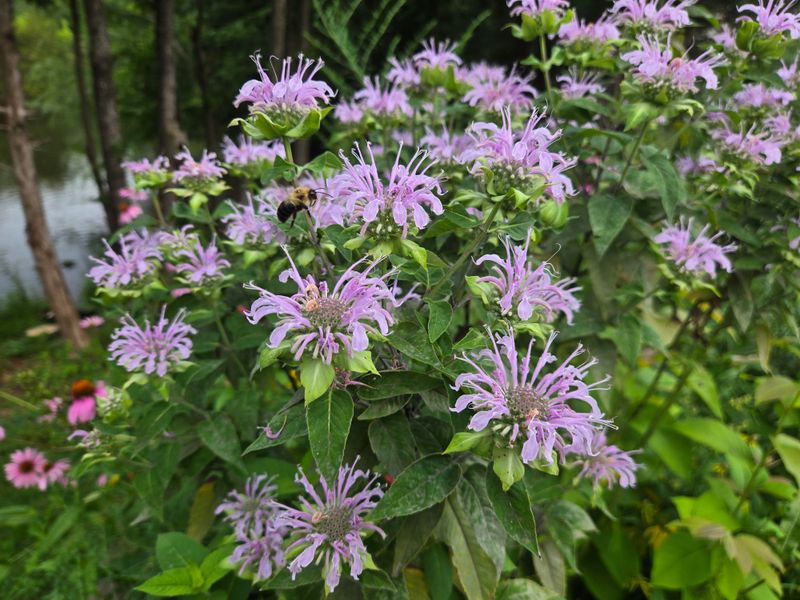
Let’s be honest, that wild orchid on a hiking trail looks very tempting. Leave it right where it is, though, because digging it up can land you in trouble.
Florida’s Plant Protection Law makes it illegal to dig up or destroy plants on the regulated list without permits and permission. That list has more than 600 plants.
It covers endangered and threatened species, plus plants that people tend to overharvest for sale. Breaking the rules can lead to misdemeanor charges.
Taking plants from state parks is generally not allowed either. Rangers work hard to protect these places, and every missing plant leaves a gap.
Even unlisted plants need care. When too many people take just one, wild groups can shrink fast and struggle to recover.
Wild plants also tend to transplant poorly. Their roots are tangled with neighbors and soil life, so moving them often ends badly for the plant.
The better plan is easy. Buy from trusted nurseries, plant sales, and growers who raise plants legally from seed or cuttings.
Snap a photo of that trail beauty instead and ask a nursery if they grow it. You get the plant, the forest keeps its treasure, and everyone wins.