8 Things To Do If A Coyote Shows Up In Your Missouri Yard (And 3 You Shouldn’t)
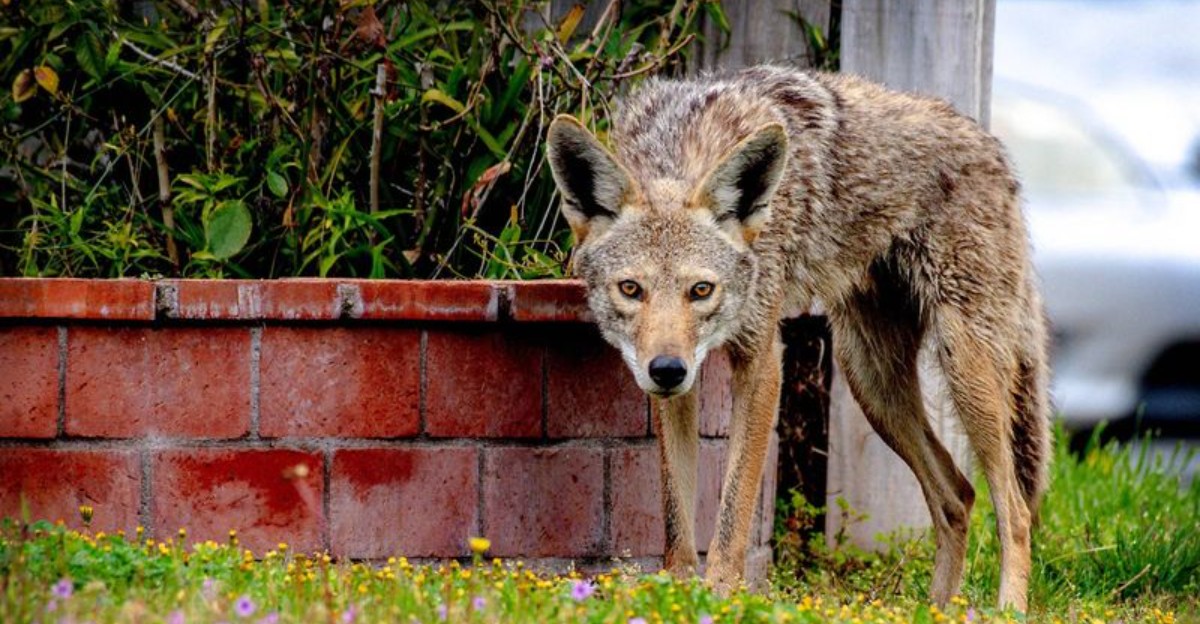
Picture a quiet Missouri evening, crickets buzzing, porch light glowing, and a cool October breeze drifting across the yard. Suddenly, something lean and gray trots past your fence like it owns the whole neighborhood block.
Your heart thumps a little faster, and your dog presses its nose against the window with wide eyes. Your hand drifts toward your phone, though you are not sure who to call or what to do.
Fall is a busy season for wild visitors, because young animals leave home and search for new territory. Shorter days and crisp nights push them closer to houses, where snacks and shelter feel easy to find.
Coyotes are known to sniff around trash cans, grills, and bird feeders in search of an easy meal. Some folks panic, some folks freeze, and a few folks try things that make the situation much worse.
A little know-how can turn that startling moment into a quick story you share over supper later.
Keep Small Pets Within Sight
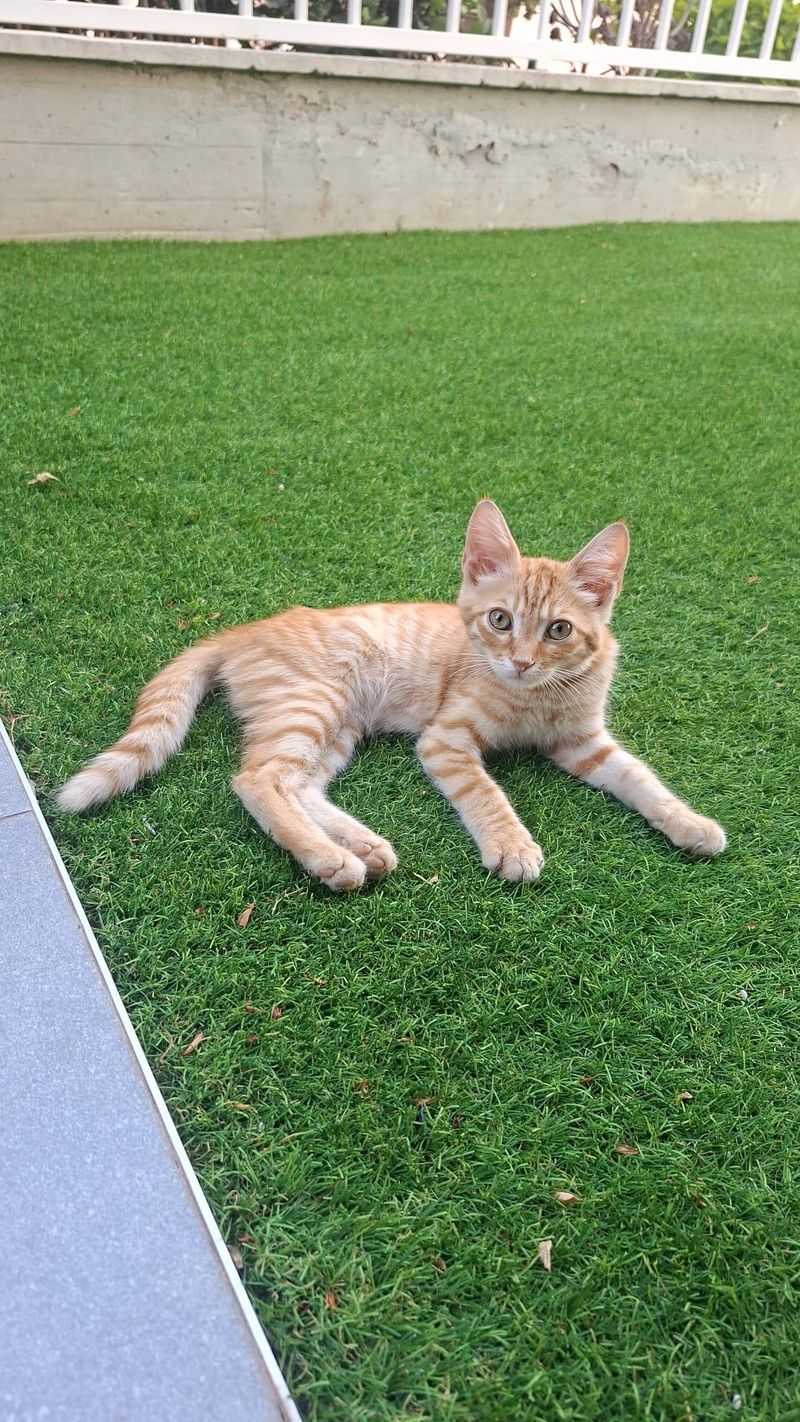
Picture your tabby cat lounging on the deck, tail swishing, while something hungry watches from the tree line nearby. To a hungry wild canine, a ten pound pet can look like an easy meal.
When a coyote wanders into your Missouri yard, your first job is to find your small pets fast. Call them by name, shake a treat bag, or scoop them up if they are close enough.
Cats, toy breeds, rabbits, and backyard chickens are among the animals most at risk in suburban neighborhoods. Larger dogs can still get hurt, especially if they chase the visitor into the woods beyond your fence.
Fall brings shorter days, so the sun sets earlier than many pet owners expect after a long workday. That dusky window is when coyotes are most active, which means your evening potty break deserves extra attention now.
Try clipping a small LED light onto your pet’s collar so you can spot them in the dark grass. Stand on the porch with a flashlight while they sniff around, and stay alert to any rustling sounds.
Shine A Bright Light At It
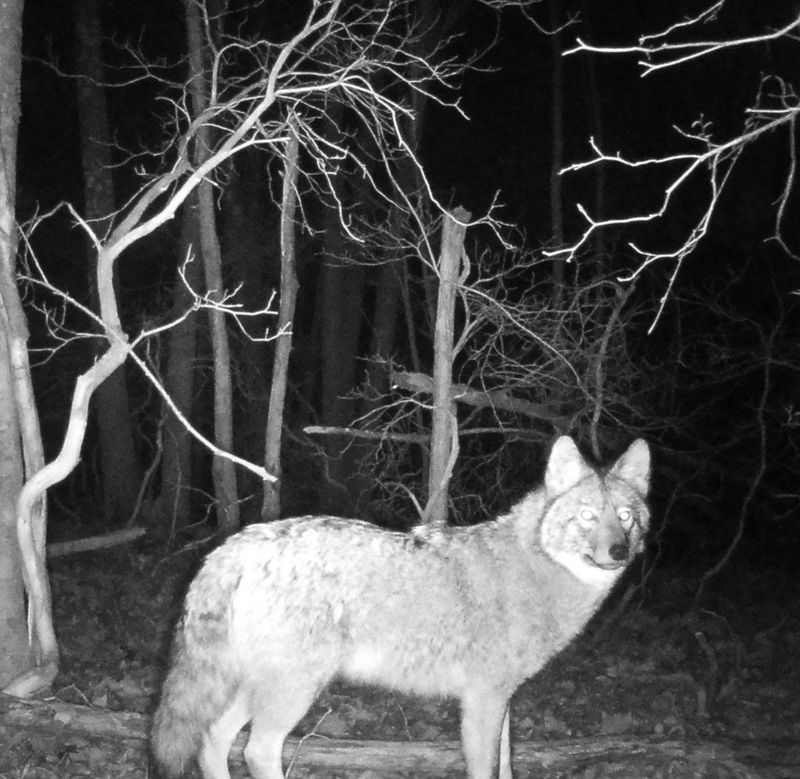
Coyotes are most active after sunset, slipping through Missouri backyards under the cover of darkness. Light makes them feel exposed, and many lose interest in your yard fast.
A powerful flashlight is one of the simplest tools for making a curious visitor turn around and leave. Point the beam toward the animal, and watch it look for an exit.
Wildlife experts call this hazing, which simply means making a wild animal feel unwelcome without hurting it. The Missouri Department of Conservation recommends hazing to help coyotes keep their natural fear of people.
Stay at a safe distance while using your light, ideally from a porch, deck, or open doorway. Combining the beam with a loud voice often makes the message even clearer to a lingering animal.
Keep shining until the coyote leaves your property, rather than stopping the moment it takes a step. Staying consistent teaches it that your yard is a noisy, bright place better skipped on future rounds.
Your Missouri Garden Changes Every Week. Your Plan Should Too.
Gardening in Missouri changes quickly throughout the season. Every Friday you’ll receive a simple weekly plan showing exactly what to plant, prune, fertilize, harvest, and protect so you never miss the right timing.
Blow An Air Horn Or Whistle
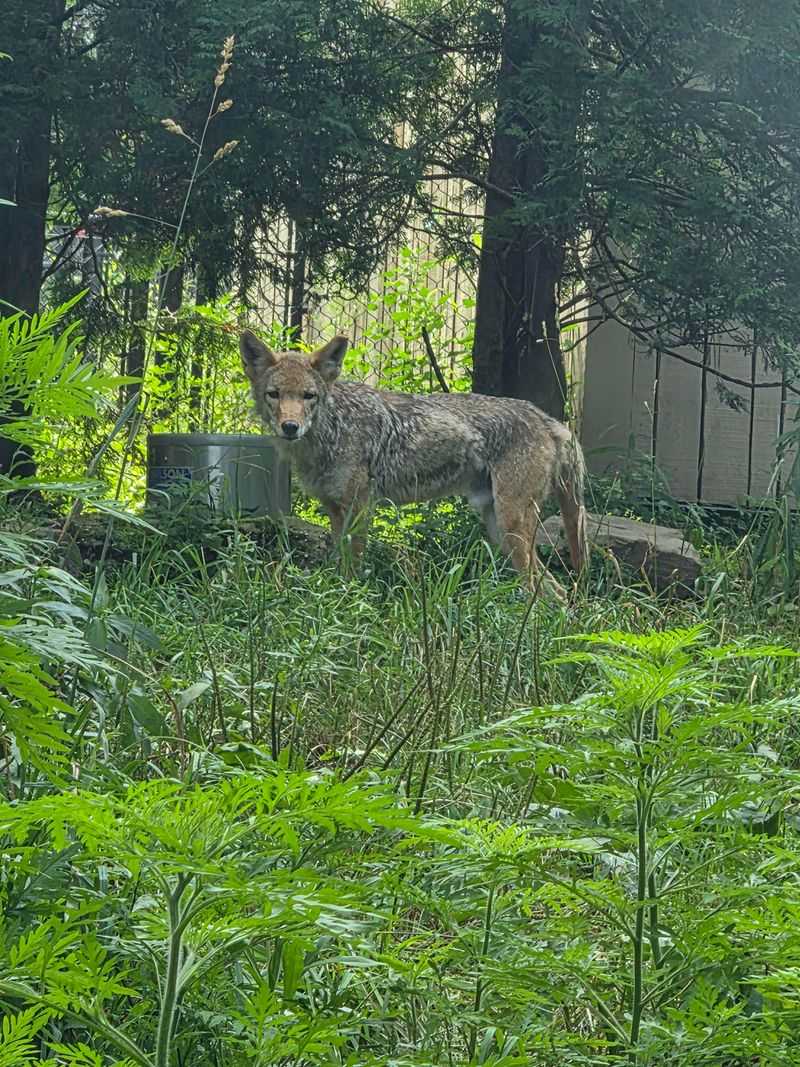
Ever heard an air horn at a high school football game and nearly jumped out of your bleacher seat? Coyotes can be just as startled, and many head for the nearest patch of woods.
Sharp, sudden noises are one of the best ways to tell a wild visitor it picked the wrong yard. An air horn is much louder than your voice, and it carries clearly across wide Missouri lots.
Small handheld horns made for boating or sports are affordable and sold at most outdoor stores. Keep one by the back door, and stash a second one in your jacket for evening dog walks.
Give a few short blasts rather than one long honk, since changing sounds keep the animal guessing. Step forward with confidence as you blow, showing that your yard is not a welcoming place.
Think about your neighbors before you start honking, especially late at night when folks are sleeping soundly. A quick heads up on a neighborhood app can explain the racket and warn others about the visitor.
Bang Pots Together
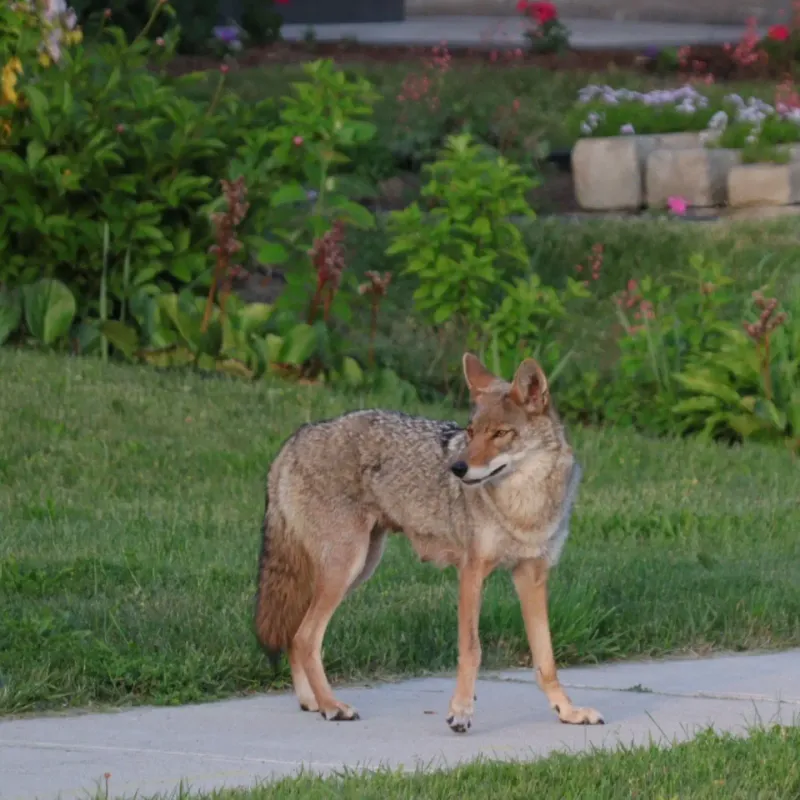
Grandma had the right idea when she banged a pot lid to call everyone in for supper. That same clanging racket can help send a coyote on its way.
Metal on metal creates a harsh, unnatural sound that wild animals rarely hear in the quiet woods. Coyotes depend on sharp hearing to hunt mice, so a sudden crash feels surprising and very uncomfortable.
You probably already own the perfect tools hanging in your kitchen right now, waiting for their big moment. Grab two old pots, a pan and a metal spoon, or a pair of baking sheets for maximum clatter.
Stand tall while you bang away, and move toward the animal with steady, confident steps across the lawn. Leave it a clear escape route, because a cornered animal feels trapped and may act more defensively.
Kids often love this job, and it turns a scary moment into something they feel proud about doing. Keep them close to an adult and near the house, though, rather than charging across the dark yard.
Spray It With A Garden Hose
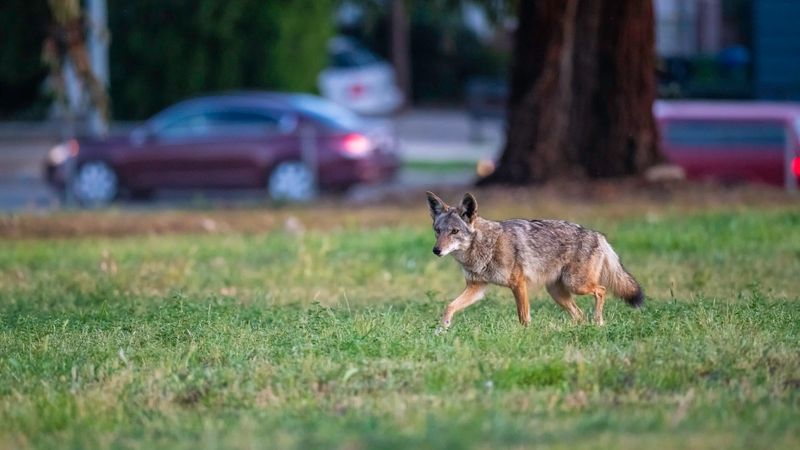
Nobody enjoys a surprise shower, and coyotes are no exception when cold water comes flying their way. Your garden hose might be the handiest wildlife deterrent sitting in your yard right this minute.
A strong stream of water startles the animal without causing real harm, which makes it a humane option. Many coyotes retreat quickly, heading back toward the brush line.
Set your nozzle to the jet setting so the water reaches farther and hits with more surprise. Aim for the body rather than the face, and keep spraying until the visitor leaves your property.
Motion-activated sprinklers offer a hands-free version of this trick, releasing a burst whenever something crosses their path. Place one near a garden bed, compost pile, or fence gap where wild visitors like to sneak through.
Stay a good distance away while spraying, since the hose only reaches so far across the grass. Pair the water with shouting or clapping, and the coyote may remember your yard as unfriendly.
Shout While Waving Your Arms
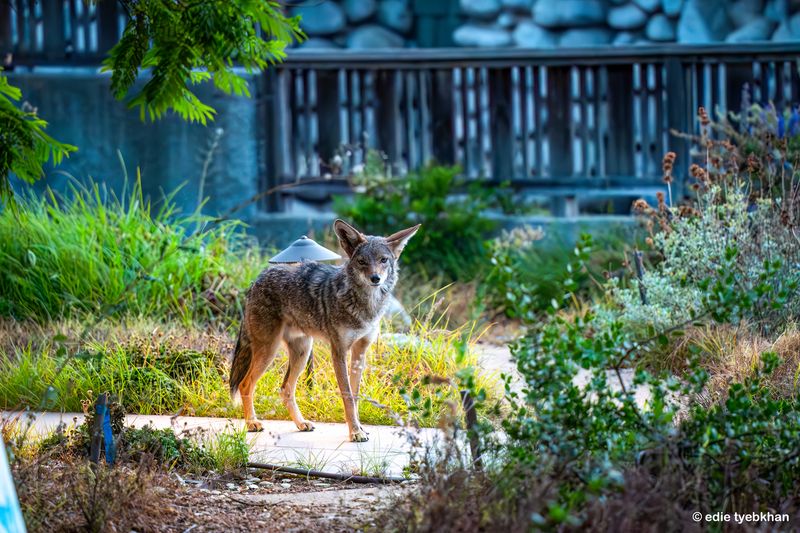
Time to channel your inner superhero, because looking big and sounding loud is one of the most effective ways to deter a coyote. Wildlife experts often recommend standing tall and making plenty of noise.
Coyotes usually weigh between twenty and forty pounds, so a tall, noisy human seems far more threatening. Raise your arms high above your head, wave them wildly, and stand as tall as your body allows.
Use a deep, firm voice and shout simple words like go away or get out of here. The exact words matter less than the volume, so feel free to sound like a grumpy coach.
Whatever you do, avoid turning your back and running, because fleeing can trigger a chase response. Face the animal, keep eye contact, and back away slowly if it refuses to budge from its spot.
Coyotes that seem sick, injured, or unusually bold should be reported to the Missouri Department of Conservation. Their staff can offer local advice and step in when an animal stops responding to normal hazing.
Store Trash In Airtight Containers
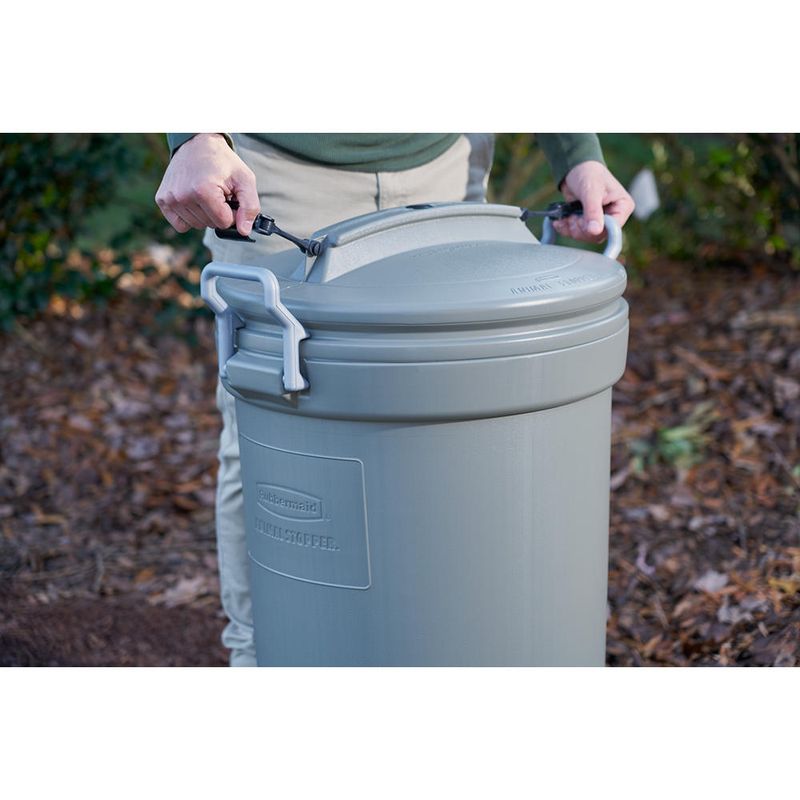
A single garbage bag full of meat scraps can smell like an easy meal to a hungry coyote. Their noses are many times stronger than ours, picking up food scents from a long way off.
Once a wild animal finds an easy meal in your trash, it will likely return night after night. That habit makes coyotes bolder around people, which creates bigger problems for the whole street over time.
Sturdy plastic or metal cans with tight locking lids help trap odors and block curious paws and snouts. Bungee cords or latch straps add extra security if your current cans have flimsy tops that pop open.
Keep your cans inside a garage or shed until the morning of pickup whenever you have the room. Setting bins on the curb the night before gives wildlife hours of unsupervised snacking in the dark.
Compost piles deserve attention too, so avoid adding meat, dairy, or oily foods to your backyard bin. Stick with leaves, grass clippings, and veggie peels, which attract far fewer furry visitors after sunset.
Cover Your Grill Or Keep It Enclosed

Nothing beats the smell of burgers sizzling on a cool October evening while the leaves crunch underfoot. Unfortunately, coyotes can pick up that smell too, and they may come sniffing long after dinner ends.
Grease drips, burnt crumbs, and leftover marinade cling to grill grates and drip trays for days afterward. To a wild nose, your backyard grill can smell like an open invitation.
Scrape the grates while they are still warm, since stuck-on bits come off much easier before cooling. Empty the grease tray after every few cookouts, and toss the drippings into a sealed trash container.
A heavy, fitted grill cover helps trap lingering odors while protecting your grill from fall rain and leaves. Look for one with straps or drawstrings, so a gusty wind is less likely to lift it off overnight.
Rolling the cooled grill into a garage or shed adds even more protection once tailgate season winds down. Keep propane tanks outside and upright, since they should not be stored in enclosed spaces.
Skip Leaving Pet Food Outside
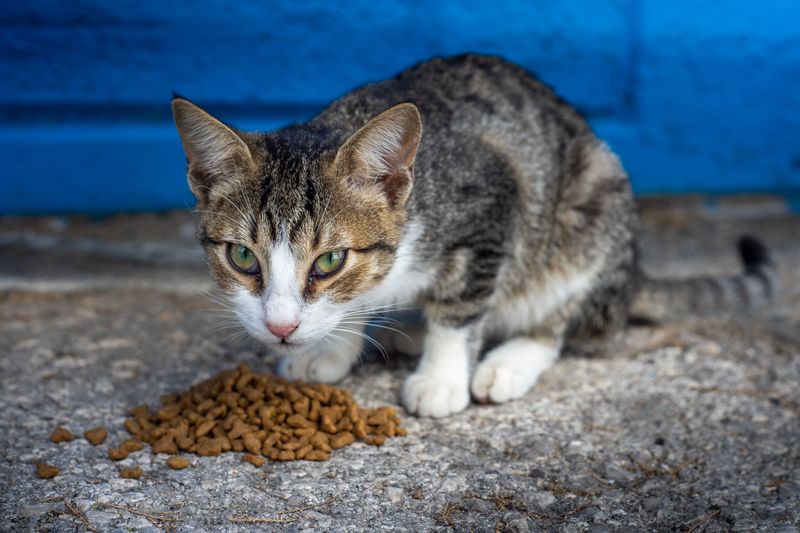
Bowls of kibble left outdoors act like a welcome sign for coyotes, raccoons, opossums, and stray dogs. Once wildlife learns that your porch offers dinner, they may start visiting regularly.
Feeding wild animals, even by accident, teaches them to link people and houses with easy food. Coyotes that lose their wariness of humans can become bolder around people and pets.
Feed your pets indoors whenever possible, or bring bowls inside right after they finish eating their meal. Set a phone reminder if your schedule gets hectic, especially with school activities and fall sports in full swing.
Outdoor cats and farm dogs present a tricky challenge, since they may need food available outside. Try feeding them at set times during daylight, then removing leftovers well before the sun goes down.
Store big bags of pet food in sealed bins inside the garage instead of on an open porch. Torn bags spill crumbs and smells, which can lure hungry visitors right up to your back steps.
Avoid Leaving Pets Outside From Dusk Until Dawn
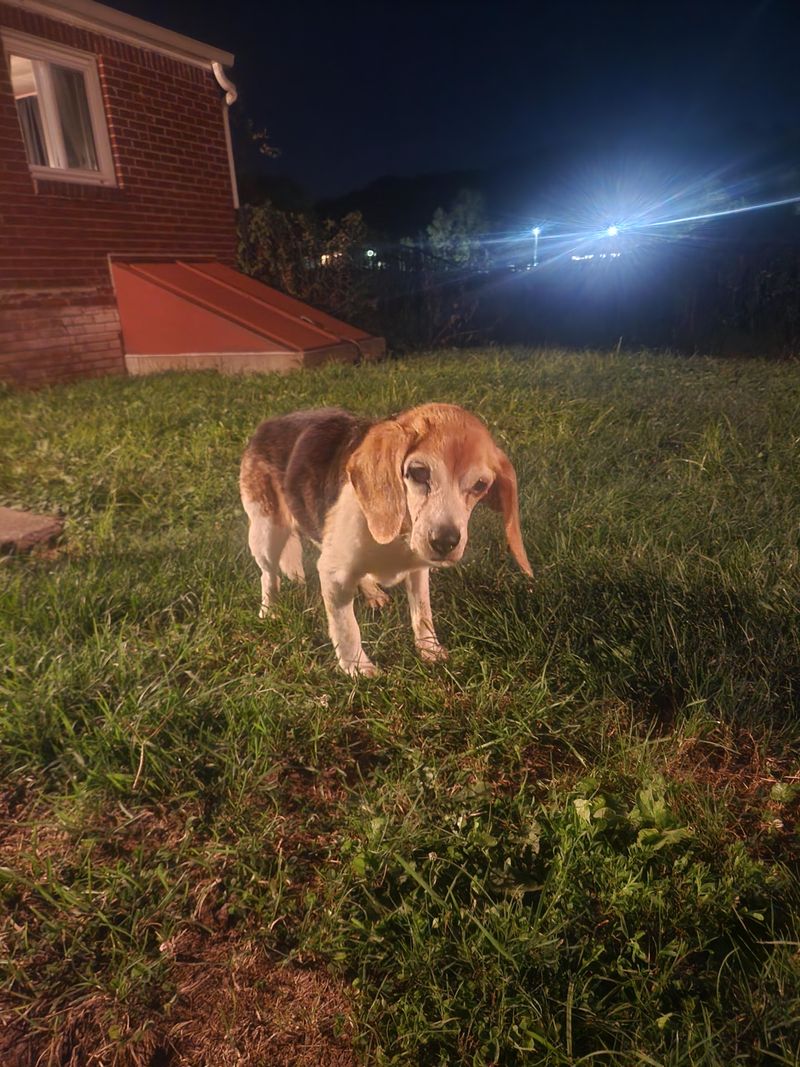
Coyotes are most active between dusk and dawn, when neighborhoods grow quiet and dim. That is the stretch of the day when pets left outside are the most exposed.
Early October brings sunsets before seven o’clock, which means darkness arrives earlier than it did a month ago. Once daylight saving time ends in November, evenings will feel even shorter and the risky hours longer.
A dog tied up or a cat roaming free overnight has very few ways to escape a determined predator. Even fenced yards can fall short, since coyotes can jump six-foot fences and dig under weak spots.
Bring pets inside before the sun sets, and give them a cozy spot near the family for the night. A comfy bed, a favorite toy, and a little routine can make the evening transition easy for everyone.
Backyard chickens, ducks, and rabbits need secure housing with sturdy wire, solid latches, and a covered top. Hardware cloth buried a foot underground around the coop helps stop diggers from tunneling in after dark.
Don’t Leave Bird Feeders Spilling Seed
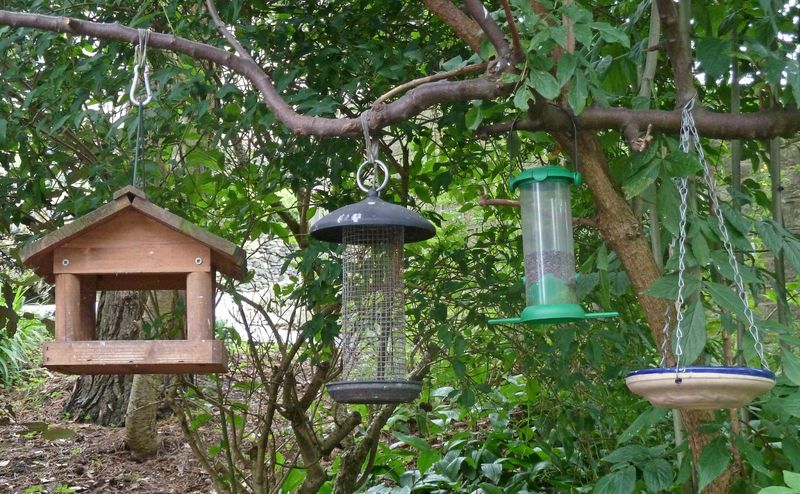
Watching cardinals and chickadees flutter around a feeder is one of the sweetest joys of a Missouri autumn. Trouble starts when spilled seed piles up underneath, creating a buffet for creatures you did not invite.
Coyotes are not usually after the seed itself, but they will go after the mice, squirrels, and rabbits that gather there. Autumn brings more of this activity, since rodents stock up for cold weather.
Add a seed tray or catcher beneath your feeder to collect falling hulls and loose bits before they land. No-mess blends with shelled seeds also reduce waste, because birds eat nearly everything instead of tossing shells aside.
Fill feeders with only what birds can finish in a day, rather than packing them to overflowing. Hanging feeders farther from bushes and woods also gives sneaky predators fewer hiding spots near the action.
Bring feeders inside at night if coyotes keep showing up, then hang them back out each morning. Your feathered friends still get breakfast, and your yard stops looking like an all-night snack spot.