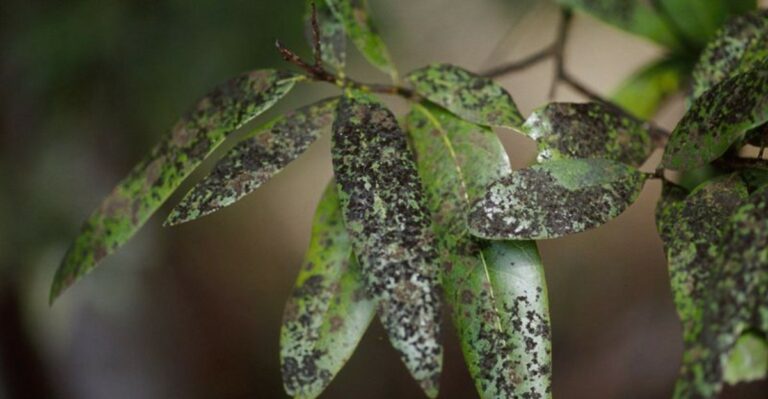
Rusty Brown Stems On Missouri Pastures Are Headed For A Sales Ban In 2027
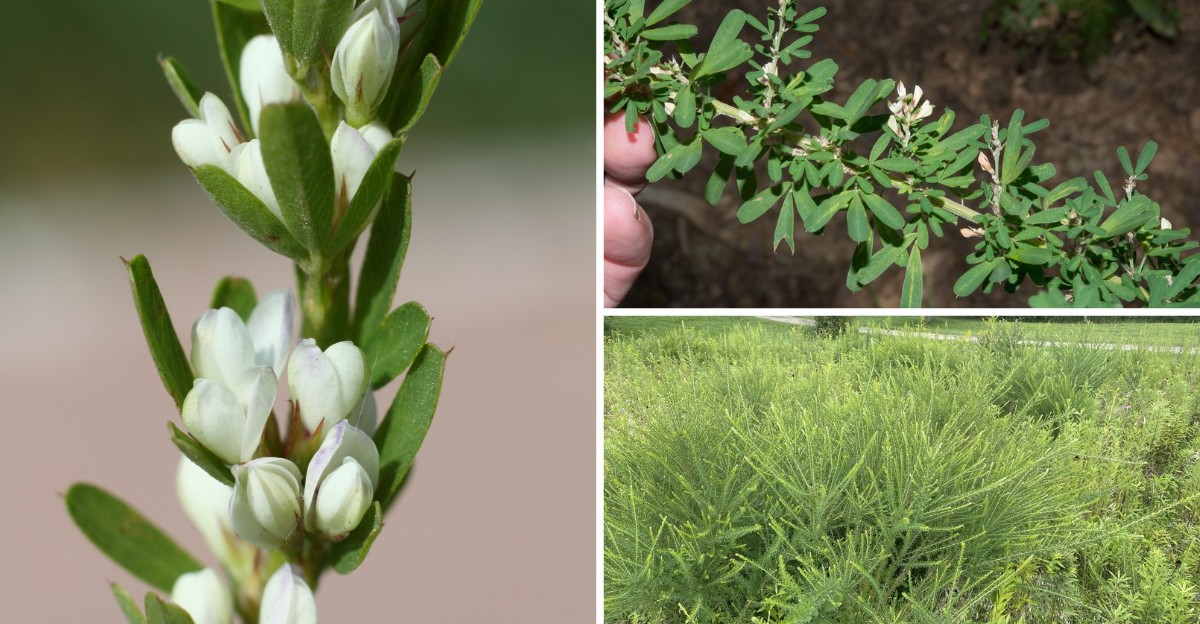
Drive past a Missouri pasture this October, and you might spot wiry stems glowing rusty copper. From the truck window they look almost pretty, like autumn decorations swaying in a cool breeze.
Cattle seem to disagree, because they often walk past those stems to chew something tastier nearby. Ranchers have watched that picky habit for years while brown patches quietly spread across their fields.
Each plant can drop hundreds of tiny seeds that rest in the soil for many years. That stubborn seed bank turns one small patch into a crowded mess faster than folks expect.
Now a Missouri law is set to stop nurseries from selling this troublemaker. Garden centers and other plant sellers will soon need to pull it from their shelves.
Anyone who owns land, rents pasture, or simply loves open fields should pay attention to this change. Those copper stems may look harmless, yet they carry a surprising story worth a closer look.
A New State Law Ends Nursery Sales Starting In 2027
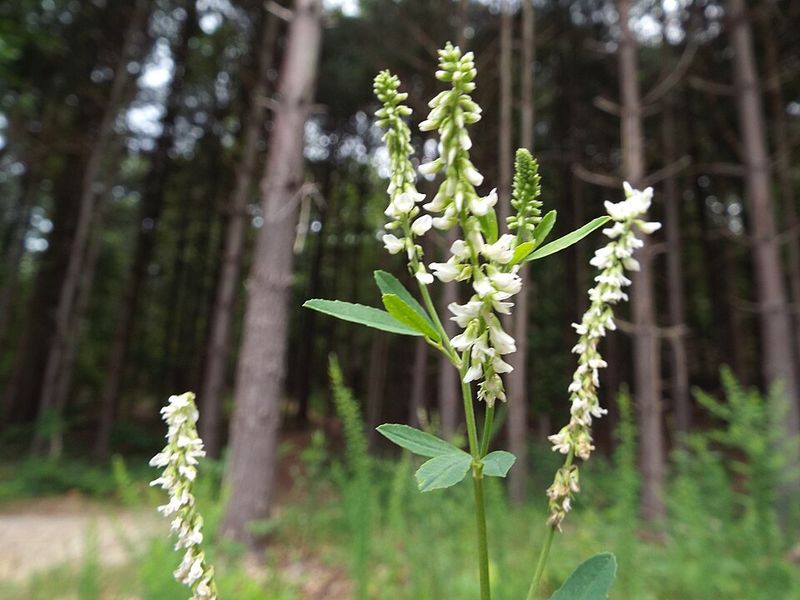
Picture a plant once praised as a wonder crop, now facing a sales ban across the Show-Me State. Those rusty brown stems belong to sericea lespedeza, a tough legume that has crowded Missouri grasslands for decades.
Senate Bill 105 became law in July 2025 and covers six invasive plants, including sericea lespedeza. Starting January 1, 2027, Missouri nurseries cannot knowingly or intentionally sell, import, or propagate it.
Missouri also has a separate Noxious Weed Law that covers weeds like musk thistle, Johnsongrass, and multiflora rose. That law requires landowners to control listed weeds, while the new invasive plant law focuses on sales and does not penalize property owners for having the plant.
Farmers and conservation groups supported this change because the plant spreads quietly and lowers the value of good grazing land. Cattle mostly avoid mature sericea since its stems carry high levels of tannins that taste bitter and harsh.
A sales ban will not remove plants already growing, but it can slow new plants from reaching more properties. Think of it as closing the front door while you work on cleaning up the mess inside.
Rules can change over time, so checking with the Missouri Invasive Plant Council keeps you current. Your local University of Missouri Extension office can also explain what the law means for your own acres.
For most landowners, the biggest takeaway is simple: treat sericea as a weed rather than a forage crop. Spotting those copper stems this fall gives you a head start on planning control for next year.
A Wonder Crop Gone Wrong
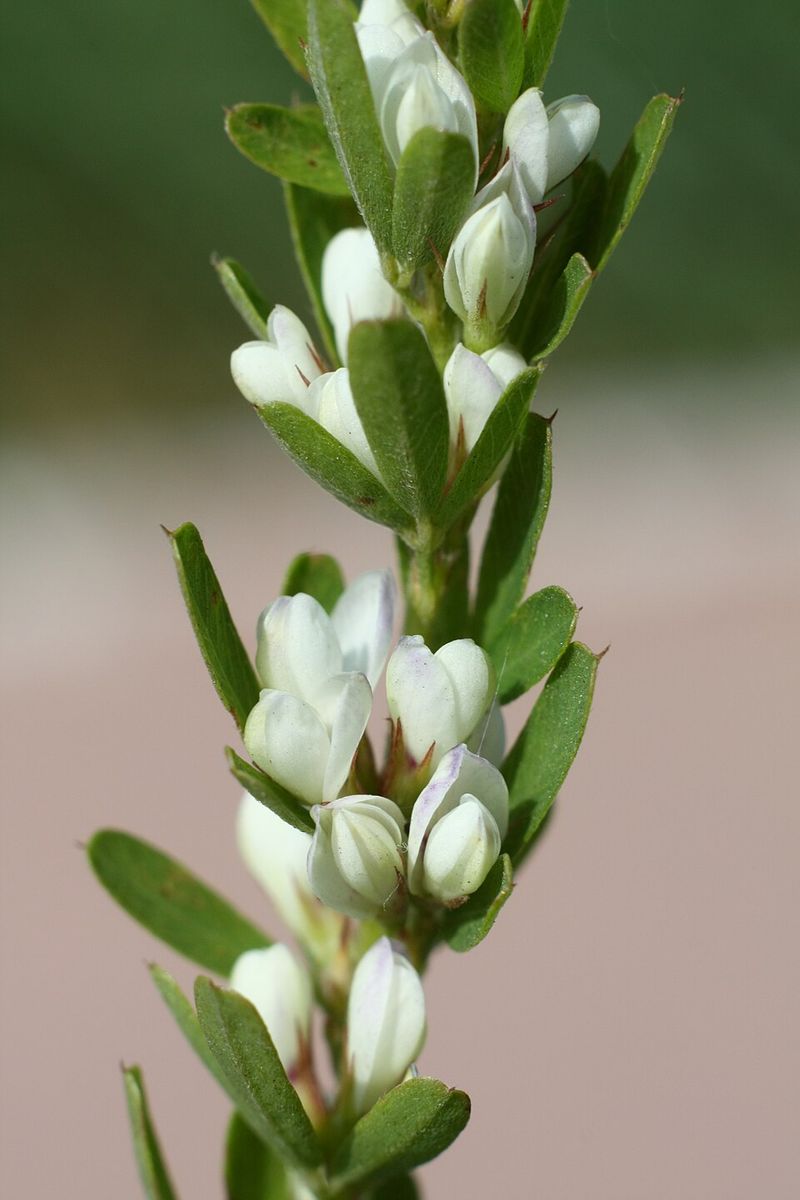
Back in the 1930s, conservation crews planted sericea lespedeza to hold soil on eroded hillsides and roadsides. The plant came from eastern Asia, and it seemed like a smart fix for worn-out farm ground.
Its deep roots gripped loose dirt, and it grew well in poor, acidic soils where little else thrived. Highway departments and mine reclamation projects also used it, spreading seed along miles of banks and ditches.
Your Missouri Garden Changes Every Week. Your Plan Should Too.
Gardening in Missouri changes quickly throughout the season. Every Friday you’ll receive a simple weekly plan showing exactly what to plant, prune, fertilize, harvest, and protect so you never miss the right timing.
Trouble showed up once the plant escaped those plantings and wandered into nearby pastures and native prairies. Seeds hitch rides on mowers, hay bales, truck tires, and even wildlife passing through.
Grazing animals add to the problem because they pick tastier grasses first and leave sericea standing tall. With less competition around it, the weed soaks up sunlight and slowly claims more open ground each season.
Researchers in Kansas and Missouri have found it can shade out native plants and shrink wildlife habitat. Quail, prairie chickens, and pollinators can struggle when thick sericea stands replace the mix of wildflowers they need.
Heavy infestations can cut the amount of usable grazing on a pasture. Lower forage means buying more hay, which stretches tight farm budgets even further during long, cold Missouri winters.
History offers a useful lesson here about planting fast, easy fixes without thinking about the long run. A plant that solved one problem ninety years ago has become a stubborn headache for today’s landowners.
Copper Stems Signal Fall Seed Season
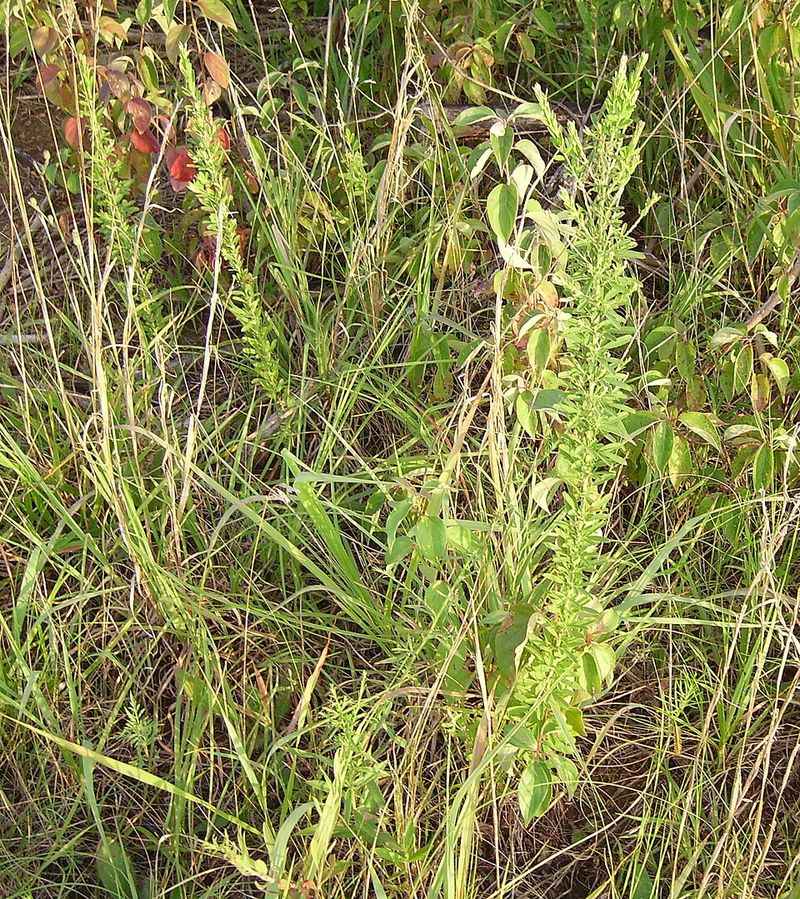
Walk a hayfield in early October, and the sericea plants stand out in rusty copper. Their green summer color fades into reddish brown as cooler nights settle over the Ozarks.
That color change tells you something important, because the plants are finishing their seed for the year. Tiny seeds tuck along the stems, and a single large plant can produce hundreds of them each fall.
Studies show those seeds can stay alive in the soil for up to about twenty years. Their hard coats protect them, so they wait patiently until a bare spot opens up for sprouting.
Fall is a great time to scout because the brownish stems stand out clearly against fading grasses. Grab a notebook or phone, then mark every patch you find on a simple map of your land.
Pay extra attention to fence lines, field edges, gates, and spots where hay was fed last winter. Those areas often see new arrivals first because seeds ride in on equipment, bales, and animal traffic.
Herbicide sprays work poorly this late, since the plants have already moved their energy into seeds and roots. Save your spray money for next season, when the weed is actively growing and easier to control.
October scouting may not feel exciting, but it turns guesswork into a clear plan for the months ahead. Knowing where every patch hides helps you spend time, fuel, and money only where they matter most.
The Late Mowing Mistake
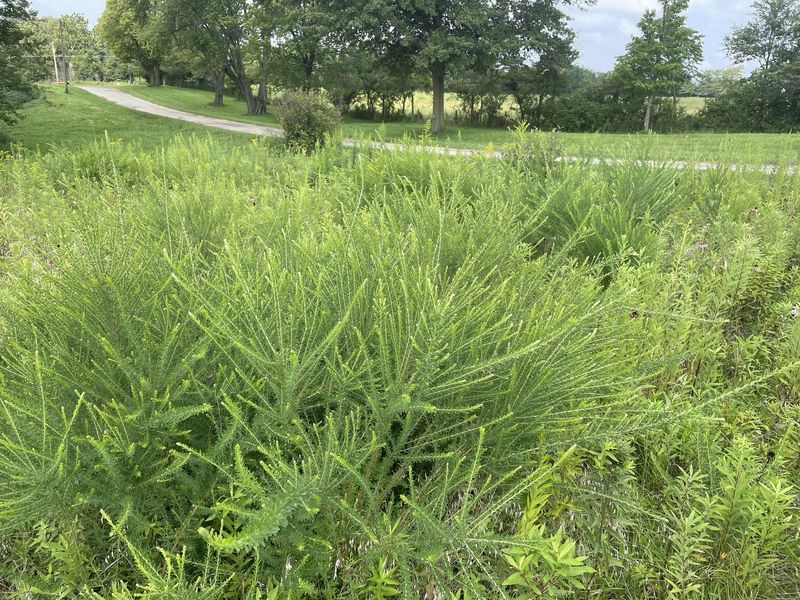
Plenty of well-meaning landowners hop on the tractor in October and mow those brown stems down to stubble. It feels productive, and the field looks tidy afterward, but the timing often works against you.
By early fall, most sericea seeds are already ripe and ready to tumble from the swaying plants. Mowing at this stage can shake loose many seeds and scatter them across the field.
Worse yet, the mower deck can carry seeds stuck in grass clippings to the next pasture you cut. Those seeds can start a new patch in a field that was clean before.
Baling hay from infested fields creates a similar problem, since seeds ride inside the bales all winter. Wherever that hay gets unrolled, a fresh crop of sericea seedlings may pop up the following year.
Mowing does have a place, but research suggests it works best in early summer before seeds form. Cutting then weakens the plants and can set up a better follow-up spray on the regrowth later.
If you must mow infested ground this fall, finish those patches last so loose seeds stay put nearby. Afterward, blow off or wash the mower deck, tires, and frame before moving to another clean field.
Selling or sharing hay from infested fields deserves a second thought, since seeds can travel inside the bales. A neighbor who receives weedy hay may not thank you when copper stems appear in their own pasture.
A Smarter Herbicide Calendar
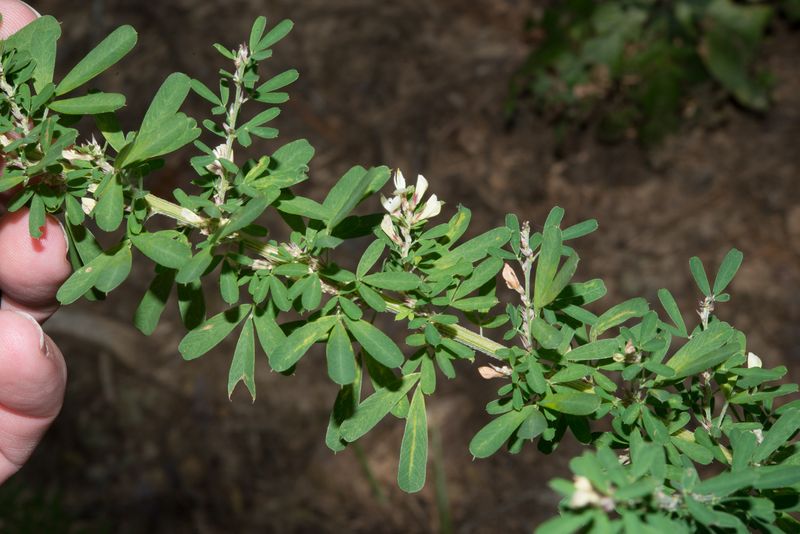
Ask any extension specialist about sericea control, and you will likely hear one word first: timing. Spraying at the right moment can make a modest budget stretch much further than random treatments.
University of Missouri Extension often recommends products with triclopyr or fluroxypyr during the late summer flowering stage. That window usually runs from August into September, when plants send energy down toward their deep roots.
Another option uses metsulfuron in the vegetative stage, typically around June, before the stems turn tough and woody. Labels change over time, so reading every label carefully protects your forage, your animals, and your wallet.
Since early October falls after the best window, use these cool weeks to plan rather than spray. Price out products now, check your sprayer, and pencil target dates onto next year’s kitchen wall calendar.
Spot spraying small patches costs far less than treating whole fields after the weed has spread everywhere. Your October scouting map becomes a handy reference for where to aim the sprayer first next year.
Many broadleaf herbicides can harm clover and other legumes, so expect some trade-offs in mixed grass pastures. Talking with an extension agent or crop advisor helps you weigh those choices before buying anything for the farm.
Patience matters too, because one spraying rarely solves the problem when seeds keep sprouting from the soil. Plan on several years of follow-up work, and celebrate each season the patches shrink a little more.
Thick Grass As A Natural Barrier
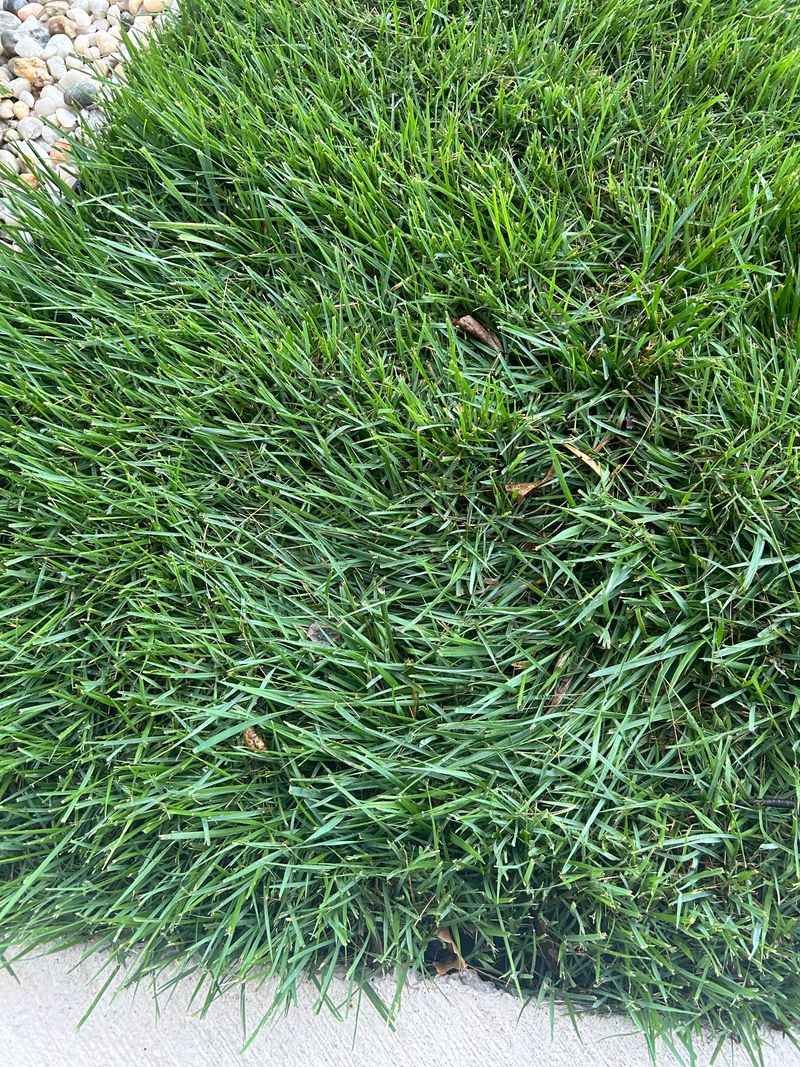
Old-timers like to say that weeds rush in anywhere grass leaves an empty seat at the table. Sericea fits that saying well, since it thrives in thin, overgrazed pastures with plenty of bare ground.
Thick, healthy grass shades the soil, which makes it harder for buried seeds to sprout and grow. Early October is a fine time to soil test, since results shape lime and fertilizer plans for spring.
Early fall is the usual window for overseeding cool-season grasses like tall fescue or orchardgrass in Missouri, and that window closes as October goes on. Filling bare spots gives young grass a jump on sericea seedlings that wake up next year.
Grazing goats offer another clever tool, because they happily munch sericea that cattle mostly turn down flat. Their stomachs handle the bitter tannins, and steady browsing can reduce seed production over several grazing seasons.
Clean equipment matters just as much as grass, since tires, mower decks, and trailers carry seeds between fields. Buying hay from trusted sellers who know their fields reduces the chance of bringing home unwanted guests.
Once the sales ban takes effect in 2027, Missouri nurseries will no longer be allowed to sell sericea. Still, checking seed mix labels for lespedeza species remains a smart habit when buying any pasture blend.
Prevention takes steady effort, yet it usually costs less than managing a pasture packed with copper stems. Neighbors who work together on shared fence lines often see better results in cleaner, greener grazing land.