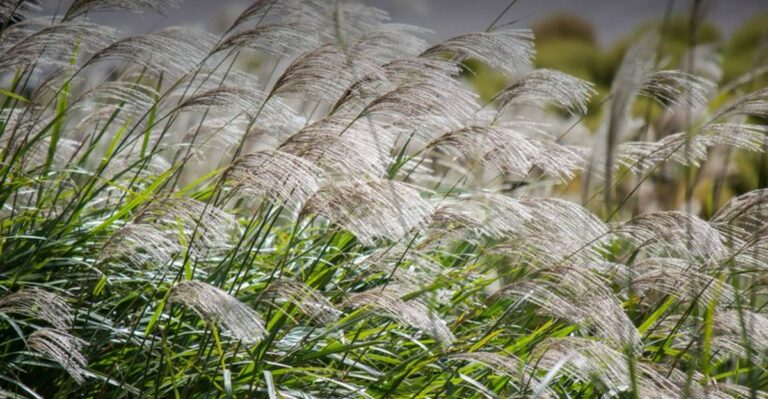
The Native Ohio Plants That Look Best In A Frosty October Garden
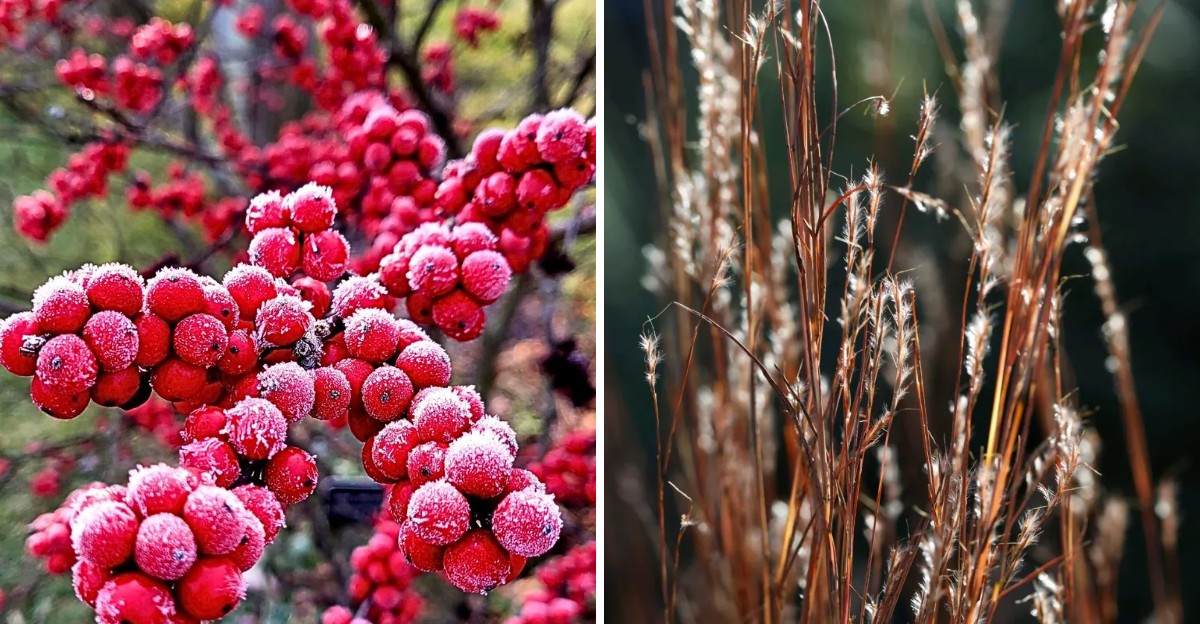
Cold October mornings in Ohio bring a crunchy sparkle to the lawn and a crisp bite to the air. Your coffee steams, and the garden looks like someone dusted it with sugar overnight.
Most people think the show ends once summer flowers fade. A few clever native plants keep putting on a show long after the first chill arrives, and honestly they might be the best part of the whole gardening year.
Some glow in shades of ruby, gold, and copper. Others hold seed heads that catch frost like tiny crystal ornaments, turning an ordinary backyard into something that genuinely stops you in your tracks.
They also feed birds, shelter insects, and ask for very little care. Keep reading to meet the hardy beauties that make chilly fall days worth stepping outside for.
1. Little Bluestem Brings Copper Glow To Ohio Fields
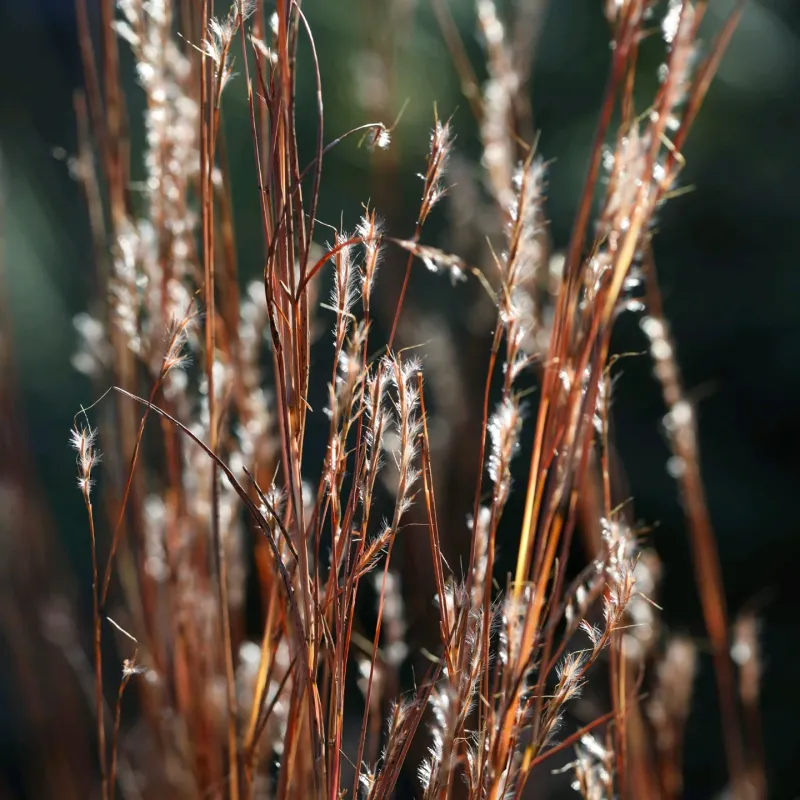
Grass can steal the show, and little bluestem proves it every October. Its blue-green summer blades turn a warm copper red once nights get cold.
Frost clings to the fluffy silver seed tufts like tiny lights. On a sunny morning, a patch of it looks like it is glowing from the inside.
Gardeners love this grass because it handles poor soil with ease. Clay, sand, or rocky ground all work fine as long as the spot gets full sun.
Plant it in spring or early fall, spacing clumps about 18 inches apart. Water it during the first summer, then mostly let rain do the job.
Skip the fertilizer, since rich soil makes the stems flop over. Lean conditions keep it upright and tidy all season long.
Here is a fun bit of history. Little bluestem once covered huge stretches of the Midwest, including prairies in western Ohio that settlers called the Darby Plains.
Leave the stems standing through winter instead of cutting them in fall. Small birds like juncos and sparrows pick at the seeds, and some native skipper butterflies use the clumps for shelter.
Cut everything back to a few inches in early spring before new shoots appear. That one quick chore is about all the work this plant asks of you all year.
2. New England Aster Adds Late Purple To Ohio Beds
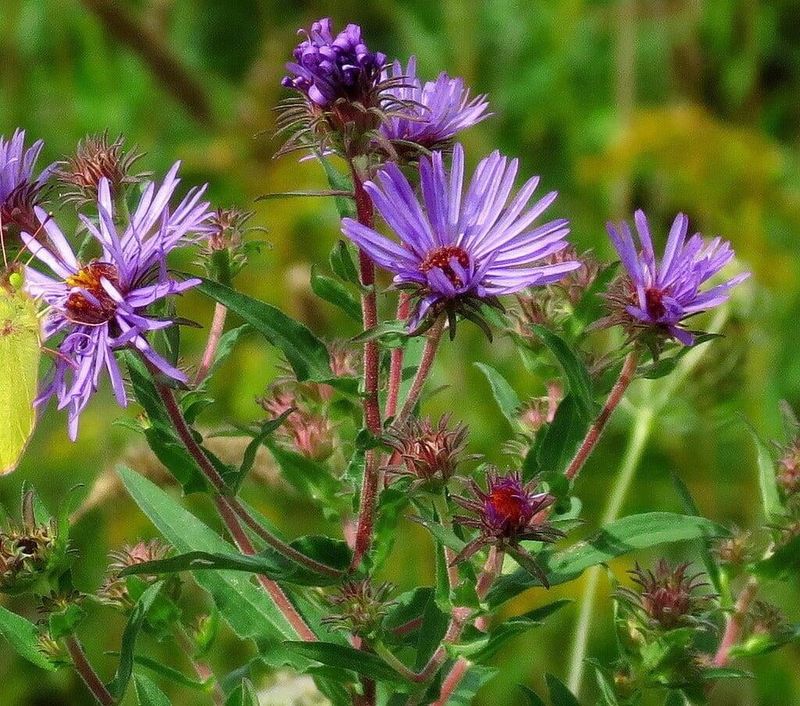
Purple daisies in October feel like a surprise gift. New England aster opens its bright violet blooms just when most gardens are fading out.
The flowers have sunny yellow centers that pop against the purple petals. A light frost often leaves the blooms looking fresh, so the color lasts well into the month.
Bees and butterflies treat this plant like a late-season snack bar. Monarchs heading south from Ohio often stop to sip nectar before their long trip to Mexico.
Give it full sun and soil that stays a little moist. It grows three to five feet tall, so place it toward the back of a bed.
Tall plants can get floppy by fall. A simple trick fixes that problem.
Cut the stems back by about one third in early June. The plant gets bushier and shorter, and it still blooms on time.
Your Ohio Garden Changes Every Week. Your Plan Should Too.
Gardening in Ohio changes quickly throughout the season. Every Friday you’ll receive a simple weekly plan showing exactly what to plant, prune, fertilize, harvest, and protect so you never miss the right timing.
Watch for powdery white spots on lower leaves in late summer. Good air flow helps, and shorter plants in front can hide the bottom stems.
Many native plant sales carry named types like Purple Dome, which stays compact at around two feet. It works great in smaller yards or big containers on a porch.
Let some seed heads stay after blooming ends. Goldfinches will happily visit, and the fluffy seeds add soft texture to a frosty scene.
3. Ohio Goldenrod Lights Up Chilly Afternoons
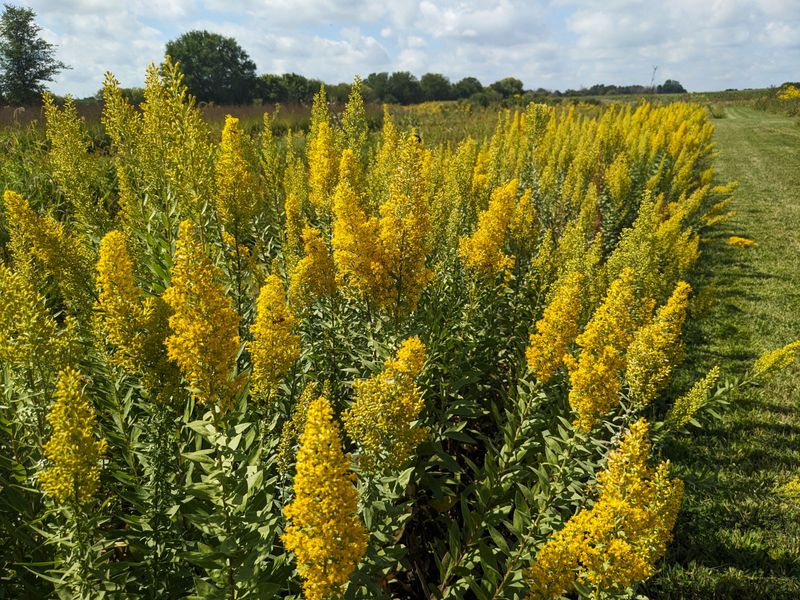
Sneezing season gets blamed on the wrong plant. Goldenrod has heavy, sticky pollen that bees carry, so it rarely floats around to bother your nose.
Ragweed is the real troublemaker, and it blooms at the same time. Now that the mix-up is cleared, goldenrod deserves a second look.
Bright yellow plumes wave in the October breeze like little torches. When frost settles on them, the sparkle against gold is hard to beat.
Several kinds grow wild in The Buckeye State, and some behave better than others. Showy goldenrod and the official state-named Ohio goldenrod stay in neat clumps instead of spreading everywhere.
Canada goldenrod spreads fast, so save it for a big meadow. In a small yard, a clumping type keeps things tidy.
Plant goldenrod in full sun with average soil. It handles dry spells well once roots settle in after the first year.
Pair it with purple asters for a classic fall combo. The yellow and violet sit across from each other on the color wheel, so each one makes the other look brighter.
Over 100 kinds of moths and butterflies use goldenrod as a food source. Native bees load up on its pollen before cold weather sends them into hiding.
Leave the stems up after blooms fade. Hollow stalks give overwintering insects a safe place to rest.
4. Purple Coneflower Seed Heads Shine In Ohio Frost
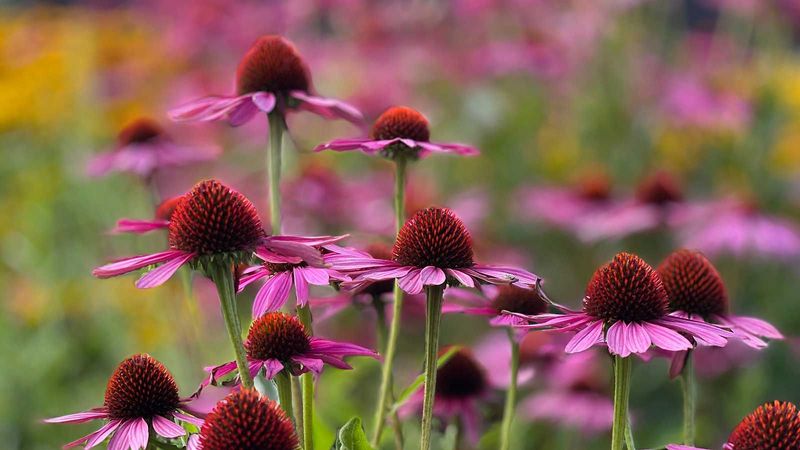
Most folks grow coneflowers for their pink summer petals. The real secret is what happens after those petals drop away.
Spiky brown seed heads stand tall on sturdy stems well into fall. On frosty mornings, every tiny point gets its own coat of ice, and the whole cone looks like a frozen pincushion.
Goldfinches adore these seeds. You might spot a flash of yellow as one hangs upside down to pick out a snack.
Coneflowers grow wild in parts of southern Ohio and thrive in most backyards around the state. Full sun and soil that drains well keep them happy.
Heavy, wet clay can cause trouble for the roots in winter. Mix in some compost or plant on a gentle slope if water tends to puddle.
Resist the urge to deadhead in late summer. Snipping off spent flowers might seem neat, but it takes away the October show and the bird food.
A clump will often drop seeds and start a few new plants nearby. Share the extras with friends or move them to a new spot in spring.
Fun fact for curious readers. Native tribes used coneflower roots as a home remedy, which is why you see its name, echinacea, on tea boxes at the store.
5. Switchgrass Turns Ohio Yards Into Golden Waves
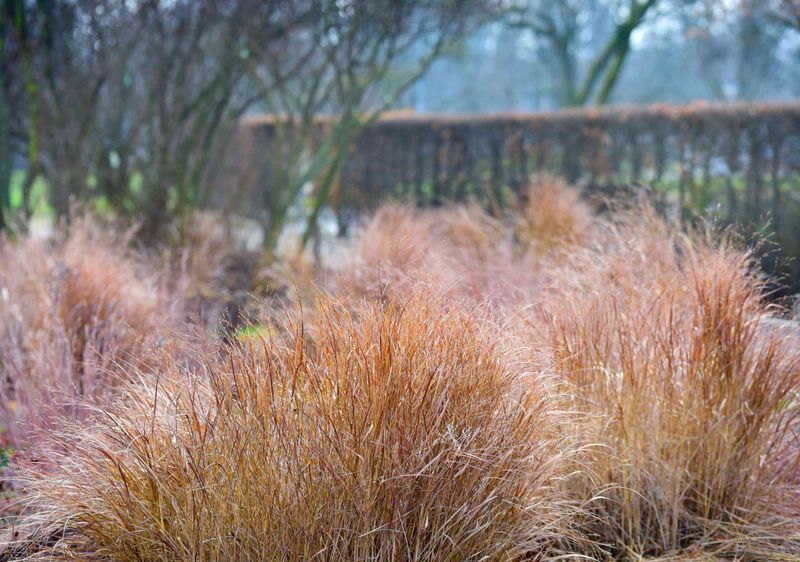
Walking past a stand of switchgrass on a breezy day feels like strolling beside a calm, golden sea. Tall stems sway together and make a soft rustling sound.
By October, the leaves fade from green to buttery yellow or rich burgundy, depending on the type. Airy seed clouds float above the foliage and hold frost like spun glass.
Switchgrass once grew in the tallgrass prairies that dotted Ohio long ago. Today it fits right into home gardens as a living screen or bold border.
Some types reach six feet tall. Others, like Shenandoah, stay closer to four feet and turn deep red in fall.
Full sun is a must for strong stems and good color. The plant handles wet spots, dry spells, and even salty soil near roadsides.
Use it to hide an ugly fence or air conditioner. A row of three or four plants creates privacy by midsummer and keeps looking good through winter.
Hold off on trimming until late winter or early spring. Snowy stems add height and shape to an otherwise flat yard.
Birds use the dense clumps for cover from wind and hawks. Sparrows and quail especially like hiding among the thick base.
Divide large clumps every few years with a sharp spade. Spring is the best time for that job.
6. Ohio Winterberry Holly Delivers Bright Red Berries
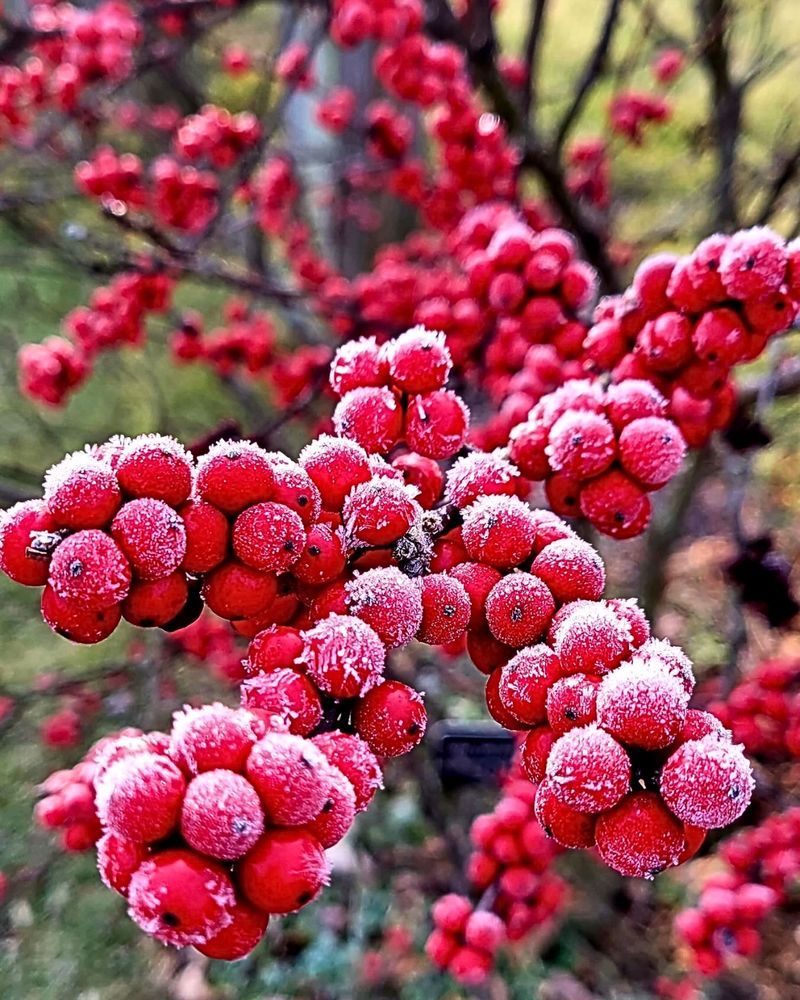
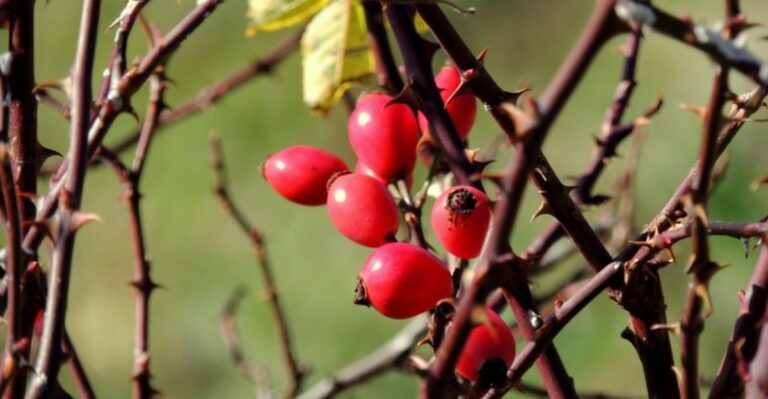
Red berries on bare branches look like a holiday card come to life. Winterberry holly starts that festive look early, often by mid October.
Leaves drop in fall, leaving stems packed with glossy scarlet fruit. Add a layer of frost and the shrub practically sparkles.
Here is the catch most new gardeners miss. Winterberry needs both a female plant and a male plant nearby to produce berries.
Only females carry fruit, so plan on adding at least one male to your planting. Recommendations on the ratio vary, but many nurseries and extension sources suggest one male can pollinate anywhere from three to ten females depending on proximity and bloom timing overlap.
Matching bloom times between your male and female plants is the most important factor, so check with your local Ohio nursery to find compatible varieties.
Plant it in moist, slightly acidic soil. It grows naturally in swampy spots, so a low area in your yard might be perfect.
Sun brings the most berries, though part shade works fine. Mature shrubs reach six to ten feet tall and wide.
Robins and bluebirds feast on the fruit later in winter. The berries soften after a few freezes, which makes them easier for birds to eat.
Cut a few branches for indoor decorating. They look stunning in a tall vase or tucked into a porch planter with evergreen boughs.
Unlike many hollies, winterberry has no prickly leaves. That makes pruning and cutting much more pleasant for your hands.
7. Ohio Sumac Puts On A Fiery Fall Show
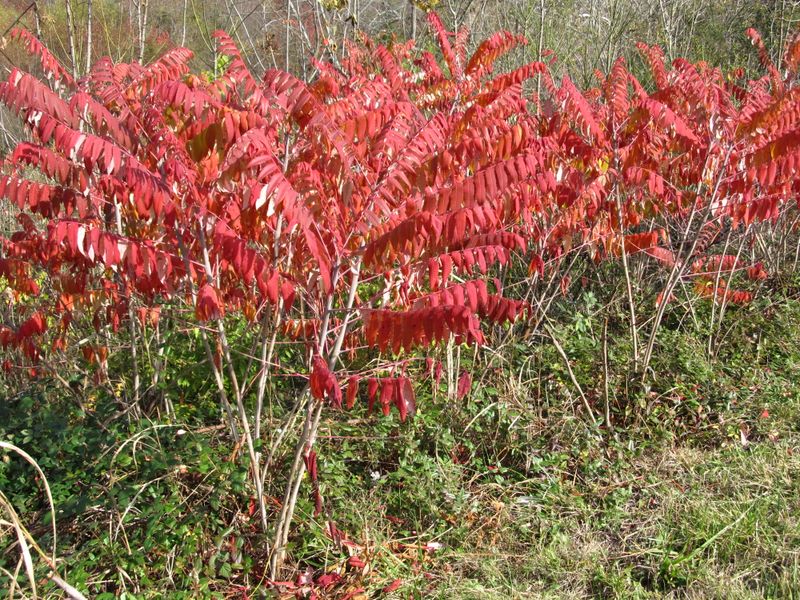
Drive any back road during October and you will spot bright red patches along the edges. Those blazing shrubs are usually smooth sumac or staghorn sumac.
Few native plants can match their color. Leaves shift from green to orange, scarlet, and deep purple, sometimes all on the same branch.
Fuzzy cone-shaped fruit clusters sit at the branch tips like little red candles. Frost turns them into frosted treats for birds when other food runs low.
Plenty of people worry about poison sumac, but that is a different plant. Poison sumac has white berries and grows in swamps, while friendly sumac has red fruit and loves dry hills.
Sumac spreads by underground runners, so give it room. A slope, a fence line, or a corner where nothing else grows makes a great home.
It handles poor soil and drought like a champ. Erosion control is a bonus, since the roots hold loose dirt in place.
Want to try something fun? Soak the red fruit clusters in cool water for an hour, strain, and add a little sugar for a tangy drink often called sumac lemonade.
Gaff Mow or cut back wandering shoots each spring to keep it in bounds. A little attention goes a long way with this enthusiastic grower.
8. Oakleaf Hydrangea Glows Burgundy In Shade
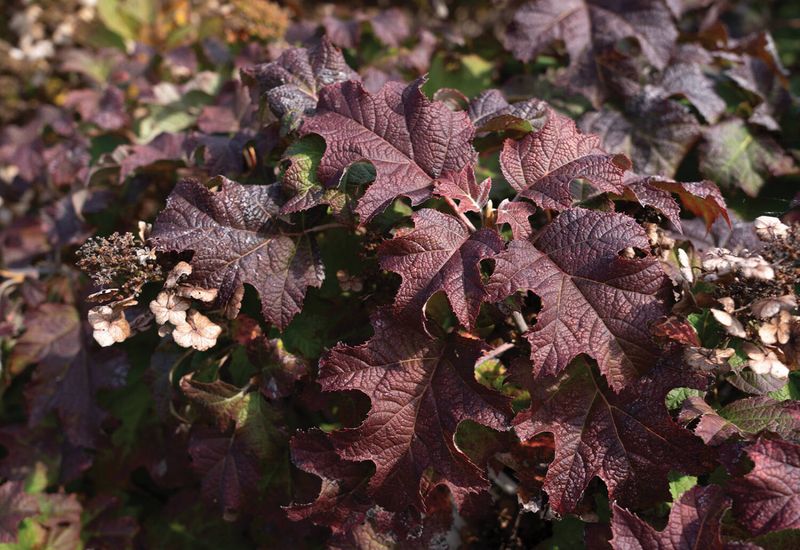
Shady yards often feel left out of the fall color party. Oakleaf hydrangea changes that story in a big way.
Its large leaves are shaped like oak leaves and turn deep wine red, burgundy, and bronze as October cools down. They hang on for weeks, sometimes into December.
The flowers bloom white in early summer, then slowly blush pink. By fall, they dry into tan papery cones that look lovely with a frosty edge.
Oakleaf hydrangea is native to the southeastern United States, with its natural range centered primarily in Georgia, Florida, the Carolinas, and parts of Tennessee and Alabama. While that puts its origins well south of Ohio, it grows beautifully across most of the state and has become a popular choice in native-inspired gardens throughout the region.
Morning sun with afternoon shade gives the best balance. Too much shade means fewer flowers, while hot sun can scorch the leaves.
Soil should drain well and stay a little moist. Add a layer of shredded leaves around the base to keep roots cool and comfy.
Peeling cinnamon-colored bark gives winter interest after the leaves drop. Kids often enjoy touching the papery strips.
Prune only right after flowering, if at all. This hydrangea blooms on old wood, so fall or spring cuts remove next year’s flowers.
Smaller types like Ruby Slippers fit tight spaces. They grow about four feet tall and still deliver that rich fall glow.
9. Ohio Witch Hazel Blooms When Everything Else Rests
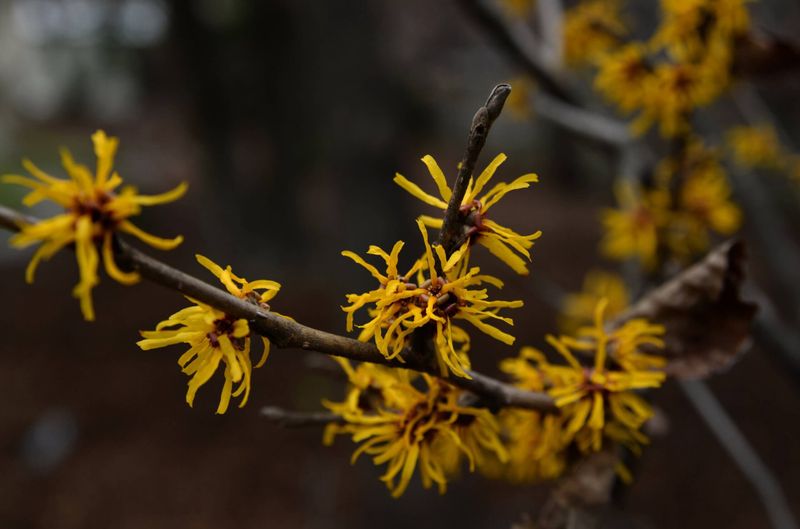
Flowers in late October sound like a mistake, yet common witch hazel blooms right on schedule. Its spidery yellow petals look like tiny crinkled ribbons.
Blooms often open as the golden leaves fall. On a frosty morning, you might see ice crystals sitting on the threadlike petals.
Common witch hazel does grow wild in Ohio, though it tends to be more concentrated in the eastern and southern parts of the state rather than distributed evenly statewide. Hikers in Hocking Hills and similar woodland areas in those regions often notice its sweet, spicy scent drifting through the trees on cool afternoons.
The flowers have a neat trick for cold weather. On freezing nights, the petals curl up tight, then unroll again when the sun warms them.
Few insects fly this late in the year, but some moths still visit. They shiver their wing muscles to warm up enough to sip nectar.
Plant witch hazel in part shade or sun with moist, rich soil. It grows into a small tree or large shrub, reaching 15 to 20 feet over time.
Give it space near a window or path. That way you can enjoy the fragrance when not much else is happening outside.
Another quirky detail is how the seeds travel. Ripe pods snap open and launch seeds up to 30 feet away.
The bark is where the famous skin toner gets its start. Folks have made witch hazel extract for generations.