8 Protected Creatures You Shouldn’t Legally Disturb In Your Missouri Home Or Garden
Early October brings crisp air, crunchy leaves, and the cozy smell of nearby woodsmoke. It also brings odd scratches in walls, mysterious chirps overhead, and surprise visitors in garden beds.
Most homeowners grab a broom, a trap, or a phone when something wild moves in uninvited. That reaction feels natural, but some of those guests carry legal protection that surprises plenty of people.
State rules and federal laws both play a part, and the fines sting worse than wasps. A little knowledge before you act saves money, stress, and an awkward chat with a conservation agent.
Many of these wild neighbors earn their keep by gobbling insects and chasing rodents. After a closer look at their quiet work, sharing your yard starts to feel less like a chore.
1. Three-Toed Box Turtles In The Garden
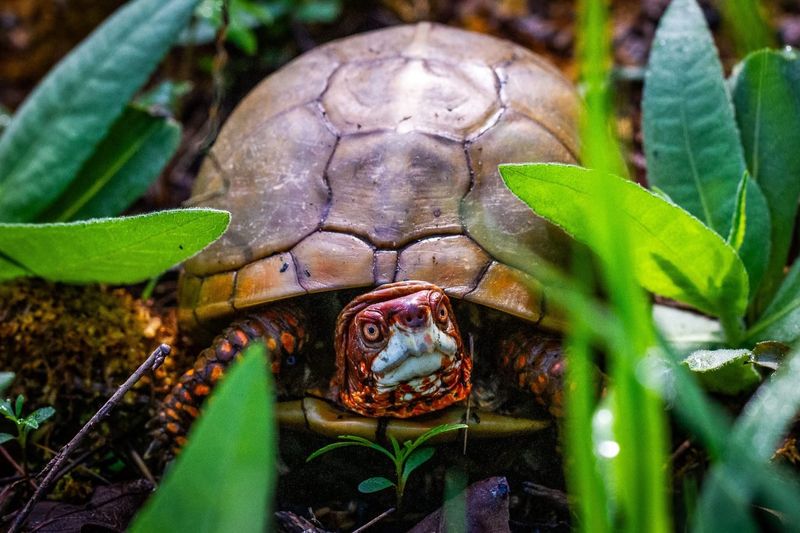
Finding a three-toed box turtle munching a fallen tomato feels like discovering a tiny, shell-covered garden gnome. This slow, orange-spotted wanderer is the official state reptile of Missouri and carries that honor with style.
State rules restrict collecting and selling native reptiles. Wildlife experts strongly urge homeowners to leave these turtles right where they are found instead of relocating them.
Box turtles live in a small home range and may wander for long stretches trying to return if moved. Many moved turtles struggle to find food and shelter, and some end up crossing busy roads.
Some of these turtles can live past 50 years, so the one in your garden may be older than you. They also reproduce slowly, which makes every adult turtle important for keeping local populations steady over time.
In early October, box turtles start searching for soft soil or leaf piles where they can dig in for winter. Leaving a corner of fallen leaves untouched gives them a safe, snug spot to rest until warmer weather returns.
Check garden beds carefully before tilling or mowing, since a buried turtle can hide just inches below the surface. Raising your mower blade a little higher in fall also protects turtles crawling through tall grass and clover.
Box turtles eat slugs, beetles, and fallen fruit, which makes them helpful little cleanup crews for busy gardeners. If one crosses a road, carry it across in the direction it was heading and let it continue on.
2. Bat Colonies In The Attic
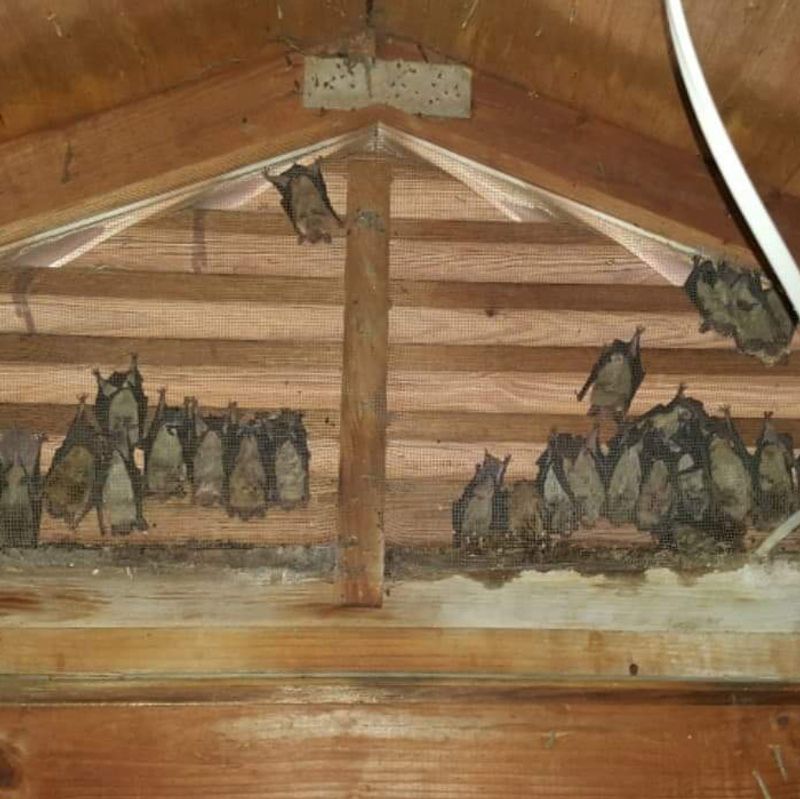
Some attics hide a secret crowd of tiny furry tenants that slip out each night at dusk. Big brown bats and little brown bats often pick warm, quiet roof spaces to rest during the day.
Under the Missouri Wildlife Code, bats are protected, so trapping or harming them breaks state law. Several species, like the Indiana bat and gray bat, also carry federal endangered status with steep penalties.
Early fall is actually the best window for a humane exclusion, since the young bats can fly now. Sealing gaps during the maternity season would leave flightless pups stranded inside without their mothers.
A one-way exclusion device lets bats crawl out at night but stops them from slipping back inside. Once the colony has left, you can seal every crack wider than a pencil with caulk or mesh.
Your Missouri Garden Changes Every Week. Your Plan Should Too.
Gardening in Missouri changes quickly throughout the season. Every Friday you’ll receive a simple weekly plan showing exactly what to plant, prune, fertilize, harvest, and protect so you never miss the right timing.
Wait too long into late fall, though, and some bats may settle in to hibernate through the cold. Big brown bats sometimes winter in buildings, so acting in early fall gives you the best chance.
A single bat can eat a large number of insects in one night of busy flying over your yard. Bats also save farmers across the country billions of dollars each year, by some estimates, by eating crop pests like corn earworm moths.
Avoid touching any bat with bare hands, since a small number can carry rabies and may bite when scared. A licensed wildlife control operator can handle the job safely and keep you on the right side of the law.
3. Chimney Swifts In The Flue
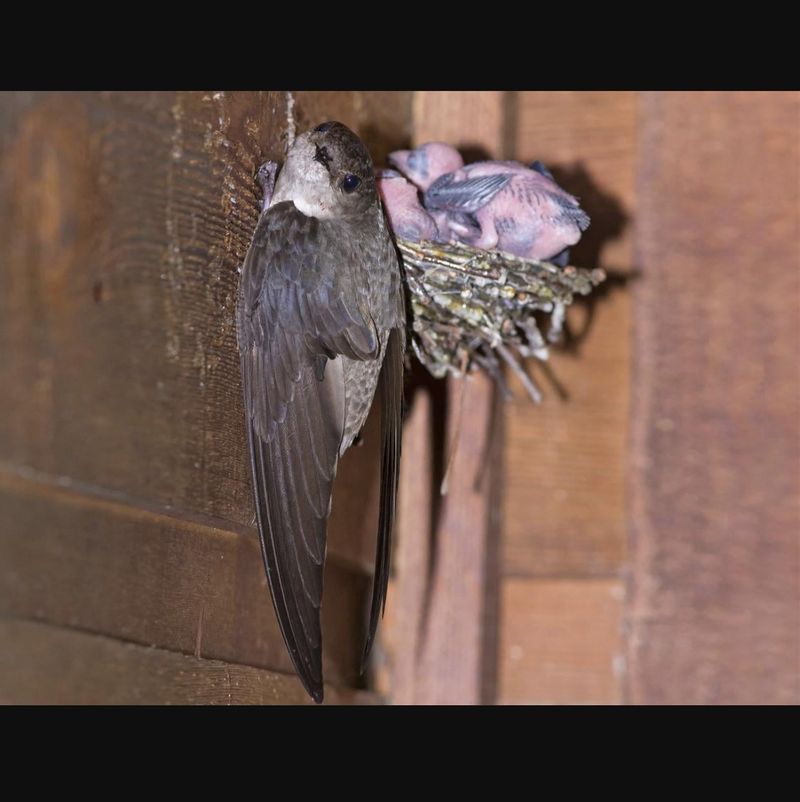
Ever heard a rattling, chittering chorus coming from your fireplace and wondered if a gremlin moved in? Chances are you hosted chimney swifts, small cigar-shaped birds that spend nearly their whole lives in flight.
Chimney swifts are protected by the federal Migratory Bird Treaty Act, which also covers their nests and eggs. Their numbers have dropped sharply over the decades, so wildlife experts treat each nesting chimney as precious real estate.
Unlike robins, swifts cannot perch upright, so they cling to rough chimney walls with tiny hooked feet. Their nests are little half-cup baskets made of twigs glued together with sticky saliva, which is pretty wild.
By early October, most swifts have already flown south toward the Amazon basin in South America. That makes this month a smart time to schedule a chimney sweep before the first chilly fire.
A sweep can safely clear old nesting material once the birds are gone and the season has ended. Lighting a fire or forcing out an active nest during the warm months could bring a hefty fine.
If you prefer zero visitors next year, add a chimney cap with mesh now while the flue sits empty. Many homeowners, though, leave an unused chimney open just to welcome these bug-hungry acrobats back each spring.
Each swift can eat up to about a thousand tiny flying insects a day, including mosquitoes, gnats, and flies that pester backyard cookouts. Their twittering may be noisy for a few weeks, but the free pest control is hard to beat.
4. Active Songbird Nests
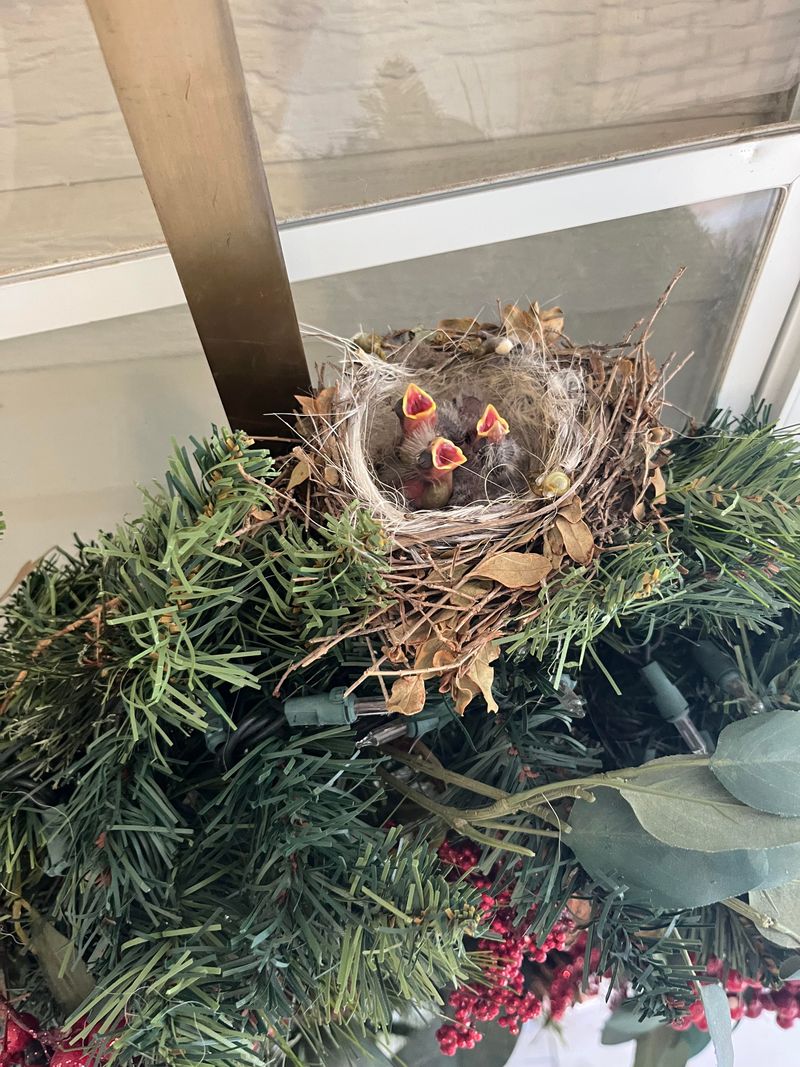
Grandma used to scold anyone who poked at the robin nest tucked inside her porch wreath each year. She was onto something, because disturbing most active songbird nests is against federal law across the country.
The Migratory Bird Treaty Act protects more than a thousand native bird species, from cardinals to tiny wrens. Moving, damaging, or keeping a nest with eggs or chicks inside can lead to serious fines in Missouri.
Some Missouri birds, like cardinals and mourning doves, occasionally raise a late brood that stretches into early fall. Before you trim shrubs or pull down porch decorations this October, take a quick peek for any activity.
An empty nest from earlier in the year is usually fine to remove once the young have flown away. Wear gloves while doing it, since old nests can hold mites, droppings, and other unpleasant little surprises.
House sparrows and European starlings are the main exceptions, because they are non-native species without federal protection. Learning to tell these birds apart from look-alike native finches can save you from an honest mistake.
Fall cleanup is also a great time to plan ahead for next year and steer nesting toward safer spots. Hanging a few nest boxes away from doors gives birds a cozy option that keeps your porch clear.
Songbirds repay that kindness by eating caterpillars, beetles, and aphids that chew through tomatoes and roses. Their cheerful songs on frosty mornings are a sweet bonus that no garden store can sell you.
5. Barn Swallow Nests Under The Eaves
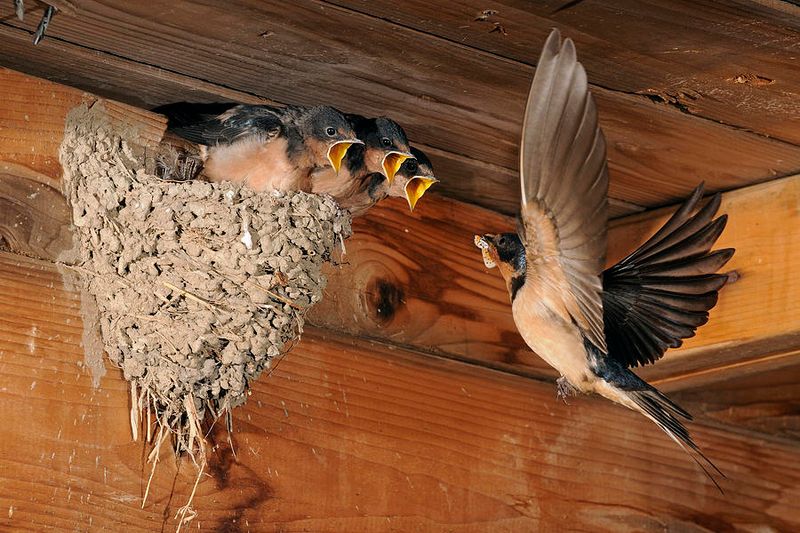
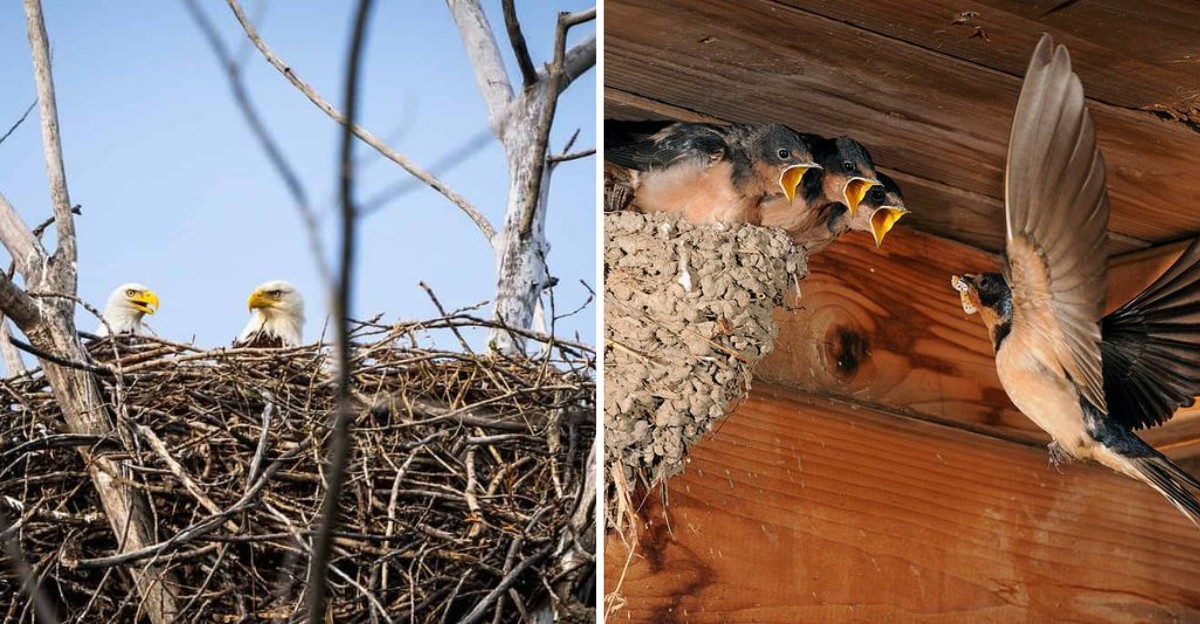
Those glossy blue birds zipping past your garage door like tiny paper airplanes are barn swallows hunting bugs. Their mud nests under the eaves can look messy, but the birds and nests carry federal protection.
Each nest is built from hundreds of tiny mud pellets carried one beakful at a time from nearby puddles. Knocking down an active nest with eggs or chicks violates the Migratory Bird Treaty Act, even on private property.
By early October, most barn swallows have left Missouri and are heading toward Central and South America. An empty nest left behind is usually safe to scrape off, but check local guidance before grabbing the hose.
Swallows often return to the same spot each year, so removing old nests may not keep them away. Smooth surfaces help, since mud struggles to stick to slick vinyl, metal flashing, or fresh glossy paint.
Fall is a perfect time to install bird netting or angled boards along the eaves before birds return. Hanging shiny reflective tape near the roofline can also discourage new nest building next year.
If the droppings bother you most, a simple shelf board below the nest catches the mess neatly. Many homeowners find this small fix keeps porches clean while letting the swallows raise their families in peace.
A family of barn swallows can eat a great many flies, mosquitoes, and gnats during one nesting season. Farmers have welcomed them around barns for centuries, and your patio can benefit from that same handy teamwork.
6. Woodpeckers On Your Siding
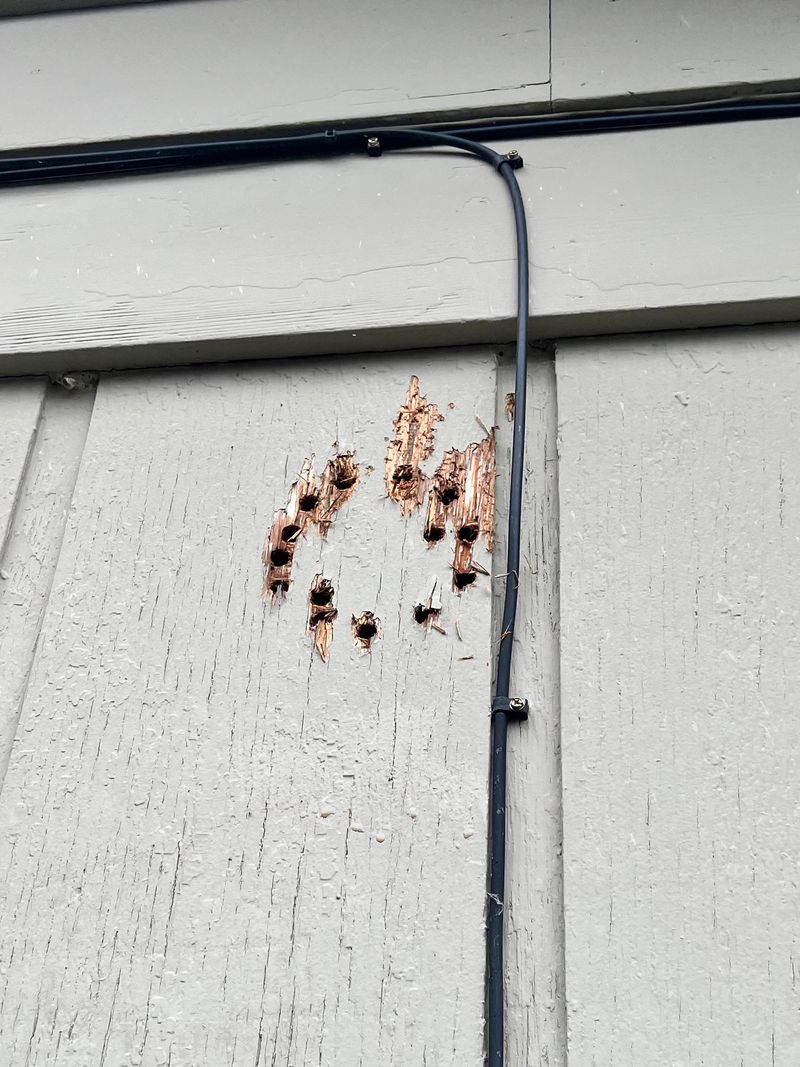
Rat-a-tat-tat at seven in the morning is not the alarm clock most homeowners asked for. Woodpeckers drumming on cedar siding can drive anyone a little batty, yet these birds are legally protected.
Downy, hairy, red-bellied, and pileated woodpeckers in Missouri all fall under the federal Migratory Bird Treaty Act. Trapping or harming one without a special permit can bring steep fines.
Woodpeckers usually peck houses for three reasons: hunting insects, carving a roost hole, or drumming to announce territory. Figuring out which reason fits your situation helps you choose the smartest fix without wasting time or money.
In early fall, many woodpeckers start excavating cozy roost holes to sleep in during the chilly winter months. Round, neat holes in October often signal a bird looking for shelter rather than a quick bug snack.
Scattered holes, on the other hand, may point to carpenter bees or other insects hiding inside. Treating the insect problem often sends the woodpecker looking elsewhere for its next crunchy meal.
Legal deterrents include hanging shiny streamers, attaching lightweight netting, or covering damaged spots with metal flashing. Patching holes quickly with wood filler also stops other critters, like squirrels or starlings, from moving right in.
Some homeowners even hang a suet feeder at the far end of the yard as a friendly distraction. A full belly and an easy snack bar can make your siding look a lot less tempting to them.
7. Bald Eagle Nests In Tall Trees
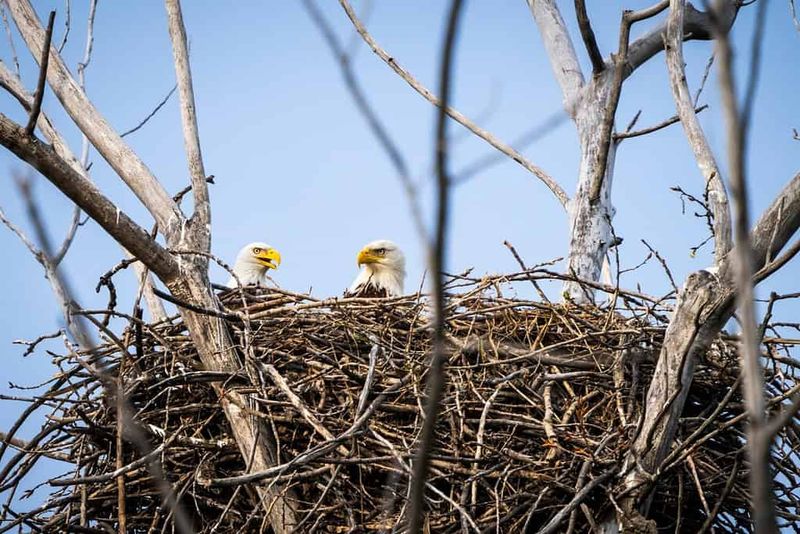
Few sights stop traffic on a Missouri back road like a bald eagle perched on a towering sycamore. Our national bird has made a remarkable comeback, and some families now spot huge nests near their own property.
Bald eagles are protected by the Bald and Golden Eagle Protection Act and the Migratory Bird Treaty Act. Unlike many bird nests, an eagle nest stays protected even when it sits empty between nesting seasons.
That means cutting down a nest tree or removing the nest requires a federal permit, even on private land. Penalties can include substantial fines, and repeat offenses may lead to jail time, so caution pays off.
Eagle nests are giant, often measuring five feet across and weighing hundreds of pounds after years of additions. Pairs often return to the same nest year after year, adding fresh sticks each fall before winter courtship begins.
Right now in early October, pairs may already be tidying their nests for the coming winter season. Loud projects like tree trimming, building, or heavy equipment use near a nest can stress them and need review.
Federal recommendations often suggest keeping a buffer of about 660 feet between loud activity and an active nest. Contact the U.S. Fish and Wildlife Service before any big project if an eagle nest stands nearby.
Missouri also hosts thousands of wintering eagles near rivers and lakes from December through February each year. Grab binoculars, keep a respectful distance, and enjoy having such a powerful neighbor watching over your land.
8. Snakes Sunning In The Yard
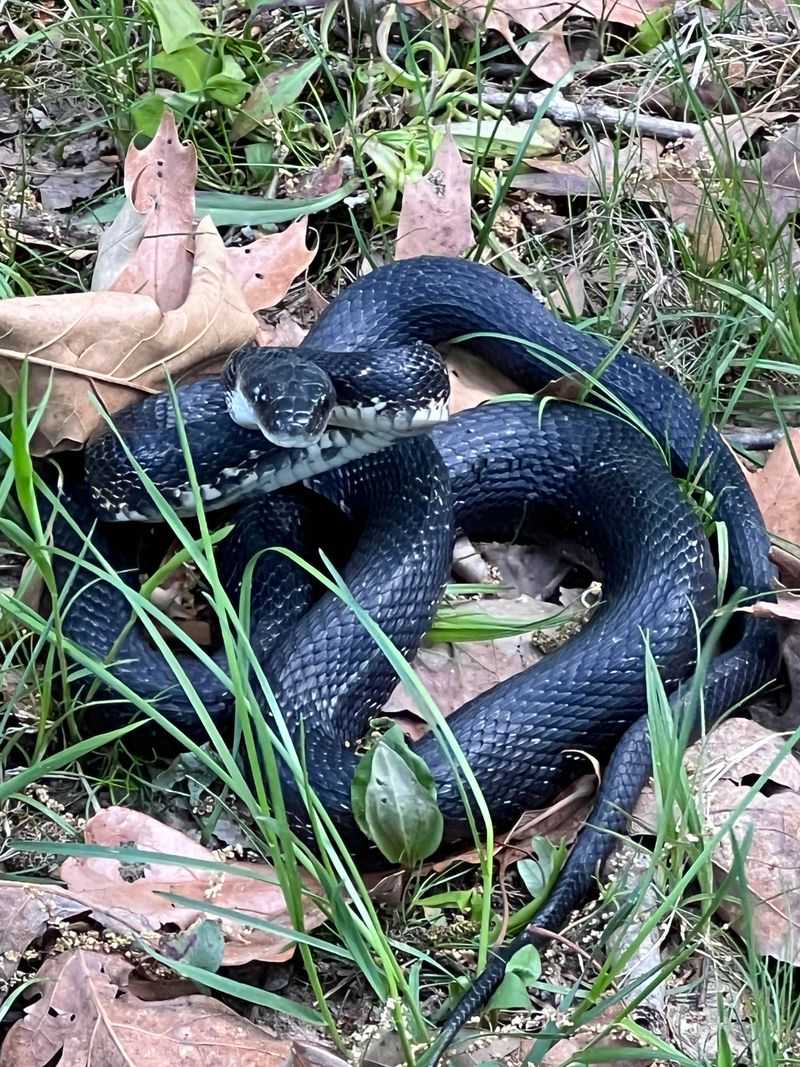
Stepping outside to find a snake stretched across a warm patio stone can make anyone jump a foot. Before reaching for any tool, though, know that Missouri protects all of its native snakes under state law.
The Missouri Wildlife Code treats snakes as nongame wildlife, which makes harming or collecting them a legal issue. The main exception covers venomous snakes posing a real threat to people, but most backyard visitors are harmless.
Of the roughly 49 snake species and subspecies in Missouri, only six are venomous, and bites are rare. Common garter snakes, black rat snakes, and brown snakes are the ones homeowners spot most around gardens.
Early October sunshine draws snakes onto driveways, rock walls, and sidewalks as they soak up warmth before winter. Many are traveling toward rocky dens where they will spend the cold months tucked safely underground.
Giving a sunning snake some space usually solves the problem, since it typically moves along on its own. A gentle spray from the garden hose can also encourage a slow snake to slither off somewhere else.
To make your yard less inviting, clear woodpiles, tall grass, and brush piles close to the house. Sealing foundation gaps and storing birdseed in tight bins also cuts down on the mice that snakes hunt.
Rat snakes and kingsnakes are especially handy, since both gobble rodents and kingsnakes even eat copperheads. Learning to recognize a few local species turns a scary moment into a calm and curious one.