White Mushrooms Popping Up In Your Arizona Yard Are Telling You Something About Your Soil
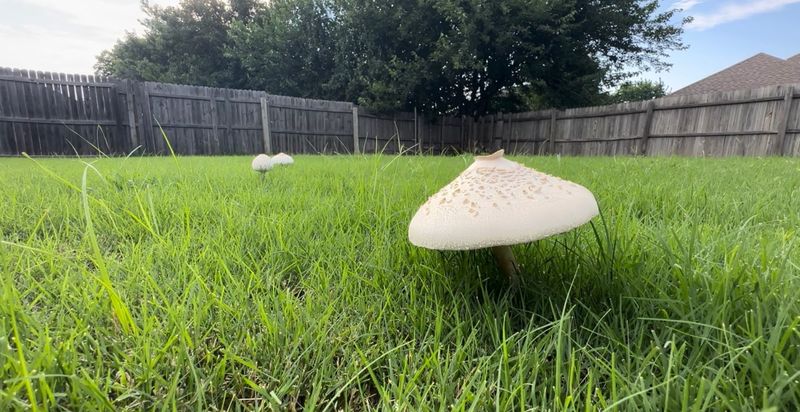
You step outside after a monsoon storm and find pale mushrooms scattered across the grass or mulch. They seem to have appeared overnight, and it is natural to wonder what they mean.
They can tell you a few useful things about recent moisture and what is going on beneath the surface. They cannot tell you everything, and knowing the difference can save you time, water, and money.
Rain Makes an Existing Fungus Visible
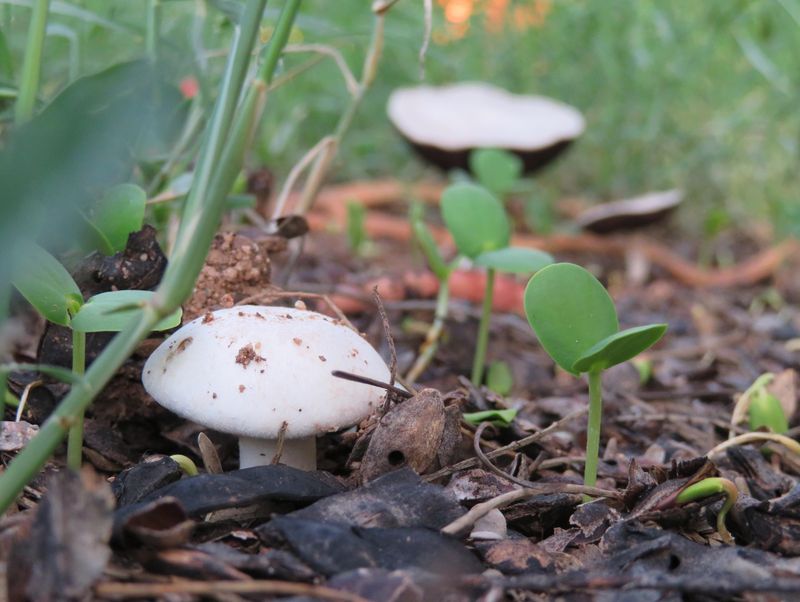
Most of a fungus lives out of sight. What you see in the yard is the mushroom, which is just the fruiting structure the fungus sends up when conditions are right.
Moisture is often the missing ingredient. Arizona’s summer monsoon, which regional climate summaries describe as beginning in late June and lasting through late September, can soak the ground after months of dry heat.
A fungus already living in the soil or in yard debris may respond by pushing up mushrooms within a day or two.
Rain is a plausible trigger, but it is not the only one. Sprinklers and drip lines can supply enough water too, particularly in a spot that stays shaded or holds moisture longer than the rest of the yard.
Think of the flush as a snapshot of recent conditions. It says the ground was damp enough for fungi to fruit, and that is about where its message ends.
It does not give a verdict on the whole yard.
What Could the Fungus Be Feeding On?
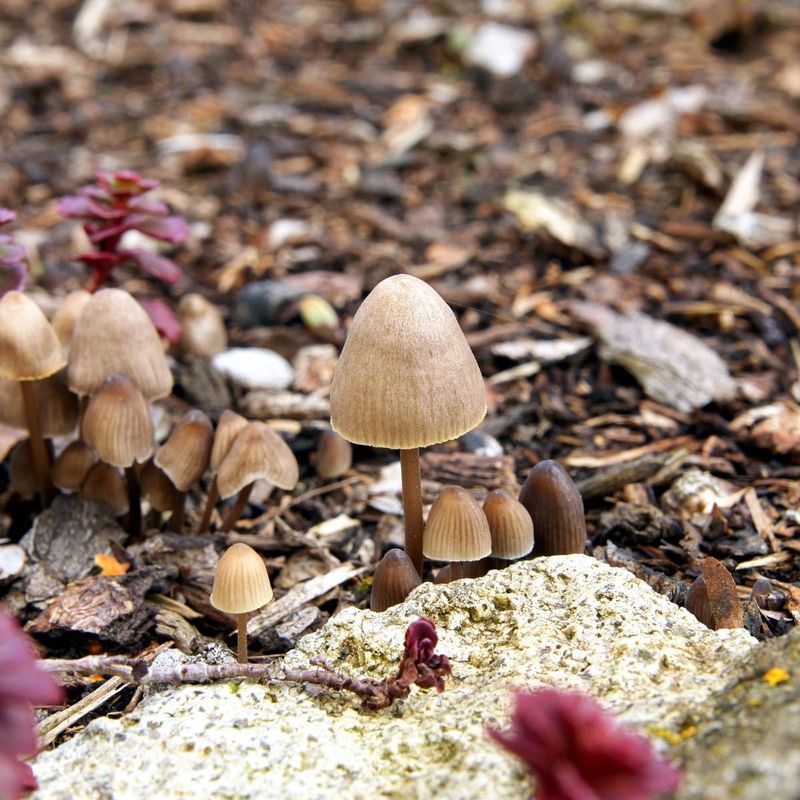
Fungi do not make their own food. They break down dead plant material, and a yard offers plenty of it: thatch in the lawn, old roots, leftover stumps, wood mulch, fallen leaves, and sometimes wood buried during construction or tree removal.
As extension lawn guidance explains, mushrooms often show up when fungi are working through organic matter like this. The mushrooms are the visible sign of that hidden work.
Here is the catch. Mushrooms alone cannot tell you which material is being eaten.
Buried wood is one possibility, but a patch of mushrooms in the lawn could just as easily come from decaying roots or a layer of thatch.
If you are curious, look at the setting. Mushrooms in a mulch bed point toward the mulch as one candidate, while a ring in open grass leaves more questions.
Treat those observations as hints, never as a diagnosis.
A Mushroom Is Not a Soil Test
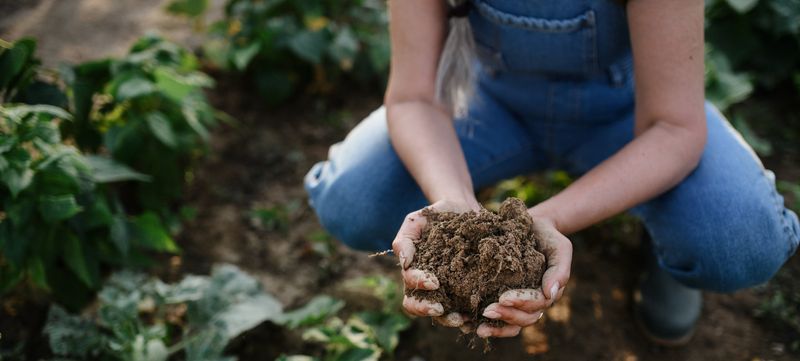
It is tempting to read a crop of white mushrooms as good news, as if the soil must be rich and healthy. Fungal activity is real, but it is a narrow clue.
It does not prove fertility or high organic matter.
The same goes for chemistry. Mushrooms cannot reveal pH, salinity, alkalinity, or whether caliche sits below the surface.
Arizona soils vary a lot from one neighborhood to the next, and even from one corner of a lot to another.
Many lawn mushrooms are not linked to lawn disease, as lawn extension advice notes. That is a general statement, though, and it does not guarantee that every fungus is harmless to your plants.
Your Arizona Garden Changes Every Week. Your Plan Should Too.
Gardening in Arizona changes quickly throughout the season. Every Friday you’ll receive a simple weekly plan showing exactly what to plant, prune, fertilize, harvest, and protect so you never miss the right timing.
When you want real answers about pH, nutrients, or salt, a soil test is the right tool. Arizona soil guidance points to testing for exactly those properties.
Check the Irrigation Before You Change It
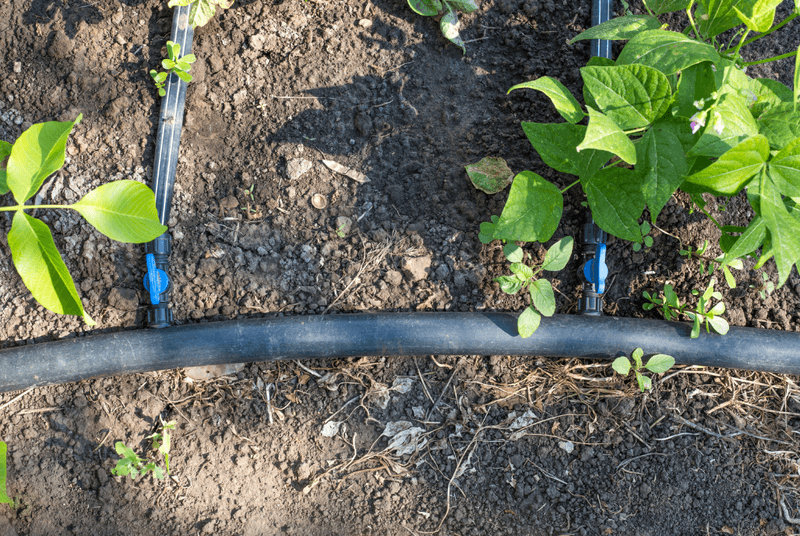
Before touching the sprinkler timer, ask a simple question: did it rain recently? A flush a day or two after a monsoon storm mostly reflects that storm.
It does not prove you have been overwatering, and it is not a reason to rewrite the schedule for the whole yard.
Next, see whether the area stays damp. Push a soil probe or long screwdriver into the ground and notice how deep it goes easily, which shows how far water is soaking in.
Arizona watering guidance recommends a probe for this and lists mushrooms among the signs sometimes tied to overwatering.
Some patterns deserve a closer look. Mushrooms that keep returning when there has been no rain, or soil that stays soggy for days, can point to a leaking emitter, a pooling low spot, or a run time that is too long.
Fixing one trouble spot beats changing everything. A brief rain-triggered flush can simply be left alone to fade.
White Color Cannot Tell You Whether It Is Safe
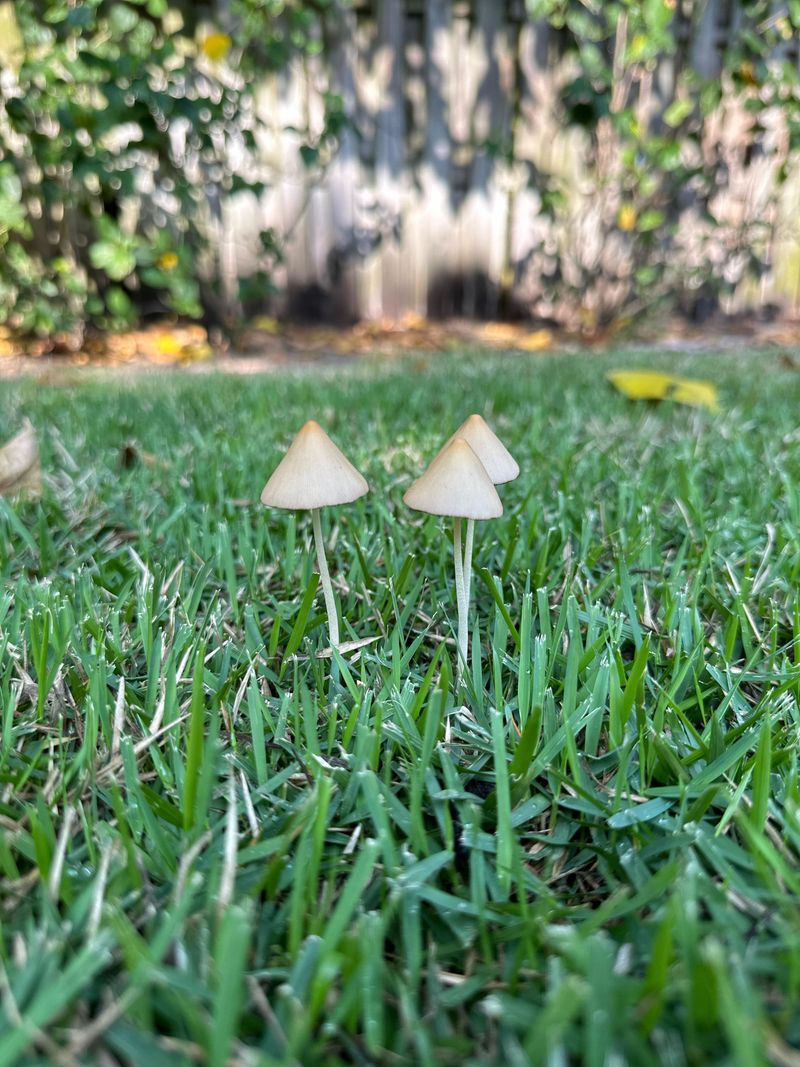
Color is a poor guide. A white cap does not make a mushroom safe, and it does not make it dangerous either.
Wild mushrooms can look alike even when they are very different, a warning repeated in Poison Control’s wild mushroom safety information.
So the rule at home is simple: do not eat mushrooms from the yard, and do not taste-test them. If anyone eats any part of a wild mushroom, contact a poison center promptly.
Families with small children or curious pets may want to remove mushrooms as they appear. Wear gloves, bag them, and wash your hands afterward.
Removal has limits, though. Extension guidance on getting rid of yard mushrooms notes that picking them does not necessarily eliminate the fungus underground.
More may come up the next time conditions turn damp.
Use the Right Clue for the Question
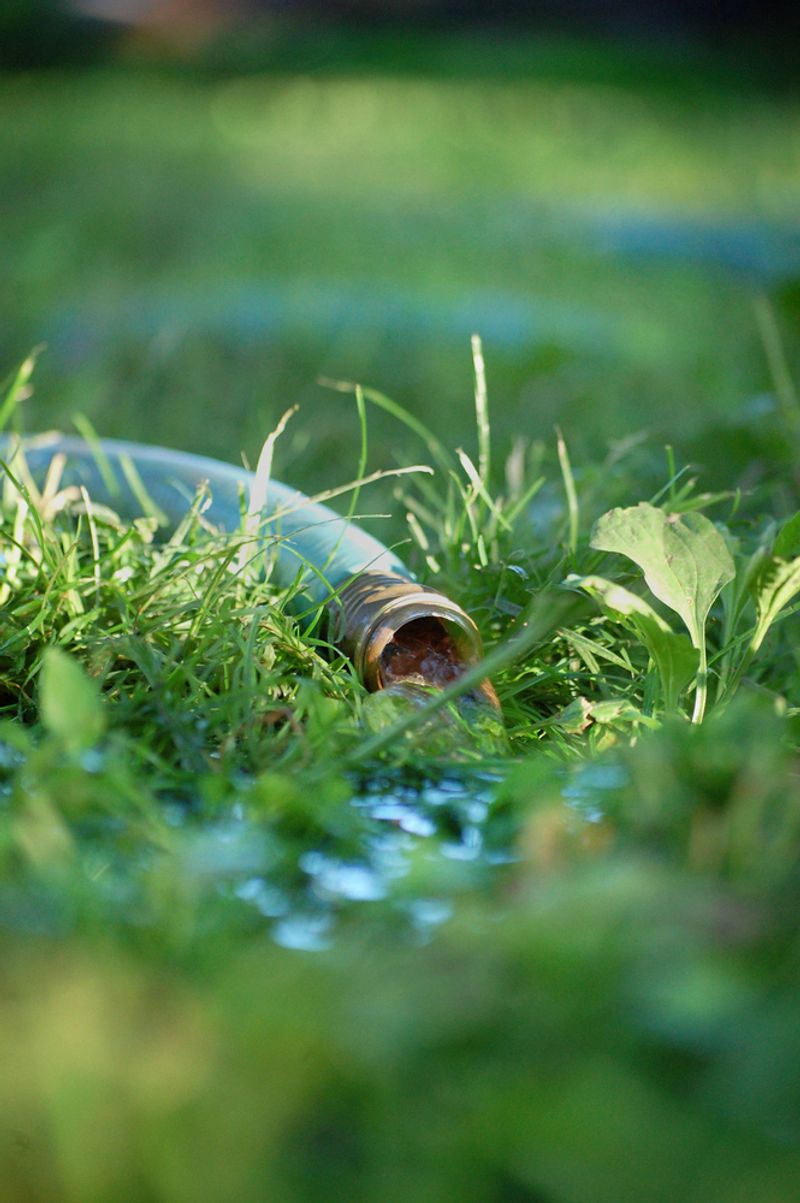
Different questions call for different clues. If you are wondering why mushrooms appeared this week, the answer is most likely recent moisture plus fungi already feeding on something decaying nearby.
If the ground stays wet or mushrooms return in dry stretches, move on to irrigation. Use a probe to see how deep water is going, and check for leaks or low spots, as Arizona tree and shrub watering advice suggests.
If you want to know about pH, nutrients, or salinity, skip the guessing and gather a sample for testing. Soil testing information explains what those tests can measure.
Most post-monsoon mushrooms fade within days, and the yard goes back to normal without any treatment. They are a passing note about the weather, not a report card on your dirt.