Small Holes In Your New Jersey Lawn? Here’s What’s Digging Them
Who digs in your lawn after dark? You find pits, flipped sod, and scattered soil crumbs. Skunks, raccoons, moles, and chipmunks each leave a distinct signature across New Jersey. Raccoons peel turf like carpet while hunting grubs.
Tidy cone-shaped pits point to a skunk hunting beetle larvae. Chipmunks bore clean, round tunnels with no mound beside them.
Moles heave up soft ridges instead of holes. Guessing wrong costs you money and lets the damage spread.
Check the hole width, the soil pattern, and the hour you spot damage. Fresh soil piled beside a hole signals a recent visit.
Grab a flashlight and a ruler before sunrise. Measure each hole’s width and note whether the turf lies flipped or intact.
Photograph the damage in morning light for detail. New Jersey wildlife leaves evidence, and you can decode it within a day.
1. The Grub-Hunting Skunk
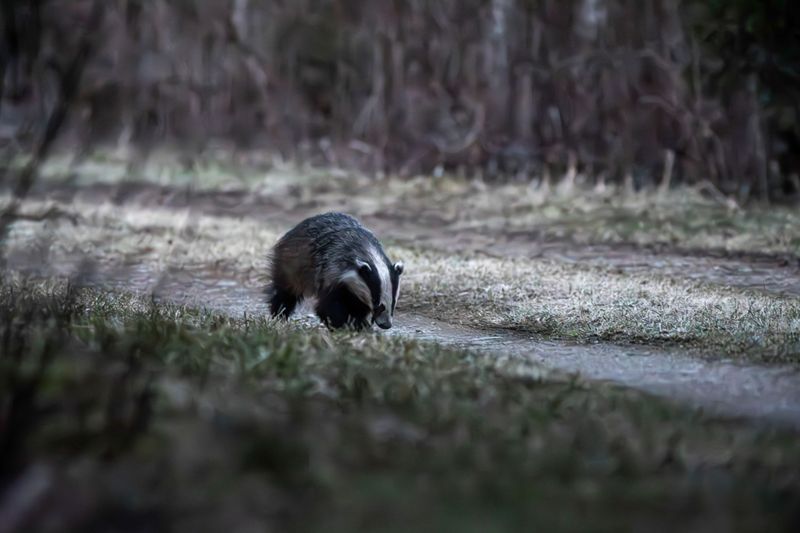
Picture a striped visitor tiptoeing across your yard at midnight, nose down and claws ready. Skunks are some of the most common lawn diggers in New Jersey, especially in fall.
Their holes are small and cone-shaped, about one to three inches wide and three to four inches deep. You might find dozens scattered around in one night, with loose dirt and grass pushed to the side.
Grubs are the real reason for the visit. Those fat, white, C-shaped beetle larvae feed on grass roots, and skunks find them a rich food source.
In October, grubs sit close to the surface before moving deeper for winter. That makes this month a busy buffet season for hungry skunks fattening up.
To confirm the culprit, peel back a square foot of turf and count the grubs underneath. Ten or more per square foot can signal trouble, though thresholds vary by grub species, and skunks may keep coming back.
The best fix is to tackle the grubs, not the skunk. A preventive grub product applied in early summer can shrink their food supply.
Beneficial nematodes also work, but only in warm soil, so check the label. Read labels closely, since some grub insecticides can harm pollinators.
Motion-activated sprinklers and bright lights may help, since skunks prefer quiet, dark yards. Seal gaps under decks and sheds so they cannot move in for the winter.
Please keep your distance if you spot one at dusk. A startled skunk gives a warning stomp before spraying, so back away slowly and let it waddle off.
Once the grubs are gone, the late-night digging usually stops on its own. Your lawn, and your nose, will both thank you.
2. The Sod-Flipping Raccoon
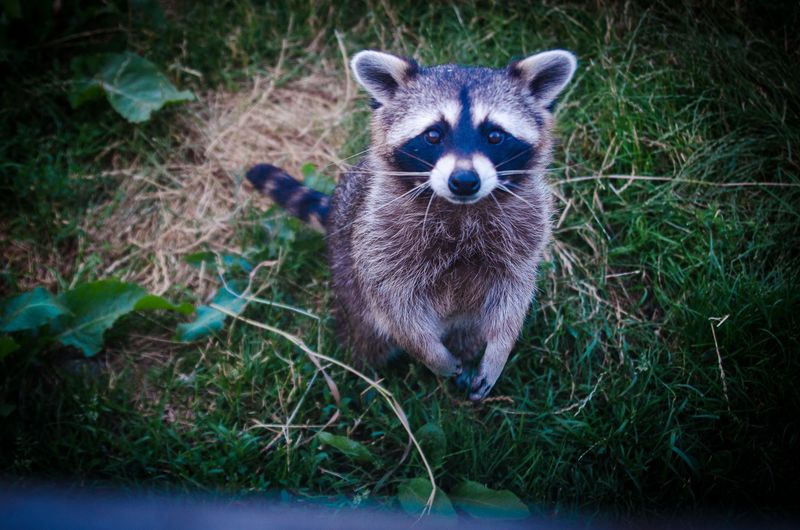
Raccoons do not just dig. They pull up your lawn, flipping whole strips of sod back like carpet.
Compared to skunk holes, raccoon damage looks larger and more irregular. You may wake up to rolled-back chunks of grass that seem to have been peeled by tiny hands.
Those clever paws really are like little hands, with five nimble fingers on each one. Raccoons use them to feel around in the soil for grubs, worms, and beetles.
Your New Jersey Garden Changes Every Week. Your Plan Should Too.
Gardening in New Jersey changes quickly throughout the season. Every Friday you’ll receive a simple weekly plan showing exactly what to plant, prune, fertilize, harvest, and protect so you never miss the right timing.
Newly laid sod is a favorite target because the roots have not grabbed the soil yet. A raccoon can lift a fresh roll in seconds, hoping to find a snack.
Across New Jersey, these masked visitors thrive in suburbs as much as in the woods. Trash cans, pet food, and bird feeders keep them happily hanging around your neighborhood.
Start by cutting off the easy meals. Bring pet bowls inside, lock trash lids tight, and clean up fallen birdseed before evening arrives.
If you just laid new sod, try pinning it down with landscape staples. Some homeowners cover fresh patches with lightweight netting for a couple of weeks until roots take hold.
Raccoons can carry rabies, so do not try to trap or handle one yourself. Call a licensed wildlife control expert if a raccoon seems sick, bold, or unafraid of people.
With patience, your lawn can heal by spring. Raked-in seed and a little water will fill those torn spots faster than you might expect.
3. The Acorn-Burying Squirrel
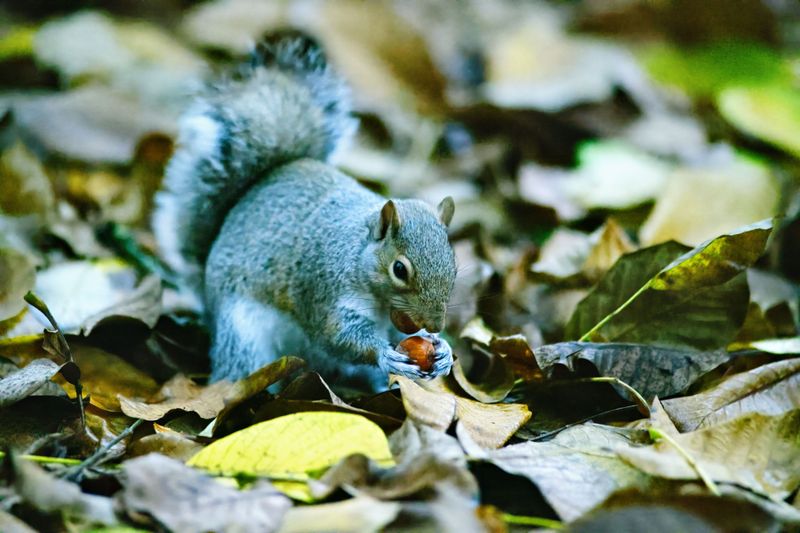
Each October, the gray squirrels in your yard turn into busy little bankers. They spend daylight hours stashing acorns, walnuts, and seeds for the long, cold winter ahead.
Their holes are small, neat, and about one or two inches wide. You will often see no mound at all, just a shallow dimple with some loose soil scattered nearby.
Scientists call this habit scatter hoarding. Instead of keeping everything in one pantry, a single squirrel may bury thousands of nuts in separate spots each fall.
Squirrels remember many hiding places, but they miss plenty of them too. Those forgotten acorns sometimes sprout into baby oak trees in the middle of your grass.
New Jersey yards with oak, hickory, or walnut trees nearby see the most activity. The more nuts that fall, the more holes you will find.
Squirrel holes are mostly a cosmetic problem, so there is no need to panic. Stepping the soil back into place with your shoe fixes most of them in just a few seconds.
Raking up fallen nuts often reduces the digging quite a bit. Fewer nuts on the ground means fewer treasures for squirrels to bury beneath your turf.
Flower bulbs are another squirrel favorite this time of year. Lay chicken wire over freshly planted tulips or crocuses, then cover it with mulch to hide it.
A few small holes are a small price for front-row seats to their acrobatics. Watching one bury an acorn, then glance around suspiciously, is worth the view.
4. The Tunnel-Digging Chipmunk
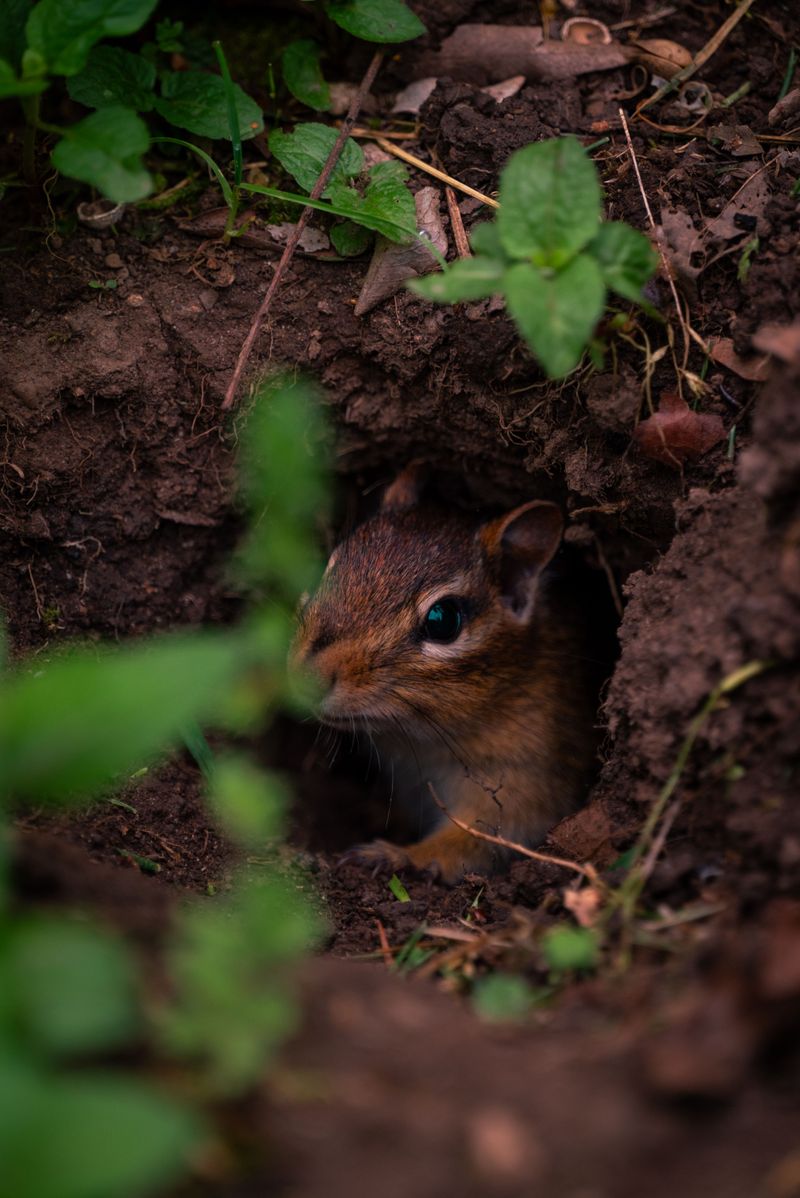
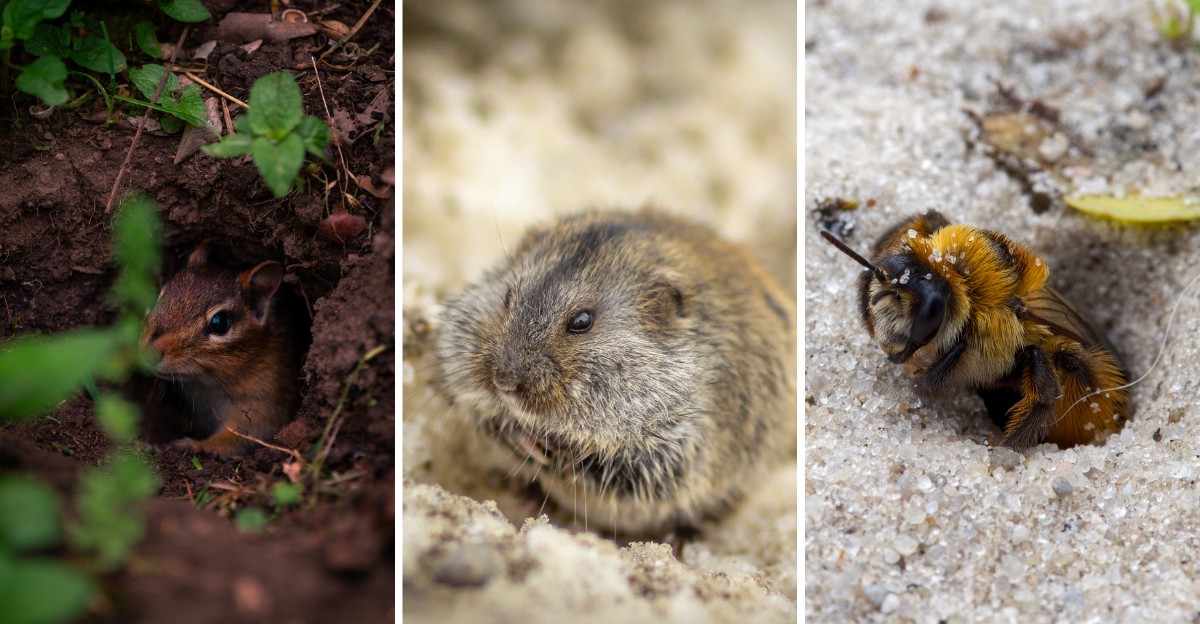
Have you noticed a round hole near your patio with no dirt pile anywhere? That tidy entrance probably belongs to an eastern chipmunk.
Chipmunks are the tidiest burrowers around. They carry excavated soil away in their cheeks and scatter it far from the entrance, hiding their front door.
The holes measure about two inches across and often sit beside walls, steps, or woodpiles. Below ground, a single burrow can stretch more than twenty feet long.
Inside, chipmunks build bedrooms, food storage rooms, and even separate bathroom chambers. October is peak packing season as they stuff those pantries with seeds and nuts.
Unlike groundhogs, they do not truly hibernate. They wake up every few days through winter to snack from their underground stash.
For most yards, a chipmunk or two causes little real harm. Trouble starts when tunnels run under patios, retaining walls, or foundations and loosen the soil.
Bird feeders are a strong attraction, so move them away from the house. A tray under the feeder catches spilled seed before it becomes a chipmunk banquet.
Trimming shrubs and clearing woodpiles also removes the cover they love. Chipmunks feel safest when they can dash from hiding spot to hiding spot.
Around foundations, try burying an L-shaped strip of hardware cloth along the edge. It blocks new digging without harming the critters.
Their striped backs and chubby cheeks make them hard to stay mad at. Steer them away from structures, and you can share the yard peacefully.
5. The Worm-Seeking Mole
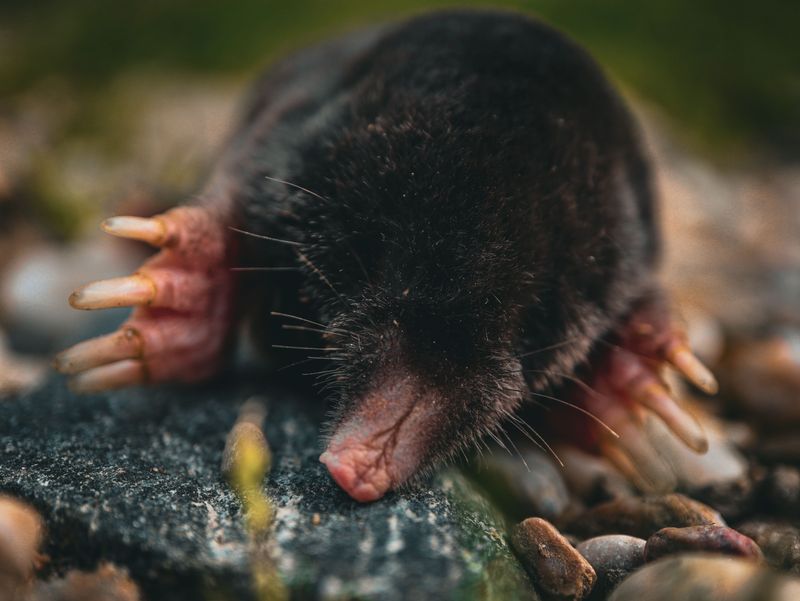
Raised ridges that squish under your feet tell a different story than neat little holes. Moles push through the soil like tiny swimmers doing the breaststroke.
The eastern mole is the most common species in New Jersey lawns. It has large, shovel-like front paws, velvety gray fur, and eyes almost hidden from view.
Moles leave volcano-shaped mounds of soil where they push dirt up from deep tunnels. You may also spot flattened mounds where rain has washed the soil down.
A common myth says moles eat plant roots. They actually hunt earthworms and grubs, and one mole can eat nearly its own body weight daily.
Cool, moist October soil is perfect for tunneling. Worms stay near the surface after autumn rains, and moles follow them like shoppers chasing a holiday sale.
Here is the tricky part. Grub treatments alone often fail, since earthworms remain on the menu even after grubs disappear.
Castor oil repellents are sold to make the soil unpleasant to them, though research shows mixed results. Follow the label directions, then water the product in so it soaks into the soil.
For stubborn cases, many homeowners call a licensed pest professional for trapping. No rewrite yet.
The sentence is fine as a pointer, but I need to confirm the current NJ rules before you publish.
Moles do offer one perk. Their tunnels can loosen packed soil, though they may also dry out grass roots.
Roll or press down raised ridges with your feet so the grass reconnects with the soil. A little patience brings the lawn back to level by next spring.
6. The Runway-Making Vole
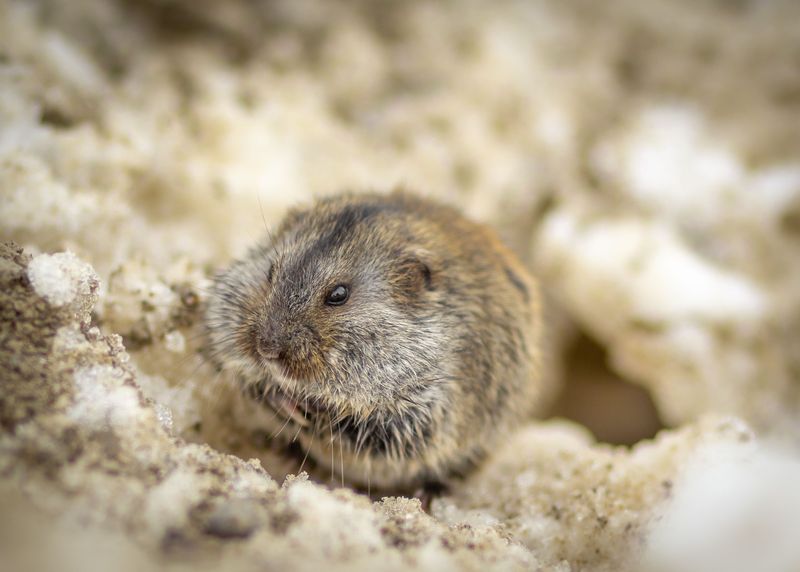
Imagine a hamster with a short tail and a big appetite for your grass. Meet the meadow vole, a fast-breeding rodent that loves New Jersey lawns.
Voles leave small, round holes about the size of a quarter. These openings connect to narrow surface runways that wind through the grass like miniature highways.
People often confuse voles with moles, but they are not close relatives. Voles are plant eaters, munching on grass blades, roots, bulbs, and tree bark. Voles often use old mole tunnels, so they may cause the root damage blamed on moles.
A single female can have several litters each year. That means a few voles in spring can turn into a crowd by fall.
October is a smart month to spot them before snow arrives. Under winter snow cover, voles chew wide trails that appear as brown, squiggly lines in March.
Tall grass and thick mulch give voles a cozy place to hide from hawks and owls. Keep your lawn mowed to a normal height through the end of the season.
Pull mulch back a few inches from tree trunks and shrubs. Wrap young trees with hardware cloth guards to protect the bark from gnawing.
Clearing away brush piles and tall weeds along fences also helps. Voles feel exposed in open areas and tend to move on.
Natural predators are your helpers here. Hawks, owls, and foxes help limit vole numbers, though populations still rise and fall on their own.
Most runway damage recovers with spring raking and a light layer of seed. Gently fluff matted spots, and green grass often fills them in by late spring.
7. The Ground-Nesting Bee
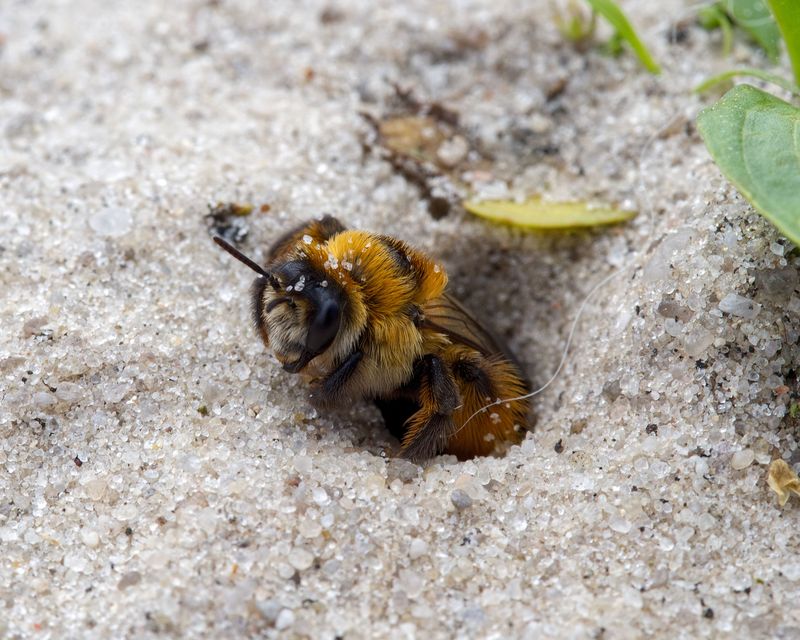
Tiny mounds of fine soil with a pencil-sized hole on top look like miniature anthills. Many belong to solitary ground-nesting bees, gentle insects that seldom sting.
Mining bees and sweat bees are common examples across New Jersey. Each female digs her own tunnel and stocks it with pollen and nectar for her young.
By October, many adults have finished their work. Their young, or in some species mated females, rest underground through winter and emerge next spring.
Seeing these holes in fall usually means the activity happened earlier in the year. The soil mounds may still linger, especially in bare or thin patches of lawn.
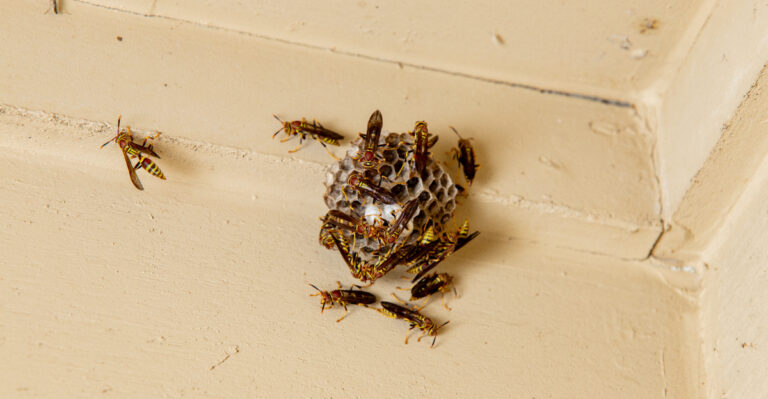
Yellowjackets are a different story and deserve real caution. Their underground nests can hold thousands of workers that defend the entrance readily.
In fall, yellowjacket colonies are at their largest and most defensive. Mowing over a nest by accident can lead to many painful stings.
Watch the hole from a safe distance before deciding what to do. A steady stream of black-and-yellow flyers means you should call a pest professional.
Solitary bees, on the other hand, are excellent pollinators worth keeping around. They help your vegetables, fruit trees, and flowers produce more food and blooms.
These bees prefer dry, sparse, sunny soil. If the nest sits in a spot you use often, thickening your turf makes it less inviting next year. Otherwise, leave these gentle pollinators alone.
Hard frosts will shut down yellowjacket nests on their own by late fall. Until then, mark the spot with a flag so nobody steps there.
8. The Bug-Probing Starling
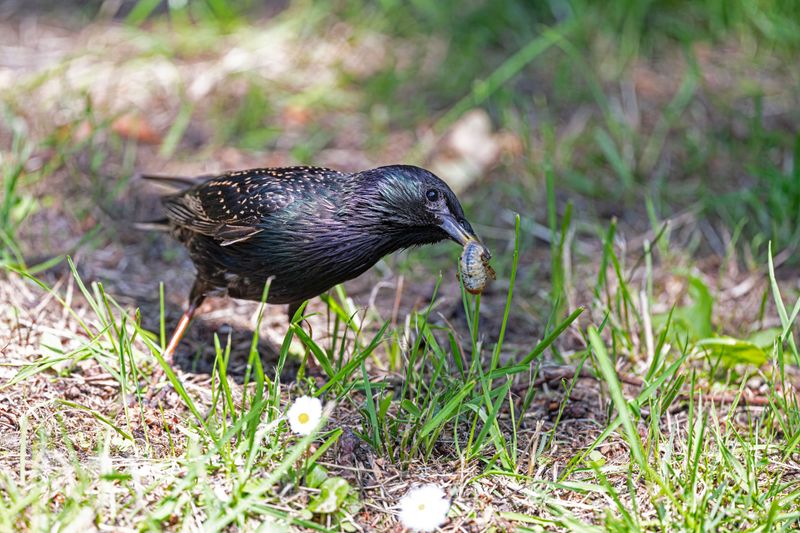
Sometimes the diggers arrive with wings instead of paws. Flocks of European starlings, crows, and robins poke hundreds of tiny holes while searching the lawn for grubs.
Starling holes look like someone tapped the soil with a pencil over and over. Each probe is about a half inch wide and often clustered in one area.
Starlings have a clever feeding trick called open-bill probing. They push their beak into the ground, then spring it open to pry the soil apart.
These birds were released in New York’s Central Park in 1890 by Eugene Schieffelin. Some accounts say he wanted birds from Shakespeare’s plays, though historians question that motive.
Today, well over a hundred million live across North America, including New Jersey. Crows take a rougher approach, flipping pieces of turf to reach fat grubs. Their damage can look a bit like a raccoon’s handiwork on a smaller scale.
Rather than chasing birds away, focus on what they are hunting. A healthy lawn with fewer grubs offers far less reason for a feathered crowd to visit.
Deep, less frequent watering builds strong roots that handle some insect feeding. Mowing at three inches tall may also help grass shade out egg-laying beetles.
Probe holes are tiny and heal fast on their own. Light raking smooths things over quickly, and any bare patches can be reseeded in early fall or spring.
Next time a flock lands on your yard, grab a cup of cocoa and watch. Those birds are free inspectors pointing straight at grub activity in your lawn.