Those Brown Patches In Your New Jersey Lawn Could Mean Something Bigger
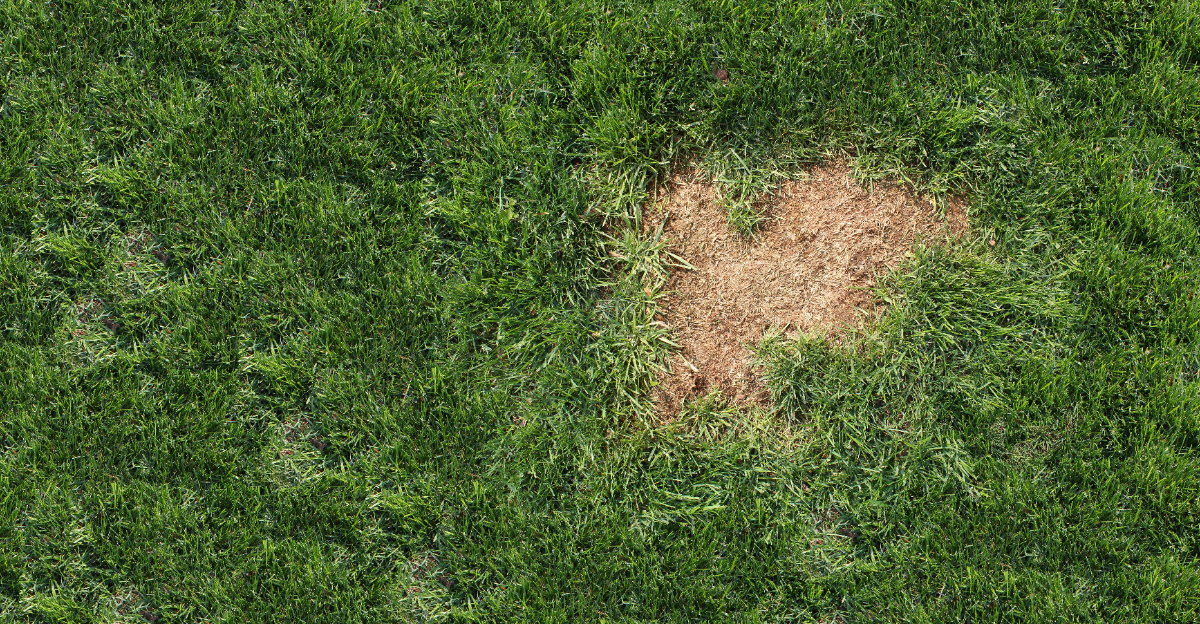
That circle wasn’t there yesterday. Something moved through your grass overnight, leaving change behind.
Fungus doesn’t knock before it arrives. Summers in New Jersey create perfect breeding grounds for this organism.
Humidity thickens, temperatures climb, and spores multiply fast. Your lawn becomes vulnerable the moment conditions align. Brown patches spread quicker than most homeowners realize.
Watching passively isn’t an option anymore. Recognizing symptoms early saves entire sections of turf. Ignoring that small circle invites a much bigger problem.
People blame drought stress constantly, but fungus works differently. Roots weaken, blades thin, and damage compounds daily. New Jersey’s climate guarantees a challenge every season.
Timing determines whether you win or lose completely. Waiting costs you healthy grass and wasted money. Understanding this threat changes everything about how you respond.
Every hour matters once the fungus takes hold. You need answers now, before that circle spreads across your entire lawn.
Identifying The Sudden Brown Patches In Your Lawn
Something looks off, and you know it the moment you see it. Brown patch disease rarely shows up as a vague discoloration.
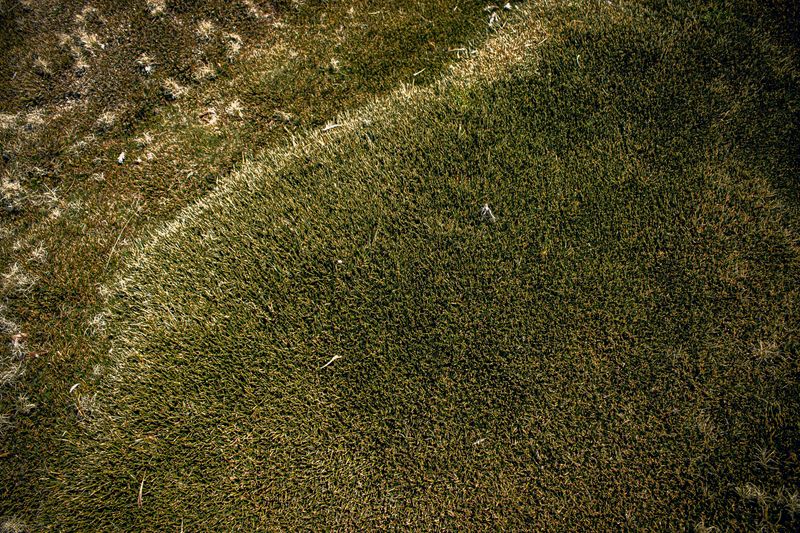
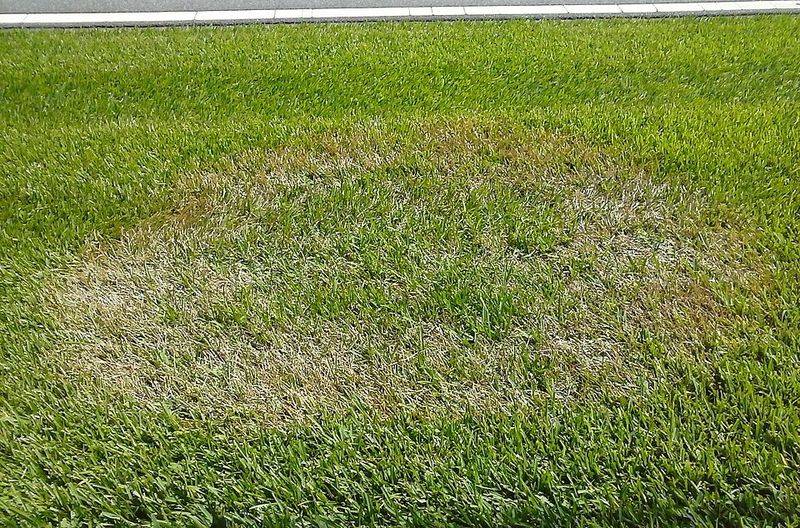
Instead, it appears as distinct circular or irregular rings of tan and brown grass, sometimes several feet wide.
The edges of the patch often look darker or water-soaked at first. That darker ring, called a smoke ring, is one of the clearest signs you are dealing with a fungal problem and not just dry soil.
Inside the circle, the grass blades may still be standing but look matted and lifeless. Pull a few blades out and check the base. Healthy grass roots are white and firm, while infected ones often feel soft and smell musty.
Patches can appear overnight after warm, wet weather. One day your lawn looks fine, and the next morning a three-foot circle has appeared seemingly out of nowhere.
Homeowners often mistake brown patch for drought damage or grub activity. Drought damage tends to spread unevenly across the whole lawn, not in clean circles. Grub damage pulls up like loose carpet because the roots are gone entirely.
Checking your lawn in the early morning is smart. The smoke ring border is most visible when dew is still on the grass.
Take a photo to track how fast the patch grows. Quick identification gives you the best shot at stopping the spread before it takes over your whole yard.
What Causes Brown Patch Disease To Develop
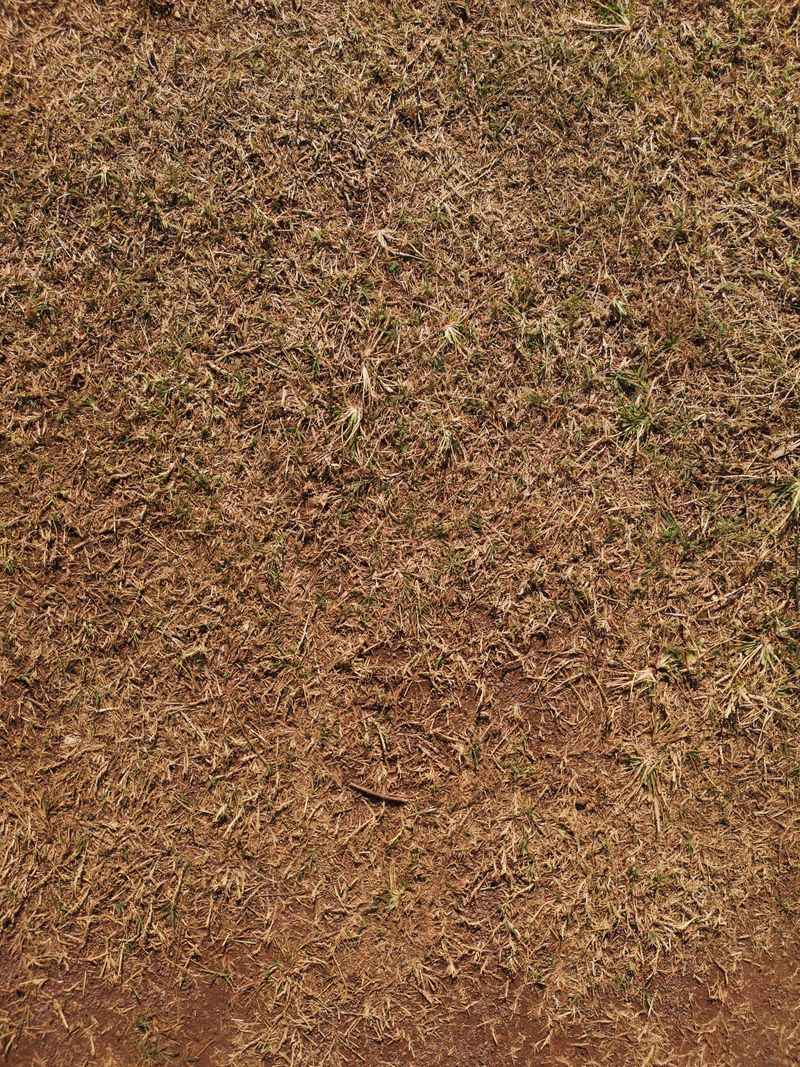
A single fungus is behind all that damage. Rhizoctonia solani is the culprit, and it lives in almost every lawn across the country. Under normal conditions, it stays dormant in the soil without causing any visible harm.
The fungus activates when conditions line up just right. Warm temperatures, high humidity, and moisture sitting on grass blades overnight create the perfect storm for an outbreak to begin. Lawn care habits also play a role. Overwatering is one of the biggest triggers.
When grass stays wet for long periods, the fungus spreads rapidly from blade to blade through the water film.
Your New Jersey Garden Changes Every Week. Your Plan Should Too.
Gardening in New Jersey changes quickly throughout the season. Every Friday you’ll receive a simple weekly plan showing exactly what to plant, prune, fertilize, harvest, and protect so you never miss the right timing.
Excess nitrogen fertilizer is another common cause. Nitrogen pushes fast, lush growth, and that soft new growth is exactly what Rhizoctonia solani targets. Feeding your lawn too much in summer can actually make things worse.
Thatch buildup contributes too. A thick layer of decomposing organic matter between the soil and grass blades traps moisture and gives the fungus a cozy place to hide and multiply between seasons.
Poor airflow across the lawn surface keeps moisture levels high even after rain stops. Lawns surrounded by fences, thick shrubs, or structures are at higher risk because air cannot circulate freely.
Understanding the cause helps you address the problem at its root, not just treat the symptoms on the surface.
Once you know what feeds this fungus, you can start making smarter choices for your lawn every single week.
Conditions That Trigger Outbreaks In New Jersey
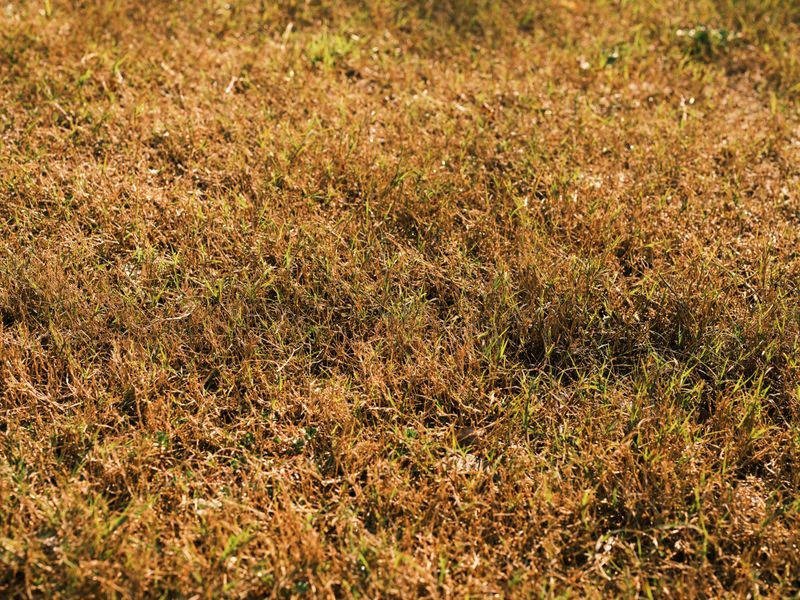
New Jersey summers create favorable conditions for lawn fungus. The state sits in a humid continental climate zone, which means hot days and warm nights with plenty of moisture in the air. That combination is exactly what brown patch disease needs to spread.
Outbreaks typically peak between June and September. Warm nights paired with hot, humid days create ideal conditions for the fungus to spread through your yard.
Coastal areas and low-lying neighborhoods near rivers or marshes face extra risk. Higher ambient humidity keeps grass blades wet longer, even without rain. A foggy morning can be enough to trigger new growth of the fungus.
Heavy rainfall followed by heat is a classic New Jersey summer pattern. After a thunderstorm soaks the lawn and the sun returns, the moisture trapped in the grass canopy heats up fast. That warm, wet environment accelerates fungal activity dramatically.
Irrigation timing matters more than most homeowners realize. Watering in the evening leaves grass wet all night long.
Night is when the fungus spreads most aggressively, feeding on the moisture sitting on every blade.
Even the layout of your yard plays a part. Shaded areas dry out more slowly, creating pockets of persistent moisture.
Lawns with clay-heavy soil hold water near the surface longer than sandy or loamy ground. Knowing your local micro-conditions helps you predict when an outbreak is coming before the brown circles even appear.
Grass Types Most Vulnerable To This Disease
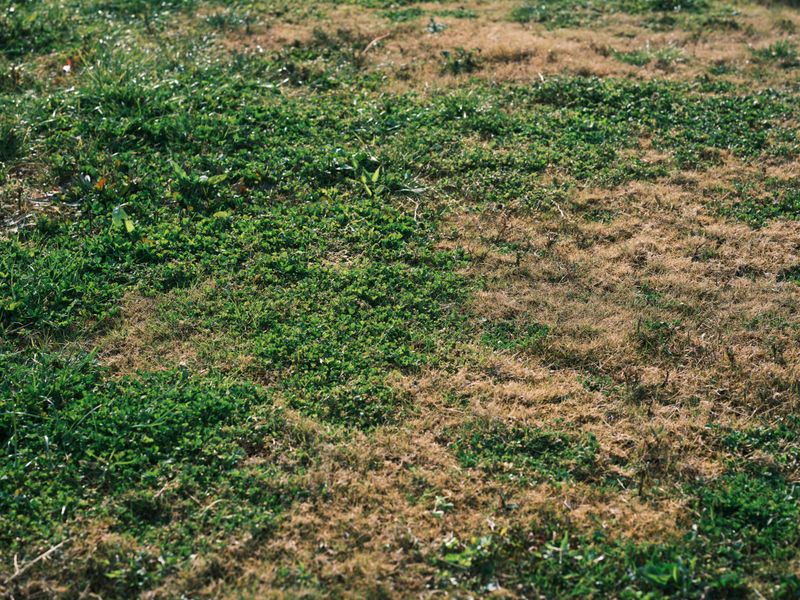
Not all grass is created equal when it comes to fungal resistance. Some turf varieties practically invite brown patch disease, while others shrug it off with ease. Knowing what type of grass you have is an important first step.
Tall fescue is one of the most popular cool-season grasses in New Jersey, and it is also one of the most susceptible. Its dense growth habit traps moisture close to the soil, giving the fungus a perfect hiding spot.
Kentucky bluegrass is another common choice that struggles against Rhizoctonia solani. Homeowners love it for its rich green color, but that beautiful lawn can turn brown fast when summer humidity spikes.
Perennial ryegrass falls into a similar category. It establishes quickly and looks great in spring, but its soft tissue makes it highly susceptible to fungal infection during hot, wet stretches.
Bermuda grass and zoysia grass, which are warm-season varieties, tend to show more natural resistance. However, they are less common in northern New Jersey because they cannot reliably survive the region’s cold winters.
Fine fescues offer slightly better resistance among cool-season options. Creeping red fescue and chewings fescue are worth considering if you are reseeding a problem area.
Choosing a disease-resistant seed blend when overseeding can dramatically reduce your risk each summer. Talk to a local nursery about blends specifically rated for New Jersey conditions.
Matching the right grass to your yard is one of the smartest long-term investments you can make for a healthy, green lawn.
How To Treat An Active Infection
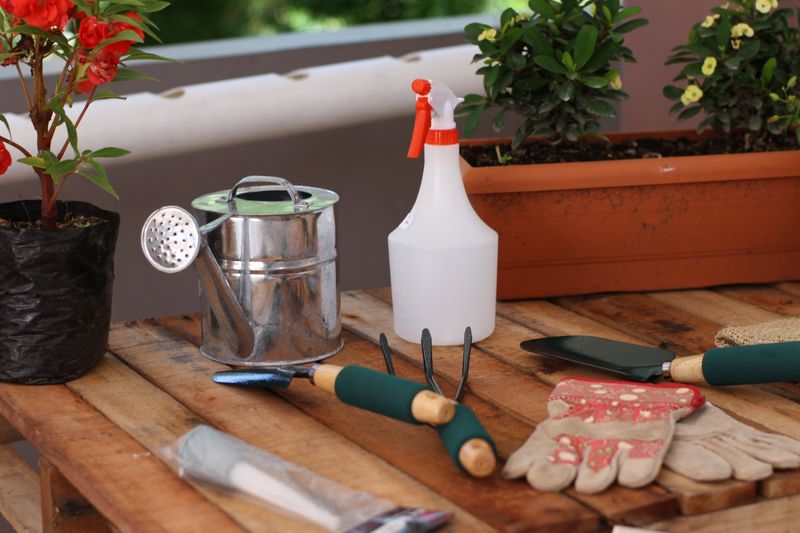
Catching brown patch early makes treatment far more effective. Once you spot those telltale circles, act fast.
Waiting even a few days in hot, humid weather can allow the fungus to spread significantly further.
Fungicides are the most direct treatment option. Products containing active ingredients like azoxystrobin, propiconazole, or thiophanate-methyl are widely available at garden centers. Apply according to label directions and wear protective gloves during application.
Timing your application matters. Early morning is the best window to spray, giving the product time to dry before evening humidity rises again. Applying before rain is counterproductive since the product washes off before it can work.
Stop watering the affected area as much as possible during treatment. Reducing moisture is critical.
The fungus cannot spread as fast without a water film to travel through, so cutting irrigation helps the fungicide do its job.
Mow carefully around infected zones. Fungal spores cling to mower blades and can hitch a ride to healthy parts of your lawn.
Clean your mower deck with a disinfectant spray after each pass through a damaged area.
Some homeowners prefer organic options like neem oil or compost tea applications. These can suppress fungal activity over time, though they work more slowly than synthetic fungicides.
Patience is key with natural approaches. Once the infection clears, resist the urge to fertilize right away.
Adding nitrogen too soon after treatment pushes soft growth that is vulnerable to a second round of infection.
Preventing Brown Patch From Returning
Beating brown patch once feels great, but the real goal is preventing its return next season. Prevention is far easier than treatment, and most of it comes down to smart, consistent lawn habits.
Water your lawn in the early morning, between 6 and 10 a.m. This gives grass blades time to dry completely before nightfall. Wet grass overnight creates conditions that allow fungal activity to resume.
Adjust your fertilizer schedule to avoid heavy nitrogen applications in summer. Feed your lawn in fall and early spring instead.
Slow-release fertilizers reduce the risk of pushing the kind of fast, soft growth that fungus targets.
Dethatch your lawn every year or two to keep that organic layer from building up. A thin thatch layer is fine, but anything over half an inch traps moisture and creates a breeding ground for pathogens hiding just below the surface.
Aerate your soil each fall to improve drainage and airflow. Core aeration pulls small plugs of soil out, allowing water to move deeper and air to reach the root zone. Better drainage means less surface moisture for the fungus to travel through.
Consider overseeding with disease-resistant grass varieties after aerating. Mixing in tougher cultivars strengthens your lawn’s overall defenses over time.
Those brown patches in your New Jersey lawn do not have to be a yearly struggle. With the right habits locked in, you can enjoy a thick, healthy lawn all summer without watching for the next outbreak.