The Summer Light Show Over New Jersey Lawns Is Sleeping Under The Leaves You Are About To Rake
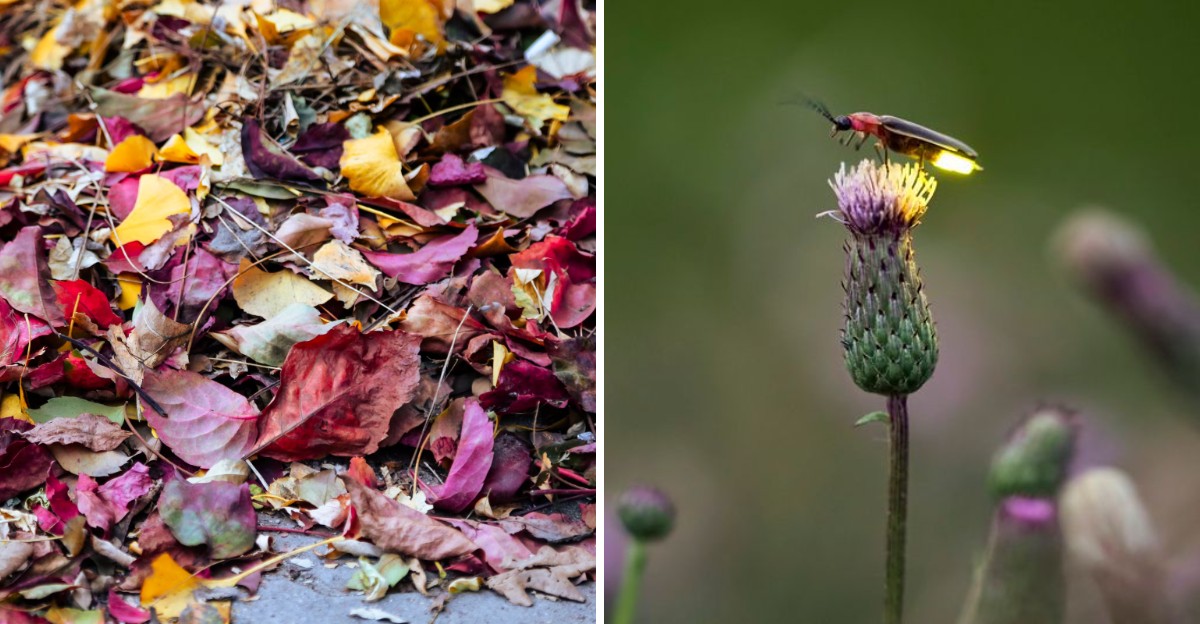
Your rake could shape next summer’s firefly show. Larvae spend the winter curled inside leaf litter across New Jersey.
Those wormlike grubs glow faintly while they nibble on slugs and snails. Bagged leaves leave the yard, and the grubs travel with them.
Distant compost sites lack fitting snacks and damp pupating soil. You can rake leaves into a loose border beneath your shrubs instead.
Kept whole, they shelter the grubs and feed the soil. Skip the leaf blower, since its gusts carry larvae away from cozy hiding spots.
Dim your porch lights, too, since softer light helps the mating flashes you love shine. New Jersey summers owe their glow to larvae sleeping under your maples.
Choose a shaggier lawn this autumn and invite a much brighter June. Picture those green-gold sparks returning to your grass, jar waiting in your hand.
Firefly Babies Living In The Leaf Litter
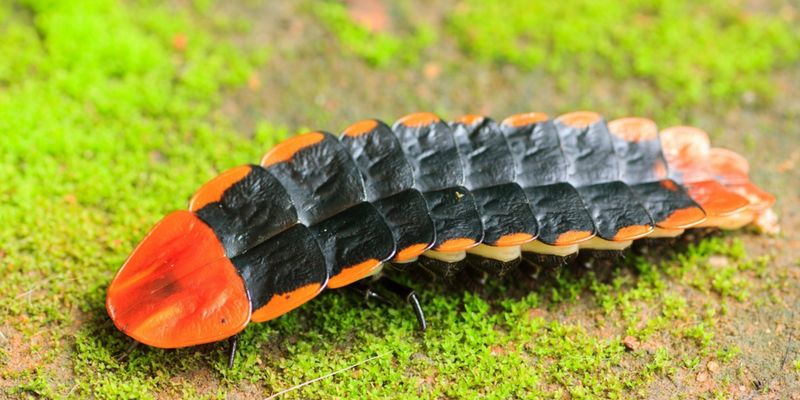
Picture a creature as small as a grain of rice when newly hatched, crawling through damp leaves under your oak tree. That tiny predator is a young firefly, called a larva, and yes, it can glow too.
Much of a firefly’s life happens on the ground, not in the air. Adults flash for only a few weeks, but larvae can live for one or two years.
Those larvae need moist, shady spots with plenty of hiding places. Fallen leaves give them exactly that, like a cozy blanket spread across the yard.
Inside the leaf litter, the larvae forage for slugs, snails, and soft worms. They inject a special juice that turns their meal into a kind of soup.
Gardeners in New Jersey can thank them for that, since slugs love munching on hostas and lettuce. A healthy firefly crowd adds a bit of natural slug control.
New Jersey hosts several kinds of fireflies, including the common Big Dipper firefly. Its larvae are active predators in many suburban yards.
The glow of the larvae is soft and steady, unlike the blinking code of adults. Scientists think it warns hungry animals that the larvae taste unpleasant.
So that pile of leaves is more than yard waste. It is a nursery, a hunting ground, and a winter bedroom all in one.
The next time you see a brown carpet under the trees, picture the tiny lanterns hidden inside. Your future summer evenings are resting right there.
From Summer Eggs To Winter Nap Beneath The Leaf Blanket
Back in July, the flashing adults laid eggs in damp soil and low grass. By late summer, those eggs hatched into hungry little larvae.
All through September and October, the larvae eat as much as they can. They are fattening up, much like a bear before a long nap.
Once the first frosts arrive in New Jersey, typically between October and November depending on the region, they slow down. They burrow into soil, rotting logs, or thick leaf layers to wait out the cold.
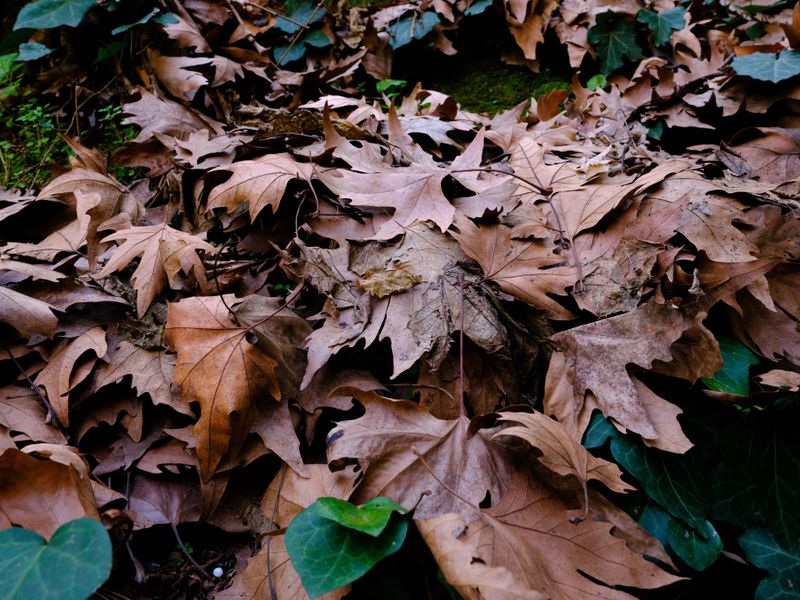
Leaves act like a fluffy quilt during winter. They trap warmth and moisture, which helps protect the larvae from drying out and from temperature swings.
Your New Jersey Garden Changes Every Week. Your Plan Should Too.
Gardening in New Jersey changes quickly throughout the season. Every Friday you’ll receive a simple weekly plan showing exactly what to plant, prune, fertilize, harvest, and protect so you never miss the right timing.
In early spring, the larvae wake up and start hunting again. Some will spend another full year underground before they grow wings.
Late spring brings the big change, when larvae build small mud chambers and become pupae. After about two weeks, adults crawl out ready to shine.
That timeline means your fall yard holds next June’s fireflies and maybe the following year’s crowd too. Larvae of different ages can share the same patch of leaves.
Peak firefly season in the Garden State usually runs from mid-June to mid-July. Warm, humid nights after a rain tend to bring the brightest shows.
All seasons matter for these bugs, not just the summer nights we notice. Fall and winter are the quiet chapters many people forget.
Grandparents often remember yards so full of sparks that the grass looked like a starry sky. Knowing this calendar helps us bring some of that magic back.
How Common Fall Cleanup Habits Affect Larvae
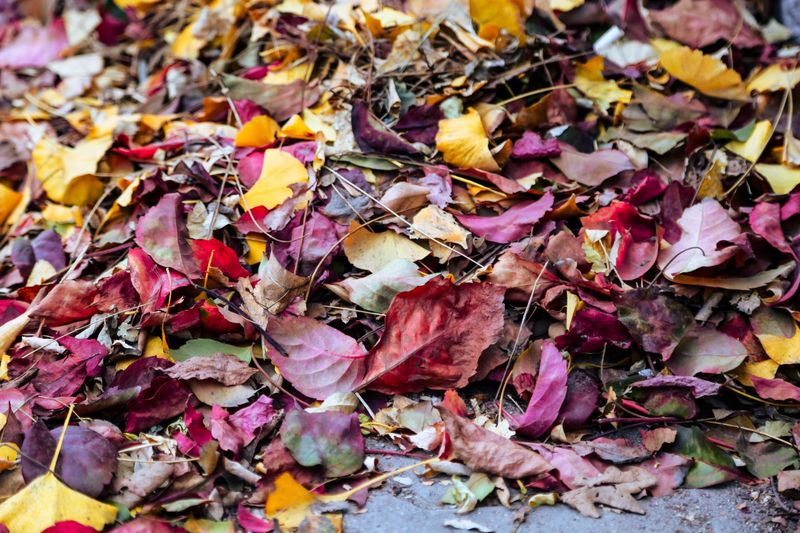
Raking feels like a classic fall job, right up there with pumpkin carving and apple picking. Yet the usual method can disrupt a backyard nursery.
Many people rake their leaves into bags and move them to the curb. Those leaves head off to a composting site, larvae and all.
Leaf blowers can make things worse. Forceful air can displace larvae onto bare ground, where birds and dry air may reach them.
Mowing leaves into tiny bits is a popular trick for feeding lawns. Mower blades can injure the soft-bodied larvae hiding below.
Then comes the spotless lawn, cut short and treated with pesticides to stay green. Fireflies find limited food and shelter in that tidy setting.
Bug sprays and grub treatments add another problem. Many of these products harm firefly larvae along with the pests they target.
A clean yard can look nice in a photo, but it feels empty to wildlife. Spiders, bees, and moths lose shelter in the same sweep.
These habits are easy to change. Many homeowners simply do not know that fireflies spend winter underfoot.
Think of it like sweeping out a guest room without checking who is sleeping inside. Few people intend that, but it happens when we cannot see who is home.
Across New Jersey, large numbers of leaf bags reach the curb each fall. Even small changes in a few yards can help many tiny glowing neighbors.
A Leave The Leaves Corner For The Garden
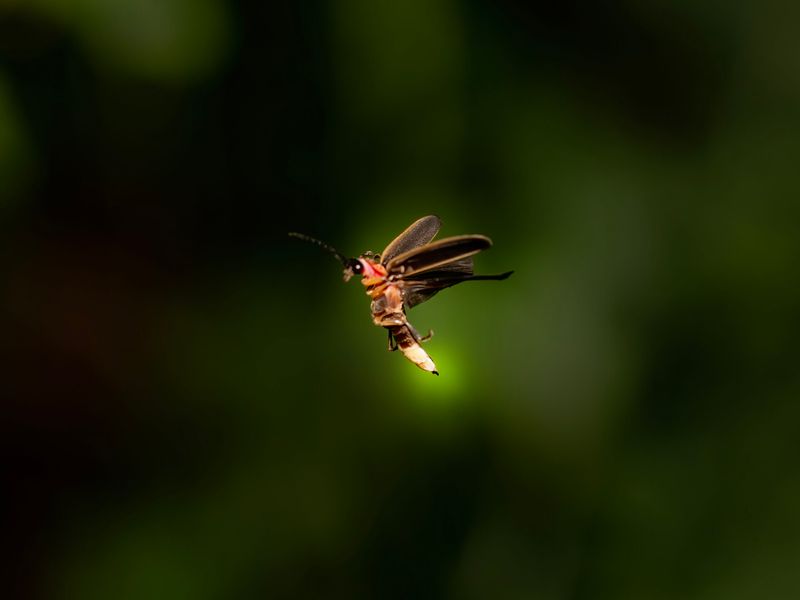
You do not have to give up raking for good. A simple shift in where the leaves go can protect many of your fireflies.
Start by choosing a quiet corner of the yard, maybe along a fence or under a shrub. Rake leaves there instead of onto the curb.
Flower beds love a thick leaf layer too. Spread two to three inches around perennials, keeping leaves off the plant crowns, and the plants get free mulch while the larvae get shelter.
Clear leaves from walkways, driveways, and thick patches that would cover your grass. A thin dusting on the lawn is fine and even helpful.
Got a small yard with no spare corner? Fill a wire bin or a low wooden frame with leaves, and tuck it behind the shed.
Leftover sticks and a fallen log make the corner even better. Larvae like the damp wood and the slugs that gather there.
Skip the leaf blower when you can, or use it on a gentle setting. A rake moves leaves without disturbing the tiny creatures inside.
Nature groups in many regions promote leave-the-leaves habits in home gardens. Your local garden club may even share free tips.
Wait until spring to tidy up those corners. Fireflies and other insects need the leaves until temperatures stay above about 50 degrees.
A small sign can help curious neighbors understand your choice. Something like Wildlife Nursery Zone turns a messy pile into a proud project.
Kids can join in by building the leaf corner with you. They will feel like caretakers of a secret lantern hotel.
A Brighter June Over The Backyard
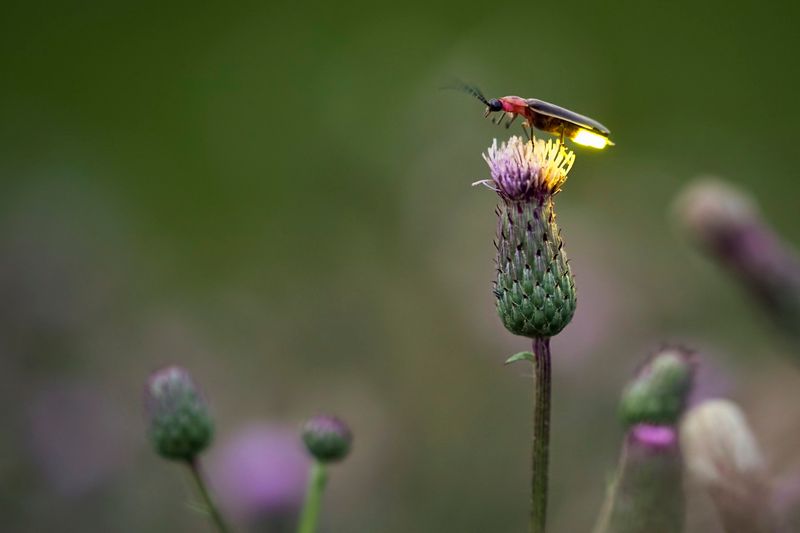
Imagine stepping onto your porch next June and seeing soft flashes rising from the grass. That is the payoff for a lazier fall cleanup.
Each flash is a message, part of a love song written in light. Males blink a pattern while flying, and females answer from the grass.
Different species use different codes, so a busy yard looks like a light show with many performers. Some fly high in trees, while others stay low.
The glow comes from a chemical reaction inside the firefly’s belly. It makes almost no heat, which is why scientists call it cold light.
More fireflies may also mean fewer slugs nibbling your vegetable garden. Your lettuce could get a small break, thanks in part to those leaf piles.
Birds, toads, and bats also benefit from a yard full of insects. A lively lawn becomes a little ecosystem right outside the kitchen window.
Families often say that firefly nights bring back childhood memories. Sitting outside with lemonade and watching the sparks is cheaper than any movie ticket.
Results might not show up the very first summer. Since larvae can take two years to grow up, patience pays off in a big way.
Some researchers even ask families to count fireflies for science projects. Programs like Firefly Watch let backyard observers share what they see.
Keep notes each June about how many flashes you spot in ten minutes. Watching the numbers climb year after year feels like winning a slow, glowing race.
Lawn Habits That Protect Next Summer’s Glow
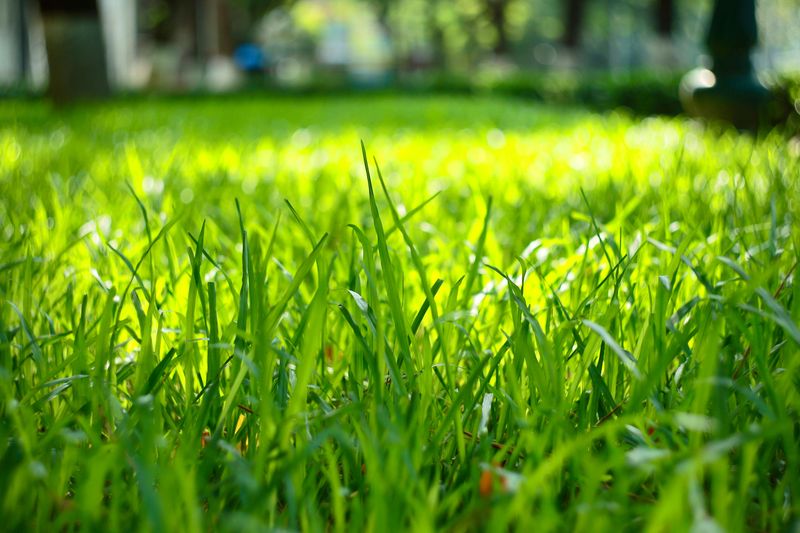
Protecting fireflies is not a one-weekend job. Small habits all year long keep the glow coming back summer after summer.
Firefly numbers appear to be declining in many places, with habitat loss, light pollution, and pesticides cited as key threats. Your yard can become one of the bright spots that push back.
Turn off outdoor lights during June and July evenings. Bright porch lamps and floodlights interfere with the flashing signals fireflies use.
Let part of the lawn grow a little taller. Adults rest in long grass during the day, and females flash from there at night.
Cut back on chemical sprays and grub treatments across the yard. Hand-picking pests or using natural options keeps the soil safe for larvae.
Moisture matters too, since fireflies love damp places. A small rain garden, birdbath, or shady wet spot can attract more of them.
Even rain barrels help by keeping garden beds moist during dry spells. Damp soil gives larvae the steady conditions they need to grow.
Plant native trees and shrubs, like serviceberry, dogwood, or eastern red cedar. They drop leaves, give shade, and help create the moist habitat larvae need.
Talk with neighbors about saving leaves and dimming lights. Fireflies do not stop at property lines, so teamwork across a street makes a real difference.
Avoid catching adults in jars for long periods. If kids want a closer look, let them hold one gently and release it within minutes.
Mark your calendar for next fall and plan your leaf corner early. Habits feel easier once they become part of the yearly routine.