Pennsylvania Gardeners Are Quietly Planting This Native Along Driveways To Block Weeds
The strip of soil along a driveway might be the weediest spot in the whole yard. It bakes in the sun, gets packed down by tires, and gets ignored until crabgrass and dandelions take over. Then you’re back on your knees, pulling the same weeds again.
More Pennsylvania gardeners are solving that problem with a low-growing native that fights back for them.
This little plant spreads by sending out runners in every direction. Before long, it forms a thick green mat that leaves weeds with nowhere to sprout. In spring, it’s dotted with cheerful white flowers that feed early bees.
By early summer, it produces tiny, sweet red fruit that birds and wildlife love, and fall brings a touch of red to its leaves. Best of all, it asks for almost nothing in return. Sometimes the easiest solution has been growing wild all along.
The Native Weed-Blocking Groundcover
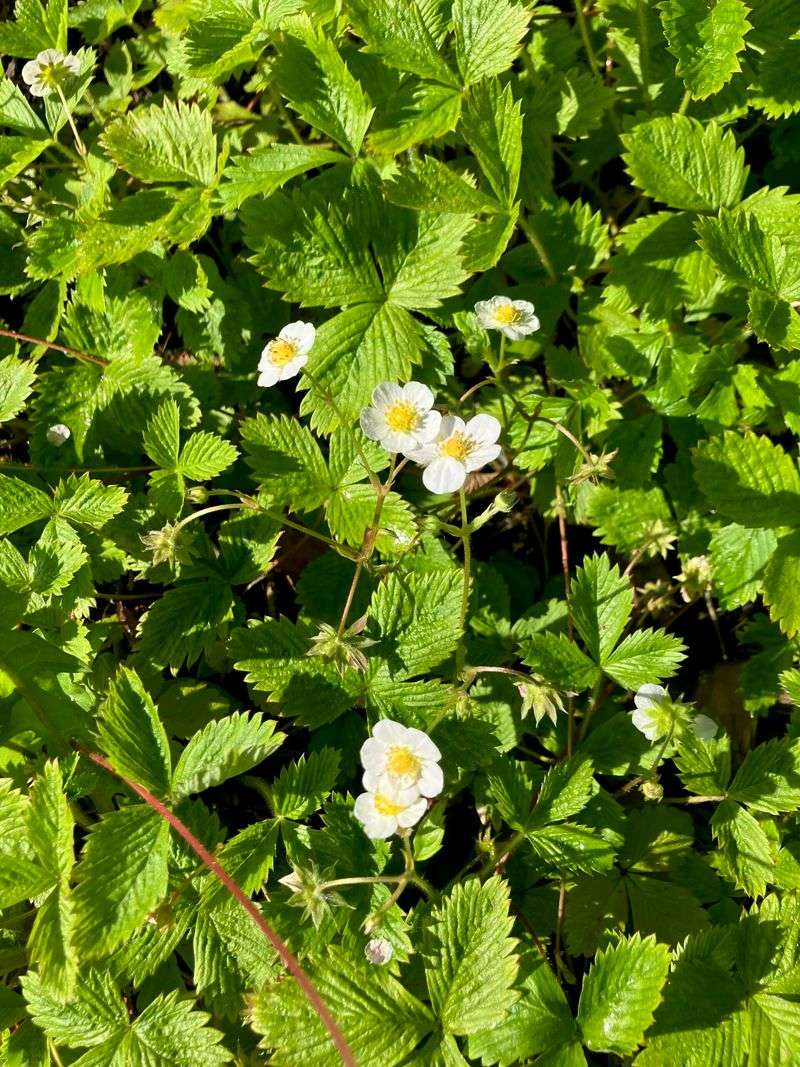
Walk along almost any country road in Pennsylvania in May, and you may spot it. Low clumps of three-part leaves hug the ground near the ditch. That humble plant is wild strawberry, and gardeners are starting to give it a second look.
Its scientific name is Fragaria virginiana. It is a perennial, which means it comes back year after year without replanting. You can find it in fields, meadows, open woods, and roadsides all over the state.
Here is a fun bit of history. Wild strawberry is one of the two parents of the big garden strawberry you buy at the store. Long ago, it was crossed with a strawberry from Chile. The result became the juicy fruit we know today.
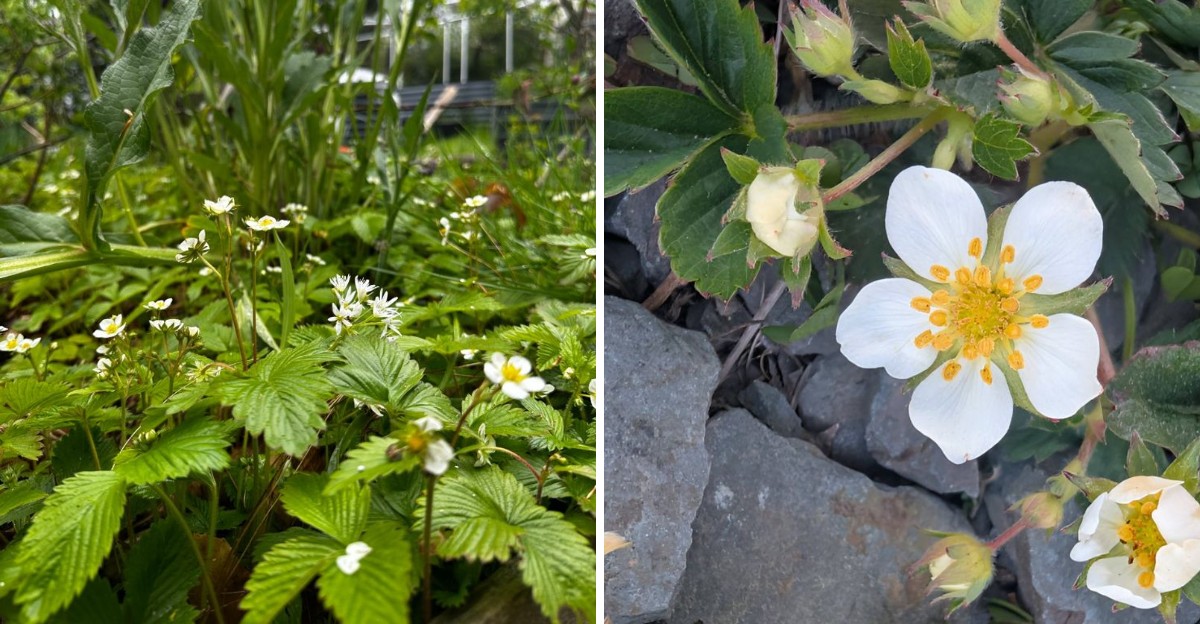
Still, most people who plant it along driveways are not after fruit. They want the leaves. The plant stays short, usually just four to eight inches tall. Its leaves are toothed along the edges and grow in sets of three, a bit like clover but larger.
Because it is native, it fits right into local nature. It has grown here for thousands of years. It knows how to handle Pennsylvania winters, summer heat, and the rain in between. That saves you time, water, and worry.
Wild strawberry also behaves nicely in a yard. It does not climb fences or choke trees. It simply spreads across open ground, filling bare spots with soft green cover. You can mow over it on a high setting if needed.
So if you want a groundcover that looks neat, costs little, and belongs here, this plant deserves a spot on your list. It is a quiet hero hiding in plain sight.
How It Crowds Out Weeds
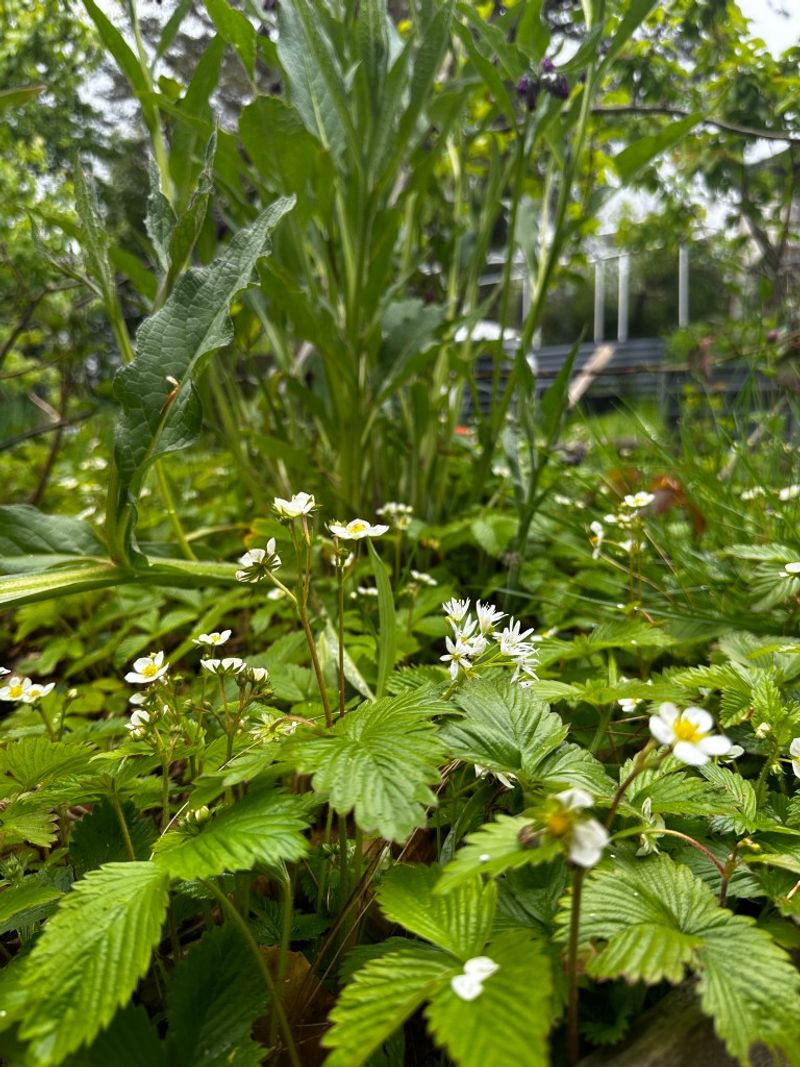
Weeds are a lot like party crashers. They show up wherever there is an open spot. Take away the open spots, and they have nowhere to go.
That is exactly what wild strawberry does. The secret is its runners. These are thin red stems that creep along the ground away from the main plant. Every few inches, a runner sets down roots and grows a brand new baby plant.
Your Pennsylvania Garden Changes Every Week. Your Plan Should Too.
Gardening in Pennsylvania changes quickly throughout the season. Every Friday you’ll receive a simple weekly plan showing exactly what to plant, prune, fertilize, harvest, and protect so you never miss the right timing.
Those babies send out runners of their own. Before long, one plant becomes a dozen. A dozen becomes a crowd. In a season or two, the plants knit together into a thick, leafy mat.
Once that mat forms, the soil underneath stays shaded. Most weed seeds need sunlight to sprout. Without light, they just sit there and never get going. Fewer sprouts means less weeding for you.
The mat also takes up water and food in the soil. Any weed that does pop up has to fight for every drop. Often it gives up or stays small and easy to pull.
Think of it as a living blanket. Bark mulch breaks down and needs refilling every year. Wild strawberry grows thicker over time instead of thinner. It actually gets better with age.
A quick tip helps here. If you see bare gaps, gently press a runner onto the soil and pin it with a small rock or U-shaped wire. In a few weeks, it will root and fill the hole.
No groundcover blocks every single weed. A few tough ones may still sneak through. But compared with bare dirt, the difference is huge, and your back will thank you.
Made For Tough Driveway Edges
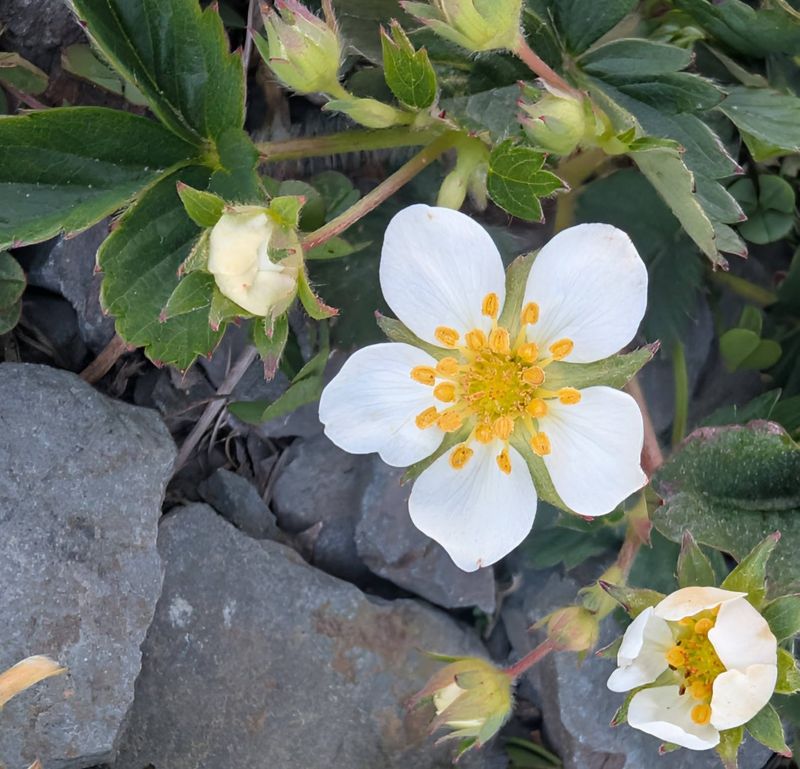
Driveway edges are rough places for plants. The soil is often thin, packed down, and full of gravel. Sun bakes the pavement, and winter brings plows and salt.
Many garden plants struggle in spots like that. Wild strawberry, though, seems to shrug it off. In the wild, it often grows in poor soil along roads, so a driveway feels like home.
It does best in full sun to part shade. Six or more hours of sunlight gives you the thickest growth and the most flowers. It can handle some shade from a nearby tree, but it may spread a little slower.
Dry soil is not a big problem once the plants settle in. Their roots reach down and hold on through hot spells. During the first summer, they will need regular water. After that, they usually get by on rain alone.
Now, about winter. Snowplows push heavy, salty slush right onto the edge of the pavement. Car tires sometimes roll off the side too. Neither one is kind to young plants.
The fix is simple. Start your planting strip about a foot back from the driveway. Leave that first strip as gravel, stone, or plain mulch. That buffer catches most of the salt and plow damage.
Another helpful trick is to rinse the area with a hose in early spring. Fresh water washes leftover salt deeper into the ground and away from the roots.
You can also mark the edge with reflective stakes before the first snow. That way, plow drivers and guests know where to stop. A little planning keeps your green border happy for years.
Early Flowers For Pollinators
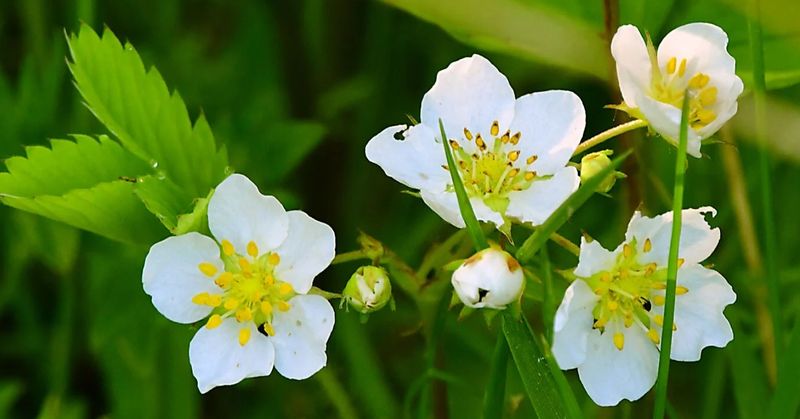
Spring in Pennsylvania can feel slow to arrive. Trees are still bare, and many gardens look brown. Yet down near the ground, something small and bright is already blooming.
Wild strawberry flowers open as early as April. Each one has five round white petals and a sunny yellow center. They are only about the size of a nickel, but they show up when few other plants are flowering.
That timing matters a lot to bees. Queen bumblebees wake up hungry after a long winter. Tiny native bees, like mining bees and sweat bees, are also on the hunt. They all need nectar and pollen right away.
A patch of wild strawberry acts like a roadside snack bar for them. One planting along your driveway can feed dozens of busy visitors on a warm spring day. Small flies and beetles stop by too.
Why should you care? Pollinators help many plants make fruit and seeds. Healthy bee numbers mean better apples, berries, and garden veggies for you and your neighbors.
Here is a cool fact. Many of Pennsylvania’s native bees do not live in hives. They nest alone in the ground or in hollow stems. Some even burrow in bare, sunny soil near the edges of driveways and paths.
To keep your flowers bee-friendly, skip bug sprays on the patch. Even mild ones can harm these helpful insects. Let a few leaves stay messy over winter, since some critters hide there.
Next spring, kneel down and watch your flowers for a few minutes. You may be surprised by how many tiny visitors stop by. It is a little show right by your mailbox.
Tiny Berries For People And Wildlife
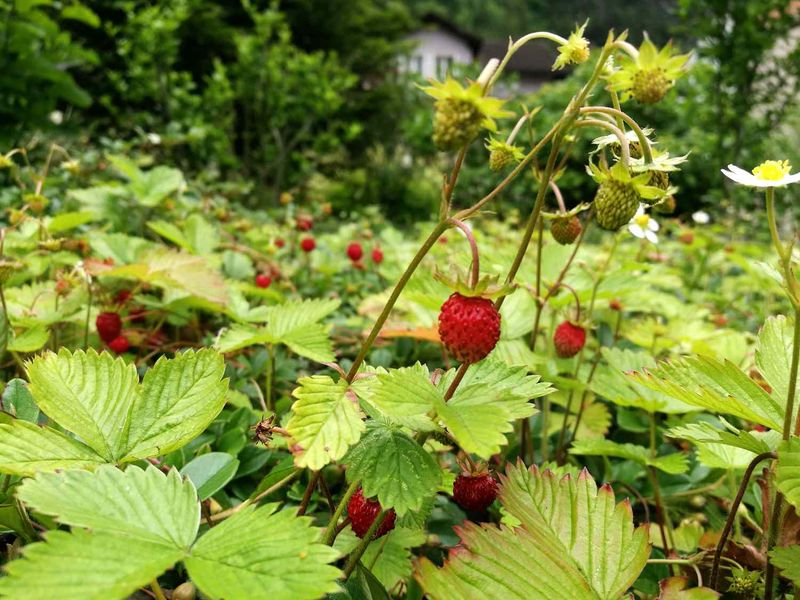
Ask anyone who has eaten a wild strawberry, and they will likely smile. The flavor is bold and sweet, far stronger than many store berries. The only catch is the size.
Each berry is about as big as a pea or a small fingertip. They ripen in late spring or early summer, usually around June. The fruit turns bright red, with tiny seeds sitting in little dents on the surface.
Yes, they are safe to eat. Just make sure you know the plant well. Look for white flowers earlier in the season and berries that hang down. A lookalike called mock strawberry has yellow flowers and upright, bland fruit.
Also, think twice before snacking on berries right next to the road. Salt, dust, and car fumes can collect there. Berries from farther back in the patch are the better pick. Always rinse them first.
Now for the funny part. You will probably have competition. Robins, catbirds, chipmunks, box turtles, and even foxes love these berries. They often find the ripe ones before you do.
Many gardeners do not mind sharing. Feeding wildlife is part of the fun. Watching a chipmunk stuff its cheeks is entertaining on a summer morning.
If you want more for yourself, check the plants early in the day. Pick any red berries you see. You can toss them on cereal, stir them into yogurt, or eat them straight from your hand.
A small bowl of wild strawberries feels like a treasure. It turns a plain weed-blocking border into a sweet summer surprise for the whole family.
Tips For Getting It Started
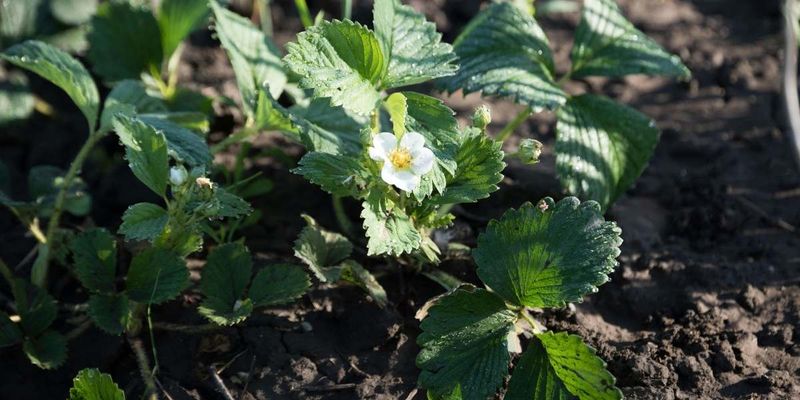
Good news first. Getting wild strawberry going is not hard at all. With a little care in year one, it will mostly look after itself later.
Start by finding plants. Native plant nurseries in Pennsylvania often sell them in small pots or plugs. Ask for Fragaria virginiana by name so you get the true native, not a garden variety.
Timing helps a lot. Spring and early fall are the best seasons to plant. The weather is cooler, and rain is more common, so young roots settle in with less stress.
Clear the area of grass and weeds before you plant. Loosen the top few inches of soil with a garden fork. If the ground is very hard, mix in a little compost.
Space the plants about one foot apart. That may look sparse at first, but runners will fill the gaps quickly. Set each plant so its crown, the spot where leaves meet roots, sits right at soil level.
Water well after planting. Then keep the soil lightly moist for the first several weeks. Once you see new runners forming, you can water less often.
During that first season, pull weeds by hand every week or two. Small weeds come out easily. This step gives your strawberries a head start so they can take over the space.
A thin layer of shredded leaves between plants can also help hold moisture. Keep it light so runners can still touch the soil.
Then enjoy the bonus show in autumn. The leaves often turn rich red and bronze. Your driveway edge will glow with color just as summer fades.