Can You Keep A Banned Plant If It’s Already Growing In Your Ohio Yard?
That shrub has stood by your fence for twenty years, and now a state rule says the nursery down the road can’t sell its twin.
Ohio drew a line a while back, and some of the most familiar plants around landed on the wrong side of it. Folks who bought them in good faith never got a knock on the door.
They just woke up one day with a problem they didn’t ask for.
Rip it out or leave it be? The answer hangs on a detail most people never read.
Even seasoned gardeners get tripped up, because the fine print matters more than the headline.
Read up before you grab the shovel or give it a pass. A wrong guess costs you either way.
1. Ohio’s Ban Covers Selling And Spreading, Not Owning
Think of the invasive plant rules like a no-littering law for your garden. The focus is on stopping problem plants from traveling, not on punishing people who already have them.
State law makes it illegal to sell, offer for sale, propagate, distribute, import, or intentionally spread any plant on the invasive list. Notice what is missing from that list of actions, which is simply owning one.
The Department of Agriculture, often called ODA, is the agency in charge of these rules. It also handles a separate group called prohibited noxious weeds, which have their own regulations.
Why the focus on movement? A single plant in one yard rarely causes trouble alone, but thousands sold at garden centers can spread seeds across entire counties.
Birds, wind, and water carry those seeds into parks, forests, and roadside ditches. Once there, the newcomers can crowd out native wildflowers and young trees that local animals depend on.
So the law targets the pipeline instead of the backyard. Nurseries had to stop selling listed plants, and landscapers had to stop installing them for customers.
For a regular homeowner, the takeaway is reassuring. Your yard is not a crime scene, but you do have a role in keeping these plants from hitching a ride somewhere new.
2. You Don’t Have To Remove Existing Plants
Relax, nobody from the state is going to knock on your door with a chainsaw. Ohio’s rules do not require homeowners to take out banned plants already growing on their property.
That might sound surprising, especially if you have heard neighbors talk about fines. In reality, the ODA regulations are written to stop new introductions and further spread, not to force yards into a makeover.
Picture a shrub your grandmother planted along the driveway thirty years ago. If it later landed on the invasive list, you can legally let it keep growing right where it is.
Of course, legal and ideal are two different things. Keeping a plant is allowed, but you may still want to watch how it behaves in your yard.
Look for seedlings popping up in flower beds, along fences, or in nearby wooded areas. Those little sprouts are a sign your plant is spreading, and pulling them early is easy work.
Your Ohio Garden Changes Every Week. Your Plan Should Too.
Gardening in Ohio changes quickly throughout the season. Every Friday you’ll receive a simple weekly plan showing exactly what to plant, prune, fertilize, harvest, and protect so you never miss the right timing.
Trimming off flowers or fruit before they mature can also help with some species. Fewer seeds means fewer chances for birds to carry them off to a nature preserve.
Think of it like owning a dog that loves to wander. You are allowed to have it, but a good fence and some attention keep everyone happy.
3. Callery Pear Shows How The Rule Works
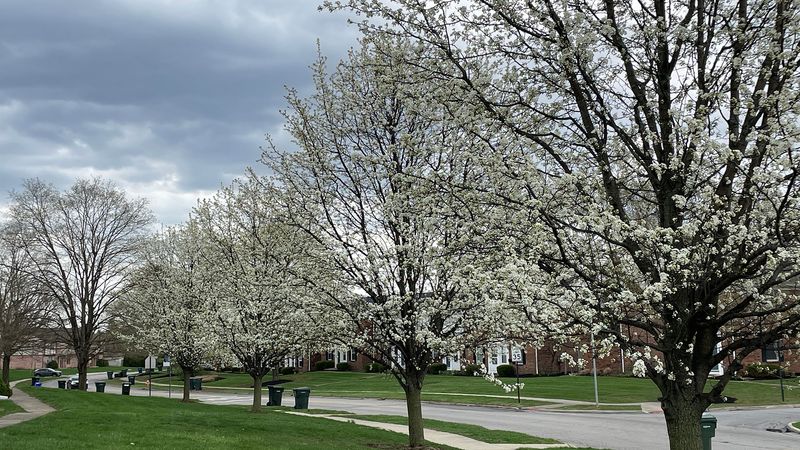
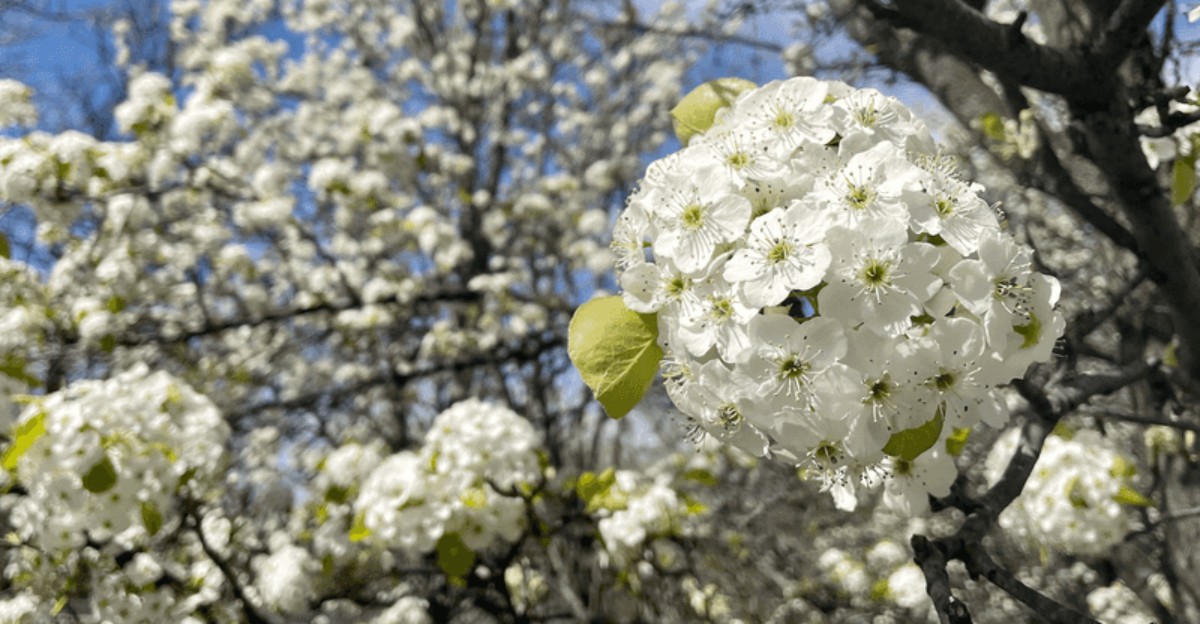
Every April, parts of the state turn white with clouds of blossoms, and many people notice the smell before they notice the trees. Those are often Callery pears, the poster child for Ohio’s invasive plant rules.
Callery pear, known to scientists as Pyrus calleryana, was sold for decades under names like Bradford, Cleveland Select, and Whitehouse. It was popular because it grew fast, bloomed early, and handled city streets well.
Starting in January 2023, it became illegal to produce, plant, or sell Callery pear trees in the state. Garden centers pulled them from shelves, and landscapers stopped offering them.
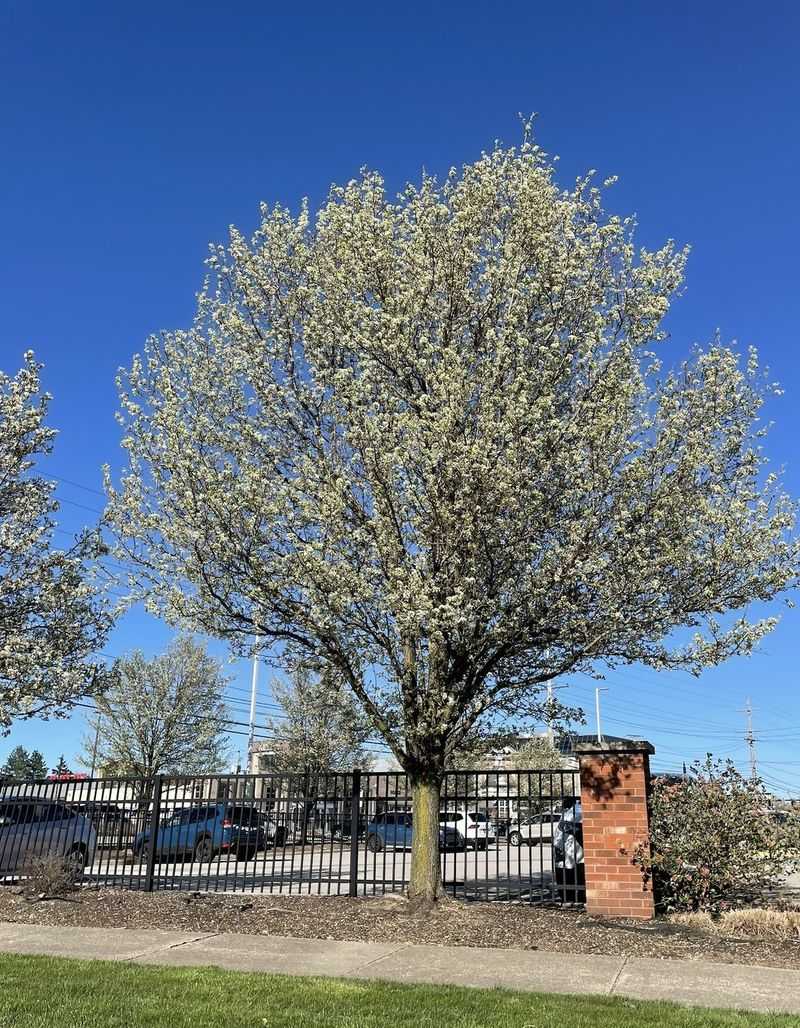
Here is the key part for homeowners. If a Callery pear already stands in your front yard, the law does not require you to remove it.
So why the ban at all? Birds eat the small fruits and drop the seeds far away, where thorny wild pear thickets can take over fields and forest edges.
Fun fact: the original Bradford pears were bred to be sterile, but crossing with other cultivars produced plenty of seed. Nature found a loophole.
Many towns planted these trees along entire streets in the 1980s and 1990s. Today, some of those same cities are swapping them out one block at a time.
The pear story shows the whole rule in action. Existing trees can stay, but spreading them is off the table.
4. Don’t Root Cuttings Or Divide Banned Plants
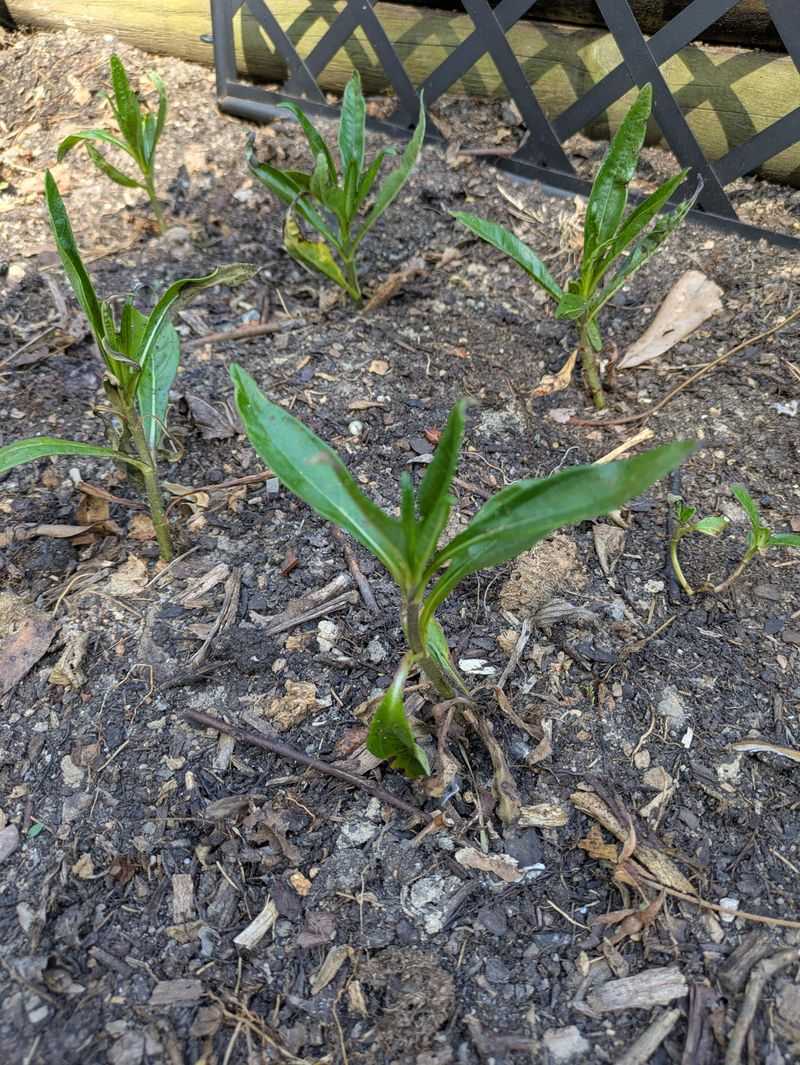
Gardeners love a free plant. Snip a stem, stick it in water, and a few weeks later you have roots and a brand new shrub to share.
With banned species, that clever trick becomes a legal problem. Ohio law specifically prohibits the propagation of any plant on the invasive list.
Propagation is a fancy word for making more plants. It covers rooting cuttings, dividing clumps, layering branches into soil, and growing seedlings on purpose.
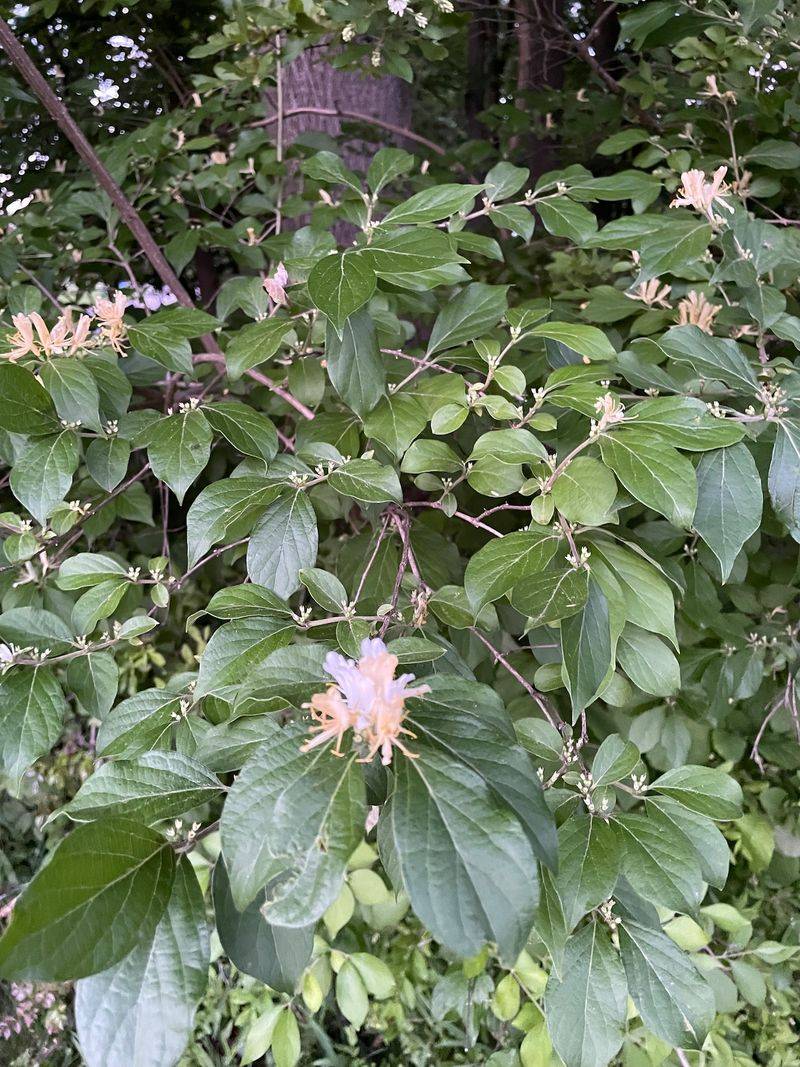
Say you have an old Amur honeysuckle hedge and want to stretch it along the back fence. Digging up rooted pieces and replanting them would count as propagation, even on your own land.
The same goes for perennials that spread by roots. Splitting a clump of a listed plant and tucking the halves into new beds is exactly what the rule aims to stop.
Here is a simple test before you grab the shovel. Ask yourself whether your action will result in more of this plant existing than before.
If the answer is yes, put the pruners down and look up a native option instead. Many natives root just as easily, so you can still enjoy turning one plant into ten.
Your existing plant can stay, just without any offspring. Think of it as letting it retire quietly.
5. Giving Plants Away May Cross The Line
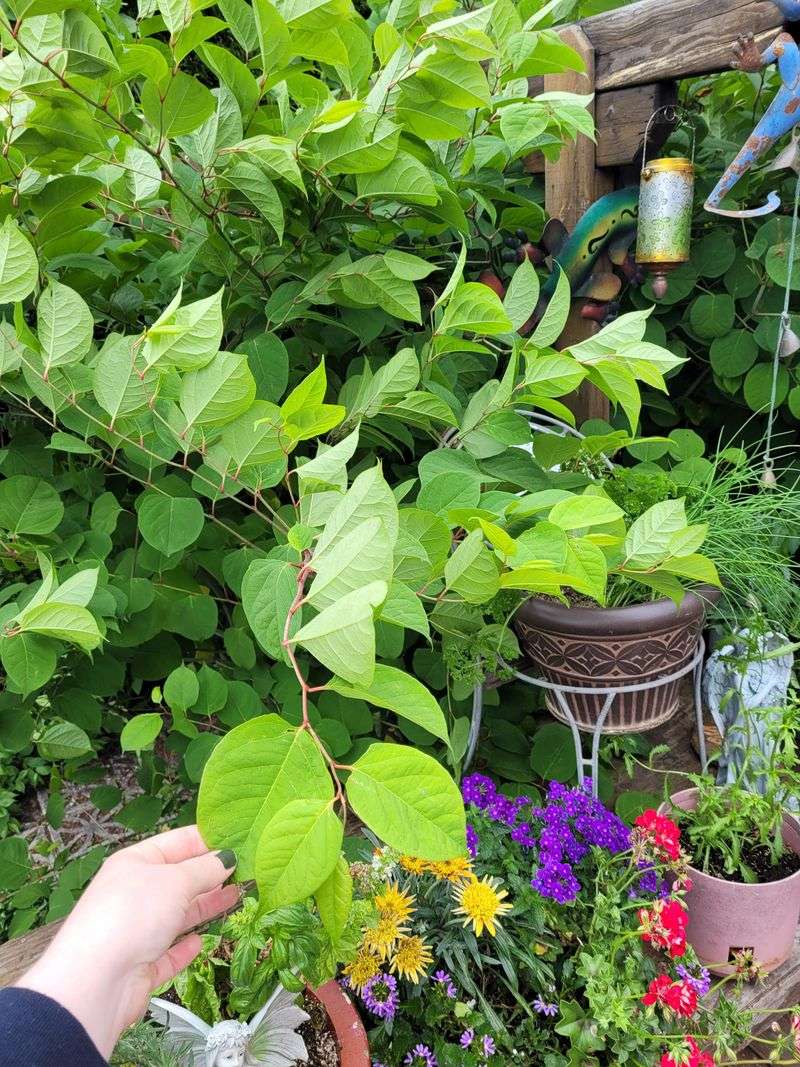
Picture a friendly plant swap at the local library, with tables full of pots and handwritten labels. It feels harmless, but a banned plant on that table could create a real issue.
The Ohio Administrative Code says no person shall distribute any invasive plant. That word distribute is broad, and it does not mention money at all.
In plain terms, handing a neighbor a potted cutting might count, even as a free gift. A gift moves a plant to a new place just as well as a sale does.
The same idea applies to online groups and community marketplaces. Posting free root divisions of a listed species could put you on the wrong side of the rule.
Seeds count too, so think twice before sharing a jar of collected seed heads. Intentional dissemination, which means spreading on purpose, is also prohibited by state law.
Yard waste matters as well. Dumping trimmings full of berries in a wooded lot can spread plants just as easily as a gift.
What if a friend asks for a piece of your beautiful shrub? Kindly explain the rule, then offer to help them pick out a native plant with similar looks.
Most people appreciate the heads-up. You might even start a fun trend of sharing native seedlings at the next swap instead.
6. Ohio’s List Now Includes 63 Banned Species
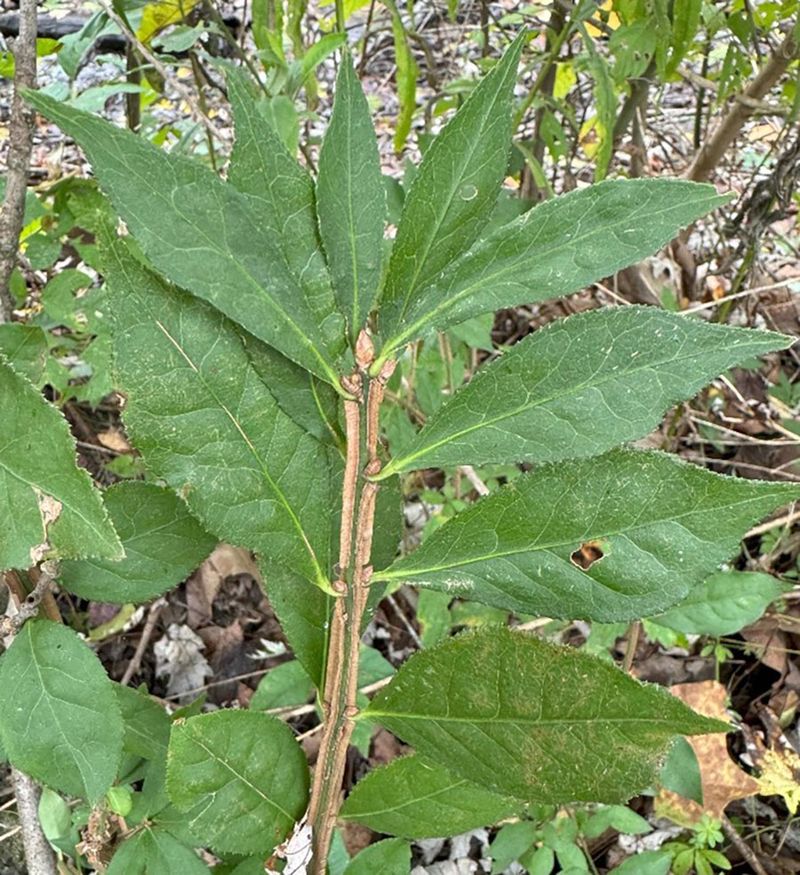
Numbers tell a story, and this one is about growth. When the state’s invasive plant rules first took effect in January 2018, the list included 38 species.
Today, Ohio Administrative Code 901:5-30-01 names 63 plants as invasive. That is a jump of 25 species in just a few years.
Why does the list keep getting longer? Scientists and land managers keep watching which plants escape gardens and start taking over natural areas.
When enough evidence piles up, a plant can be reviewed and added. Callery pear was one of the high-profile additions, but plenty of lesser-known species joined it.
The list covers more than trees. It includes shrubs like Amur honeysuckle, vines, groundcovers, and plants that grow in wetlands and ponds.
Purple loosestrife and Japanese knotweed, for example, are well known troublemakers along Ohio streams. They spread so fast that whole riverbanks can turn into a sea of one plant.
Some names may surprise you because they were sold for years as easy, cheerful landscape picks. Others are weeds that most people would happily pull anyway.
This growing list matters for anyone with an older yard. A plant that was legal when you bought it might be on the list now.
A quick yearly check can save you from accidentally sharing something you thought was fine. Bookmark the list and treat it like a garden calendar reminder.
7. ODNR Still Encourages Removal
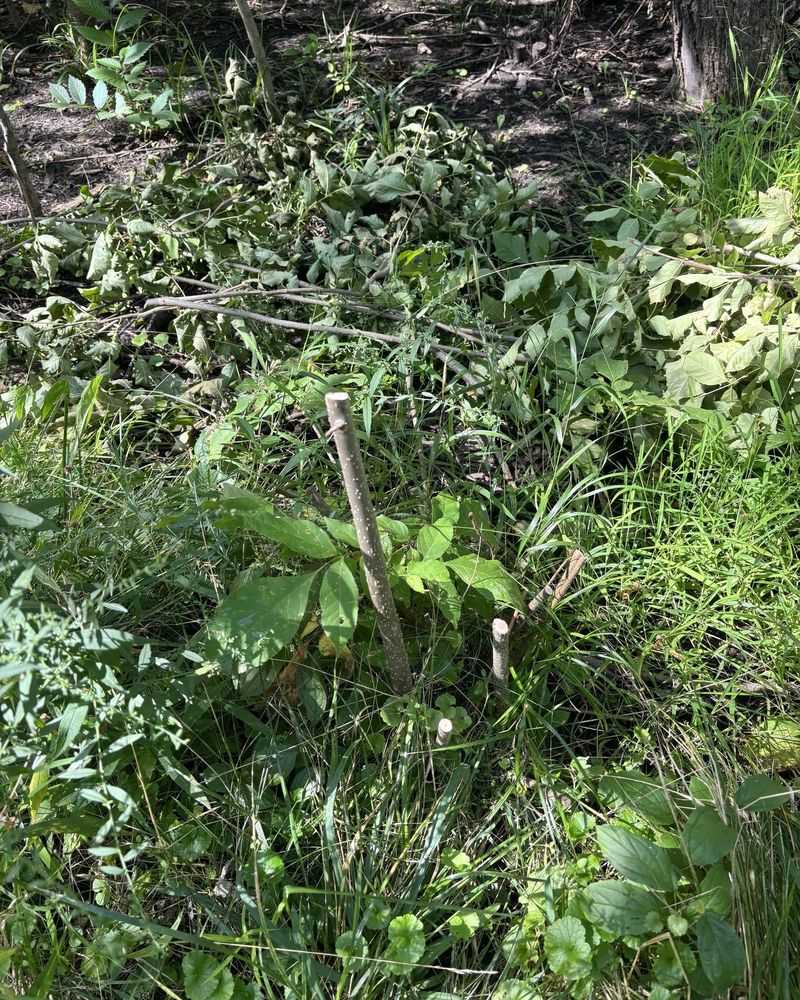
Legal permission and friendly advice can point in different directions. That is the case with the invasive plants and the Ohio Department of Natural Resources.
While the ODA does not require removal, ODNR strongly encourages homeowners to manage and remove existing invasive plants. Its Division of Forestry specifically urges people to control species like Callery pear.
The reason is simple. Healthy native forests need room for oaks, maples, and wildflowers, and invasive plants can crowd them out from the edges inward.
Some local programs even pay you to help. The Franklin Soil and Water Conservation District runs an Invasive Trade-in Program in participating communities.
Residents who remove an invasive tree or shrub and plant a native replacement can apply for reimbursement. Check with your own county soil and water office to see if something similar exists nearby.
If you decide to remove a large tree, hiring a certified arborist is a smart move. Many invasive shrubs sprout back from stumps, so ask about follow-up care.
Smaller plants, like young honeysuckle, often pull out easily after a good rain softens the soil. Late fall works well, since many invasives stay green after natives lose their leaves.
Bag any berries so birds cannot carry them off. Toss the bags in the trash rather than the compost pile.
Removal is a choice, not a rule. Still, every invasive plant replaced with a native one gives local wildlife more breathing room.
8. Check The Official List Before You Plant
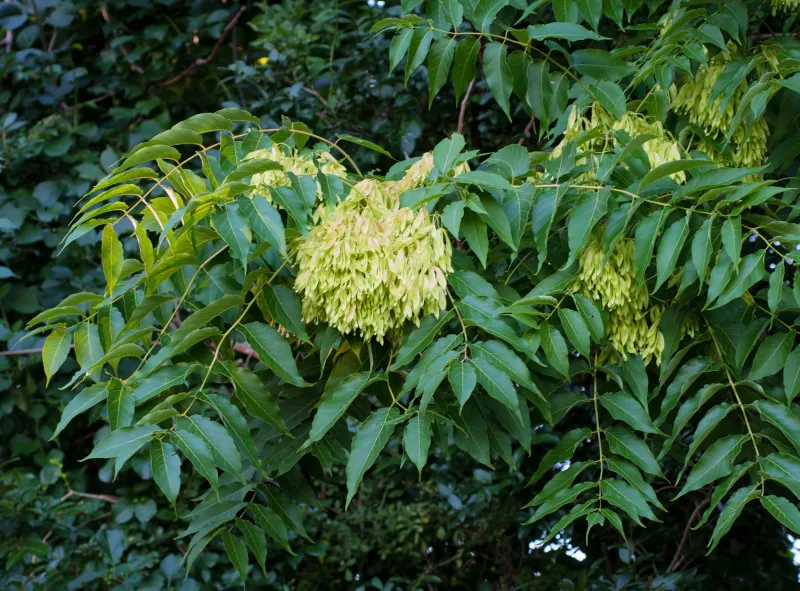
Before you fall in love with a pretty plant at a garage sale or online shop, take two minutes to look it up. A little homework now can save a lot of hassle later.
The Ohio Department of Agriculture posts the current invasive plant list on its website. It falls under Ohio Administrative Code 901:5-30-01, and it includes both common and scientific names.
Scientific names matter more than you might think. Common names change from region to region, but the Latin name points to one specific plant.
ODA also keeps a second list called Prohibited Noxious Weeds under the Administrative Code 901:5-37-01. These are mostly farm weeds, but they are regulated too.
Licensed nurseries should not be selling banned plants. Online sellers in other states, however, may ship items that are illegal here without warning you.
Seed packets and wildflower mixes deserve a close look as well. Some mixes contain species that behave badly in the state, even if they look cheerful on the label.
Not sure what you already have growing? Snap a photo and share it with your county OSU Extension office, which offers friendly help identifying plants.
Keeping a simple garden notebook can make this easier. Jot down each plant name and the date you checked it against the list.
9. Native Trees Make Good Replacements
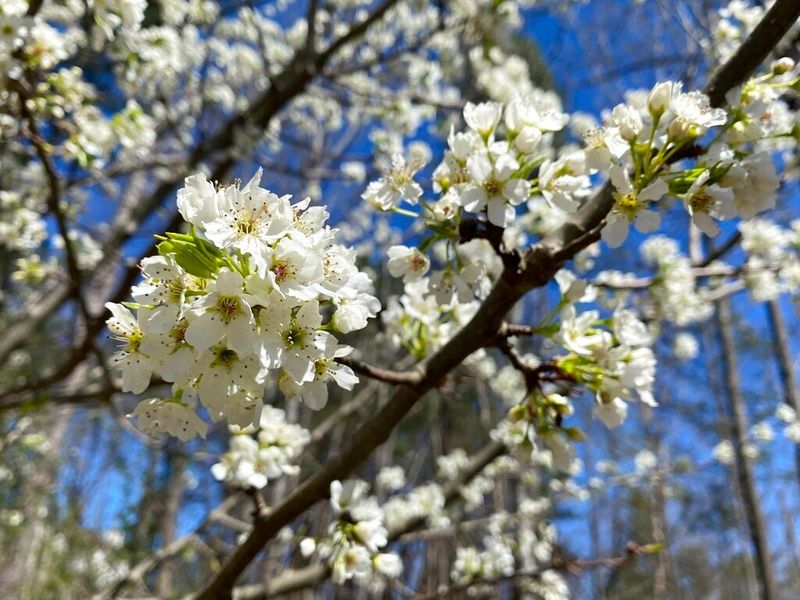
Here is the fun part, where the story shifts from rules to fresh possibilities. The state has a long list of native trees that bloom, glow, and feed wildlife beautifully.
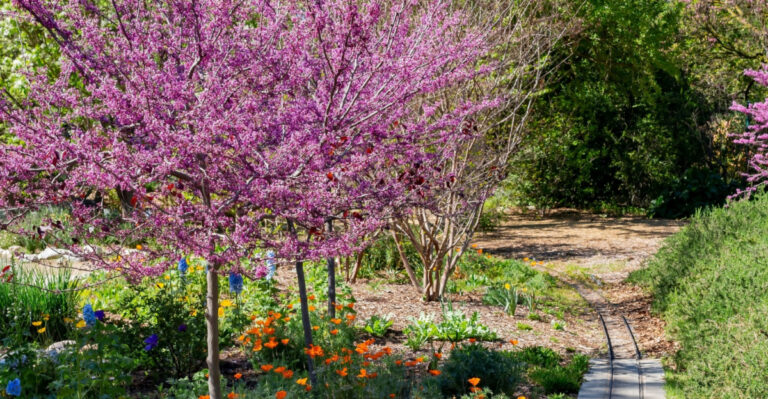
If you want spring flowers like a Callery pear, try serviceberry or eastern redbud. Serviceberry offers white blooms and tasty summer berries, while redbud lights up with pink-purple flowers.
Flowering dogwood is another classic, with soft white blossoms and red fall berries that birds adore. American plum and chokecherry add flowers plus fruit for wildlife.
For a sturdy shade tree, consider blackgum, which turns brilliant scarlet in autumn. Yellowwood, hawthorn, eastern hophornbeam, and American hornbeam are also solid picks.
The Invasive Plants Council shares a helpful list of native alternatives. It is a great starting point when you are planning a swap.
Native trees support caterpillars, which feed baby birds, which brighten your mornings with song. One native cherry can host hundreds of insect species, creating a lively little food web.
There is also good news on the seed front. Ohio’s HB 364 aims to make it easier for people and conservation groups to collect and share native plant seeds.
So if that banned tree comes down someday, think of it as an opening. Your yard could become a small but mighty habitat for the creatures that call Ohio home.