Want Your Christmas Cactus To Bloom By December? Start These Alabama Habits In October
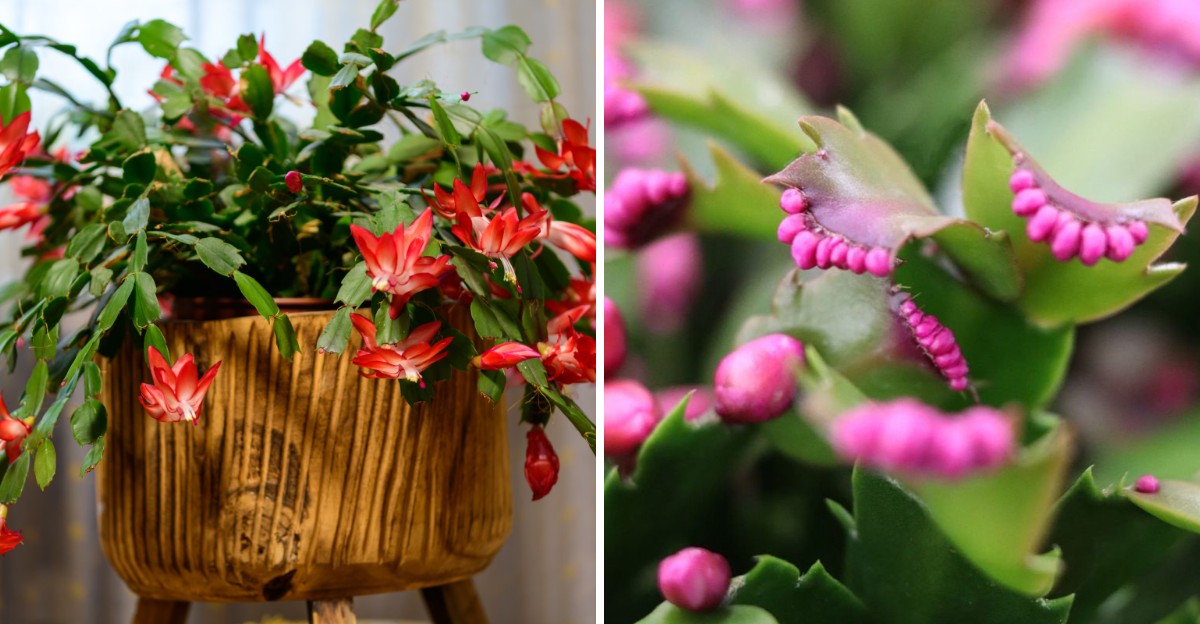
Why does your Christmas cactus hold back while your neighbor’s glows in magenta? You, an Alabama gardener, set December’s blooms in autumn, long before holidays arrive.
Buds form best when darkness stretches long and temperatures dip below your thermostat’s comfort. Streetlights, television glow, and hallway bulbs confuse your plant’s internal clock.
Give it a closet or spare room after sunset, with the door closed. Water less and let soil dry deeper between waterings.
Skip fertilizer too, since extra nitrogen favors leaves over flowers. Place it near a cool window, away from heating vents and drafts.
Alabama autumns often stay warm, so you can create the chill yourself. Hold the pot steady after buds appear since moving it can cost you buds.
These habits improve your chances of lasting blooms that glow through December. Your reward arrives in glossy pink petals.
1. Start The Long Nights Routine In Early October
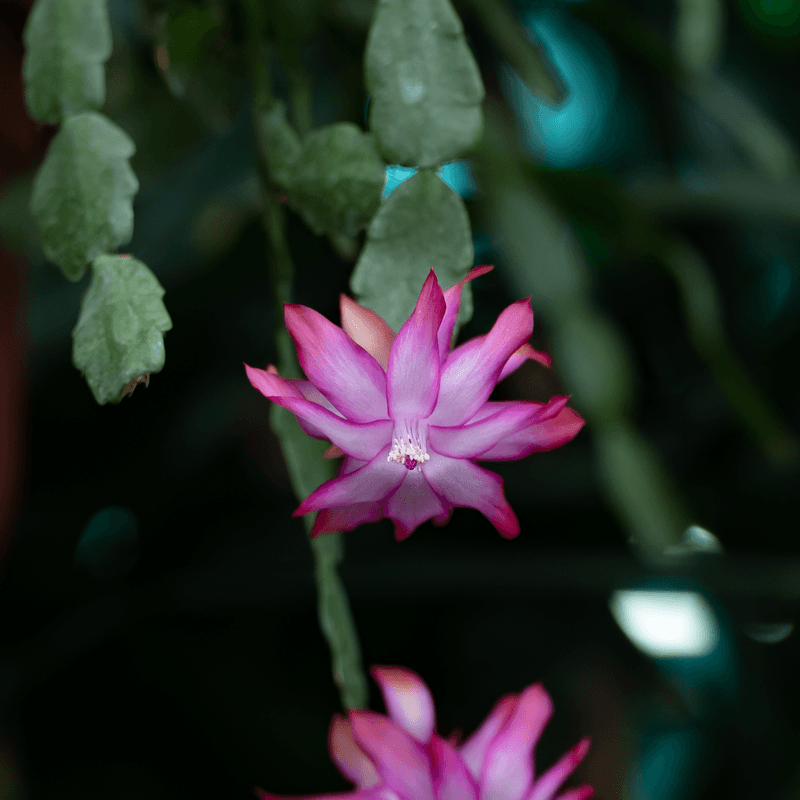
Your Christmas cactus is basically a little calendar that reads the length of each night. Short days and long, dark nights tell it that winter is on the way.
To set buds, it needs about 12 to 14 hours of total darkness each night. That routine should run for roughly six to eight weeks in a row.
Starting in early October gives you time before December, though bloom timing varies by plant. Plants sold as Christmas cactus are often Thanksgiving cactus, which can bloom earlier, in November.
Count backward from Christmas to estimate your start date, and adjust if your plant blooms early. The easiest trick is to pick a room that nobody uses after sunset. A spare guest bedroom, a laundry room, or a quiet closet with a door can work well.
Even a lamp or a porch light shining through the window can confuse the plant. Some gardeners simply drop a cardboard box over the pot around 6 each evening.
Lift the box off around 8 the next morning so it can soak up daylight. Set a phone reminder, because forgetting for a night or two can slow things down.
In Alabama, autumn nights are already growing longer, so indoor lights that interrupt the darkness matter more than you might think. A TV glowing late into the night counts as daylight to your plant.
Stick with the routine, and tiny pink nubs should appear at the leaf tips within weeks. Those little bumps are your reward for playing patient night watchman all fall.
2. Keep The Room Cool At Night
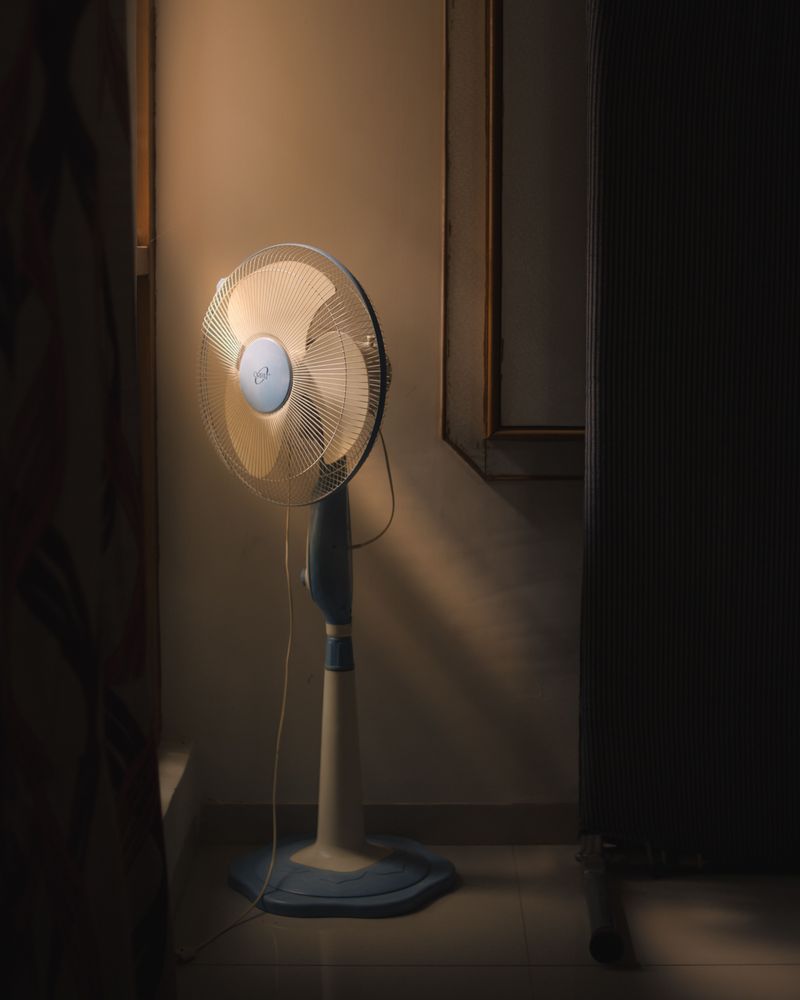
Think of cool nights as a gentle nudge that quietly whispers, it is time to bloom. Warm, cozy rooms feel nice to us, but they slow bud formation in this plant.
The sweet spot for nighttime temperatures sits somewhere between 50 and 60 degrees Fahrenheit. Daytime can run a little warmer, around 65 to 70 degrees, without causing any trouble.
Cooler temperatures and long nights work as a team to trigger flower buds. Some plants will even set buds from chilly nights alone if the room stays cool enough for weeks.
Your Alabama Garden Changes Every Week. Your Plan Should Too.
Gardening in Alabama changes quickly throughout the season. Every Friday you’ll receive a simple weekly plan showing exactly what to plant, prune, fertilize, harvest, and protect so you never miss the right timing.
Alabama homes often run warm in October, especially when afternoons still feel like late summer. A back porch, sunroom, or unheated garage window can offer a cooler option.
Keep the plant far from heating vents, fireplaces, and space heaters as the weather turns. Hot, dry air can cause buds to drop before they open.
On the other hand, frost can damage this tropical cactus. Nights in the 50s are ideal for budding, but move the plant indoors before temperatures fall much below 50. In north Alabama, that can happen by late October.
A cheap indoor thermometer helps you know what is really happening near the pot. Many folks are surprised to find their windowsill runs much colder or warmer than they expected.
Give it those crisp, cool evenings, and the plant starts making plans for a holiday show. It is a lot like how sweater weather puts us in a festive mood.
3. Cut Back On The Watering Can
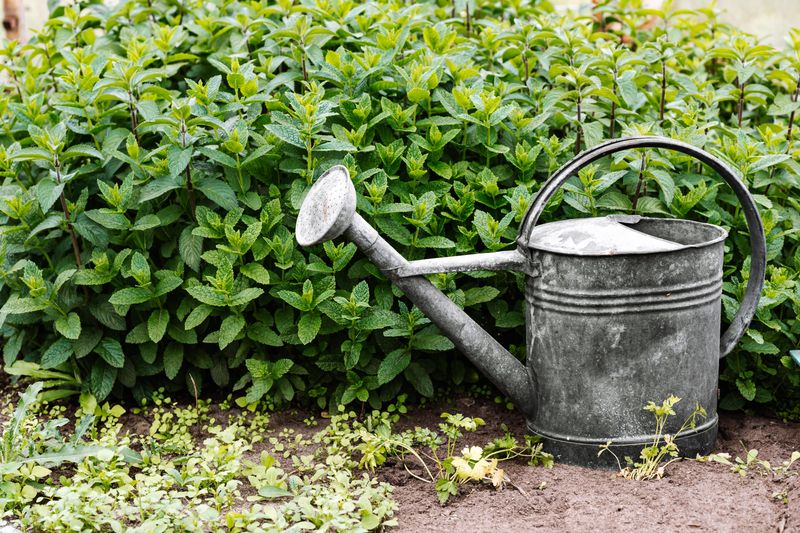
Watering on a rigid schedule can keep a cactus growing leaves instead of buds. Easing up in fall helps shift its focus to flowers.
Less water in autumn helps signal the plant to rest and focus on flowers. Too much moisture keeps it busy growing leaves instead of buds.
Let the top inch or so of soil dry out before you water again. Poke your finger into the pot, and if it feels damp, wait a few more days.
When you do water, soak the soil until a little drains out the bottom. Then empty the saucer so the roots are not sitting in a soggy puddle.
Roots can rot quickly in waterlogged soil, and rot is a common problem with this plant. Yellow, mushy stems near the soil line are a warning sign.
Avoid letting the soil dry out fully, though. Wrinkled, limp leaves can signal thirst, but overwatering and root rot can look similar, so check the soil first.
As days cool and shorten, soil dries more slowly than it did in summer. Check the pot before each watering instead of following a set schedule.
Clay pots with drainage holes make this job much easier because they breathe. A gritty potting mix made for succulents or orchids helps extra water escape quickly.
Once buds appear, you can go back to slightly more regular watering. Keep it steady, because big swings between wet and dry can make buds fall.
4. Stop Feeding It For Now
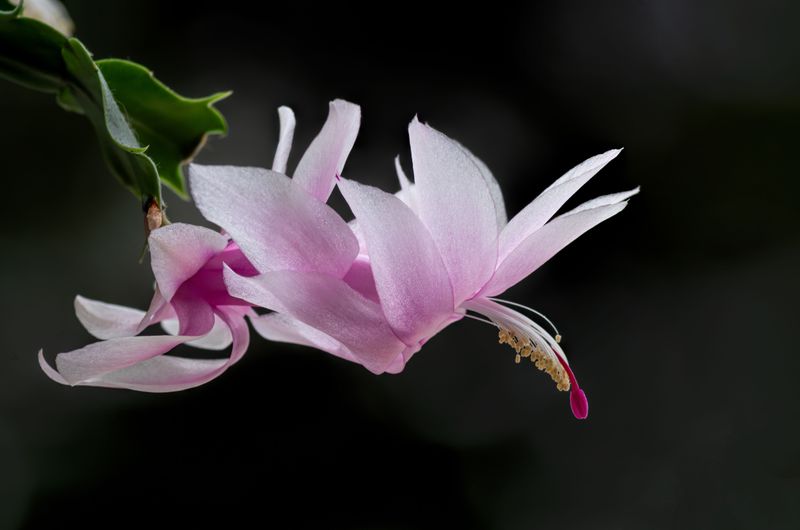
Fertilizer is like a pep talk that tells your plant to grow, grow, grow. In early fall, that pep talk sends a confusing, mixed message.
Many growers and extension guides suggest you stop feeding by late September or early October. That pause gives the plant enough time to shift from leaf mode over into flower mode.
If you keep adding plant food, you might get lush green growth and few or no buds. It is like feeding a kid candy right before bedtime and expecting sleep.
During spring and summer, a balanced houseplant fertilizer every few weeks is helpful. Many growers like using a 20-20-20 formula mixed at half strength.
Once October rolls around, simply set that bottle on a high shelf and walk away. By now, the plant has had a full season of growth to prepare for blooming.
Some gardeners add Epsom salt in summer, though evidence for it is limited. Pause it in fall too.
You can start feeding again after the blooms fade in late winter. By then, the plant will be hungry and ready for a new season of growth.
Resting from fertilizer will not harm a healthy plant growing in decent soil. Think of it as a short, relaxing vacation away from the buffet line.
In Alabama, the first cool front makes a handy reminder to stop feeding. Mark the date on your calendar so you remember.
5. Give It Bright, Indirect Light During The Day
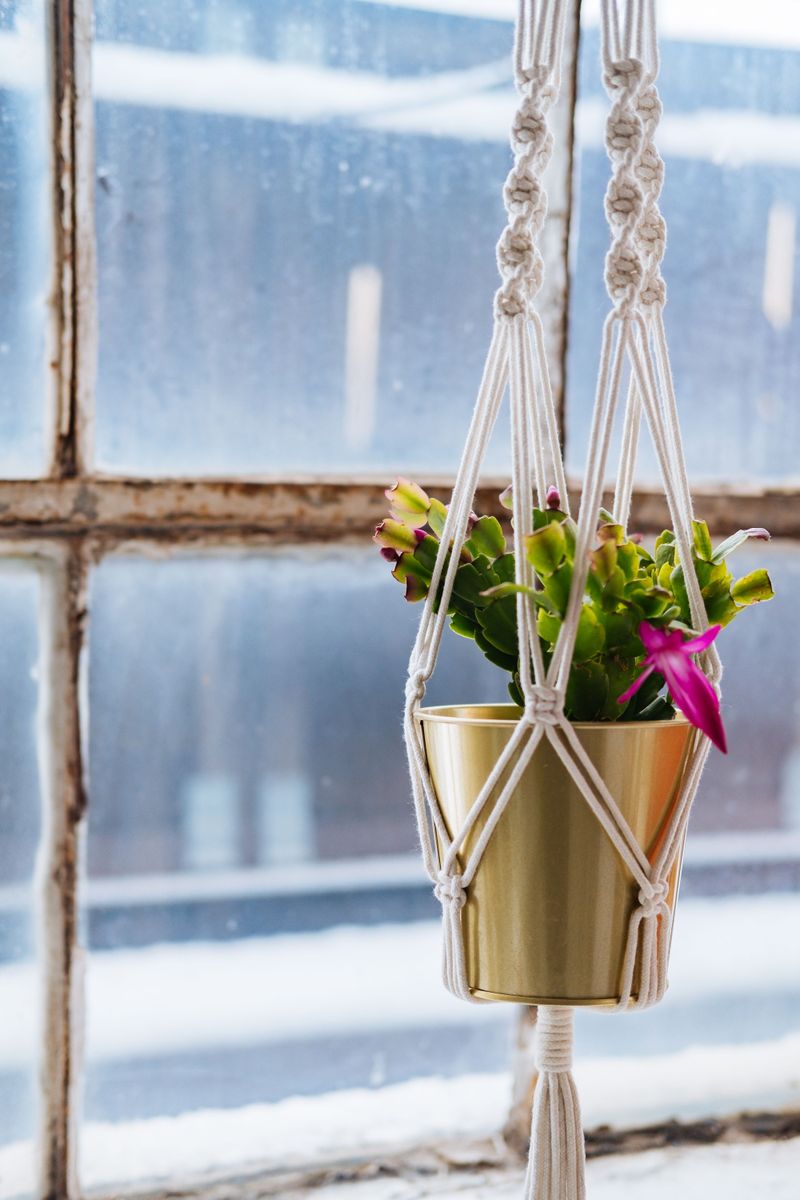
Long nights get much of the attention, but daylight also matters. A plant needs good light to build the energy for a big holiday show.
Bright, indirect light is the goal during October and November. An east-facing window or a spot a few feet from a sunny south window works nicely.
In the wild, these plants grow in the rainforests of Brazil, perched on tree branches. They live in dappled shade, not blazing desert sun like their cactus cousins.
Strong afternoon sun can damage the leaves and turn them reddish or purple. A little redness is a sign of stress, so slide the pot back a bit.
Alabama sunshine in October can still be strong, especially on clear afternoons. A sheer curtain softens the glare without blocking the light your plant craves.
Remember that day and night need to stay separate. Plenty of light by day, then real darkness by evening, keeps the plant on schedule.
If your home is dim, a small grow light can fill the gap during daytime hours. Just turn it off well before sunset so it does not break the dark routine.
Give the pot a quarter turn every week or so before buds form. That way, every side gets equal light and the plant grows evenly instead of leaning.
Healthy, plump, deep green leaves are a good sign that your light setup is right. Those happy leaves mean the plant has fuel to spare for flowers.
6. Watch The Alabama Weather Before Bringing It In
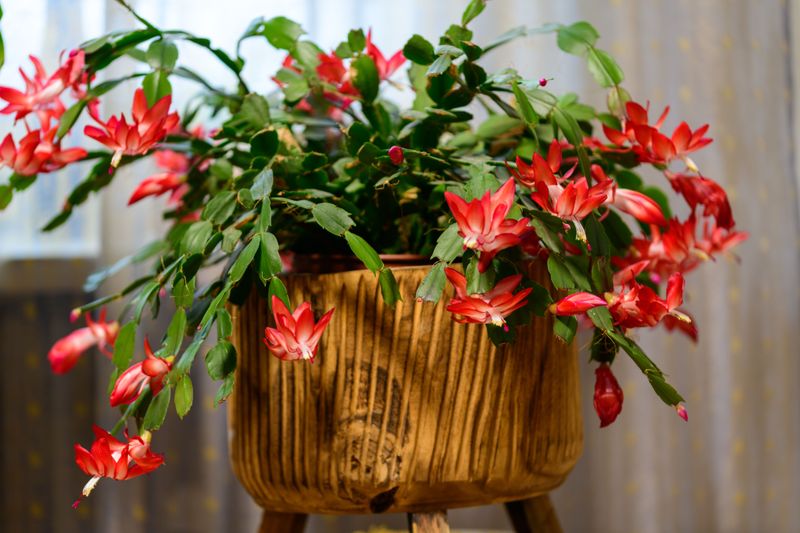
Alabama fall weather loves to keep us guessing, with 85 degrees one week and sweater weather the next. Your plant feels those swings too, and it can use them.
Many folks summer their plants outside on a shady porch or patio. Leaving them out into early October can help, since natural cool nights trigger buds.
Outdoor nights also come with natural darkness, far from lamps and TVs. That makes the porch a handy place to kick off the whole bloom process.
Keep an eye on the forecast, though, because temperatures matter most here. Once nights dip toward 50 degrees, it is time to move the plant indoors.
North Alabama, around Huntsville and Florence, often cools off sooner than south Alabama. Gardeners near Mobile and the Gulf Coast may be able to leave plants out into early November, depending on the forecast.
Before bringing the pot inside, check it closely for hitchhikers like mealybugs or tiny spiders. A gentle spray of water on the leaves can knock off unwanted guests.
Try to move the plant before buds get big, because sudden changes can upset it. A shift from a cool porch to a hot living room can cause buds to drop.
Choose an indoor spot that mimics porch life as closely as possible. Cool air, bright days, and dark nights make up the winning combination for blooms.
Watching the weather might feel like extra work, but it pays off. Your local forecast basically becomes a free gardening coach for the whole season.
7. Leave The Pot Right Where It Is Once Buds Form
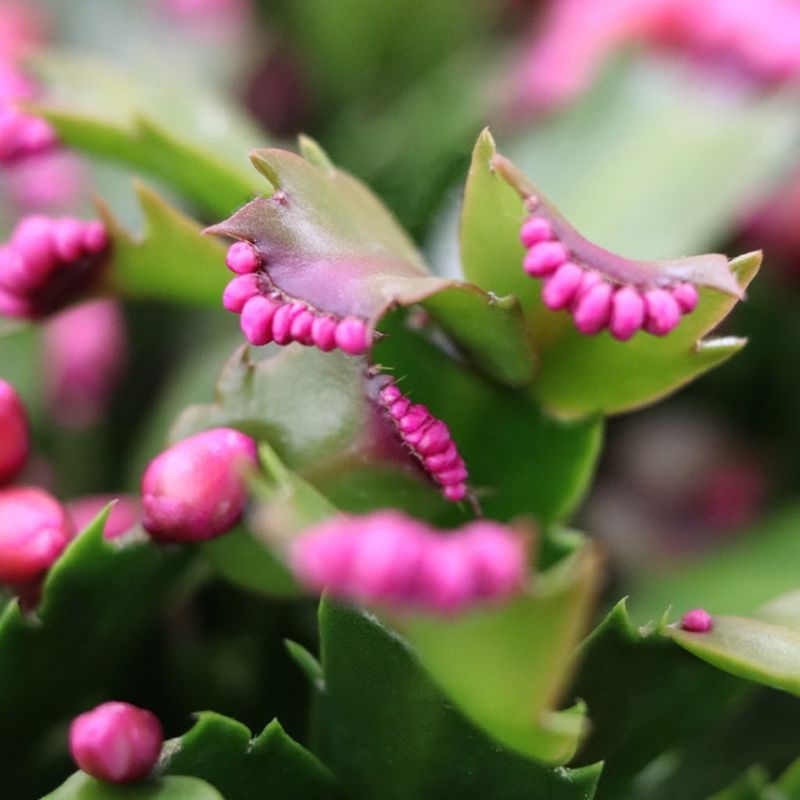
Picture this: you spot the first buds, get excited, and carry the plant to the dining table. A week later, the buds start to drop.
Sadly, that scene plays out in many homes every fall. Once buds form, this plant is sensitive to change.
Sudden shifts in light, temperature, or position can stress the plant. Its response is to drop buds, which is frustrating after weeks of work.
So when those little nubs appear, resist the urge to show it off just yet. Let it stay in the same spot until the flowers open fully.
Even turning the pot can stress the plant and cause buds to fall off. Many growers mark the front of the pot with tape so they remember.
You can usually ease off the strict darkness routine once buds are clearly formed. Check your local extension guidance for the exact stage. At that point, the plant has made up its mind to bloom.
Keep watering steady and avoid letting the soil get too wet or too dry. Drafts from doors that open to the cold Alabama air can also stress it.
Once flowers start to open, you can carefully move it for display. Just choose a spot away from heaters and hot kitchen ovens.
A little patience right now means weeks of bright color later. Each bloom can last several days, and a healthy plant may flower for a month or more.
8. Bump Up The Humidity Around It
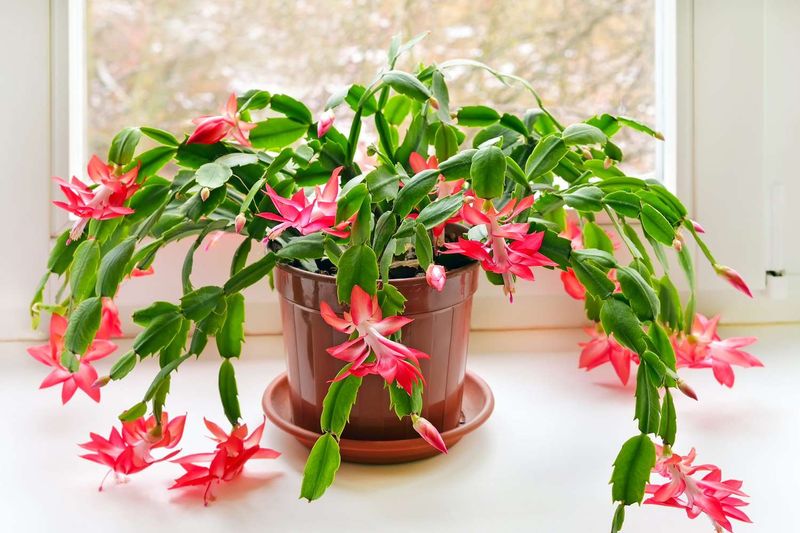
Did you know this plant grows on trees in the misty mountain forests of southeastern Brazil? That background explains why it loves moist air so much.
Indoor air gets much drier once fall arrives and the heat kicks on. Dry air can cause buds to shrivel or fall before they open.
Aim for humidity around 50 to 60 percent if you can manage it. A small digital hygrometer is inexpensive and shows the reading instantly.
One easy fix is a pebble tray filled with water under the pot. As the water evaporates, it adds a small amount of moisture near the plant, though the effect is modest.
Make sure the pot sits on top of the pebbles, not in the water itself. Wet roots bring their own set of problems you will want to avoid.
Grouping houseplants together also creates a little pocket of moist air. Plants release water through their leaves, so they help each other out like good neighbors.
A cool-mist humidifier nearby works great, especially in rooms with forced-air heating. Run it during the day and keep it a few feet away from the leaves.
Outdoor humidity matters less than indoor air, so check your hygrometer before adding anything. Things change once furnaces start running steadily in November and December.
Misting the leaves feels helpful, but the effect fades within a few short minutes. A tray or humidifier gives longer-lasting moisture that buds truly appreciate.