Shared Fence Down After A Storm? What Alabama Homeowners Should Know
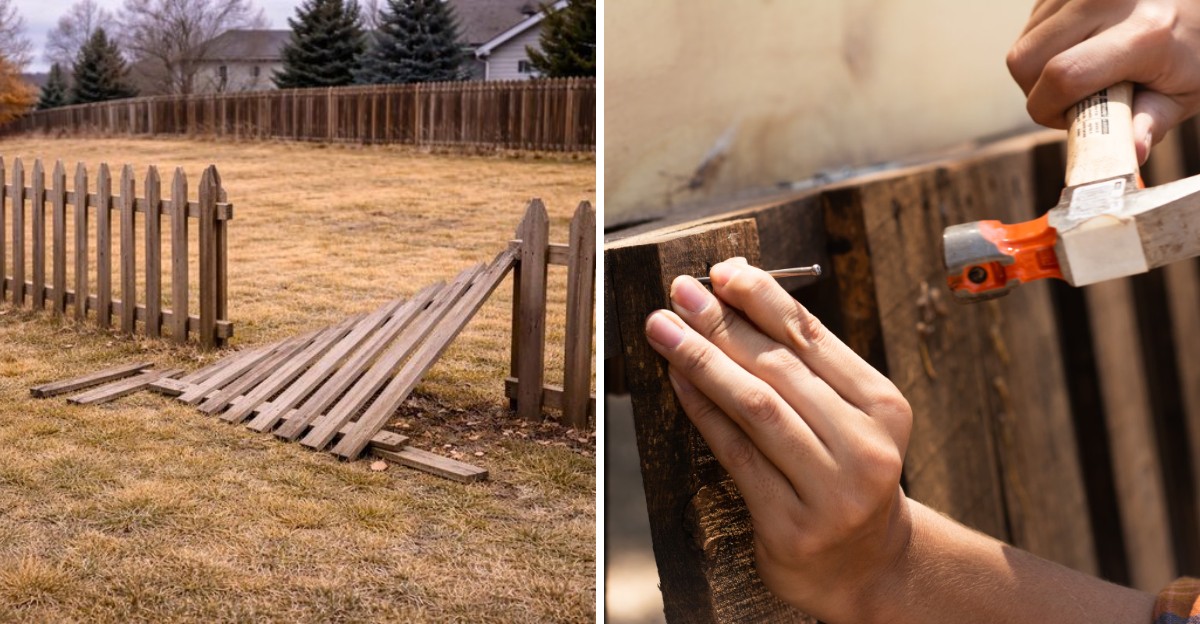
Who actually owns that crooked post? You might assume the answer is obvious. Alabama imposes no statewide duty on neighbors to share fence costs. Ownership usually decides who pays.
Pull your property survey and check which side the posts sit on. Next, photograph the damage before anyone touches a board.
Measure the damaged stretch, because adjusters want dimensions before approving anything. Your homeowners policy likely covers fences under other structures protection.
Wind damage may qualify, neglect won’t. Some deductibles exceed the cost of replacing a few boards.
Filing a claim can raise your premium in Alabama, so do the math before dialing. Talk to your neighbor, then alert your insurer promptly.
Agree on a repair plan in writing. Meanwhile, your dog already negotiated peace with the neighbor’s cat. Borrow that diplomacy and open with a wave instead of a lawyer.
1. Document The Damage Before Anything Moves
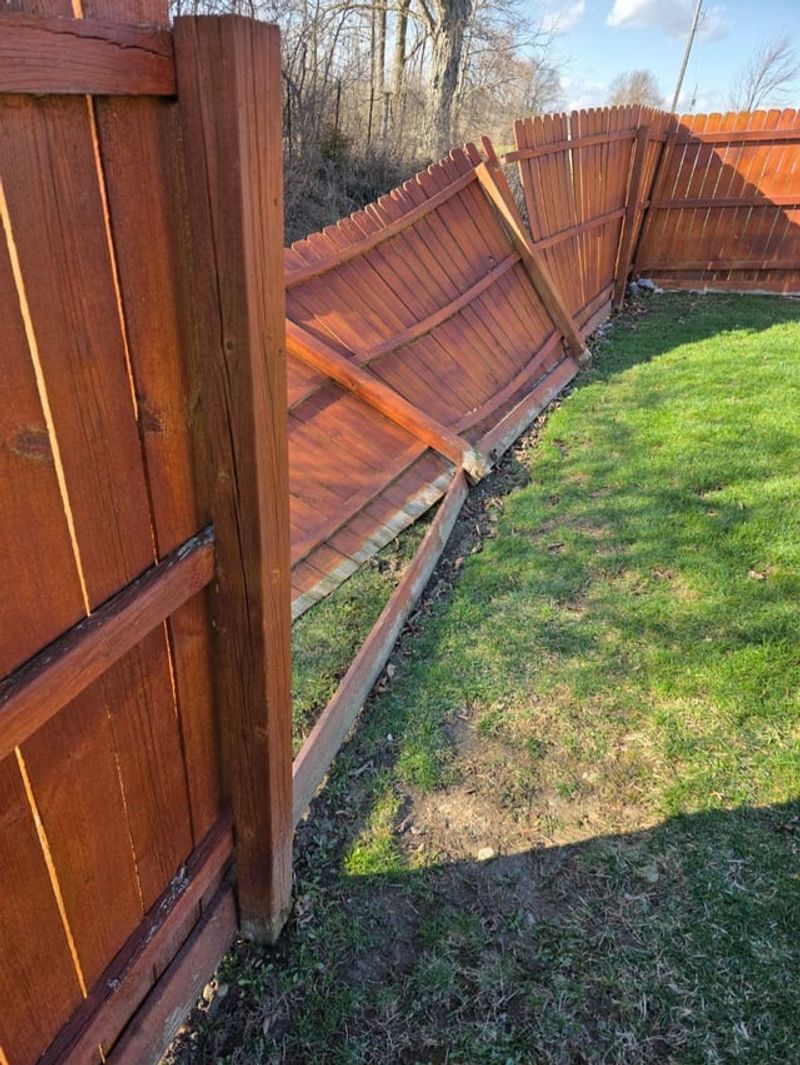
Picture an insurance adjuster asking for proof, and all you have is a pile of stacked boards. That puts you in a weak position, so grab your phone before anyone touches a single picket.
Take wide photos showing the whole fence line, then move closer for broken posts and snapped rails. Include nearby trees, branches, and debris so the cause of the damage is clear.
Video works great too, because you can narrate what you see while walking slowly along the line. Mention the date and time out loud, or check that your phone stamps it automatically.
Write down the storm date and save a weather report from the National Weather Service. Adjusters like seeing that strong winds or a tornado warning hit your county that day.
Your neighbor should snap their own pictures from their side of the fence as well. Two sets of photos help both households file claims without arguing over what happened.
Before cleanup starts, look for hidden problems like damaged sprinkler lines, sheds, or air conditioning units. Storms that damage fences can also damage nearby sprinklers, sheds, or equipment.
Safety matters here, so watch for nails, sharp splinters, and downed power lines near the fence. If a line is down, stay away and call Alabama Power or your local utility.
Store everything in one folder, either on your phone or in a cloud account. Months from now, you will thank yourself for keeping it all neat and easy to find.
2. Figure Out Who Owns The Fence
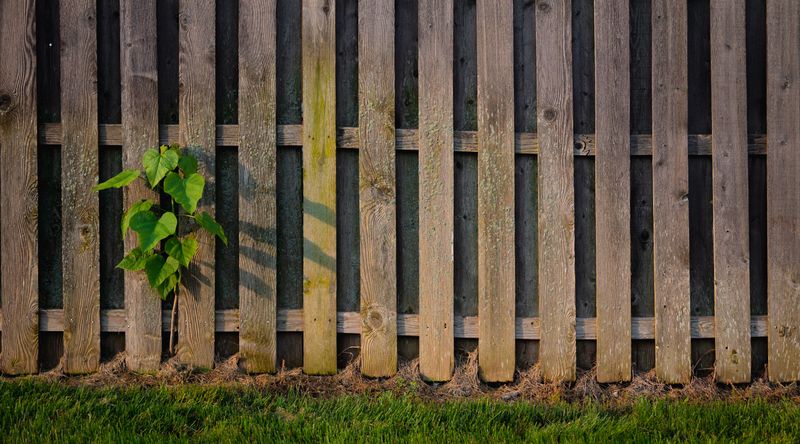
Here is a question that surprises plenty of homeowners: does the fence even belong to both of you? Many people assume shared ownership, but the paperwork sometimes tells a different story.
Start with your property survey, which usually came with your closing documents when you bought the house. It shows boundary lines and may also show exactly where the fence sits compared to them.
If the fence runs on the line, it is often treated as a shared boundary fence, though facts and agreements can change that. When it sits fully on one side, that owner is often responsible for it.
Your Alabama Garden Changes Every Week. Your Plan Should Too.
Gardening in Alabama changes quickly throughout the season. Every Friday you’ll receive a simple weekly plan showing exactly what to plant, prune, fertilize, harvest, and protect so you never miss the right timing.
Alabama does not have a detailed statute splitting fence costs between neighbors like some other states do. That means deeds, written agreements, and plain old neighborly cooperation carry a lot of weight here.
Think back to who originally built the fence and who paid for the materials. Old receipts, emails, or a written agreement with a previous owner can help settle the question.
Can’t find your survey anywhere in your files? Your county probate office or a licensed land surveyor can help you track down old boundary records.
A new survey often costs several hundred dollars or more, but it can prevent much bigger fights later. Few people want to rebuild a fence two feet onto the wrong yard.
Once you know who owns what, later steps get a lot easier. Ownership shapes insurance claims, repair costs, and even which style gets picked for the replacement fence.
3. Check What Your Homeowners Policy Covers
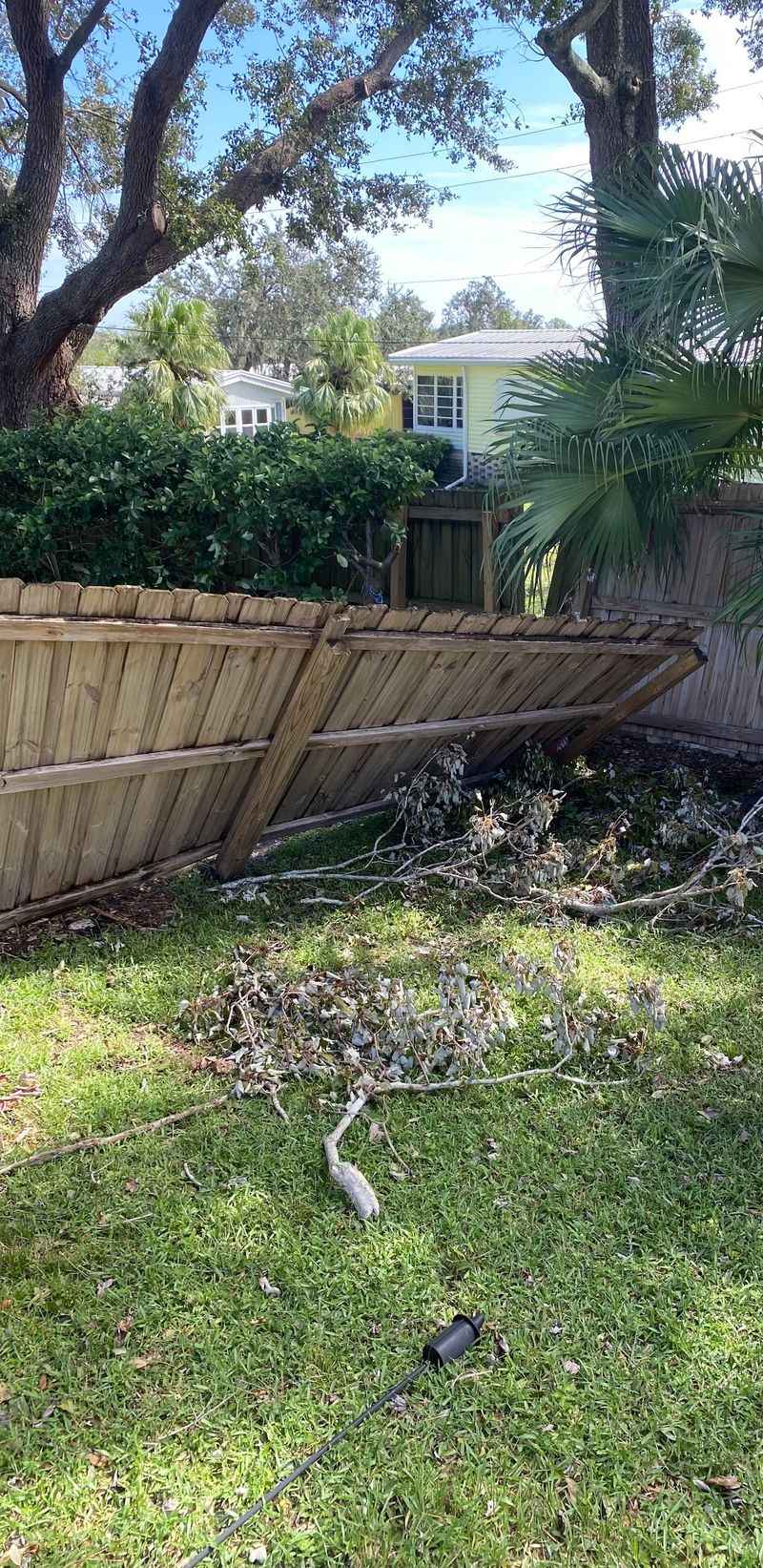
Insurance paperwork can be dense, but this part deserves your attention. Fences usually fall under a section called other structures coverage in most policies.
Most standard policies set that coverage at around 10 percent of your dwelling coverage amount. So a home insured for 250,000 dollars might have about 25,000 dollars for fences and sheds.
Wind and hail damage are commonly covered, which helps a lot in storm-heavy Alabama. Still, policies across Alabama, especially near Mobile and Baldwin County, may carry a separate wind, hail, or hurricane deductible.
That deductible can be a percentage of your home’s value instead of a flat dollar amount. A 2 percent hurricane deductible on a 300,000 dollar home equals 6,000 dollars out of pocket.
Compare your deductible to the actual repair estimate before filing anything at all. If the fence costs less than the deductible, a claim may not be worth the hassle.
For shared fences, each neighbor typically files with their own insurer for their share of damage. Your adjuster may only pay for the portion of fence that legally belongs to you.
Call your agent and ask direct questions about coverage limits, deductibles, and claim timelines. Most policies require prompt notice, and some set a specific number of days, so report damage soon after the storm.
Keep notes on every call, including the name of the person you spoke with. Clear records make follow-up conversations smoother and help prevent frustrating mix-ups down the road.
4. Learn How Fallen Trees Change The Picture
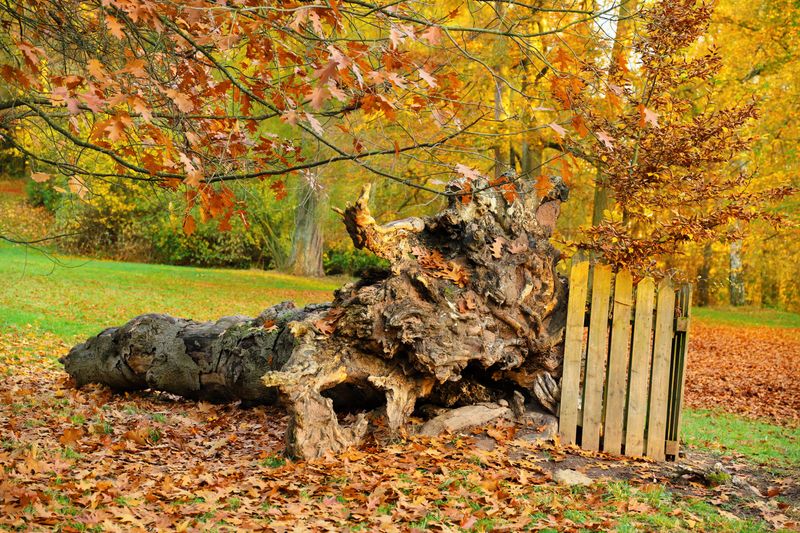
A large oak falling onto a fence is a common storm outcome. Whose tree it was often matters less than people expect.
Under common insurance rules, a healthy tree knocked over by wind counts as an act of nature. Each homeowner usually turns to their own policy for damage on their own side.
So if your neighbor’s pine lands on your half of the fence, your insurance typically handles it. That can feel unfair at first, but it is how most claims work.
Things change when a tree was clearly sick, rotting, or leaning badly for a long time beforehand. If the owner ignored obvious warning signs, they may be held responsible for the damage.
Proof makes a big difference in those trickier cases. Old photos, texts warning a neighbor about a hollow trunk, or an arborist report can support your side.
Tree removal is another cost to think about after a storm. Many policies pay a limited amount, often around 500 to 1,000 dollars, when a tree damages a covered structure.
Before hurricane season ends on November 30, look up at the branches hanging over your yard. Winter storms can still bring strong gusts.
Hire a certified arborist to check trees near the fence line before the next big blow. Trimming one weak limb now often costs far less than repairing storm damage later.
5. Talk With Your Neighbor And Notify Your Insurer Promptly
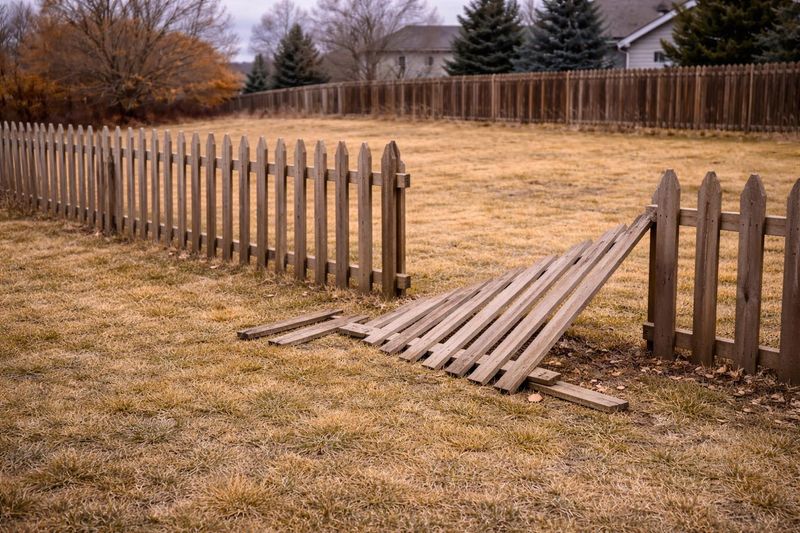
A calm conversation often resolves fence disputes before legal help becomes necessary. Courtesy and good communication go a long way here, so use them generously.
Knock on the door within a day or two after the storm finally passes. Waiting too long can make it seem like you are avoiding the conversation.
Open with concern instead of blame, like asking whether their house and family came through okay. People relax when they feel you care about more than boards and money.
Share your storm photos and listen closely to what they noticed from their side. You might learn about damage you missed or details that help both insurance claims.
Talk about practical choices, such as rebuilding the same fence or picking a new style together. Then discuss how to split repair costs fairly if the fence is jointly owned.
Money gets touchy when one neighbor wants a taller privacy fence and the other wants chain link. One common approach is splitting the basic cost and letting the upgrader cover the difference.
Once you both agree, write it down, even if it feels a little formal. A simple signed note listing costs, timelines, and fence style prevents confusion months later.
Keep the tone friendly, even if the talks get a bit bumpy along the way. You will share that property line for years, long after the new fence goes up.
6. Review Local Rules And HOA Requirements
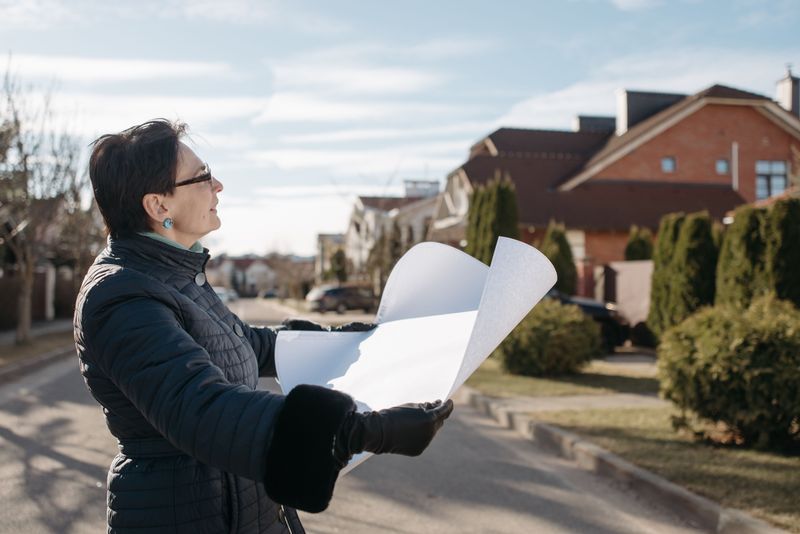
Rebuilding a fence sounds simple until a city letter shows up asking where your permit is. Local rules across Alabama can vary a lot from one town to the next.
Cities like Huntsville, Birmingham, and Montgomery may require permits for new fences or major rebuilds. Some towns skip permits for simple repairs but want one for full replacements of the fence.
Height limits are common, often around six feet in backyards and shorter in front yards. Corner lots may have extra rules so drivers can still see traffic clearly at intersections.
Homeowners associations add another layer of rules right on top of city codes. Many HOAs control fence height, material, color, and even which side must face outward.
Pull out your HOA covenants and look for a section on fences or architectural review. Submitting plans before work starts can save you from fines or being forced to redo it.
Flood zones matter too, especially near the Gulf Coast and along rivers like the Tennessee and Alabama. Certain fence types may need approval so they do not block water flow during floods.
Before anyone digs a post hole, call Alabama 811 at least two working days ahead. The free service marks buried gas, power, and water lines so nobody hits something dangerous.
A quick phone call to your city planning office clears up most questions in minutes. Asking first is much cheaper than tearing down a shiny brand new fence later.
7. Hire A Contractor You Can Trust
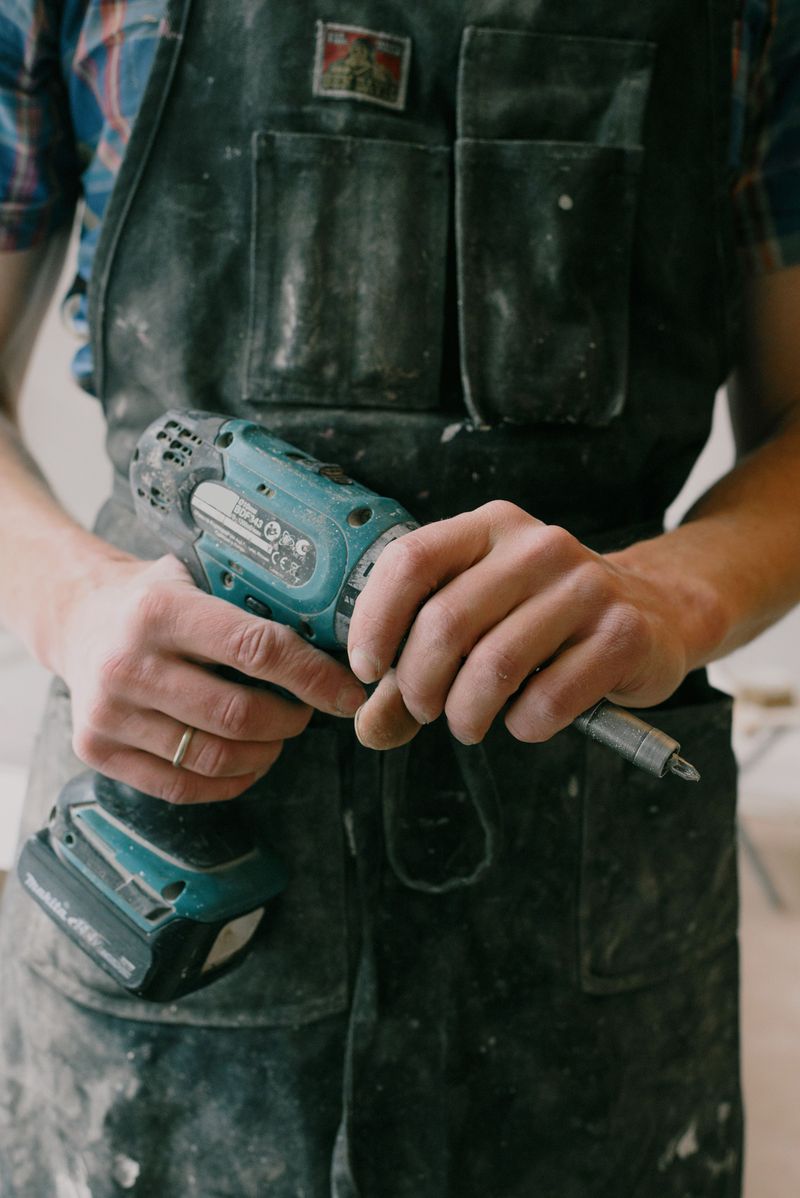
After big storms, contractors often appear quickly. Some are honest workers, but others take deposits and never finish the job.
Stick with local fence companies that have real street addresses and good reviews from Alabama customers. Ask neighbors, friends, or a community group who they trusted after past storms.
Get at least three written estimates so you can compare prices, materials, and timelines fairly. A bid that is far lower than all the rest often hides shortcuts or surprise fees.
Check whether the contractor needs a license through the Alabama Home Builders Licensure Board. Alabama requires a state license for residential jobs over 10,000 dollars, and a licensed contractor is a smart choice for smaller jobs too.
Ask for proof of liability insurance before any work begins on your property at all. If a worker gets hurt in your yard without coverage, problems could land on you.
Be cautious with anyone demanding full payment upfront or insisting on cash only. A reasonable deposit is normal, but the final payment should come after the job is finished.
Read the contract carefully, including start dates, cleanup duties, warranties, and who pulls the permit. Both neighbors should review it carefully if the fence is shared and costs are split.
Trust your gut if a salesperson pushes hard or pressures you to sign today. Good contractors understand that homeowners need a little time to think big decisions through.
8. Know Your Options When Talks Break Down
Sometimes even a friendly conversation stalls. When that happens, you still have calm, practical paths forward to explore.
Start with a polite written letter explaining the damage, ownership, and what you are asking for. Attach photos, estimates, and any survey records so the facts are easy for anyone to see.
Mediation is a useful middle step before anything turns into a legal matter. The Alabama Center for Dispute Resolution can point you to trained mediators in your county who help neighbors reach a fair deal.
Mediation usually costs much less than court and keeps neighbor relationships from turning sour. Many disputes settle in a single session once both sides finally feel heard.
If that fails, small claims court is a solid option for smaller money disputes. In Alabama, small claims cases in district court handle amounts up to 6,000 dollars.
You do not need a lawyer for small claims, though bringing organized evidence helps a lot. Photos, receipts, estimates, and written agreements make your case stronger and much clearer.
For bigger issues, like boundary disputes or costly tree damage, a real estate attorney can help. Many offer short consultations that explain your rights before you spend any serious money.
Through it all, keep good records and stay respectful, even when frustration runs high. A judge or mediator notices who stayed calm, and that can work in your favor.