Alabama’s State Bird Is Turning Up On Fall Lawns And It Would Rather Eat Ants Than Bird Seed
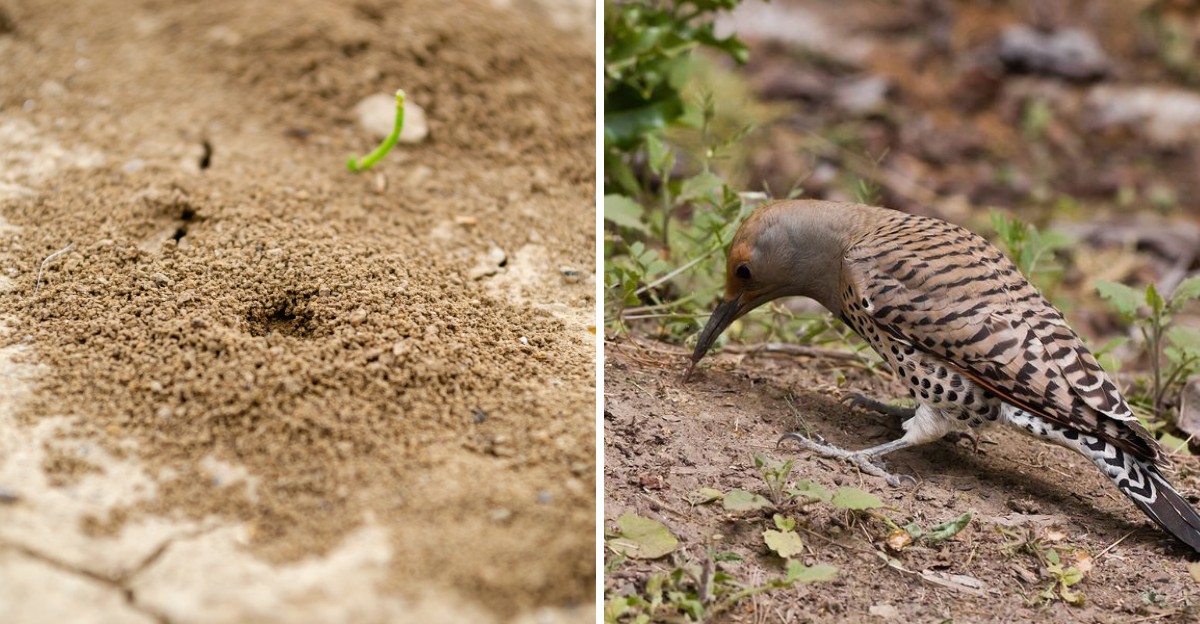
Why would a woodpecker skip your feeder and probe the bare ground instead? You just spotted a northern flicker, and it knows exactly what it wants. Ants. Locals call your visitor the yellowhammer, and Alabama crowned it official state bird.
Civil War soldiers later earned that nickname thanks to bright yellow-trimmed uniforms. Its tongue stretches far beyond what you’d expect, sticky and built for tunnels.
Researchers have opened flicker stomachs and found them tightly packed with ants. That appetite explains why your premium seed mix sits untouched.
Flickers crave tiny prey loaded with tangy formic acid. Anting may surprise you: the bird smears live ants right across its feathers.
Biologists suspect that acid helps it repel mites and parasites. Alabama picked a bird with style, and you now host its favorite buffet. Your lawn holds secrets this flicker already knows.
An Ant Appetite That Beats Any Feeder
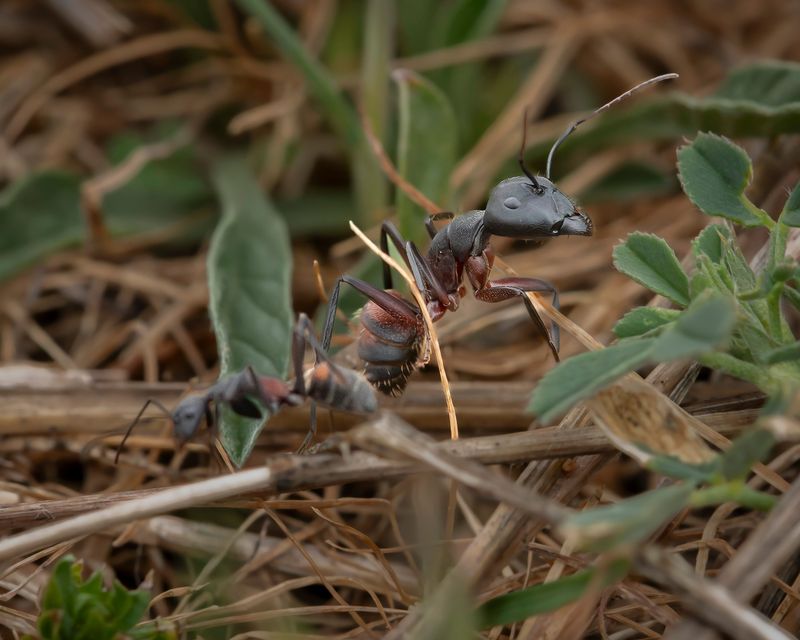
Forget sunflower seeds, because the yellowhammer has a much crunchier craving. This bird, also called the northern flicker, can get nearly half its diet from ants alone.
Unlike most woodpeckers, it spends loads of time on the ground instead of tree trunks. Your lawn works like an open buffet, and anthills serve as the main attraction.
Scientists have reported over 5,000 ants inside a single flicker’s stomach. That is a lot of tiny snacks for one bird that weighs four to five ounces.
Ants give flickers protein, fat, and energy they need as the weather starts to shift. Beetle larvae, caterpillars, and other ground bugs round out the rest of the menu.
Birdseed does not offer that same buggy nutrition, so your feeder gets skipped. As fall turns colder, flickers shift toward berries, but ants stay on the menu.
Watch closely and you will see the bird hop, pause, and tap its bill downward. Many of those taps home in on busy ant colonies hiding just below the grass.
So if one shows up, take it as a compliment to your yard. It is a good sign your lawn supports plenty of healthy insect life.
Kids can even keep a notebook tracking how many taps the bird makes per minute. It is a simple way to turn lawn time into a science lesson.
Grab a chair and enjoy the show instead of refilling the feeder again. Your backyard just became a nature documentary with free admission and great seats.
September Timing And The Southbound Visitors
Early fall brings a quiet change to Alabama yards, and sharp-eyed folks notice it first. More flickers start showing up on lawns from late September onward.
Part of the reason is a long seasonal journey south. Northern flickers from colder states head south, and many settle in Alabama for winter.
Local birds stay year-round, so the visitors simply add to the crowd. Suddenly your neighborhood might host several flickers instead of just one.
Cooler mornings also keep ants active near the surface of the soil. Many colonies stay deeper in summer heat, then rise on mild fall days.
Your Alabama Garden Changes Every Week. Your Plan Should Too.
Gardening in Alabama changes quickly throughout the season. Every Friday you’ll receive a simple weekly plan showing exactly what to plant, prune, fertilize, harvest, and protect so you never miss the right timing.
That timing lines up perfectly with a hungry bird looking to fuel up. Flickers need extra energy to handle chilly nights and long flights.
Mornings tend to be the busiest time for ground feeding. Check your lawn between sunrise and mid-morning for the best chance of a sighting.
Fall also means leaves are dropping, which makes the birds easier to spot. Look for the bright white rump patch flashing when a flicker takes off.
Underneath the wings, eastern flickers show a golden yellow glow in flight. Alabama soldiers once wore yellow-trimmed uniforms, which is how the state earned the Yellowhammer nickname.
Some flickers may even return to the same general areas season after season. Your lawn could become a regular stop on a feathered road trip.
Keep a simple calendar of your sightings this month. By next September, you will know exactly when to start watching the grass again.
A Tongue Built For Raiding Hidden Anthills
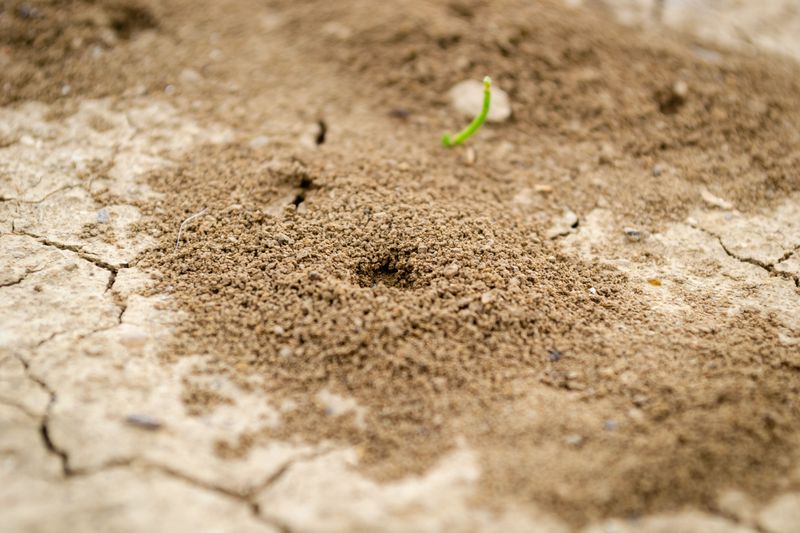
Imagine having a tongue so long it wraps around the outside of your skull. That sounds unusual, but for flickers it is simply normal, everyday anatomy.
A flicker’s tongue can stretch about two inches past the tip of its bill. When not in use, it curls back around the head like a tape measure.
The tip is sticky with a few tiny barbs. Ants get glued or hooked, then pulled straight into the bird’s mouth.
Flickers also have a slightly curved bill, unlike the chisel shape of other woodpeckers. It works more like a garden trowel for poking into loose soil.
Watch the bird tap the ground a few times before slurping. It is opening tunnels so the tongue can snake inside and grab a mouthful.
Many ants spray formic acid to defend themselves, which deters many predators. Flickers seem to handle it just fine and keep right on eating.
Some scientists think the acid might even help the birds keep feather pests away. Birds sometimes rub ants on their feathers, a habit called anting.
If you spot a flicker sprawled on the ground with wings spread, relax and watch. It is probably just sunbathing or happily anting.
Next time you see little holes in your lawn, look closer before blaming moles. Small, neat pokes near anthills usually point to a busy flicker.
This bird comes remarkably well equipped for one very special job. Few backyard visitors are built so cleverly for their favorite food.
How Pesticides Can Drive Your Flickers Away
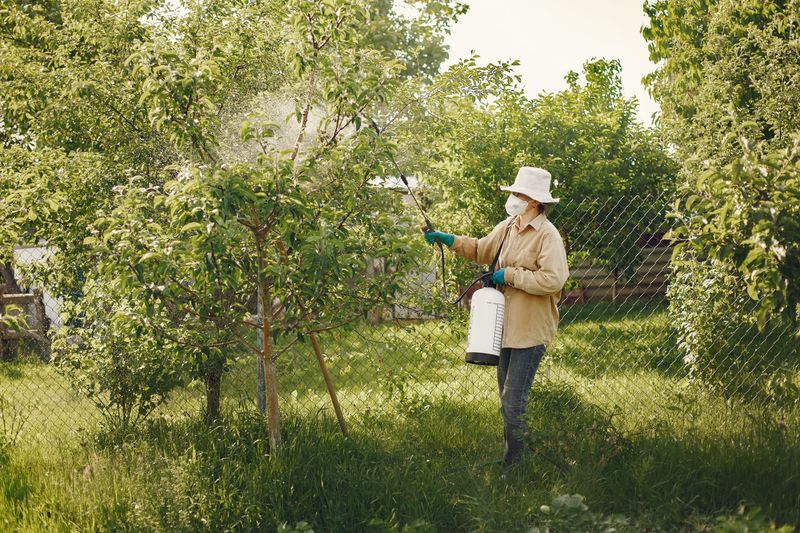
Many homeowners will recognize this common situation right away. Someone spots anthills in the yard, sprays a strong insecticide, and wonders where the birds went.
Flickers depend on ants, so removing entire colonies removes their main food source. A treated lawn can look tidy but feel like an empty pantry to wildlife.
Chemicals can also affect birds directly when they eat treated insects. Granular products scattered on grass may be picked up by curious beaks.
Many yard ants are harmless and even helpful. They loosen soil, recycle plant scraps, and help rainwater soak deeper into the ground.
Fire ants are a different story in Alabama, since they can sting people and pets. Even then, mound treatments or fire ant baits often beat spraying the whole lawn.
Timing matters too, because fall is an important feeding period for flickers. Spraying in September can discourage visitors right as migrating birds begin arriving.
Read labels carefully and skip broad-spectrum products that affect many different insect species. Ask a local extension office for bird-friendly options that fit your yard.
The Alabama Cooperative Extension System offers helpful resources for homeowners across the state. Their experts can help you tell harmless ants from true problem species.
A few anthills are a small price to pay for a front-row wildlife show. Letting ants be might be the easiest yard chore you ever skip.
Your lawn does not need to be spotless to look great. Birds tend to prefer yards with a little wild life left in them.
A Lawn Plan That Welcomes Flickers
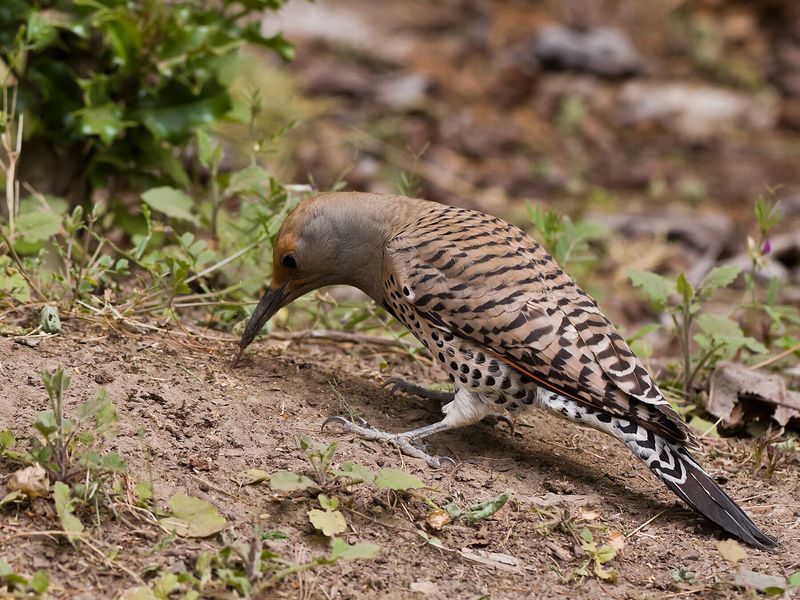
Think of your yard as a restaurant, and flickers as picky food critics. A few small changes can win over these choosy guests.
Start by letting some grass grow a bit taller along the edges. Short patches in the middle still give birds open space to hunt.
Flickers like being able to watch for predators while they eat. Mixing open lawn with nearby trees gives them quick escape routes from hawks.
Leave fallen leaves in garden beds instead of bagging every last one. Leaf piles shelter beetles and larvae that make tasty side dishes.
Plant native shrubs that produce fall and winter berries. Dogwood, sumac, and wax myrtle offer fruit when ants slow down in colder weather.
A shallow birdbath adds another big draw on dry autumn days. Keep the water fresh and scrub the bowl every few days.
Suet feeders can tempt flickers when seed will not. Try a suet cake with insects mixed in to match their natural tastes.
Hang it near a tree trunk so the bird feels comfortable clinging nearby. Flickers are larger than most feeder birds, so choose a sturdy cage.
Keep pets indoors during early morning feeding times if you can. Cats especially can discourage birds from visiting an otherwise ideal lawn.
None of these steps costs much money or takes a whole weekend. With a little patience, your yard could become a favorite breakfast stop for local birds.
Snap a few photos when your new guests arrive for breakfast. Sharing sightings with friends might inspire the whole street to go bird-friendly.
Standing Snags And Year-Round Visitors
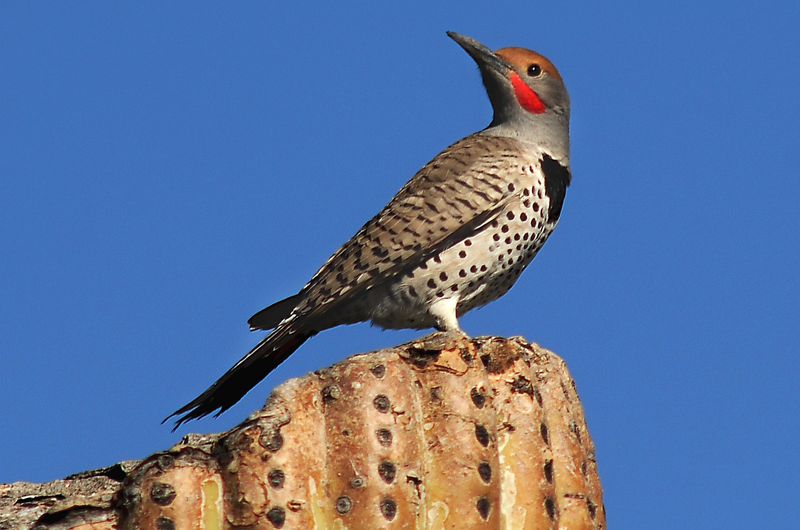
Old tree trunks might look messy, but flickers see them as ideal nesting sites. Getting birds to stay long-term takes more than a good ant supply.
Flickers nest in cavities they carve into soft or decaying wood. A standing snag, which is a leafless old tree, can become a cozy home.
If a snag is safe and away from buildings, consider leaving it standing. Have an arborist check it first so it does not fall on anything important.
No snag in your yard? Hang a nest box sized for flickers, and pack it with wood shavings inside.
Flickers like to dig out their own space, so the shavings give them a job. Mount the box ten to twenty feet high on a tree or pole.
Fall is a smart time to put boxes up before spring nesting season. Birds scout locations early, and a ready home can win them over.
Keep your yard ant-friendly all year for a steady food source. Healthy soil and fewer chemicals mean more insects for growing chicks next summer.
Over time, a pair might raise a family of five to eight babies right in your yard. Young flickers often follow parents to the lawn to learn ant hunting.
Watching that lesson feels a bit like seeing a kid ride a bike for the first time. It is messy, adorable, and full of little wins.
A bird-friendly yard does not happen overnight. Still, each season brings you closer to a lawn Alabama’s state bird calls home.