The Native Ohio Shrub With Fall Color Most Gardeners Have Never Seen
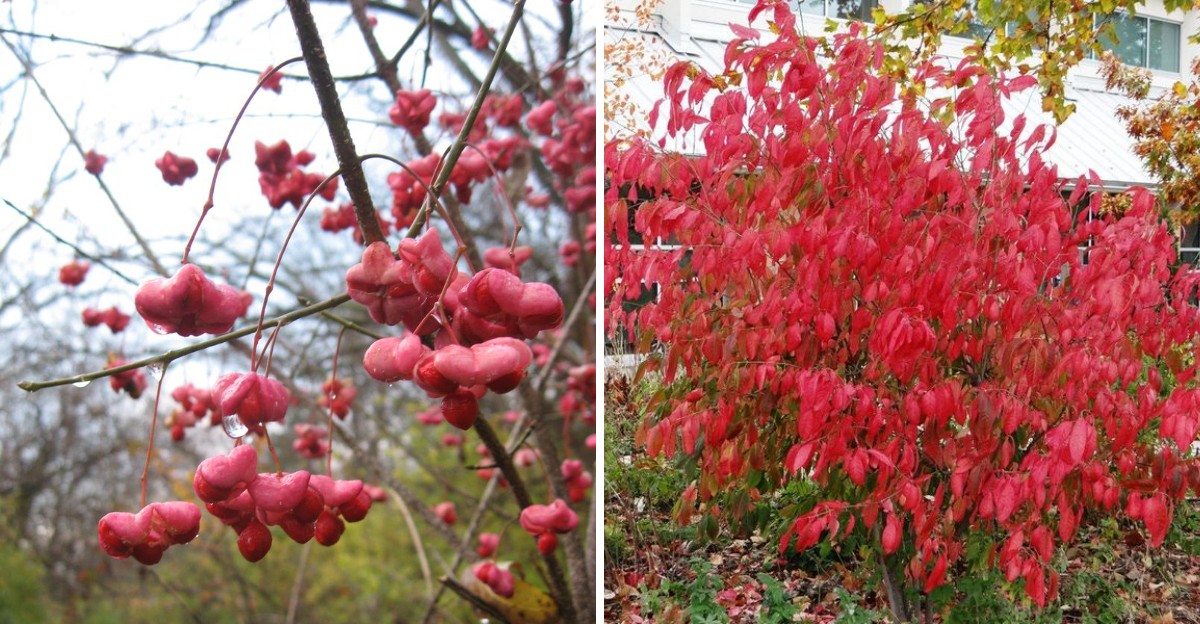
Burning bush hogs the spotlight every October, and a quiet native waits in the wings with a palette that makes the imports look like cardboard.
Ohio woodlands have kept this one under wraps for ages. It never made the big catalog covers, so it never reached your neighbor’s yard either.
That’s the whole reason it stays off the radar.
The show kicks off once the nights turn crisp. Leaves slide through shades you’d expect from a painter, not a shrub, and the display hangs around longer than most.
Birds love it. Bees do too.
It asks for little and hands back plenty.
Corner a staff member at a native plant nursery this season. One look at it in full color and you’ll wonder how it stayed a secret.
1. Meet Eastern Wahoo, Ohio’s Native Burning Bush
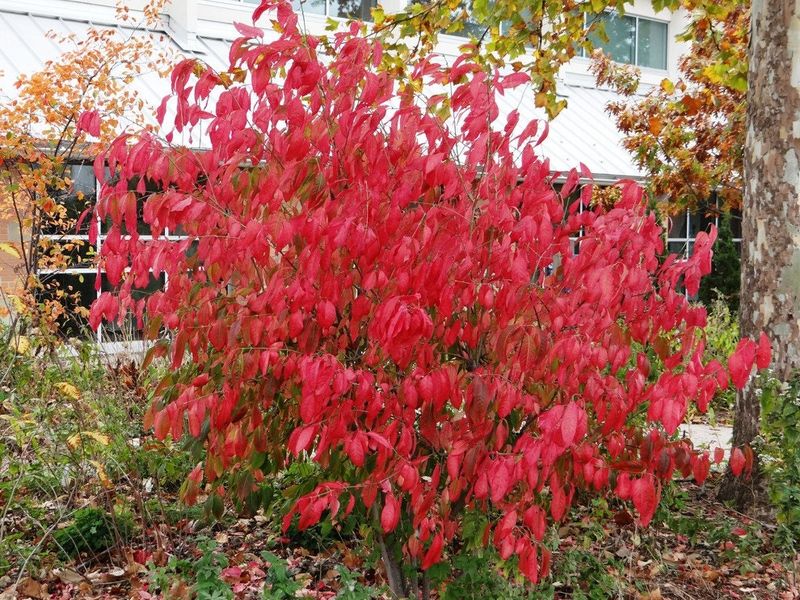
Say the name out loud and try not to grin. Wahoo sounds like something you shout on a roller coaster, not a plant in the woods.
Its scientific name is Euonymus atropurpureus, which is a real mouthful. Most folks call it Eastern Wahoo, but it goes by plenty of nicknames too.
You might hear American Wahoo, Indian Arrow Wood, or Spindle Tree. Gardeners who know it best simply call it Ohio’s native burning bush.
Eastern Wahoo is a shrub or small tree that drops its leaves each fall. It grows wild across the central and eastern United States, including Ohio.
Many gardeners call it the native burning bush. The nickname fits, since the plant seems to catch fire with color every autumn.
So why have so few people heard of it? Garden centers tend to stock flashier imports, and wahoo often hides along forest edges and stream banks.
That quiet life makes it a fun find. Spotting one in the wild feels a bit like discovering a secret clubhouse.
If you want a yard plant with real Ohio roots, wahoo deserves a spot on your list. Ask a native plant nursery near you, since they are the most likely sellers.
Bring a notebook when you shop. Writing down the botanical name helps you get the right plant every time.
2. It’s A Native Cousin Of The Invasive Burning Bush
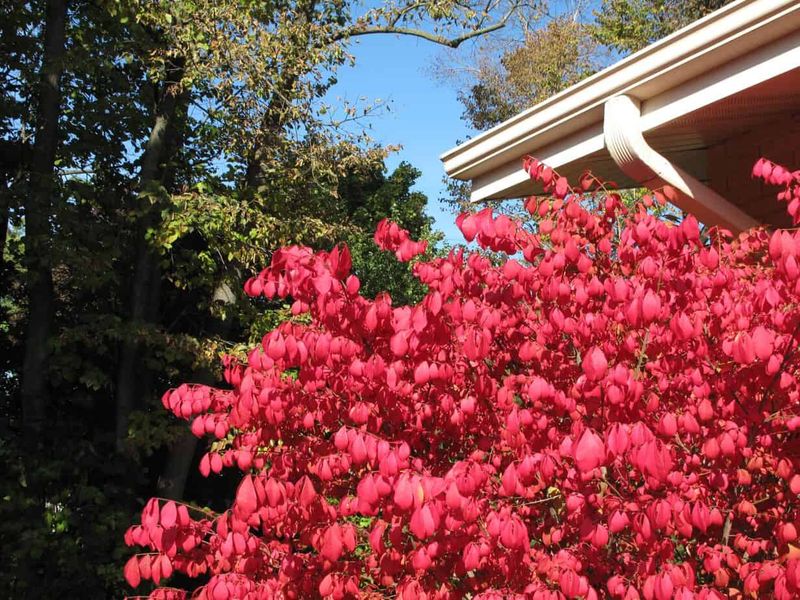
Every family has a troublemaker, and wahoo’s relative is a big one. The invasive burning bush, Euonymus alatus, belongs to the same plant group.
That cousin came from Asia and got planted in yards all over America. Its bright red fall leaves made it a hit with homeowners for decades.
Sadly, it escaped into the wild. Birds spread its seeds into forests, where it crowds out native plants that local wildlife depends on.
Here is where Eastern Wahoo steps in as the good relative. It gives you similar fall drama without harming nearby woods.
Swapping one for the other is a simple way to help nature. Think of it like trading a junk food snack for a tasty, healthy one.
Telling them apart takes a sharp eye. The invasive type has flat, corky ridges, often called wings, running along its twigs.
Your Ohio Garden Changes Every Week. Your Plan Should Too.
Gardening in Ohio changes quickly throughout the season. Every Friday you’ll receive a simple weekly plan showing exactly what to plant, prune, fertilize, harvest, and protect so you never miss the right timing.
Wahoo twigs are smoother and lack those chunky wings. Run your fingers along a branch and you can often feel the difference.
Since both plants share the burning bush nickname, mix-ups happen at stores. Always check the tag for the botanical name before you buy.
Look for Euonymus atropurpureus on the label. If you see Euonymus alatus instead, politely pass and keep shopping for the native choice.
Your local woods will quietly thank you for it.
3. Its Leaves Turn Bright Red In Fall
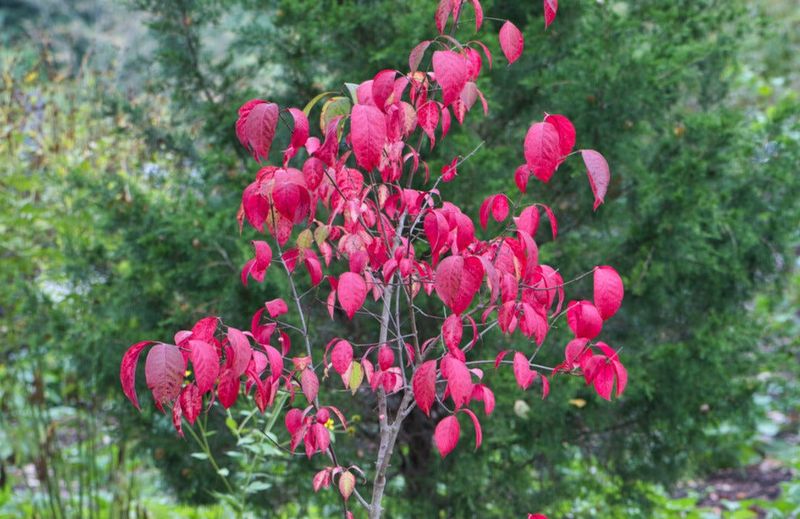
All summer long, wahoo keeps a low profile. Its leaves are a calm lime green that blends right into the background.
Then autumn flips a switch. Almost overnight, the foliage turns a bright, cheerful red that pops against brown tree trunks.
Imagine walking outside on a chilly morning and seeing your shrub glowing. It feels like the plant dressed up for a party nobody told you about.
The color can shift a little depending on where it grows. Some plants lean toward yellow, while others show a deep red-purple shade.
Sunlight plays a big role in how bold the show gets. Shrubs in brighter spots usually color up stronger than ones tucked deep in shade.
Want the best display in your yard? Plant wahoo where you can see it from a window, a porch, or the driveway.
A dark background helps too. Evergreens like native red cedar or white pine make those red leaves look even brighter.
Snap a photo each week once the color starts. Comparing pictures is a fun family project and shows how fast the change happens.
Fall color in Ohio usually peaks in October. Mark your calendar so you do not miss your wahoo’s big moment in the spotlight.
Once the leaves drop, the show is not over yet.
4. Pink Capsules Split Open To Show Red Seeds
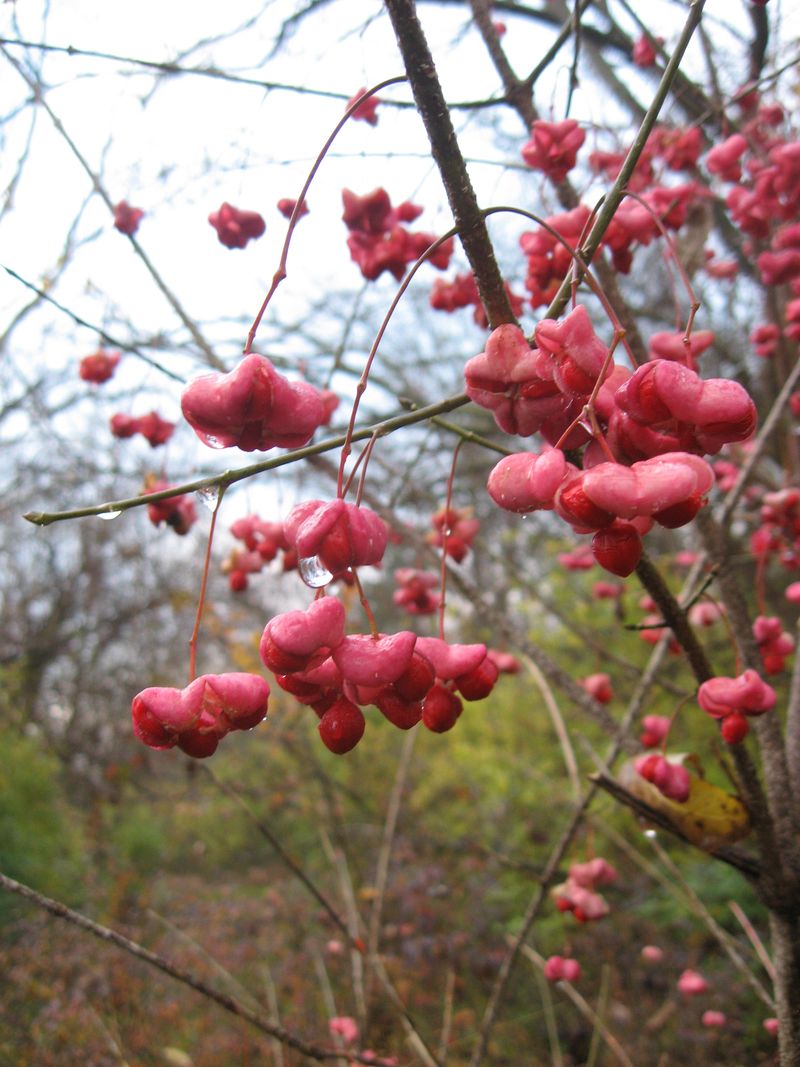
If one feature makes people stop in their tracks, this is it.
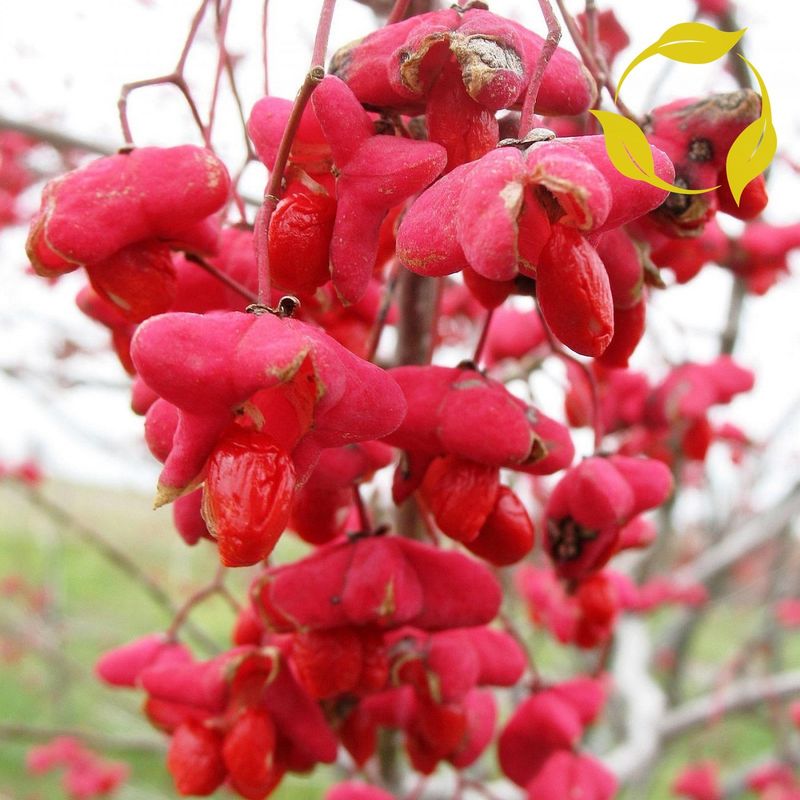
In late summer and fall, wahoo hangs out tiny fruits that look like party decorations. Each one is a capsule with four rounded sections.
The capsules wear shades of pink, rose, or soft purple. From a distance, a loaded branch looks like it is covered in little lanterns.
As the fruits ripen, something neat happens. The capsules crack open and reveal seeds wrapped in a bright scarlet coat.
Pink and red together might sound like a fashion mistake. On this shrub, though, the combo looks stunning, especially on a gray day.
Many people say the open fruit resembles a heart breaking open. Others think it looks like a tiny flower blooming in autumn.
Here is a fun idea for kids and grown-ups alike. Use a magnifying glass to study the capsules up close, but look only and do not touch your mouth.
You can also sketch them in a nature journal. Drawing helps you notice the shape, the color, and how the seeds dangle.
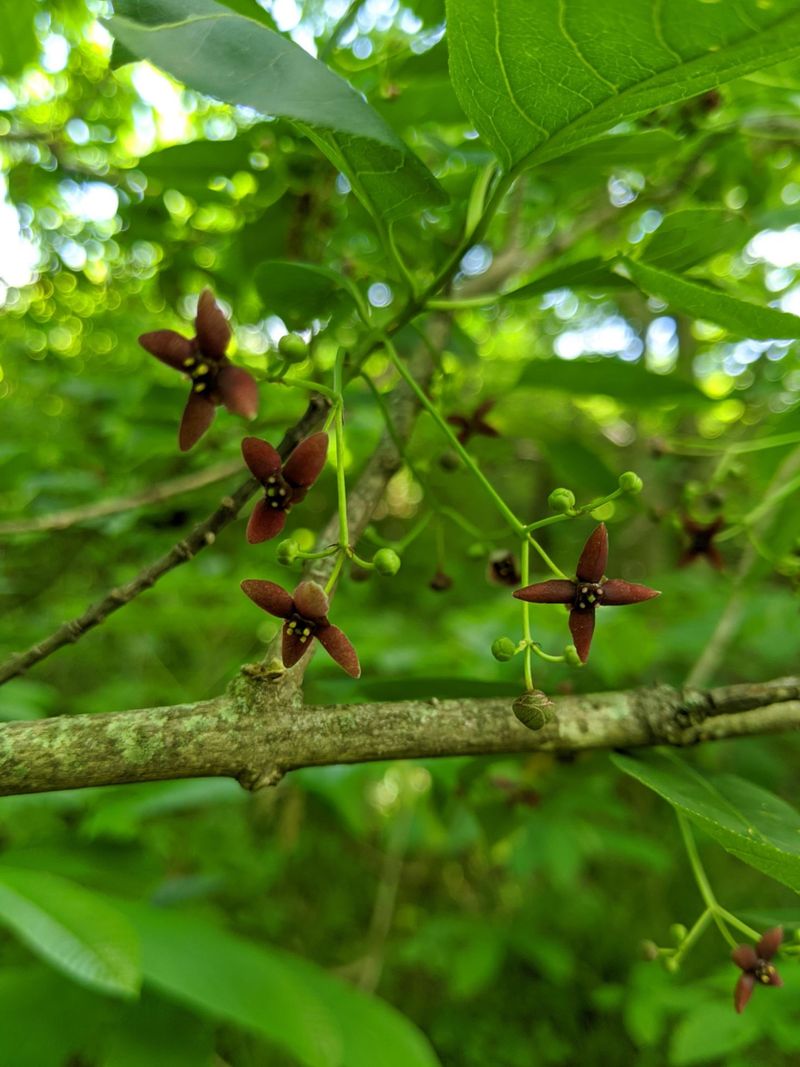
The flowers that come before are small and easy to miss. That makes the fruit feel like a surprise gift months later.
5. The Fruit Can Hang On Into Winter
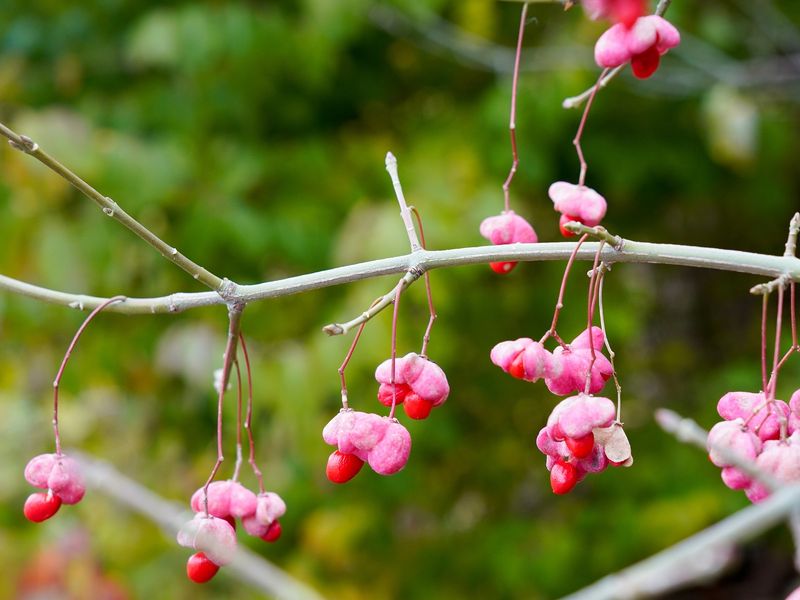
Most shrubs pack up their color once the leaves fall. Wahoo has other plans and keeps the party going.
Its fruits usually ripen between September and October. In some years, you can spot them anywhere from August through November.
Once the red leaves drop, the capsules suddenly steal the show. With nothing blocking the view, those pink and scarlet bits stand out clearly.
Better yet, the fruit tends to stick around for a long time. Many capsules cling to the branches well into the winter months.
Picture a fresh snowfall coating your yard. Now imagine bright pink and red dots popping against all that white, like sprinkles on frosting.
That winter color is a real gift in Ohio. January and February can feel gray and gloomy, so any splash of brightness lifts the mood.
Gardeners call plants like this four-season performers. They offer something interesting to look at in spring, summer, fall, and winter.
To enjoy it most, avoid heavy pruning in late summer. Cutting branches then removes the fruit before it has a chance to shine.
If shaping is needed, trim lightly in late winter or early spring. That timing keeps your shrub tidy while saving next season’s display.
6. It Grows In Sun Or Shade
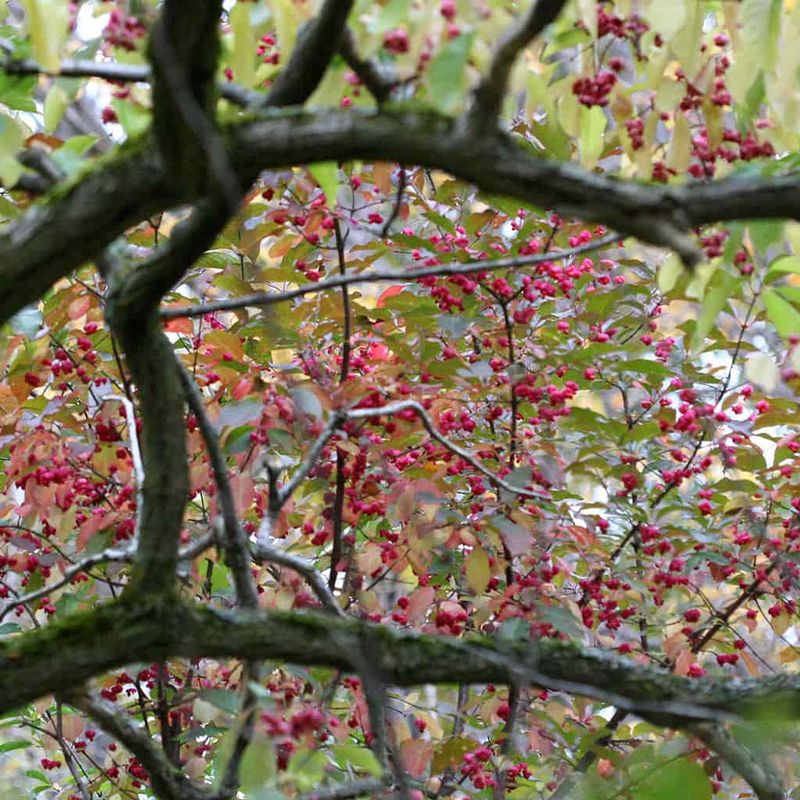
Got a tricky corner where nothing seems happy? Wahoo might be the easygoing roommate your yard has been waiting for.
This shrub handles a wide range of light. It can grow in full sun, partial shade, and even full shade.
That flexibility makes it great for wooded lots and spots beneath big trees. Plenty of colorful shrubs sulk in the shade, but wahoo hangs in there.
There is a small trade-off to know about. Plants in full sun usually make the most fruit and show the brightest fall leaves.
In deeper shade, the leaf color may look softer. You will still get a pretty plant, just with a quieter autumn show.
The sweet spot is dappled sunlight or light shade. Think of the soft, flickering light under tall oaks or maples.
Soil matters too. Wahoo prefers ground that is moist, rich, and drains well after rain.
Add a layer of shredded leaves or bark mulch around the base. Mulch holds in moisture and slowly feeds the soil as it breaks down.
Water young plants during dry spells for the first year or two. Once settled, wahoo tends to be pretty low-maintenance and forgiving.
It is a native plant, after all. Ohio weather is exactly what it grew up with.
7. Expect A Large Shrub About 10 To 15 Feet Tall
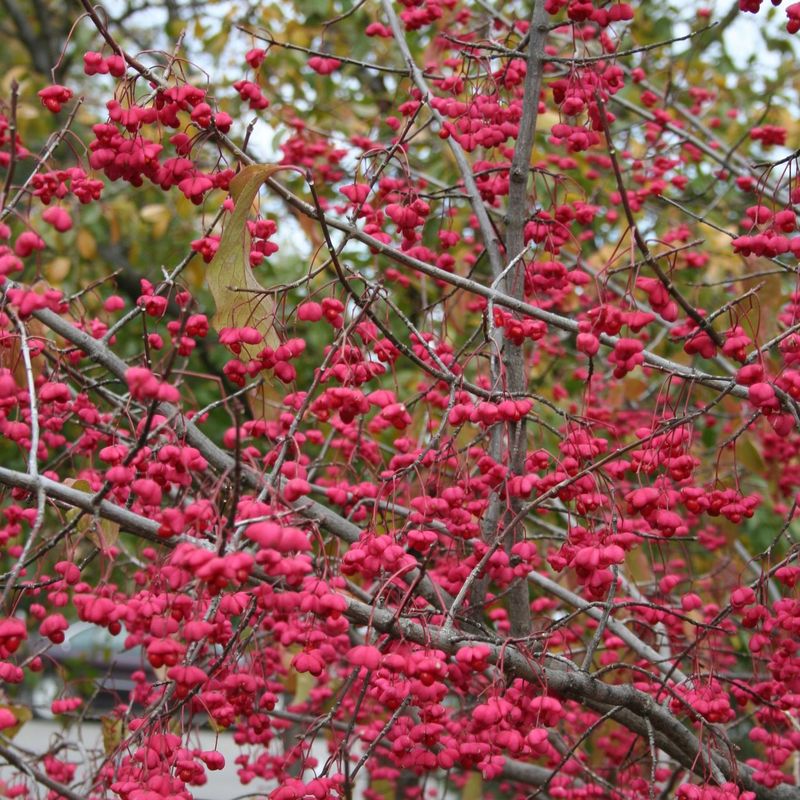
Here is a friendly warning before you plant. That cute little wahoo from the nursery will not stay little for long.
Most Eastern Wahoo plants reach about 10 to 15 feet tall. Some grow even bigger, stretching up to 20 or even 25 feet over time.
Width can surprise people too. A mature plant may spread 15 to 25 feet across, so it needs real elbow room.
Depending on how it grows, wahoo can look like a big, bushy shrub. Others form a single trunk and act more like a small tree.
So where should it go? Skip the narrow strip by your front steps or right under a window.
Instead, think about property edges, woodland borders, or a back corner. It also works nicely as part of a natural hedge or privacy screen.
A handy trick is to mark the full size on the ground first. Lay a garden hose in a circle to show how wide the plant may get.
Leave space for walking paths and mowing. Your future self will appreciate not squeezing past branches every week.
Planting several together creates a lovely thicket. Birds enjoy that kind of cover, and it looks wild in the best way.
8. Birds Eat The Seeds In Winter
Want a front-row seat to a winter bird buffet? Plant a wahoo and keep your binoculars by the window.
Those scarlet-coated seeds are a favorite snack for many birds. When food gets scarce in cold months, the fruit becomes extra valuable.
Watchers have spotted Northern Flickers, Brown Thrashers, and Eastern Bluebirds feasting on the fruit. Eastern Towhees stop by too.
Even wild turkeys get in on the action. Seeing a turkey poking around your shrub is a pretty fun surprise.
Birds help the plant in return. After eating the fruit, they carry the seeds to new places, which helps new wahoo plants sprout.
It is a neat partnership that has gone on for a very long time. The shrub feeds the birds, and the birds plant the next generation.
Native plants like wahoo support local wildlife far better than many imports. Birds evolved alongside them and know exactly what to do.
Try keeping a simple bird log this winter. Jot down each visitor, the date, and the weather.
Kids love turning it into a contest. Whoever spots a new species first earns bragging rights or picks dinner that night.
A heated birdbath nearby makes your yard even more inviting.
9. Every Part Of The Plant Is Poisonous
Pretty does not mean safe, and wahoo proves that point. Every part of this shrub is poisonous if someone eats it.
The plant contains natural chemicals called alkaloids and cardenolides. Birds handle the seeds just fine, but people and pets do not.
Eating any part can cause vomiting, diarrhea, belly pain, and weakness. Larger amounts may even affect heart rhythm, which is serious.
Wahoo is toxic to humans, dogs, cats, and horses. Those bright pink and red fruits can look like candy to curious little ones.
That does not mean you should skip the plant. It just means planting with a little extra thought.
Keep it away from play areas, sandboxes, and spots where toddlers explore. A back border or fenced area works well.
Teach kids a simple rule early on. We look at garden berries with our eyes, not our mouths.
Pet owners should watch dogs that like to chew sticks. Pick up fallen fruit near patios if your pup is a snacker.
Wear gloves when pruning, and wash your hands afterward. If you suspect someone ate part of the plant, call Poison Control or your vet right away.
With a few smart habits, you can enjoy this Ohio gem safely.