Virginia Hydrangea Growers Urged To Complete This Vital Task Before Nights Turn Cold
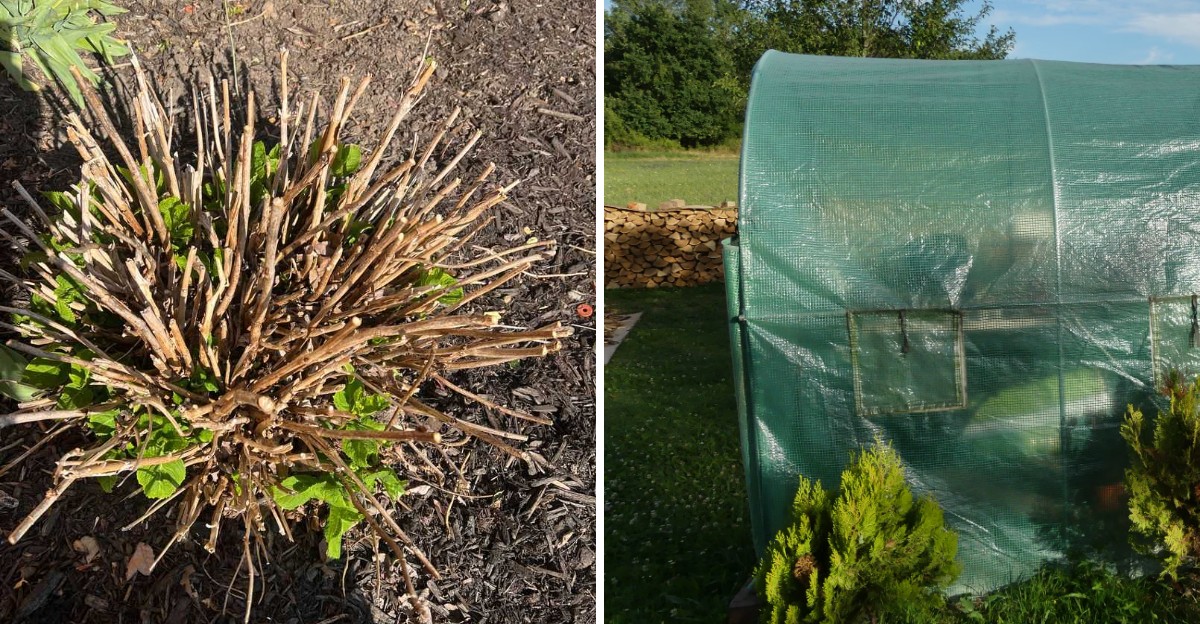
Sudden freezes after warm spells can dim your June hydrangea blooms. You can spot plump, pointed buds near the tips of those stems.
Virginia winters swing from balmy afternoons to chilly nights within hours. Bigleaf and oakleaf varieties set buds on old wood, so you must protect it. Skip the shears this month. Pruning now clips the flowers you want next summer.
Pile shredded leaves or pine straw around the base to steady soil temperature. Circle stems with a wire cage and fill it with straw.
Choose burlap over plastic, since plastic holds moisture against tender stems. Water deeply before the ground freezes, since dry soil exposes roots to winter drying.
Your cage and mulch buy buds the buffer they need when temperatures drop. Today’s effort pays off in June. Neighbors across Virginia will wonder how you coaxed that color.
A Thick Blanket Of Mulch Around The Base
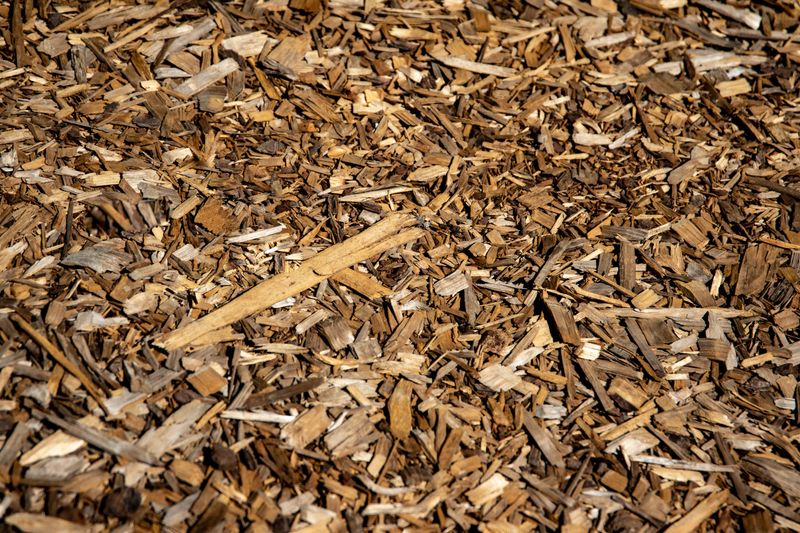
Ask a longtime Virginia gardener for a favorite fall tip, and mulch often comes up. A deep layer around the base works like a warm winter coat for the roots.
Roots sit close to the surface, so they feel every frosty swing in temperature. Mulch slows those swings down and keeps the soil steady through freezing nights.
Aim for a layer about three to four inches deep, spread in a wide circle. Stretch it out to the drip line, where the outer branches end.
Shredded hardwood bark, pine needles, and chopped leaves all work nicely. Pine straw is easy to find across Virginia and stays fluffy without packing down.
Keep the mulch a couple of inches away from the main stems. Piling it right against the wood invites rot, mice, and other hungry visitors.
Water the ground well before you spread anything. Moist soil also guards against winter drying, giving the roots an extra boost.
Free mulch might be sitting in your yard right now. Run the mower over fallen leaves, then rake the shredded bits around your shrubs.
Whole leaves can mat into a soggy layer that blocks air and water. Chopping them first lets them breathe and break down slowly into rich compost.
In spring, pull back some of the mulch as the soil warms. Your plants will wake up rested, protected, and ready to grow strong.
The whole job takes about an hour on a cool Saturday afternoon. That is a small price for next summer’s color.
What Actually Damages Next Summer’s Buds
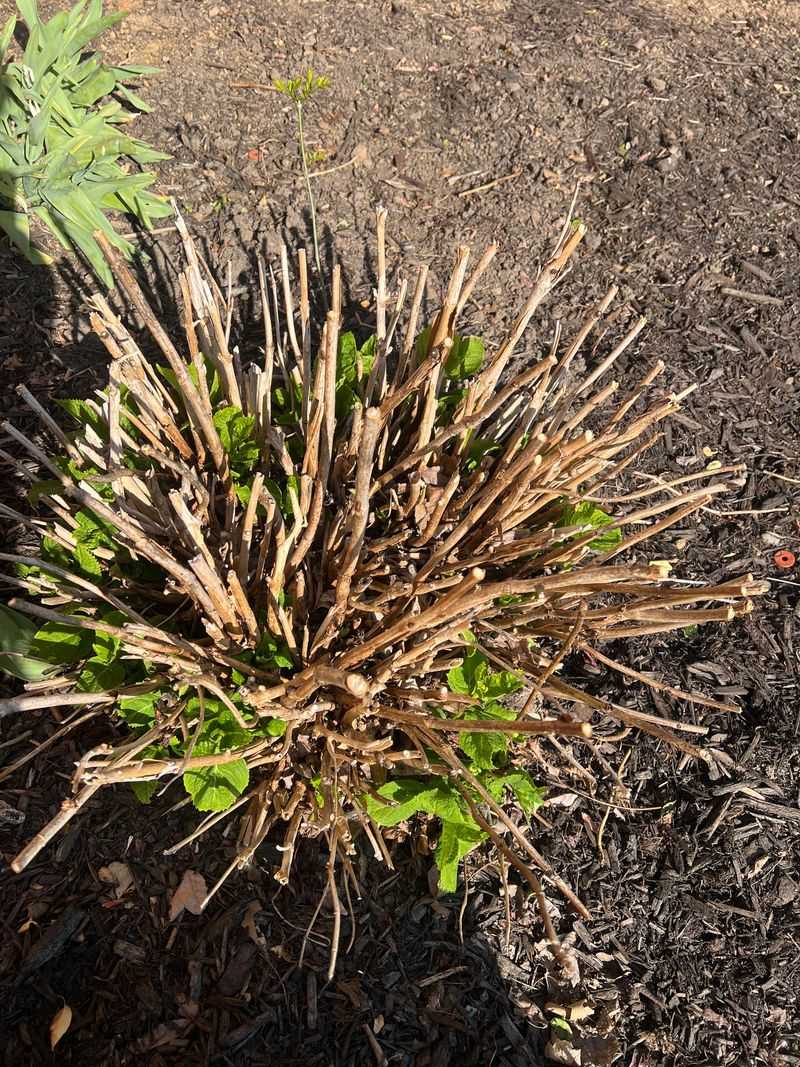
Picture a tiny gift box tucked inside every stem, holding next summer’s flowers. Bigleaf hydrangeas pack those boxes in late summer and early fall.
Gardeners call this blooming on old wood. The flower buds for June are already formed and sitting at the tips of this year’s stems.
Cold air is only part of the problem. The bigger problem comes from wild temperature swings, which Virginia winters deliver often. Late spring freezes can also damage woken buds.
A warm week in February can trick buds into waking up early. Then a sudden hard freeze arrives and damages those tender buds.
Your Virginia Garden Changes Every Week. Your Plan Should Too.
Gardening in Virginia changes quickly throughout the season. Every Friday you’ll receive a simple weekly plan showing exactly what to plant, prune, fertilize, harvest, and protect so you never miss the right timing.
Drying winter winds add even more stress to exposed stems. Buds near the top of the plant are often the most exposed.
The plant itself usually survives and pushes out fresh green leaves in spring. You may end up with a leafy bush and few or no flowers.
Mountain gardeners near Blacksburg and Roanoke face harsher cold than folks in Norfolk or Richmond. Still, coastal and Piedmont gardens see plenty of surprise freezes too.
Not sure which kind you have? Bigleaf types have broad, shiny leaves and round mophead or flat lacecap flowers in pink or blue.
Smooth hydrangeas like Annabelle and panicle types bloom on new wood instead. They grow fresh flower buds in spring, so winter damage matters much less.
Knowing your plant type tells you how much protection to give. Bigleaf varieties deserve the extra protection this fall.
Think of it as protecting next summer’s flower buds. A few smart steps now give them a better chance.
The Right Window In A Virginia Autumn
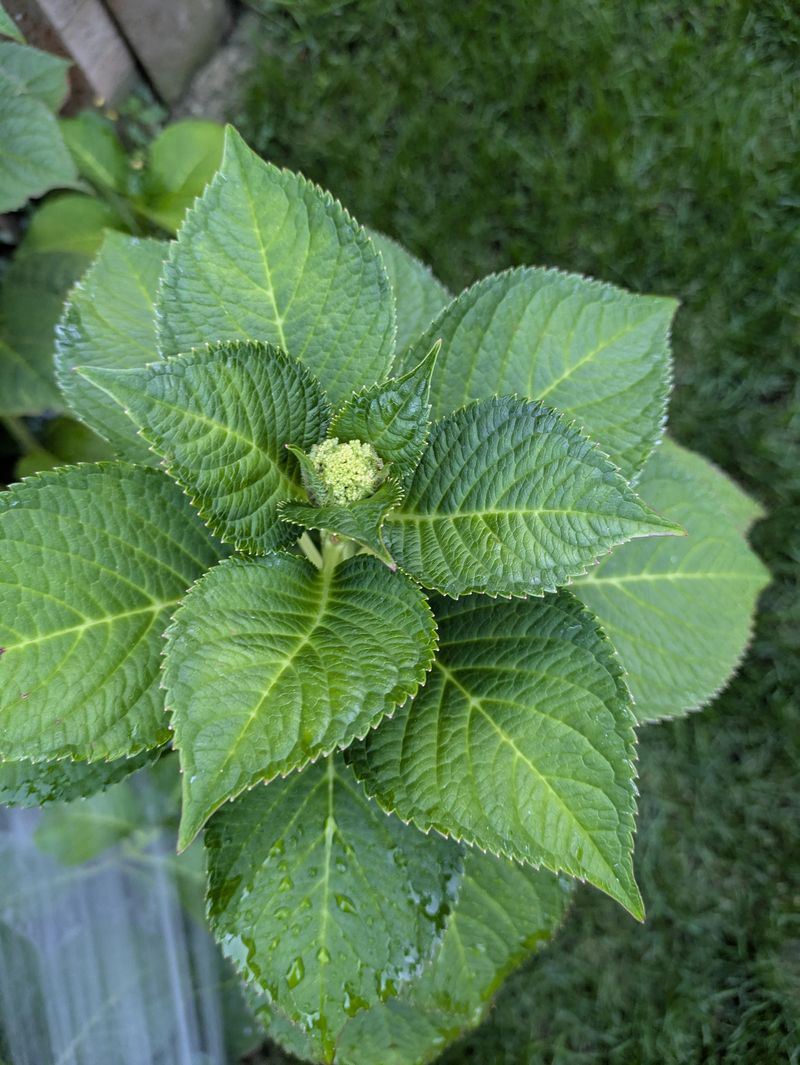
Timing this job feels a bit like catching a bus. Show up too early or too late, and you miss the ride.
For most of Virginia, the sweet spot falls between mid-October and mid-November. That is usually right after the first light frost touches the lawn. Mulching too early can hold warmth in the soil, so wait until the ground begins to cool.
Waiting a few weeks gives the shrub time to slow down naturally. Leaves start to yellow, and stems firm up for the season ahead.
Watch the nightly forecast once October arrives. When lows start dipping into the 30s regularly, it is time to grab the rake.
Mountain towns in western Virginia often see frost by early October. Gardeners there should plan to finish the work a little sooner.
Folks in Hampton Roads and the Eastern Shore can usually wait until early November. Ocean air keeps coastal nights milder for a few extra weeks.
Central Virginia, including Richmond and Charlottesville, lands somewhere in the middle. Late October works well for most yards in that area.
Mark a date on your calendar so the job does not slip away. A rainy weekend can quickly turn into a frozen one.
Try pairing the task with another fall chore, like raking leaves or planting bulbs. You will already be outside with dirty gloves anyway.
Get the timing right, and your plants slide gently into winter rest. That calm start sets the stage for a stronger spring.
A Common Fall Pruning Mistake
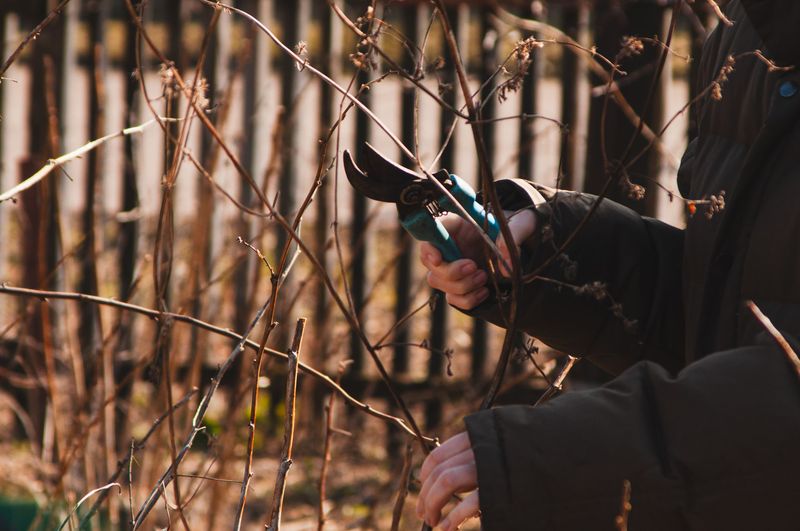
Grabbing the pruners in October feels productive, but it can remove next summer’s flower buds in minutes. Many Virginia gardeners learn this lesson the hard way.
Remember those flower buds already hiding at the stem tips? Cutting bigleaf stems back now removes most of them.
Faded flower heads look messy, so the urge to tidy up is strong. Leave them alone, because they offer a little shelter for buds below.
Dried blooms also look lovely dusted with frost on a winter morning. Some gardeners even cut a few for indoor wreaths and arrangements.
Another common slip is feeding plants late in the season. Fertilizer in fall pushes soft new growth that freezes quickly.
Stop fertilizing by late summer so stems can harden before cold arrives. Your shrub needs to rest, not sprint.
Skipping water during a dry autumn causes problems too. Thirsty plants enter winter stressed and more likely to show damage.
Give each shrub a deep drink once a week if rain stays scarce. Continue until the ground starts to freeze.
Covering stems with plastic is another mistake. Plastic traps moisture and heat, which can overheat buds on sunny days.
Save any real pruning for summer, right after flowers fade. That gives new buds plenty of time to form for the following year.
Only remove broken or clearly damaged branches this fall. Clean cuts on those stems keep the rest of the plant healthy.
A little patience goes a long way here. Put the pruners away and let your shrubs keep their secrets until spring.
Simple Shelters For Bigleaf Varieties
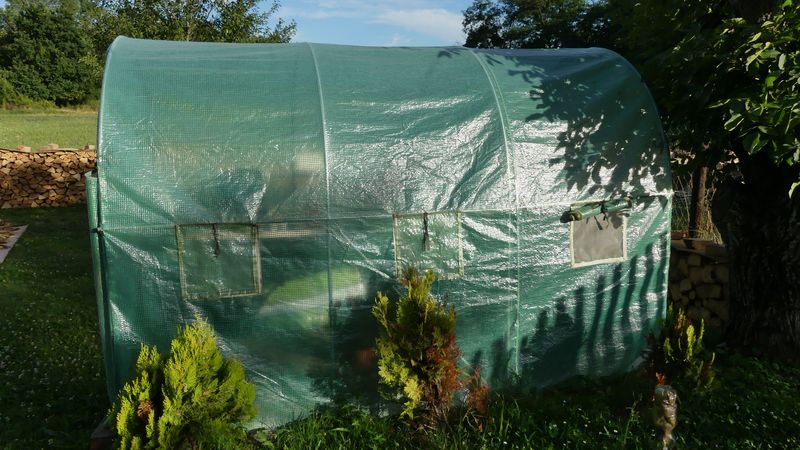
A burlap wrap might look silly, but your bigleaf hydrangeas will thank you in June. Think of it as a winter jacket for buds.
Start by pounding three or four wooden stakes into the ground around the shrub. Keep them a few inches away from the outer branches.
Wrap burlap around the stakes to form a loose cage. Staple or tie it in place so strong winds cannot tear it free.
Next, fill the cage with dry, shredded leaves or pine straw. The fluffy stuffing traps air and keeps buds cozy during cold snaps.
Leave the top open or loosely covered so moisture can escape. Trapped dampness can lead to mold and rotted stems.
Smaller shrubs have an even simpler option. Flip a large basket or wire cage over the plant, then pack leaves inside.
Frost cloth also works for sudden cold nights in late fall or early spring. Drape it over the plant in the evening and remove it the next morning.
Potted hydrangeas need special care since their roots sit above ground. Move containers into an unheated garage or against a sheltered wall.
Planting location makes a difference too. Shrubs sheltered from wind and strong winter sun often face less harsh winter swings.
Take the shelters down in spring once frost danger passes. In most of Virginia, that happens between early April and early May, though mountain areas can see frost later.
Burlap and stakes are cheap and last for several seasons. Store them in a shed, and next fall’s setup takes half the time.
A Payoff Of More Blooms Next June
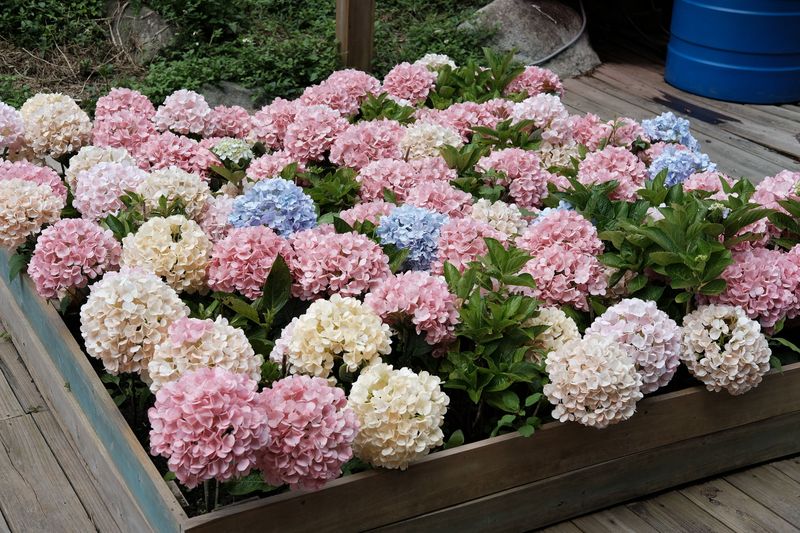
Imagine stepping outside one June morning and seeing shrubs bursting with blue and pink pom-poms. That moment is the reward for your fall effort.
Protected buds have a better chance of surviving winter and opening into full flower heads. Unprotected plants in the same yard may show fewer blooms.
Mulch also feeds the soil as it slowly breaks down. Over time, it adds nutrients and helps the ground hold moisture during summer heat.
Healthy roots mean stronger stems that can hold up those big blossoms. Fewer floppy branches make the whole garden look neater.
Did you know soil can change hydrangea color? Acidic soil, common in much of Virginia, often turns bigleaf blooms a rich blue.
Pine needle mulch is light and airy, though it does not noticeably change soil acidity. Gardeners who want blue flowers can test their soil first, then follow label directions and local extension advice if an adjustment is needed.
Keep a simple garden journal each fall. Note when you mulched, what materials you used, and how the plants performed.
After a few seasons, patterns start to appear. You will learn exactly what your yard needs and when.
Consider swapping in reblooming varieties like Endless Summer for extra insurance. They flower on both old and new wood.
Even if winter nips a few buds, reblooming types still produce flowers later in summer. That backup plan takes some pressure off.
Fall protection becomes easier each year as the routine settles in. Before long, it feels as natural as carving pumpkins.
Neighbors may start asking about your results. Feel free to share your method, or just smile and enjoy the show.