The Fall Garden Cleanup Mistake That Helps Pests Overwinter In Pennsylvania
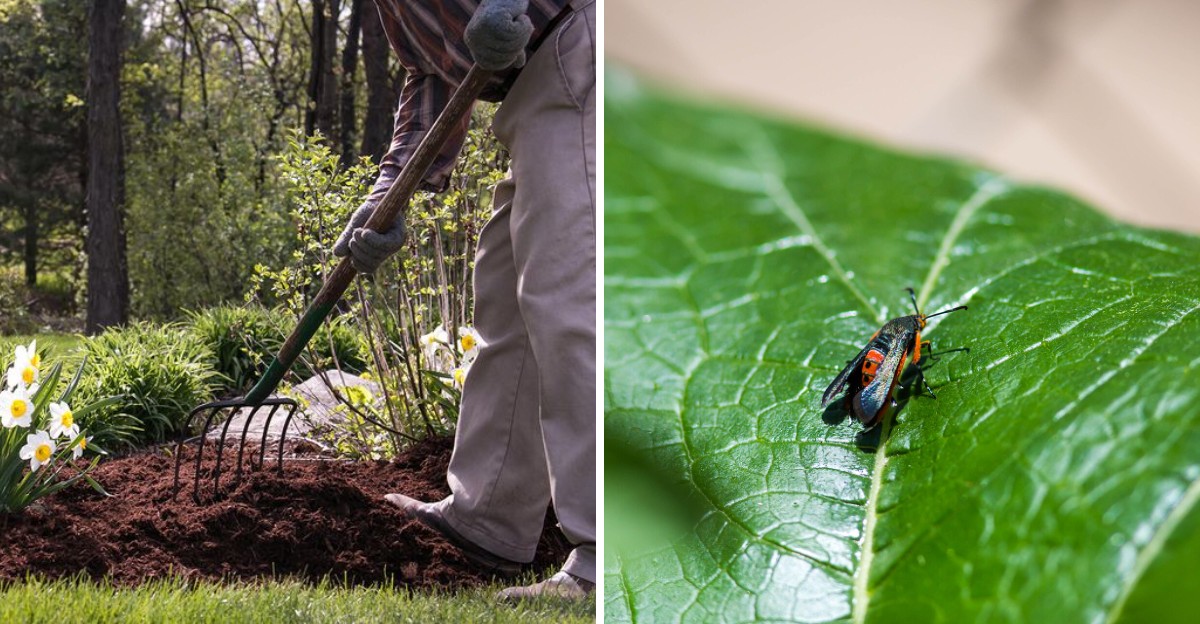
Guests are settling into your Pennsylvania garden this week. You did not invite them, yet they brought luggage.
Mason bees tuck eggs inside hollow stems you plan to trim. Mantis egg cases, each the size of a walnut, rest on your raspberry canes.
Luna moth cocoons sleep in your leaf litter, wrapped in silk. Swallowtail chrysalises, disguised as dried twigs, cling to your fennel.
Toads tunnel under your squash vines and wait out winter. Clear the beds to soil, and you displace a whole neighborhood.
Pennsylvania winters run cold, so these sleepers need your cover. Leave stems standing at knee height and you protect them.
Pile leaves loosely under shrubs and you build their blanket. Trim in April and you meet the newcomers yourself.
Watch bees crawl from those stems on a warm afternoon. Spring rewards you with pollinated squash.
Spent Plants Left Standing Become A Winter Hotel For Pests
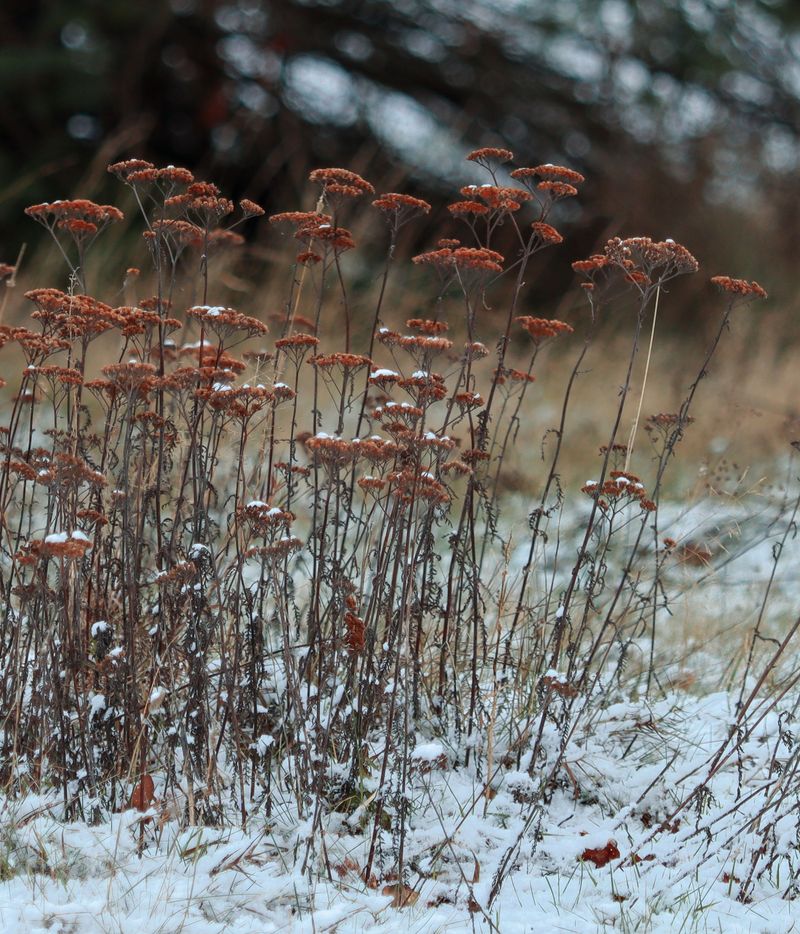
Picture a cozy motel with free rent, thick walls, and a snack bar that stays open all winter. Old tomato stems, squash vines, and bean stalks offer exactly that to garden pests.
The big mistake is leaving sick or bug-filled plants in the bed after the harvest ends, while healthy native stems can stay as habitat. Many insects and plant diseases rely on that leftover material to survive until spring.
Pennsylvania winters get cold, but hollow stems and matted leaves work like little sleeping bags. Under a blanket of debris, the soil stays a few degrees warmer and stays damp.
Eggs, larvae, and adult beetles tuck into these spots and simply wait. Fungal spores also cling to rotting leaves, ready to splash onto new plants next May.
It is easy to see the mess as harmless, even natural. In the woods, fallen leaves feed the soil and shelter helpful critters.
A vegetable bed is different because many gardeners replant the same crops in the same place each year. Pests that hatch in spring find their favorite food right next door.
That head start lets populations grow faster than they would after a clean winter. By July, gardeners wonder why the cucumbers wilted or the tomato leaves turned spotted.
The answer often traces back to a few brown stems nobody pulled last October. A little effort this month can reduce pest problems throughout the next summer.
Not every leftover is a problem, though, and some debris even helps wildlife. The key is knowing which plants should be removed from the bed.
The Pennsylvania Pests That Hide In Garden Leftovers
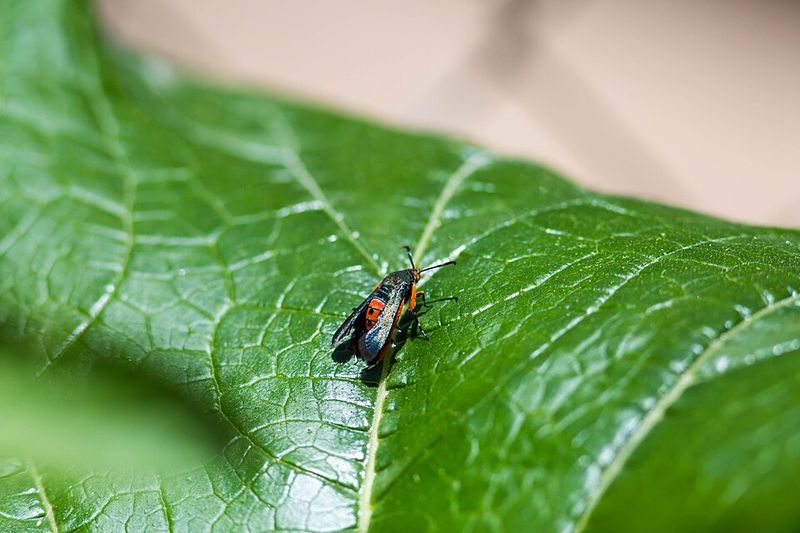
Squash vine borers are among the most common overwintering pests in Pennsylvania gardens. Their larvae leave the vines in fall and burrow into the soil to form cocoons.
Vines left lying around can still hold larvae that have not yet moved into the soil. By early summer, the adult moths emerge and lay eggs on zucchini and pumpkins all over again.
Your Pennsylvania Garden Changes Every Week. Your Plan Should Too.
Gardening in Pennsylvania changes quickly throughout the season. Every Friday you’ll receive a simple weekly plan showing exactly what to plant, prune, fertilize, harvest, and protect so you never miss the right timing.
Striped cucumber beetles take a different approach to winter survival. Adults hide under leaf litter and plant debris near the edges of the garden.
They also carry bacterial wilt, a disease that makes cucumber vines wilt very quickly. Fewer hiding spots means fewer beetles waiting at the starting line in spring.
Tomato growers have their own worries with early blight and septoria leaf spot. Both diseases survive on infected leaves and stems left on the ground.
Spring rain splashes the spores up onto fresh seedlings, and the cycle starts again. Spotted lanternflies also lay egg masses on many surfaces, including old stakes and garden structures.
Aphid eggs can overwinter on nearby woody plants, and slugs lay eggs under damp mulch. Even Colorado potato beetles burrow near last year’s potato patch to wait out the cold.
Many of these pests return to the exact spot where they fed before. Clearing their favorite leftovers removes the food source they return to.
Learning who lives in the mess makes the cleanup feel less like a chore. It becomes a timely, practical step taken at the right moment.
October Timing For Cleaning Out Vegetable Beds
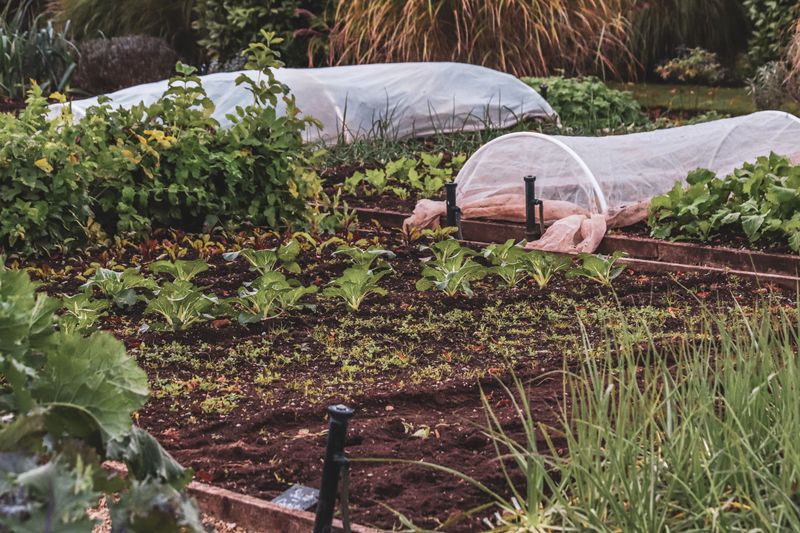
Frost tends to arrive in much of Pennsylvania between early October and early November. That first chilly night is a natural signal to start clearing tender crops.
Tomatoes, peppers, squash, and beans turn black and mushy after a hard frost. Pulling them soon afterward keeps them from breaking down into decaying material that attracts pests.
Waiting until December brings frozen ground, soggy leaves, and fingers that refuse to cooperate. October weather is usually dry and mild enough for a comfortable afternoon of work.
Timing matters for the bugs too, since many are still settling into winter hiding spots. Removing debris before they fully tuck in gives them fewer places to choose from.
Cucumber beetles and other insects start seeking shelter as days grow shorter and cooler. A tidy bed in mid-October leaves them searching elsewhere, ideally far from your garden.
Hardy crops like kale and collards can stay right where they are, and garlic can go into the ground now. Kale and collards keep growing through cool weather, though they can still shelter cabbage worms and aphids, so check them.
One smart approach is to tackle beds in stages instead of one long weekend. Clear the frost-bitten crops first, then handle stakes, cages, and mulch the following week.
Keep an eye on the local forecast, since western and northern counties often chill sooner. Southeastern gardens around Philadelphia may stay frost-free a few weeks longer.
Wherever you live in the state, a cool, sunny October weekend makes this job feel almost pleasant. Grab a warm drink and enjoy the crisp air while you work.
Sorting Sick Debris From Healthy Stems
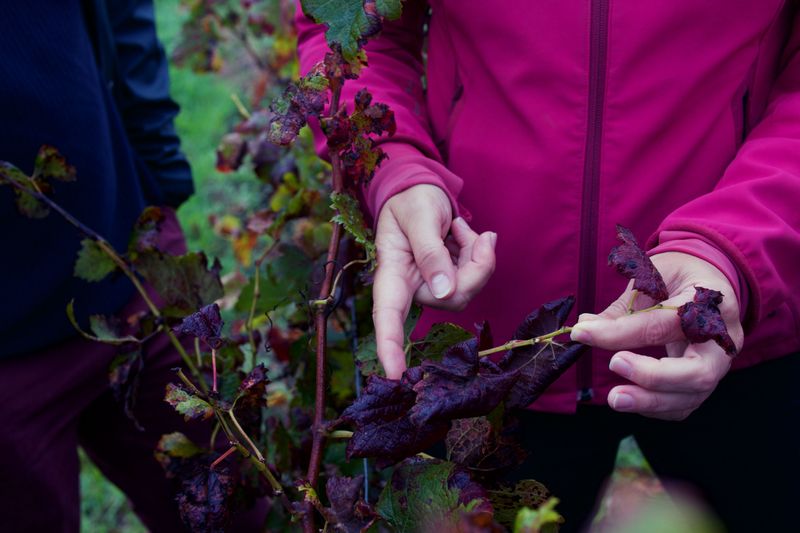
Not every brown stalk needs the same treatment, and that is a relief for tired gardeners. A quick inspection helps you decide what goes and what can stay.
Start with anything that looked sick this summer, like spotted tomato leaves or powdery squash vines. Bag these plants and send them out with the trash or yard waste pickup.
Home compost piles often do not get hot enough to neutralize disease spores. Tossing blighted leaves into the bin can spread the problem around the whole yard.
Check squash and pumpkin vines for small holes near the base and sawdust-like mush. Those signs point to borers, so those vines should leave the property too.
Healthy plants with no spots, holes, or strange growth can go into the compost pile. Chop them into smaller pieces so they break down faster over winter.
Native perennials in flower borders are a different story worth celebrating. Hollow stems on bee balm, coneflower, and raspberry canes shelter native bees that help your garden.
Leaving those stems standing about 12 to 18 inches tall gives helpful insects a safe home. Seed heads also feed goldfinches and other birds during the snowy months ahead.
Think of it like cleaning out a closet before a big move. Toss the moldy stuff, donate the good stuff, and keep a few treasures.
Gloves are a smart idea, along with cleaning pruners afterward with rubbing alcohol. Clean tools keep disease from hitching a ride into next year’s beds.
A Cleaner Spring With Fewer Pest Problems
Imagine walking out in April and seeing tidy beds ready for fresh seedlings. Many gardeners find tidy beds easier to plant into once spring arrives.
Fewer overwintering pests means slower population growth once warm weather returns. Beetles and borers that would have started early are not there to get a head start.
Disease pressure drops too, especially for tomatoes and cucumbers. Without old spores waiting in the soil, young plants get a stronger start.
Gardeners often notice the difference by midsummer, when leaves stay green longer. Harvests may last longer into August and September.
Clean beds also warm up faster in spring because sunlight reaches the soil directly, though bare soil is best covered with mulch to limit erosion. Earlier planting of peas, lettuce, and spinach becomes much easier.
Another bonus is spending less money on sprays and treatments. Preventing problems in the fall is cheaper than managing them in July.
Of course, cleanup will not erase every pest from your yard. Insects fly in from neighbors, fields, and woods, so some visitors will still show up.
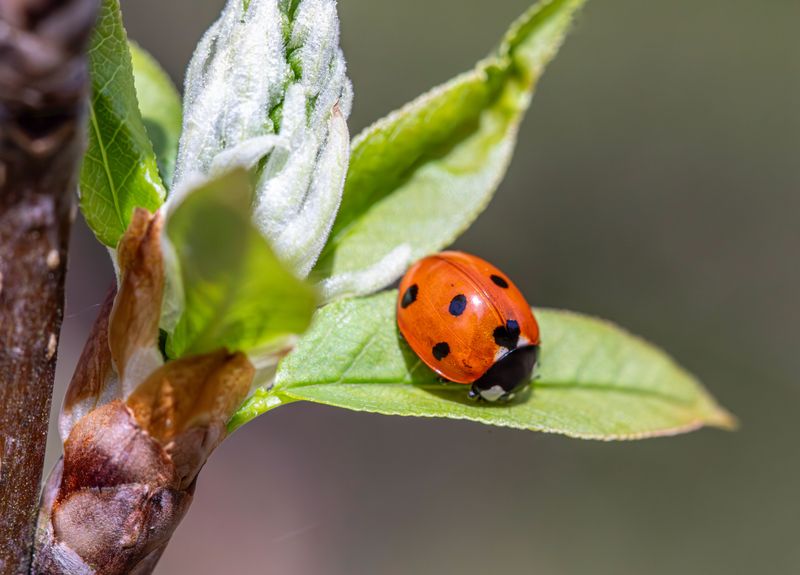
The goal is a smaller crowd, not a perfect, bug-free garden. A balanced garden still welcomes ladybugs, spiders, and ground beetles that eat garden pests.
A thorough fall cleanup can make the following season easier to manage. Less stress, more tomatoes, and a lot fewer surprises hiding under the leaves.
That spring peace of mind starts with a few hours of work this October. Your future self, holding a basket of produce, will thank you.
Simple Habits That Help Limit Pest Problems Next Season
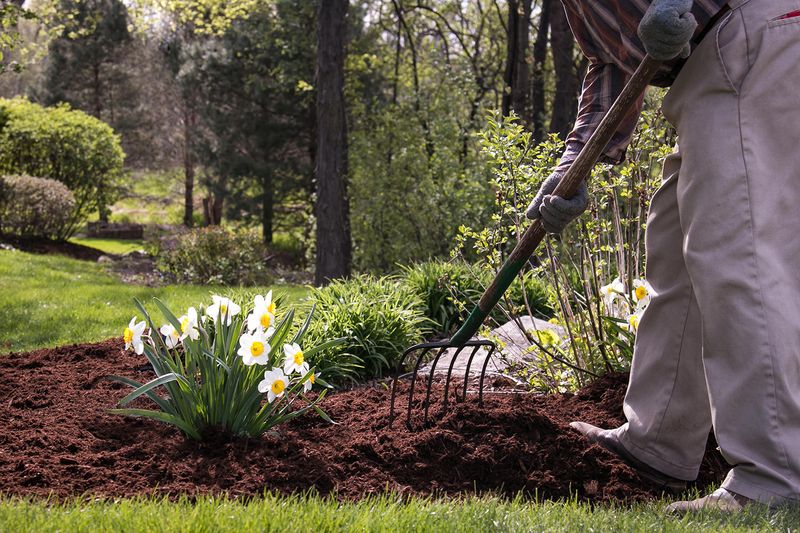
Good gardeners rely on a dependable tool, and it is not a fancy spray. It is a handful of simple habits repeated every single season.
Crop rotation tops the list because pests expect their favorite food in the same spot. Move each plant family, such as squash, tomatoes, and cabbage, to a new bed each year to interrupt pest cycles.
Pulling sick plants during summer, not just in fall, keeps problems from spreading. A quick daily stroll through the garden helps you spot trouble early.
Clean mulch matters too, so swap old, matted straw for fresh material in spring. Shredded leaves from healthy trees make a great free mulch for next year.
Tools, stakes, and tomato cages should get a scrub before going into storage. Check wooden stakes and fences for spotted lanternfly egg masses and scrape them off.
Light tilling in fall can expose hidden larvae and pupae to birds and freezing air. Squash vine borer cocoons are a common target, but tilling can also disturb soil structure and helpful insects, so limit it to affected beds.
Choosing resistant varieties also helps, like tomatoes bred to fight off certain blights. Seed catalogs list resistance codes, so take a peek during snowy January browsing.
Keep a simple garden journal noting which pests showed up and where. Patterns become clear after a couple of seasons, making planning much easier.
Finally, leave room for helpful creatures by planting flowers that attract beneficial insects. Dill, alyssum, and native asters bring in tiny wasps and lacewings that feed on garden pests.
Small habits stack up like interest in a savings account, season after season. Each careful October brings a calmer garden.