The California Groundcovers That Help Control Both Rats And Erosion
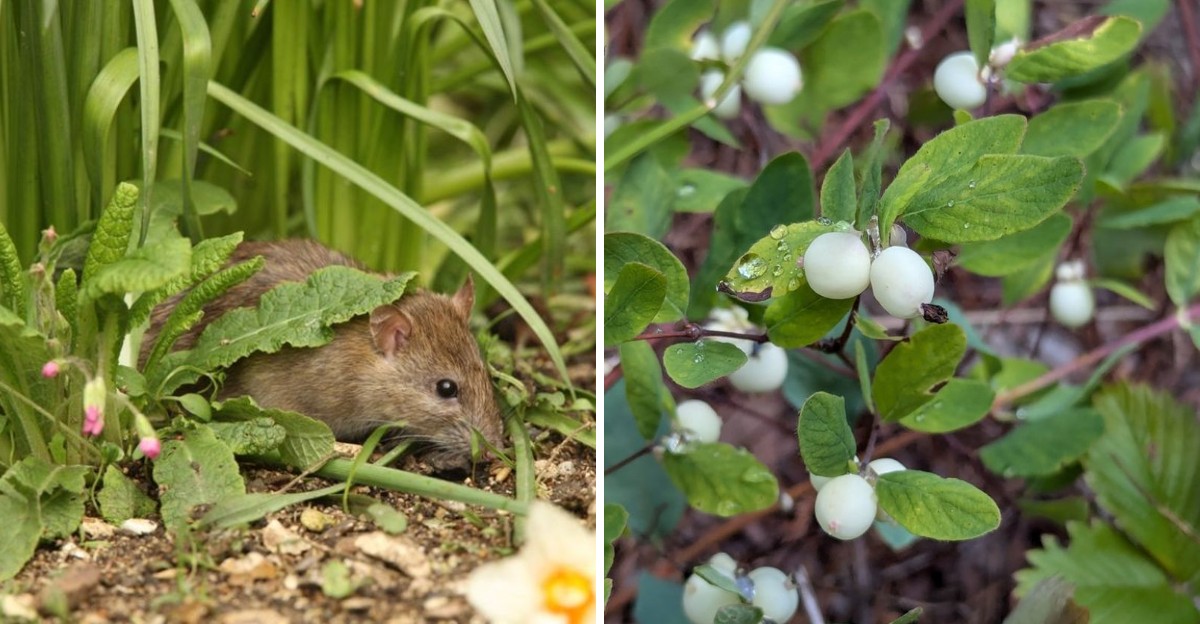
A single hillside can carry two stubborn problems at once. Winter storms wash soil down toward the patio, while tangled, old plantings give unwanted visitors a perfect place to hide.
What covers that slope shapes how well it holds together and who chooses to move in.
The right plants, set out the right way, can tackle both at the same time. Roots grip the soil, while a smart layout leaves fewer shadowy hallways for rodents to travel.
Several California natives fit that role beautifully, offering flowers, berries, and wildlife value along the way.
A slope that once shed mud and sheltered pests can become one of the tidiest, hardest-working corners of the yard.
1. Yarrow Holds Soil With A Low Open Mat
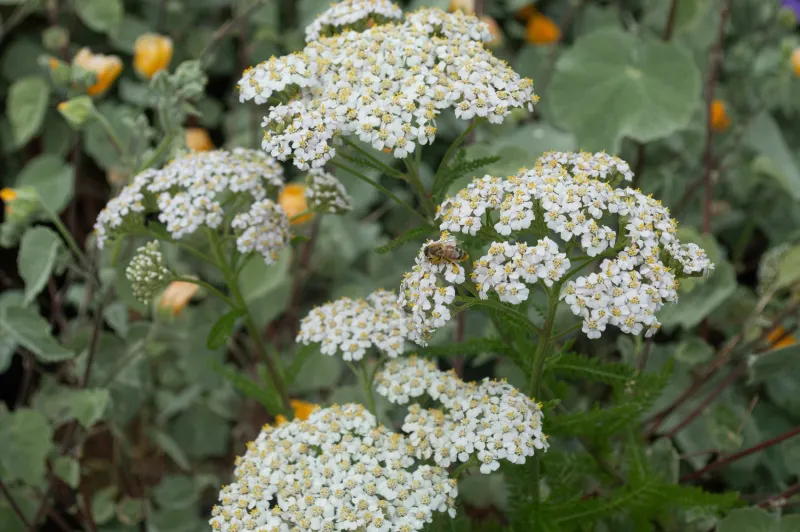
Feathery, fern-like leaves give yarrow away even before it blooms. Native California forms spread by underground stems, knitting a low mat that helps keep topsoil from sliding downhill.
Native plant groups often recommend it for exactly that kind of job. It also proves remarkably forgiving.
Full sun to light shade and well-drained soil suit it best. Once established, it handles dry summers with only occasional water, though a deep drink now and then keeps it greener.
Flat white flower clusters appear in spring and summer, drawing helpful insects. Pink and pale yellow forms add variety for anyone wanting a little extra color.
Yarrow really shines when it comes to rat control. Its foliage stays short and fairly open, leaving little room underneath for a hidden runway.
Mowing or trimming it low a few times a year, especially after flowering, keeps the mat tidy instead of floppy. That simple routine maintains its open character.
Patches work better than one giant carpet. Gravel paths, stepping stones, or bare mulched strips between clumps force any rat crossing the slope into the open.
Yarrow spreads readily, so pulling wandering runners keeps those gaps clear. A quick check each season handles the job.
The plant carries a bit of history, too, since its botanical name honors Achilles, the Greek hero said to use yarrow on battlefield injuries.
On a California slope, its job is calmer, holding the line one root at a time.
2. Creeping Sage Covers A Slope Fast
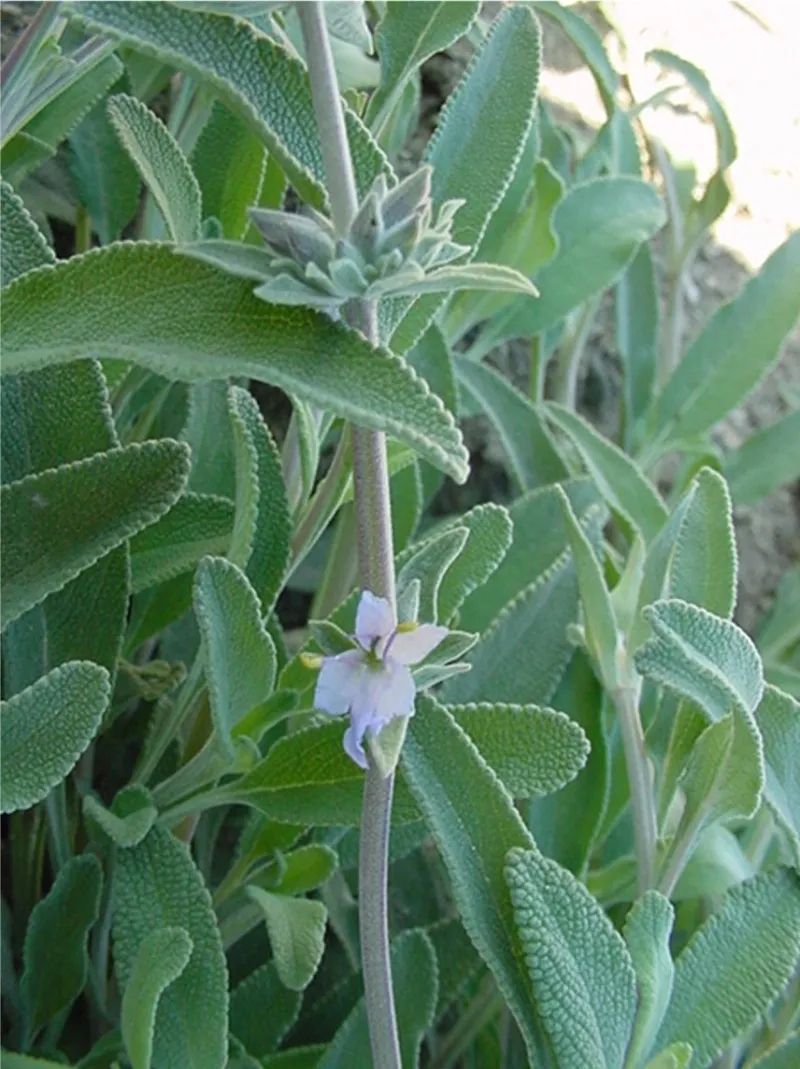
A warm afternoon brush against creeping sage fills the air with a clean, herbal scent. This native forms a low, gray-green mat, and selections like ‘Bee’s Bliss’ and ‘Mrs. Beard’ are favorites for covering dry ground quickly.
The California Native Plant Society points to creeping sage as a solid choice for holding slopes, especially in sunny, dry spots. It spreads outward, rooting as stems touch the soil.
That habit fills bare spots faster than many natives. Full sun or light shade with good drainage suits it well.
Once rooted, it needs little summer water, and too much can lead to rot. Speed brings one challenge, though.
A fast spreader can turn into one big, unbroken blanket within a few seasons. Separate drifts with paths or mulched gaps between them keep that from happening.
Your California Garden Changes Every Week. Your Plan Should Too.
Gardening in California changes quickly throughout the season. Every Friday you’ll receive a simple weekly plan showing exactly what to plant, prune, fertilize, harvest, and protect so you never miss the right timing.
Shearing flower stalks after bloom and trimming the edges prevents stems from piling into thick layers. A short mat leaves rats very little deep cover to work with.
A trimmed patch a few inches tall offers a poor hiding place. Clearing dry leaves and twigs from underneath now and then helps, too.
That debris can shelter critters and add fuel during fire season. Regular tidying keeps both problems in check.
Bees adore the lavender-blue spring flowers, adding another benefit. The slope buzzes with pollinators instead of pests, which makes for a pretty sage trade.
3. Kinnikinnick Hugs The Ground And Roots As It Spreads
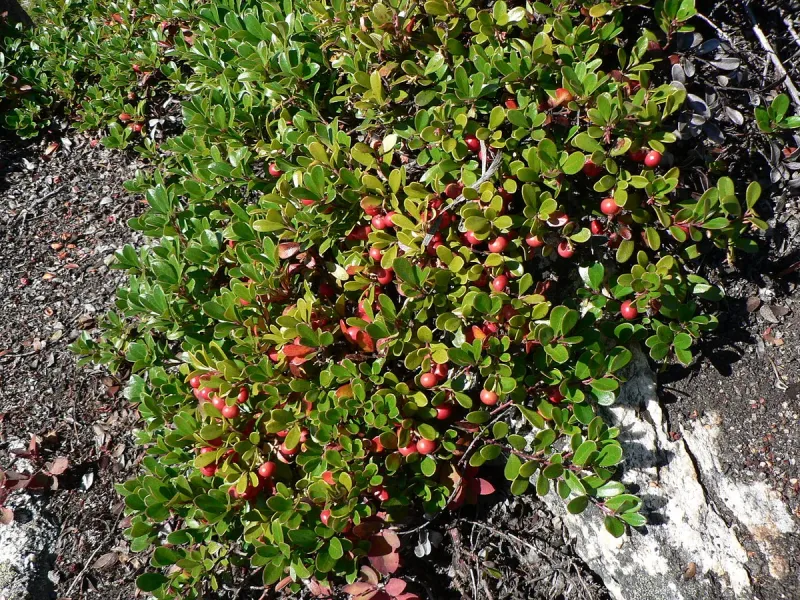
Patience pays off with kinnikinnick. During the first year, it may look like nothing is happening.
Then the glossy little leaves start creeping outward, and the branches root wherever they touch soil. This prostrate manzanita, in cultivars such as ‘Radiant’ and ‘Point Reyes,’ shows up on native groundcover lists for slopes.
Its trailing stems and spreading roots help pin soil in place. That makes it a handsome evergreen swap for ivy.
Pink, bell-shaped flowers appear in late winter, followed by red berries that birds enjoy. Drainage matters more than anything else.
Like other manzanitas, kinnikinnick wants fast-draining soil and very little summer water once established. Soggy clay can lead to rot.
Sun suits it along the coast, while a bit of afternoon shade helps in hotter inland spots. Regular watering during establishment matters, since it can take a few seasons to fill out.
Because it eventually forms a dense mat, a plan helps. Clusters with gravel paths or open mulched strips between them prevent one thick blanket from covering the whole hill.
Stems that wander into paths are easy to lift and snip. Raking out leaf litter underneath now and then keeps the space below open.
The name comes from an Algonquian word for a smoking mixture that included the leaves. Today the plant has a quieter job, guarding the hillside and keeping hidden runways to a minimum.
4. Prostrate Ceanothus Anchors Dry Slopes
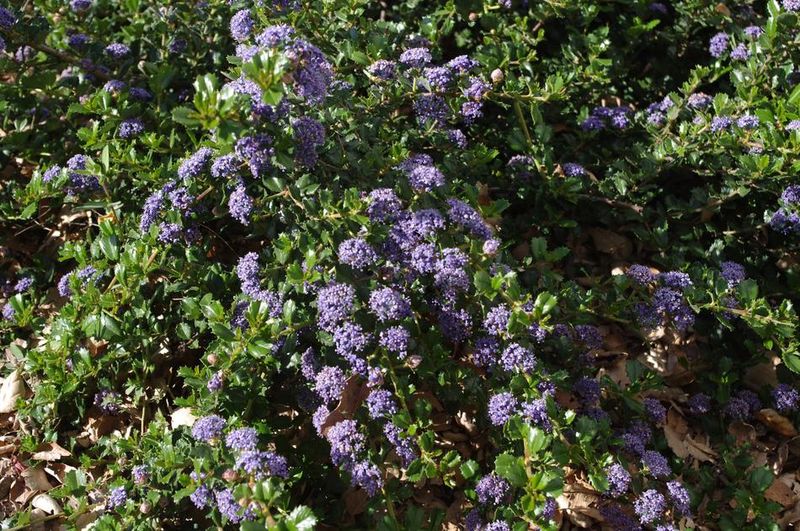
Every spring, certain California hillsides seem to turn blue overnight. That cloud of color often comes from low-growing ceanothus, sometimes called California lilac.
Selections like ‘Yankee Point,’ ‘Carmel Creeper,’ and ‘Anchor Bay’ are low, spreading forms used on dry slopes for erosion control. Their woody branches and deep roots help hold soil in place.
Swapping them in for old ivy gives a slope real structure and spring color without a thirsty vine. They’re picky about two things, though.
Ceanothus needs excellent drainage and wants little to no summer water once established. Regular summer irrigation ranks among the fastest ways to lose these plants.
Full sun suits most forms, with some tolerance for light shade near the coast. Of all the plants here, prostrate ceanothus can grow the thickest.
Some forms mound a couple of feet tall and spread wide. Annual thinning after bloom, removing crowded inner branches and stems that pile on top of each other, keeps it open.
More light under the canopy means less shelter underneath. Setting it back from the foundation helps, too.
A clear, plant-free strip along the house leaves rats exposed right where they’d hope to sneak inside. Space between plants for paths adds more open ground.
Raking out dry leaves below completes the routine. Managed this way, ceanothus anchors the hill and keeps the slope from turning into a rodent hideaway.
5. California Fuchsia Spreads With An Open Airy Habit
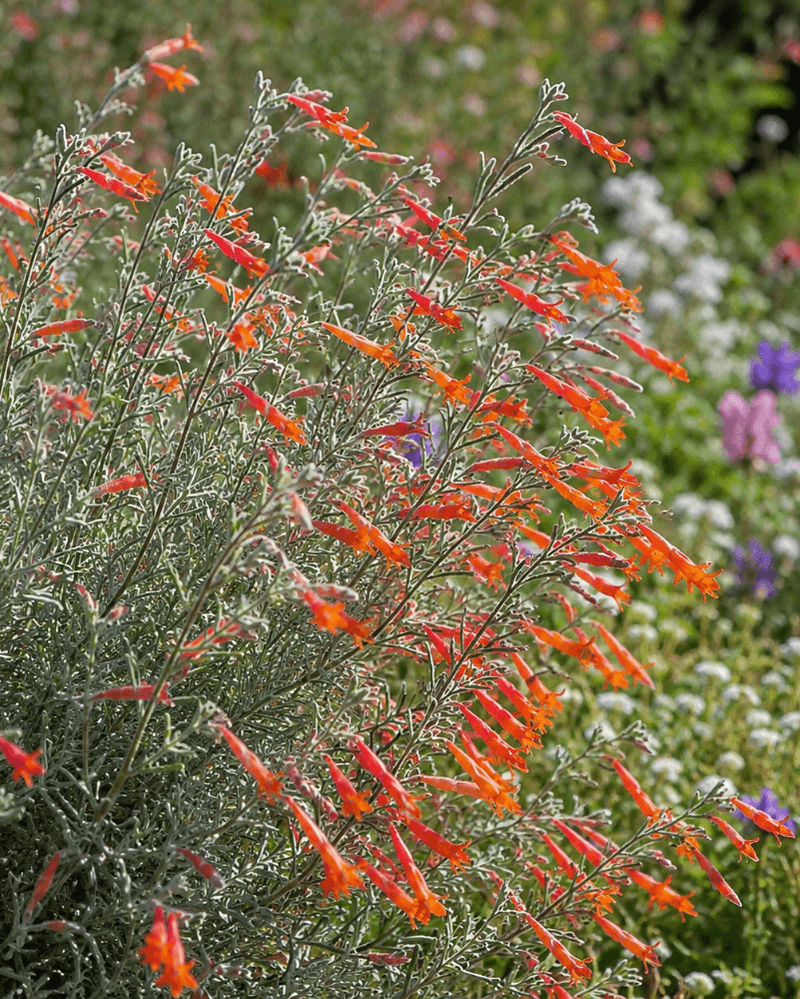
Late summer can leave a native garden looking tired. Right then, California fuchsia lights up with scarlet, trumpet-shaped flowers, and hummingbirds zip in as if they received a text message.
This tough, deep-rooted perennial spreads by underground stems. Those roots help hold soil firmly on sunny slopes, and the plant handles heat and drought well once established.
Full sun and well-drained soil suit it best. Light summer water stretches the bloom into fall, while heavy watering makes it floppy.
Its shape offers a big advantage for rat control. Stems grow fairly loose and open, so the ground underneath often stays visible.
A rat searching for a dark, covered hallway finds little here. Lower-growing cultivars such as ‘Everett’s Choice’ work best on slopes, planted in groups with gaps between them.
A hard cutback once a year keeps things neat and low. Late fall or winter, after flowering ends, makes the usual timing.
Stems trimmed to a few inches above the ground send up fresh, low growth in spring. That beats a tangle of old woody stems.
Clippings deserve prompt cleanup, since piles of dry stems can offer both shelter and fire fuel. Because the plant spreads underground, runners creeping into paths or toward the house are easy to pull.
The payoff is a slope that stays put, glows in autumn, and keeps every visitor out in plain view.
6. Poverty Weed Covers Accessible Slopes
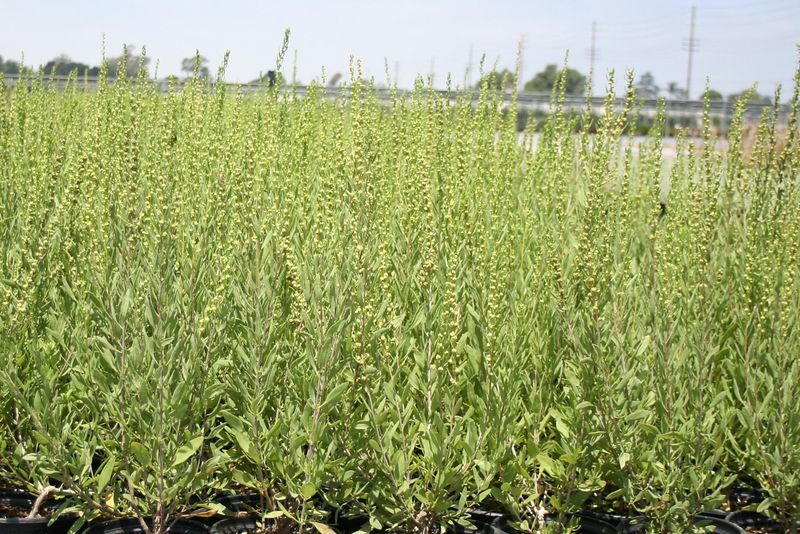
Its name sounds unflattering, yet poverty weed proves rich in usefulness on bare ground. This hardy native earns its keep wherever soil needs holding, even in difficult spots.
Native to Southern California and Baja California, it’s recommended by native plant groups for covering accessible slopes and preventing erosion. Its spreading habit and roots knit soil together.
The plant tolerates a range of soils, including heavier ones that trouble fussier natives. Full sun and dry conditions suit it, with occasional summer water keeping it fresh.
The word accessible matters here. Poverty weed works best on slopes that can actually be walked, since it needs regular trimming to stay in shape.
Paths across the hill serve double duty. They provide access for maintenance while breaking up the planting.
Keeping it trimmed low prevents the foliage from building into a dense, shadowy mound. Broken patches work better than one solid sweep.
Mulched gaps or stepping stones between patches create open bands. Rats crossing those bands have nowhere to duck, which is exactly the goal.
Poverty weed works best as part of a team. Sealed vents, tight trash lids, and quick cleanup of pet food or fallen fruit round out the plan.
Together, those steps let the slope hold its soil while the house stops looking like an all-you-can-eat buffet for rodents. That teamwork delivers results neither approach could manage alone.
7. Creeping Mahonia Handles Shady Slopes
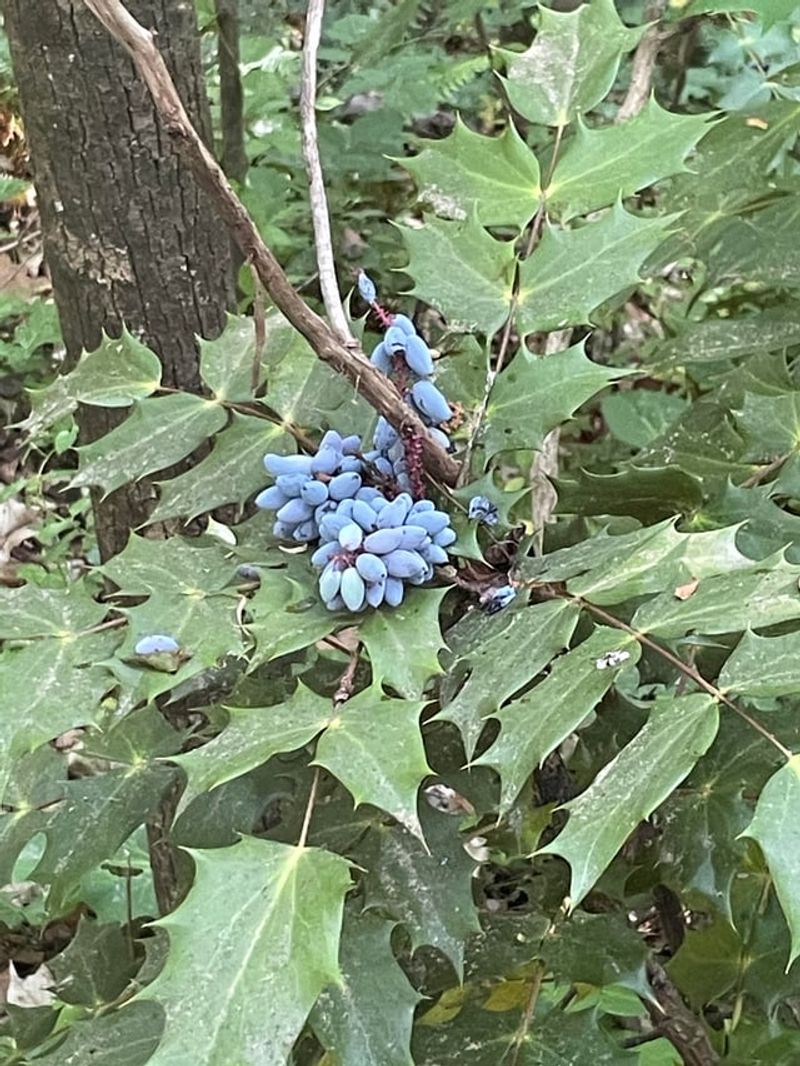
Shady slopes are where ivy often wins by default. Few plants seem willing to grow there, so the vine creeps in and quietly builds a rodent condo under the trees.
Creeping mahonia makes a far better tenant for those spots. This low evergreen spreads by underground stems and handles part shade to full shade well.
Its holly-like leaves are dull blue-green and may blush purple in cold weather. Clusters of yellow spring flowers turn into dark blue berries that birds enjoy.
Soil that drains reasonably well and occasional summer water suit it, especially in hotter inland gardens. Growth starts slowly, so regular watering during establishment matters.
Mulch around young plants protects the soil while they settle. Over time, the spreading stems help hold a shady bank firmly in place.
Height offers another advantage. Creeping mahonia usually stays fairly short, working well as a low ivy replacement in shade.
Cutting back any tall or leggy stems keeps it compact. Spaced groups with open strips or a path between them work better than one thick wall.
Gloves make pruning more comfortable, since the leaf edges carry spines. Long sleeves help during bigger cleanup jobs, especially on steep ground.
The real benefit comes from replacing deep vine cover with a short, broken-up planting. Shady slopes then hold their soil while leaving trouble with few places to hide.
8. Creeping Snowberry Roots As It Runs
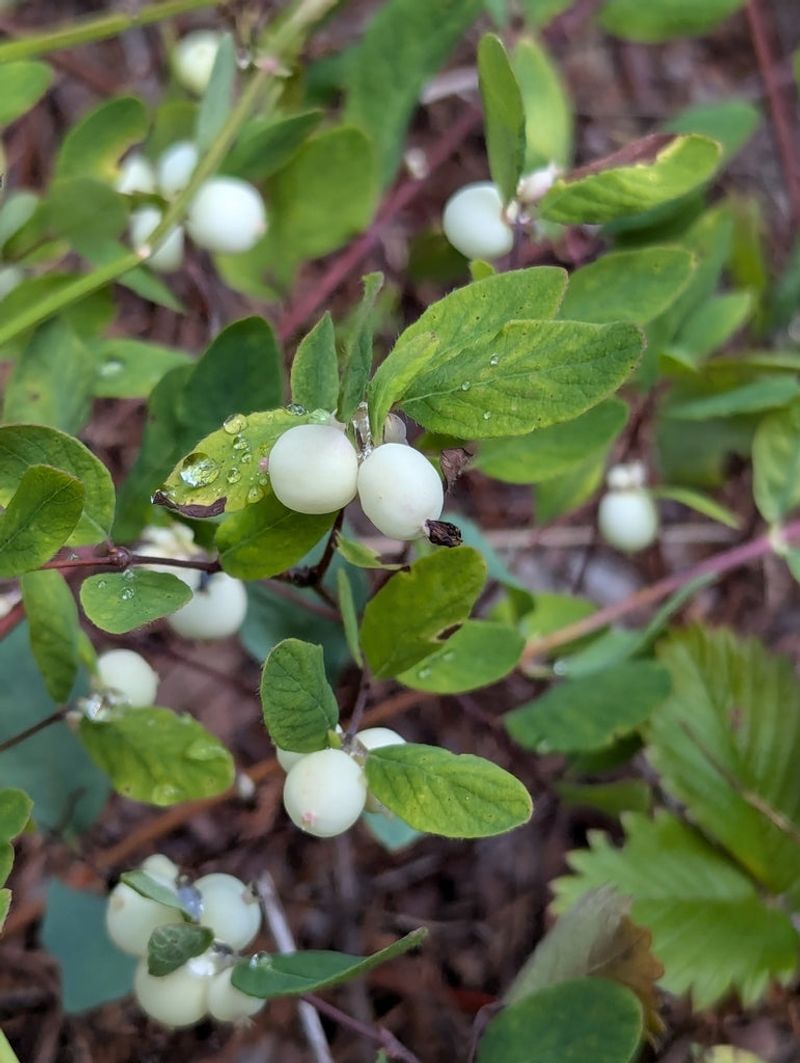
Small white berries in fall give creeping snowberry its name. They look like tiny pearls tucked among soft, rounded leaves, and they often hang on into winter.
Native plant guides describe it as a rapidly spreading groundcover that roots as it runs. It grows well on slopes in shade or part shade, making it a strong partner for creeping mahonia under trees.
Those rooting stems weave through the soil and help hold it during winter rains. The plant handles dry summers once established, though some water keeps it fuller.
Fast spreaders need a firm hand. Left alone, creeping snowberry can thicken into a dense, tangled patch, which works against rat control near a home.
Annual thinning, with older, crowded stems cut out at the base, keeps it open. Trimming taller shoots keeps the planting low.
Distance matters, too. Creeping snowberry belongs well back from walls, fences, and the foundation, and runners that try to cross the clear strip are easy to pull.
Separate pockets with open paths between them work far better than a single sweep across the entire bank. That layout keeps the slope stable and easy to inspect.
The plant loses its leaves in fall across many areas. Raking that litter out from under the stems removes another hiding spot.
A tidy, thinned snowberry slope keeps soil anchored through winter storms. Any rat passing through stays right in the spotlight.
9. Low Open Groundcover Takes Away Rat Cover
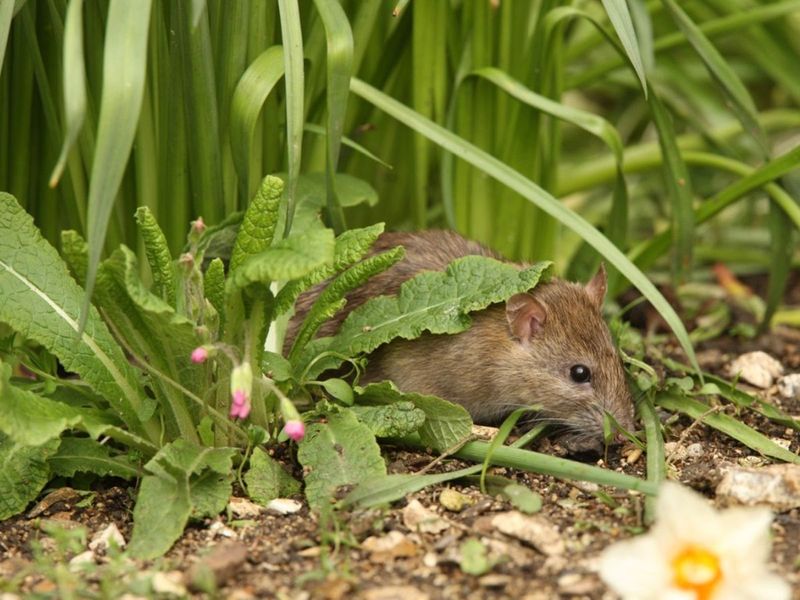
Every plant on this list shares one quiet strength. Each stays fairly low, holds soil with spreading roots, and can be trimmed and spaced to keep the ground beneath it open.
That openness matters more than many homeowners realize. UC IPM Pest Notes explain that rats are strongly attracted to vegetation that grows dense or close to the ground.
Old ivy and thick vine groundcovers offer exactly that. Leaves overhead, a soft tunnel underneath, and a hidden route to the trash cans make a rat’s ideal neighborhood.
Swapping those tangles for yarrow, creeping sage, California fuchsia, and the other natives above changes the picture. Thinner cover makes the habitat far less appealing.
EPA pest management guidance adds a useful detail. Rats tend to avoid crossing open spaces with no cover.
Paths, stepping stones, and mulched gaps between patches force them into view. USDA wildlife guidance notes that open ground leaves rats more exposed to owls, hawks, and cats.
Layout carries as much weight as plant choice. EPA also cautions against large, unbroken expanses of low groundcover, since rats can travel long distances unseen beneath them.
That’s why every plant here works best in separate drifts rather than one continuous carpet. Patches hold the soil while breaking up the hidden hallways.
The result is a slope that pulls double duty, staying put through winter storms while leaving rodents few places to hide. Native roots and open ground make a winning team.