What To Do If You See A Bald-Faced Hornet Nest In Your New York Yard
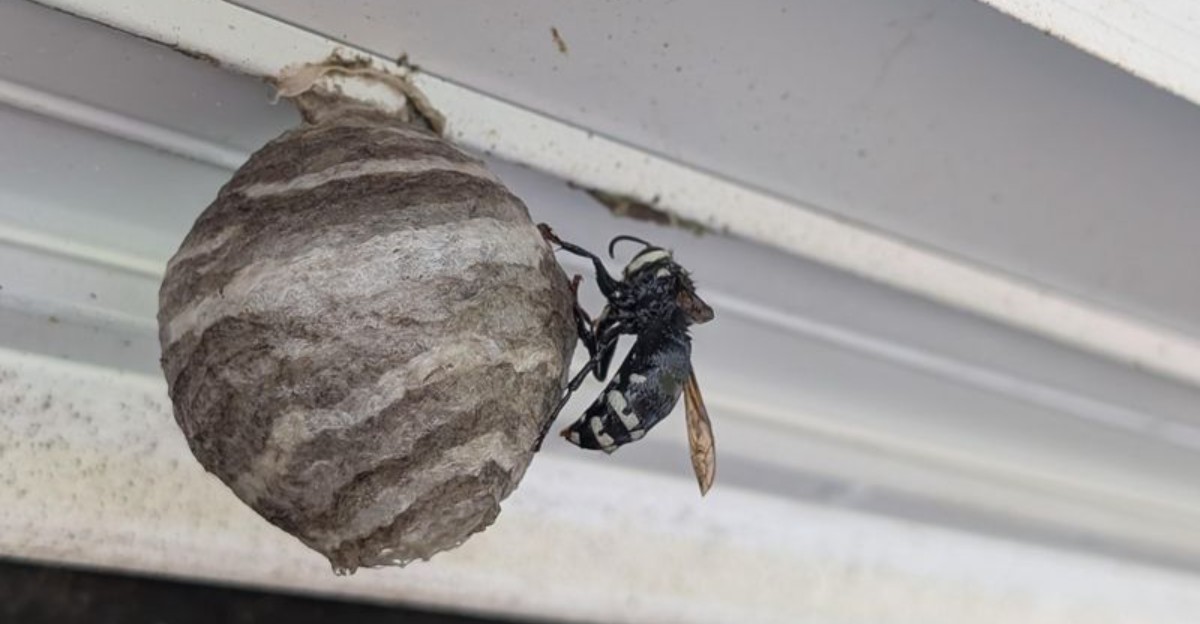
Somewhere above your lawn, a gray paper lantern hums like a tiny engine. You might spot it while mowing, grilling, or chasing a runaway frisbee.
Bald-faced hornets build these striking nests all over New York, and they guard them with real attitude. Getting too close can turn a calm afternoon into a sprint for the back door.
Luckily, handling the situation wisely doesn’t take fancy gear or a hazmat suit. Most of the work comes down to patience, smart observation, and knowing when to call for backup.
Some nests deserve a quick response, while others can sit quietly until the first hard frost ends the colony. Where the nest hangs makes all the difference.
1. Confirm They’re Bald-Faced Hornets First
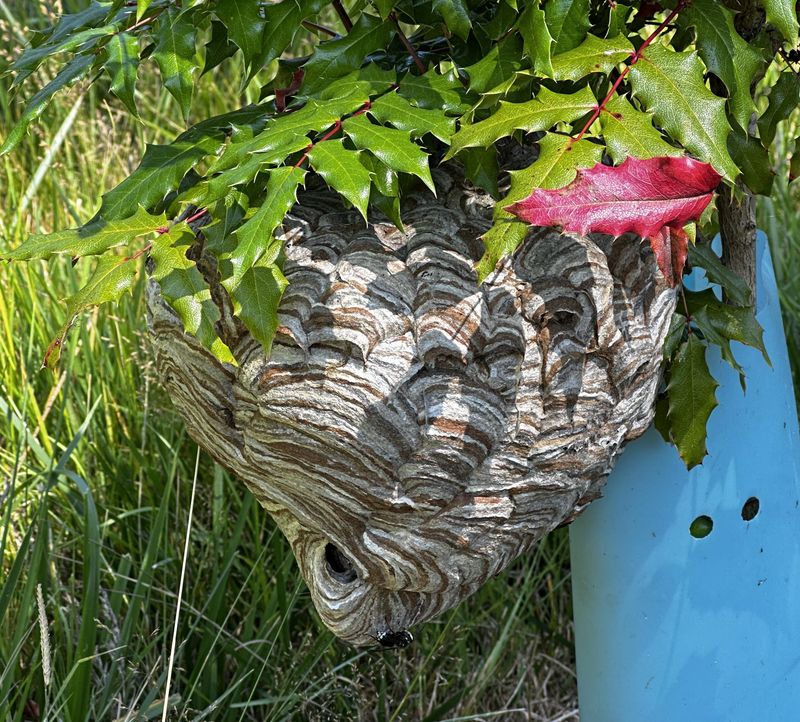
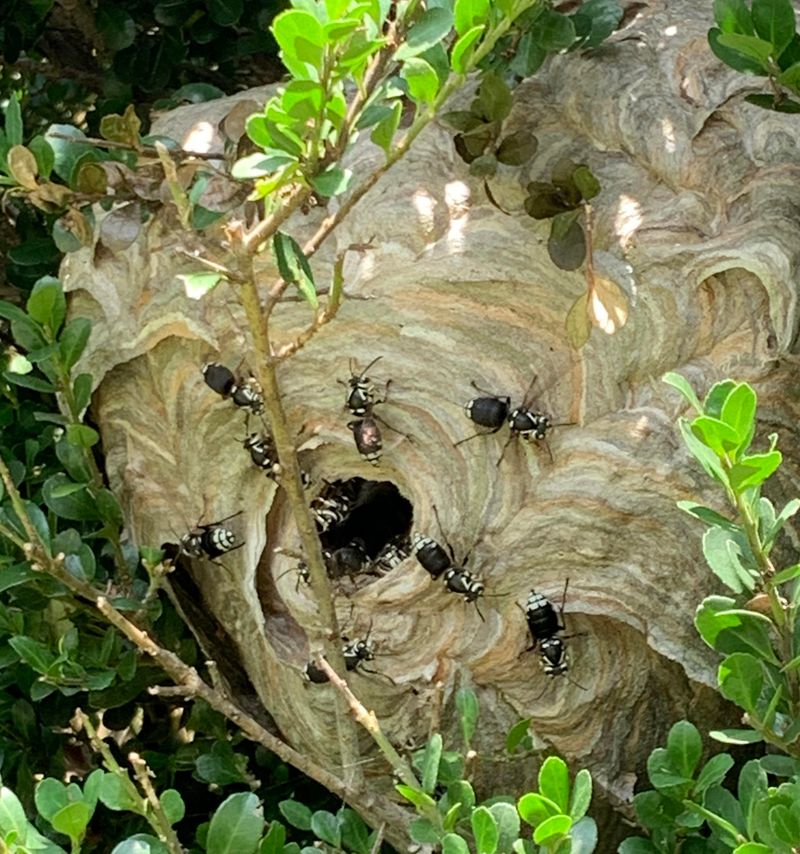
Picture a tiny insect wearing a tuxedo with a bright white mask. Bald-faced hornets look sharp, and their colors are your first clue.
Their bodies are mostly black with ivory or white markings. You will see the pale color on the face, the middle section, and the tail tip.
Workers measure about one half to five eighths of an inch long. That makes them bigger than most yellow jackets buzzing around your picnic table.
Bees look fuzzy and round, but these hornets look smooth and shiny. Paper wasps have a very skinny waist, while bald-faced hornets look thicker through the middle.
Plenty of stinging insects share New York yards with them. Yellow jackets wear bold yellow and black stripes and often nest underground or inside walls.
European hornets are another lookalike worth knowing. They grow to about one to one and a half inches, with brownish and muted yellow colors.
Paper wasps come in black, brown, yellow, or orange shades. Their nests look like open umbrellas, with the little cells showing underneath.
Why does the name matter so much? Each insect behaves differently, and the right plan depends on who moved in.
Grab binoculars or zoom in with your phone camera from far away. A clear photo lets you compare markings without stepping into the danger zone.
Local extension offices, like Cornell Cooperative Extension, can help with tricky identifications. Sending a picture to them is free and surprisingly quick.
2. A Gray Paper Football Shape Is The Giveaway
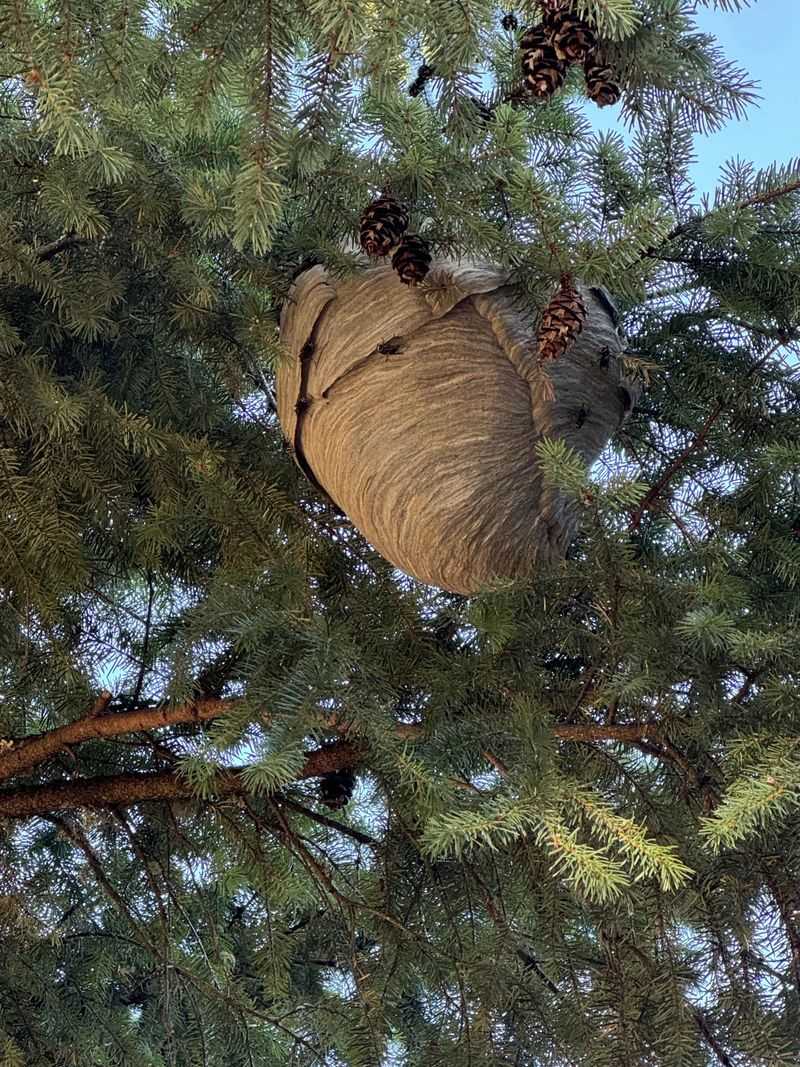
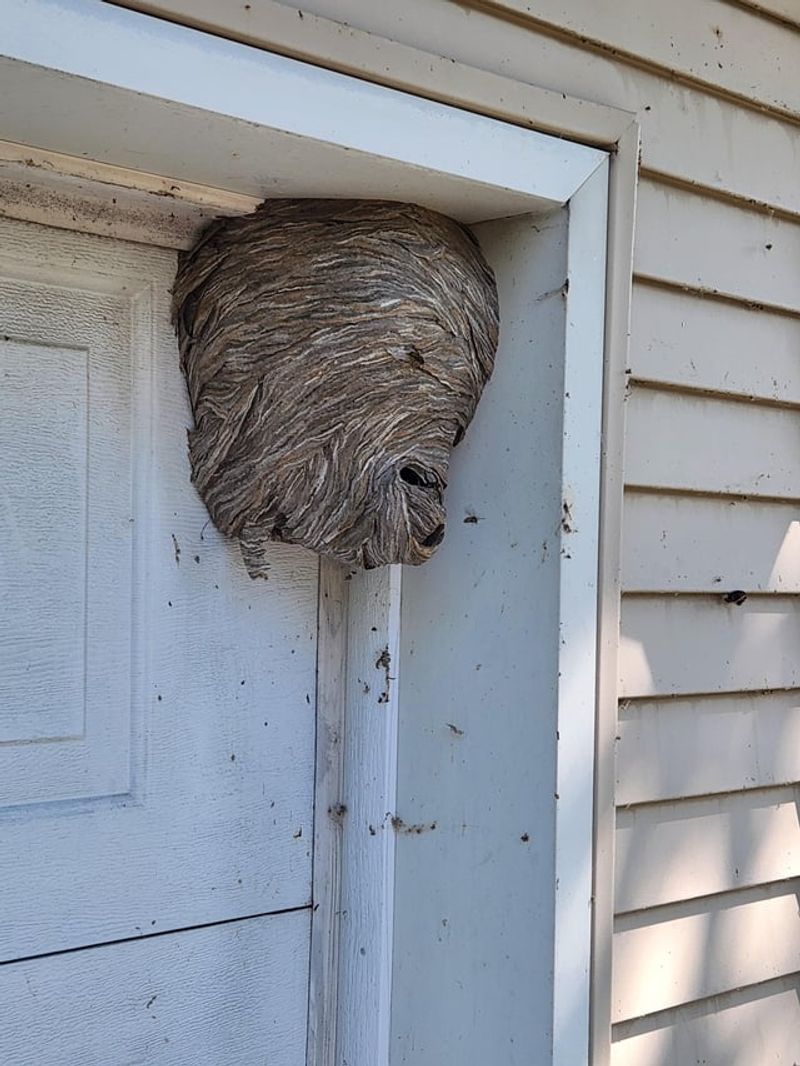
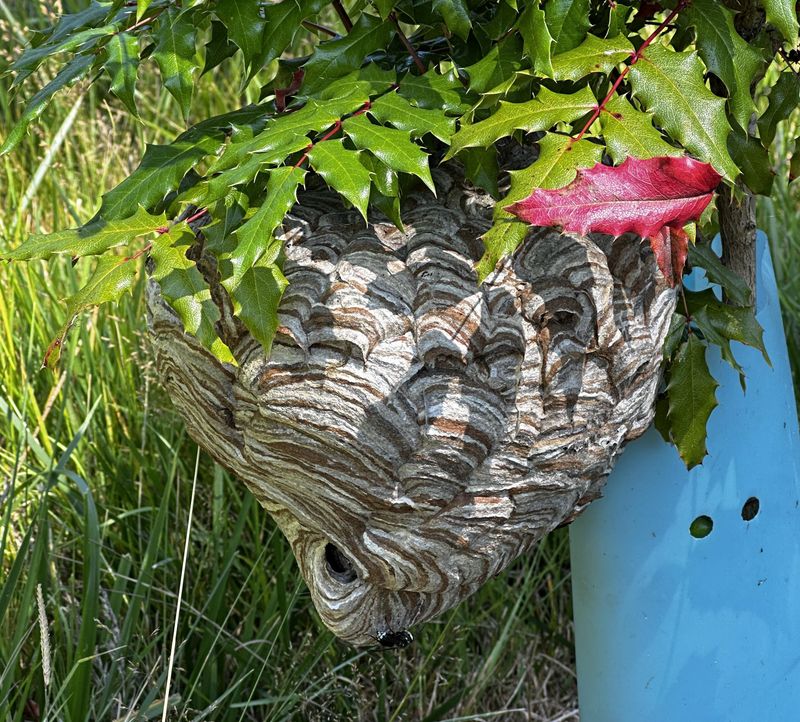
Honestly, the nest often announces itself before the hornets do. It looks like a gray paper football dangling upside down from a branch.
Hornets build these homes from chewed wood fibers mixed with saliva. The result looks like swirly, layered paper with soft gray and tan stripes.
Sizes vary a lot over a single season. A spring nest may fit in your palm, but late summer nests get huge.
Some reach about 24 inches long and 30 inches around. Imagine a basketball made of paper, hanging quietly above your flower bed.
Location gives you another strong hint. Bald-faced hornets usually build at least three feet off the ground.
Look in trees, shrubs, and thick hedges first. Utility poles, house eaves, porch ceilings, and outdoor light fixtures are also popular spots.
Every nest typically has one small opening near the bottom. Hornets zip in and out of that single doorway all day long.
Your New York Garden Changes Every Week. Your Plan Should Too.
Gardening in New York changes quickly throughout the season. Every Friday you’ll receive a simple weekly plan showing exactly what to plant, prune, fertilize, harvest, and protect so you never miss the right timing.
Fun fact for curious kids: people sometimes call these insects paper makers. Watching wasps chew wood inspired an 18th-century scientist’s idea for making paper from wood pulp.
Underground holes usually point to yellow jackets instead. Open, honeycomb-style nests under railings typically belong to paper wasps.
Many homeowners first notice these nests in fall. Once leaves drop, a nest that hid all summer suddenly appears in plain view.
Snap a photo from a distance and note the height. Those details help you or a pro decide what happens next.
3. Keep Everyone A Safe Distance Back
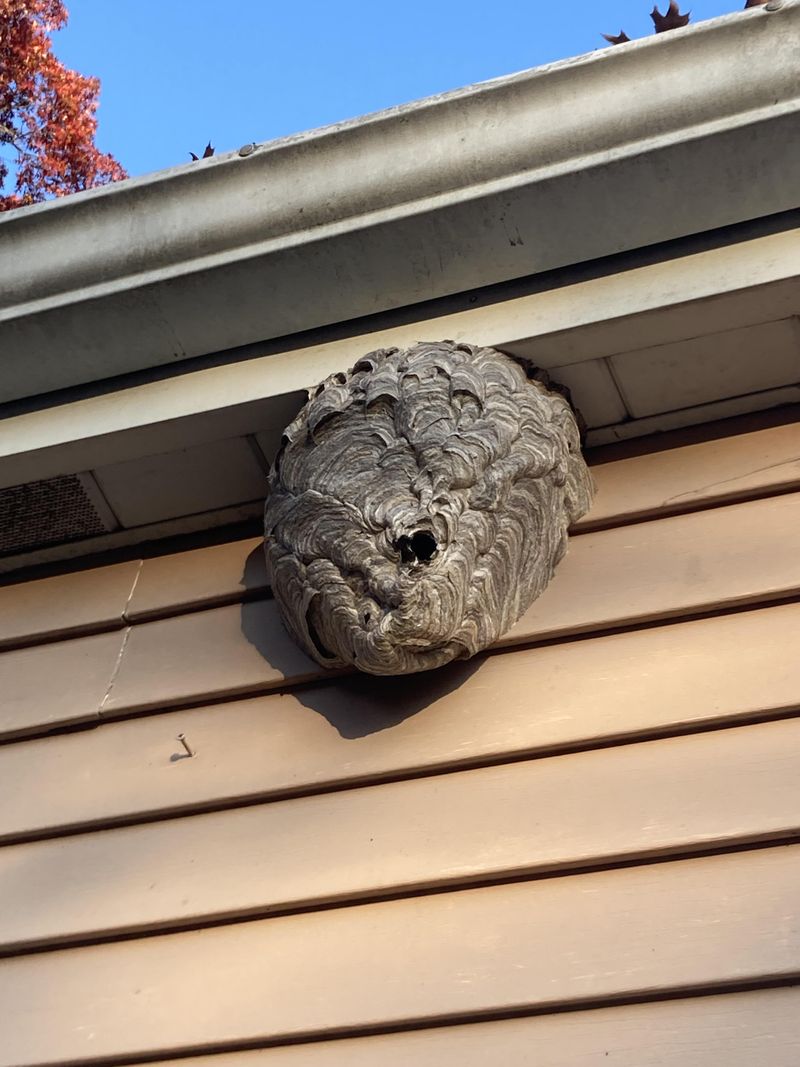
Think of the nest as a castle with very grumpy guards. Bald-faced hornets defend their home fiercely, and they act faster than paper wasps.
Experts suggest staying at least 16 feet away from an active nest. Many recommend 10 to 20 feet or even more for extra safety.
Late summer brings the most defensive colonies of the year. Big nests have more guards, and those guards take their job seriously.
Noise and shaking can set them off from surprising distances. Lawn mowers, leaf blowers, and string trimmers send vibrations right through branches.
Mark the area so nobody forgets about it. Garden stakes with bright ribbon or a short stretch of caution tape work well.
Talk with kids in simple, calm words. Explain where the nest is and ask them to play on the other side of the yard.
Pets need protection too, since curious dogs love sniffing bushes. Keep them leashed near the area until the problem gets handled.
Neighbors deserve a quick heads up as well. A friendly text keeps them from trimming a shared hedge and getting a nasty surprise.
Move outdoor toys, grills, and patio chairs if they sit close by. Every bit of extra space reduces accidental bumps and scares.
Hold off on mowing near the nest for now. Tall grass in one corner looks far better than a swarm chasing you across the lawn.
4. Never Throw Rocks Or Spray Water At It
Movies make knocking down a nest look funny. Real life feels much less funny when an angry swarm pours out.
Rocks, sticks, and garden hoses all count as attacks to these hornets. One hit tells the whole colony that their home is under siege.
Disturbed hornets release alarm pheromones into the air. Those chemical signals call more workers out to join the defense.
Bald-faced hornets have smooth stingers, unlike honeybees. A single hornet can sting again and again without harming itself.
Multiple stings bring pain, swelling, redness, and itching. For some people, the venom triggers severe allergic reactions called anaphylaxis.
Warning signs of a serious reaction include trouble breathing and a swollen throat. Hives spreading across the body also call for emergency help right away.
Kids may feel tempted to poke at a nest for fun. Gently explain that the hornets will chase, and they fly faster than people run.
Fireworks, smoke, and gasoline are also bad ideas. Those methods cause fires and injuries far more often than they solve hornet problems.
Got stung anyway? Wash the area with soap and water, then apply a cold pack to reduce swelling.
Remove yourself from the area first if stings start. Walk quickly indoors or into a car, since hornets may follow for a short distance.
Keep an antihistamine in your first aid kit during summer. Anyone with known allergies should carry their prescribed epinephrine pen outdoors.
5. Don’t Block The Entrance
Plugging the hole sounds clever at first. Unfortunately, trapped hornets get creative, and their creativity can land inside your house.
Nests in walls or attics cause the biggest trouble. Blocked hornets may chew through drywall looking for a new exit.
Imagine finding a dozen angry hornets in your living room. That scenario happens more often than most homeowners would guess.
Hanging nests carry risks too when someone tries taping or stuffing the opening. Standing close enough to block it puts you right at the front door.
Guards stationed near the entrance react within seconds. Even a slow approach usually ends with the defenders rushing straight at you.
People who attempt treatment themselves often spray the outside of the nest. That mistake angers the colony without reaching the hornets hiding deep inside.
Proper treatment targets the opening itself, usually at night. Most hornets rest inside after dark, so the product reaches more of them.
Still, nighttime work comes with its own dangers. Ladders, darkness, and falling insects make the job risky for anyone without training.
Leave the doorway clear while you decide on a plan. Hornets with a familiar path stay calmer and more predictable.
Spot hornets entering a gap in your siding? Mark the location and call a pro instead of grabbing caulk.
Seal cracks and gaps later in the year, after activity stops. Fresh caulk in winter helps keep next season’s queens from moving in.
6. Watch From Afar To Judge How Busy It Is
Grab a lawn chair, some lemonade, and a pair of binoculars. A little bird-watching style patience tells you a lot about your new neighbors.
Pick a warm, sunny afternoon for the best view. Hornets fly most actively when the weather feels pleasant and bright.
Focus on that single opening at the bottom of the nest. Count how many hornets zip in or out over one minute.
A few visitors per minute suggests a young or small colony. Constant traffic means a thriving nest packed with busy workers.
Timing matters here in New York. Colonies usually reach their largest size in late summer and early fall.
During that peak, a single nest can hold hundreds of hornets. Their defensive mood also rises as the colony grows bigger.
Spring nests look tiny by comparison, sometimes the size of a golf ball. A lone queen may handle all the building herself in May.
Write down what you notice in a notebook or phone app. Note the date, nest size, and how many hornets you counted.
Those simple notes help pest professionals plan the right approach. They also show whether the colony is growing or slowing down.
Watch from a window if outdoor viewing feels too close. Glass between you and the hornets gives extra peace of mind.
Children often enjoy this part as a backyard science project. Just keep them indoors or far back while they observe.
7. Leave It Alone If It’s Far From Doors And Walkways
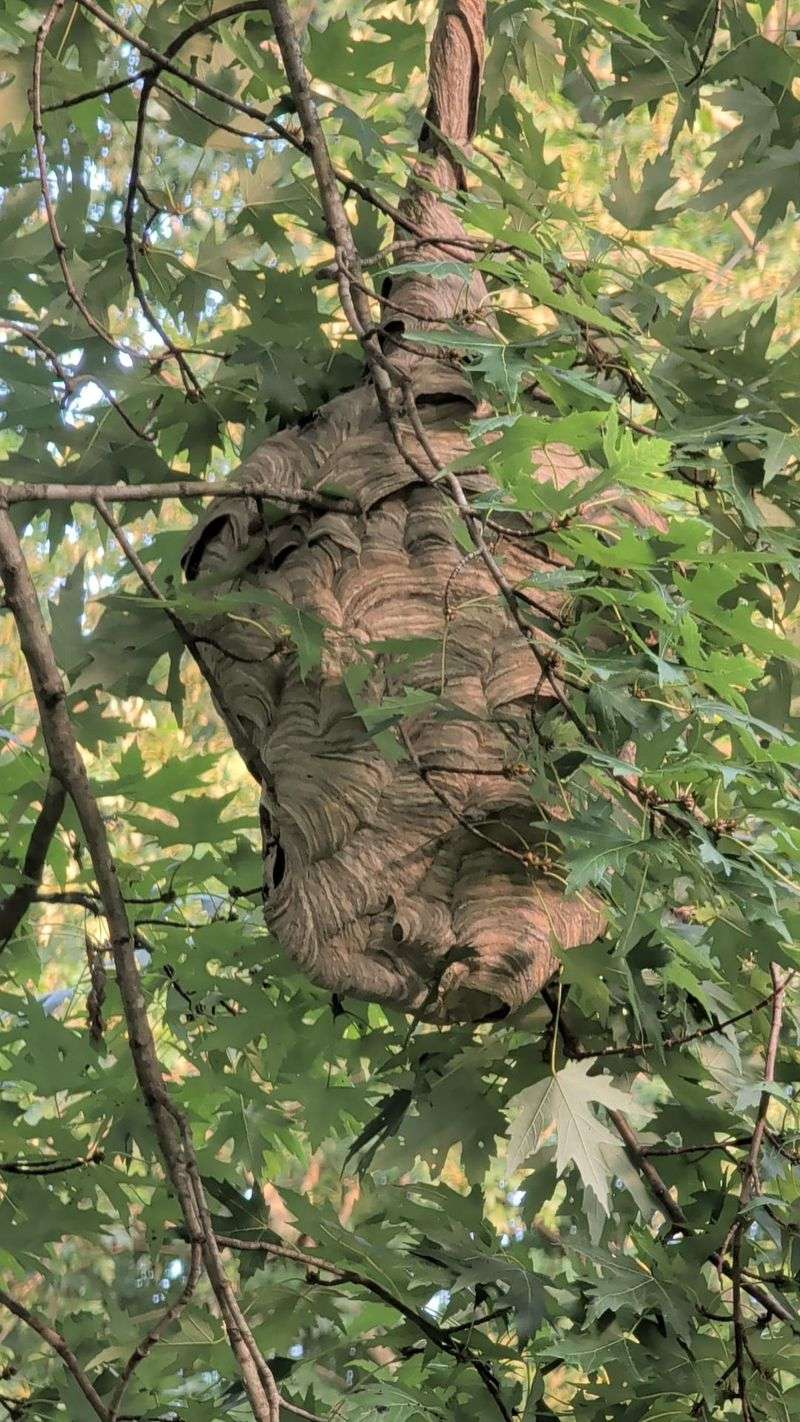
Sometimes the smartest move is simply doing nothing. A nest tucked in a far corner may cause zero trouble all season.
Look at where the nest hangs compared to daily traffic. Doors, walkways, decks, and play areas are the spots that matter most.
One cabin owner found a nest about 30 feet from the entrance. The hornets ignored everyone, and the family enjoyed a peaceful summer.
Bald-faced hornets actually help your yard in sneaky ways. They hunt flies, caterpillars, aphids, and even pesky yellow jackets.
Gardeners in upstate New York often appreciate that free pest control. Fewer caterpillars can mean healthier tomatoes and leafier kale.
These hornets also sip nectar from flowers in late summer. Along the way, they help with pollination, much like bees do.
Leaving the nest still requires a few simple habits. Skip mowing or trimming right next to it until frost arrives.
Tell family members and guests where the nest sits. A quick reminder prevents someone from wandering over to pick berries nearby.
Check on the colony every week or so from a distance. If the hornets start building closer to the house, rethink your plan.
Remember that the colony runs on a seasonal clock. Waiting a few months often solves the problem naturally and for free.
Patience saves money and protects helpful insects too. Plenty of homeowners find that peaceful coexistence works surprisingly well.
8. Call A Professional If It Hangs Near Doors Or Play Areas
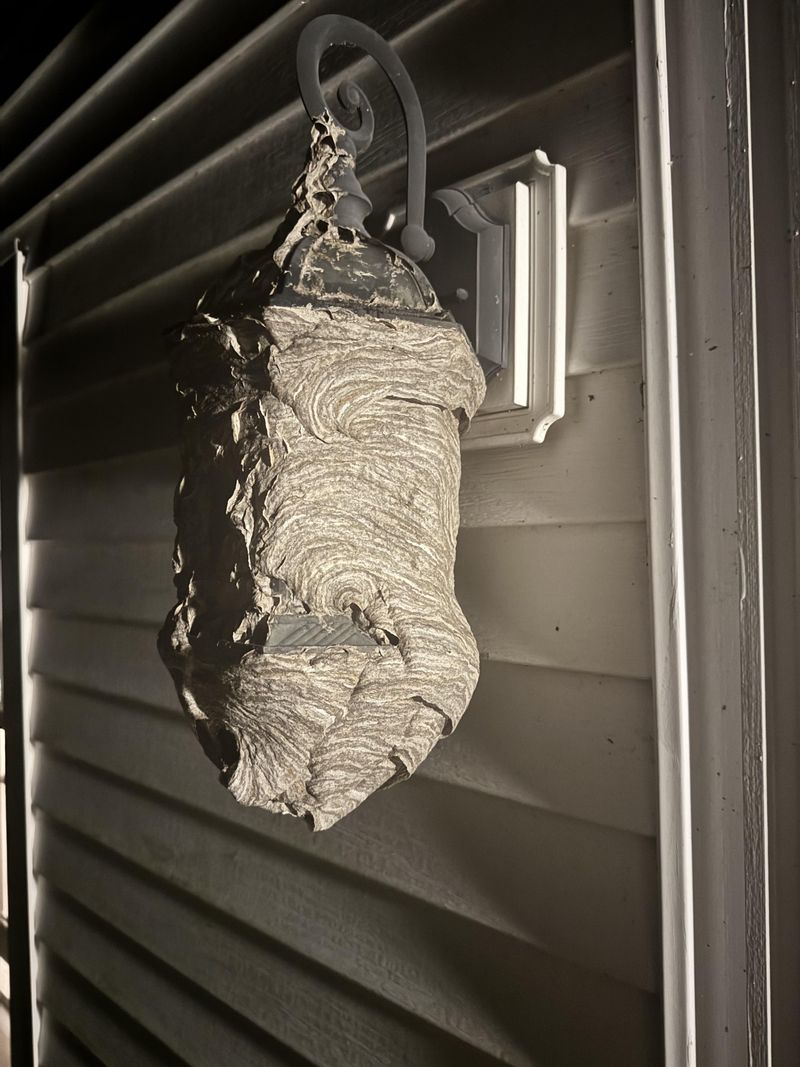
A nest above the front door changes everything. Every trip in and out becomes a gamble with a hive of stingers.
Play sets, porches, garages, and busy walkways all fall into this danger category. Close quarters mean someone will eventually bump into the hornets.
Allergies raise the stakes even higher. If anyone at home reacts badly to stings, call for help right away.
Trained pest pros have protective suits, long tools, and the right products. They handle these nests regularly and know how colonies react.
Many technicians inspect during daylight and treat after dark. Night removal works better because most hornets rest inside the nest.
Local companies serve Long Island, Westchester, Rockland, Nassau, and Orange County. Ask friends or neighbors for recommendations if you feel unsure.
Renters in New York City have another option. Landlords often must handle nests on the outside of multi-unit buildings.
Before hiring, ask a few simple questions. Find out what products they use and whether pets need to stay inside.
Get a clear price quote ahead of time as well. Some companies offer guarantees if hornets return within a set period.
Do-it-yourself removal of an active nest carries serious risk. Swarming hornets can deliver many stings in seconds, even through clothing.
Spending a little money now beats an emergency room visit later. Your family’s safety deserves the peace of mind a professional brings.
9. Wait For A Hard Frost To End The Colony
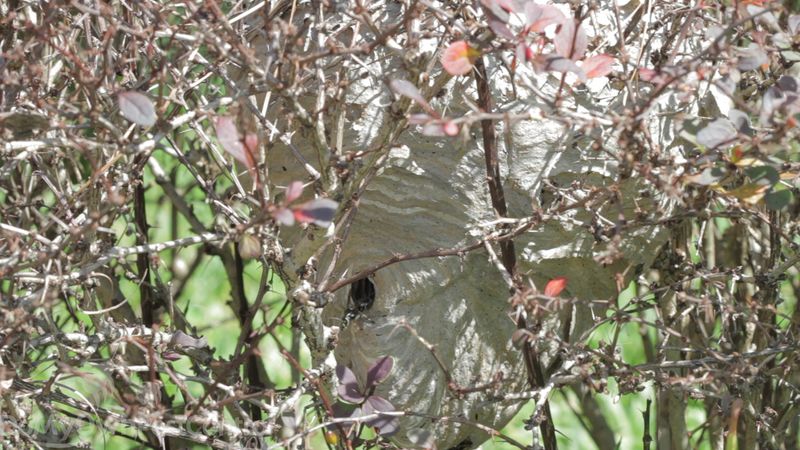
Mother Nature has her own pest control schedule. In New York, the first hard frost wraps up the hornet season.
Each colony lives for just one year. Every spring, a single queen wakes up and starts building a brand new nest.
She lays eggs and raises the first workers herself. Soon those workers take over foraging and expanding the paper walls.
By late summer, the nest produces new queens and males. They fly off to mate and carry the family line forward.
Cold weather then works its magic. The workers, males, and old queen perish as temperatures drop below freezing.
Only newly mated queens survive the winter. They hide in hollow logs, rock piles, loose bark, and sometimes attics.
Here is a neat bit of trivia: hornets do not reuse old nests. Each spring brings fresh construction from scratch.
Hard frosts in New York usually arrive between October and November. Northern and higher areas may see them earlier than coastal towns.
Watch the weather forecast as fall settles in. Temperatures around 28 degrees or lower generally count as a hard frost.
After a few cold nights, check the nest from a distance. Little or no traffic at the opening means the colony has wound down.
Waiting works best for nests that pose low risk. It costs nothing and lets nature handle the heavy lifting.
10. Knock It Down After Winter, Not Before
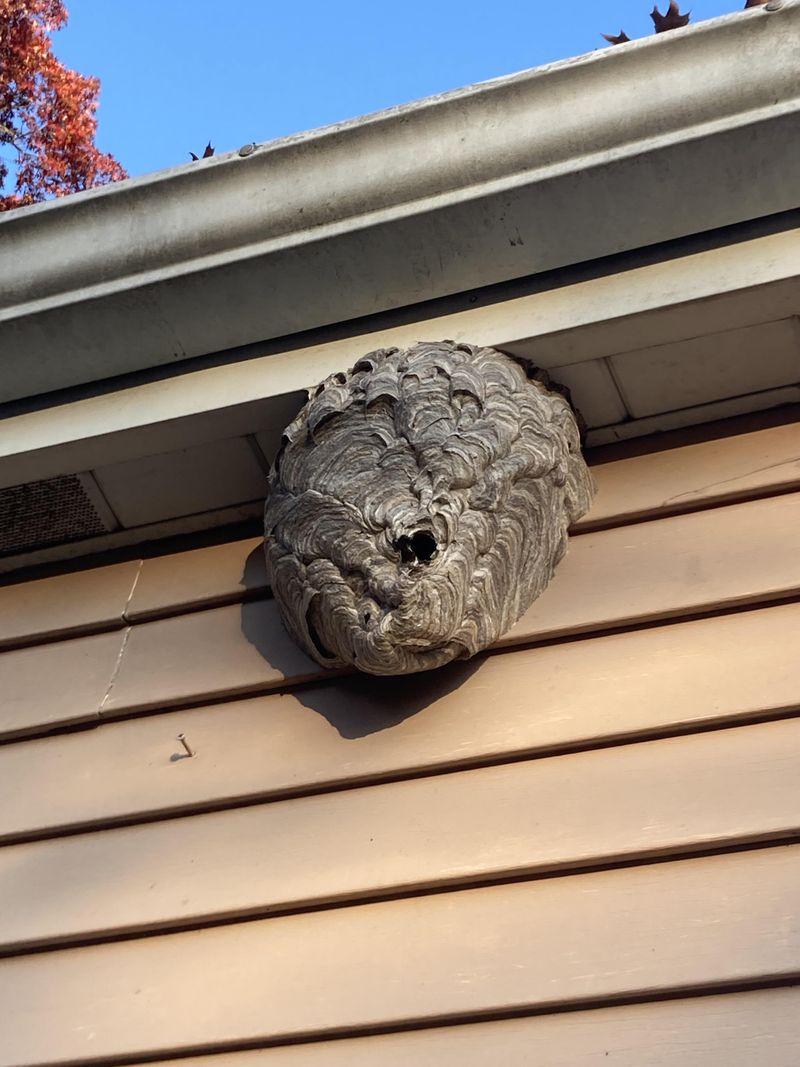
Winter turns that scary nest into a harmless paper sculpture. Some people even keep empty ones as quirky nature decorations.
Removal works best after a hard frost has ended all activity. Late fall or winter gives you the safest window of the year.
Watch the opening for a few days before touching anything. No hornets coming or going means the colony is finished.
Wear gloves, long sleeves, and safety glasses anyway. A few sluggish stragglers might still cling inside on milder days.
Use a long pole or pruning saw for high nests. Clip the supporting branch rather than tearing the paper apart overhead.
Seal the nest in a heavy-duty garbage bag. Some folks crush it first, while others burn it where local rules allow.
Leaving it up won’t invite a new colony next spring. Old nests stay empty, and birds often pick them apart for snacks.
Chickadees and woodpeckers love searching old nests for leftover larvae. You may find the paper shredded by February.
Use the quiet season to prevent future visitors. Seal attic gaps, trim overgrown shrubs, and check eaves around your home.
Early spring inspections help catch new nests while they’re tiny. A golf ball sized nest is much easier for pros to handle.
With a smart plan, your yard can feel relaxing again. Next summer, you’ll know exactly what to do.