Beech Leaf Disease Is Spreading In Ohio – Check Your Beech Trees Before The Leaves Drop
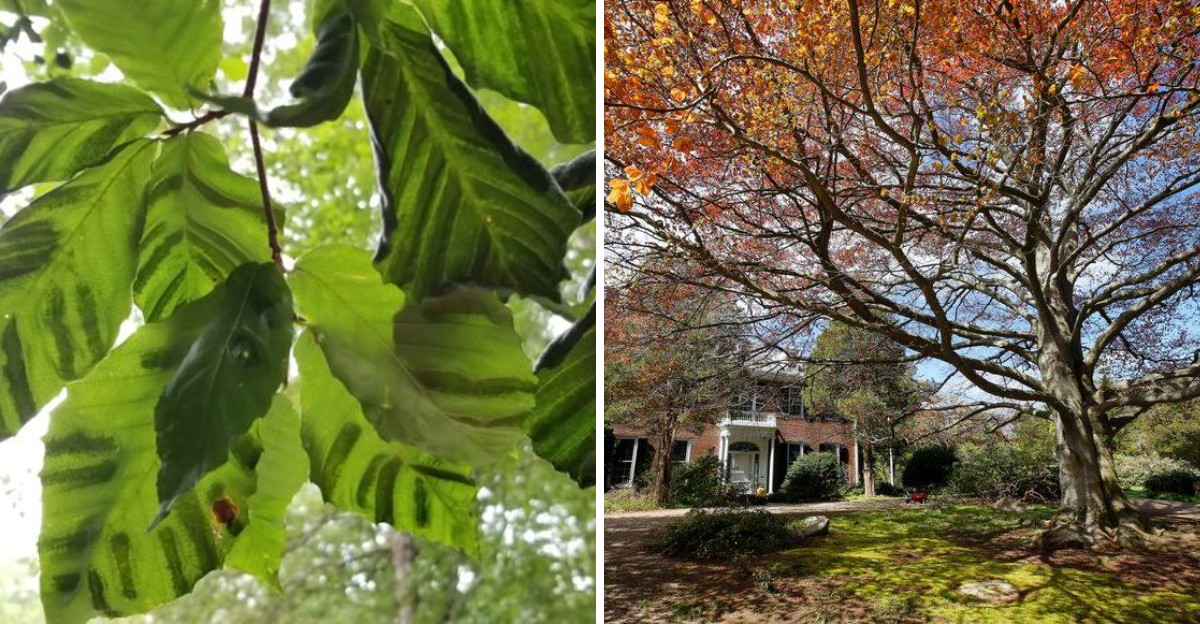
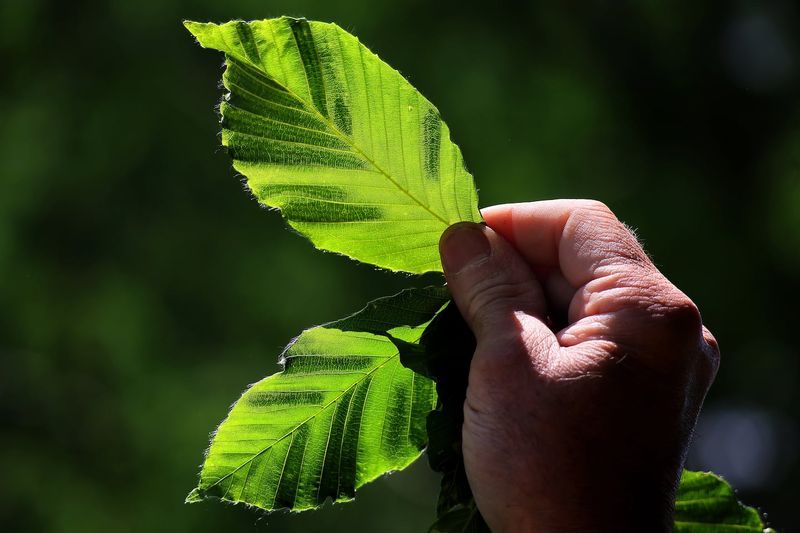
Hold a beech leaf up to the light, and what looks like a solid green blade may show you dark stripes running between the veins like a bad barcode.
Ohio woods are watching a quiet drama play out in the canopy. A newcomer is working through beech stands, and the early signs hide in plain sight on a leaf most people never flip over.
By the time the tree looks sick from the street, the problem has been rolling for years.
Fall gives you a short window to catch it. Once the leaves hit the ground, the best evidence goes with them, and the tree keeps its secrets until spring.
Beech groves give a lot of wildlife a place to eat and shelter, so a single sick tree can ripple outward.
Grab a stepladder or a pair of binoculars this week. A close look now beats a surprise later.
1. Beech Leaf Disease Was First Found In Lake County In 2012
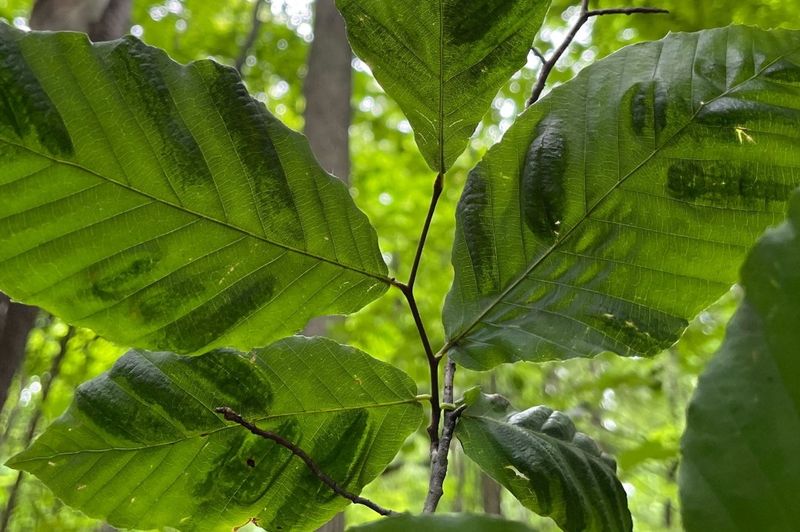
Back in 2012, a forest worker in Lake County noticed something odd about the beech trees growing near Lake Erie. The leaves had strange dark stripes, and nobody could explain what was going on.
That moment marked the first time Beech Leaf Disease was spotted anywhere in North America. Scientists jumped in quickly, but it took several years of study to figure out what was behind the damage.
Since then, the problem has crept across many counties in northeastern Ohio. It has also traveled into other eastern states and even parts of Canada, which shows how fast it can move.
Some central Ohio spots, like Franklin County, had not reported cases at last check. Neighboring counties are seeing it, though, so folks in those areas should stay alert and keep watching.
Here is a fun bit of history for you. Ohio has become a kind of outdoor classroom, with researchers from many states visiting Lake County woods to learn how the problem started.
For homeowners, the lesson is simple and practical. Learn what a healthy beech looks like now, so changes stand out later, and report suspicious trees to the Ohio Department of Natural Resources.
Snap a few photos of your trees each summer to build a handy record. Comparing pictures from year to year makes slow changes much easier to notice.
2. A Microscopic Leaf Nematode Causes It
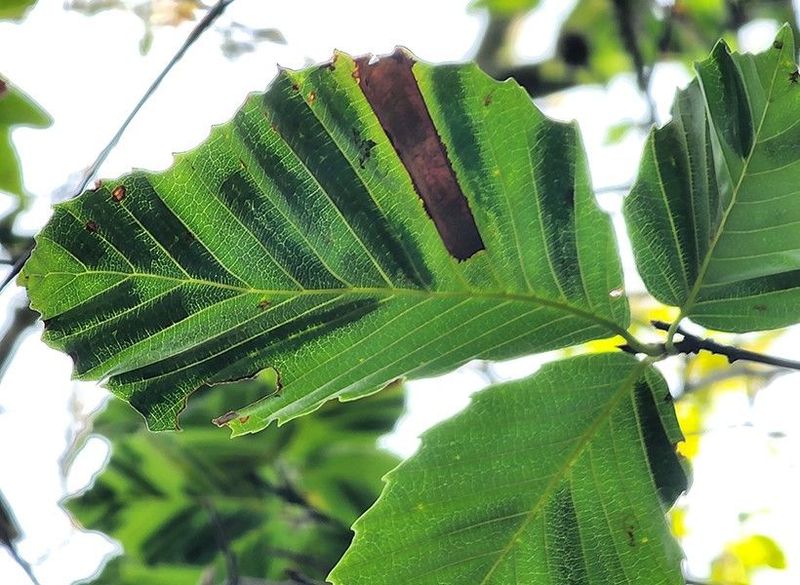
Imagine a worm so small that hundreds could fit on the head of a pin. Meet Litylenchus crenatae mccannii, the tongue-twisting nematode behind Beech Leaf Disease.
Nematodes are tiny roundworms, and most kinds live harmlessly in soil. This one is different, because it moves up into beech trees and settles inside the buds.
During fall and winter, the worms hide and multiply in those snug little buds. It is like a cozy winter cabin, except the guests are chewing on next year’s leaves.
Most of the harm happens before a leaf even opens. By the time spring arrives, the damage is already baked in, and the leaves unfold looking twisted or striped.
Your Ohio Garden Changes Every Week. Your Plan Should Too.
Gardening in Ohio changes quickly throughout the season. Every Friday you’ll receive a simple weekly plan showing exactly what to plant, prune, fertilize, harvest, and protect so you never miss the right timing.
Researchers are still learning how the worms travel from tree to tree. Wind, rain, birds, and even people moving plants may play a part in carrying them around.
So what can you do with this knowledge? Avoid moving beech plants or branches from infected areas, and clean pruning tools between trees to lower the chance of spreading trouble.
Understanding the culprit also explains why timing matters so much. Since the worms head into buds late in the season, late summer and fall care can make a real difference.
Knowing your enemy is half the battle, as the old saying goes. With this tiny troublemaker, it might be more like knowing where it sleeps.
3. Look For Dark Bands Between The Leaf Veins
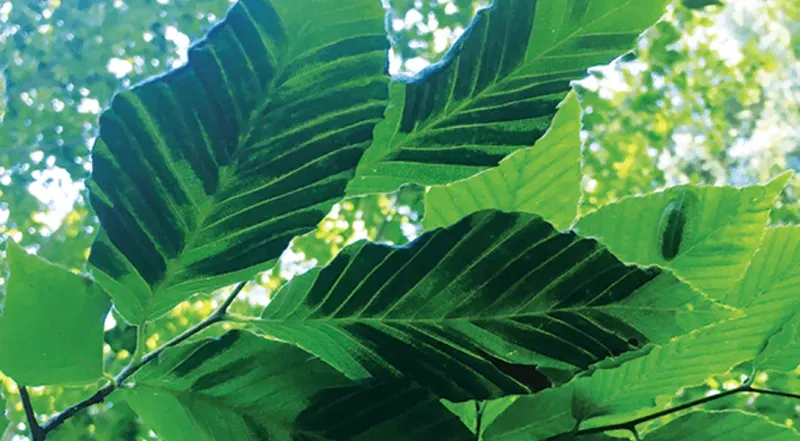
Hold a beech leaf up and look closely, almost like you are reading a secret message. If you see dark green stripes running between the veins, you may have found the main warning sign.
Those bands are not just a color change. They are actually spots where the leaf tissue has thickened, packed with the tiny worms that cause the problem.
Healthy beech leaves look smooth and evenly green, with a soft shine. Infected leaves look like someone painted stripes on them with a darker marker, following the lines of the veins.
Early in the season, the stripes can be faint and easy to miss. As summer rolls on, they usually grow darker and more obvious, so late summer and early fall are great times to check.
Try comparing leaves from different parts of the same tree. Grab a few from low branches and a few from higher up if you can reach, then line them up side by side.
A quick tip for kids and grownups alike is to take a clear photo on your phone. Zooming in on the picture can reveal banding that your eyes might skip over at first glance.
Finding stripes does not mean your tree is a lost cause. It simply means it is time to learn more and maybe call in a certified arborist for a closer look.
4. Stand Underneath And Look Up Into The Canopy
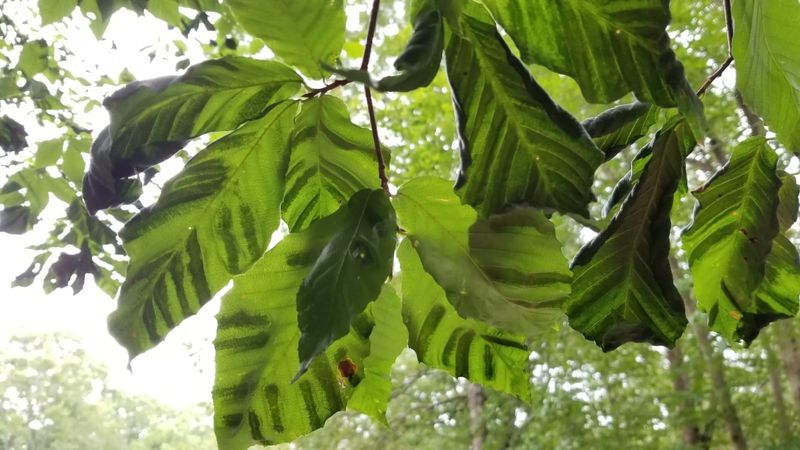
Sometimes the best view in the yard is straight up. Standing under a beech tree and gazing into its branches is one of the easiest ways to catch Beech Leaf Disease in action.
Sunlight works like a flashlight shining through the leaves. When you look toward a bright sky, the dark bands between veins pop out much more clearly than they do from above.
Pick a sunny or bright cloudy day for the best results. Stand close to the trunk, tilt your head back, and slowly scan the leaves in every direction.
Healthy leaves glow an even, light green when the sun hits them. Infected ones show a pattern of darker stripes, almost like the lines on a page of notebook paper.
Bring a pair of binoculars if your tree is tall. They help you peek at higher branches without climbing, which is safer and a lot less tiring for your arms and legs.
Looking up is also a relaxing excuse to slow down outdoors. Listen for birds, feel the breeze, and give your tree a full checkup while you enjoy the fresh fall air.
Make a habit of doing this a few times between midsummer and leaf drop. Each visit gives you another chance to spot changes before the branches go bare for the year.
5. Thick, Leathery, Crinkled Leaves Are Another Clue
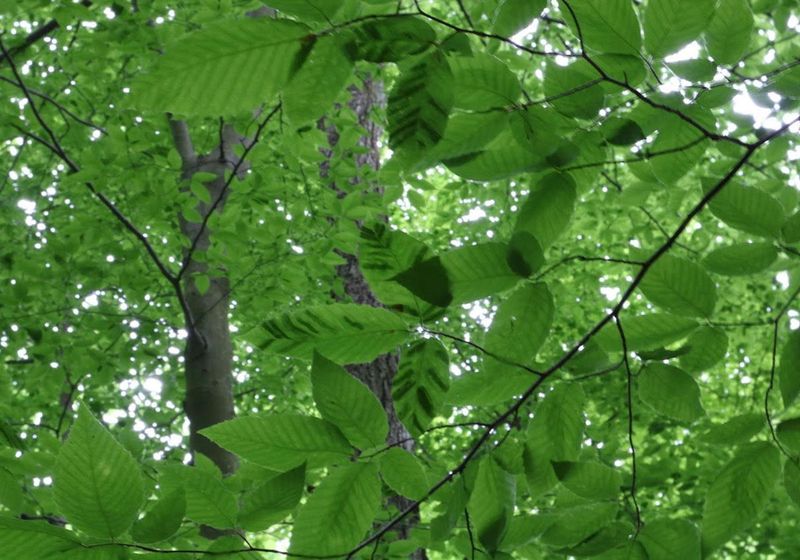
Run your fingers over a healthy beech leaf, and it feels thin and papery. A leaf touched by Beech Leaf Disease can feel thick, stiff, and a bit like old leather.
That texture change is one of the more surprising clues. As the problem gets worse, the leaves often turn crinkled and cupped, curling up instead of lying flat and smooth.
You might also notice leaves that are smaller than usual. Some look bumpy or puckered, like a piece of paper that got wet and dried in a wrinkled mess.
Over time, heavily affected trees may produce fewer leaves overall. Branches can look thin and sparse, letting more sunlight through than they did in past summers.
Here is a handy trick to try at home. Collect a healthy leaf from another tree and a suspicious beech leaf, then compare them by touch with your eyes closed.
The difference can be easy to feel once you know what to look for. Thick, rubbery leaves paired with dark striping make a strong case that something is wrong.
Keep in mind that weather can cause some curling, too. A hot, dry stretch may make leaves droop, so look for several clues together rather than relying on just one.
Writing notes in a simple garden journal helps a lot. Jot down how leaves look and feel each month.
6. Damage Starts Low And Works Its Way Up
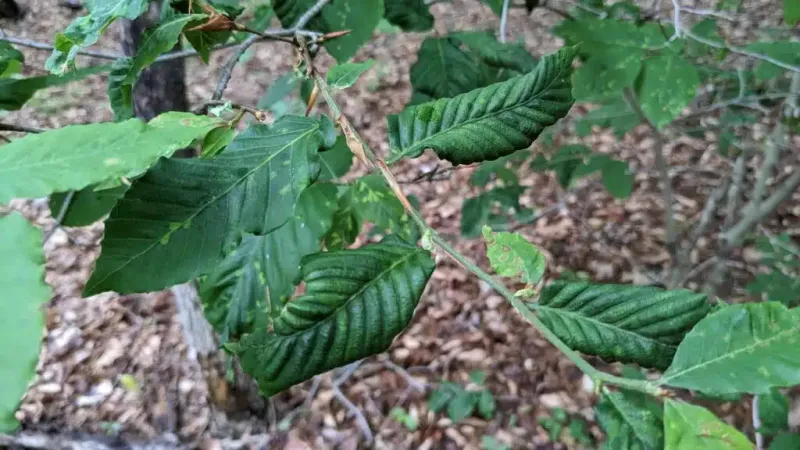
Think of Beech Leaf Disease like a slow-rising tide. It usually shows up first on the lowest branches and then creeps higher year after year.
Scientists believe lower branches face more risk because they sit in shadier, damper air. Those conditions seem to help the tiny worms thrive and move around on wet leaf surfaces.
That makes your job easier in one way. You can start your inspection at eye level, right where the trouble tends to begin, without needing a ladder.
Walk slowly around the whole tree and check the bottom branches on every side. Pay extra attention to the shady side, where moisture tends to linger after rain or morning dew.
Small beech saplings in the woods are worth a look as well. Their leaves stay low to the ground, so they often show symptoms before the big trees nearby.
As years pass, symptoms may climb into the upper canopy. Trees can start dropping leaves early and grow thinner up top, which weakens their overall strength.
Catching the problem while it is still low gives you more time to act. Early action can help protect the healthier upper branches and keep your tree looking full.
A good routine is to check those lower limbs every few weeks in late summer. It only takes a few minutes and could make a big difference.
7. Rule Out Look-Alike Problems First
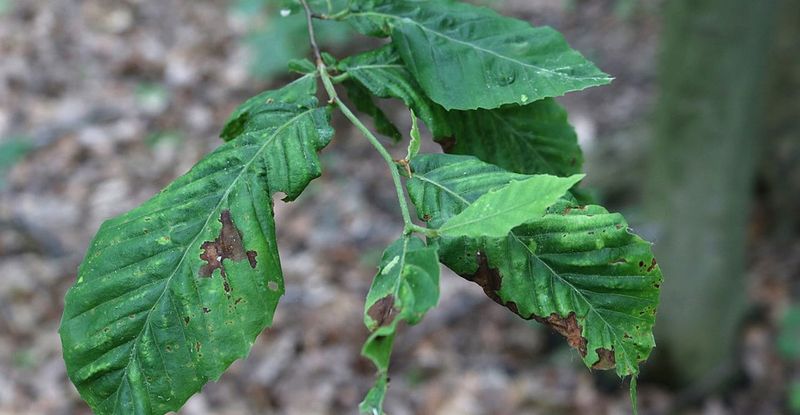
Not every weird beech leaf points to Beech Leaf Disease. A few other troublemakers can cause similar changes, so a little detective work saves worry and money.
Woolly beech aphids are one common suspect. They make leaves curl or roll at the edges and turn yellow, and you may spot fluffy white bugs, but there is no dark striping.
Beech erineum mites are another look-alike. They create patches that feel velvety or fuzzy, and the spots look messy and scattered rather than lined up neatly between the veins.
Anthracnose is a fungus that causes brown or black spots and some curling. Its marks show up as blotchy lesions, not the tidy stripes you see with the nematode problem.
Comparing these clues side by side helps a lot. Ask yourself whether you see stripes, fuzz, bugs, or brown spots, then match what you find to the right suspect.
When in doubt, reach out to your county Ohio State University Extension office. Experts there can often identify the issue from a few clear photos or a bagged leaf sample.
A certified arborist is another great resource. Getting the right answer first means you will not waste time or money treating the wrong problem.
Think of it like a doctor visit for your tree. A clear diagnosis comes before any medicine.
8. American And European Beeches Are Both At Risk
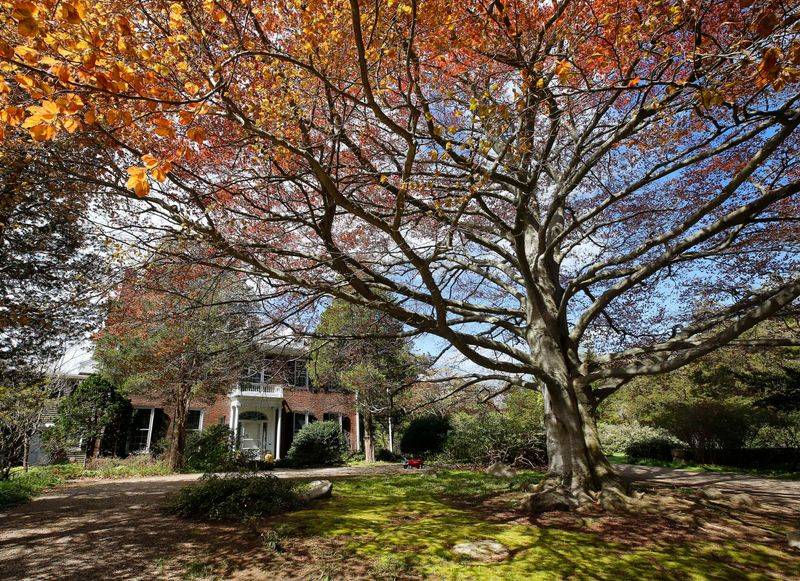
Whether your beech grew wild in the woods or was planted by a landscaper, it could be at risk. Both American beech and European beech can catch Beech Leaf Disease.
American beech, known to scientists as Fagus grandifolia, is a native tree with smooth gray bark. Kids have carved initials into these trunks for generations, though that habit hurts the tree.
European beech, or Fagus sylvatica, is a favorite in yards and parks. Many popular types have purple or copper leaves, weeping branches, or upright shapes that make them garden showstoppers.
Asian beech species may also be affected, based on what researchers have seen so far. So if you own any kind of beech, it is smart to keep a careful eye on it.
Native beeches matter a lot to wildlife. Their nuts feed deer, squirrels, wild turkeys, bears, and many songbirds, so losing them would ripple through the whole forest.
Ornamental beeches often carry a big price tag and decades of growth. Replacing a mature specimen tree is costly, and it could take a lifetime to grow one just as grand.
Not sure which beech you have? Snap a photo of the bark, leaves, and overall shape, then ask a local nursery or extension office to help identify it.
Once you know the type, you can plan care that fits. Every beech deserves a fair shot.
9. Treatment Now Can Protect Next Spring’s Leaves
Here is the hopeful part of the story. Even without a cure, treatments given in late summer and fall can help protect the leaves that will open next spring.
Timing is everything because the tiny worms move into buds as the season winds down. Treating before or during that move lowers their numbers before they can damage next year’s growth.
One option is a foliar spray of fluopyram, a product made to target nematodes. Arborists often apply it in late summer, and research has shown encouraging results.
Potassium phosphite is another choice that comes as a spray. Some versions are sold for homeowners, but read labels carefully and follow every direction for safe use.
Trunk injections of thiabendazole have also shown promise. Studies suggest they may reduce symptoms and worm populations for up to two years after a single treatment.
Basic care helps your tree fight back, too. Spread a ring of mulch around the base, keep it off the trunk, and water deeply during dry spells.
Do not expect this year’s leaves to look better after treatment. The goal is cleaner, healthier foliage next spring, so patience is part of the plan.
For large or valuable trees, hire a certified arborist. They have the tools and training to treat safely and effectively.