A Dramatic Iris for Arizona Yards: Yellow Dietes Bicolor Versus the Black And White Look
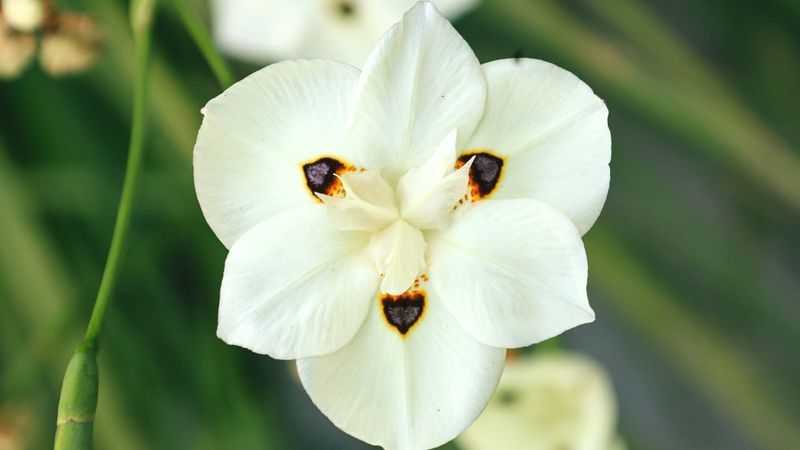
Picture an iris with bold dark markings that stops you in your tracks. In the low desert, though, color and heat survival do not always come in the same plant.
One iris-family option has a better track record for Phoenix and Tucson yards, while another matches the black-and-white look but has no proven Arizona record. Here is how to tell them apart before you plant.
The low-desert candidate has yellow flowers, not black-and-white ones
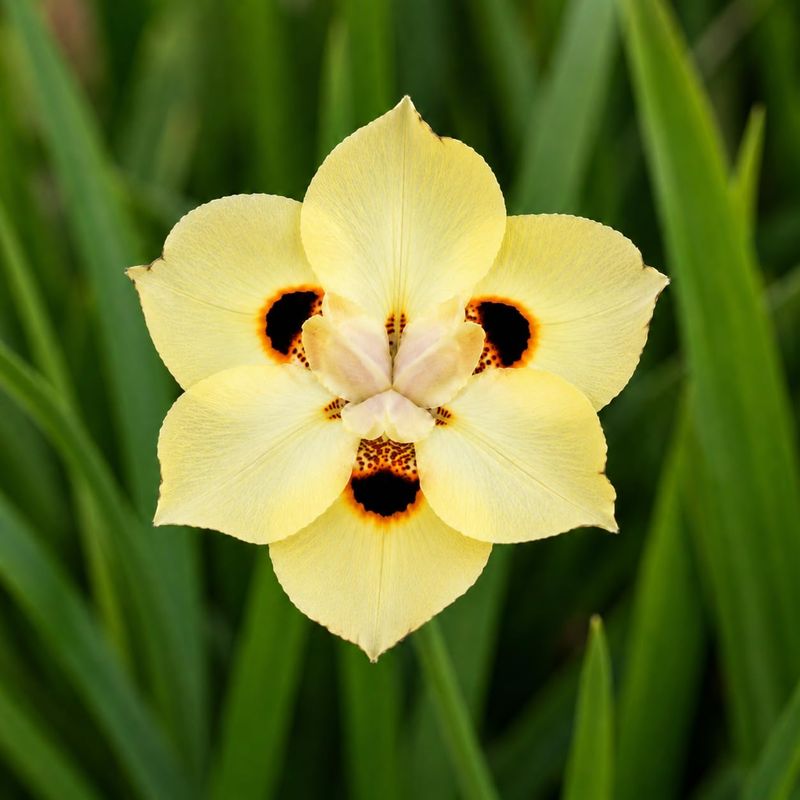
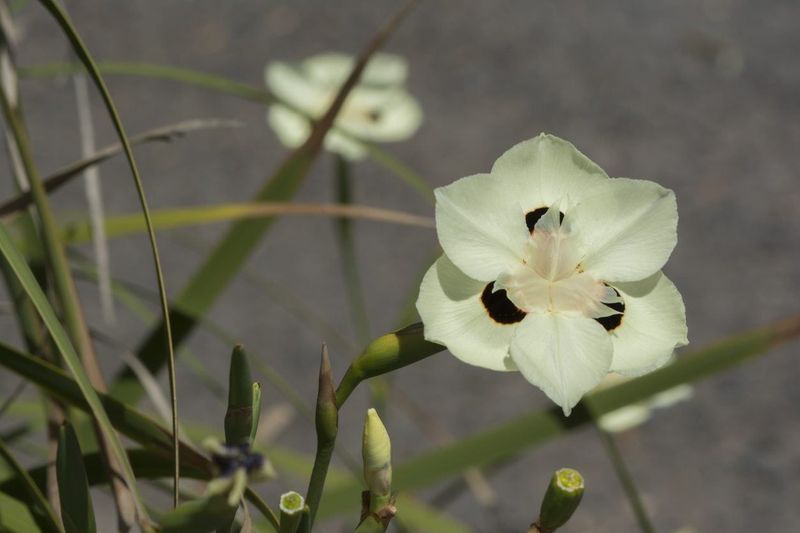
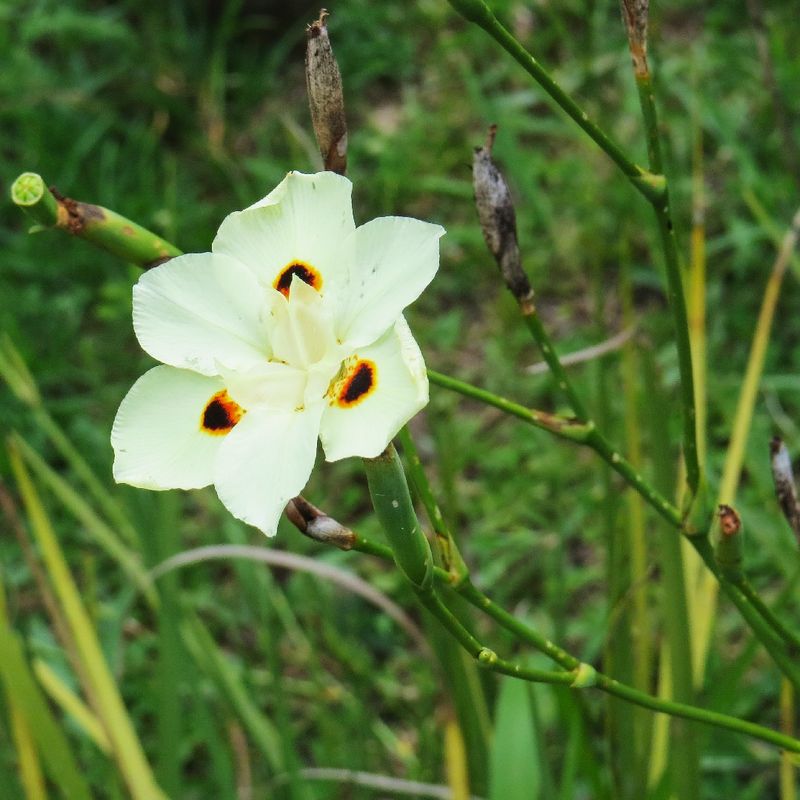
Bicolor iris, known to botanists as Dietes bicolor, is the better-supported pick for low-desert yards among the plants covered here. The flowers are pale yellow, and each petal carries dark markings near the center.
Those dark spots give the bloom a dramatic, high-contrast look, but the flower is not black-and-white.
A Florida botanical garden profile describes yellow flowers with a dark brown center and notes the plant is native to southern Africa. That matters for Arizona gardeners.
This is not a desert native, so think of it as an adapted landscape plant that has to be sited with care.
A grower in Arizona describes the same look, listing yellow blooms with burgundy-to-black eye spots. Both sources point to the same picture: sunny petals with dark accents.
If you want a bold iris-family plant with a graphic pattern, this one delivers, as long as you are happy with yellow as the base color.
‘Black And White’ is a different iris with unverified Arizona performance
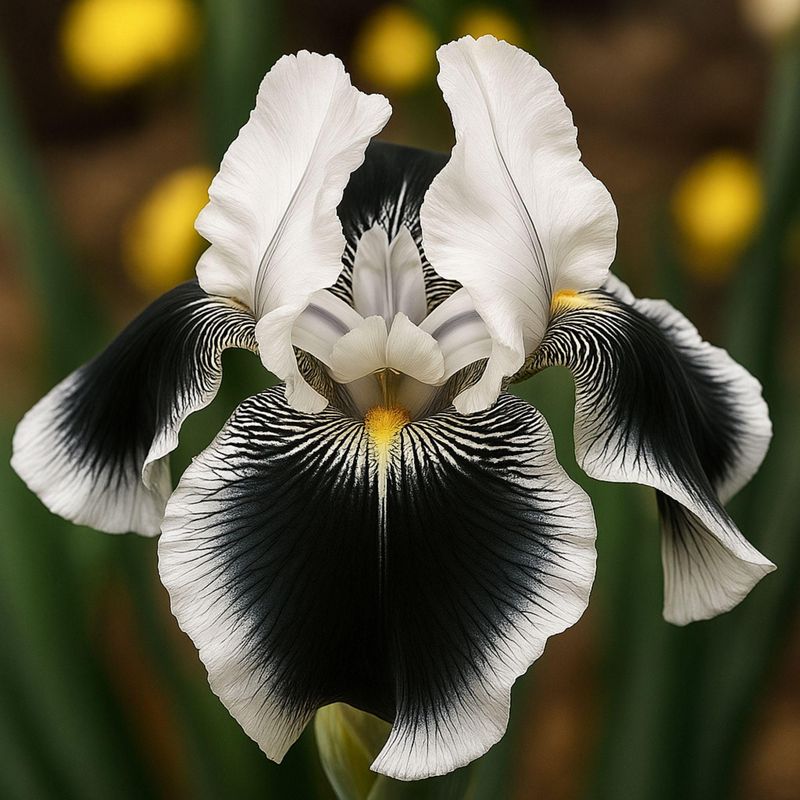
Now meet the plant that really does match the color idea. ‘Black And White’ is the name of a tall bearded iris cultivar, and the American Iris Society encyclopedia entry records white flowers with very dark markings, based on a historical catalog description.
That entry tells you the name and the coloring. It does not tell you how the plant handles a Phoenix July or a Tucson summer.
Nothing in the sources reviewed shows it has been tested in low-desert heat, so it would be a gamble rather than a sure thing.
It also helps to keep the two plants separate in your mind. A bearded iris and Dietes bicolor are different plants with different needs, so care tips for one should not be copied onto the other.
If you try the cultivar, treat it as an experiment, start with one plant, and watch how it responds before filling a bed.
Give Dietes bicolor well-drained soil and afternoon shade
Full sun sounds easy, yet an Arizona wholesale grower’s plant sheet suggests a bit more care. It recommends well-drained soil and says afternoon shade helps the plant handle low-desert heat.
Those are the grower’s recommendations, not proof that the plant will thrive in every exposure or soil. A bed that gets hot, reflected western sun all afternoon is a tougher test than one shaded by a wall, a building, or a taller shrub after midday.
In practical terms, look around your yard in the late afternoon. Spots on the east side of a structure, or beneath light shade from a tree, fit the advice better than an open west-facing strip.
Your Arizona Garden Changes Every Week. Your Plan Should Too.
Gardening in Arizona changes quickly throughout the season. Every Friday you’ll receive a simple weekly plan showing exactly what to plant, prune, fertilize, harvest, and protect so you never miss the right timing.
Pick a place where water drains away instead of pooling after a soak. Keep the plant’s needs separate from bearded iris advice, since that plant is handled differently.
Fall planting is plausible, but not proven best for this iris
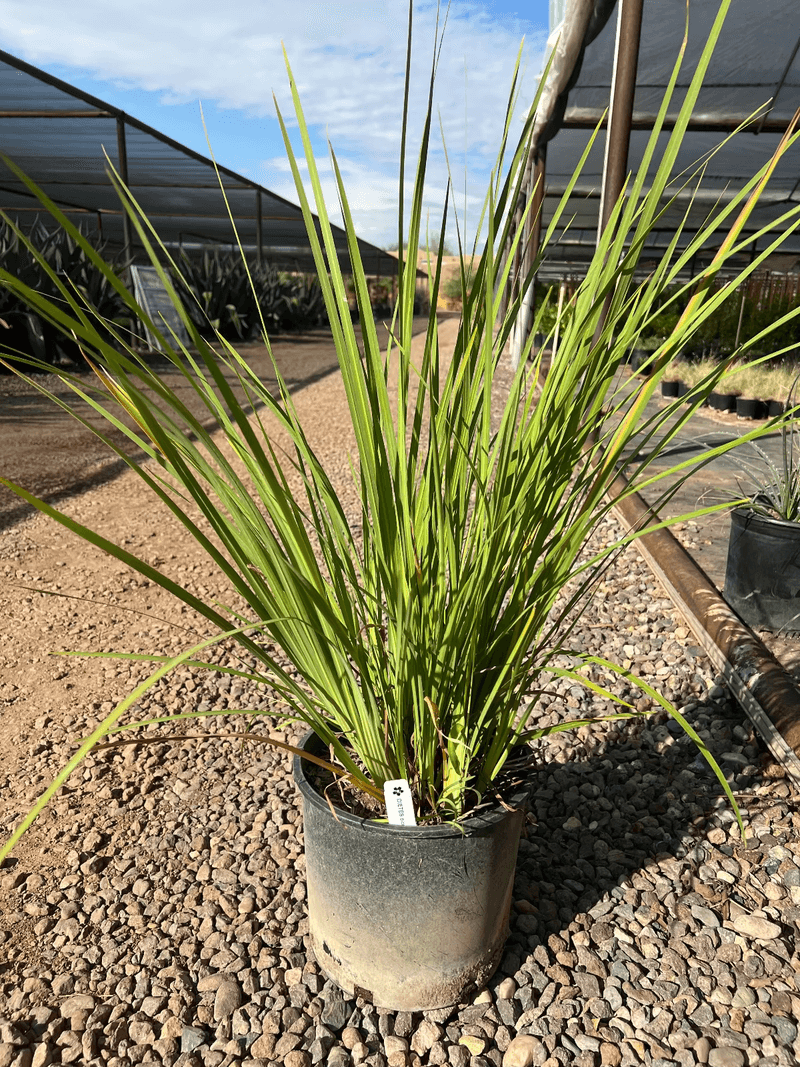
Timing can make a big difference in the low desert, and fall is a sensible time to consider. A Phoenix-area seller recommends fall planting for bicolor iris.
There is some general backing too. University of Arizona guidance on growing herbs in Tucson explains that cooler fall weather eases heat stress and lets roots settle in before summer for certain plants.
That advice covers other plants, not this iris specifically.
So treat fall as a reasonable choice, not a rule. It is not proven to be the only window or the very best one for Dietes bicolor.
If you plant in autumn, pair it with a good spot and steady attention, and watch how the young plant responds as days cool.
Water needs depend on the plant and growing context
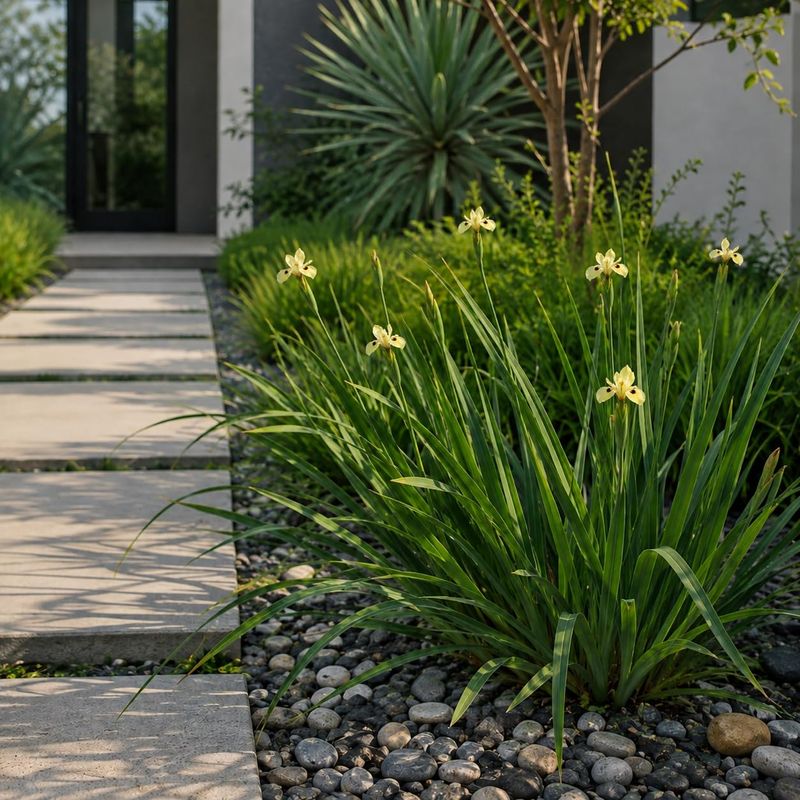
Water advice for this plant is not uniform. The Florida botanical garden calls it drought tolerant once established, while the Arizona grower rates it moderate to high water.
Florida and the low desert are very different places, so the local rating deserves extra weight for Phoenix and Tucson yards. Do not assume this is a nearly water-free plant.
There is also a narrow data point. A UC Davis irrigation trial rated the cultivar ‘African Gold’ as low water use in California.
That result belongs to one cultivar at one site, not every Dietes bicolor planting in Arizona. A good habit is to check the soil and watch the leaves, then adjust as the plant tells you what it needs.
Trial blooms and cold ratings do not guarantee Arizona results
Trial records are useful, but they come from specific places. In California, UC Davis recorded flowering from May to October for ‘African Gold’.
That shows what happened at that site, not what you will see in Phoenix or Tucson.
Expect the bloom timing and intensity in your yard to vary, and do not count on color all summer long. Extreme heat may change how the plant behaves, and local results are the only real answer.
Winter limits are fuzzy too. The Florida garden says it withstood temperatures in the high teens Fahrenheit, while the Arizona grower lists USDA Zones 9 to 11 and tolerance to 15°F.
Because the descriptions differ, avoid treating any one number as a promise.
Choose between the documented low-desert fit and the color match
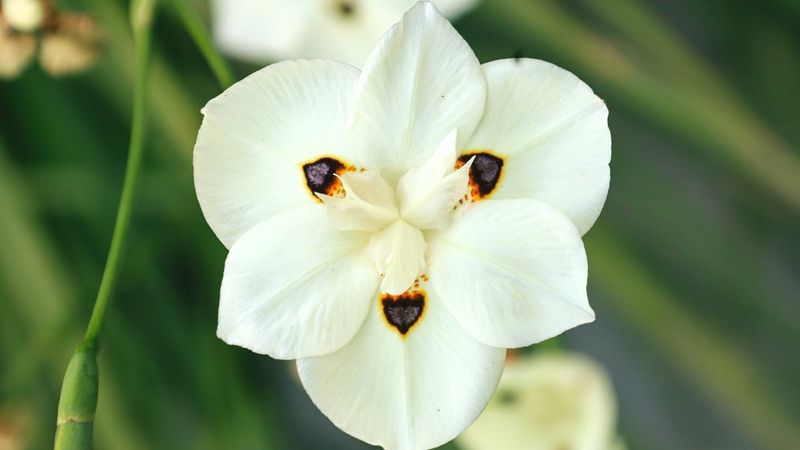
Your choice comes down to what matters most. If a better-supported low-desert fit is the goal, Dietes bicolor is the one to consider.
Expect yellow flowers with dark markings, and follow the grower’s advice for well-drained soil and afternoon shade.
If true black-and-white coloring is the goal, the named bearded cultivar fits the description, as the iris encyclopedia entry shows. Just do not assume it has been tested for Arizona heat, because its record there is unknown.
Either way, start small and watch how the plant responds through its first year. The flower you want and the plant that survives the summer are two separate questions, and your own yard will give the final answer.