7 Smart Ways To Use Fallen Leaves In Texas Instead Of Bagging Them
Every fall, curbs across Texas fill up with bulging bags of leaves. Homeowners spend whole weekends raking, stuffing, and hauling, only to send all that material off to the landfill.
Here’s the funny part. Many of those same homeowners will head to the garden center in spring to buy mulch, compost, and soil conditioner.
Fallen leaves are basically free garden gold. Shredded, they make a natural mulch that holds in moisture and keeps weeds down.
Tossed into a compost pile, they break down into rich, crumbly compost. Mowed right into the lawn, they feed the grass as they decay.
Left in a quiet corner, they shelter butterflies, beetles, and other helpful critters through winter.
In a state where heat and drought can wear soil out fast, that’s a resource worth keeping. Before you grab another box of trash bags, consider putting those leaves to work instead.
1. Mow Them Into Your Lawn
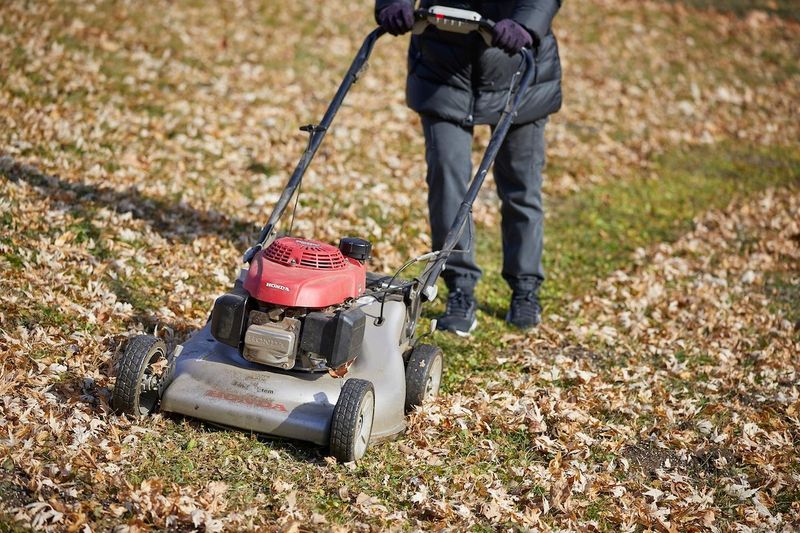
Your lawn mower might be the best leaf tool you already own. Most people think of it only for cutting grass. Yet it can turn a messy yard into a healthy one in just a few passes.
Here is how it works. When you run a mower over a light layer of leaves, the blades chop them into tiny bits. Those small pieces fall down between the grass blades and slowly break down over the winter months.
As they rot, the leaf bits feed the soil. They add carbon and small amounts of nutrients that grass roots can use. They also feed earthworms and tiny soil life that keep your yard healthy.
A mulching mower works best, but a regular mower can do the job too. Just remove the bag and make two or three passes. You want the pieces to be about the size of a dime. When you can see grass through the chopped leaves, you are done.
Watch out for thick piles, though. A deep layer can block sunlight and smother your grass. If leaves are piled several inches high, rake some of them to garden beds first. Then mow the thinner layer that remains.
Texas lawns have their own needs. Warm-season grasses like St. Augustine and Bermuda go dormant in cooler months, so a thin layer of leaf bits will not hurt them.
Mow when the leaves are dry for cleaner cuts. Try it once this fall. You will save hours of raking and many plastic bags.
2. Use Them As Free Mulch In Garden Beds
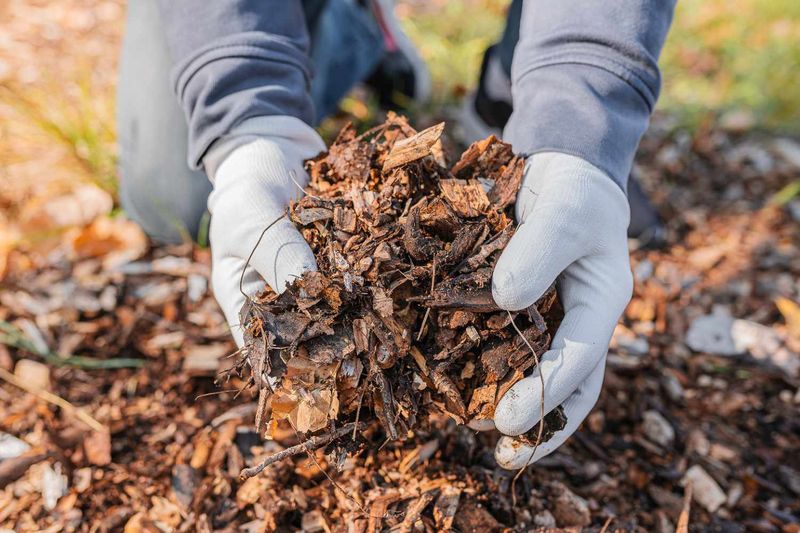
Bags of store mulch can cost five dollars or more each. Meanwhile, a pile of perfect mulch is sitting right on your lawn for free. Shredded leaves can do almost everything bark mulch does.
Spread around perennials, shrubs, and trees, leaf mulch acts like a blanket. It holds water in the soil so it does not dry out as fast. In Texas, where summer heat can bake a garden bed, that extra moisture is a big deal.
Leaf mulch also blocks weeds. Weed seeds need light to sprout, and a layer of leaves keeps the ground shaded. Fewer weeds means less pulling on hot days.
Your Texas Garden Changes Every Week. Your Plan Should Too.
Gardening in Texas changes quickly throughout the season. Every Friday you’ll receive a simple weekly plan showing exactly what to plant, prune, fertilize, harvest, and protect so you never miss the right timing.
The secret is shredding. Whole leaves, especially big ones like sycamore or red oak, tend to stick together when wet.
They form a soggy mat that stops water and air from reaching the roots. Shredded leaves stay fluffy and let rain soak through.
You do not need fancy gear to shred them. Run them over with a mower, use a leaf vacuum with a shredder, or put them in a trash can and chop them with a string trimmer. Wear safety glasses for that last trick.
Spread the shredded leaves about two to three inches deep. Keep them a few inches away from plant stems and tree trunks to prevent rot and pests.
As the mulch breaks down, it slowly feeds the soil underneath. Heavy Texas clay becomes looser, and sandy soil holds water better. Just add a fresh layer each fall, and your beds will look tidy and stay healthy all year.
3. Add Them To Your Compost Pile
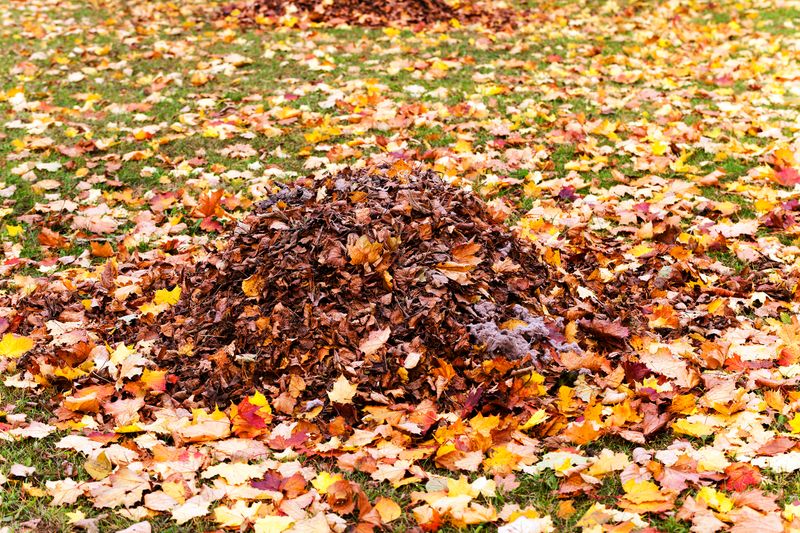
Ask any experienced gardener about compost, and they will probably smile and talk about balance. A good pile needs two kinds of ingredients. Gardeners call them greens and browns.
Greens are fresh, wet materials. Think grass clippings, coffee grounds, and kitchen scraps like banana peels and carrot tops. They are rich in nitrogen and break down fast.
Browns are dry, carbon-rich materials. Fallen leaves are one of the best browns you can find, and they cost nothing. Without enough browns, a compost pile can turn slimy and start to smell like rotten eggs.
A simple rule is to add about two or three parts browns for every one part greens. You do not need to measure perfectly.
If the pile smells bad, add more leaves. If it seems dry and nothing is happening, add more greens and a splash of water.
Shredding helps a lot here too. Whole leaves can take a long time to rot. Shredded ones have more surface area, so microbes can work on them faster. Some piles with shredded leaves finish in just a few months.
Here is a smart Texas trick. Leaves pile up in fall, but grass clippings show up mostly in spring and summer.
Store a few bags or a bin of dry leaves near your compost. Then mix them in all year whenever you add green stuff.
Turn your pile every week or two with a pitchfork. Keep it about as damp as a wrung-out sponge. Soon you will have dark, crumbly compost that makes vegetables and flowers grow like crazy.
4. Make Leaf Mold
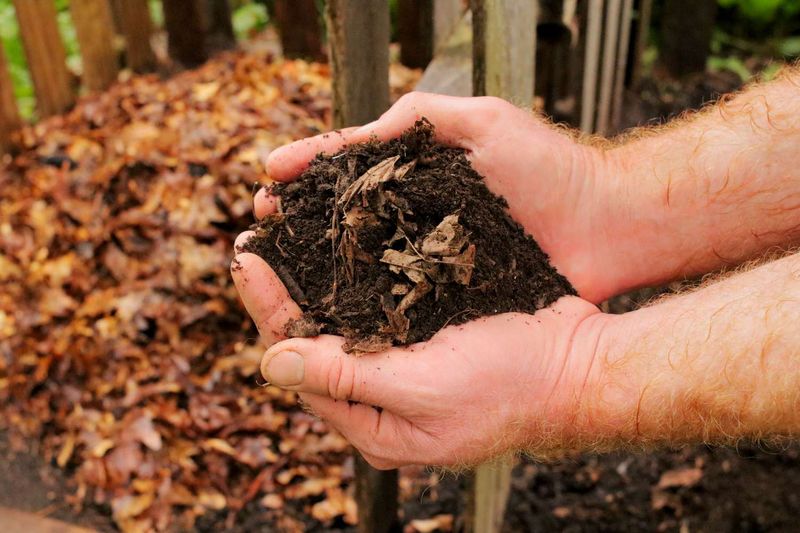
Some of the best things in life take patience, and leaf mold is one of them. It sounds a little gross, but it is not the fuzzy mold you find on old bread. Leaf mold is simply leaves that have broken down into a soft, dark, crumbly material.
Gardeners in England have prized it for centuries. They often call it black gold because it does such amazing things for soil. Unlike regular compost, leaf mold is broken down mostly by fungi instead of bacteria.
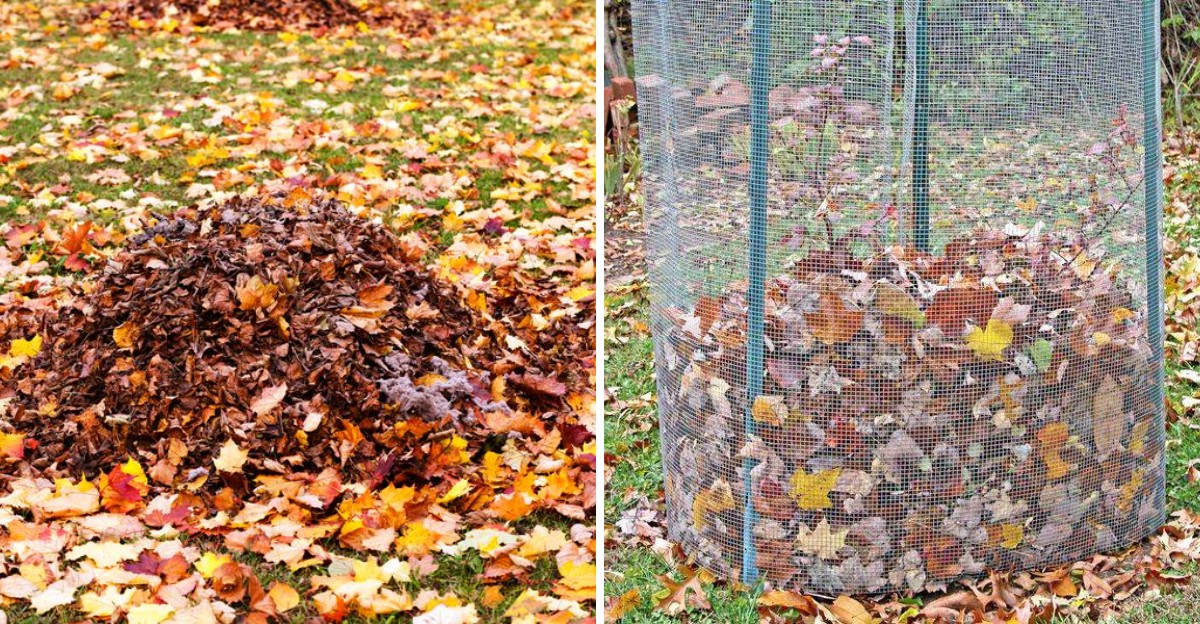
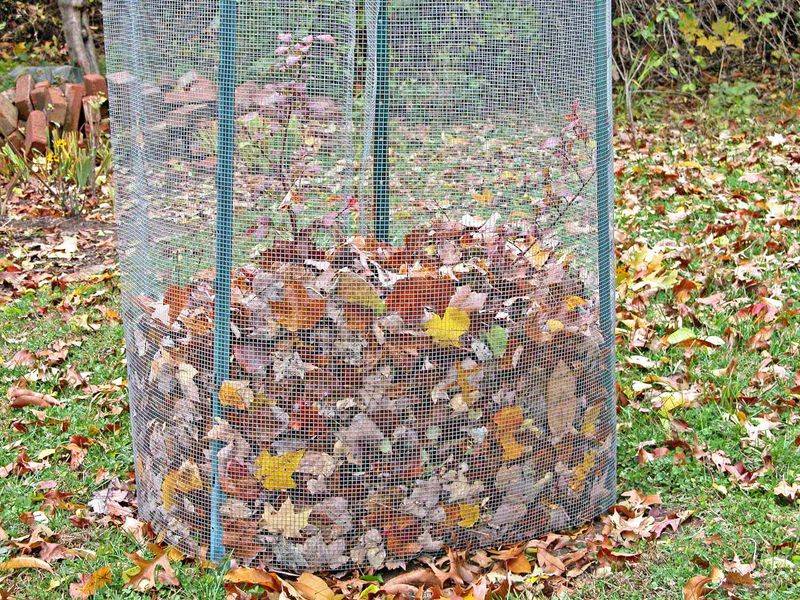
Making it is easy. Pile your leaves in a quiet corner of the yard. You can also build a simple bin with a circle of wire fencing about three or four feet wide. Fill it with leaves and soak them with a hose.
After that, your main job is waiting. Check the pile now and then during dry spells. In Texas, our hot summers can dry things out, so give it a drink when it feels crispy inside. Shredded leaves will finish faster than whole ones.
Most leaf mold is ready in one to two years. You will know it is done when it looks dark and smells like a forest floor after rain.
So why bother? Leaf mold can hold several times its weight in water. Mix it into garden beds to loosen heavy clay or help sandy soil stay moist.
It also makes a great addition to potting mix for seedlings. Start a pile this fall and forget about it. Future you will be glad you did.
5. Insulate Plants For Winter
Texas weather loves to keep us guessing. One week it is 80 degrees, and the next a blue norther blows in and drops temperatures below freezing overnight. Those wild swings can be rough on plant roots.
A cozy layer of shredded leaves works like a winter coat for your garden. It keeps soil temperatures steadier, so roots are not shocked by sudden cold snaps.
The big Texas freeze of February 2021 taught many gardeners how helpful a good layer of mulch can be.
Leaves make great cover for perennial beds, like those with salvia, lantana, and coneflowers. Many of these plants lose their tops in winter but come back from the roots in spring. Protecting those roots gives them a better shot at bouncing back.
Roses benefit too. Pile shredded leaves around the base to shield the lower canes and roots. Garlic planted in fall also loves a leafy blanket while it grows slowly through the cool months.
Timing matters. Wait until the ground starts to cool, usually late November or December in much of Texas. If you add mulch too early, it can trap warmth and confuse plants into growing at the wrong time.
Aim for a layer about three to four inches deep. Always leave a gap of a few inches around stems and trunks. Leaves pressed against bark can hold moisture and invite rot or hungry critters.
When spring arrives, pull some of the leaves back so the soil can warm up. Leave the rest to break down and feed your beds.
6. Leave Some For Wildlife
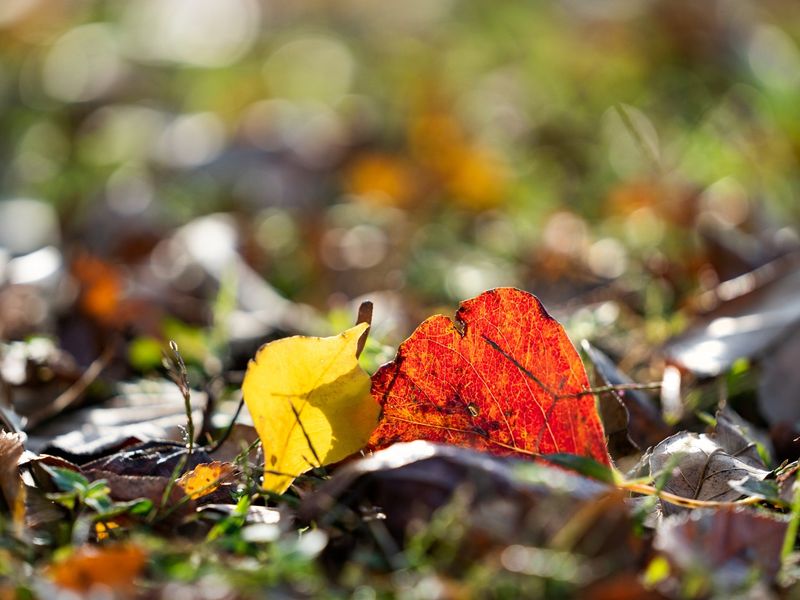
Under a pile of old leaves, a whole hidden world is busy getting ready for winter. You might not see it, but plenty of tiny creatures are calling those leaves home. A messy corner can actually be a five-star hotel for wildlife.
Firefly larvae spend the cold months tucked in damp leaf litter. Many butterfly and moth caterpillars do too, either curled up or wrapped in chrysalises that look just like dry leaves. Some ground-nesting bees and beetles also shelter there until spring.
When we rake and bag every leaf, we accidentally haul those helpers away to the landfill. Fewer of them survive to pollinate flowers and light up summer nights.
Birds care about this too. In spring, songbirds like Carolina wrens and towhees scratch through leaf litter looking for insects.
Baby birds need huge amounts of caterpillars to grow. A single nest of chickadees may eat thousands before they leave the nest.
You do not have to turn your whole yard into a forest. Just leave leaves in a few spots. Good places include under shrubs, along fence lines, around trees, and in quiet garden corners. Those areas look natural and stay out of the way.
Here is a fun idea. Add a small brush pile of fallen twigs next to your leaves. Lizards, toads, and birds will love the extra cover.
Groups like the Xerces Society even encourage people to leave the leaves each fall. It is one of the easiest ways to help nature, and it means less work for you.
7. Build A New Garden Bed
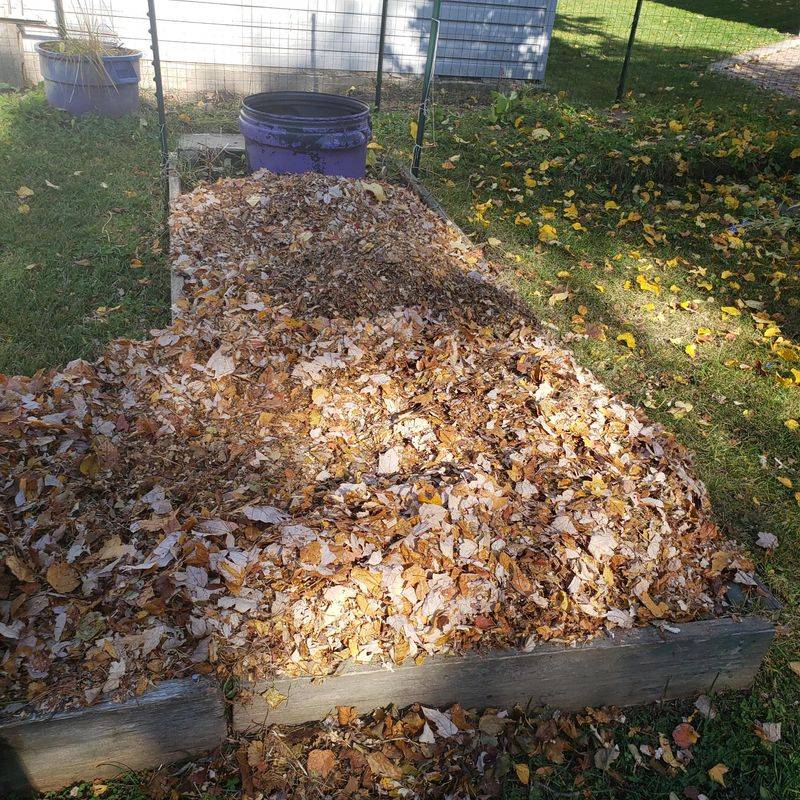
Dreaming of a new vegetable patch but dreading all that digging? Good news. You can build a rich garden bed without a shovel, and your fallen leaves will do most of the hard work.
The method goes by two fun names. Some call it sheet mulching, while others call it lasagna gardening. Just like lasagna, you build it in layers.
Start by mowing the grass short where you want the bed. Next, lay down plain brown cardboard.
Remove any tape or shiny labels first. Overlap the edges by several inches so no grass can sneak through, then soak the cardboard with water.
Now pile on the leaves. Spread a thick layer, about six to twelve inches deep. You can mix in grass clippings, coffee grounds, or compost between leaf layers to speed things up. Water each layer as you go.
Over the winter, the cardboard blocks sunlight and smothers the grass underneath. Earthworms move in and start breaking everything down.
By spring, the pile will shrink into dark, soft soil ready for planting. In Texas, where mild winters keep soil life active, the process often moves along nicely.
One word of caution is worth remembering. Skip leaves from plants that had diseases, such as roses with black spot or fruit trees with apple scab. Those problems can carry over into your new bed.
When planting time comes, pull back the top layer and tuck in your plants. Tomatoes, peppers, and herbs will grow happily in the fresh, loose soil you made from yard leftovers.