Why Heavy Fall Dew Can Lead To Disease In New North Carolina Fescue Lawns
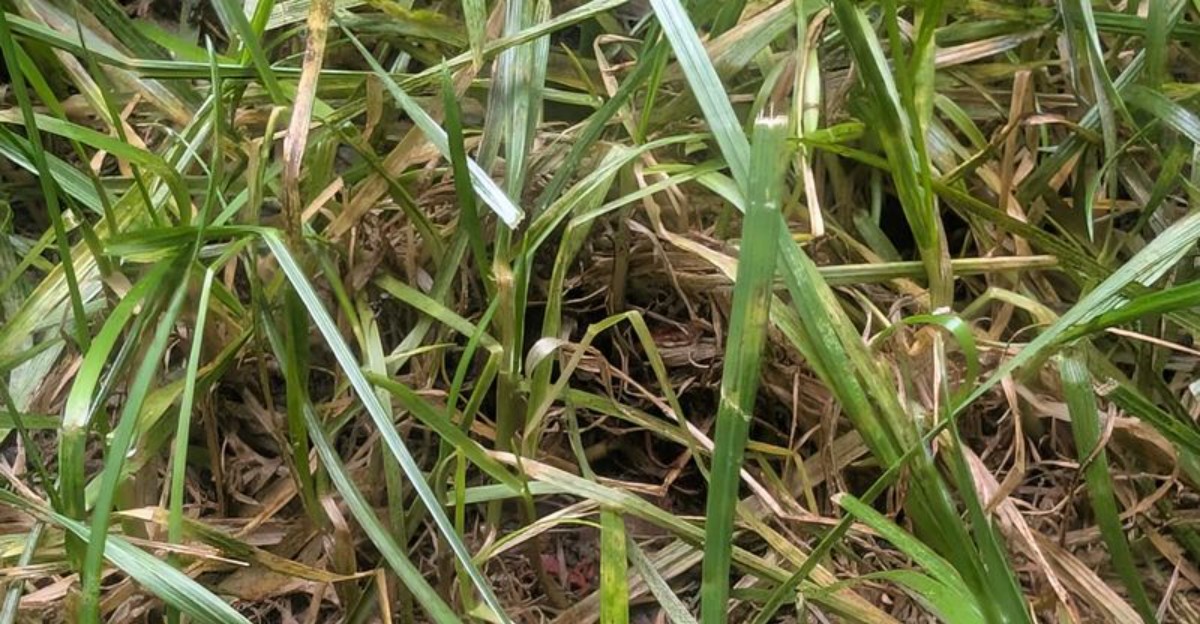
You walk across the lawn at dawn and your shoes get soaked. In fall, that heavy dew is normal in North Carolina. For new fescue, it can also be a problem.
Seedlings stay wet for long stretches when mornings are damp and the air is still. Fungi love those conditions. They spread quickly across thin, tender grass that has not yet built strength.
Gardeners often see yellow or straw-colored patches and assume the seed was bad or the weather was too dry. Often the real cause is the opposite. Too much moisture sitting on the blades invites disease.
A few simple habits change how long the grass stays wet. Learn them, and you can protect a new lawn without giving up the seeding window.
1. Long Wet Periods Give Fungi Time To Infect
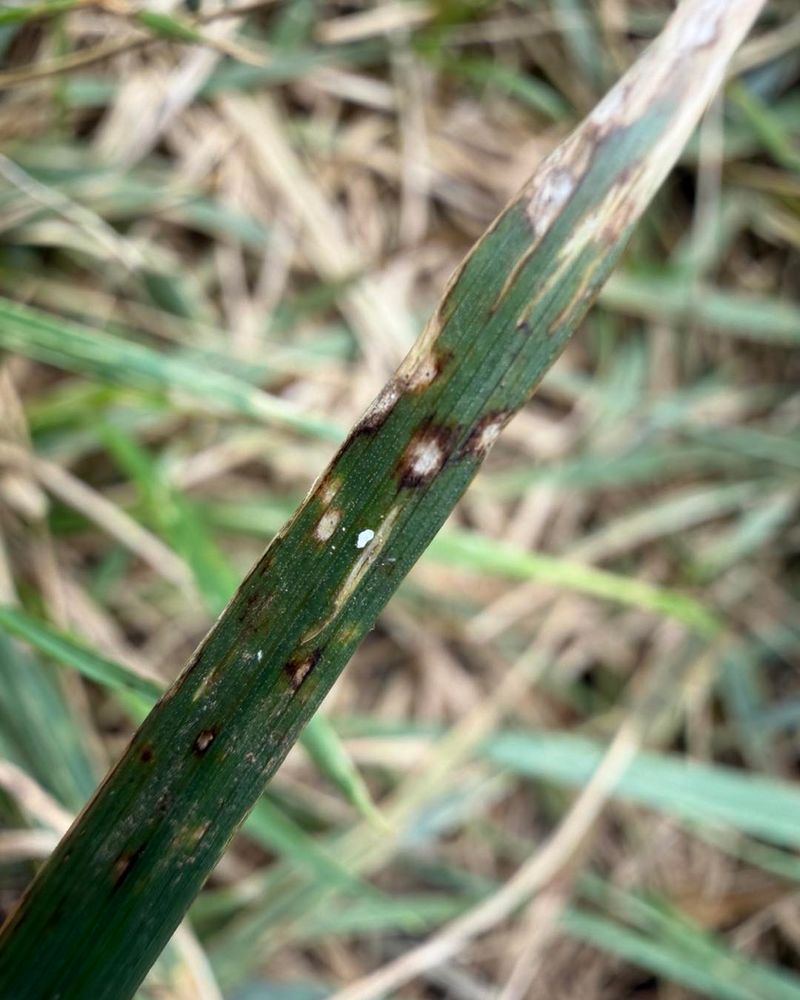
Fungal spores are a lot like seeds waiting for rain. They float around your yard all the time, but most of them sit quietly until they land on a wet surface. Once a grass blade stays damp long enough, those spores wake up, sprout, and push their way into the leaf.
Moisture is the key that unlocks the door. Most lawn fungi need a thin film of water on the blade for several hours before they can get started. The longer your grass stays wet each night and morning, the better their odds become.
Heavy dew stretches that wet window much longer than you might guess. Grass can start collecting moisture soon after sunset and may not dry until the middle of the morning. That adds up to twelve hours or more of perfect conditions for trouble.
Thankfully, you have real control here. Skip anything that adds moisture in the evening, like late sprinkler runs. Instead, water in the early morning while the grass is already wet from dew, so you are not creating a second wet period later in the day.
Helping the lawn dry faster also makes a big difference. More sunlight and better airflow can burn off dew quicker, cutting hours from the risk window. Even small changes, like trimming back a crowded bush, can speed up drying.
North Carolina makes all of this extra important. Clear, calm fall nights are common across the state, and those are exactly the nights when dew forms heavily.
Without wind or clouds to slow it down, that moisture often lingers well into the morning, giving fungi plenty of time to settle in on new fescue.
2. Dew Can Carry Sugars That Feed Fungi
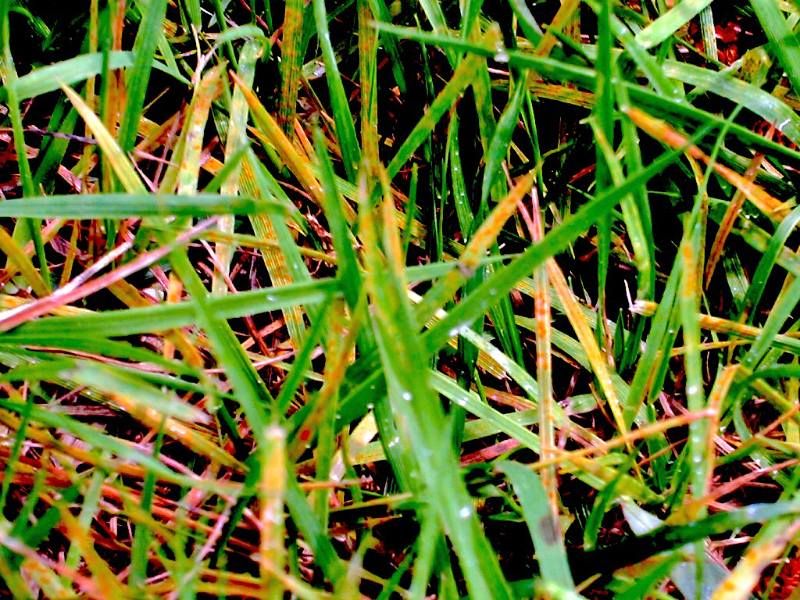
Not every drop on your lawn at sunrise came from the air. Some of it actually comes from the grass itself. Plants push tiny beads of liquid out through their leaf tips overnight, and scientists call that liquid guttation fluid.
Here is the sneaky part. Guttation fluid is not plain water, since it holds small amounts of sugars and nutrients from inside the plant. When those droplets mix with dew, they create a sweet little snack that disease organisms are happy to eat.
Your North Carolina Garden Changes Every Week. Your Plan Should Too.
Gardening in North Carolina changes quickly throughout the season. Every Friday you’ll receive a simple weekly plan showing exactly what to plant, prune, fertilize, harvest, and protect so you never miss the right timing.
Think of it like leaving crumbs on the kitchen counter. Fungi that might have struggled on clean water suddenly have food to help them grow stronger and faster. That extra fuel can turn a small problem into a bigger one.
Removing that morning moisture is a smart move on high-risk days. Some homeowners gently drag a garden hose across the lawn to knock the droplets off the blades. Others mow once the grass is dry enough to cut cleanly, which also helps clear things away.
Fertilizer timing matters too. Heavy nitrogen during warm, humid spells can push soft, fast growth that fungi love. Save bigger feedings for cooler weather when the grass can use them well.
For North Carolina homeowners with new lawns, this deserves close attention. Young fescue is tender and has not built up much toughness yet, so it is more open to infection than an older, well-rooted lawn.
A few minutes with a hose on a muggy fall morning can be a simple, low-cost way to give your fresh seedlings a much better start.
3. Brown Patch Thrives On Warm, Dewy Nights
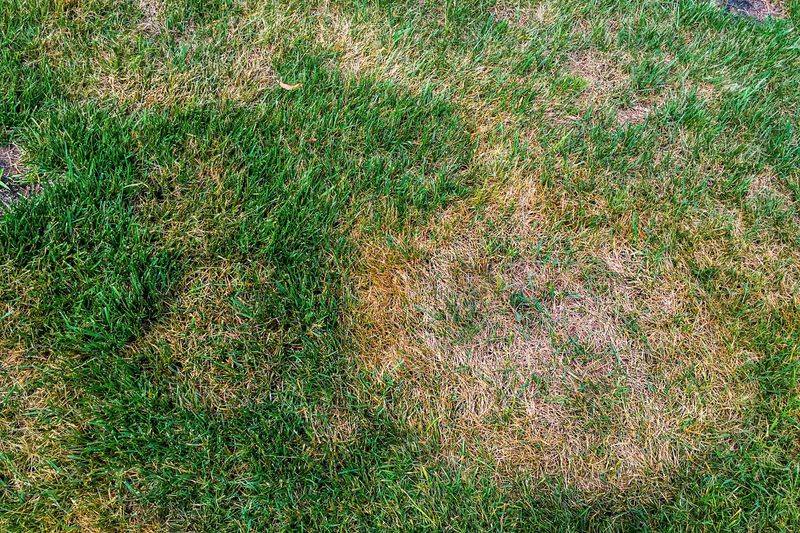
Ask any lawn expert in the South to name the biggest troublemaker for tall fescue, and brown patch will likely top the list. A fungus called Rhizoctonia solani causes it. It can turn a lush green yard into a spotty mess in just a few days.
Warm, humid nights are its favorite setting. When temperatures stay high after dark and grass remains wet for long stretches, the fungus spreads quickly through the blades. Heavy dew adds exactly the kind of moisture it needs.
Spotting it early helps a lot. Look for circular or uneven patches of brown, thinning grass that may grow wider over time. In the early morning, while dew is still present, the edges of those patches can look darker and almost smoky.
Good habits go a long way toward keeping it under control. Water only in the early morning, and hold off on nitrogen fertilizer during hot, sticky weather.
Mow at the recommended height for tall fescue, usually around three to four inches, and keep your mower blade sharp so cuts heal cleanly.
Sometimes the disease moves fast despite your best efforts. In that case, a fungicide labeled for brown patch can help protect the healthy grass around the trouble spots. Always read and follow the label directions carefully.
Across North Carolina, brown patch shows up in fescue lawns almost every year during warm, humid weather.
Early fall can still bring those muggy nights, especially in the Piedmont and eastern parts of the state. Keeping an eye out during those spells helps you catch it before it spreads.
4. Pythium Blight Can Appear Overnight
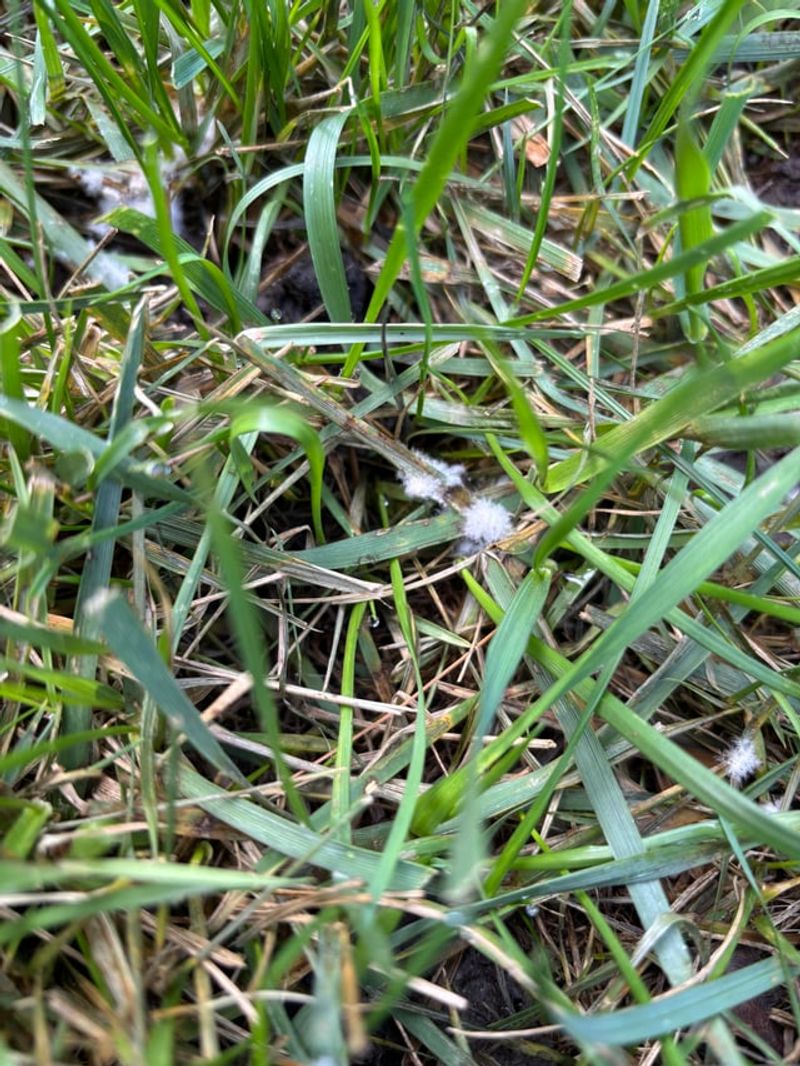
One evening your new lawn looks perfect. The next morning, dark greasy patches have appeared out of nowhere. That surprise visitor may be Pythium blight, one of the fastest-moving diseases a fescue lawn can face.
Hot, humid weather sets the stage. Pythium loves warm nights and wet grass, so heavy dew gives it a big boost. Young seedlings are especially at risk because they have little strength to fight back.
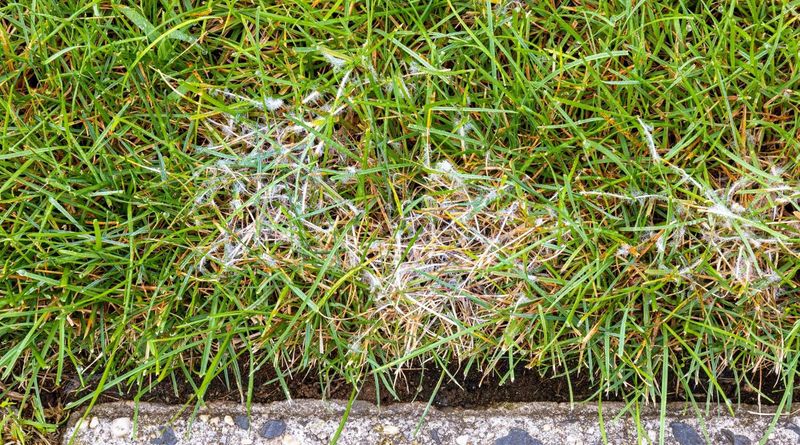
Early morning is the best time to look. While dew is still on the lawn, affected areas often appear dark and water-soaked, almost oily. You may also see white, cottony growth on the blades, which is a strong sign Pythium is present.
Quick action really pays off with this one. Avoid evening watering, and fix low areas where water tends to collect after rain. Better drainage means less standing moisture for the disease to use.
Mowing needs a little extra care, too. Skip cutting wet grass in affected spots, because mower wheels and blades can carry the disease to healthy parts of the yard. Wait until the lawn dries, and mow trouble areas last.
If you spot Pythium, a fungicide labeled for it should go down promptly, since the disease can race across a lawn in just a day or two. Your local county Extension office can help you confirm what you are seeing.
In North Carolina, warm, humid nights in early fall often line up with the prime time for seeding fescue, so new lawns can run straight into Pythium.
5. Dollar Spot Spreads On Dew-Covered Grass
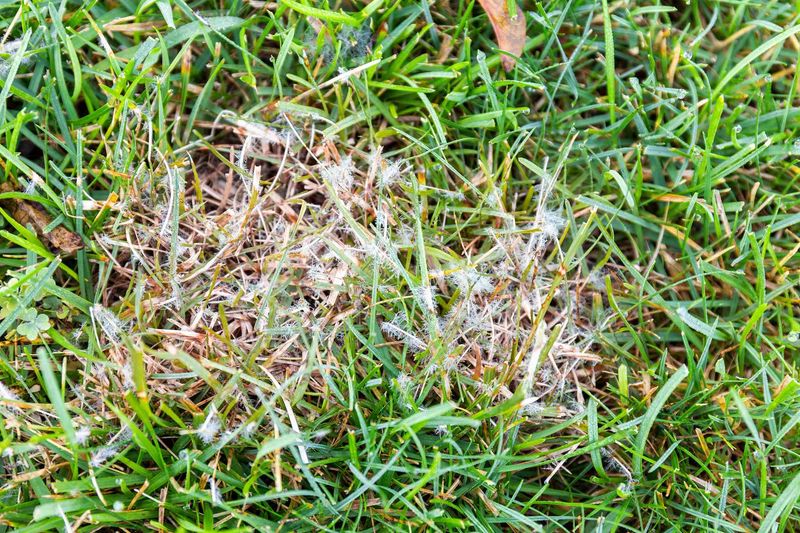
Long ago, golfers named this disease after the round spots it left on putting greens, which were about the size of a silver dollar. In home lawns, the spots can grow a bit bigger. They still keep that small, round look that makes them easy to recognize.
Bleached, straw-colored patches are the classic sign. Spots may join together over time, leaving larger areas looking tired and pale. Up close, individual blades often show tan marks with reddish-brown borders.
Dew plays a starring role in its spread. Dollar spot is favored by long periods of leaf wetness combined with moderate temperatures, which describes many fall mornings perfectly.
On wet grass early in the day, you might even spot fine, cobweb-like fungal threads stretching across the blades.
Hunger makes the problem worse. Lawns that are low on nitrogen tend to get more dollar spot, so feeding your grass properly is a big part of prevention. A soil test from your local Extension service will tell you exactly what your lawn needs.
Morning care helps, too. Remove dew by dragging a hose or mowing once the grass is dry enough. When you water, do it deeply and early in the day, so blades have plenty of time to dry before evening.
Fungicides labeled for dollar spot can help when the disease keeps spreading. In North Carolina, this disease commonly pops up during dewy late summer and fall weather.
Staying on top of fertility and moisture gives your new fescue a much better shot at staying even and green.
6. Evening Watering Stretches The Wet Period
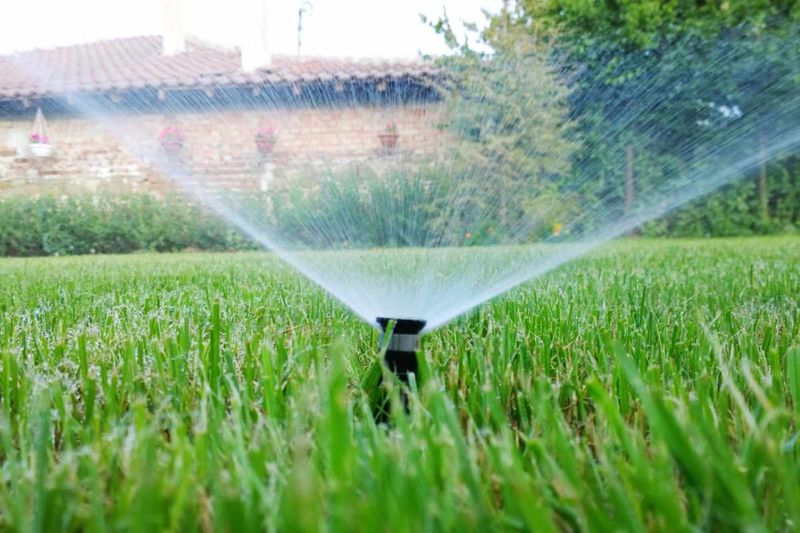
After a long day at work, turning on the sprinkler in the evening feels like the natural thing to do. The air is cooler, and you finally have time to check on your new lawn. Sadly, that kind habit can give fungi a big gift.
Timing changes everything. Water added in the evening keeps grass wet all night long. When dew forms on top of that, the blades may stay soaked from sunset until late morning, giving fungi many extra hours to infect.
Early morning is the sweet spot. Watering before or as the sun rises overlaps with the time grass is already wet from dew. You are not adding a new wet period, and the sun can dry everything as the day warms up.
Amount matters as much as timing for new seedlings. Fresh fescue needs steady moisture near the surface, but it does not need to be drowned. Light, frequent watering that keeps the top of the soil moist works far better than heavy soaking.
A simple timer can make life easier. Set it to run in the early morning hours, and you never have to remember. Many affordable hose timers work well for small yards, too.
Plenty of North Carolina homeowners water new fescue in the evening simply because it fits their schedule.
Since fall seeding season often brings dewy nights, that habit can tip the balance toward disease. Switching to morning watering is one of the easiest changes you can make, and your young lawn will thank you with stronger, healthier growth.
7. Shade, Poor Airflow, And Thick Seeding Keep Grass Wet Longer
Walk around your yard around ten in the morning, and you will probably notice something interesting. Some spots are already dry, while others still glisten with dew. Those slow-drying areas are often where lawn diseases start first.
Shade is a common culprit. Areas under trees or beside buildings get little morning sun, so dew hangs on much longer. Low spots and fenced or enclosed yards add another problem, since still air does little to help moisture evaporate.
Seeding rate surprises many people. Throwing down extra seed might seem like a shortcut to a thicker lawn, but crowded seedlings trap moisture between their blades.
They also compete for light and food, which leaves them weaker and easier for fungi to attack.
Following the seed label is the best plan. Tall fescue is usually sown at a set rate per thousand square feet, and sticking to it gives each seedling room to breathe. You still get a full lawn, just a healthier one.
Opening up the space helps, too. Where it makes sense, prune lower tree limbs to let in more morning sunlight. Keep shrubs from crowding the edges of the lawn, so breezes can move freely across the grass.
Extra attention in tricky areas pays off. Check shaded and low-lying spots often for early signs of trouble, like thinning or odd color.
Across North Carolina, many yards sit under big oaks, maples, and pines and are framed by thick landscape plantings, so these slow-drying zones are common. A little pruning and smart seeding can turn them into healthy, green parts of your lawn.