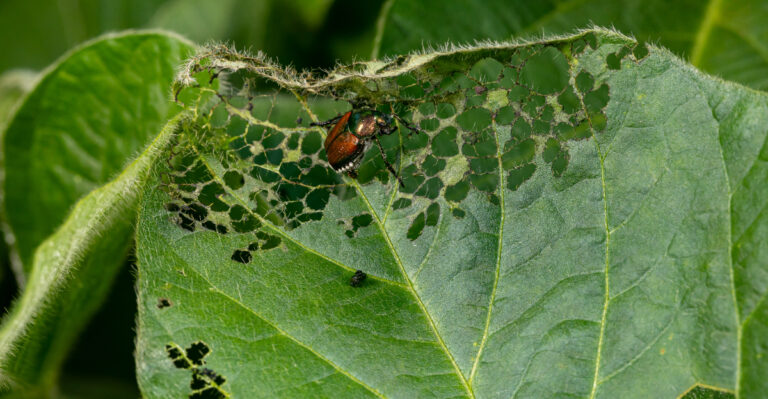
Why Mulched Fall Vegetable Beds Attract More Slugs In North Carolina
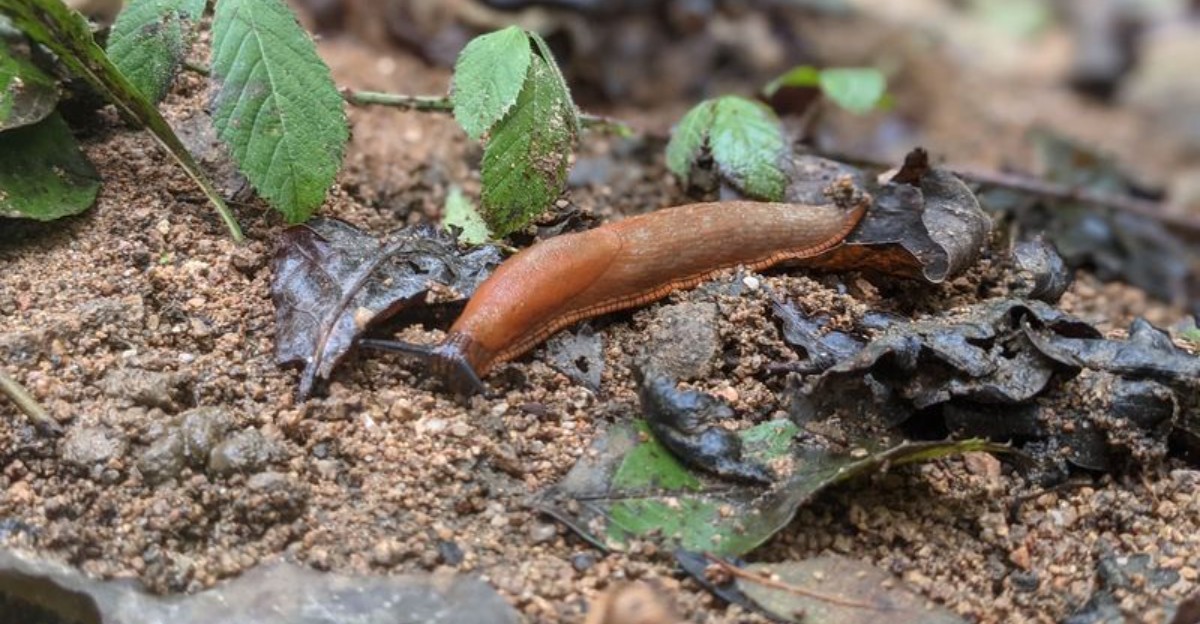
Mulch is one of the best things you can add to a garden. Slugs think so too. A thick, damp layer gives them everything they want: shade, moisture, and a place to hide during the day.
In fall, North Carolina vegetable beds are full of tender seedlings, which makes the problem worse. You may notice ragged holes in lettuce, spinach, and other young leaves. Slime trails on the soil tell the story.
Many gardeners respond by removing the mulch entirely, but that throws away its benefits. A better approach is to change how and where you use it.
Small adjustments can keep your soil protected while making the bed far less friendly to slugs. Your seedlings get a better chance, and you keep the mulch.
1. Mulch Keeps The Soil Surface Cool And Moist
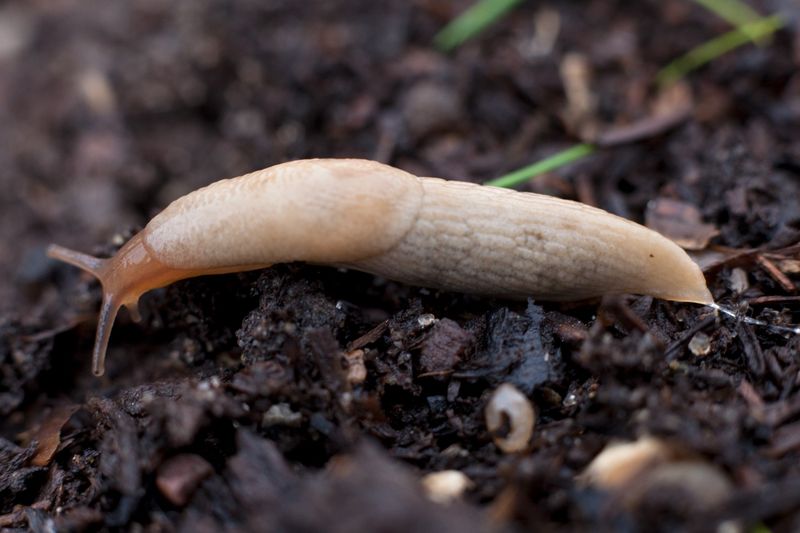
Slugs are basically walking water balloons. Their soft skin loses moisture fast, so they spend their lives hunting for cool, damp spots where they will not dry out. A mulched garden bed checks every box on their wish list.
Mulch works like a blanket over the soil. It blocks sun and wind, which slows evaporation and keeps the soil surface moist for days longer than bare ground would.
That is great news for your carrots and cabbage, and it is equally great news for every slug in the neighborhood.
You do not need to give up mulch to fix the problem. Keep the layer moderate, about 2 inches deep in fall vegetable beds. Thicker layers hold even more moisture and create a soggy zone near the soil that slugs adore.
Watering habits matter just as much. Before you grab the hose, push a finger into the soil about an inch deep. If it still feels damp, skip watering for now, because mulched beds often need far less water than you might expect.
Overwatering a mulched bed is like adding a swimming pool to a slug resort. Give plants what they actually need and let the top of the mulch dry a bit between drinks.
Here in North Carolina, gardeners lean on mulch for good reason. Early fall can bring stretches of dry weather, and mulch helps young crops hold onto moisture while roots settle in.
The trick is finding the balance between protecting your plants and accidentally building a cozy, damp paradise for slugs right underneath them.
2. Mulch Gives Slugs Daytime Hiding Places
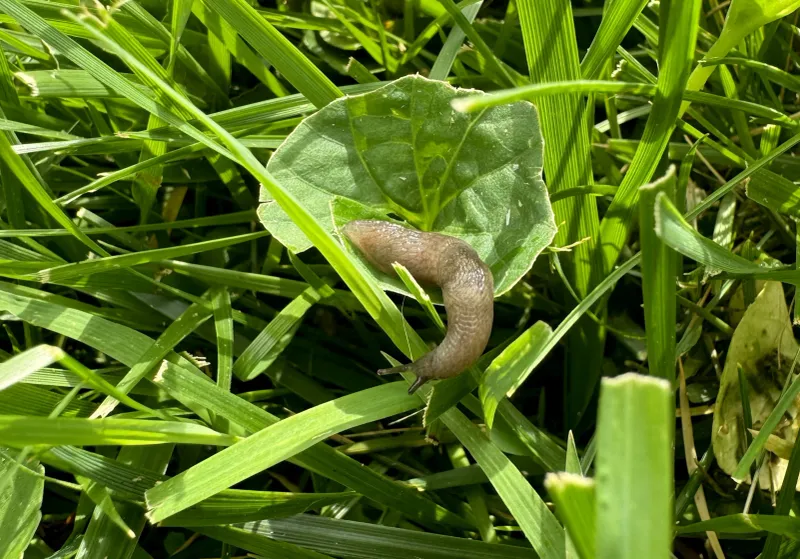
Ever wonder where slugs go when the sun comes out? Most of the time, they are hiding just inches from your plants. When you lift a handful of mulch on a bright afternoon, you might find a few of them snoozing in the shade.
Slugs feed mostly at night and on cloudy, drizzly days. When sunshine arrives, they crawl into dark, moist spaces to wait it out.
The gaps inside mulch and the damp soil beneath it make ideal hideouts, and the best part for them is that dinner sits right next door.
A little detective work goes a long way. Every few days, gently lift sections of mulch near your crops and look for slugs or their shiny slime. Pick them off by hand and drop them into a jar of soapy water.
Your North Carolina Garden Changes Every Week. Your Plan Should Too.
Gardening in North Carolina changes quickly throughout the season. Every Friday you’ll receive a simple weekly plan showing exactly what to plant, prune, fertilize, harvest, and protect so you never miss the right timing.
Clutter makes the hiding problem worse. Old boards, empty pots, stray bricks, and piles of debris all offer extra shelter, so keep them out of your vegetable beds.
You can also turn the slugs’ habits against them. Lay a flat board on the soil near your plants on purpose, then check under it each morning. Slugs gather there overnight, and you can scrape them off and clear the trap before they head back out.
North Carolina gardeners often miss slugs entirely because the critters stay tucked away all day. Many people only notice them after ragged holes appear on their greens.
Checking under the mulch regularly helps you catch the problem early, long before your harvest takes a hit.
3. Fall Weather Already Favors Slugs
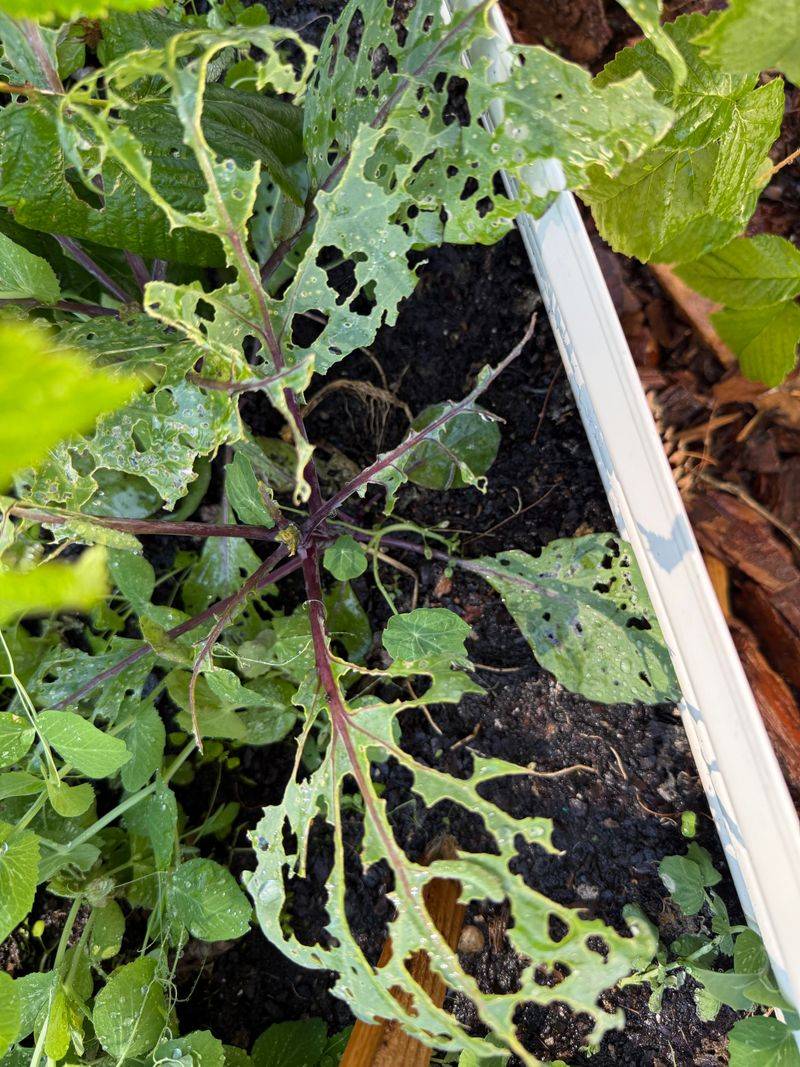
Long before you spread a single scoop of mulch, autumn has already started rolling out the red carpet.
Cooler temperatures, heavy morning dew, more frequent rain, and longer nights create the mild, moist weather slugs crave. Add mulch on top, and you have stacked the deck in their favor.
Think about how summer feels in a garden. Hot sun bakes the soil, and dry spells leave little moisture near the surface. Slugs hunker down and stay quiet during those harsh months.
Then fall shows up and everything changes. Nights stretch longer, giving slugs more hours to roam, and dew coats leaves every morning like a free drink station. Suddenly, they have energy, moisture, and plenty of time to feed.
Start watching your beds as soon as the weather turns cool and damp. Waiting until you see damage means slugs have already settled in. Evenings and early mornings are prime viewing time, since that is when slugs move around most.
Grab a flashlight and take a short walk through your garden after dark. It may feel a little silly at first, but you will be amazed at how many slugs show up on leaves and stems. Hand-pick as many as you can each night.
North Carolina makes this seasonal shift especially sharp. Our hot, dry summers keep slugs fairly calm, but cool, dewy fall nights wake them right up.
Gardeners who expect that change and start checking early tend to enjoy much cleaner, healthier fall harvests.
4. Decaying Mulch Becomes A Food Source
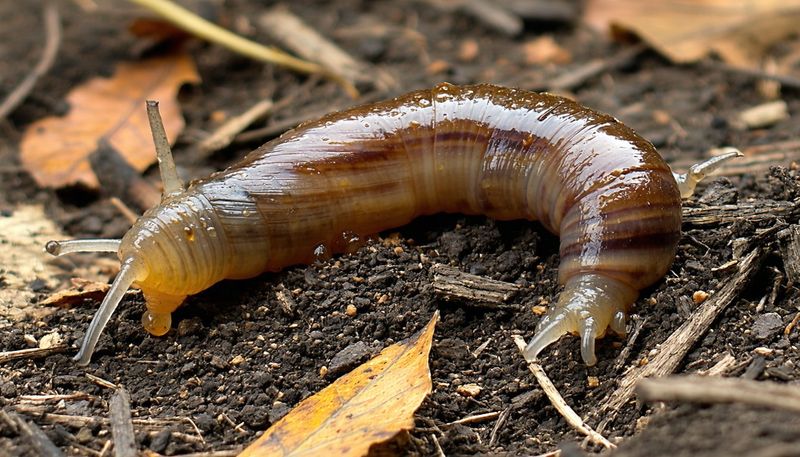
Slugs are not picky eaters, and that is exactly why breaking-down mulch helps them thrive. Sure, they love munching on living leaves. But they also happily feed on decaying plant material and the fungi growing inside it.
As mulch rots, it turns into a slow-release buffet. Soft, softened bits of leaves and grass, along with fuzzy patches of fungi, give slugs a steady snack supply.
More food means healthier slugs, more eggs, and bigger numbers by the time your greens are ready to pick.
Your choice of mulch can change that whole picture. Coarser materials like pine straw break down much more slowly, so they offer less of that soft, rotting food. They also stay fluffier and airier over time.
Fresh grass clippings are a different story. Spread in thick layers, they mat down, heat up, and decompose quickly into a slimy mess that slugs find irresistible. If you use clippings at all, keep the layer thin and let them dry first.
Another smart habit is refreshing mulch rather than stacking new layers on top of old, flattened material. Rake out the matted stuff, add it to your compost pile, and lay down a fresh, loose layer.
Warm, humid weather speeds up decay, and North Carolina has plenty of both, especially in early fall.
Mulch that might last a whole season in a drier state can start breaking down within weeks here. Keeping an eye on its condition helps you cut off a hidden food supply before slug populations grow out of hand.
5. Fine, Moisture-Holding Mulches Attract The Most Slugs
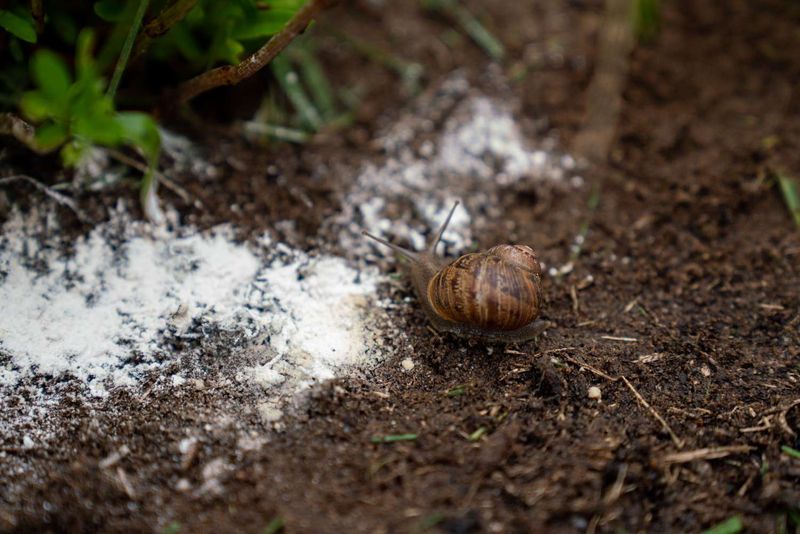
Not all mulch is created equal, at least not in the eyes of a slug. Some materials turn into a damp sponge, while others stay light and breezy. Guess which kind slugs prefer?
Fine materials like grass clippings, whole leaves, and finely shredded mulch pack down tightly. Once flattened, they trap moisture against the soil and barely let air move through. The result is the soggiest, most slug-friendly conditions you can create.
Coarser materials behave differently. Pine straw and coarse straw leave lots of air pockets, so they dry out more between waterings. Slugs find those drier layers much less inviting.
Leaves are still worth using, though. Shred them first by running a mower over a pile or using a leaf shredder. Shredded leaves stay looser and are far less likely to form a soggy mat than whole leaves, which tend to stick together like wet paper.
In beds where slugs have caused trouble before, switch to pine straw or coarse straw. These options give you the benefits of mulch without as much hidden dampness. Fluff your mulch now and then with a rake or your hands to keep it from forming a dense crust.
Free mulch is hard to pass up, and North Carolina yards produce plenty of it every fall. Oak, maple, and other trees drop piles of leaves, and lawns keep supplying clippings.
Using those materials wisely, by shredding and spreading them thin, lets you save money while keeping slugs from moving in.
6. Mulch Piled Against Plants Gives Easy Access
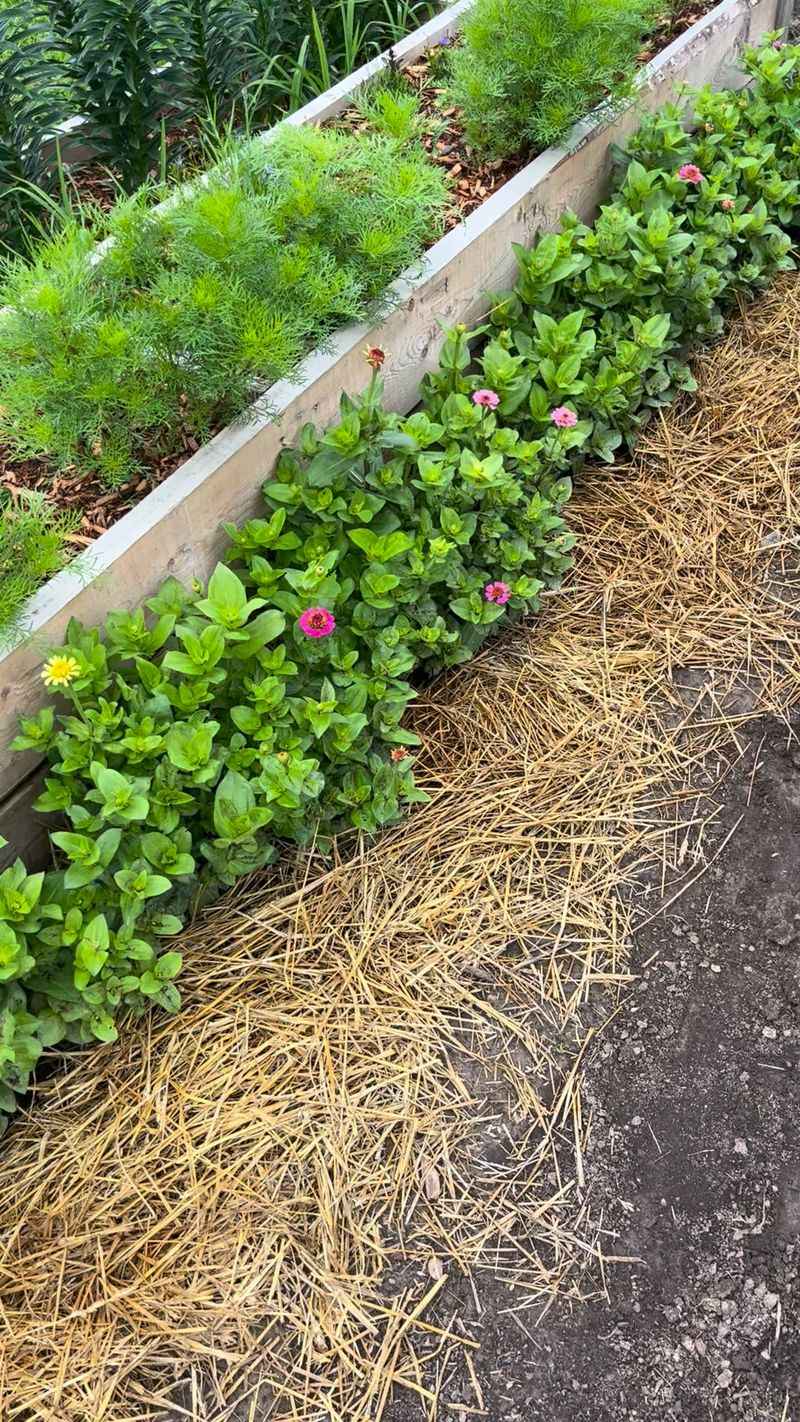
Imagine living in a house where the refrigerator sits right next to your bed. That is the setup slugs get when mulch is piled snugly against vegetable stems. They can slide straight from their hiding spot onto the plant without ever leaving cover.
Bare, open soil acts like a small speed bump. It tends to be drier and more exposed, so slugs feel less comfortable crossing it. When mulch touches stems and lower leaves, that bump disappears completely.
A simple fix makes a real difference. Pull mulch back about an inch or two from the stems of seedlings and young transplants. That little ring of open ground gives plants breathing room and makes slugs work harder to reach them.
Lower leaves deserve attention too. When they flop down and rest on the mulch, they become a bridge for hungry slugs. Snip off any lower leaves that touch the mulch, especially on plants like cabbage and broccoli.
Timing helps as well. Tiny seedlings have very little leaf area, so a single night of slug feeding can wipe out most of their growth. Hold off on mulching around small seedlings until they are larger and sturdier, then add mulch with that gap in place.
Across North Carolina, many gardeners set out fall transplants in late summer and early fall. Those young plants are tender, still building roots, and highly vulnerable to slug damage.
Giving them a little space from the mulch during those early weeks helps them grow strong enough to handle a nibble or two later.
7. Tender Fall Crops Are Slug Favorites
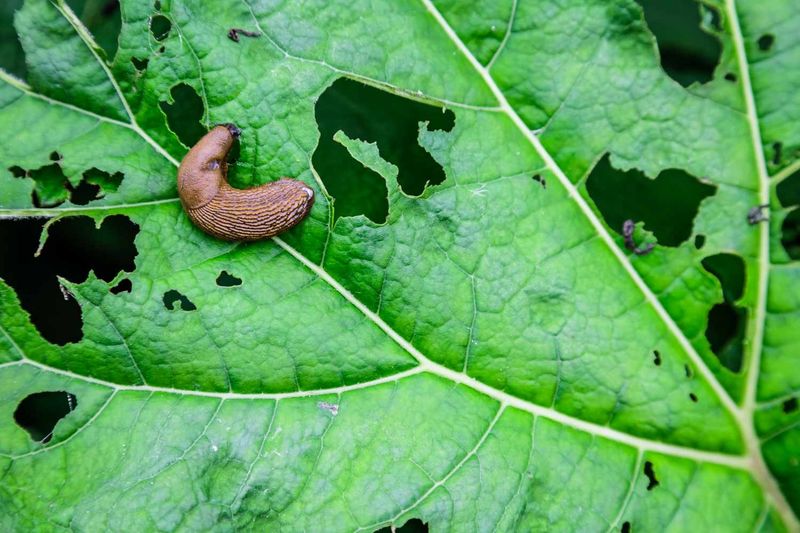
Lettuce, spinach, young cabbage, kale, and collards make a fall garden look amazing. Unfortunately, they also make a slug’s ideal menu. Soft, juicy leaves are easy for slugs to chew, so these crops get hit first and hardest.
Slug damage is easy to spot once you know the signs. Look for ragged, uneven holes in the leaves, often in the middle rather than along the edges. Shiny, silvery slime trails across the leaves or soil confirm that slugs paid a visit overnight.
Frequent check-ins keep you one step ahead. Walk through your greens every few days and look closely at the undersides of leaves. Evening is the best time to hand-pick, since slugs start moving as the light fades.
For extra help, try iron phosphate slug bait labeled for use in vegetable gardens. Scatter it around beds as the label directs. It is a common choice for food gardens, and it breaks down into nutrients found naturally in soil.
Watering time matters more than many people realize. Water in the morning so the soil surface has all day to dry before night falls. Evening watering leaves everything damp right when slugs head out to feed.
North Carolina gardens burst with tender greens every fall, and that harvest arrives just as slug activity ramps up.
Collards and kale are Southern favorites for good reason, so they deserve a little protection. With steady checks, smart watering, and a few targeted tools, you can enjoy crisp, hole-free greens all season long.