Spiny Rosettes Dotting Missouri Pastures Are A Noxious Weed
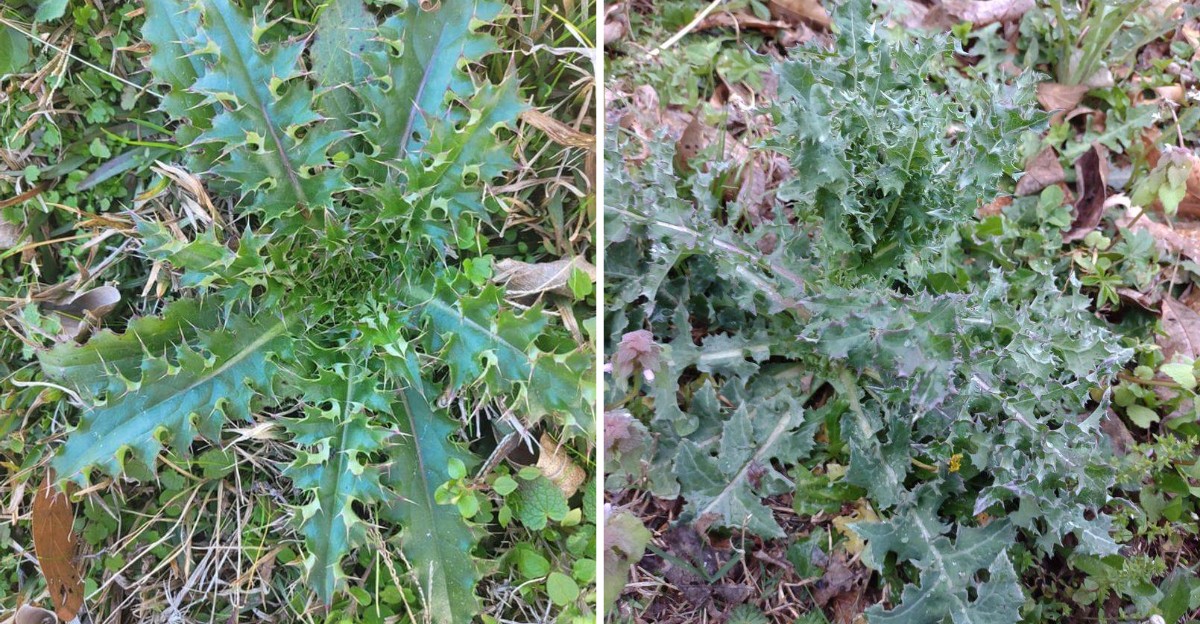
Walk across a Missouri pasture in early October, and you might spot flat green stars hugging the ground. They look harmless at first, but one careless step through tall grass can leave your ankles with a painful reminder.
Those prickly circles are not just a nuisance for hikers, kids chasing calves, or farmers checking fences. They quietly crowd out grass that cattle need, and they can multiply faster than many folks expect.
In fact, the plant behind them is serious enough that Missouri lawmakers placed it on an official list. That means landowners carry real responsibility for keeping it in check across their fields and fence rows.
Somehow these green stars tend to pick the exact spot where you wanted to park the truck. A sturdy pair of gloves might be the most useful tool in the barn this month.
A Biennial Plant Building Strength Before Winter
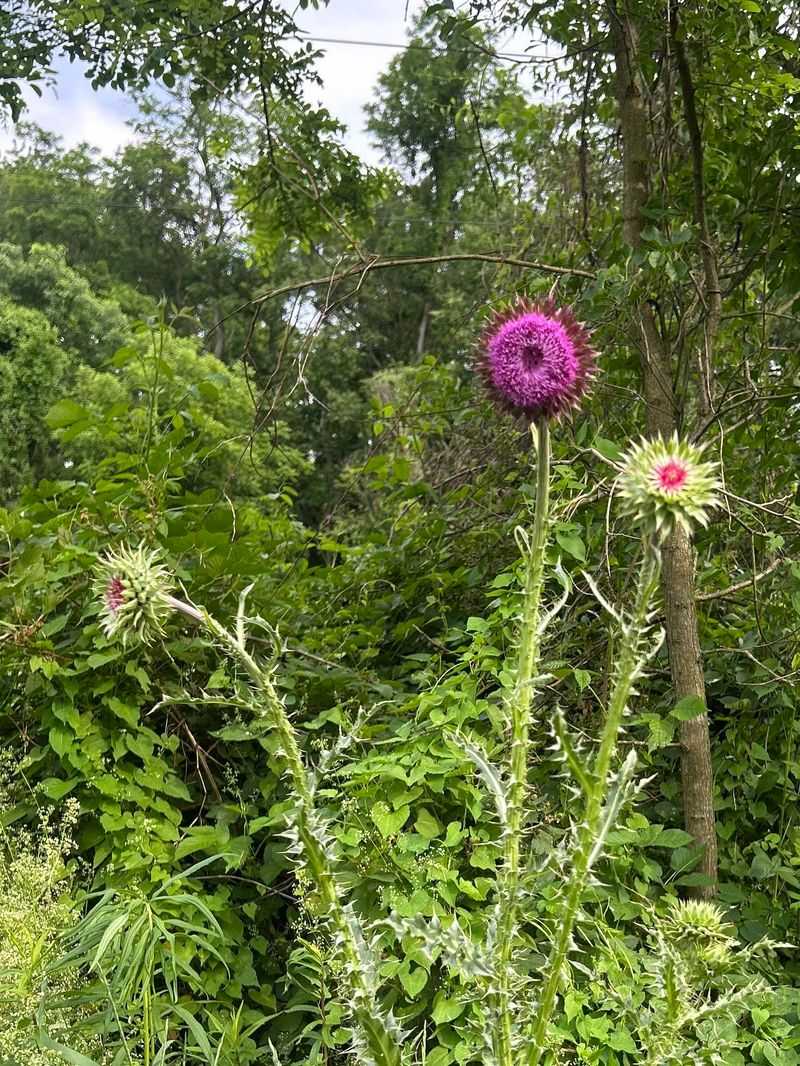
Picture a plant with a two-year plan, and you already understand the sneaky schedule of musk thistle. During its first year, the weed stays low and flat, spending the warm months storing energy underground.
Botanists call this kind of life cycle biennial, which simply means the plant needs two seasons to finish. Year one is for growing roots and leaves, while year two is for flowers, seeds, and spreading trouble.
Right now, in early October, those first-year rosettes are busy packing sugars into a thick, carrot-like taproot. That root works like a pantry, feeding the plant through cold months so it can bolt upward next year.
Missouri winters rarely bother these tough rosettes, since their leaves press close to the warm soil surface. Snow and frost may darken the edges a bit, but the growing center usually stays healthy and ready.
Once spring warmth returns, the stored energy fuels a tall stem that can reach up to six feet. Big purple flower heads then nod over the pasture, and a single plant can produce thousands of fluffy seeds across its many heads.
After seeding, the parent plant completes its two-year cycle, and young seedlings often sprout nearby by fall. Some seeds can also rest in the soil for up to ten years, waiting for bare ground and sunlight.
Understanding this rhythm helps you plan smarter, because the weed is weakest while it sits as a rosette. Catching it during its first fall and winter saves you a much bigger headache when summer arrives again.
Identification Marks Of The Flat Rosette
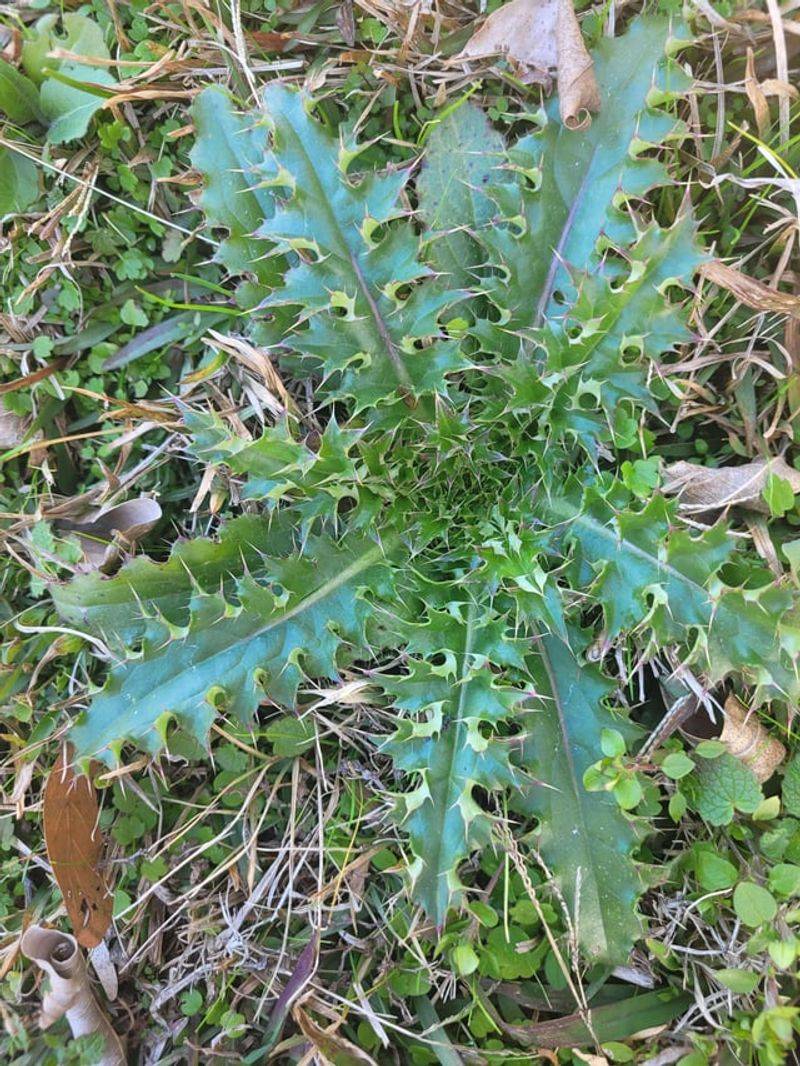
Ever knelt down to pet a barn cat and found a spiky green pinwheel staring back at you? Odds are good you met a musk thistle rosette, and learning its features makes future encounters much easier.
Start with the shape, since the leaves spread outward in a flat circle that can measure two feet. Smaller rosettes might only be the size of a dinner plate, especially on young plants that sprouted lately.
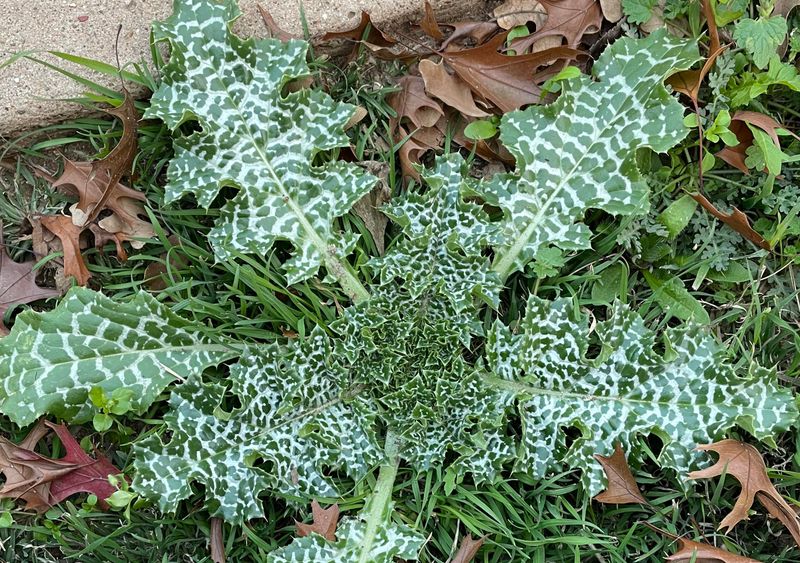
Next, look closely at the leaf edges, which are deeply lobed and tipped with sharp, straw-colored spines. Many leaves also show a pale silvery or whitish line running down the middle, almost like a stripe.
Your Missouri Garden Changes Every Week. Your Plan Should Too.
Gardening in Missouri changes quickly throughout the season. Every Friday you’ll receive a simple weekly plan showing exactly what to plant, prune, fertilize, harvest, and protect so you never miss the right timing.
The color usually runs dark green, and the surface feels smooth and waxy rather than fuzzy or hairy. That waxy texture is a handy clue, because some look-alike thistles have woolly or hairy leaf undersides instead.
Bull thistle, for example, feels rough and bristly on top, while Canada thistle grows in patches from creeping roots. Musk thistle stands apart with its glossy leaves and single taproot that anchors one rosette in place.
Try gently pushing a shovel beside a suspect plant, and you should find a thick, fleshy root underneath. Wear leather gloves for this step, because those spines can poke right through thin cotton gardening gloves.
Snapping a few phone photos and comparing them with MU Extension resources can confirm what you are seeing. Correct identification matters, since control choices and legal duties depend on knowing exactly which thistle you have.
Legal Status Under Missouri Weed Law
Plenty of new landowners are surprised to learn that a simple weed can land them in legal hot water. Missouri lists musk thistle as a noxious weed, which gives it special status under state agriculture rules.
The state noxious weed law, found in Chapter 263 of the Missouri statutes, covers several harmful plants. Musk thistle shares that list with plants like Scotch thistle, Canada thistle, Johnsongrass, and multiflora rose.
Under the law, landowners are expected to control listed weeds so they do not spread to neighboring property. The main goal is stopping plants from going to seed, since wind can carry fluffy seeds across fences.
If a neighbor complains, county officials may inspect the land and send a written notice asking for action. Ignoring that notice can lead to fines, and in some cases the county may hire someone to treat the weeds.
Those treatment costs can then be added to the landowner’s tax bill, which makes for an unwelcome surprise in the mailbox. Rules and penalties can vary by county, so checking with your local extension office is a smart move.
Fun bit of history: musk thistle likely arrived in North America from Europe and Asia during the 1800s. It probably came by accident, with seeds hitching a ride in contaminated crop seed or shipping materials.
Following the law is not only about avoiding penalties, because it also protects the farms next door. Good weed control turns into good neighbor relations, and that kind of goodwill goes a long way in rural communities.
Livestock Pasture Losses Linked To Heavy Stands
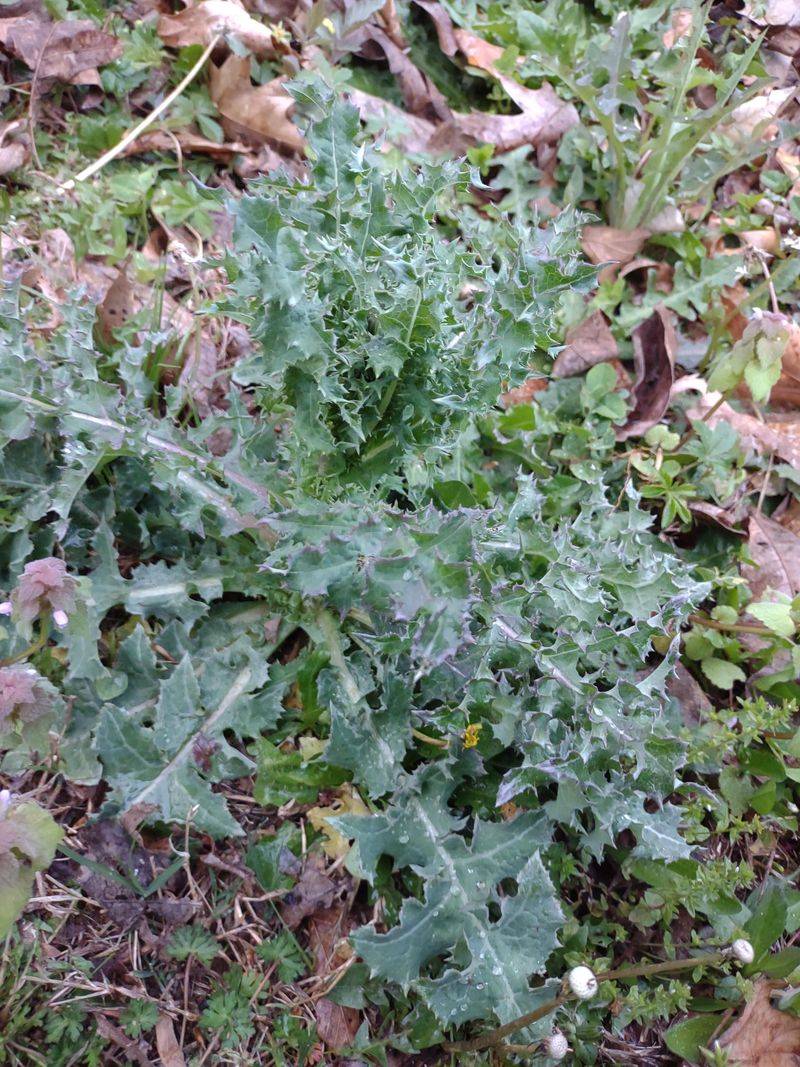
Cattle are picky eaters when it comes to prickly plants, and they usually steer clear of musk thistle. That sounds harmless, yet their avoidance creates a chain reaction that slowly shrinks the useful grazing area.
Each rosette claims a circle of ground where grass struggles to grow beneath its broad, spiny leaves. Animals also skip the tender forage growing close by, since the spines make those spots unappealing to graze.
Extension research indicates that heavy thistle stands can reduce how much livestock a pasture supports. In thick patches, cattle may graze around the plants and leave large sections of feed untouched.
Fewer grazing acres mean farmers might need to buy extra hay, which adds up fast during a long winter. Those added costs can put real pressure on a small family operation.
Spines can also scratch the noses and faces of curious calves exploring new pasture. Minor scrapes like these may need a little extra attention from owners.
Weedy fields can also make a pasture less appealing to buyers who notice thistle patches from the road. A pasture covered in purple blooms each June may look pretty, but it points to years of management ahead.
Walking your fields this fall and marking the worst patches helps you see where losses are adding up. A simple map on paper or your phone turns a vague worry into a clear, workable plan.
Fall Timing For Rosette Control
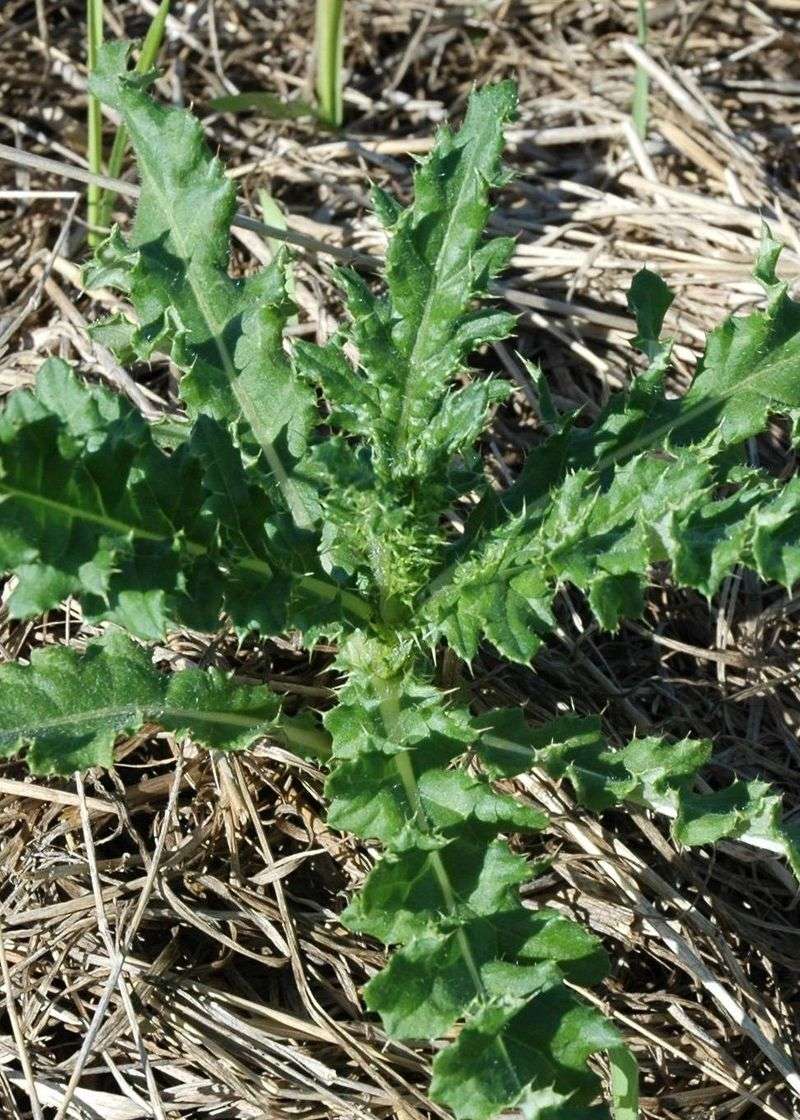
Think of October as the sweet spot on the calendar for treating musk thistle while it is still small. Rosettes are actively growing and pulling nutrients downward, which makes them more open to treatment.
When the plant sends sugars to its roots in fall, it also carries herbicide down along with them. That downward flow helps products reach the taproot, giving you better control than spraying tall flowering stalks.
Extension specialists in Missouri often suggest products containing 2,4-D, dicamba, or similar ingredients labeled for pasture thistles. Read every label carefully, since grazing restrictions and safe mixing rates can differ from one product to another.
Pick a calm day with temperatures above 50 degrees, so the plants are actively growing during application. Windy afternoons can push spray onto clover, gardens, or a neighbor’s soybean field, so patience really pays off.
For a small patch, digging works well when you slice the taproot at least two inches below the soil surface. Cutting that deep usually prevents regrowth, and the soft fall soil makes shovel work a bit easier.
Mowing rosettes in fall rarely helps, since the blades simply pass over the flat leaves without harm. Save the mower for later, and focus your October energy on spraying or digging those low green stars.
Some Missouri landowners like a second round in early spring, catching any rosettes they missed in fall. Combining both windows gives you a strong two-step approach that keeps seed numbers low over time.
Follow-Up Steps That Limit Re-Establishment
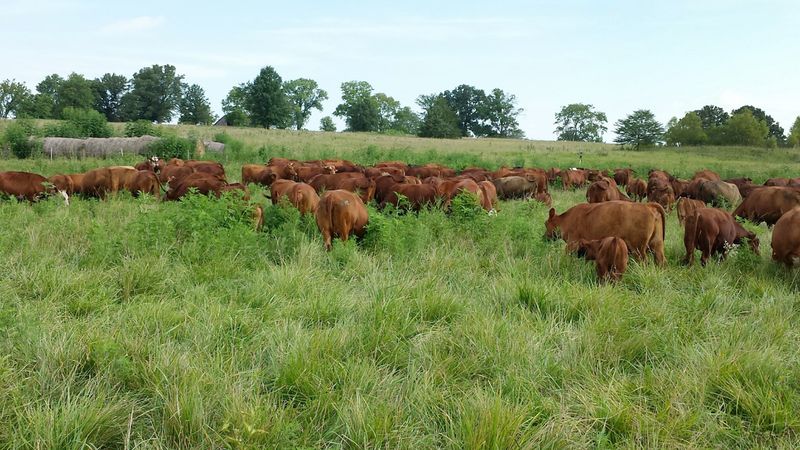
Getting through one season of thistle control feels great, but the seed bank in your soil has a long memory. Seeds can sit quietly in the ground for up to ten years, waiting for a bare spot to sprout.
Thick, healthy grass is your best protection, because rosettes struggle to get started under a dense green canopy. Fertilizing based on a soil test helps fescue and other forages fill in gaps left by removed thistles.
Overgrazing leaves bare soil behind, so rotating cattle between paddocks gives grass a fair chance to recover. Leaving about four inches of growth after grazing keeps roots strong and shades the soil surface nicely.
Scouting matters too, so plan a quick walk each fall and spring to look for new rosettes. Fence lines, feeding areas, and spots near water tanks tend to show trouble first, so check them closely.
Clean hay matters as well, since bales from weedy fields can carry thistle seeds onto your clean ground. Ask sellers about their weed control, and feed new hay in one area you can watch easily.
Nature offers a helper too, since a tiny weevil that feeds on thistle heads has been used in some areas. Experts now advise caution with it, because the insect also feeds on several native thistles that wildlife enjoy.
Keeping simple notes on where and when you treated each patch helps you track progress over several seasons. Steady, patient effort tends to pay off, and many pastures look noticeably cleaner after a few seasons of consistent control.