Why Dianthus Deserves A Spot In More North Carolina Fall Gardens
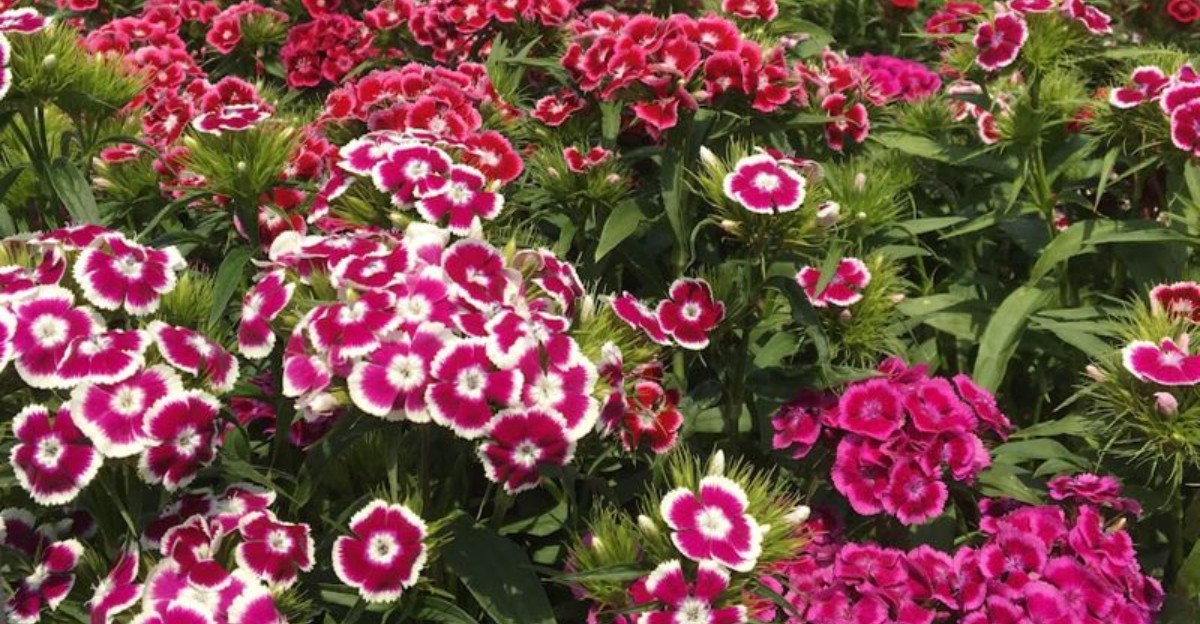
Dianthus rarely gets the spotlight at the garden center. It is small, quiet, and easy to walk past. That is a mistake in a North Carolina fall garden.
The plant stays low and tidy, with fringed flowers in pink, red, and white. Many types carry a spicy, clove-like scent. It also handles cool weather well, so the color lasts long after other flowers have faded.
The silvery blue-green leaves look good even when nothing is blooming. Dianthus fits in borders, containers, and the edge of a walkway without taking over. It asks for little water and little fuss.
If you are looking for a plant that gives more than it takes, this one deserves a second look. Fall is a good time to give it a place.
1. It Blooms In Fall And Again In Spring
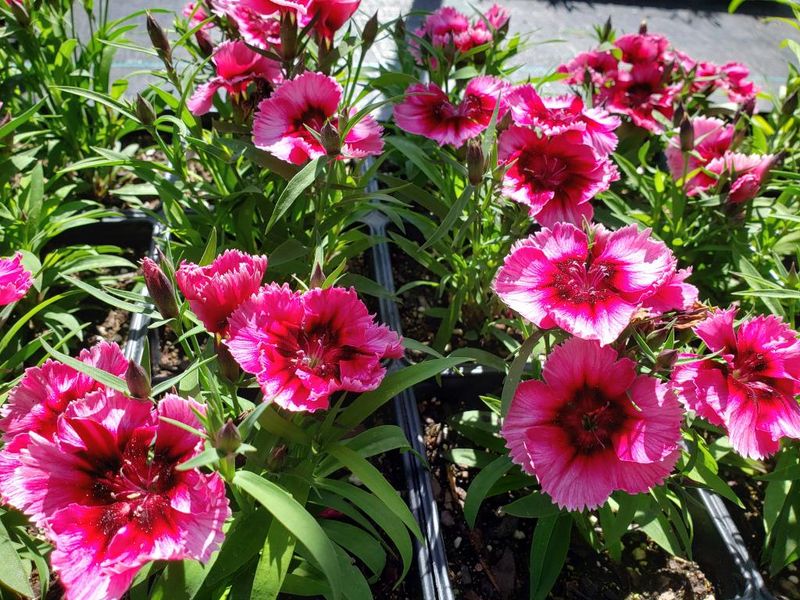
Two flower shows for the price of one sounds like a deal most gardeners would grab in a heartbeat. That is exactly what you get when you tuck dianthus into the ground in autumn. One planting gives you color now and another big burst when spring rolls around.
The secret lies in how dianthus grows. It is a cool season plant, so it loves the crisp air of fall and starts flowering soon after planting. During the coldest weeks of winter, it slows down and rests.
Then, as the days grow longer in late winter and early spring, it wakes up and blooms even more heavily than before.
Getting started is simple. Aim to plant in September or October, while the soil is still warm enough for roots to spread. Pick a spot with full sun, at least six hours a day, and make sure the soil drains well.
Soggy ground is one of the few things dianthus truly dislikes, so raised beds or amended soil can help a lot. Water your new plants regularly for the first few weeks while they settle in.
After that, they need much less attention. Pinch or snip off faded flowers every so often, because that small habit pushes the plant to keep making fresh buds instead of seeds.
North Carolina gives dianthus a real advantage. Our falls tend to be long and mild, often stretching well into November. That extra time lets plants bloom happily and build strong roots before winter arrives.
Strong roots mean healthier plants, and healthier plants mean a fuller, brighter spring display. Few fall flowers pay you back twice like that, which makes dianthus a smart choice for any yard.
2. It Handles Cold Better Than Many Fall Annuals
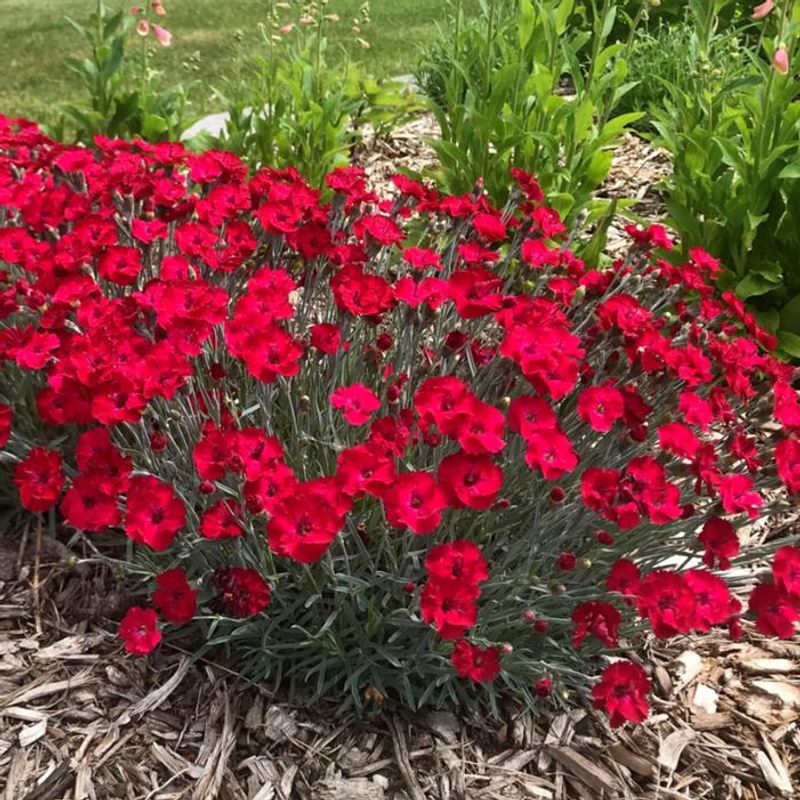
Frost on the lawn usually means bad news for flower beds. Many fall annuals turn limp and brown after the first hard freeze, leaving gardeners with empty patches until spring. Dianthus, on the other hand, tends to shake off the chill and carry on.
Here is why it holds up so well. Dianthus handles light frost and many freezes without much fuss, and its foliage usually stays green through most winters. Even when the flowers pause, the plant itself stays alive and ready.
Your North Carolina Garden Changes Every Week. Your Plan Should Too.
Gardening in North Carolina changes quickly throughout the season. Every Friday you’ll receive a simple weekly plan showing exactly what to plant, prune, fertilize, harvest, and protect so you never miss the right timing.
Come spring, it often bounces right back and blooms again, while many of its neighbors need replacing.
A little care helps it through the roughest weather. Spread a thin layer of mulch around the base to keep the soil temperature steady. Keep it light, though, since thick piles can trap moisture against the stems.
When the forecast calls for a severe cold snap, especially with single-digit lows, drape frost cloth over the plants overnight and remove it once temperatures rise.
By late winter, you may spot a few brown or ragged leaves. Trim those away with clean scissors to tidy things up and make room for fresh growth. That quick cleanup also helps the plant look sharp just as spring color begins.
Across North Carolina, winters vary quite a bit. In the Piedmont and Coastal Plain, dianthus often comes through the season in great shape with little help.
Gardeners in the Mountains face colder temperatures, but hardy perennial types can handle those conditions too.
No matter where you live in the state, few fall flowers offer this kind of staying power, which makes dianthus a dependable choice for color that lasts.
3. Many Varieties Have A Spicy, Clove-Like Scent
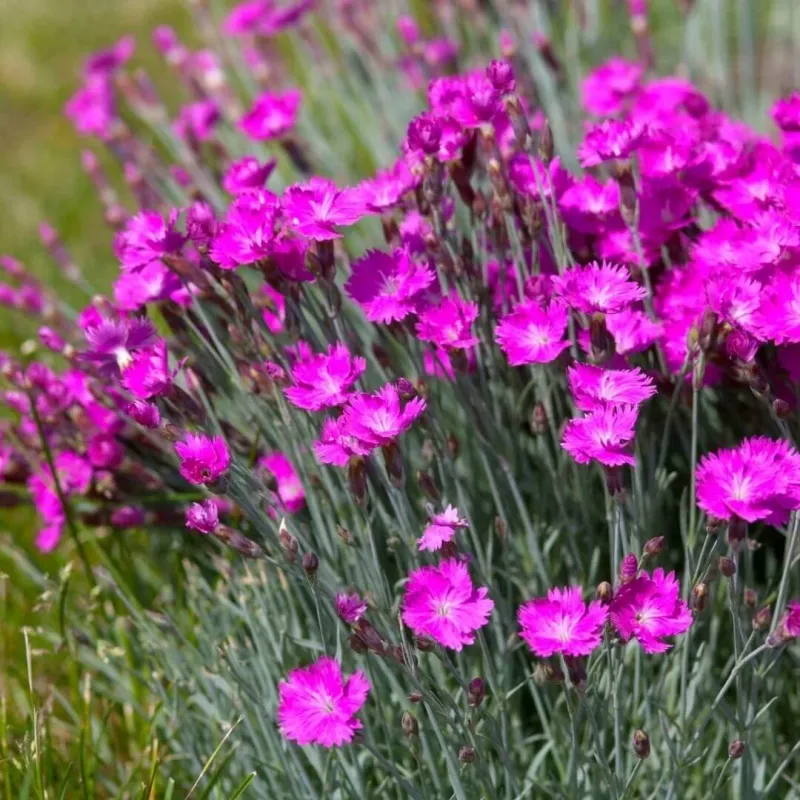
Lean in close to a Firewitch dianthus on a sunny afternoon and you might catch a surprise. A warm, spicy smell rises from the blooms, a lot like cloves in a holiday kitchen.
Gardeners have loved this scent for centuries, and it helped make these flowers, often called pinks, a cottage garden favorite.
Fragrance adds something color alone cannot. A bed can look lovely from across the yard, yet a scented flower invites you to stop, bend down, and enjoy it up close. Many dianthus, especially perennial pinks like Firewitch, offer that sweet and spicy aroma.
Still, scent varies a lot from one variety to the next, and some bedding types have very little smell at all.
So how do you find the fragrant ones? Start by reading plant tags at the garden center. Words like fragrant, scented, or clove-scented are good clues.
Online catalogs and plant descriptions often mention fragrance too, so a quick check before buying can save you from disappointment.
Placement makes a big difference. Plant fragrant dianthus near walkways, front steps, entry doors, and patios where people pass by often. Containers on a porch railing work well because they lift the flowers closer to your nose.
Even a small pot by the back door can greet you with a pleasant whiff each time you step outside.
For North Carolina gardeners, this perk stands out. Most popular fall bedding plants, such as mums, ornamental kale, and many pansies, bring color but little or no scent.
Adding dianthus gives your autumn garden a sensory bonus that neighbors and visitors will notice. It turns an everyday walk to the mailbox into a small, cozy treat.
4. It Brings Butterflies And Other Pollinators
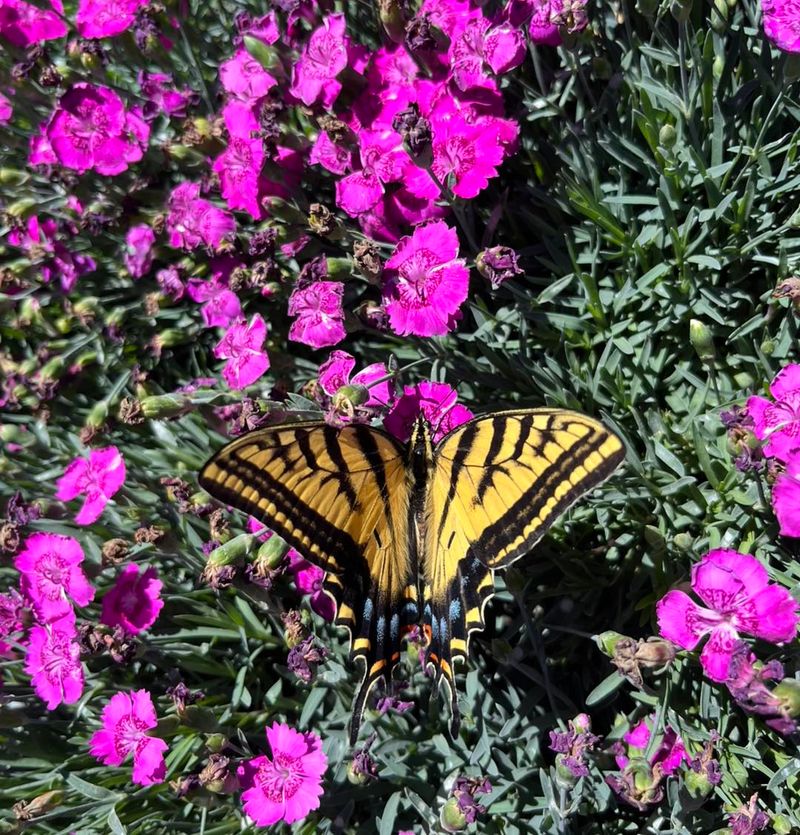
A bright orange butterfly drifting over a flower bed in late October feels like a small gift. On warm fall days in North Carolina, that sight is more common than many people expect. Dianthus happens to be one of the flowers that helps make it happen.
Its blooms are open and easy to reach, often with pretty fringed edges that look like they were trimmed with pinking shears.
Butterflies, bees, and other pollinators can sip nectar from them without much effort. That matters most during cool months, when fewer plants are flowering and food can be hard to find.
You can make your dianthus even more inviting with a few smart moves. Choose sunny spots, since pollinators tend to gather where it is warm and bright. Skip insecticides on plants that are in bloom, because sprays can harm the very visitors you want to attract.
If pests show up, try hand-picking or a strong spray of water first. Pairing helps too. Combine dianthus with other pollinator-friendly plants so something is always blooming.
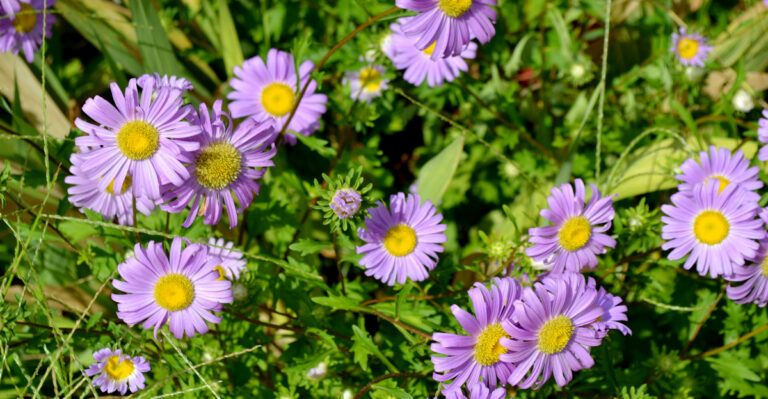
Asters and goldenrod shine in fall, while early spring brings options like creeping phlox and native columbine. A mix like that creates a longer buffet for hungry insects and a livelier garden for you.
Our state is especially good for this. Mild fall afternoons and early spring warm spells keep butterflies active even when much of the landscape has gone quiet. Monarchs pass through on migration in autumn, and other species flutter out on sunny winter days.
Giving them dianthus to visit supports local wildlife and adds movement and charm to your yard. Watching those tiny visitors at work can be just as rewarding as the flowers themselves.
5. Deer Often Pass It By
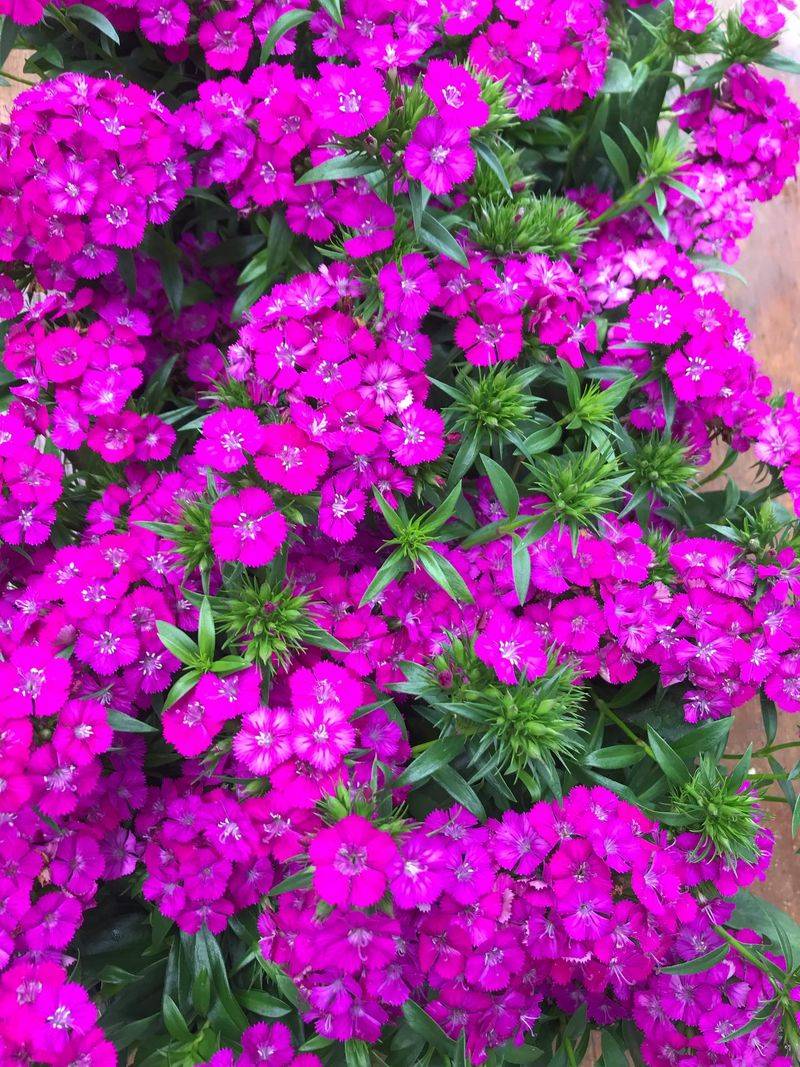
Anyone who has planted a fresh tray of pansies only to find bare stems the next morning knows the frustration. Deer can be sneaky, hungry, and very picky about what tastes good. Luckily, dianthus is not usually high on their menu.
Deer tend to browse heavily on plants like pansies, violas, and hostas, which seem to be favorite snacks. Dianthus, by contrast, is frequently left alone or only nibbled a little. Its slightly tough, grassy foliage and spicy scent may be part of the reason.
Keep in mind, though, that no plant is completely deer proof. A very hungry deer during a lean season might take a bite of almost anything.
The trick is to use dianthus where it can do the most good. Plant it in beds that get the most deer traffic, such as areas near woods, open lawns, or roadsides.
Grouping it with other deer-resistant plants, like lavender, salvia, rosemary, and daffodils, creates a bed that looks less tempting overall.
During heavy browsing seasons, usually late fall and winter when wild food runs low, repellent sprays can add another layer of protection. Rotate between brands every few weeks so deer do not get used to one smell. Reapply after heavy rain for the best results.
For many North Carolina homeowners, deer are a constant challenge. Suburban neighborhoods in places like Raleigh, Charlotte, and Asheville often border wooded land, and rural yards see even more visitors.
Choosing plants that deer usually skip saves money, time, and plenty of heartache. Dianthus lets you enjoy steady fall and spring color without feeling like you are setting out a salad bar every night.
6. It Pairs Beautifully With Other Cool Season Flowers
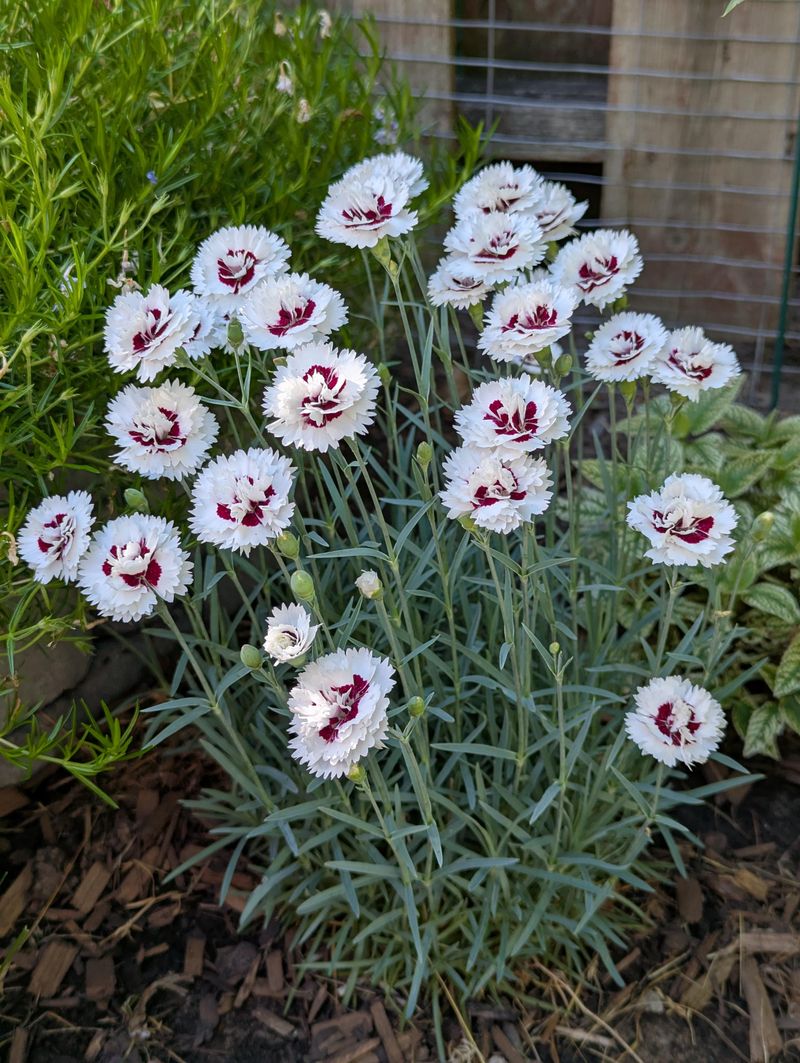
Some plants are team players, and dianthus is one of the best. It blends easily into almost any cool season planting without fighting for attention. Instead, it fills gaps, softens edges, and makes everything around it look even better.
Size is a big part of its charm. Most bedding dianthus stay compact, usually under a foot tall, with neat mounds of blue-green or green foliage. The flowers come in pink, red, white, and eye-catching bicolors.
Those colors and textures look great beside pansies, violas, snapdragons, ornamental kale, and spring bulbs.
Planning a bed is easier than it sounds. Place dianthus at the front, where its low size keeps it visible. Set taller snapdragons behind it to add height and a vertical look.
Ornamental kale or cabbage can fill the middle with bold, ruffled leaves that contrast nicely with the fine dianthus foliage.
Containers work the same way. Tuck dianthus around the edges of pots and window boxes, then add a tall plant in the center. Violas can trail over the sides for a soft, spilling effect.
Try a simple color plan, like pink and purple or red and white, so the whole pot feels pulled together.
For a bonus surprise, plant daffodil or tulip bulbs nearby in fall. They will stay hidden all winter, then pop up in spring right as dianthus reaches full bloom. That layered show feels like a reward for planning ahead.
North Carolina gardeners already love mixing cool season flowers in beds and pots each autumn. Adding dianthus to the mix brings fresh color, nice texture, and lasting appeal that carries straight through to spring.
7. Perennial Pinks Return Year After Year
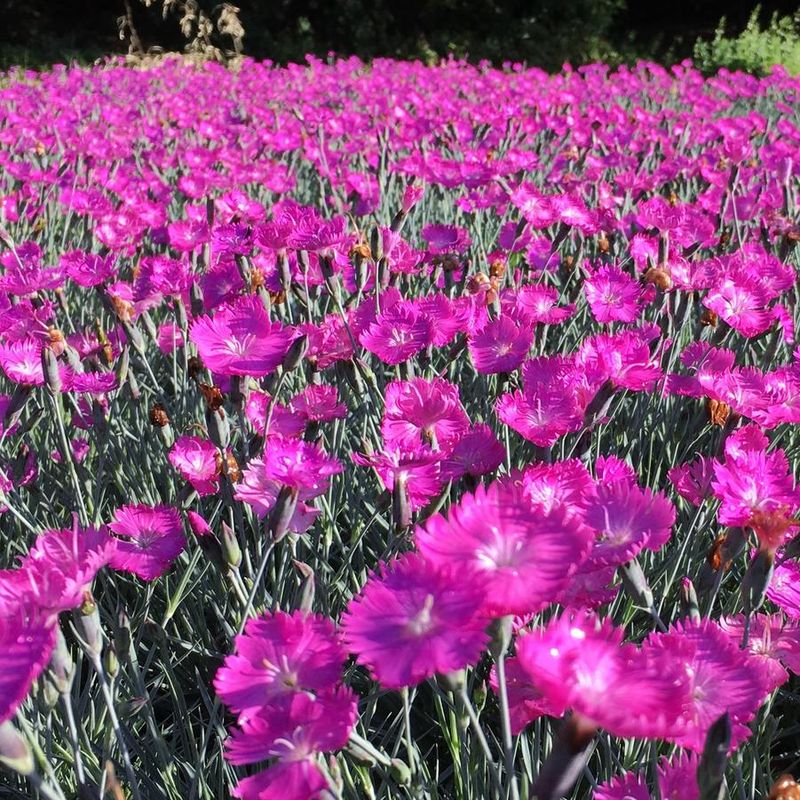
Buying plants once and enjoying them for years is every gardener’s dream. Perennial pinks make that dream pretty easy to reach. Types like cheddar pinks and maiden pinks can return reliably for many seasons with very little fuss.
Cheddar pinks got their name from Cheddar Gorge in England, where they grow wild on rocky cliffs.
That rugged background explains a lot about how they behave in gardens. These hardy plants form low mats of evergreen foliage that stay attractive all year. Their main flower show arrives in late spring, covering the mats in pink, rose, or white blooms.
Bedding dianthus are a little different. Many of them act as short-lived perennials or simply as annuals, lasting a season or two. Perennial pinks, however, settle in and keep coming back, which makes them a wise long-term investment.
Success starts with the right spot. Give them full sun and very well-drained soil, since wet roots in winter are their biggest weakness. Adding gravel or planting on a slope can help.
After blooming finishes, shear the plants lightly with scissors or clippers. That quick trim keeps them compact and tidy, and it often encourages a few extra flowers later.
Mulch needs a careful touch. Avoid piling it against the crowns, the spot where stems meet the soil, because trapped moisture can cause rot. A thin layer of gravel around the base works even better.
In North Carolina, perennial pinks shine in rock gardens, sunny borders, and raised beds, especially where heavy clay has been improved for drainage. Plant a few this fall, and you may find yourself enjoying those cheerful mats for many springs to come.