The Florida Citrus Tree Most People Don’t Know Ripens Before Thanksgiving
Most people think citrus season in Florida means waiting until winter. One lesser-known tree can completely change that expectation.
While the familiar oranges and tangerines get most of the attention, another citrus quietly reaches its peak much earlier. Its fruit can color up while many gardens still feel firmly stuck in late summer, giving growers a surprisingly early harvest window.
That timing is only part of the story. The fruit has its own flavor, growing habits, and clues that reveal when it is truly ready.
For gardeners who have never grown this particular citrus, the tree can easily blend into the landscape until those first ripe fruits appear.
Miss the signs, and the best harvest can pass unnoticed. Spot them at the right time, and a backyard tree can deliver fresh citrus weeks sooner than expected.
The identity of this early-ripening Florida favorite may surprise even experienced gardeners.
1. That Early Citrus Is The Satsuma Mandarin
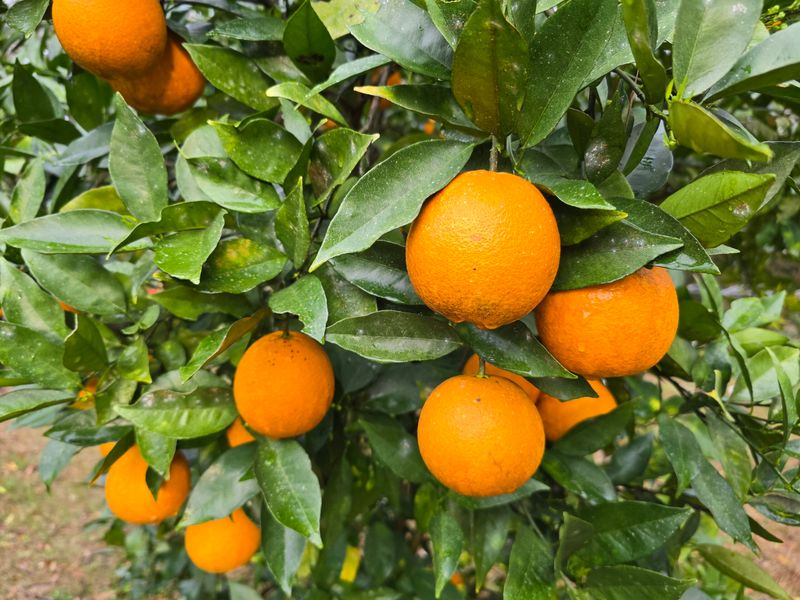
Meet the fruit that shows up to the party before the turkey does. The satsuma mandarin is a small, sweet citrus that ripens weeks ahead of most oranges.
Satsumas first came from Japan, where growers have enjoyed them for hundreds of years. The name comes from an old Japanese province, and the fruit reached the American South in the 1800s.
Kids and grownups both love how easy they are to eat. The loose skin slips off like a jacket, and you rarely find a seed inside.
Flavor is another big win. Most satsumas taste bright and sugary with just a light tang, so they work great in lunchboxes.
Florida gardeners often overlook them because big oranges get all the fame. That is a shame, since satsumas are especially well suited to cooler parts of the state where many other citrus varieties struggle.
Northern Florida is especially good satsuma country. Cooler nights there help the fruit build color and keep the sweet taste balanced.
If you want an easy first citrus tree, put this one near the top of your list. A single healthy tree can give you bags of fruit to share with neighbors.
Think of it as a holiday gift that grows right in your backyard. All you need is a sunny spot and a little patience while it settles in.
2. Most Satsumas Ripen In October And November
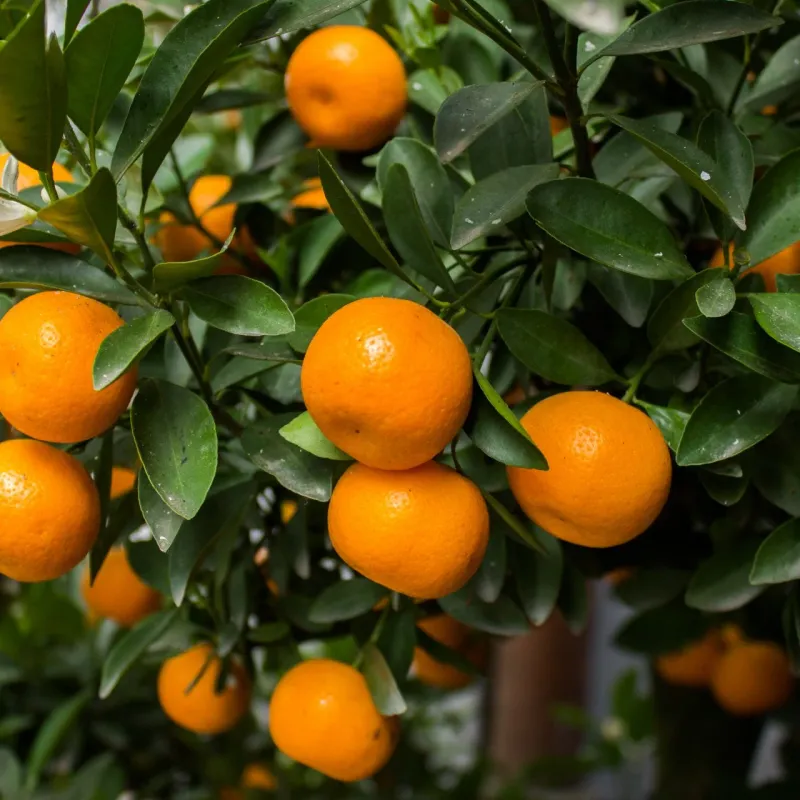
Mark your calendar for fall, because that is when satsuma season kicks off. In Florida, most trees have ripe fruit from October through November.
Compare that with navel oranges and grapefruit, which often hang on until winter. Satsumas finish their job while you are still raking leaves and planning pumpkin pie.
A few varieties stretch their harvest into December. Even so, the bulk of the crop is usually ready well before Thanksgiving dinner.
Timing can shift a little from year to year. A warm fall may slow down color, while an early cool spell can speed things along.
Start checking your tree in early October. Pick one fruit, peel it, and taste it to see how sweet it has become.
Your Florida Garden Changes Every Week. Your Plan Should Too.
Gardening in Florida changes quickly throughout the season. Every Friday you’ll receive a simple weekly plan showing exactly what to plant, prune, fertilize, harvest, and protect so you never miss the right timing.
Ripe satsumas do not hold their best flavor on the tree forever. If they hang too long, the inside can get puffy and dry.
Plan to pick over a few weeks rather than all at once. That way you enjoy fresh fruit for a longer stretch of the season.
Store extra fruit in the fridge, where it keeps for about two weeks. A bowl on the counter works too if your family eats them fast.
Here is a fun idea for the holidays. Set a basket of homegrown satsumas on the Thanksgiving table and watch them vanish.
3. Some Varieties Are Ready As Early As October
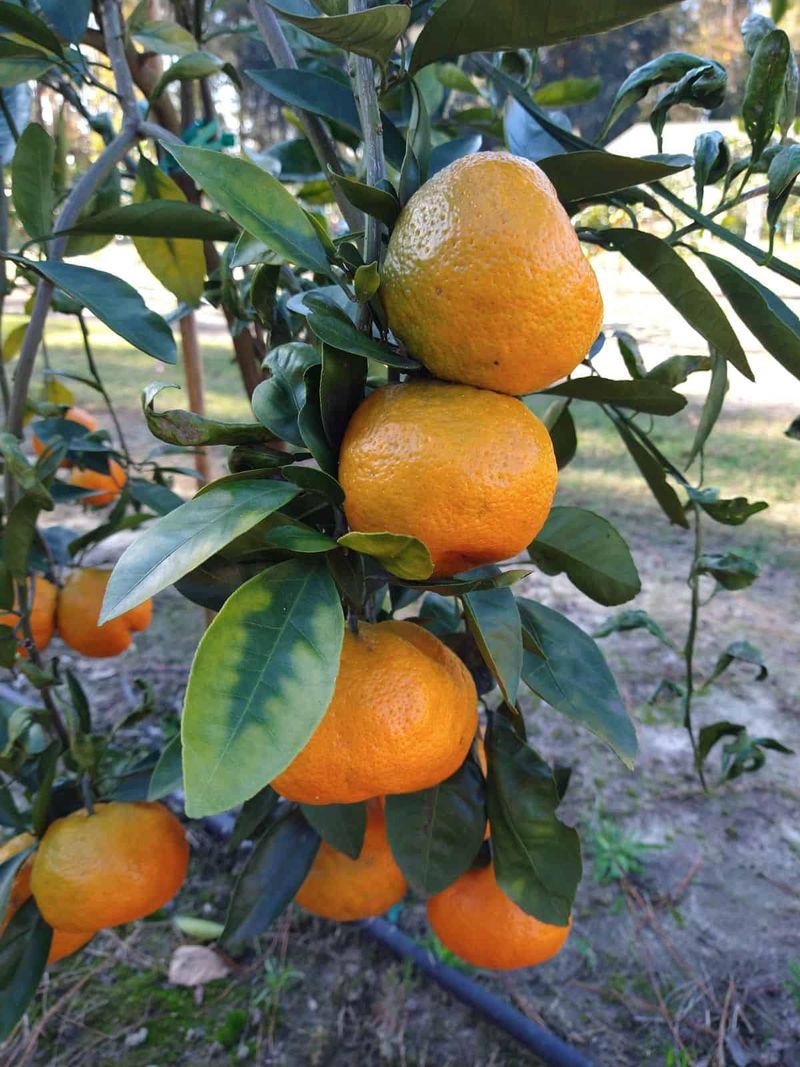
Patience is great, but some gardeners want fruit as soon as possible. Good news, a few satsuma varieties are the speedsters of the citrus world.
Early St. Ann leads the pack. It can ripen from late September into October, making it one of the earliest satsumas you can grow.
Xie Shan comes next, with fruit ready from late September through October. Many growers praise it for its rich, sweet taste.
Silverhill is an older favorite that ripens in October and November. Folks like it for its hardy nature and dependable crops.
Brown Select is another smart pick for early fruit. It often ripens one to two weeks ahead of Owari, the most common satsuma.
Owari is still a fine tree, so do not count it out. It simply arrives a little later, often in November, and still beats the holiday rush.
Want the longest season? Plant two or three varieties with different ripening times.
With smart choices, you could pick fruit from late September into December. That means weeks of fresh snacks instead of one big rush.
Ask your local nursery which varieties they carry each year. Stock changes, so calling ahead can save you a trip.
Label each tree when you plant it. Years later, you will be glad you remember which one ripens first.
4. Ripe Satsumas Can Still Have Green Peel
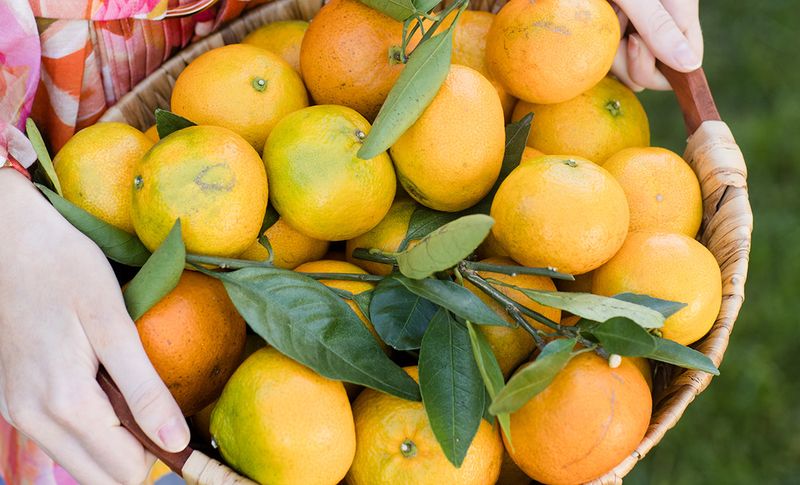
Here is a trick that fools plenty of new growers. A satsuma can taste sweet and juicy while its skin still looks green.
Color in citrus depends a lot on cool nights. When temperatures drop, the green fades and the bright orange shows through.
Florida falls can stay warm for weeks. That means the fruit may be ready inside long before the outside catches up.
So how do you know when to pick? The best test is the simplest one, which is tasting the fruit.
Choose a satsuma that has started to turn yellow or orange in spots. Peel it, eat a segment, and judge the sweetness.
If it tastes sour, wait another week and test again. If it tastes sweet, you can start picking right away.
Grocery stores train us to expect perfect orange fruit. Homegrown citrus plays by different rules, and a little green is no problem.
Fun fact: some packers treat citrus with a special gas to turn it orange. The process only changes the peel, not the flavor inside.
Keep notes on when your fruit tastes best each year. Over time, you will learn exactly how your tree behaves.
Your taste buds are the real judge in this game. Trust them over your eyes every time you check the tree.
5. Clip The Fruit Instead Of Pulling It
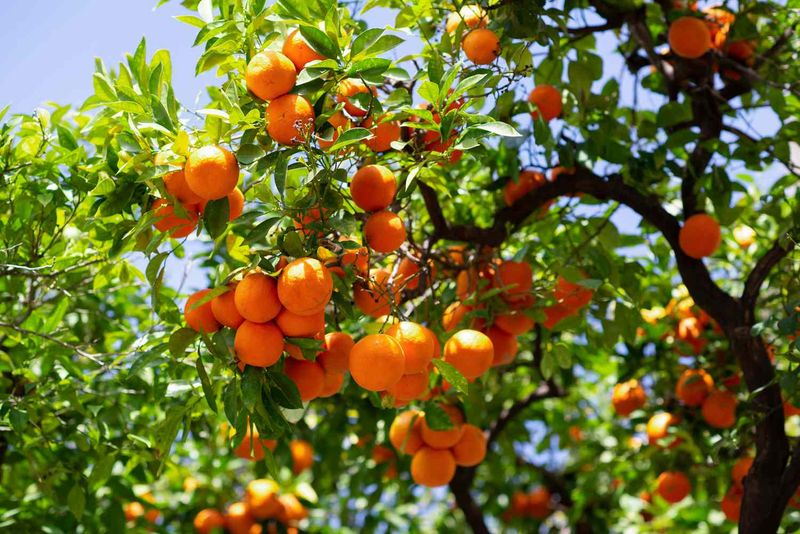
Imagine tugging a satsuma off the branch and hearing a tiny rip. That sound often means the peel tore and the fruit got hurt.
Satsumas have loose, puffy skin that makes them easy to peel. The same feature makes them easy to damage during harvest.
Pulling can tear the skin near the stem. Once the peel opens, mold and bugs can move in fast.
The fix is simple and cheap. Use a pair of small hand pruners or sharp garden snips.
Cut the stem just above the fruit. Then make a second snip to trim the stem short and flat.
Why the second cut? A long, pointy stem can poke other fruit in your basket.
Handle each satsuma like an egg. Set it gently in a bucket or basket instead of tossing it in.
Pick on a dry day if you can. Wet fruit bruises more easily and may not store as long.
Kids can help with harvest too. Give them safety snips and show them how to cut the stem.
Clean your tools after each picking session. A quick wipe with rubbing alcohol helps stop germs from spreading between plants.
A careful harvest pays off in longer-lasting fruit. Your satsumas will look nicer and taste fresher for days.
6. It’s The Most Cold-Hardy Commercial Citrus
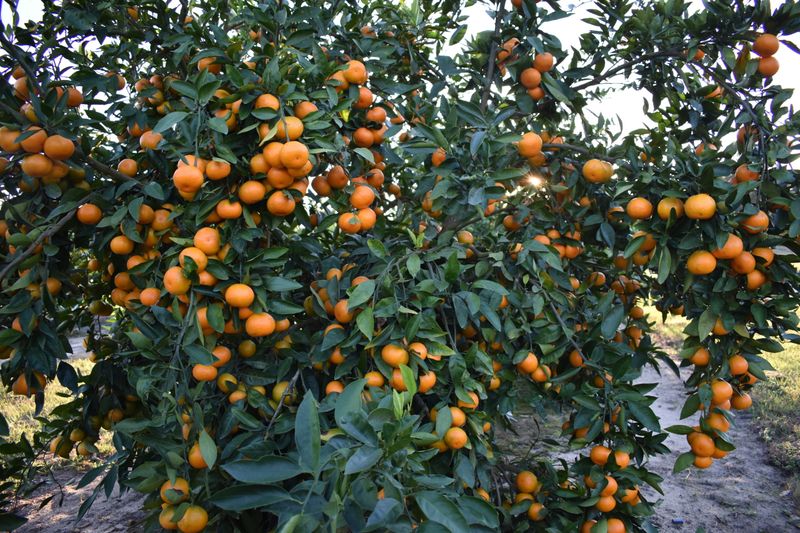
Citrus trees usually act like beachgoers who hate jackets. The satsuma breaks that rule and handles chilly weather better than any other commercial citrus.
Experts rank it as the most cold-tolerant citrus grown for sale. Oranges, grapefruit, and lemons tend to suffer at temperatures a satsuma can shrug off.
That toughness opens doors for North Florida gardeners. Places like Tallahassee, Gainesville, and Pensacola get frosts that challenge many fruit trees.
Satsumas also grow along the Gulf Coast in Alabama, Louisiana, and Texas. Some growers in Georgia and South Carolina raise them too.
Part of the secret is how the tree rests in winter. It slows down growth when days get short and cool, which helps it handle cold.
Still, hardy does not mean frost-proof. Young trees and fresh new leaves need extra care on freezing nights.
Plant your tree on the south side of a house if you can. The wall soaks up heat during the day and gives it back at night.
Good drainage matters as well. Soggy roots make any tree weaker when the cold arrives.
History note: Louisiana growers have raised satsumas for well over a century. Their success helped prove that citrus could live beyond the tropics.
For cold-zone gardeners, that is exciting news. You no longer need a tropical address to grow your own sweet citrus.
7. Acclimated Trees Can Handle 12 To 14 Degrees
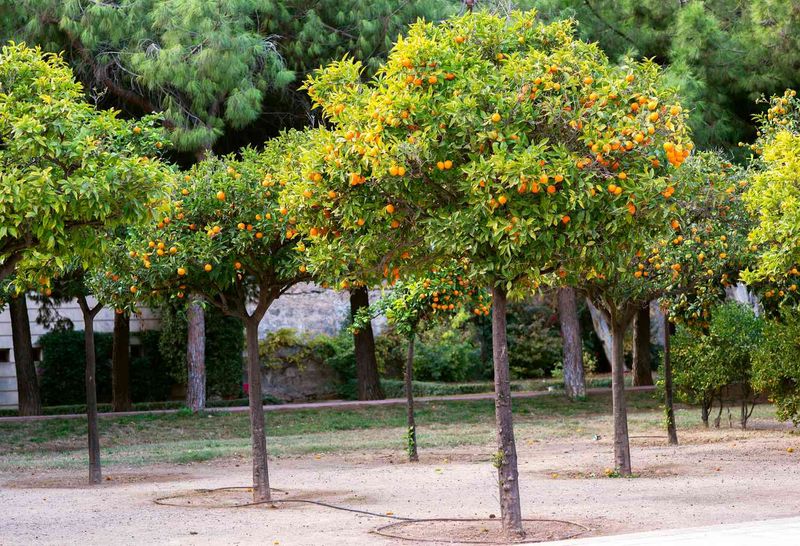
Twelve degrees sounds like weather for snowmen, not citrus. Yet some fully acclimated, mature satsuma trees have survived temperatures in the 12-to-14°F range with limited injury.
The key word is acclimated. That means the tree has slowly adjusted to cooler weather over several weeks in fall.
Gradual chill tells the tree to toughen up. Its cells change in ways that help them resist ice damage.
Research shows mature, resting trees often handle 14 to 18 degrees without major harm. Some well-hardened trees have made it through 12 to 14 degrees.
Young trees are a different story. Their thin trunks and small root systems cannot handle nearly as much cold.
A sudden freeze after a warm spell is risky too. The tree has not had time to prepare, so even older plants can get hurt.
Help your tree get ready by easing up on fertilizer in late summer. Feeding too late pushes tender new growth that frost can burn.
Water the soil a day or two before a hard freeze. Moist ground holds more warmth than dry ground.
For small trees, wrap the trunk or cover the plant with a frost cloth. Let the cover reach the ground so it traps heat from the soil.
With smart prep, your satsuma can face winter with confidence. A little effort goes a long way.
8. The Harvest Usually Beats The Coldest Weather
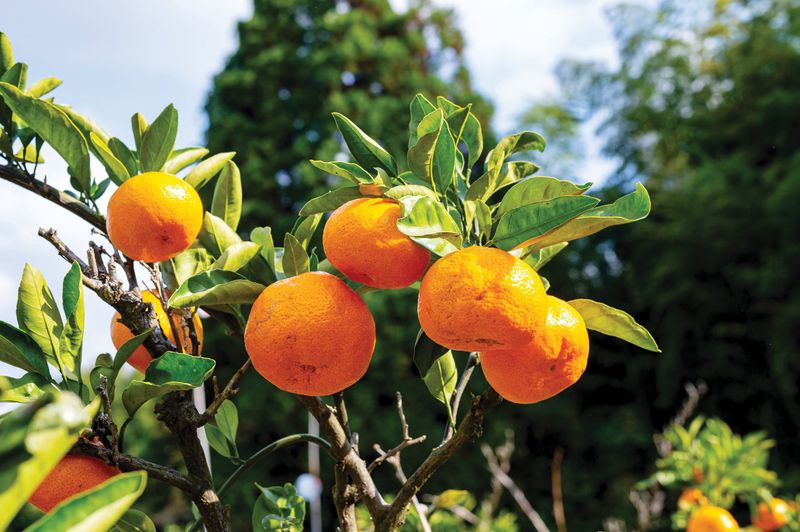
Timing is everything, and satsumas have it figured out. Their fruit is usually picked before the worst winter cold rolls in.
In North Florida, the hardest freezes often show up in late December, January, or February. By then, most satsuma fruit is already in kitchens and lunchboxes.
Why does that matter? Fruit freezes at higher temperatures than leaves and branches do.
A late-ripening orange may still be hanging when a freeze hits. Frozen fruit can turn dry and mushy inside.
Satsumas dodge that problem by ripening early. You get your harvest safely while the weather is still mild.
That makes them a smart pick for regions with surprise cold snaps. You do not have to race a freeze to save your crop.
Watch the forecast in November anyway. If a hard frost is coming, pick any ripe fruit the day before.
Even slightly green fruit can be worth picking before a freeze. Taste a few first so you know what you are getting.
Once the fruit is off, you can focus on protecting the tree. Covers, mulch, and water all help it ride out winter.
It is a neat little partnership between plant and gardener. The tree delivers early, and you keep it cozy afterward.
Few fruit trees work this well with Florida’s quirky seasons. Satsumas just seem to get it.
9. Choose Trees On Cold-Hardy Rootstock
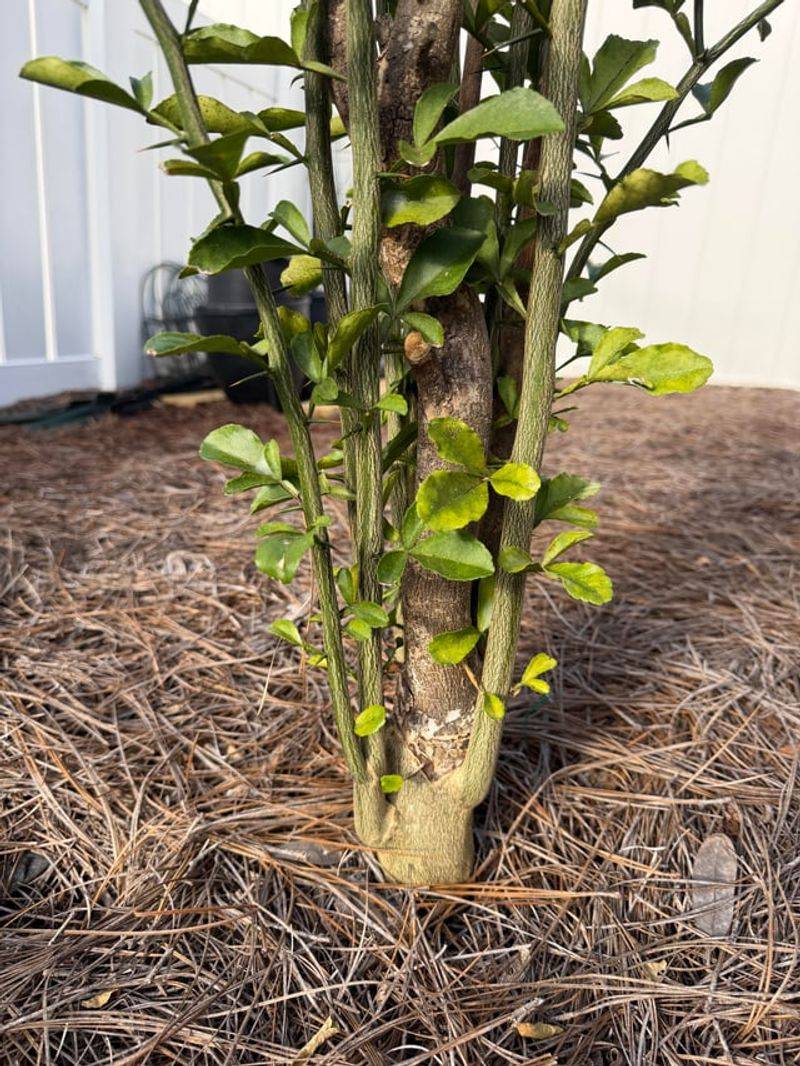
Most citrus trees are really two plants joined together. The top part grows the fruit, while the bottom part, called the rootstock, handles roots.
Nurseries graft a satsuma onto a sturdy rootstock to make a stronger tree. The rootstock can change how big the tree gets and how well it handles cold.
Trifoliate orange is the most commonly used rootstock when maximum cold tolerance is the goal. It is especially useful in cooler areas, although UF/IFAS notes that its cold protection is not consistent south of Gainesville.
Sour orange is another rootstock growers have used, but trifoliate orange remains the standard choice when maximum cold tolerance is the priority.
Before buying, check the plant tag or ask the nursery staff. A good seller can tell you which rootstock the tree has.
Look for the graft line on the lower trunk. It often appears as a slight bump or change in bark.
Keep that graft above the soil when you plant. Burying it can cause rot and other problems later.
Watch for shoots growing from below the graft. These suckers come from the rootstock and will not give you satsumas.
Snip them off as soon as you spot them. Otherwise, they steal energy from the fruiting top.
Fun fact: trifoliate orange fruit is fuzzy, sour, and full of seeds. Nobody grows it for snacking, but its roots are hard workers.