What To Plant In Your Florida Garden Before The Mid-October Cool-Season Window Closes
Much of the country is pulling up spent tomato vines right now, while gardeners farther south are reaching for seed packets.
With cooler nights and gentler sun, this becomes a productive stretch for vegetables. Many leafy greens and root crops do better now than they would in summer.
Timing varies across Florida, with northern counties working on a tighter schedule than the southern tip.
In North Florida, planting dates vary by crop, and many cool-season vegetables can still be planted after mid-October.
Others are more forgiving and can go in a little later without much trouble.
Sorting out which is which can save you from a bed of seedlings that never quite get going. Comparing the days to maturity on each packet makes that choice much easier.
1. Cauliflower Transplants Can Go Into Northern Gardens Throughout October
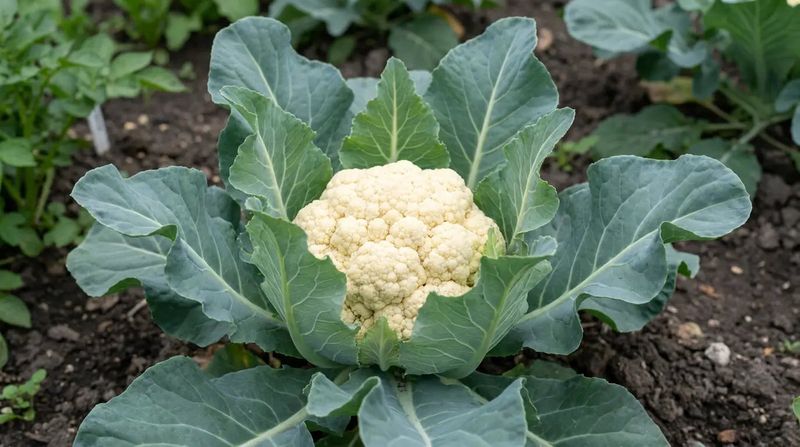
Cauliflower rewards patience more than almost any other fall crop. In North Florida, UF/IFAS guides list August through October as the planting window, so transplants set out this month still have time.
Transplants give you a real head start over seeds, which can struggle to sprout in warm October soil.
Choose sturdy seedlings with four to six true leaves and no yellowing. Set them in full sun, spaced roughly 18 to 24 inches apart so heads have room to form.
Steady moisture makes a big difference.
Uneven watering can stress plants and lead to small, loose heads, so aim for consistent soil dampness without soggy roots. A layer of mulch helps hold that moisture through dry fall stretches.
Caterpillars like cabbage loopers and diamondback moth larvae often chew on young leaves in fall. Checking the undersides of leaves every few days helps you catch trouble early.
Once heads start forming, some white varieties benefit from blanching, which means tying outer leaves over the head to shade it.
Self-blanching types can skip that step, depending on the variety you buy. Harvest when heads look firm and tight, before the curds begin to separate.
Results can vary with weather, since an unusually warm stretch may slow head formation or reduce quality.
2. Lettuce Planting Dates Depend On Which Part Of The State You Live In
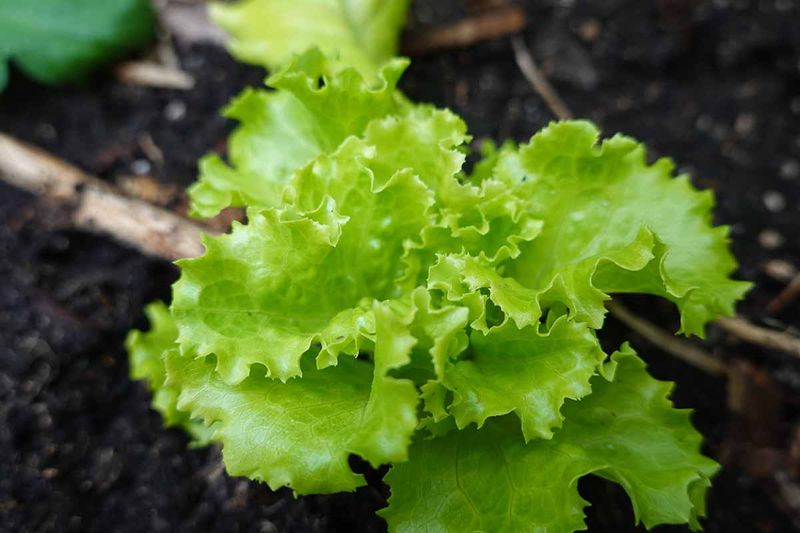
Where you live decides when lettuce goes in. UF/IFAS lists September through March for North and Central Florida, and September through January for South Florida.
That flexibility makes lettuce one of the easiest crops to stagger across the cool season.
Leaf and romaine types tend to handle our conditions better than crisphead lettuce. Heat can still make plants bolt, so early October sowings may need a bit of afternoon shade.
Seeds sprout poorly when soil runs too warm, which is common in early fall.
Sowing small batches every two or three weeks keeps a steady supply coming instead of one big harvest. It also spreads out your risk if a hot week hits one planting.
Lettuce roots stay shallow, so the top few inches of soil dry out fast on breezy days.
Light, frequent watering usually works better than deep soaks spaced far apart. Mulch also keeps leaves cleaner after heavy rain.
Your Florida Garden Changes Every Week. Your Plan Should Too.
Gardening in Florida changes quickly throughout the season. Every Friday you’ll receive a simple weekly plan showing exactly what to plant, prune, fertilize, harvest, and protect so you never miss the right timing.
Leaf types can be picked a few outer leaves at a time, letting the center keep growing.
Watch for bitterness as days warm again in late winter or spring. A tall center stalk is a sign the plant has started to bolt, and it is usually time to pull it and sow again.
3. Quick Turnips Deliver Both Roots And Greens From A Fall Sowing
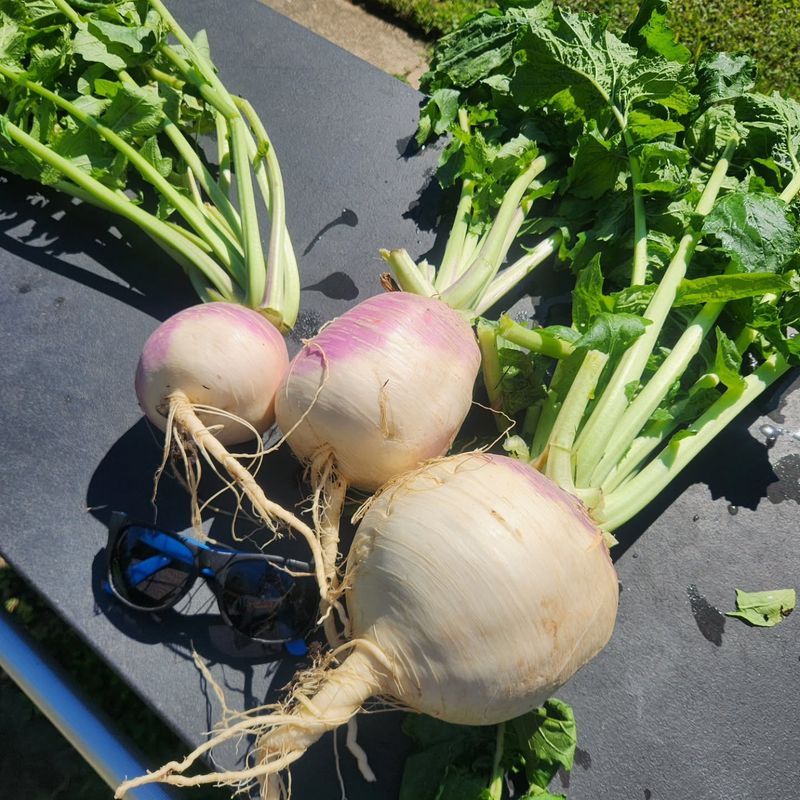
Two harvests from one packet of seed? Turnips make that possible, and they grow fast enough to fit easily into a fall schedule.
UF/IFAS lists turnips for planting from August through March in North Florida, with a September through March or October through January window farther south.
Sow seeds directly in the bed, since turnips don’t transplant well. Thin seedlings to a few inches apart so roots have space to swell.
Those thinnings make tasty young greens, so nothing goes to waste.
Many varieties reach harvest in roughly 40 to 60 days, though weather and variety affect that range. Some types, like Seven Top, are grown mainly for leaves and form little root at all.
Loose, well-drained soil helps roots grow smooth and round.
Heavy or compacted ground can lead to misshapen roots, so working in compost before planting helps. Keep moisture steady, because dry spells can make roots tough or woody.
Pick greens by taking a few outer leaves from each plant instead of stripping them bare.
Roots usually taste best when pulled young, often around two to three inches across. Leaving them too long, especially as the weather warms, may give them a stronger, sharper flavor that not everyone enjoys.
4. Brussels Sprouts Grow Best As Cooler Weather Settles In
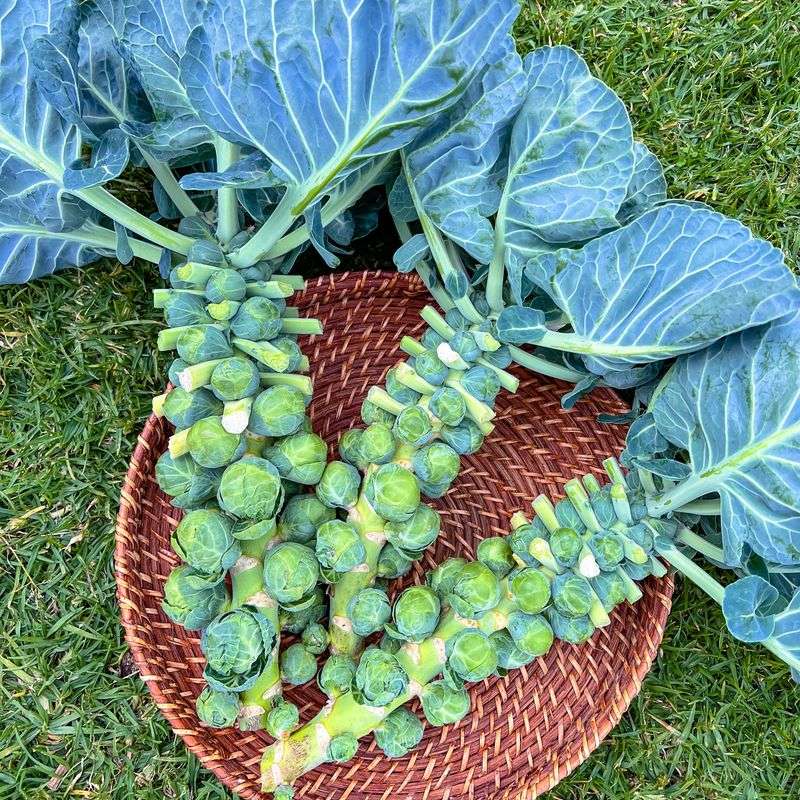
Brussels sprouts are the slow, picky cousin in the cabbage family. They want a long stretch of cool weather, and Florida doesn’t always deliver that.
North Florida gardeners have the best odds, with UF/IFAS suggesting a planting window from August through October.
Central Florida gardeners can try them, but results are often hit or miss. In South Florida, warm winters frequently produce loose sprouts or only a light harvest.
Transplants are a smart choice because the crop needs plenty of time to mature.
Look for varieties described as shorter-season or heat-tolerant, since they tend to handle mild winters better. Space plants generously, roughly 18 to 24 inches apart, because they grow tall and leafy.
Sprouts form along the stalk from the bottom up, and cool temperatures help them stay firm.
During warm spells, sprouts may stay loose or open instead of forming tight little heads. That is a weather issue more than a care mistake, so don’t be too hard on yourself.
Keep watering steady and watch for aphids hiding in leaf folds.
Harvest sprouts when they feel firm and reach about an inch across. Snapping off lower leaves as sprouts develop can make picking easier, and many gardeners find a light frost improves the flavor.
5. October Is A Good Time To Start Spinach In Many Areas
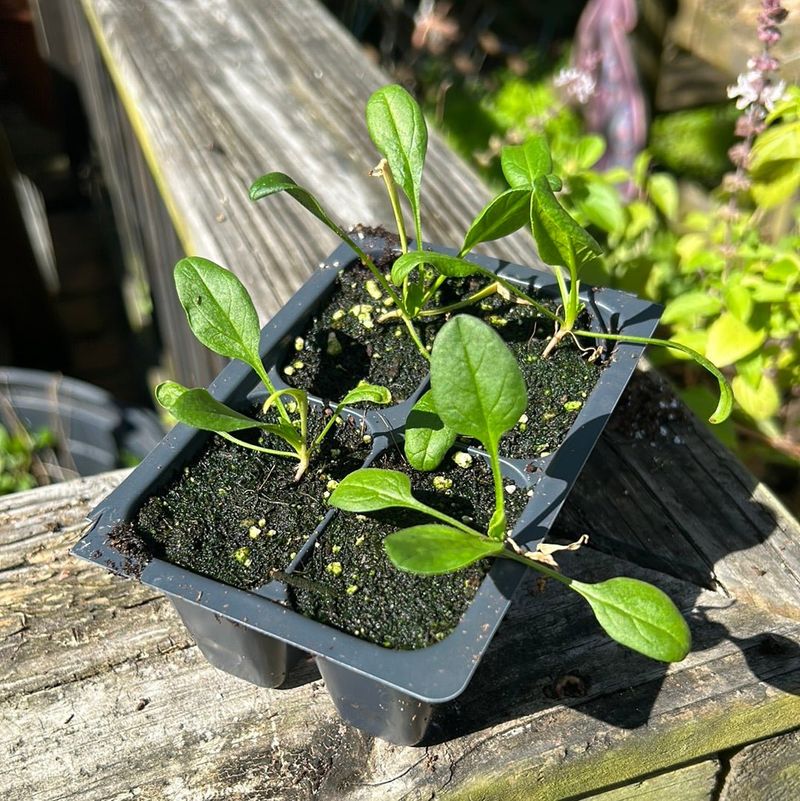
True spinach has a reputation for being fussy in the heat, and it earns it. Waiting until October usually gives seeds a fairer shot.
UF/IFAS lists October and November for spinach in North and Central Florida, and October through January in South Florida.
Warm soil can keep spinach seeds from sprouting evenly. Some gardeners chill seeds in the fridge for a few days or soak them overnight, though results can be mixed.
Sow in rich, well-drained soil with plenty of organic matter.
Spinach likes moisture but won’t tolerate soggy ground for long, especially after heavy fall storms. Raised beds can help where drainage is slow.
Plants may bolt quickly once days lengthen and temperatures climb in late winter.
Choosing bolt-resistant varieties, like many savoy or semi-savoy types, can stretch your harvest. Picking outer leaves often also encourages more growth from the center.
If true spinach keeps struggling in your yard, you aren’t alone.
Malabar spinach and Okinawa spinach are popular warm-season substitutes, although they belong in the spring and summer garden instead. For now, a fall sowing of the real thing is worth a try, and a fresh salad by early winter makes the effort feel well spent.
6. Strawberry Transplants Set Out This Fall Can Fruit By Late Winter
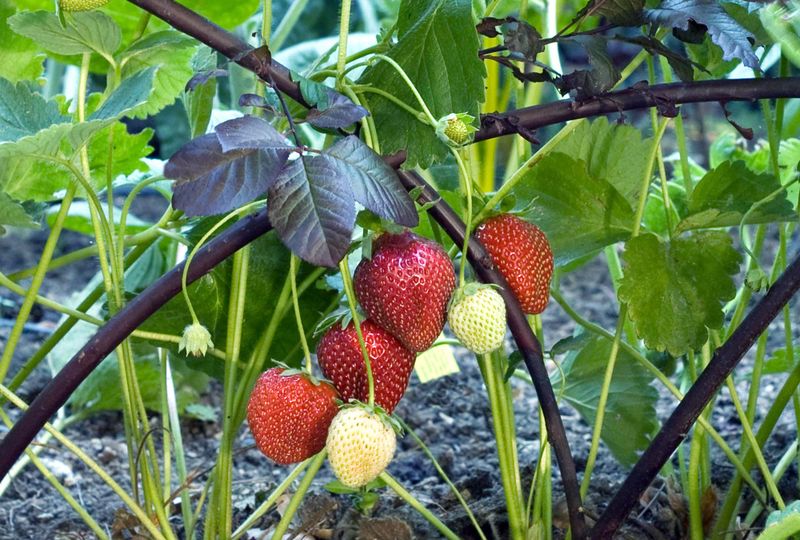
Here’s a twist many newcomers miss. Strawberries here are grown as a fall-planted annual, not a long-lived perennial like up north.
Plant Hillsborough County fields near Plant City are planted in fall, and home gardens follow a similar schedule.
UF/IFAS generally suggests setting out transplants from about late September into November, depending on your region. North gardens tend toward the earlier end, while southern areas plant a little later.
With good care, harvest often begins in winter and can stretch into spring.
Exact timing depends on weather, variety, and how healthy your transplants are. Varieties developed at the University of Florida, such as Florida Brilliance, are bred for these conditions.
Set plants so the crown sits right at soil level, not buried and not exposed. A crown planted too deep may rot, while one too high can dry out.
Raised beds or mounded rows covered in plastic or straw help keep berries off the dirt.
Plants need regular water, especially in the first couple of weeks while roots establish. Cover them on frosty nights, since cold can damage open blossoms.
Birds and slugs enjoy ripe berries too, so check plants often and pick fruit once it turns fully red.
7. Collards Planted Now Can Supply Leaves Well Into Spring
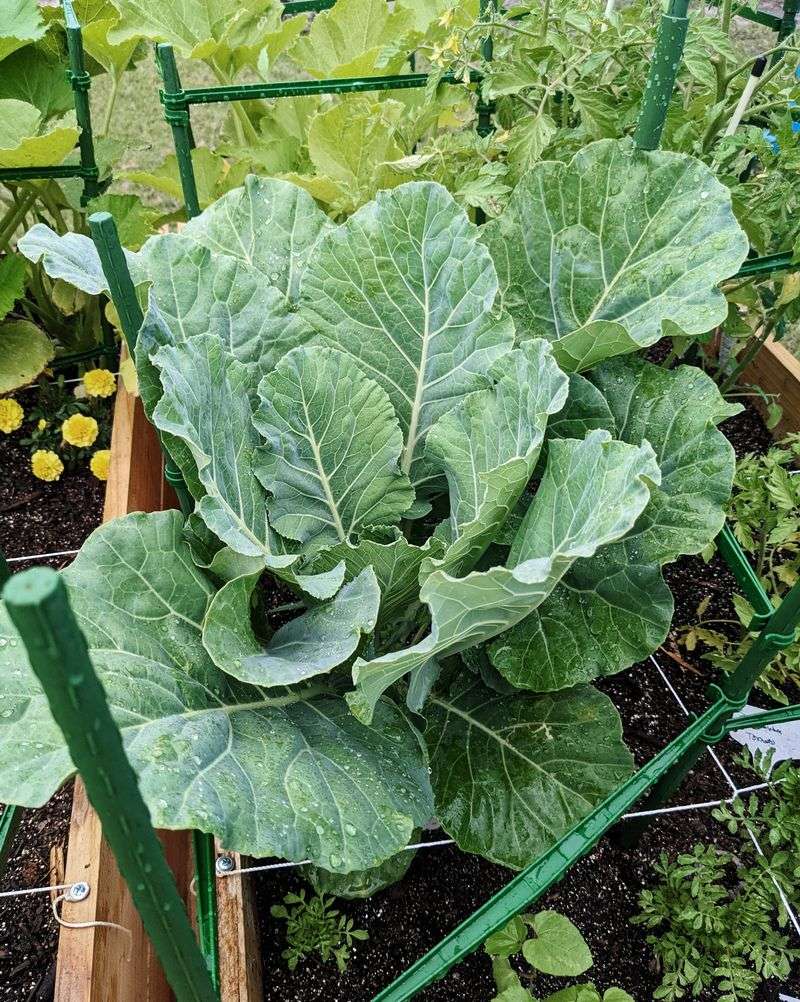
Few greens work as hard as collards. Planted this fall, a handful of plants can keep a kitchen stocked for months.
Collards handle heat better than most cool-season greens, which explains their long planting window across the state.
In North Florida, UF/IFAS lists collards for most of the year outside the hottest summer months. Central and South Florida gardeners can plant through fall and winter as well.
Start from seed or transplants, spacing plants roughly 12 to 18 inches apart.
They tolerate light frost and may even taste a little sweeter after a cold night. Hard freezes in the north can still damage leaves, so covering plants during extreme cold is a good idea.
Harvesting the right way keeps plants going.
Pick the lower, older leaves first and leave the top growing point alone. The plant keeps pushing out new leaves from the center, often for many weeks.
Pests do show up, especially caterpillars and aphids clustered under leaves.
Handpicking and a firm spray of water help with light problems, and Bt products target caterpillars if needed. Production usually slows once plants start sending up flower stalks in spring heat, so enjoy the long run while it lasts.
8. Cabbage Transplants Can Continue Going Into Central Gardens After October
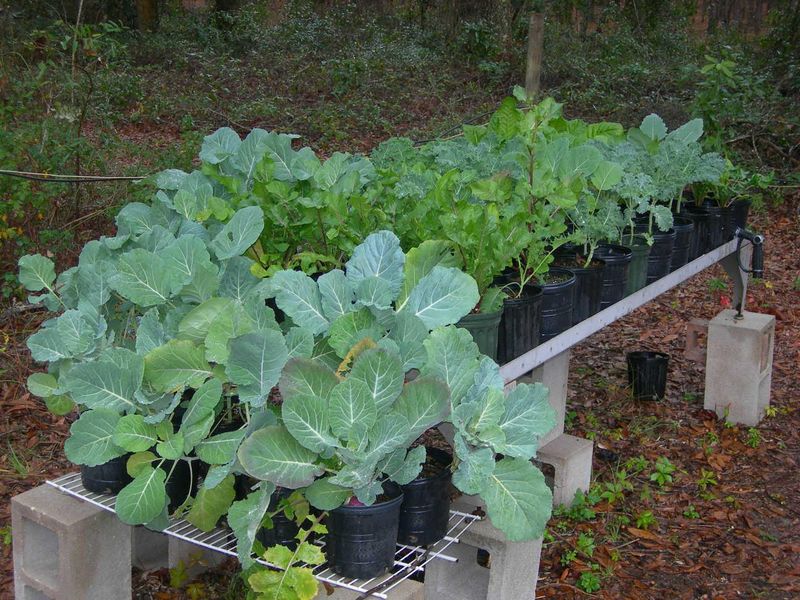
Missed the October rush? Cabbage gives Central Florida gardeners extra breathing room.
UF/IFAS lists September through January for cabbage in Central Florida, so transplants can keep going in well past this month.
North gardens run on a slightly different schedule, with fall and late winter windows. South Florida gardeners can plant from about October through January.
Staggering transplants every few weeks spreads out the harvest nicely.
One bed of heads all ready at once can overwhelm a small household. Smaller or quicker-maturing varieties also fit tight spaces well.
Give each plant full sun and roughly 12 to 24 inches of space, depending on the variety. Rich soil with compost mixed in supports steady leaf growth.
Consistent watering helps heads form evenly.
A sudden heavy soak after a dry spell can sometimes cause mature heads to crack. Harvesting soon after heads firm up reduces that risk.
Caterpillars are the usual troublemakers, chewing holes through outer leaves.
Row covers placed right after transplanting can keep egg-laying moths away, and cabbage does not need insect pollination to produce heads.
Cut heads at the base when they feel solid, and a few smaller side heads may sprout afterward.
9. Bulbing Onions Started This Fall Take Until Spring To Mature
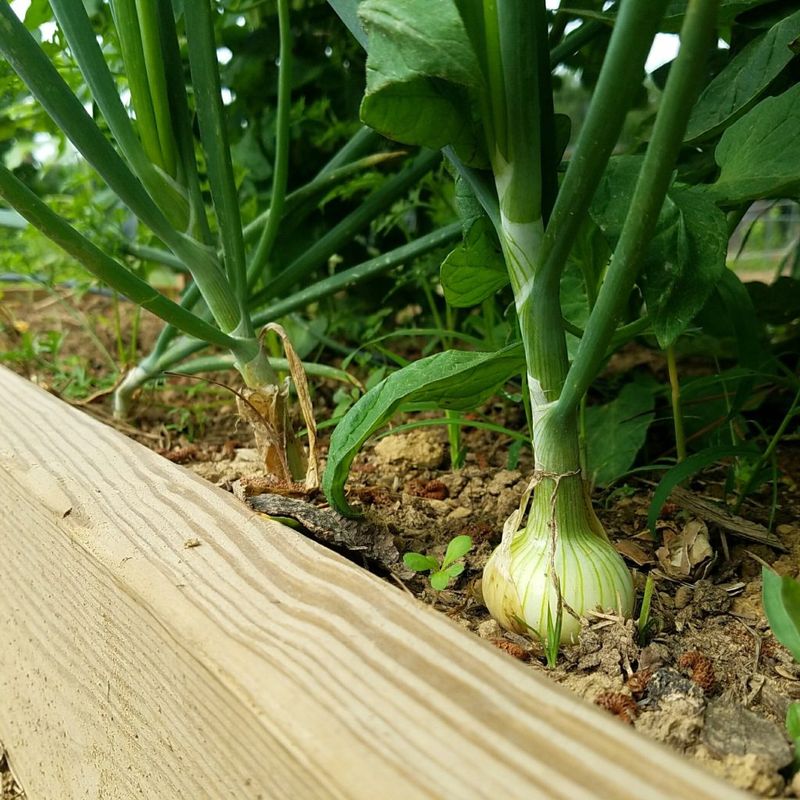
Onions test your patience more than any crop on this list. Planted in fall, bulbing types usually need until spring to finish.
Day length controls when onions start forming bulbs, which is why variety choice matters so much here.
Short-day onions are the type suited to Florida, since our winter and spring days stay fairly short. Long-day types grown up north often won’t bulb properly in our gardens.
Granex, the type behind Vidalia-style sweet onions, is one short-day choice worth trying.
UF/IFAS lists September through December for bulbing onions in North Florida, while October is the recommended planting month for Central and South Florida.
Seeds, transplants, or small sets can all work. Transplants often give the most reliable start for home gardens.
Plant them shallowly in loose, well-drained soil and keep weeds pulled, since onions compete poorly with them.
Steady moisture helps during the growing months. Ease off watering once the tops begin to fall over in spring, which signals the bulbs are nearly ready.
Bulb size varies with soil, weather, and care, so don’t expect grocery store giants every time. Even a modest crop of homegrown sweet onions makes a satisfying payoff after a long, quiet winter of waiting.