What That Sooty Black Film On Georgia Gardenias Means And How To Clear It
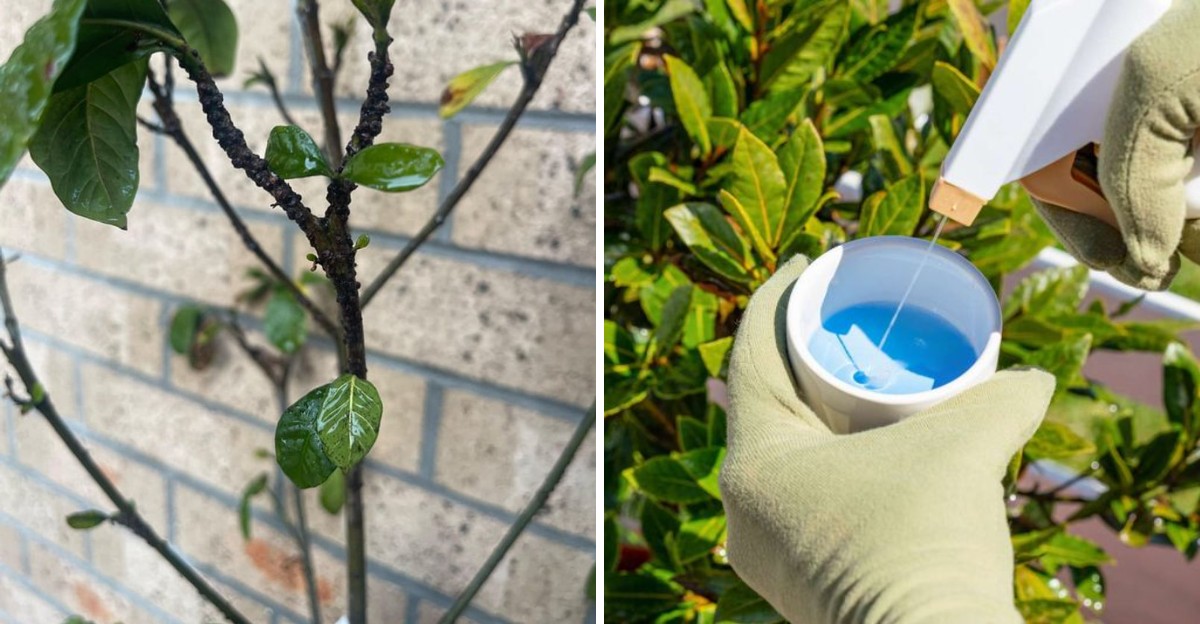
Rubbing a gardenia leaf and seeing black smudges come off on your fingers can be a strange discovery.
Black film like this often looks like soot or dirt, and it tends to cover the upper surface of the leaves.
It is actually a mold, but the mold itself is not the main problem. It grows on a sticky residue that something else is leaving behind on your shrub.
Washing the leaves with soapy water can make them look better for a while. Without dealing with the source, though, the black film often returns within weeks.
Heavy coverage can also block sunlight from reaching the leaves, which may leave the plant weaker over time.
Many gardenias in Georgia bounce back well once both the film and its cause are handled together.
1. That Black Coating Is A Clue, Not The Root Cause
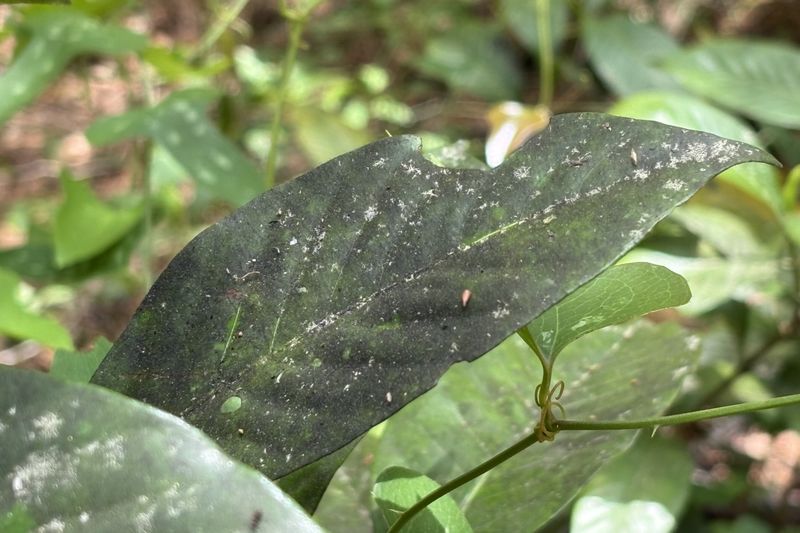
Black leaves on a gardenia look alarming, but the shrub is usually telling you about a different problem. What you are seeing is sooty mold, a dark fungus that grows on a sticky residue called honeydew.
Honeydew comes from sap-feeding insects, most often whiteflies and scale on gardenias.
In other words, the mold is the symptom you can see, while the insects are the reason it showed up. Treating only the black film without dealing with those pests tends to bring it right back within weeks.
Sooty mold does not usually invade leaf tissue or feed on the plant itself.
Gardeners in Georgia see it often because long, warm seasons give these insects plenty of time to build up. Humid air can also help the fungus spread across the leaves once honeydew is present.
A quick test can confirm what you have before you start any treatment.
Rub a leaf gently with a damp thumb or paper towel and see what happens. Sooty mold often smears or flakes off in patches, leaving green leaf underneath, while a true leaf disease usually stays put as spots or blotches.
If the black rubs away, start looking for insects rather than reaching for a fungicide.
2. Sticky Honeydew From Sap-Feeding Insects Feeds The Mold
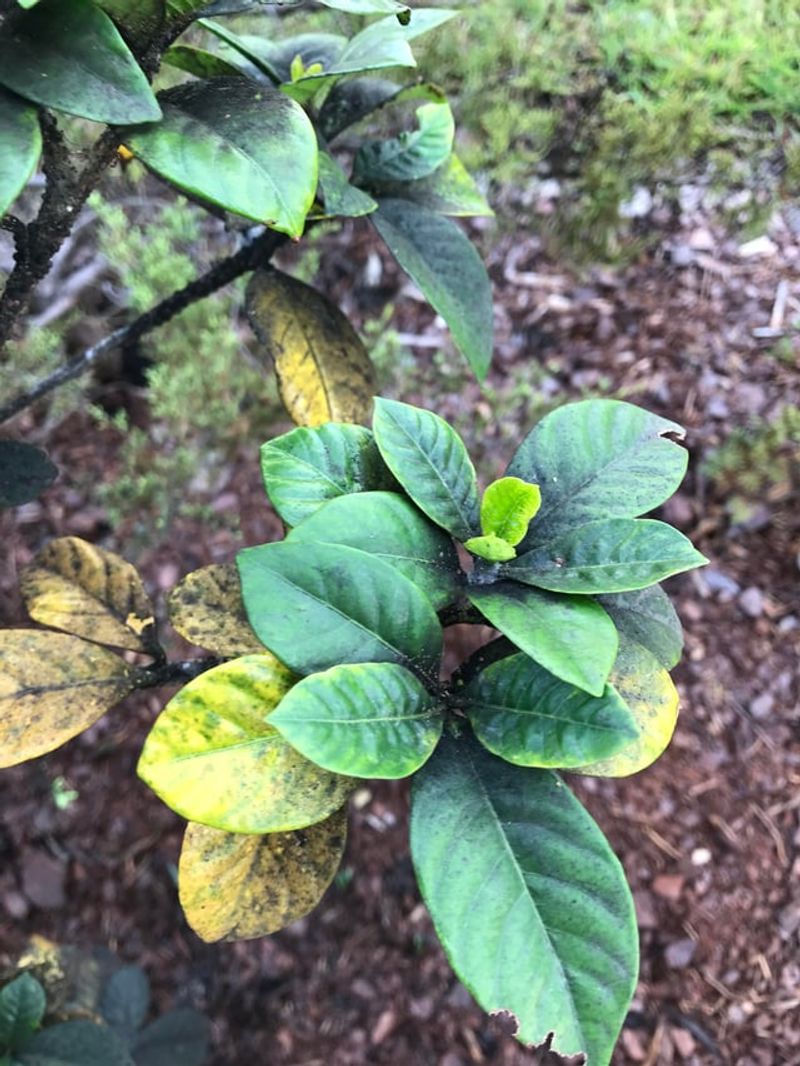
Sticky leaves come first, and the black film follows later. Before the mold appears, you might notice a shiny, tacky feel on the upper surface of gardenia leaves.
Sap-feeding insects pierce the plant and drink its sugary juices, then release the extra sugar as honeydew.
It drips down onto leaves, stems, patio furniture, and even cars parked nearby. Sooty mold spores land on that sugary layer and start growing, because they finally have something to feed on.
Run your fingers across a few lower leaves on a dry afternoon.
A glossy, sugary coating is a strong hint that insects are active somewhere above that spot. Honeydew tends to collect on leaves directly below the feeding insects, so the stickiest areas can guide your search upward.
Rain will rinse off some honeydew, but the insects keep producing more as long as they feed.
Across much of Georgia, summer storms come and go quickly, so a fresh layer can build up again within days. Hosing the leaves can help a little, yet it only buys you time while the real cause continues.
Your Georgia Garden Changes Every Week. Your Plan Should Too.
Gardening in Georgia changes quickly throughout the season. Every Friday you’ll receive a simple weekly plan showing exactly what to plant, prune, fertilize, harvest, and protect so you never miss the right timing.
Treat stickiness as an early alert and check your shrub before the dark coating spreads.
Catching honeydew early often means a smaller pest problem and an easier cleanup down the road.
3. Whiteflies And Scale Often Hide On Leaf Undersides
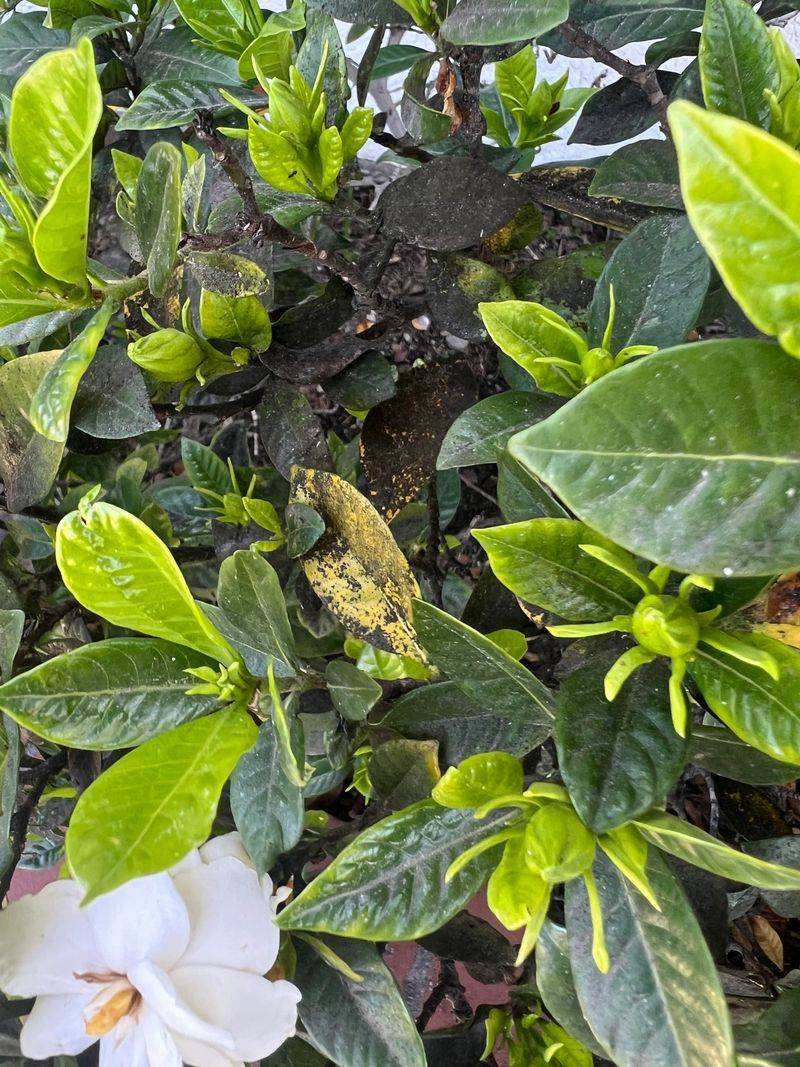
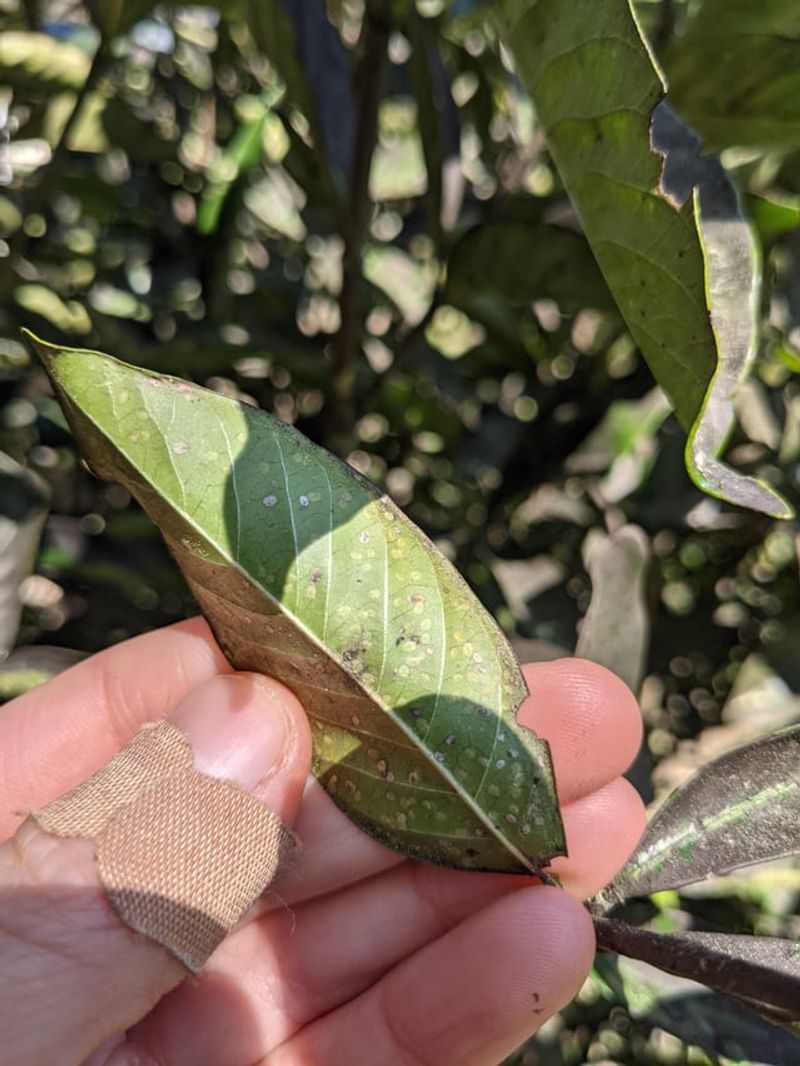
Flip a leaf over and you may find the whole story. Whiteflies and scale prefer the shaded undersides of gardenia leaves, where they are protected from sun and easy to miss.
Whiteflies are tiny, white, winged insects that often flutter up in a small cloud when you brush the shrub.
Their young are flat, pale, and nearly see-through, sitting still on the leaf like tiny specks. You may need a magnifying glass to spot them clearly, especially on older leaves.
Scale insects look less like bugs and more like small bumps.
On gardenias, some types appear as tan, brown, or waxy white shells stuck along leaf veins and stems. They barely move once settled, so gardeners sometimes mistake them for part of the plant.
Check several leaves from different parts of the shrub, including the inner branches.
Pest numbers can vary a lot from one side of a plant to the other. In Georgia, populations often climb during warm months, though timing shifts with weather and location within the state.
Write down what you find so you can compare later and see whether treatments are making a real difference.
4. The Film Sits On The Surface But Can Block Sunlight
Ugly does not always mean harmful, though heavy coverage can still matter. Sooty mold grows on top of the leaf rather than inside it, which is why it often wipes off.
Leaves need light to make food, and a thick black layer works a bit like a shade cloth.
When much of the leaf surface stays covered for a long time, the shrub may lose some of its ability to photosynthesize. That can lead to slower growth, paler new leaves, or fewer flower buds, depending on how bad things get.
A light dusting on a few leaves is mostly a cosmetic issue.
Widespread coating combined with an active insect problem is a bigger concern. Sap-feeding pests drain energy from the plant while the mold reduces light, so the two stresses add up.
Georgia summers bring strong sun, which gardenias generally use well when their leaves are clean.
Keep an eye on yellowing, leaf drop, or weak blooming as signs the shrub is under real stress. Remember that other factors like poor drainage, soil pH, or drought can cause similar symptoms, so look at the whole picture.
Healthy gardenias often recover well once the pests are handled and the leaves can soak up light again.
5. Busy Ant Trails On The Stems Often Lead To Honeydew Producers
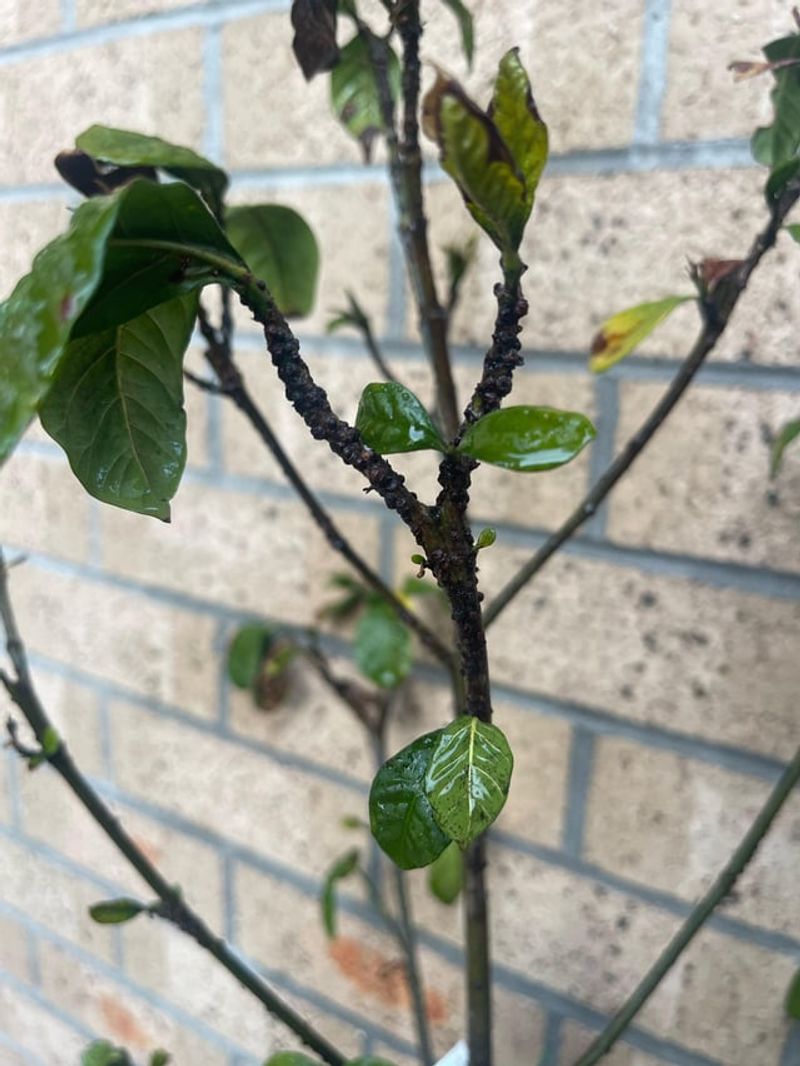
Ants marching up a gardenia rarely do it by accident. Many kinds of ants love honeydew, and they will travel up stems to collect it like shoppers heading to a snack bar.
Some ants even guard scale and other sap feeders from natural predators to protect their sugar supply.
That relationship can make an infestation harder to manage. Lady beetles and tiny parasitic wasps that would normally eat or attack these insects may get chased away by busy ants.
Follow the ant trail upward on a warm afternoon when they are most active.
Wherever the line stops and the ants cluster, you will often find scale, whiteflies, or similar pests feeding. Ants are common in Georgia yards, so their presence alone is not proof, but a steady trail is worth checking.
Managing ants can support your pest control efforts.
Some gardeners use a sticky barrier band around the main stem, applied on a wrap rather than directly on thin bark. Ant baits placed near the shrub may also help reduce foraging, though results depend on the ant species and how large the colony is.
Fewer ants can mean more room for helpful predators to do their quiet work on your gardenia.
6. Horticultural Oil Can Help Control Whiteflies And Some Scale
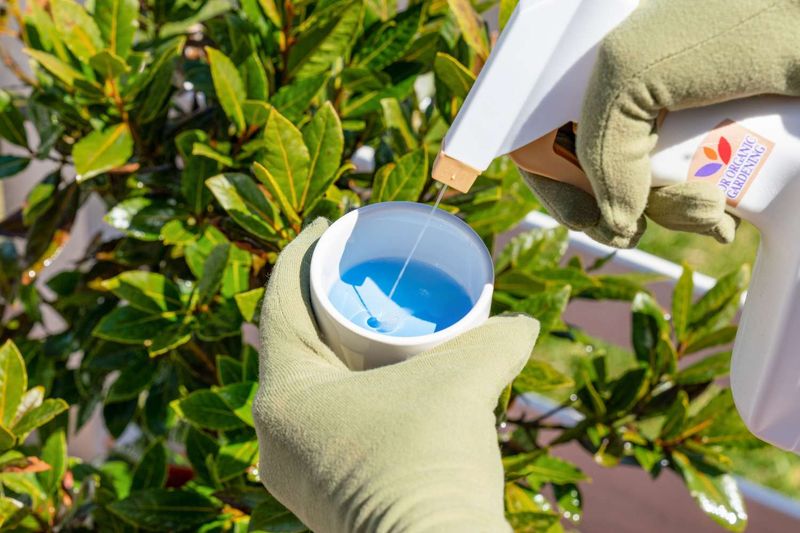
Smothering pests is one of the gentler tools a home gardener can try. Horticultural oil coats soft-bodied insects and young scale, making it hard for them to breathe.
Timing makes a big difference with scale.
Young scale, often called crawlers, are much easier to control than adults hiding under hard shells. Watching closely in spring and early summer can help you spot those crawlers moving on stems and leaves.
Spray the undersides of leaves thoroughly, since that is where whiteflies and scale gather.
Read the product label carefully and follow its mixing rates. Oil can burn leaves when applied in high heat, so many Georgia gardeners spray early in the morning or on cooler, cloudy days.
Avoid spraying a stressed, drought-dry shrub, and water it a day or two before treatment.
Repeat applications are usually needed because new insects keep hatching. Check the label for the right spacing between sprays, and test a small area first if you are unsure how your plant will react.
Insecticidal soap is another option for whiteflies, though it also needs direct contact to work.
7. With The Pests Under Control, The Mold Gradually Washes Away
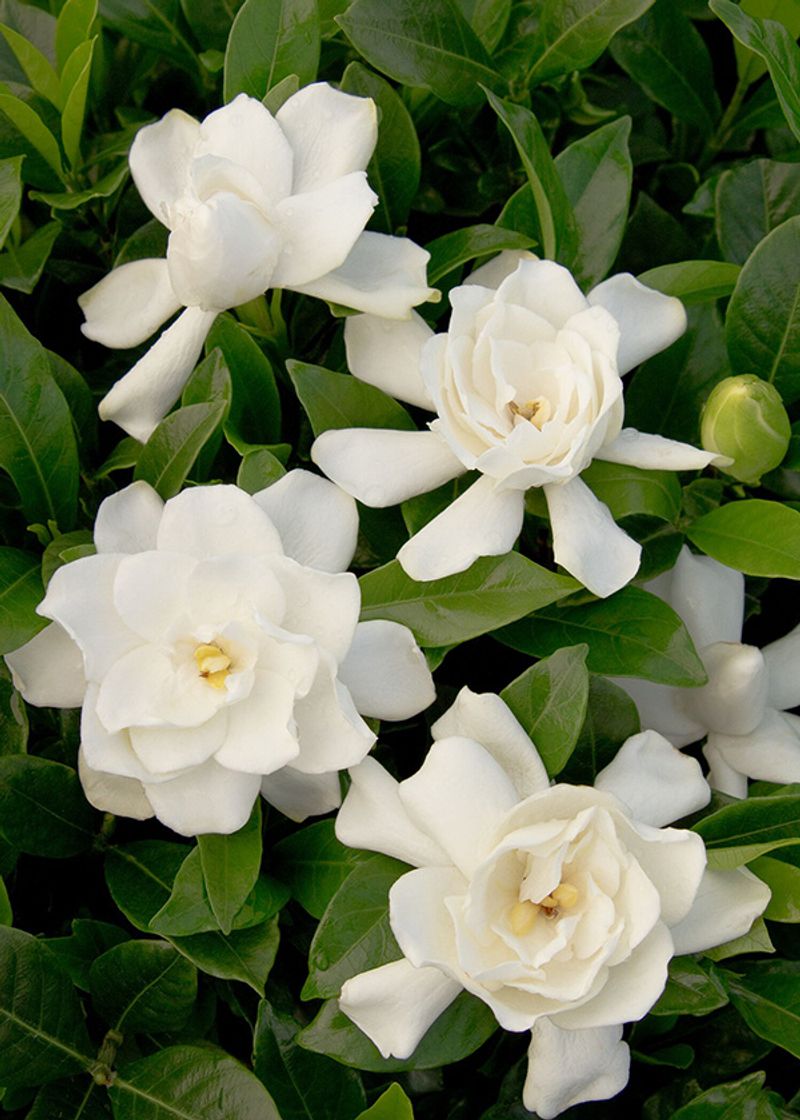
Patience pays off here more than any spray bottle. Once the honeydew stops, sooty mold loses its food source and slowly starts to weather off the leaves.
Rain, wind, and sun all help loosen the dry black crust over time.
You can speed things up by rinsing leaves with a garden hose. For stubborn patches, a soft cloth and plain water or a very mild soapy mix may lift the film, followed by a clean rinse.
Expect improvement to take weeks, and sometimes a full growing season.
Heavily coated older leaves may stay dull until the shrub naturally replaces them. New growth that comes in clean is a hopeful sign that your pest control is working.
Keep checking leaf undersides every couple of weeks, even after things look better.
Whiteflies and scale can return, especially during warm stretches common across Georgia. Spotting a new outbreak early usually means less work and less mold later.
Good care supports recovery, including steady watering during dry spells and mulch to protect shallow roots.
Go easy on high-nitrogen fertilizer, since lush, tender growth can attract more sap feeders, and soon your gardenia should look fresh again.