Texas Gardeners, Here’s How To Keep Stink Bugs Out Of Your Yard
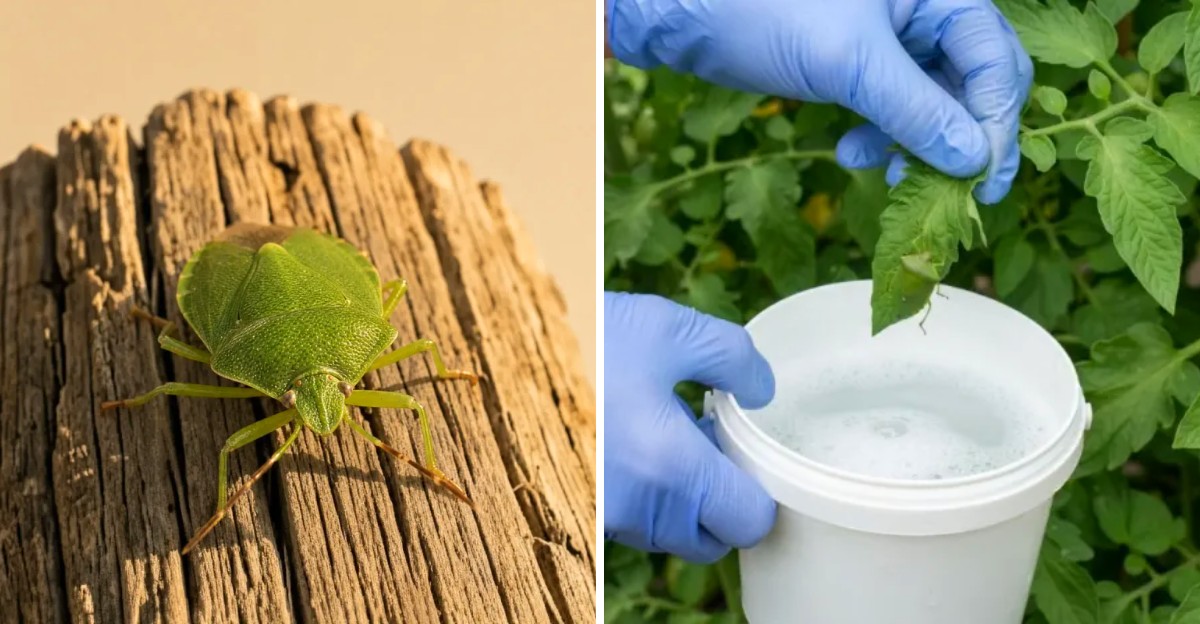
Yesterday your tomatoes looked absolutely perfect. Today there are strange pale spots on the fruit, a weird sour smell hanging in the air, and a sneaking suspicion that something has been helping itself to your garden without asking.
Meet the stink bug, a tiny shield-shaped pest with absolutely no sense of personal boundaries and a chemical defense system that makes getting rid of it a genuinely memorable experience.
Touch one by accident and that smell is not leaving your fingers anytime soon.
Ask any Texas gardener who has learned that lesson the hard way. The frustrating part is that stink bugs are sneaky, persistent, and remarkably good at showing up right when your crops are at their best.
The encouraging part is that taking your garden back does not require an expensive arsenal. A few smart, consistent habits are usually all it takes.
1. Know Your Garden Shield Bugs By Sight
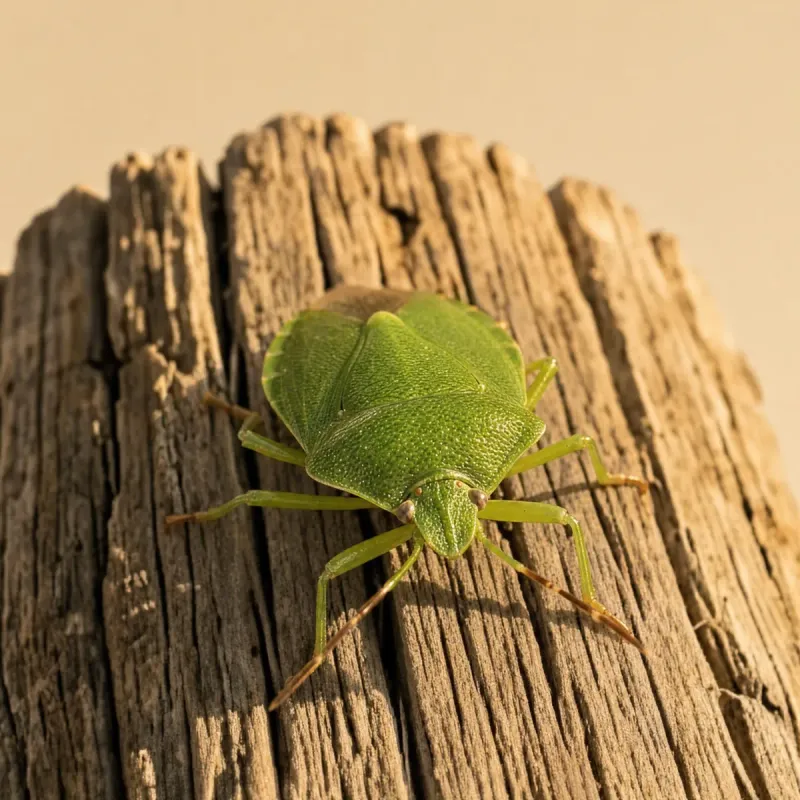
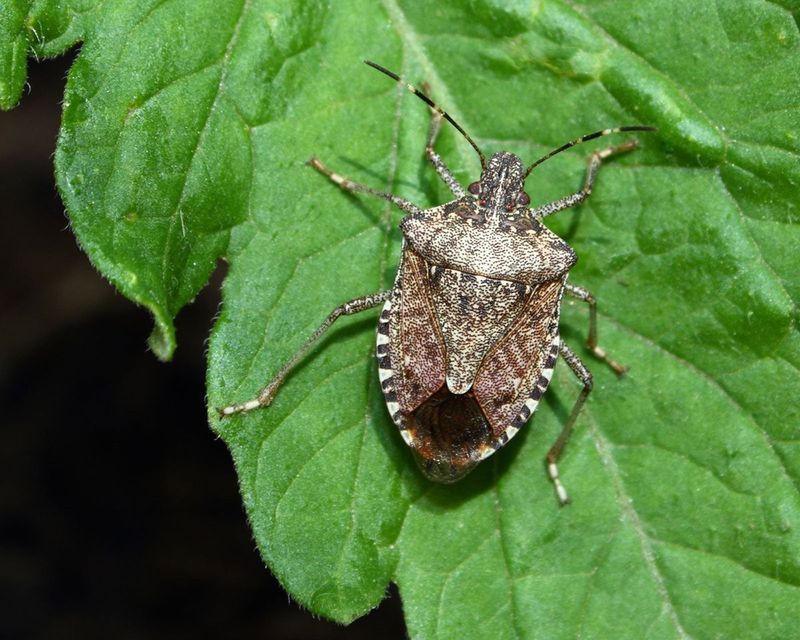
Spotting the enemy early is half the battle. Stink bugs are shaped like little shields, about the size of a fingernail.
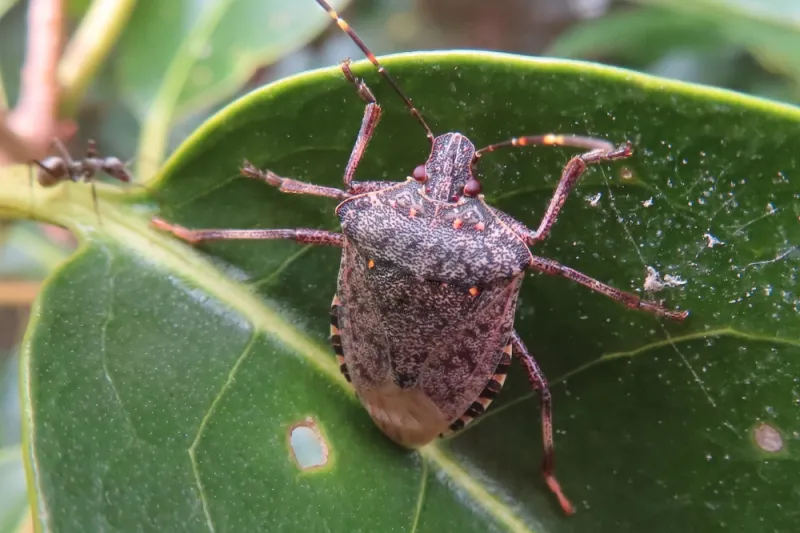
In Texas, you will mostly see three kinds. The green stink bug is bright and leafy-colored, the brown stink bug blends into bark, and the southern green stink bug loves heat and veggies.
Many gardeners mix them up with helpful bugs. The spined soldier bug looks similar, but it eats pests instead of plants, so look for its pointy shoulders before you act.
Eggs are another clue worth learning. They look like tiny barrels lined up in neat rows, usually on the underside of leaves.
Young bugs, called nymphs, look round and often have red, black, or white markings. They do not have wings yet, so they crawl from plant to plant.
Here is a fun fact to share at dinner. Stink bugs release their smell from small glands on their bodies when they feel scared.
Take a few photos when you find them. You can compare pictures online or ask your local Texas A&M AgriLife Extension office for help.
Once you know what you are looking at, every other step gets easier. You will waste less time and protect the right bugs while targeting the wrong ones.
2. Walk Your Rows Every Morning
Coffee in one hand and a sharp eye in the other, that is the secret weapon. A quick morning stroll can catch problems before they grow.
Stink bugs move slowly in cool air. Early hours in a Texas summer are the best time to find them sitting still on stems and fruit.
Check the places they like to hide. Look under leaves, inside tomato clusters, and around pepper stems where fruit meets the plant.
Flip leaves gently and look for egg clusters too. Scraping off one cluster can stop dozens of hungry bugs from hatching later.
Keep a small notebook or phone note. Write down which plants have the most bugs, and you will start to see patterns over time.
My neighbor calls these walks her bug patrol. She says ten minutes a day saved her whole okra crop last July.
Your Texas Garden Changes Every Week. Your Plan Should Too.
Gardening in Texas changes quickly throughout the season. Every Friday you’ll receive a simple weekly plan showing exactly what to plant, prune, fertilize, harvest, and protect so you never miss the right timing.
Bring a bright flashlight if you prefer evening checks. Some bugs gather near the base of plants as the sun goes down.
Small, steady habits often beat big weekend cleanups. You stay ahead of the bugs, and you get to enjoy your garden at its prettiest hour.
3. Try The Soapy Bucket Trick In Your Yard
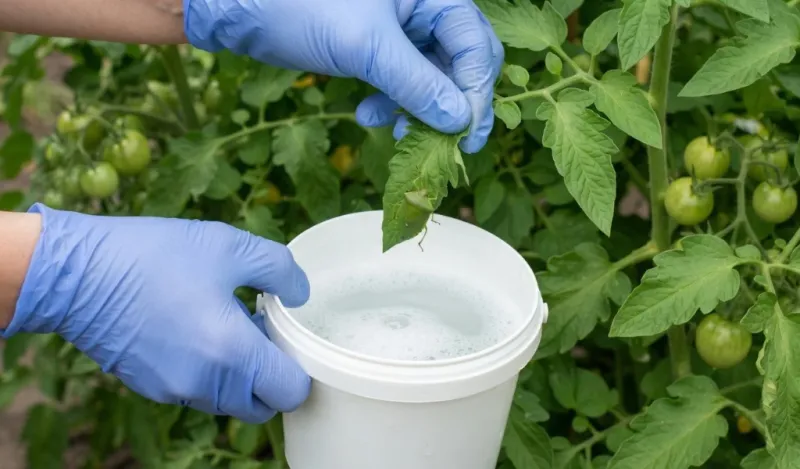
Grandma had a trick, and it still works great today. All you need is a bucket, water, and a squirt of dish soap.
Fill the bucket about halfway. Add a spoonful of soap and stir it so the surface gets slick.
Hold the bucket under a leaf with a bug on it. Tap the leaf, and the stink bug usually drops straight down into the water.
The soap stops the bug from floating away. It also means you never have to squish one and deal with that awful smell.
Wear garden gloves if you feel squeamish. Some bugs try to fly, so move slowly and keep the bucket close.
Texas gardeners love this method because it is cheap and safe. There are no sprays drifting onto your herbs or your dog.
Do your bucket rounds in the morning when bugs are sluggish. You can clear a whole bed in just a few minutes.
Empty the bucket far away from your plants when you finish. Rinse it, and it is ready for tomorrow.
Kids can help with this job too. Turn it into a game and count how many bugs each person catches.
4. Cover Crops With Row Covers And Netting
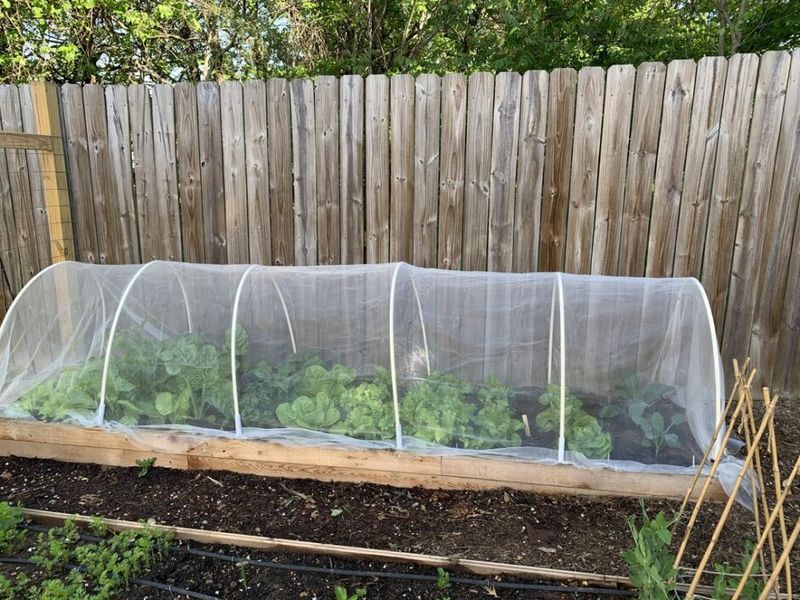
Think of row covers as a screen door for your veggies. Air, light, and water get in, but bugs stay out.
These covers are light fabric sheets that sit over hoops. You can find them at most garden centers in Texas for a fair price.
Put covers on early, before bugs show up. Once stink bugs are already on the plants, a cover can trap them inside instead.
Tuck the edges into the soil or hold them down with rocks. Gaps at the bottom act like open doors for crawling pests.
Choose a lightweight fabric for hot months. Heavier covers can trap too much heat during a long summer.
Plants that need bees, like squash and melons, need special care. Lift the cover during flowering mornings so pollinators can do their work.
Putting the cover back down after morning hours gives your crops protection for the rest of the day without missing the pollination window.
Fine mesh netting is another strong choice. It lasts several seasons and lets in more breeze than fabric.
Many gardeners say covers feel like a cheat code. Fewer bugs, fewer spots on fruit, and much less worry each week.
5. Plant Trap Crops Around Your Garden
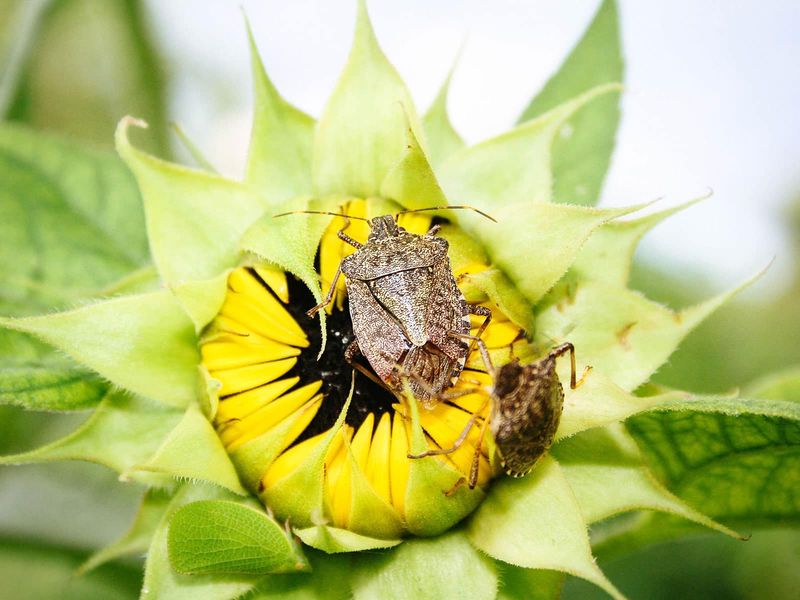
Here is a sneaky plan with a sunny twist. Give stink bugs something tastier than your tomatoes, and they will gather there instead.
Trap crops are plants that pests love most. Sunflowers, sorghum, buckwheat, and mustard all attract stink bugs in Texas gardens.
Plant them along the edges of your garden. The bugs stop at the border first, which keeps them away from your main crops.
Check your trap plants often. When you see a crowd of bugs, knock them into soapy water or trim the plant and bag it.
Timing matters a lot here. Trap crops should bloom or form seeds a little before your veggies ripen.
Getting that timing right is one of the things that separates a trap crop that works from one that just adds more plants to your garden.
Sunflowers do double duty in a Texas yard. They bring cheerful color and pull in bees and birds too.
Do not let trap plants become a bug nursery. If you ignore them, the bugs simply multiply and move inward.
Farmers have used trap crops for a very long time. The idea is simple, low-cost, and kind to the soil and wildlife around you.
6. Welcome Helpful Predators Into Texas Beds
Not every bug is a bad guy. Some tiny heroes would happily snack on stink bugs for you.
Spiders, assassin bugs, and spined soldier bugs all hunt stink bugs. Tiny parasitic wasps lay eggs inside stink bug eggs, which stops them from hatching.
Birds help as well. Wrens, mockingbirds, and other insect-eating birds will pick off stink bugs when they spot them moving through your garden beds across Texas.
Want more helpers? Plant flowers like dill, fennel, yarrow, and zinnias that feed them nectar between hunts.
The more variety you add, the more beneficial insects you are likely to attract over time.
Add a shallow water dish with pebbles. Predators and pollinators both need a drink during dry spells.
Go easy on broad bug sprays. Strong chemicals often harm your helpers faster than the pests they target.
A birdbath or small brush pile can invite birds and lizards. Anoles and toads are skilled bug hunters in Southern yards.
Think of your garden as a little neighborhood. When good bugs have food, water, and shelter, they stay and keep the troublemakers in check.
Patience pays off with this approach. It may take a season, but balance builds over time.
7. Clean Up Weeds And Clutter Around Your Home
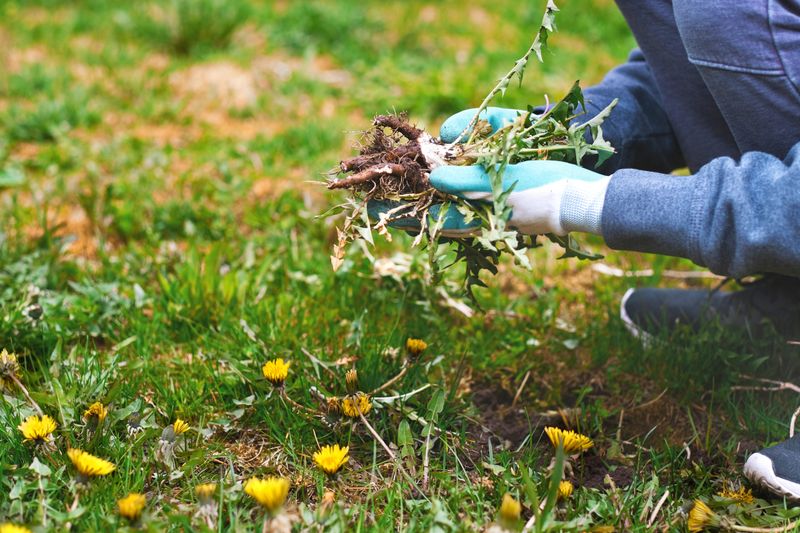
Messy corners are like free hotels for stink bugs. Tall weeds, leaf piles, and old boards give them shelter and snacks.
Many stink bugs feed on weeds before moving to your garden. Pigweed, ragweed, and thistle are common favorites in Texas.
Mow grassy edges regularly. Short grass gives bugs fewer places to rest near your beds.
Pull up old plants when the season ends. Leftover tomato vines and bean stalks can hide bugs through the cooler months.
Move firewood and stacked pots away from the house. Bugs like tucking into tight, dark spaces when the weather cools.
Fall is an especially good time to tidy up. That is when stink bugs look for winter hiding spots around Texas homes.
Rake leaves into compost or bag them. Keep compost piles hot and turned so bugs do not settle in.
A clean yard also looks better and is easier to care for. You get a happier garden and fewer surprises when spring returns.
Set aside one hour each month for clutter control. Small sessions keep the job from feeling like a mountain.
8. Use Gentle Sprays Wisely On Texas Plants
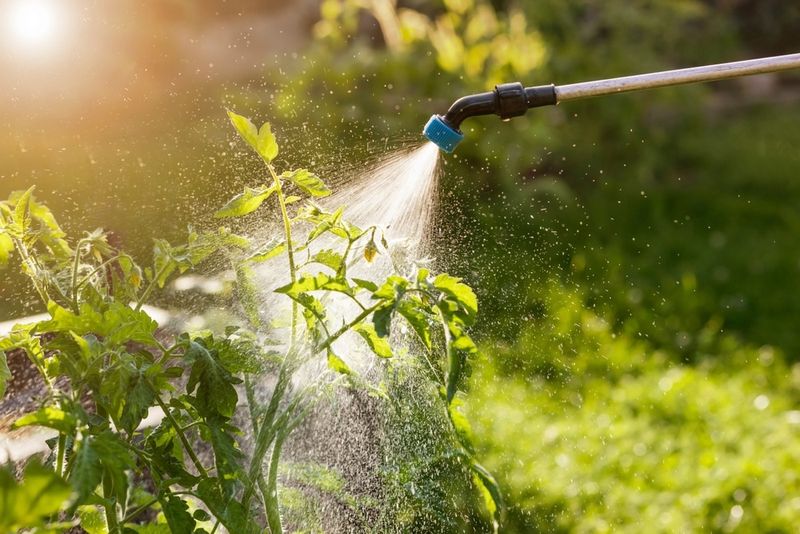
Sometimes hands and buckets are not enough. When numbers climb, a gentle spray can give you backup.
Insecticidal soap works best on young stink bugs. It must touch the bug directly, so spray the undersides of leaves too.
Neem oil is another popular choice. It can slow feeding and disrupt young bugs as they grow.
Kaolin clay is a fun option many people have not tried. It coats plants in a thin white film that bugs find annoying to walk on.
Some gardeners in Texas have started keeping a bag on hand specifically for late summer when stink bug pressure tends to peak.
Spray in the evening or early morning. Hot sun can burn leaves when oils or soaps sit on them at midday.
Test a small spot first. Wait a day to make sure your plant does not react badly.
Read the label every single time. It tells you which plants are safe and how long to wait before harvest.
Keep sprays away from flowers where bees are working. Protecting pollinators keeps your garden producing all season.
Treat sprays as a helper, not the main plan. Pair them with covers, cleanup, and handpicking for the strongest results.
9. Seal Up Your House Before Fall Arrives
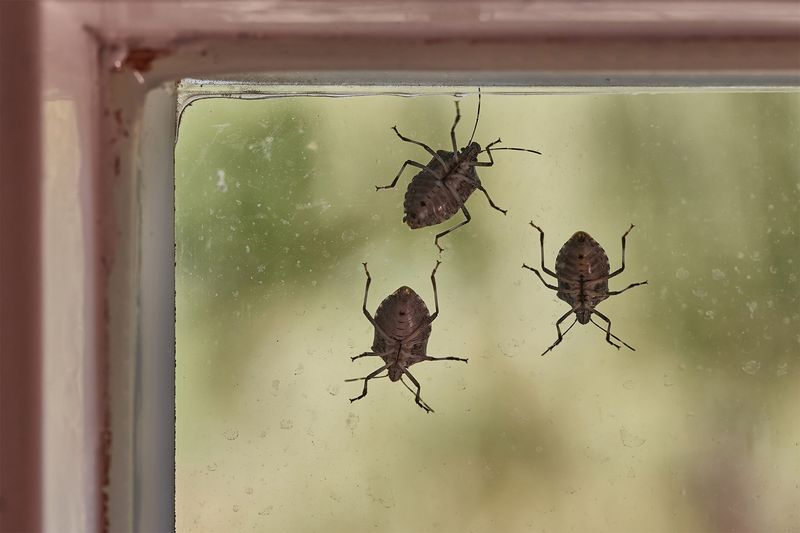
When October rolls in, stink bugs start house hunting. Your cozy home looks like a five-star resort to them.
Brown stink bugs are famous for crawling indoors to spend the winter. They slip through cracks around windows, doors, vents, and pipes.
Walk around your house with a tube of caulk. Fill small gaps around window frames and siding.
Check window screens for tears. A small patch kit fixes holes quickly and keeps many pests outside.
Add door sweeps to the bottom of outside doors. Even a thin gap lets bugs crawl right in.
Cover attic and dryer vents with fine mesh. Many homes in Texas have attic spaces that bugs find easily.
Found a few inside already? Use a vacuum with a bag you can toss, or catch them in a jar of soapy water.
Either way, you avoid the one mistake most people make, which is reaching for a tissue and immediately regretting it.
Skip squishing them indoors. The smell can hang around furniture and curtains for a while.
Sealing your home also helps with drafts and energy bills. One weekend project can save money and bring peace of mind all winter.