The Little Yellow Daisy That Blooms Through Western Texas In Fall
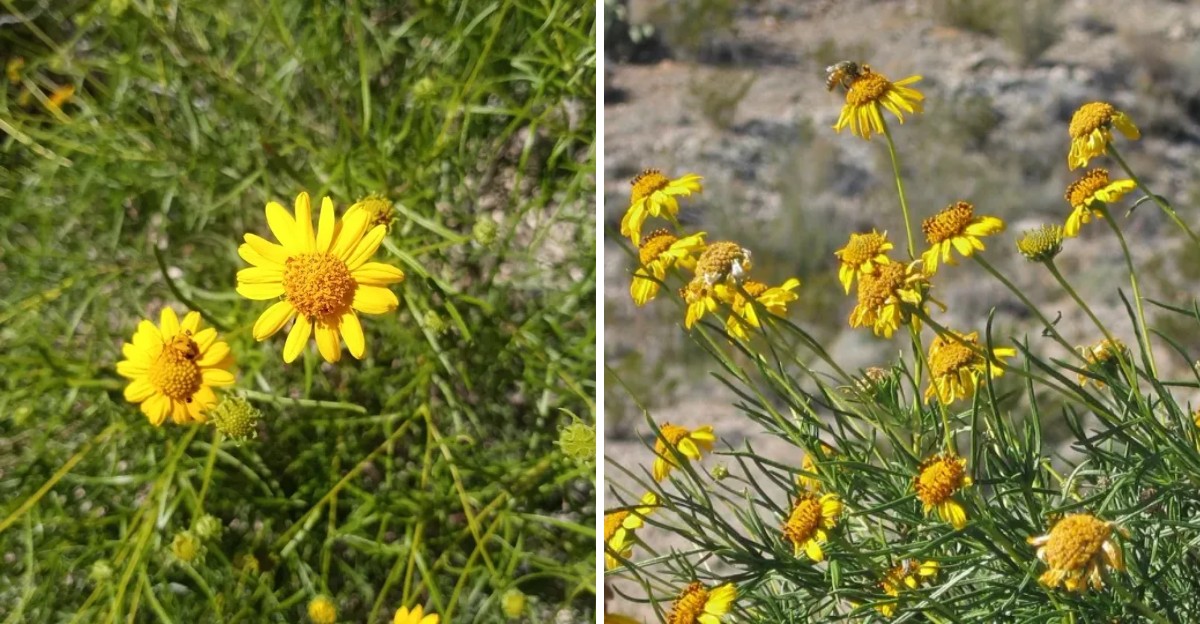
West Texas isn’t known for being gentle on plants. Scorching sun, rocky ground, and long stretches without rain turn many gardens into a struggle by late summer. Then fall rolls in, and one tough little native lights up the landscape.
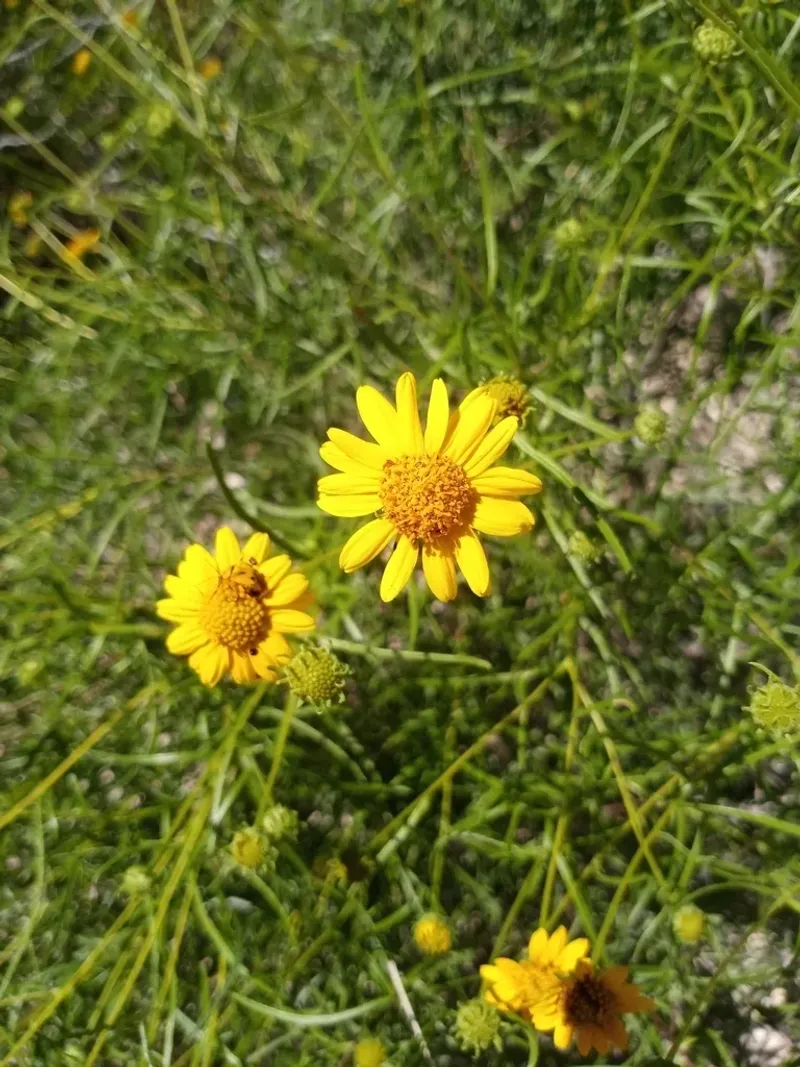
It forms a neat, rounded mound covered in tiny, thread-like leaves that look almost lacy. Once the weather cools and a little rain falls, it bursts into bloom with hundreds of cheerful yellow daisies.
Hillsides, roadsides, and dry flower beds suddenly glow with color. Butterflies and bees flock to the blossoms, grateful for food so late in the year.
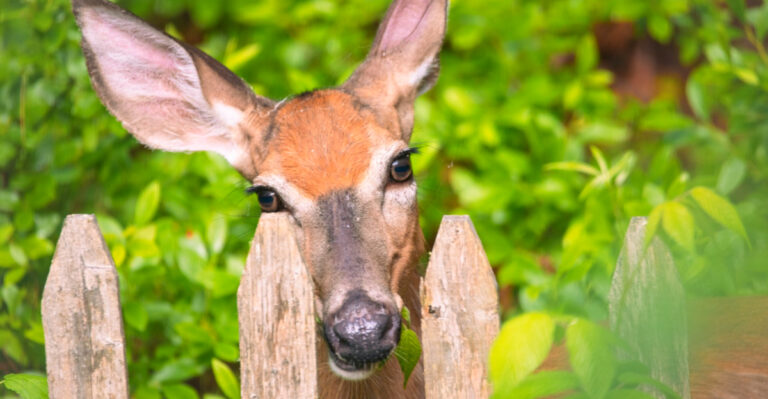
The best part is how little it asks in return. It handles heat, drought, and poor soil without breaking a sweat, and deer usually leave it alone.
For gardeners who want bright fall color without the fuss, this sunny native deserves a spot in the yard.
A Tough Texas Native
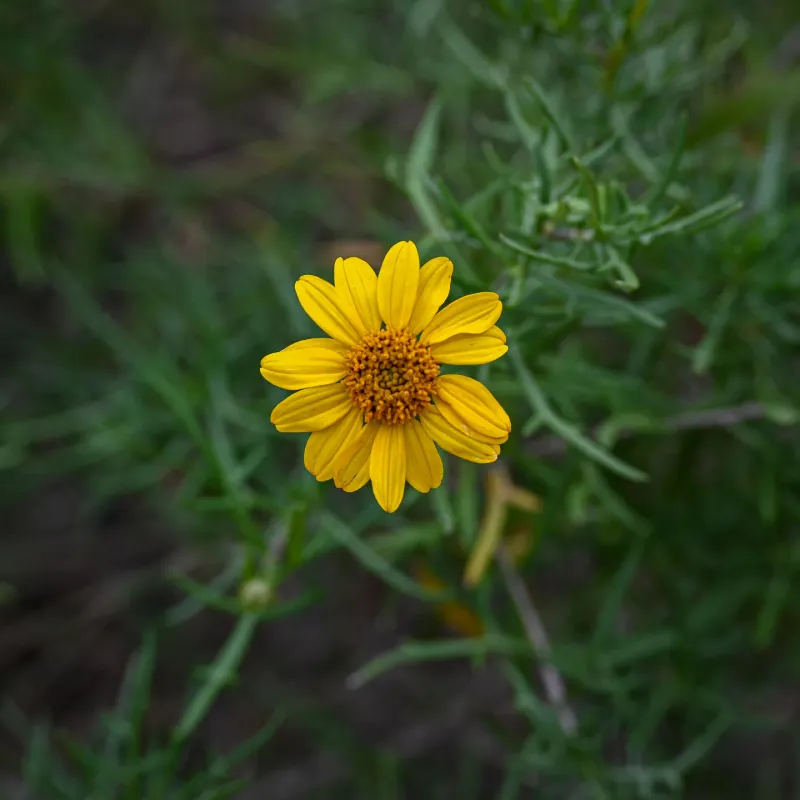
Some plants are pampered garden stars. Skeleton-leaf goldeneye is more like a rugged cowboy that never needed help. Its scientific name is Viguiera stenoloba, and it has called Texas home for a very long time.
You can find it growing wild across West Texas, especially in the Trans-Pecos region. That area includes Big Bend and the rugged land west of the Pecos River.
The plant also spreads east into the Hill Country and south into the brushy parts of South Texas. It even reaches into New Mexico and northern Mexico.
What makes it special is where it chooses to live. It grows on rocky hillsides, gravel slopes, and limestone ledges.
Many flowering plants would struggle in places like that. The soil is thin, rain is rare, and the sun is fierce for months.
Skeleton-leaf goldeneye is a small shrub, which means it has woody stems instead of soft ones. Those woody stems help it survive tough seasons. When conditions are hard, it can slow down and wait for better days.
Being a native plant matters a lot. Native plants have adapted to local weather, soil, and wildlife over thousands of years. They usually need less water, fewer chemicals, and less work than plants from other places.
Here is a helpful tip if you want to grow one. Look for it at native plant nurseries or local plant sales in Texas.
Groups like the Native Plant Society of Texas often hold sales in spring and fall. Buying from local growers means you get plants that are already suited to your area. That gives your new goldeneye a strong start from day one.
Bright Yellow Blooms Into Fall
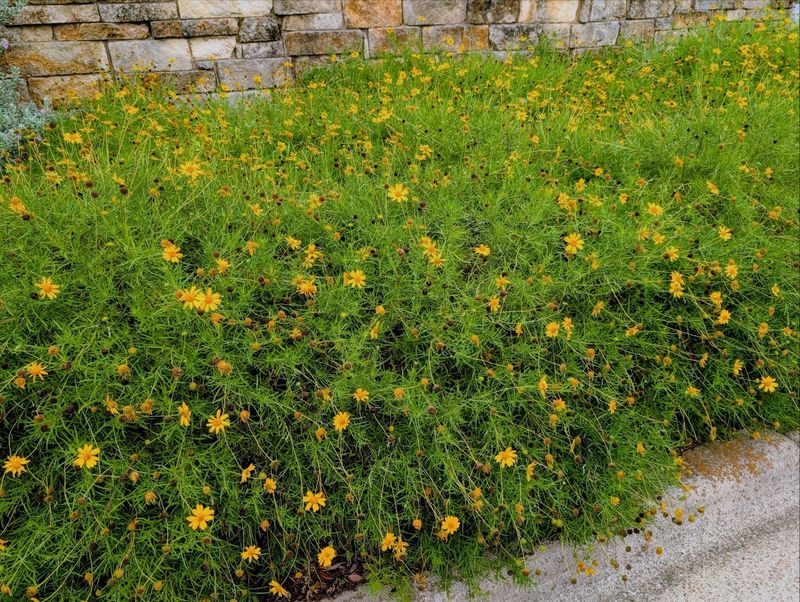
October in a Texas garden can feel a little tired. Lots of plants look worn out after a long, hot summer. Then skeleton-leaf goldeneye shows up like a friend with a sunny smile.
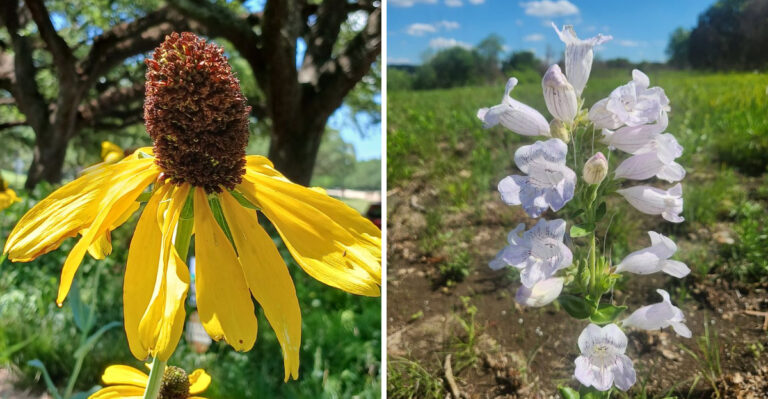
The flowers look a lot like small daisies. Each one is about an inch across, with bright yellow petals around a golden center. When a plant is covered in them, it looks like a mound of tiny suns.
Your Texas Garden Changes Every Week. Your Plan Should Too.
Gardening in Texas changes quickly throughout the season. Every Friday you’ll receive a simple weekly plan showing exactly what to plant, prune, fertilize, harvest, and protect so you never miss the right timing.
Blooming can start in late spring. In good years, the flowers keep coming through summer and well into fall. Some plants keep blooming until the first hard freeze arrives.
Fall is when this shrub really shines. Cooler nights and a few autumn rains often trigger a big burst of color. Hillsides in West Texas can glow yellow when many goldeneyes bloom at once.
Fun fact time. The name goldeneye comes from the flower itself. The golden center of each bloom looks a bit like an eye peeking out from the petals.
Want to make the most of its fall color in your yard? Try pairing it with plants that bloom in purple or blue. Mealy blue sage, Gregg’s mistflower, and fall aster look amazing next to bright yellow blooms. The mix of colors makes both plants pop.
You can also plant several goldeneyes in a group. One shrub is pretty, but three or five together make a bold statement.
Place them where you will see them often, like near a front walk or patio. That way, you can enjoy the cheerful show every single day of autumn.
Where It Gets Its Unusual Name
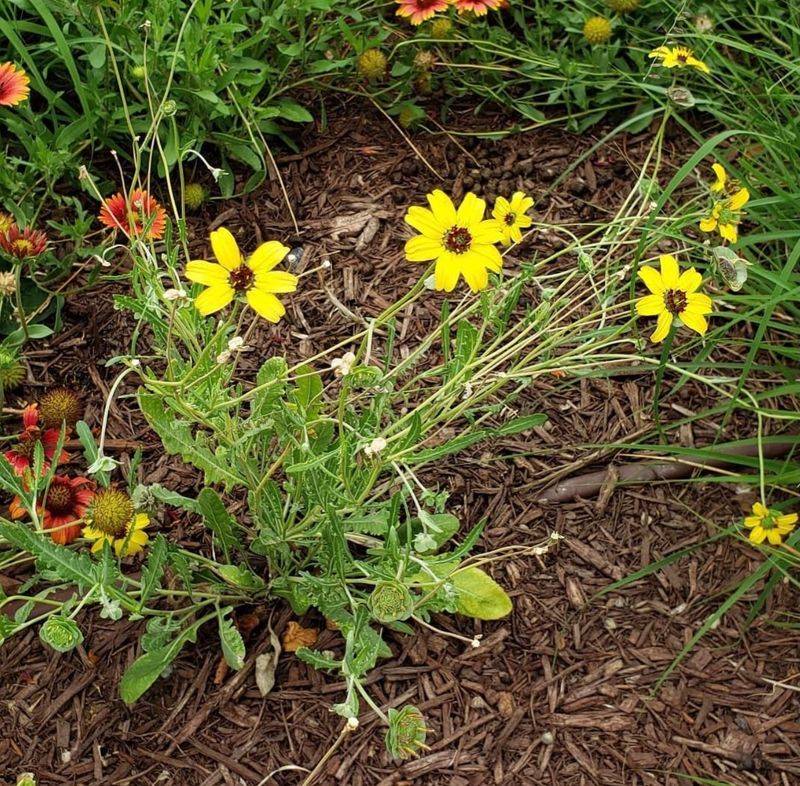
Skeleton might sound like a spooky name for such a happy flower. Halloween falls right in its blooming season, so maybe it fits after all! The name actually has nothing to do with bones in the ground, though.
Take a close look at the leaves. They are very narrow and split into thin, finger-like pieces. Some people say they look like the bones of a tiny hand.
Others think they look like a fish skeleton. Either way, the leaves seem thin and bony, and that is where the name came from.
Those skinny leaves are not just for looks. They are a clever survival tool. Big, wide leaves lose a lot of water into the air on hot days. Thin leaves have less surface area, so they lose much less water.
Think about it like this. A wide puddle dries up faster than a narrow cup of water. Plants with small, slim leaves work in a similar way. They hold on to their moisture longer when the sun beats down.
The fine leaves also give the plant a soft, feathery texture. That texture looks lovely in a garden. It contrasts nicely with bold, chunky plants like agave, prickly pear, or yucca.
Here is a fun activity to try. Next time you visit a native garden, compare leaves from different desert plants. Notice how many have tiny, thin, fuzzy, or waxy leaves.
Each shape is a smart trick for saving water. Skeleton-leaf goldeneye is just one great example of how nature solves problems.
Made For Heat And Drought
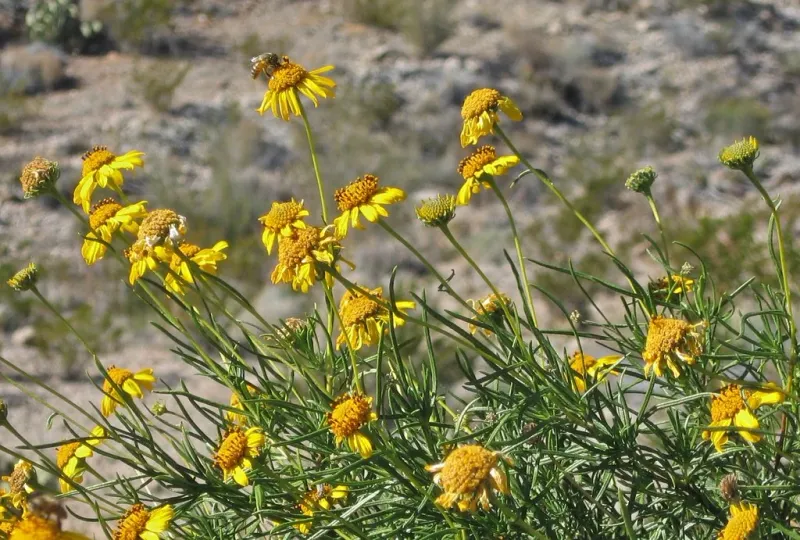
Triple-digit heat. Weeks without rain. Rocky ground that feels like a parking lot. For skeleton-leaf goldeneye, that sounds like a normal week.
Once it settles in, this shrub needs very little water. Most gardeners only water it during the first year while the roots grow deep.
After that, rain is often enough in much of Texas. During a really long dry spell, a deep soak every few weeks will keep it happy.
Sun is its best friend. Plant it in full sun, which means at least six hours of direct light each day. In shade, it tends to grow floppy and makes fewer flowers.
Soil matters even more than water. Goldeneye needs soil that drains fast. Rocky, gravelly, and sandy soils are perfect. It also handles alkaline soil, which is common across West Texas and the Hill Country.
Heavy clay can be a problem, though. Clay holds water, and soggy roots can rot. If your yard has clay, try planting on a small mound or slope. You can also mix in gravel or expanded shale to help water drain away.
A big mistake people make is giving it too much love. Rich compost, frequent watering, and heavy fertilizer can actually hurt it. Treat it a little rough, and it usually does better.
Here is a quick checklist for success. Pick a sunny spot. Make sure water drains well. Water regularly the first year only.
Skip the fertilizer. Follow those simple steps, and your goldeneye can handle summers that would wilt most other plants.
A Late-Season Favorite Of Pollinators
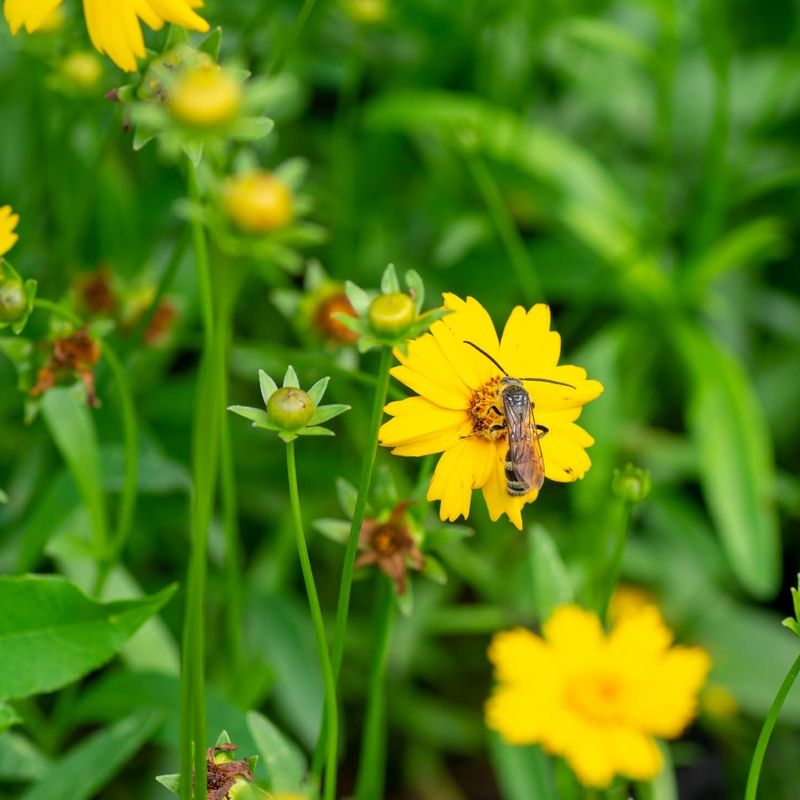
Buzz, flutter, flap. Stand near a blooming goldeneye on a warm fall afternoon, and you will hear and see plenty of visitors. Its yellow flowers act like a busy roadside diner for tiny travelers.
By autumn, many wildflowers have finished blooming. That makes food harder to find for bees and butterflies. Skeleton-leaf goldeneye fills the gap with nectar and pollen when insects need it most.
Native bees use the pollen to stock up before cooler weather. Some bees store food for the winter months. Others gather it to feed the young bees that will appear next spring.
Butterflies are frequent guests too. Monarchs pass through Texas each fall on their long trip to the mountains of Mexico.
They need lots of sugary nectar to fuel that journey of more than a thousand miles. A patch of goldeneye can be a helpful rest stop along the way.
The fun does not end when the petals fall. Small seeds form in the flower heads. Finches, sparrows, and other little birds like to pick at them. That means your plant keeps feeding wildlife even after the blooms fade.
Want to help pollinators even more? Avoid spraying pesticides near your flowers. Many sprays harm bees and butterflies along with pests. You can also add a shallow dish with pebbles and water so insects can drink safely.
Try leaving the seed heads in place through early winter instead of trimming right away. Then grab a chair and watch. You might be surprised how many creatures stop by your little yellow shrub.
Easy Care For Low-Water Gardens
Busy families, beginner gardeners, and anyone who hates mowing can all agree on one thing.
A plant that looks good without much work is a real treasure. Skeleton-leaf goldeneye fits that description nicely.
Most plants grow about 2 to 3 feet tall and just as wide. They form a neat, rounded mound on their own. That tidy shape makes them easy to fit into small spaces.
There are lots of ways to use them. Line a sunny walkway with a row of goldeneyes for a cheerful border.
Tuck one between boulders in a rock garden. Add a few to a xeriscape, which is a landscape designed to need little water.
Spacing is simple. Leave about 3 feet between each plant so they have room to fill out. Gravel or decomposed granite makes a great mulch around them. It keeps weeds down and helps water drain quickly.
The only real chore comes once a year. In late winter, around February in most of Texas, give the plant a light trim. Cut back about one third of the growth and remove any dry or broken stems.
Why bother? Trimming keeps the shrub from getting leggy and messy. It also wakes up fresh new growth in spring, which leads to more flowers later.
Just avoid heavy pruning in fall, since that would remove the blooms you have been waiting for.
That is truly about it. No spraying, no fussing, and very little watering. Add one to your yard, and you will have golden color every autumn with hardly any effort.