What To Prune In Virginia This October And What Not To Touch
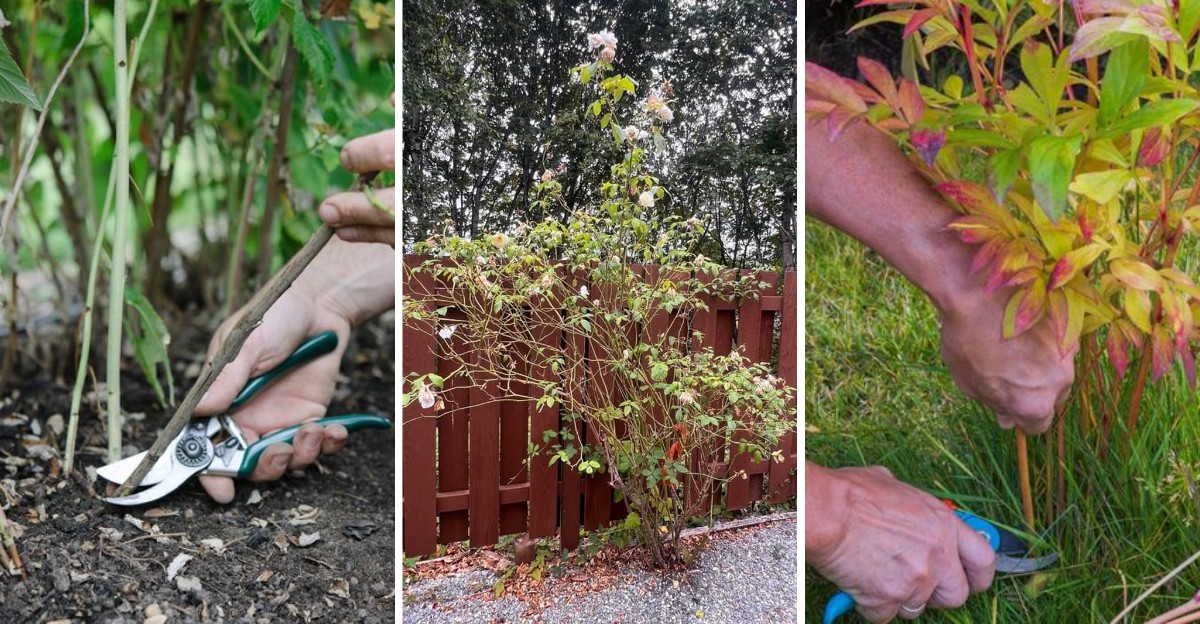
One wrong cut in October can erase a whole season of flowers. Azaleas, bigleaf hydrangeas, and camellias are already carrying next year’s buds.
October in Virginia tempts every gardener to grab the pruners and tidy up everything in sight. Some plants love a fall trim, while others punish you come spring.
A few snips now can stop pests and disease before winter settles in. Peonies, hostas, and iris are among the plants that benefit from a fall cleanup.
The trick is knowing which plants are finished for the year and which are already packing their bags for spring. The list below sorts the safe cuts from the costly ones before frost settles in.
1. Peony Foliage After Frost Blackens It
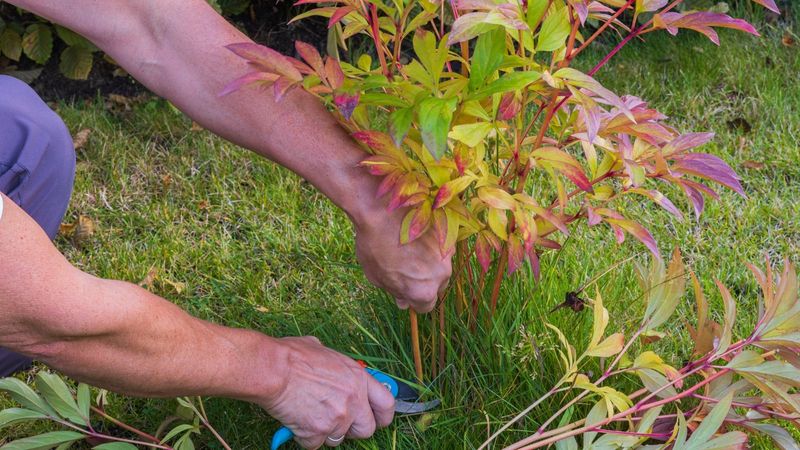
Picture a peony bed the morning after the first frost. The once glossy leaves now hang limp, spotted, and nearly black.
Good news, that sad sight is your green light. Herbaceous peonies are ready for a cut once frost turns their leaves yellow, brown, or black.
Patience matters before that moment arrives. Green leaves are still feeding the roots and storing energy for next spring’s big blooms.
Grab clean, sharp shears and work slowly around each clump. Cut stems down until only one or two inches of stalk remain.
Fungal spores love to hide in old peony leaves over winter. Clearing every scrap of foliage and debris takes away their cozy shelter.
Skip the compost pile for this batch of clippings. Bag them up and toss them in the trash so problems stay out of your garden.
Here in Virginia, the first frost often lands in late October. Northern and mountain areas may see it a few weeks earlier than coastal towns.
Tree peonies play by different rules, so check your plant first. Their woody stems carry next year’s growth and should stay untouched this fall.
Not sure which type you have? Herbaceous kinds fade to the ground, while tree peonies keep sturdy, bark-covered branches all winter.
Fun fact, peonies can bloom in the same spot for decades. A little fall care helps keep those old-timers healthy for many more springs.
2. Hostas And Daylilies Once They Collapse
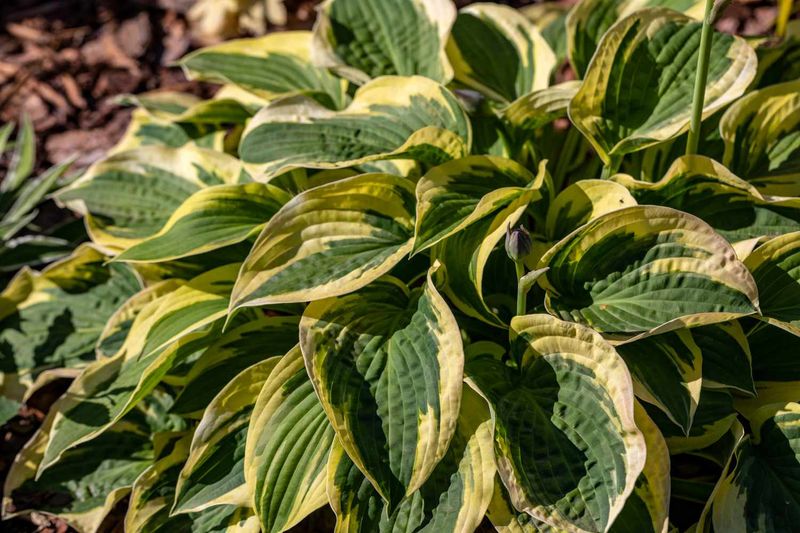
Hostas have a dramatic way of saying goodbye. One chilly night, those big leaves turn gold and slump over like tired umbrellas.
Once frost hits and about a quarter of the leaves fade, start cutting. Trim hosta stems right down to ground level.
Slugs and snails adore a soggy pile of hosta leaves. Removing that mess leaves them fewer places to hide out over winter.
Feeding hostas right now is a mistake many folks make. Fall fertilizer can push fresh growth when the plant should be resting.
Daylilies follow a similar schedule, just with a bit more wiggle room. Cut them in mid to late autumn after frost or once leaves yellow.
Leave about two to four inches of daylily foliage above the soil. Snip old flower stalks close to their base while you’re there.
Honestly, daylilies will survive if you skip this chore entirely. Still, a cleanup helps cut down on pests and a fungus called leaf streak.
Your Virginia Garden Changes Every Week. Your Plan Should Too.
Gardening in Virginia changes quickly throughout the season. Every Friday you’ll receive a simple weekly plan showing exactly what to plant, prune, fertilize, harvest, and protect so you never miss the right timing.
Many gardens pair these two plants along shady paths and borders. Tackling both on the same afternoon makes the job feel quick and satisfying.
Wear gloves, since collapsed leaves can get slimy fast. A sturdy rake helps gather the soft pieces into a neat pile.
Bonus tip, mark where each hosta sits before the leaves vanish. Small stakes keep you from stepping on sleeping crowns come spring.
3. Bearded Iris Leaves To Remove Borer Eggs
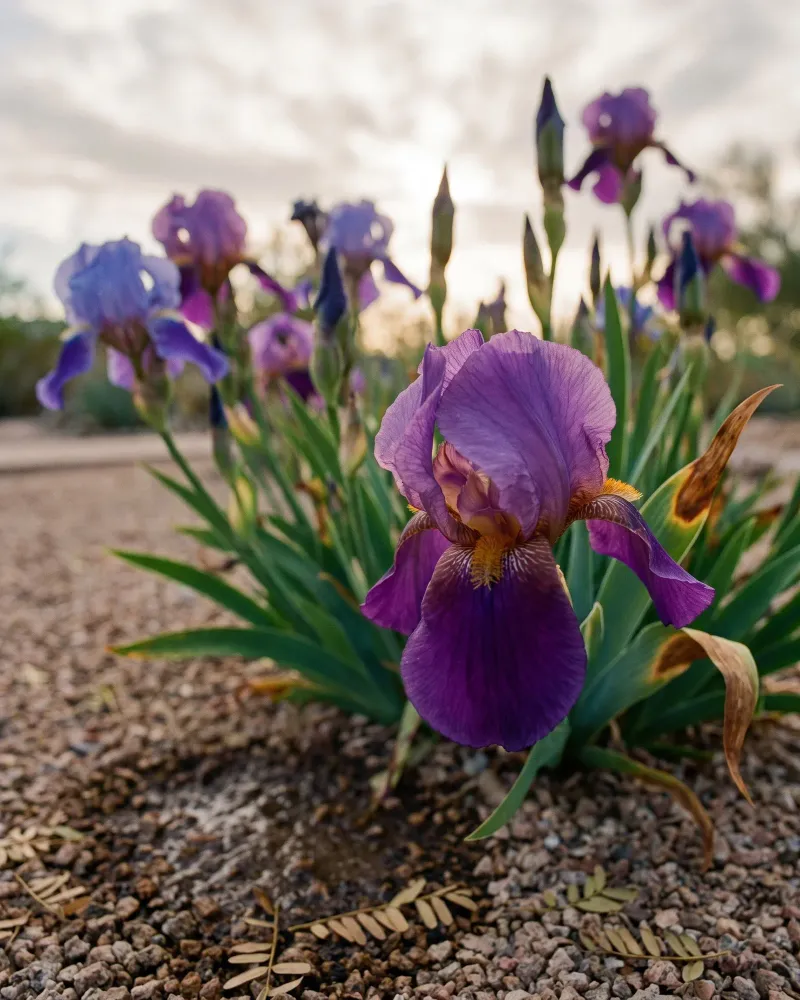
Tiny moths have been busy in your iris bed, and you probably never saw them. Iris borer moths lay eggs on the leaves in late summer.
Those eggs spend all winter clinging to old foliage. Come spring, the hatchlings tunnel down the leaves and into the rhizomes.
Here’s where your shears become a secret weapon. Cutting leaves in fall removes many of those eggs before they ever hatch.
Timing makes a big difference with this task. Wait until after a hard frost or two, when the moths have stopped laying.
In much of the state, that window opens in late October. Gardeners in cooler mountain counties may get there a little sooner.
Trim the leaf fans down to about three to six inches tall. Many people cut them into a neat point or flat top.
Old foliage also carries leaf spot and other troublesome diseases. Clearing it out gives your irises a fresh start next season.
Gather every clipping, along with any loose debris around the rhizomes. Bag it for the trash rather than tossing it into compost.
Did you notice soft, mushy rhizomes or holes this year? That’s a sign borers moved in, so be extra careful with cleanup.
Bearded irises reward this little effort with sturdy stems and ruffled blooms. Think of it as a small fall chore with a big spring payoff.
4. Summer-Bearing Raspberry Canes That Already Fruited
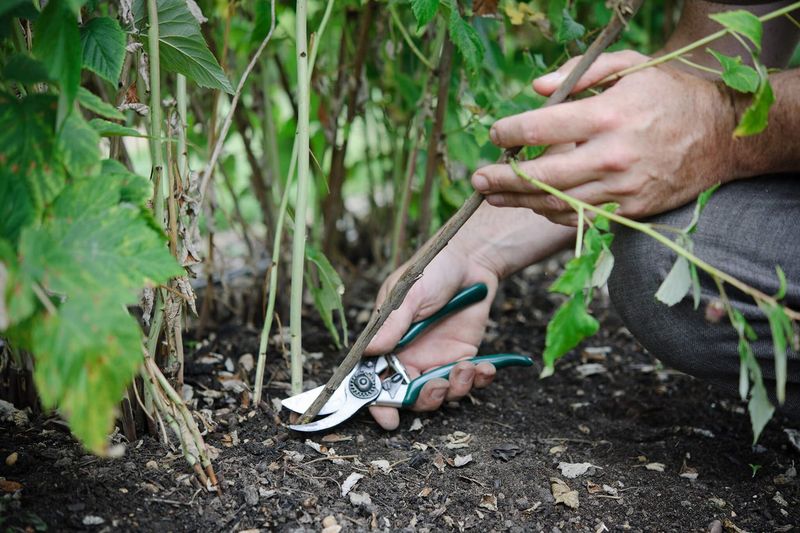
Remember those sweet summer raspberries you ate straight off the vine? The canes that grew them are finished and won’t fruit again.
Summer-bearing raspberries produce on floricanes, which grew the year before. After the July harvest, those canes turn dry, gray, and brown.
October is a fine time to clear them out of a Virginia berry patch. Wait until the leaves drop so you can see what you’re doing.
Spotting the old canes is easier than you might think. They look woody and peeling, while new canes stay smooth and greenish.
Cut each spent cane right down at ground level. Leaving stubs can invite pests and disease to settle in.
Leave those fresh green canes alone, though. They are next summer’s fruit makers, and they need to stay in place.
Removing the old wood opens up the patch for better airflow. Sunlight reaches the young canes, and you get fewer scratches at harvest time.
A pair of thick gloves and long sleeves will save your arms. Those thorny canes can grab like an angry cat.
Come late winter, take one more walk through the rows. Snip any damaged or diseased canes you missed during the fall cleanup.
Fun fact, a single raspberry plant can live for many years. Each individual cane, though, only lasts about two seasons before stepping aside.
5. Decaying, Broken, Or Diseased Branches On Any Shrub
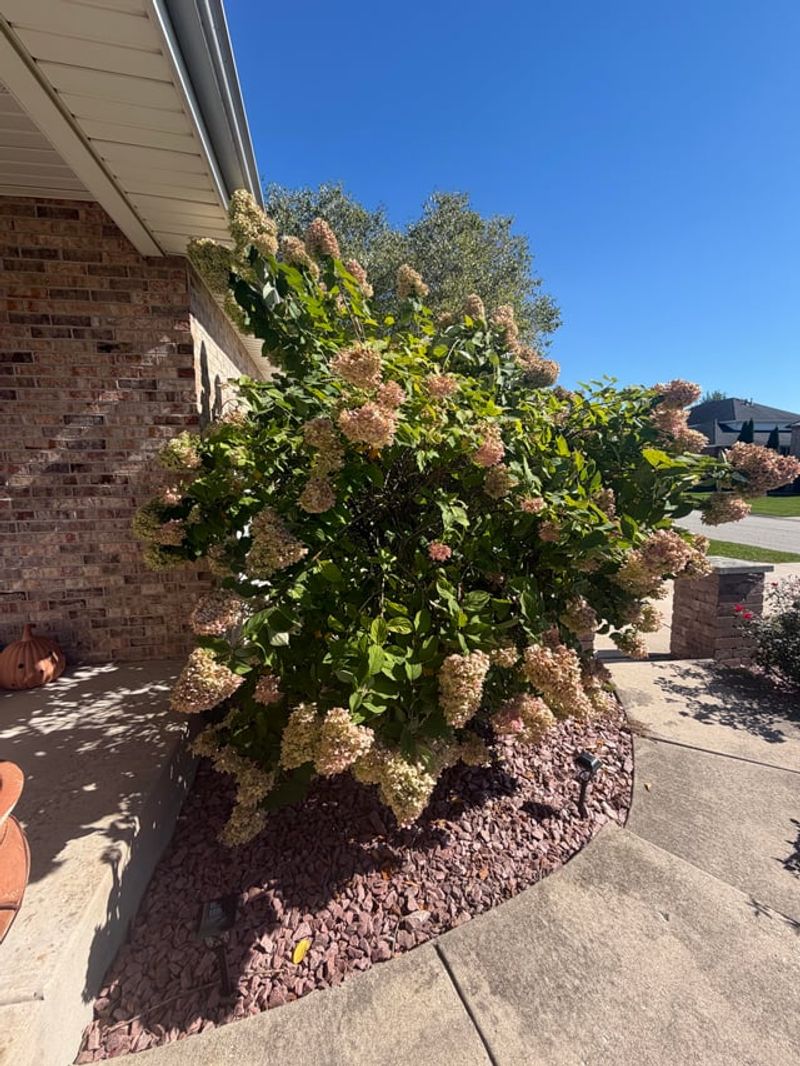
Some pruning rules bend with the seasons, but one stays steady. Damaged wood can come off any shrub, any month of the year.
October gives you a perfect chance to look closely. Leaves are thinning, so problem branches are easier to spot.
Start with branches that snapped during summer storms. Hanging limbs can tear bark and create a bigger wound later.
Next, look for wood with no life left in it. Scratch the bark lightly, and if you see brown instead of green, it’s done.
Diseased branches often show cankers, odd spots, or oozing patches. Cutting them away slows the spread to healthy parts of the plant.
Clean tools make a real difference here. Wipe blades with rubbing alcohol between cuts, especially after touching sick wood.
Sharp pruners leave smooth cuts that close up faster. Dull blades crush stems and leave ragged edges where germs sneak in.
Cut back to healthy wood, just outside a bud or side branch. Avoid leaving long stubs, since they rarely heal well.
Winter ice can stress weak limbs even more. Removing damaged wood now lowers the chance of breakage when storms roll through.
Toss diseased clippings in the trash rather than compost. Healthy pieces can go into a brush pile for birds and small critters.
6. Azaleas And Rhododendrons Already Carrying Buds
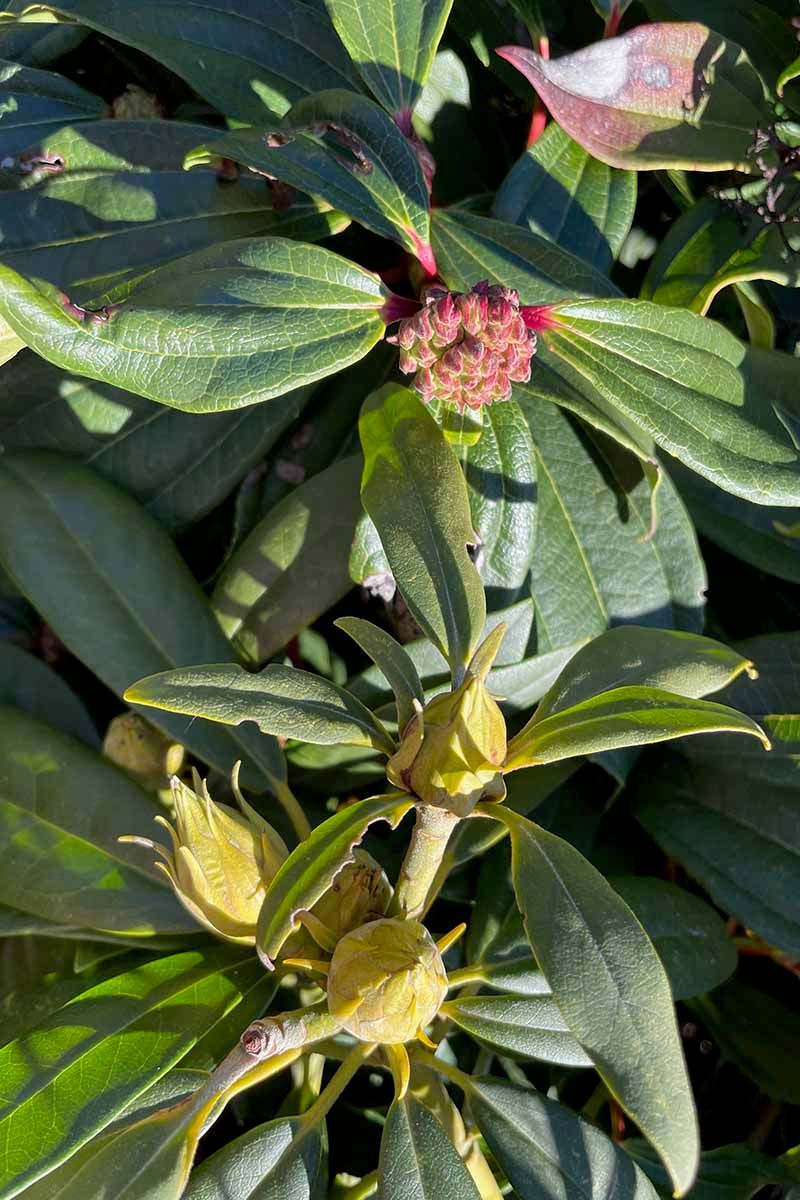
Take a close look at your azalea branches this month. See those fat little bumps at the tips?
Those are next spring’s flowers.
Azaleas and rhododendrons bloom on old wood. They set their flower buds back in late summer and early fall.
Pruning them in October snips those buds right off. The result is a spring with few blooms, or maybe none at all.
Plenty of Virginia neighborhoods glow with azaleas each April. Nobody wants to be the house with bare green bushes that year.
Flower buds usually look rounder and plumper than leaf buds. Leaf buds tend to be slim and pointy by comparison.
So when should you shape these shrubs? Right after they finish blooming in late spring works best.
Pruning then gives the plants all summer to grow and form new buds. You keep the shape you want and still enjoy a full show.
If a branch is broken or clearly diseased, go ahead and remove it. That kind of cleanup is fine in any season.
A little mulch around the roots helps more than pruning this time of year. Keep it a few inches away from the main stems.
Quick tip, water deeply during dry falls. Thirsty azaleas can drop buds before spring even arrives.
7. Camellias That Bloom Through Fall And Winter
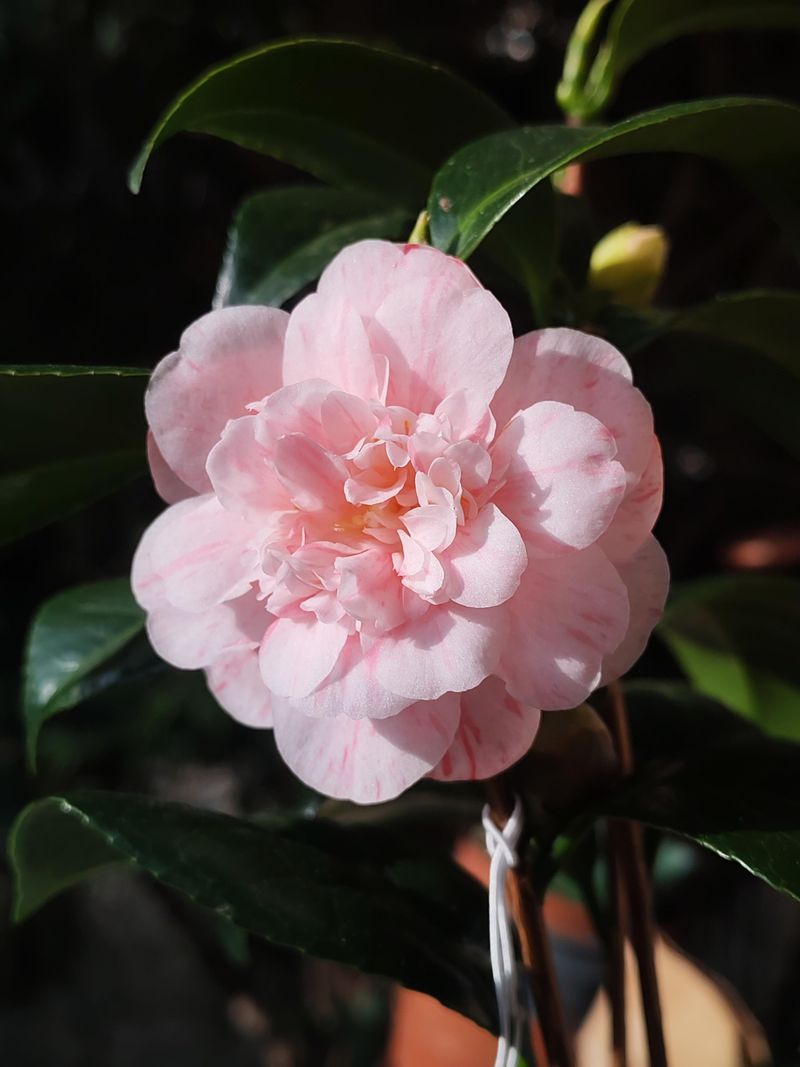
Just when most gardens start to fade, sasanqua camellias throw a party. Pink, white, and red blooms open as the air turns cool.
Leave the pruners in the shed for these beauties. In October, they are either flowering or about to burst open.
Cutting now would steal the very show you’ve waited all year for. Every snip could remove buds that were ready to bloom.
Camellias grow nicely in much of eastern and central Virginia. Gardeners there often treasure them as the last color of the year.
The best pruning time comes right after the main flowering ends. That lets the shrub rest and build buds for the next round.
Watch the calendar for spring bloomers like Camellia japonica. Heavy pruning after June can cost you flowers the following season.
Still, some cuts are fine any time. Broken, diseased, or risky branches can come off whenever you spot them.
Fun fact, camellia leaves are cousins of tea leaves. The plant used for green and black tea belongs to the same family.
Want to enjoy blooms indoors? Float a few fallen flowers in a shallow bowl of water on the kitchen table.
Picking a bloom or two for display won’t hurt the plant. Just avoid hacking off branches loaded with unopened buds.
8. Bigleaf Hydrangeas Holding Next Year’s Flowers
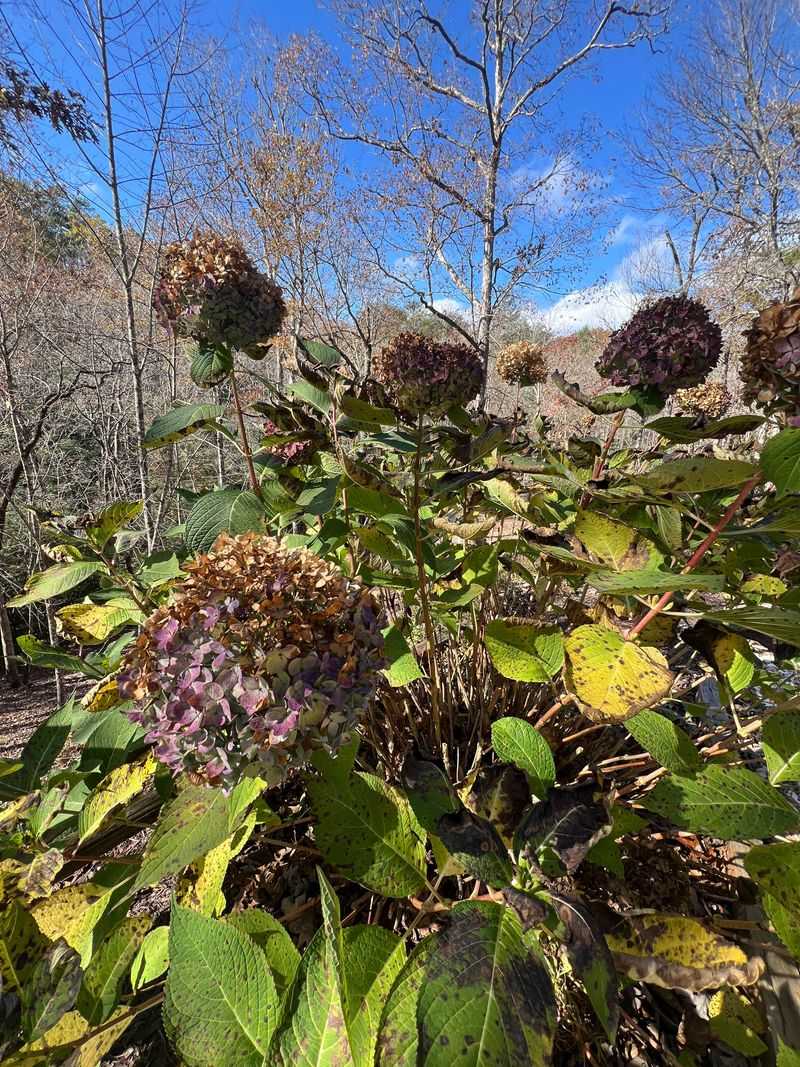
Ask any frustrated gardener why their hydrangea quit blooming. Chances are good someone cut it back in the fall.
Bigleaf hydrangeas include the classic mophead and lacecap types. They bloom on old wood, so next year’s buds are already in place.
Those buds formed back in August or September. An October trim would remove them and leave you with mostly leaves next summer.
Faded flower heads may look messy, but they help a little. Many gardeners leave them on as winter protection for the buds below.
The right time to prune is summer, just after flowering ends. Even then, light shaping usually beats a big haircut.
Decaying wood is the one exception you can handle now. Snap-dry stems with no green inside can come off whenever.
Newer rebloomers like the Endless Summer series bloom on both old and new wood. Experts still suggest skipping pruning after August 1 for these.
Winters can swing from mild to icy quickly. Protecting those buds gives you the best shot at a strong flower show.
Here’s a neat bit of trivia about color. Soil acidity can turn bigleaf blooms blue, while sweeter soil leans pink.
A soil test from your local extension office can help you adjust it. Small tweaks this fall can shift colors by next summer.
9. Crape Myrtles, Which Wait For Late Winter
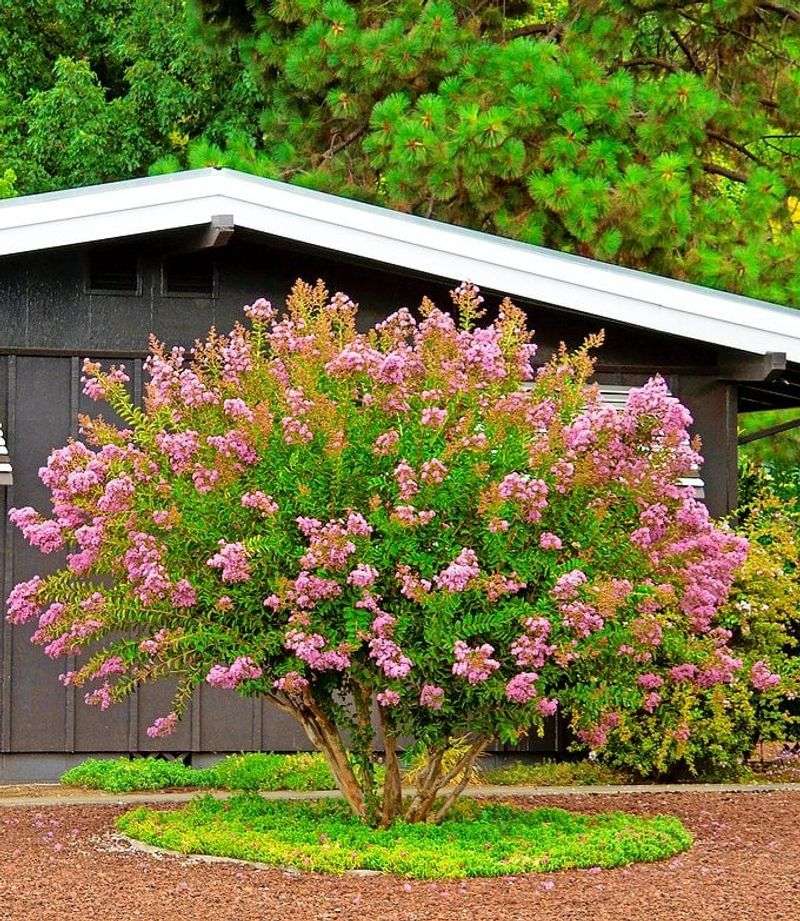
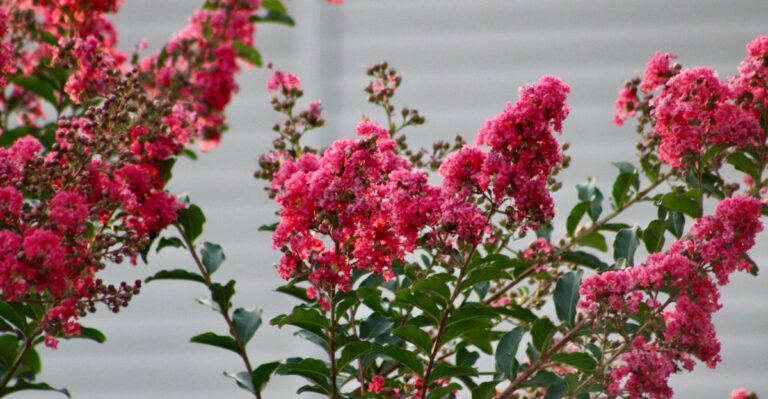
Drive through any Virginia town in July and you’ll see crape myrtles everywhere. Those frilly pink and purple blooms practically define southern summer.
Here’s the twist, they bloom on new growth. Branches that grow in spring carry that summer’s flowers.
So October pruning offers zero benefit for blooms. Worse, it can trigger tender shoots that freeze once winter arrives.
Those soft shoots don’t have time to toughen up. Cold snaps can damage them and stress the whole tree.
Fall cuts also leave crape myrtles looking awkward all winter. You’d lose that lovely peeling bark view for months.
Mark your calendar for late winter instead. In eastern areas, February to early March usually works well, once hard frost passes.
Please skip the chopping. Lopping trunks into stubs creates weak, floppy branches and knobby scars.
Instead, remove crossing branches and thin suckers from the base. Light, thoughtful cuts keep the tree graceful and strong.
Broken or diseased limbs are the exception, as with other shrubs. Those can come off any time you notice them.
For now, just enjoy the fall show. Many crape myrtles turn brilliant orange, red, or gold before dropping their leaves.
10. Roses, Which Wait For Late Winter
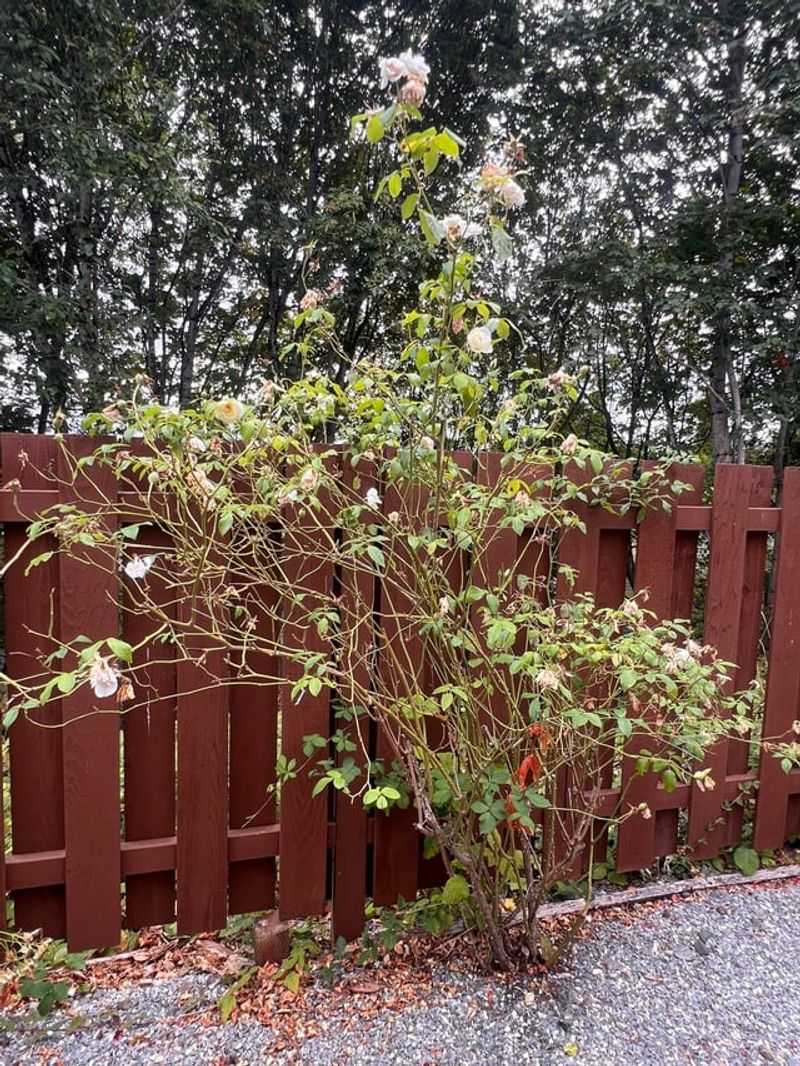
Roses in October can look a little tired and leggy. It’s tempting to grab the shears and give them a fresh start.
Resist that urge for now. Heavy fall pruning can spur new growth that cold weather quickly damages.
Most roses in Virginia do best with a late winter trim. Late February to early March is the sweet spot for many gardeners.
At that point, the plants are dormant and resting. Cuts then cause less stress and lead to vigorous spring growth.
Late winter pruning also lets you see winter damage clearly. You can remove only the canes that truly need to go.
Good airflow through the center keeps leaves drier. Drier leaves mean fewer problems with black spot and mildew.
Light tidying in early autumn is usually fine. Snipping a few spent blooms won’t upset most varieties.
Some folks stop trimming by October on purpose. Leaving faded flowers lets rose hips form, which signals the plant to slow down.
Those orange and red hips also look cheerful in winter. Birds may snack on them when food gets scarce.
Meanwhile, rake up fallen rose leaves around the base. Removing them helps limit diseases waiting to return next spring.