Can A Florida HOA Force You To Keep A Thirsty Lawn? The Answer Is More Complicated Than You Think
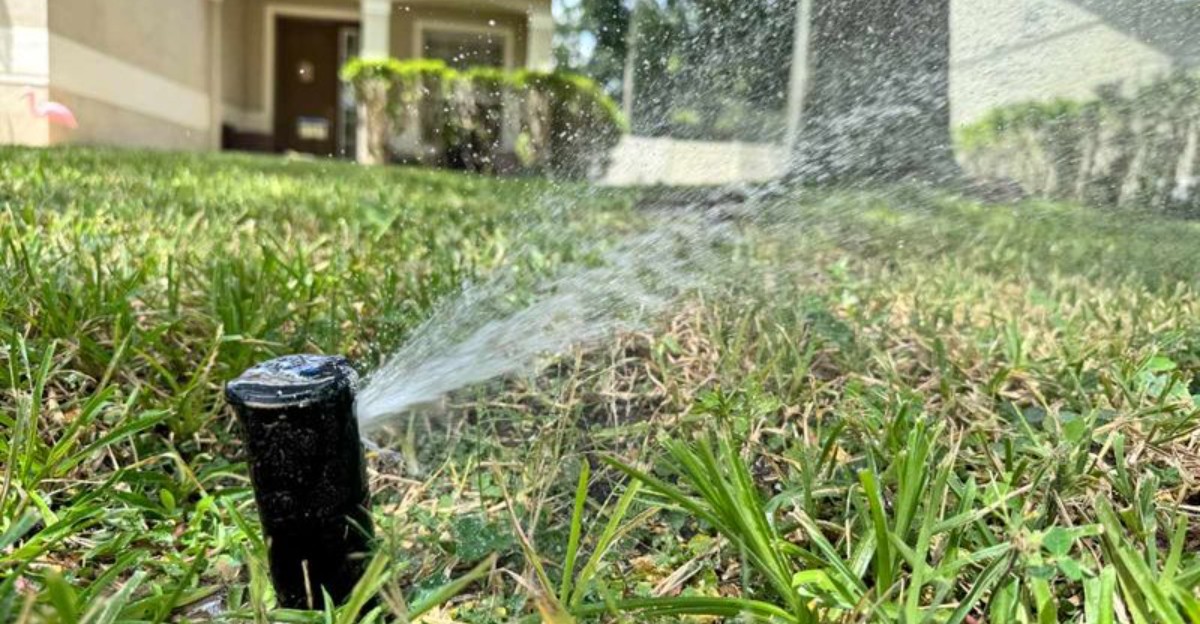
Your lawn has gone straw-colored, the water bill is steep, and a letter from the HOA lands in your mailbox before you finish your coffee.
Florida has laws on the books that protect homeowners who want to ditch the thirsty grass. Those laws have limits, and associations know where every one of them sits.
Boards tend to speak with a lot of confidence in these letters.
Some owners win this fight with one polite reply. Others lose a few thousand dollars on sod nobody wanted.
The difference comes down to a few details most people never read.
Your own paperwork matters as much as the statute. Plenty of folks skip it, then wonder how things went sideways.
Pull out your covenants before you answer that letter. Knowing the rulebook puts you in the driver’s seat.
1. Florida Law Protects Florida-Friendly Landscaping
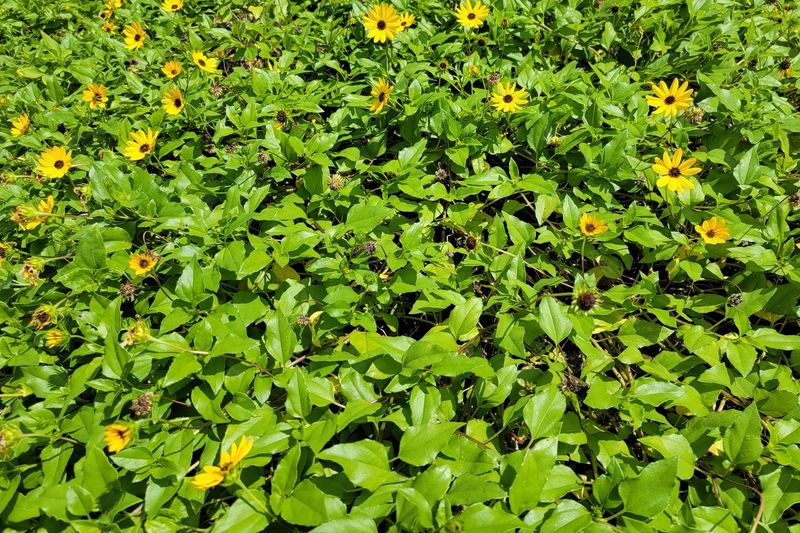
Here is some good news for tired sprinkler owners. Our state has a law that backs your right to a yard that uses less water.
The rule is called Florida Statute 373.185. It says an HOA cannot ban Florida-Friendly Landscaping on your property.
That means your board cannot write a rule that blocks water-smart plants and design. Any covenant that tries to do so is treated as null and void.
So what counts as Florida-Friendly? Think of plants that handle heat, sandy soil, and dry spells without needing daily watering.
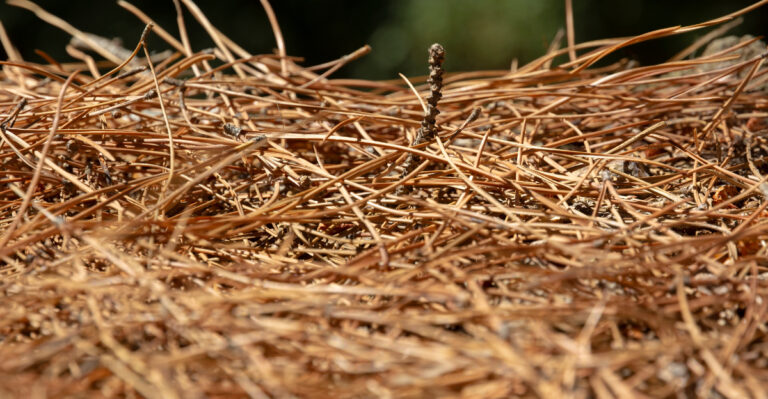
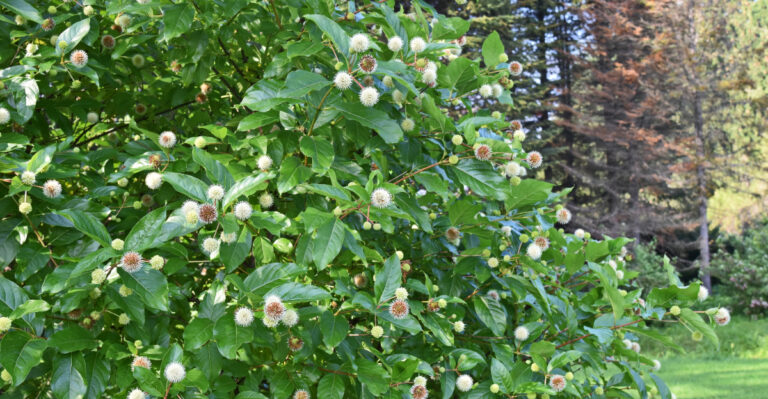
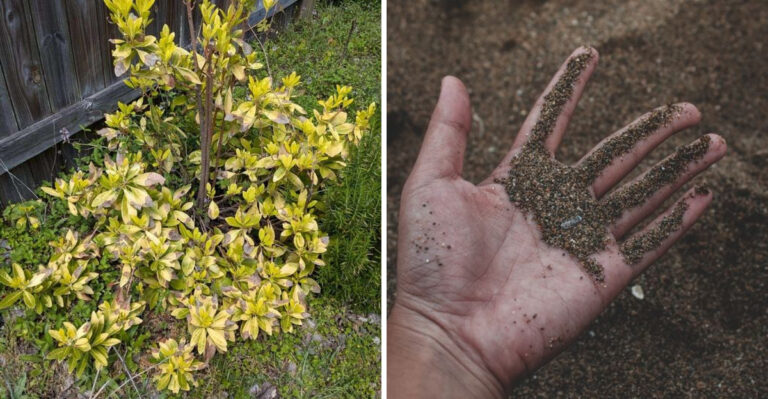
Picture a yard with coontie, firebush, muhly grass, and beds of pine straw mulch. That kind of yard can still look tidy and inviting.
The law exists because the state keeps growing, and fresh water is limited. Lawns soak up a big share of home water use across the state.
Before you rip out any grass, though, read your HOA documents carefully. Knowing your rights is step one, while following the proper process is step two.
Print a copy of the statute and keep it with your HOA paperwork. Having it handy can make a tense conversation with the board feel much calmer and more productive.
2. The Protection Has Been On The Books Since 2009

Back in 2009, phones were just getting smart and the state lawmakers made a quiet but big move. They updated the law to protect homeowners who wanted water-wise yards.
Even so, many people still have no idea this rule exists. Some HOA boards have not caught up either, which leads to plenty of confusion.
Over the years, more water shortages and dry seasons have made the law matter even more. Many communities now see wise landscaping as a smart choice instead of a strange one.
Fun fact: our state gets lots of rain, yet much of it falls in summer storms. The dry months of spring can still leave yards and aquifers thirsty.
Since the protection is well over a decade old, you are not asking for anything new. You are simply asking your HOA to follow a long-standing state law.
If an older board member insists that grass rules come first, stay polite. Sharing the date and statute number often shifts the conversation quickly.
Your Florida Garden Changes Every Week. Your Plan Should Too.
Gardening in Florida changes quickly throughout the season. Every Friday you’ll receive a simple weekly plan showing exactly what to plant, prune, fertilize, harvest, and protect so you never miss the right timing.
Many older HOA documents were written before 2009 and may still include outdated lawn language. That old wording does not cancel state law, but it can confuse new residents and board members alike.
3. HOA Rules Can’t Override Water Restrictions
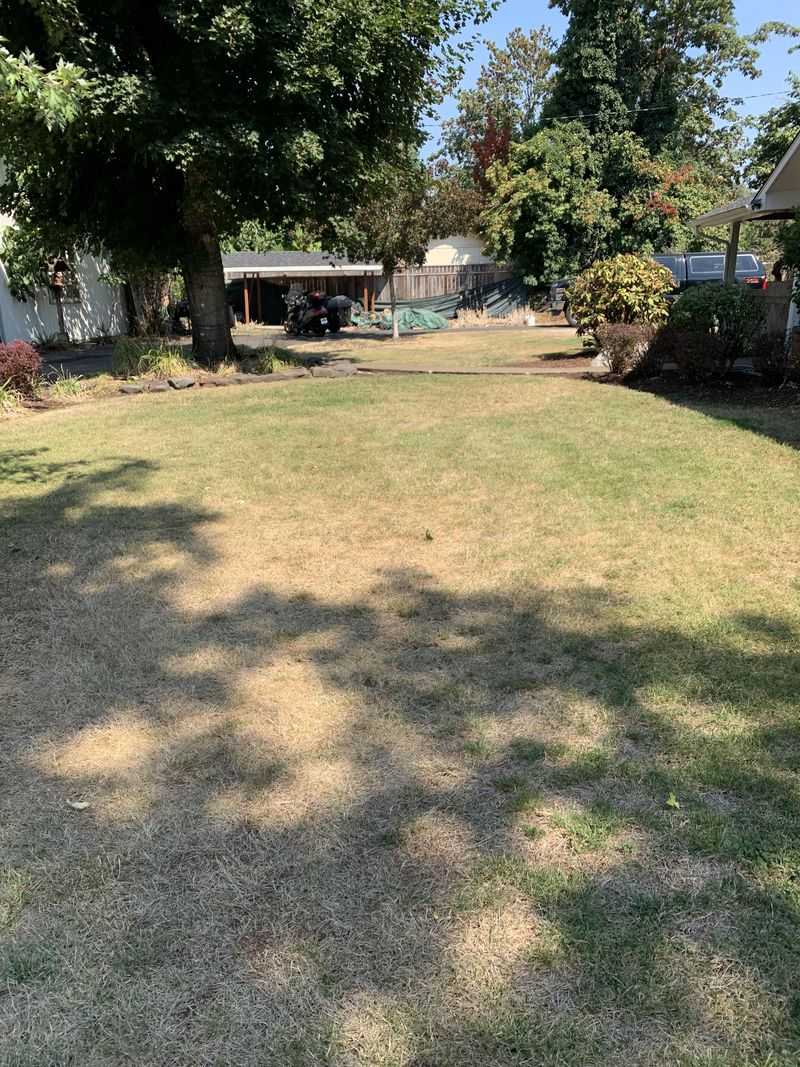
Imagine getting a fine for brown grass while you were simply following county watering days. Florida law says that should not happen.
Statute 373.185 blocks deed restrictions that conflict with water shortage orders or conservation rules. In plain words, local water limits beat HOA lawn demands.
Water management districts set watering schedules, often one or two days per week. Your city or county may add its own limits during a drought.
If those rules leave your grass looking tan in April, you are not breaking HOA rules. You are obeying a higher authority, and that matters.
Think of the legal ladder like a stack of pancakes. State law sits on top, and HOA rules sit lower down the pile.
Keep a copy of your local watering schedule close by. Snap a photo of any posted restriction notices in your area too.
Your district website, such as the Southwest region Water Management District, lists current rules. A quick check takes minutes and could save you a headache later.
Neighbors facing the same pressure will likely thank you for sharing this information. A short note in the community newsletter can help everyone understand why yards look a little thirsty during dry spells.
4. Your HOA Still Gets A Say In How It Looks
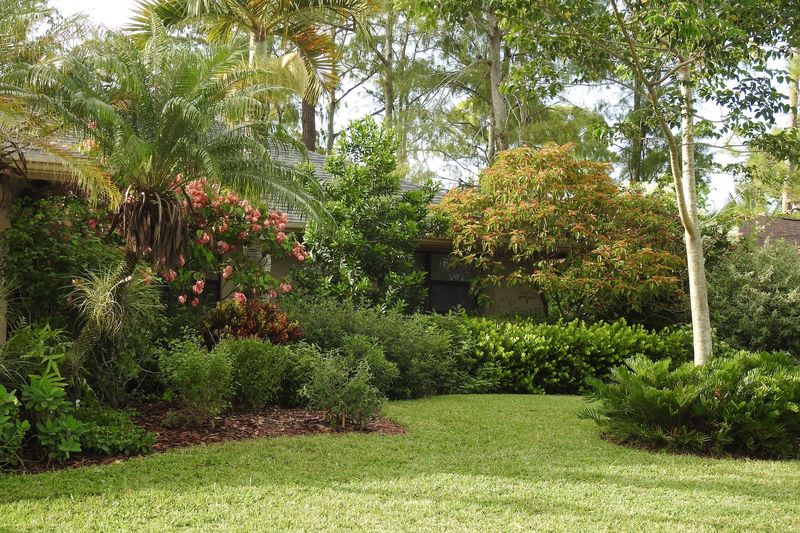
Freedom to plant water-wise yards does not mean anything goes. Your HOA still has a voice when it comes to looks.
Boards can set reasonable standards for neatness and overall style. They want the neighborhood to feel connected and appealing to buyers.
For example, an HOA might ask that beds have clean edges. It could also require that plants stay trimmed away from sidewalks and driveways.
What a board cannot do is use looks as an excuse to ban water-smart landscaping. There is a big difference between shaping a design and blocking it.
Think of it like a school dress code. The school can ask for neat clothes, but it cannot force you to wear something harmful or impossible.
Working with your HOA on style can actually make your project smoother. A well-planned yard often wins over skeptical neighbors faster than any argument.
Try matching mulch colors or plant heights to nearby homes. Small touches like that show respect for the community and still save water.
Photos of attractive Florida-Friendly yards from nearby towns can help your case too. Seeing a real example often calms worries about weeds, messy looks, or lower home values.
5. Architectural Review Approval May Still Be Required
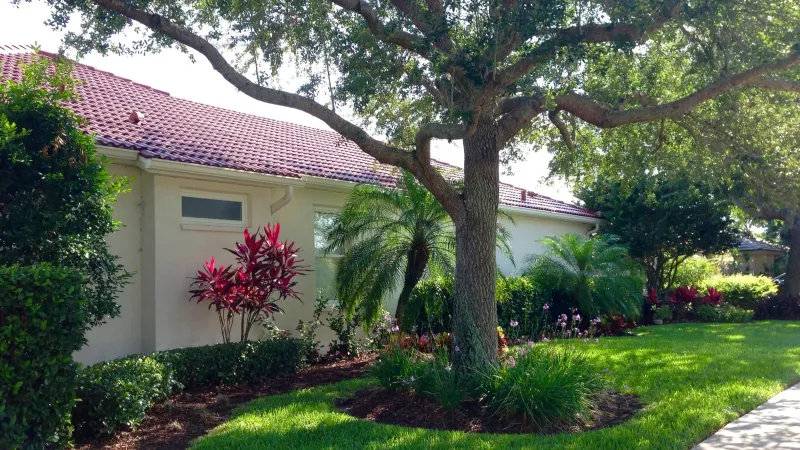
Paperwork is nobody’s favorite hobby, but it can save you a lot of trouble. Most HOAs have an Architectural Review Committee, often called the ARC.
State law protects Florida-Friendly yards, yet it did not erase the approval process. If your covenants require ARC review for landscape changes, you still need to apply.
Skipping this step can lead to fines, even for a yard the law protects. The issue becomes the missing approval, not the plants themselves.
A strong application usually includes a simple drawing of your yard. Label plant names, bed sizes, mulch type, and any grass you plan to keep.
Adding photos of similar plants helps committee members picture the result. Many people on boards are not plant experts, so visuals go a long way.
Ask how long reviews usually take before you buy anything. Some committees meet once a month, which could slow your timeline.
If the ARC denies your plan, request the reason in writing. A clear answer lets you adjust the design or point to the state statute if needed.
Patience during this stage pays off in the long run. An approved plan gives you a paper trail and peace of mind when you finally start digging.
6. Rules That Demand More Water Than Allowed Can Be Challenged
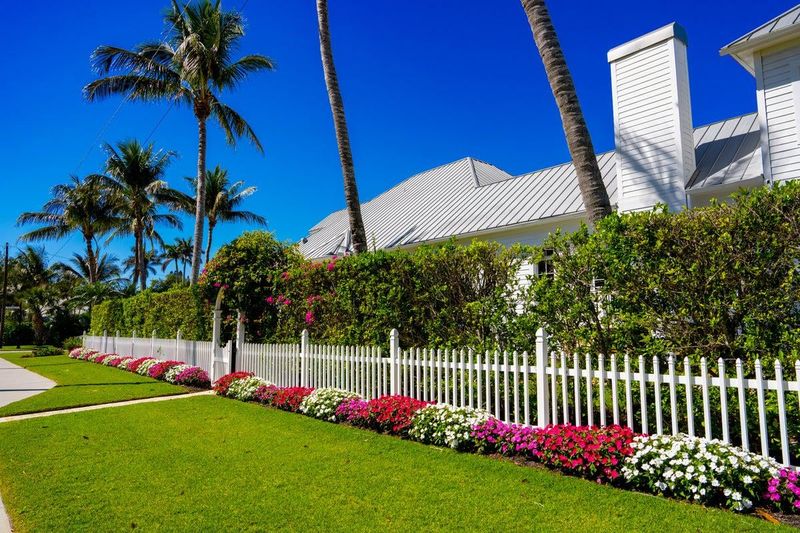
Some HOA rules sound harmless until you do the math. A rule requiring lush, green St. Augustine grass year-round may need far more water than local limits allow.
When that happens, homeowners have room to push back. Any clause that tries to restrict Florida-Friendly Landscaping is considered null and void.
If you get a fine for a water-smart yard, the rule behind it may not hold up. That gives you a solid starting point for a challenge.
Begin with a calm, written response to the board. Explain which law applies and attach your approved plans or watering schedule.
Many disputes end right there because boards do not want legal trouble. Clear facts often work better than angry emails.
If talks stall, Florida offers pre-suit mediation for many HOA disputes. A neutral person helps both sides find common ground.
Court is the last stop, and it can be costly and slow. Talking with an attorney who handles community association law can help you weigh your options.
Remember, the goal is to fix the rule, not to win a war with neighbors. A fair solution can help every homeowner who wants to save water.
7. The Law Doesn’t Name Native Plants Specifically
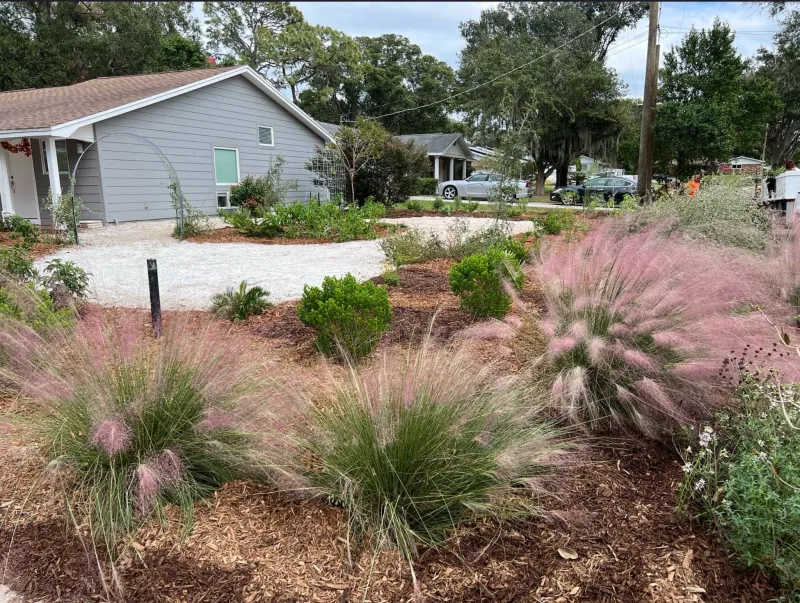
Here is a twist many people miss. The state law does not say your yard must be filled with native plants.
Instead, Florida-Friendly Landscaping is defined by principles. Those include saving water, protecting nature, fitting local conditions, and handling drought.
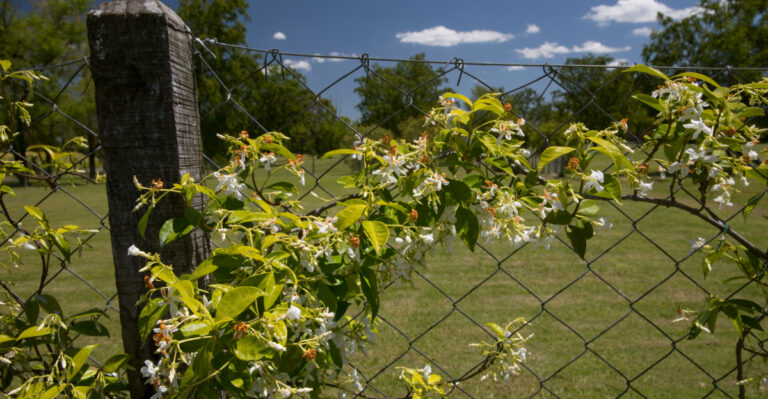
That means non-native plants can qualify if they follow those rules. Some tough bromeliads or ornamental grasses may fit the bill nicely.
Native plants still shine, though, since they evolved here. Many handle heat and sandy soil with very little extra care.
Did you know? Native firebush attracts hummingbirds and butterflies, adding movement and color to a yard.
Coontie is a host plant for the rare Atala butterfly.
Be careful with invasive species, which can spread fast and harm wild areas. Brazilian pepper is one example that should stay out of your design.
Also check local ordinances, because some cities set native plant percentages. Those rules can differ from what your HOA or the state requires.
Mixing natives with well-behaved non-natives gives you plenty of creative options. You can build a yard that looks lovely, saves water, and supports local wildlife at the same time.
8. Florida-Friendly Means Water-Conserving And Drought Tolerant

Right plant, right place sounds like a bumper sticker, but it is a real guiding idea. It sits at the heart of Florida-Friendly Landscaping.
The program follows nine principles, including efficient watering and smart fertilizing. Mulching and choosing plants that match your yard’s sun and soil also matter.
A shade-loving fern in blazing sun will struggle and beg for water. Put it under an oak instead, and it may thrive with little help.
Mulch acts like a cozy blanket for soil. It holds moisture, keeps roots cooler, and helps block weeds.
Fertilizer should be used carefully, since extra nutrients can wash into lakes and springs. Many counties even limit fertilizing during the summer rainy season.
Watering wisely may mean using drip lines instead of overhead sprays. Rain sensors can also stop sprinklers from running during a storm.
Attracting wildlife, reducing stormwater runoff, and managing pests wisely round out the list. Each step helps your yard work with nature instead of against it.
You do not need to master every principle at once. Start with one or two changes, and build from there as you learn what works best in your own yard.
9. UF/IFAS Offers Tools To Help Update HOA Rules
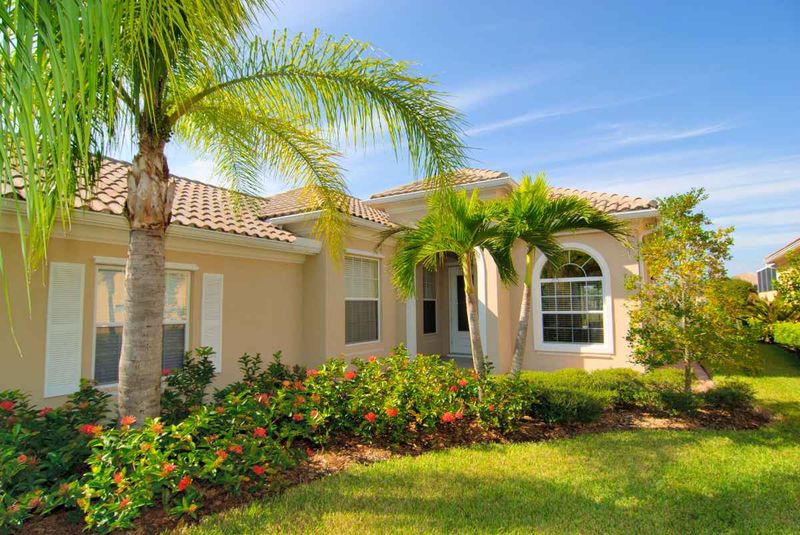
Help is closer than you might think, and it is often free. The University of Florida’s IFAS Extension runs the Florida-Friendly Landscaping Program.
One of its handiest tools is a set of model covenants for community associations. These sample rules show boards how to include water-wise landscaping in their documents.
The program also offers a Community Association Kit. It packs guides, examples, and tips to help boards and residents get on the same page.
Extension agents can visit meetings, run workshops, and answer plant questions. Some counties even offer yard visits or recognition programs for Florida-Friendly homes.
Bringing an expert into the room can lower tension quickly. A board may trust a university source more than a single homeowner.
You can find your county extension office online in just a few clicks. Ask about upcoming classes for residents and board members.
Sharing these tools with your HOA turns a possible fight into a team project. Everyone gets clearer rules, and the community saves water together.
Many boards appreciate ready-made language because rewriting rules takes time. Handing them a trusted template can speed things along and show you want to help, not complain.