The Native Florida Tree With The Best Fall Color Most Yards Are Missing
Fall in the South has a bit of an identity crisis. The calendar says October, the coffee shops have switched to pumpkin everything, and yet the yard is still stubbornly, defiantly green.
Meanwhile, friends up north are posting photos of fiery red and orange foliage that look like screensavers, and you are out there wondering if dramatic fall color just decided to skip your zip code entirely. Here is the thing though, it did not skip you.
There is a native Florida tree that turns a jaw-dropping shade of scarlet every single fall, feeds birds, handles soggy spots that would stress most trees out completely, and asks for almost nothing in return.
The only problem is that almost nobody plants it, which honestly makes it one of the best kept secrets in Florida landscaping.
That is about to change.
1. Meet The Florida Native That Glows Like A Campfire
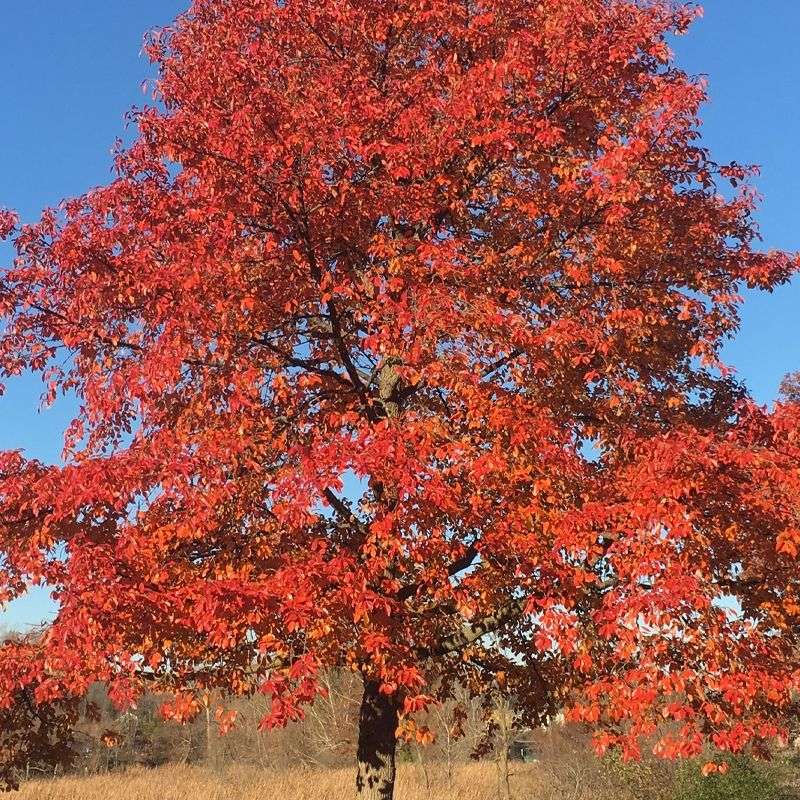
Black tupelo, also called black gum, is the quiet neighbor that suddenly shows up wearing a sequined red jacket. Its scientific name is Nyssa sylvatica, and it grows wild across much of north and central Florida.
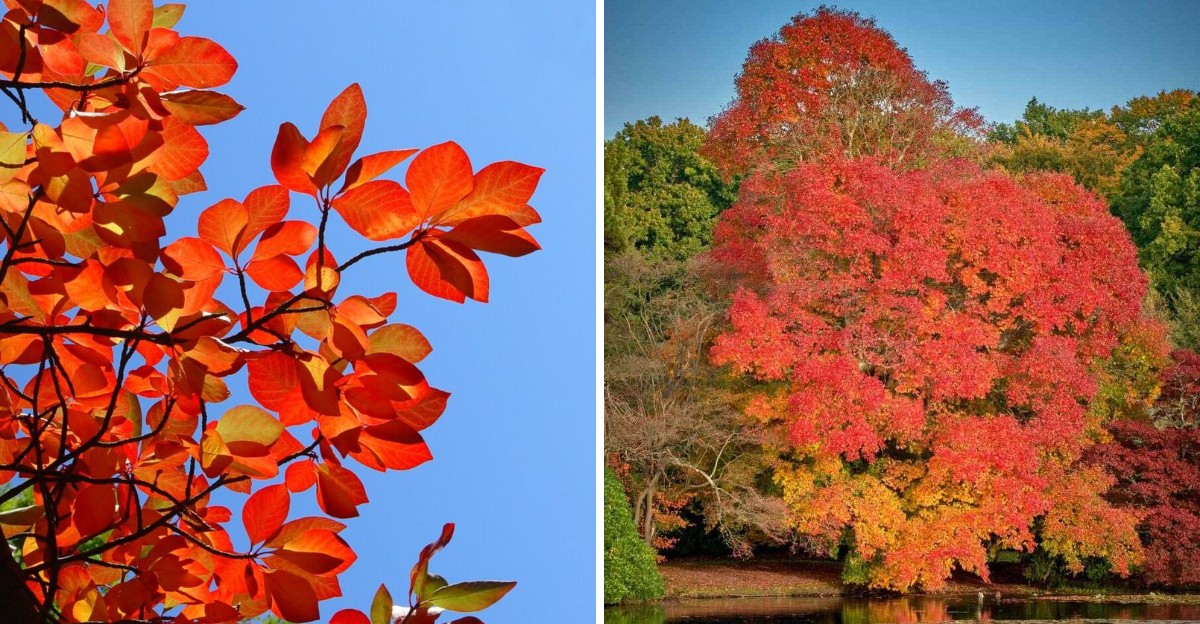
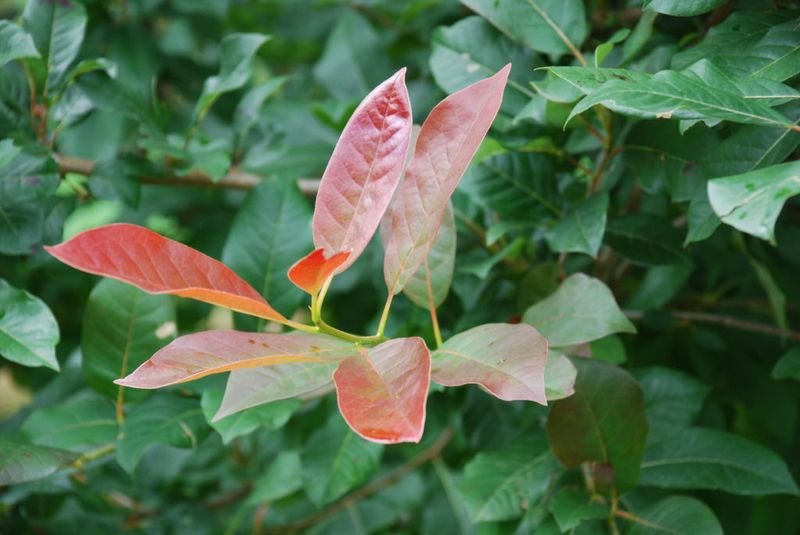
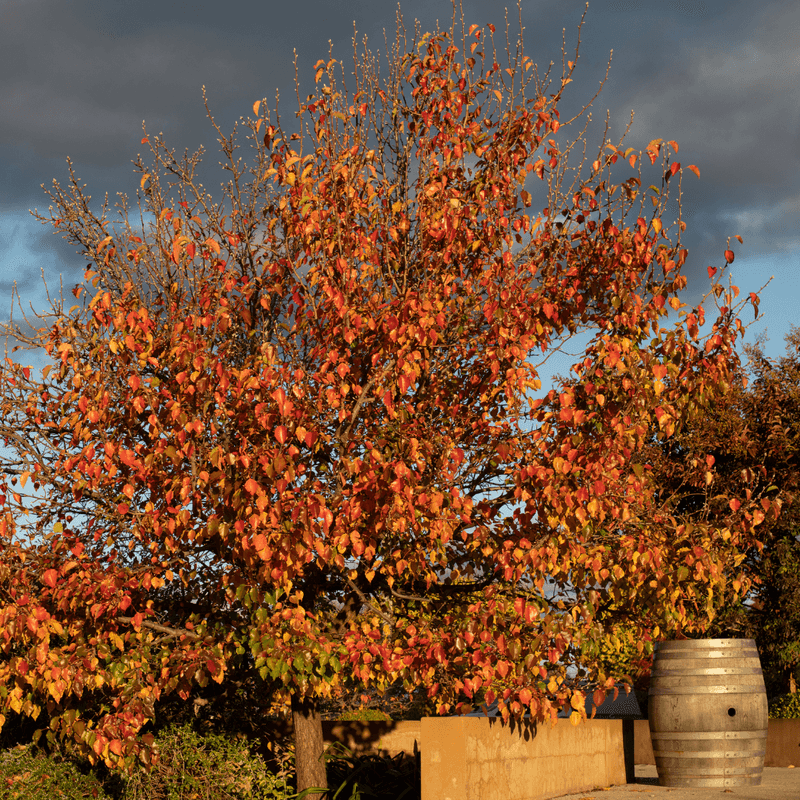
Each autumn, its shiny green leaves turn shades of scarlet, burgundy, orange, and even purple. Some trees show several colors on one branch, like a sunset caught in a net.
Many arborists and horticulturalists rank it among the best native fall color trees in the eastern United States, a reputation it has genuinely earned. That is a big claim, but one look at a mature tree in November usually settles the debate.
So why do so few yards have one? Big box stores tend to stock fast growers like maples and crape myrtles, so tupelo stays off most shopping lists.
The tree also grows slowly at first, which makes it a harder sell in a busy garden center. Shoppers often grab whatever looks biggest on the day they visit.
Patient gardeners get a fine reward, though. A young black gum can reach 30 to 50 feet over time, with a tidy, pyramid shape that looks neat even in summer.
One black gum in New Hampshire was dated at over 600 years old, making it one of the longest-lived hardwood trees in eastern North America. Your tree could easily outlast your mortgage and your grandkids.
2. Why Florida Fall Color Starts With Shorter Days
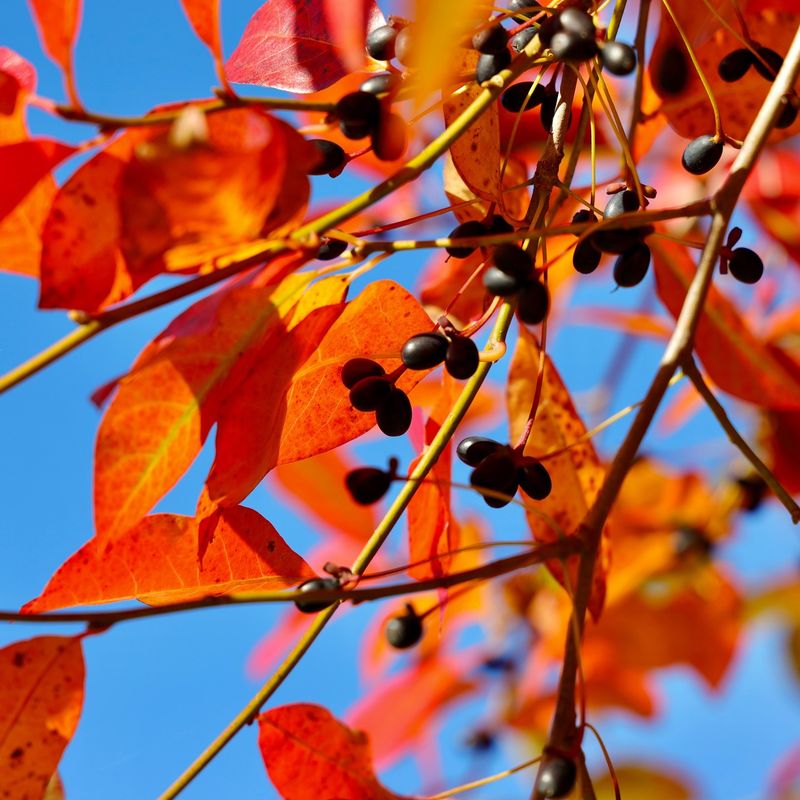
Here is a little science that makes great dinner talk. Leaves do not need freezing weather to turn red, which is why black gum can shine even in a mild climate.
As days grow shorter, the tree slows down its green chlorophyll. Red pigments called anthocyanins then build up in the leaves, especially on sunny days with cool nights.
In north Florida, color usually peaks from late October through November. Central Florida trees may wait until late November or early December, and the show can be a bit softer.
Sunlight matters a lot here. A tupelo planted in full sun will usually blush deeper red than one tucked into heavy shade.
Black gum is also one of the earliest trees to start changing. A few leaves can turn red in late summer, like early guests arriving before the party starts.
Your Florida Garden Changes Every Week. Your Plan Should Too.
Gardening in Florida changes quickly throughout the season. Every Friday you’ll receive a simple weekly plan showing exactly what to plant, prune, fertilize, harvest, and protect so you never miss the right timing.
That early start stretches the season. You get weeks of color instead of one quick weekend, which feels like a bonus in a state known for green all year.
Tip: snap a photo of your tree on the same date each fall. You will build a handy record of how weather affects the color from year to year.
3. The Soggy Spot Solution For Florida Yards
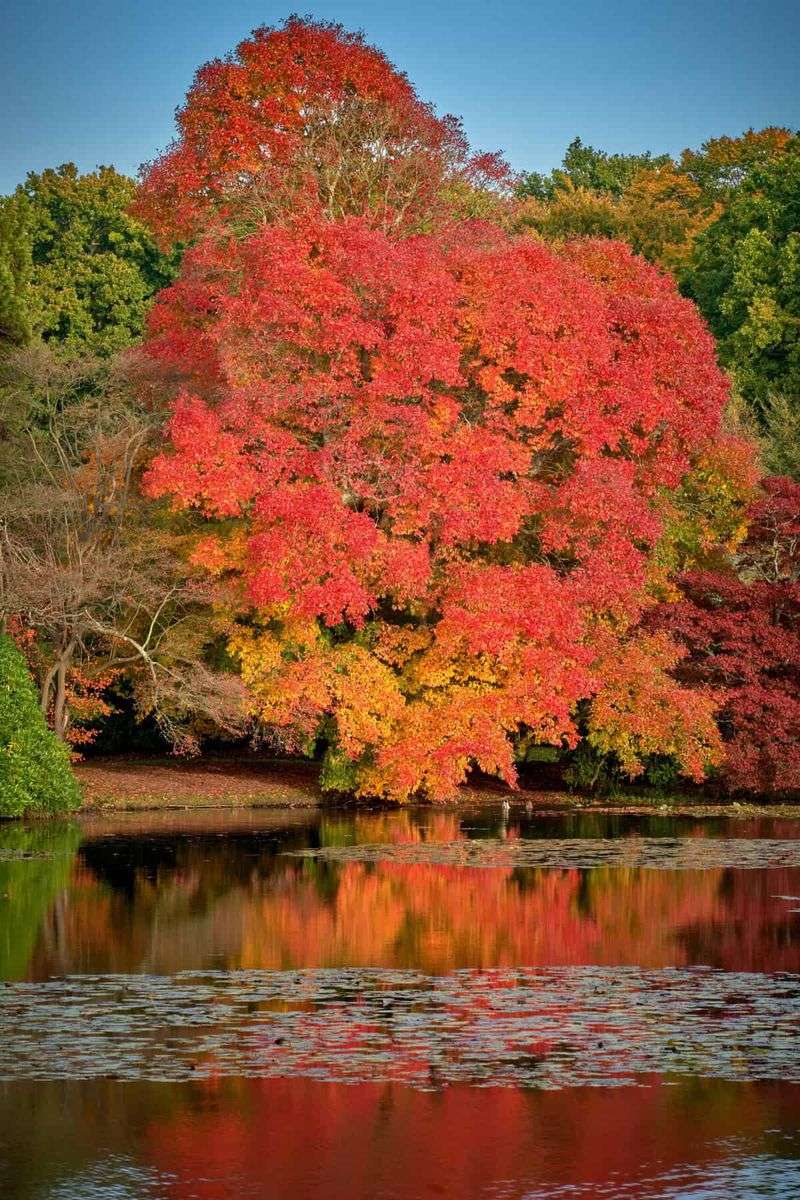
Got a low corner where puddles hang around after every afternoon storm? Lots of homeowners treat that patch like a lost cause, but black gum sees it as home sweet home.
In the wild, tupelo grows along swamp edges, creek banks, and flatwoods. Its roots handle wet soil far better than many popular yard trees.
Still, it is not picky. Black gum also tolerates drier, sandy upland soil once it settles in, which makes it a flexible choice across the state.
For best results, pick a spot with slightly acidic soil. Most Florida soils already lean that way, so you probably will not need to add much.
A rain garden is a perfect match. Tupelo can soak up runoff from your roof or driveway while giving you a gorgeous focal point.
There is one cousin worth knowing. Swamp tupelo, a close relative, loves even wetter ground and also turns a lovely red, so ask your nursery which type suits your site.
Quick tip: before planting, watch the spot after a heavy rain. If water drains within a day or two, either tupelo will likely feel right at home.
4. A Buffet For Birds And Butterflies
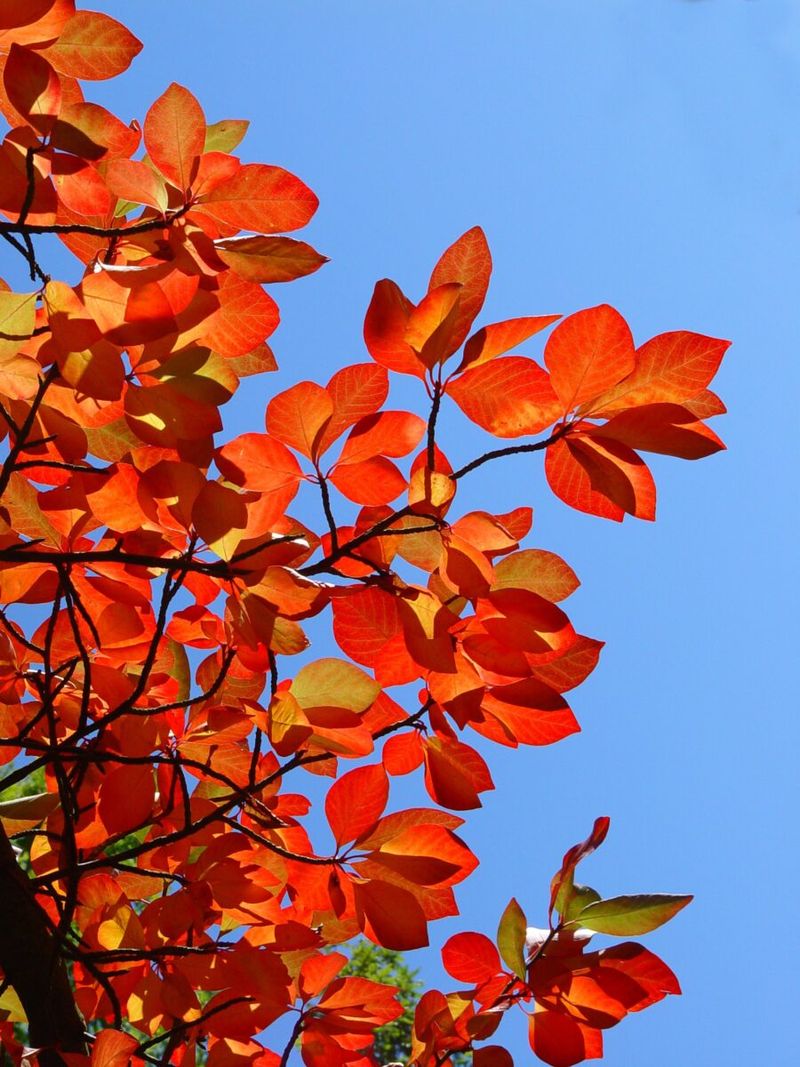
Bird watchers, this one is for you. Female black gum trees produce small, dark blue fruits that ripen right as many birds are migrating south.
Robins, bluebirds, thrushes, mockingbirds, and woodpeckers love these berries. The fruit is rich in fat, giving travelers the fuel they need for long flights.
Some scientists think the bright red leaves act like a giant billboard. The color may help passing birds spot the fruit from far away, which helps the tree spread its seeds.
Spring brings another treat. The tiny greenish flowers do not look like much, yet bees flock to them and make a prized honey called tupelo honey.
Florida panhandle beekeepers are famous for that honey, mostly from the white tupelo cousin. Even so, black gum adds plenty of nectar for local bees.
Old black gums often form hollow trunks over time. Owls, raccoons, and squirrels may use those cavities as cozy shelters.
Good to know: you need both male and female trees nearby to get berries. If fruit matters to you, plant a small group or check whether wild trees grow in your neighborhood.
5. Picking The Right Planting Spot
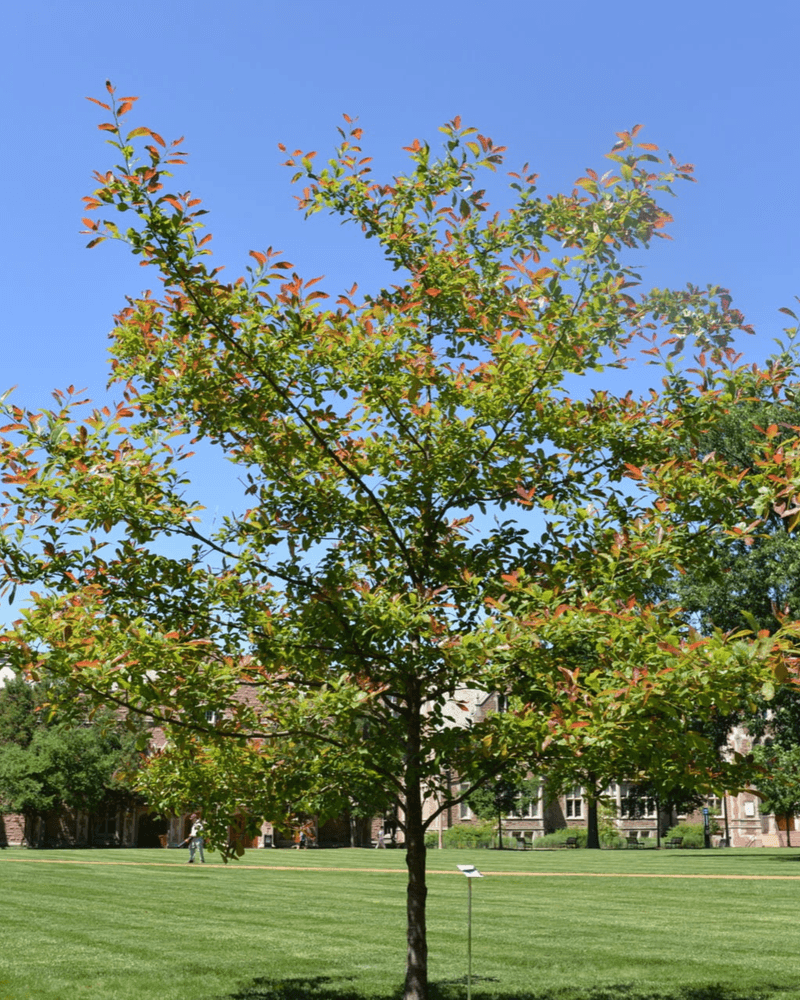
A little planning now saves a lot of headaches later. Black gum grows a deep taproot, so it does not love being moved once it is in the ground.
Choose your spot carefully the first time. Look for full sun to light shade and plenty of room for a tree that may spread 20 to 30 feet wide.
Keep it at least 15 feet from your house, driveway, and septic lines. Its roots are not known for wrecking things, but giving space keeps everyone happy.
Hardiness is rarely a problem in north and central parts of the state, where this tree grows most reliably. Its natural range in Florida is concentrated primarily in North and North-Central Florida, and while it can be found further south in some areas, performance and fall color tend to be more dependable in the northern half of the state.
Gardeners may find it struggles with the heat and minimal winter chill that far south.
Gardeners may want to consult with a local native plant nursery before planting, since results in the warmest parts of the state can be unpredictable. Even in suitable areas, fall color will likely be milder than what you see up north.
Think about your view, too. Plant the tree where you can see it from a kitchen window or porch, since you will want front-row seats in November.
Place it where the low autumn sun shines through the leaves. Backlit tupelo foliage glows like stained glass in late afternoon.
6. Planting Your Black Gum The Florida Way
Timing is everything in the Sunshine State. The best months to plant black gum are late fall through early spring, when heat and storms take a break.
Cooler weather lets roots settle in before summer arrives. A young tree planted in July has to fight blazing sun and pounding rain at the same time.
Buy a small container tree, about 3 to 7 gallons. Smaller trees handle the taproot issue better and often catch up to larger ones within a few years.
Dig a hole two to three times wider than the pot but no deeper. The top of the root ball should sit level with, or slightly above, the ground.
Gently loosen any circling roots before planting. Then fill with native soil, since rich bagged mixes can keep roots from spreading outward.
Spread 2 to 3 inches of pine straw or wood chip mulch in a wide ring. Keep mulch a few inches away from the trunk to prevent rot.
Water deeply right after planting. For the first few months, water two or three times a week unless rain does the job for you.
7. Easy Care Habits For A Happy Florida Tupelo
Lazy gardeners, rejoice. Once black gum gets past its first two years, it is one of the lowest maintenance trees you can grow.
During year one, check soil moisture weekly. Stick your finger a couple of inches down, and water if it feels dry.
By year two or three, natural rainfall usually covers its needs. You may only water during long dry spells in spring, which can be surprisingly harsh.
Skip heavy fertilizer. A native tree adapted to local soil rarely needs it, and too much feeding can lead to weak, floppy growth.
Pruning is simple, too. Remove crossing or broken branches in winter, and let the natural pyramid shape do its thing.
Pests are rarely a big deal. Leaf spots sometimes show up in humid summers, but they usually look worse than they are and fade on their own.
Keep the lawn mower and string trimmer away from the trunk. Bark wounds are an easy way for trouble to sneak in, and a mulch ring makes a handy safety zone.
Bottom line: give it a good start, then mostly step back. Your tupelo will thank you with a brighter show every year.
8. Florida Landscape Ideas That Make Tupelo Shine
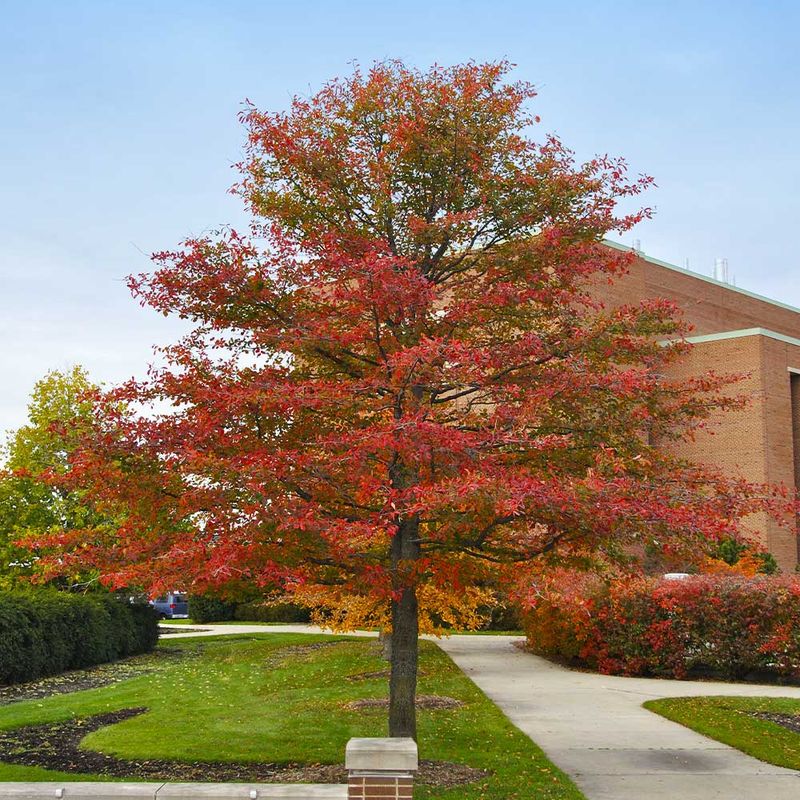
Great trees deserve great company. Pairing black gum with other natives creates a fall scene that looks like it came straight out of a magazine.
Try muhly grass at its feet. Its fluffy pink plumes peak in fall, right alongside the red leaves, for a cotton candy and cranberry combo.
American beautyberry adds bright purple berries that birds adore. Saw palmetto or coontie gives a deep green backdrop so the red pops even more.
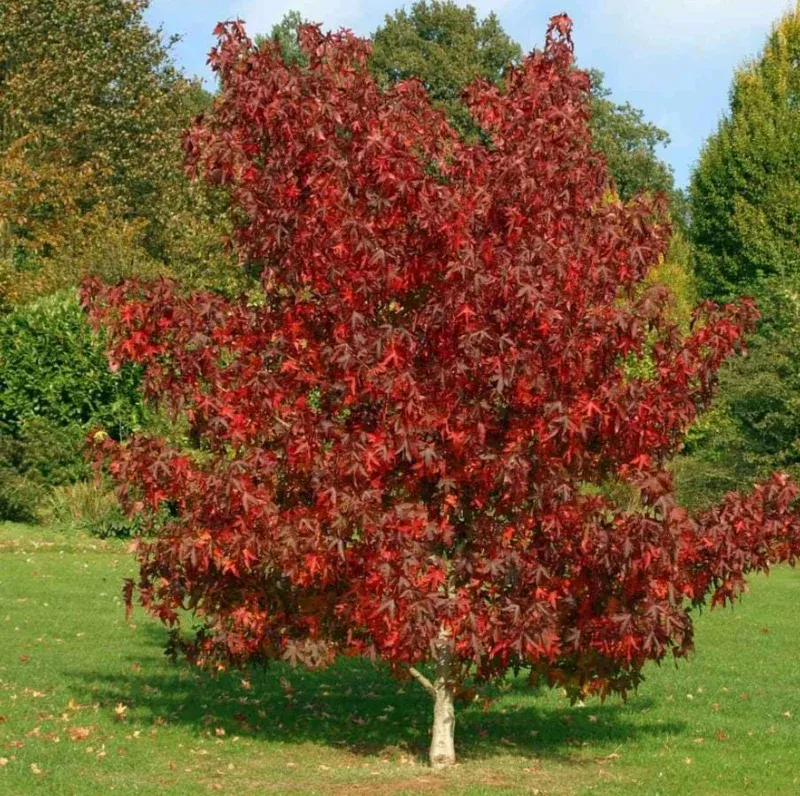
Want more fall drama? Mix in a red maple or a sweetgum nearby, since both are native and turn warm shades too.
For smaller yards, a single tupelo works beautifully as a specimen tree. Underplant it with low groundcovers like sunshine mimosa so nothing hides the trunk.
Black gum also has a neat winter look. Its branches grow at almost right angles, giving bare trees a crisp, sculpted shape against gray skies.
Design tip: group plants in odd numbers, like three beautyberries or five clumps of grass. Odd groupings tend to look more natural, just like the wild Florida woods where these plants grow together.
9. Where To Find Black Gum Trees
Ready to bring one home? Your best bet is a native plant nursery, not the garden aisle at a big box store.
The Florida Association of Native Nurseries has an online directory to help you find growers near you. Many offer black gum in small pots at fair prices.
Native plant society sales are another great source. Local chapters often hold spring and fall events with expert volunteers who can answer your questions.
Ask where the tree came from. Plants grown from local seed tend to handle your region’s weather better than ones shipped from far away.
Some nurseries sell named varieties like Wildfire or Red Rage. These were picked for strong color, though they may be grown from northern stock that prefers cooler climates.
Want a free sneak peek first? Visit a state park like Torreya or Paynes Prairie in late fall to see wild tupelos blazing in their natural homes.
Final tip: buy two or three trees if space allows. A small grove gives you more color, more berries, and a backup if one tree has a rough start.
Your yard may soon become the one neighbors stop to admire every November.