Why Compost Matters More In Florida Sand Than Many New Gardeners Realize
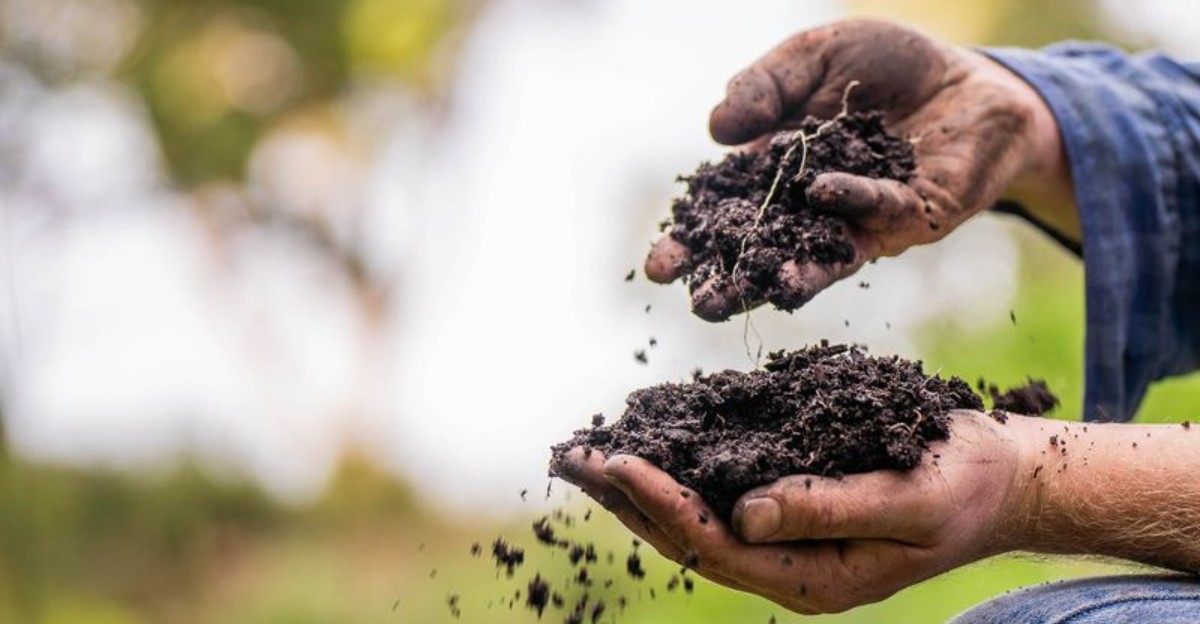
Pour a bucket of water on Florida sand and watch it vanish before you can blink. The ground drinks like a sieve.
That trick catches new gardeners off guard. You plant, you water, you wait, and the seedlings sulk anyway.
Fertilizer disappears just as fast as the water did, and your wallet feels every drop.
Seasoned growers laugh about it over the fence. They sorted this out years ago, and the fix costs less than a bag of the fancy stuff.
One ingredient changes the whole game, and it works on a level most beginners never think about. Skip it and you keep pouring money into a bottomless hole.
Grab a shovel and dig down a few inches before you buy another thing. The sand has a story to tell.
1. Florida’s Sandy Soil Drains Fast And Holds Little
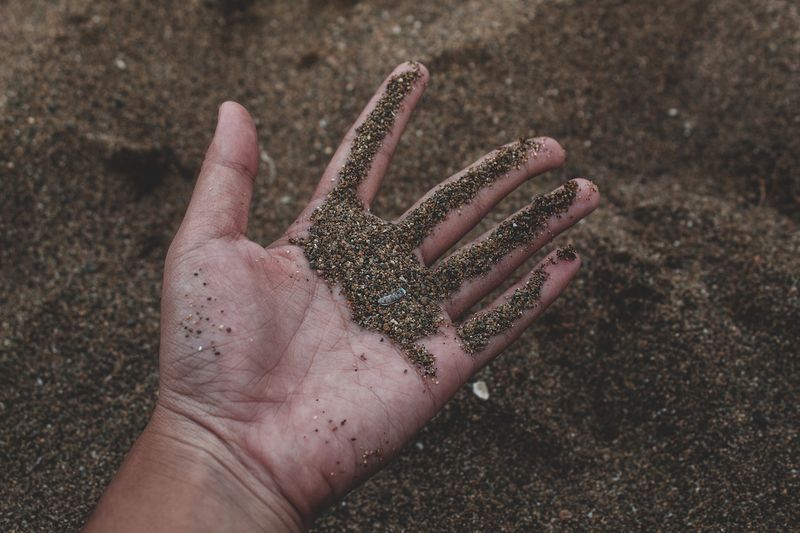
There’s a reason Florida sand drinks water so fast, and it comes down to what the soil is made of.
Much of the state sits on quartz sand, and soils called Entisols cover a big chunk of it. Those grains are coarse, rough, and loosely packed.
Big gaps between grains let water rush straight down past roots. Fertilizer you spread on Saturday can wash below the root zone by Monday.
Picture trying to hold soup in a colander. Your plants face that same struggle every hot afternoon.
New gardeners often blame themselves when leaves wilt by lunchtime. Usually, the soil is the real troublemaker, not your watering skills.
A quick test can show you what you are working with. Grab a damp handful, squeeze it, then open your hand.
If it falls apart right away, you have classic Florida sand. Clay soil from up north would hold a shape, but sand slips through your fingers.
The good news is that sand is easy to dig and rarely gets soggy. Once you give it something to grip water with, it becomes a friendly home for roots.
Think of compost as the missing glue in that picture. The next few sections show how to add it and why it pays off.
2. Most Florida Soils Are Low In Organic Matter
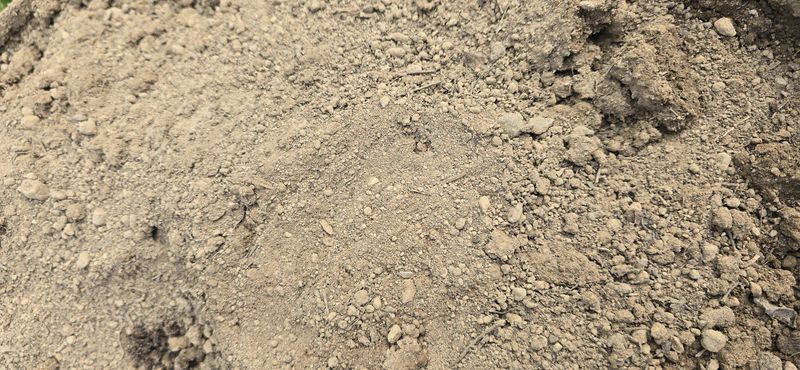
Here is a number that surprises a lot of folks moving south. Most soils hold less than half a percent organic matter.
An average garden soil elsewhere carries around 2 to 5 percent. Even the better sandy spots in the state often land at just 1 to 3 percent.
Organic matter is the dark, crumbly part of soil made from old roots, leaves, and tiny critters. It feeds plants and soaks up moisture like a kitchen sponge.
So why is there so little of it here? Our state basically runs a nonstop recycling plant underground.
Warm weather, lots of rain, and airy sand give soil microbes a perfect party. They munch through organic material much faster than in cooler places.
Leaves that might last a year in Ohio can disappear in a few months here. That speed is great for nature but tough on gardeners hoping for rich dirt.
Your Florida Garden Changes Every Week. Your Plan Should Too.
Gardening in Florida changes quickly throughout the season. Every Friday you’ll receive a simple weekly plan showing exactly what to plant, prune, fertilize, harvest, and protect so you never miss the right timing.
Fun fact: parts of South region have the opposite situation. Soils called Histosols, near the Everglades, can hold 35 to over 80 percent organic matter.
Most backyards, though, sit on the sandy side of that story. Knowing this helps you stop chasing quick fixes.
Your garden needs a steady supply of fresh organic matter. Compost is the easiest way to keep that tank from running low.
3. Compost Helps Sand Hold Water And Nutrients
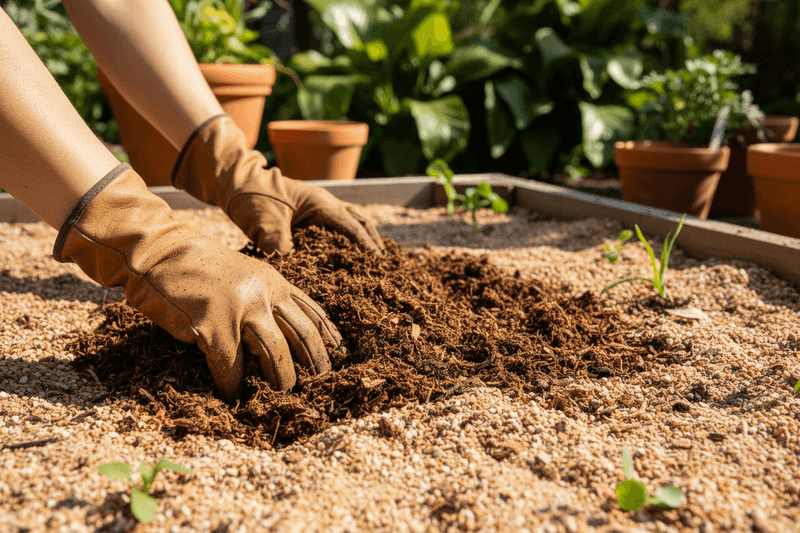
Imagine giving every grain of sand a tiny sponge to hang onto. That is pretty much what compost does once it settles into your beds.
Organic matter coats sand grains and helps them clump into small crumbs. Gardeners call those crumbs aggregates, and roots love them.
Those little clusters create spaces that trap water instead of letting it race away. Rain soaks in, then slowly releases to roots over the next few days.
Compost also lowers how tightly packed the soil feels. More air pockets mean roots can stretch out and explore with less effort.
Nutrients get a better deal too. Compost has spots that grab onto things like potassium and calcium so they stay put.
On top of that, compost works as a slow-release source of nitrogen. Microbes break it down bit by bit, feeding plants over weeks instead of hours.
Here is a simple way to see the change yourself. Fill one pot with plain sand and another with half sand, half compost.
Water both the same amount and check them the next afternoon. The mixed pot will likely still feel cool and damp when you poke a finger in.
That small experiment shows the whole reason compost earns its spot. Sandy soil gets a memory for water and food.
4. Add Compost Between Every Planting
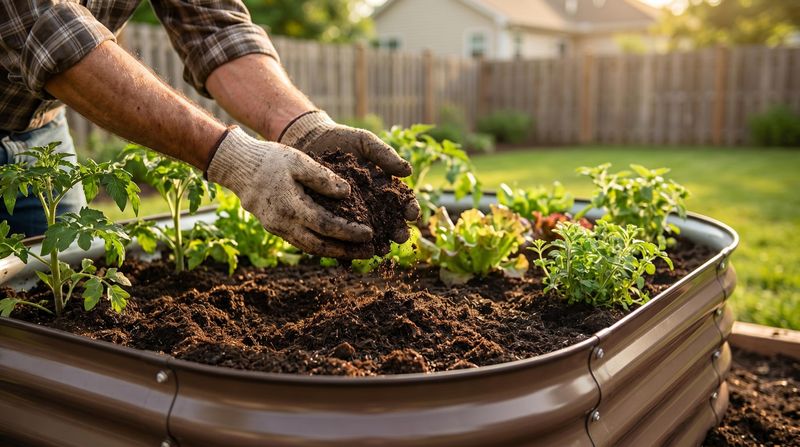
Think of compost like groceries for your garden. You would not shop once and expect the fridge to stay full all year.
Florida soil burns through organic matter fast. Year-round warmth keeps microbes busy, so last spring’s compost may be mostly gone by fall.
The sweet spot to add more is right after you pull out a crop. Beds are empty, roots are cleared, and digging is easy.
Say your tomatoes finish in early summer. Before you tuck in sweet potatoes or a cover crop, spread a fresh layer and mix it in.
Annual flowers and vegetables benefit the most from this habit. They grow quickly and pull a lot from the soil in a short season.
For shrubs and trees, adding compost once or twice a year usually works well. Spread it on top around the drip line and let rain carry the goodness down.
Many gardeners plant two or even three seasons a year. That gives you several natural chances to recharge the beds.
A handy trick is to keep a small compost pile going all the time. When one crop ends, your next batch is ready and waiting.
Over a few years, the sand starts looking darker and feeling softer. That slow change is your reward for steady feeding.
5. Mix 1 To 3 Inches Into The Top 4 To 6 Inches
Grab a ruler before you grab the shovel. A little measuring goes a long way here.
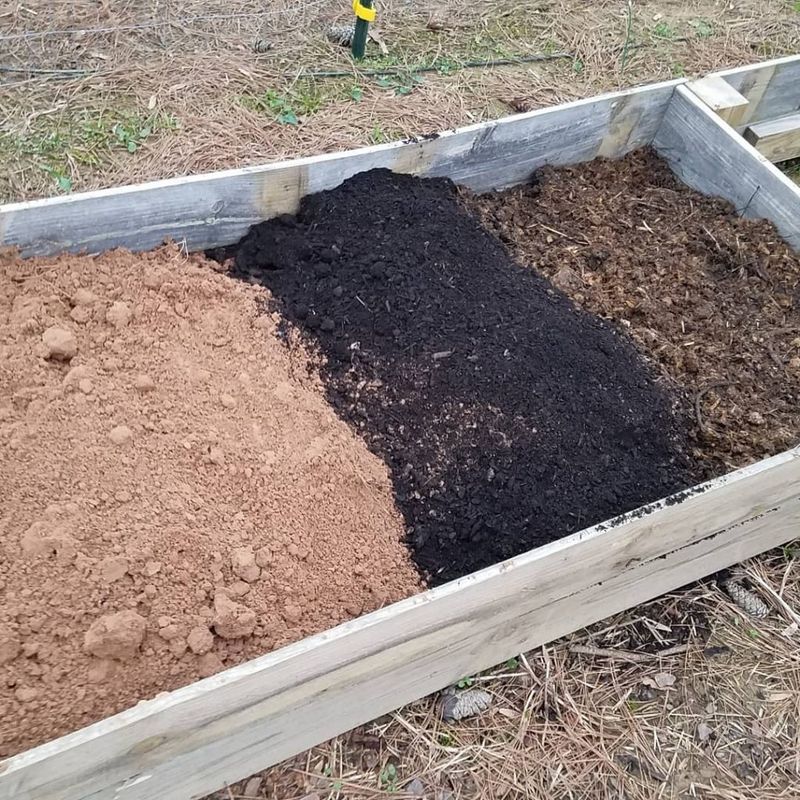
A good starting point is 1 to 3 inches of finished compost spread over the bed. Then work it into the top 4 to 6 inches, where most roots like to hang out.
Why not just leave it on top? Compost sitting on the surface helps, but mixing pushes it right into the root zone.
For a brand-new bed on poor sand, you can go heavier. Some experts suggest up to 4 inches the first time around.
After that, 1 to 2 inches a year keeps things in good shape. Hungry vegetable beds may enjoy 2 to 4 inches per season.
A garden fork or sturdy shovel handles most home jobs just fine. Larger spaces might call for a small tiller to blend things evenly.
Here is an easy method for weekend gardeners. Spread the compost, loosen the soil underneath with a fork, then rake everything smooth.
Try not to bury it in deep chunks. You want it spread out like chocolate chips in cookie dough, not one big clump at the bottom.
Finish with a good soak from the hose. Water helps everything settle so seeds and transplants get snug contact with the soil.
6. More Organic Matter Can Mean Less Watering
Your water bill might be the happiest part of your garden after a few rounds of compost. Seriously, the savings can add up.
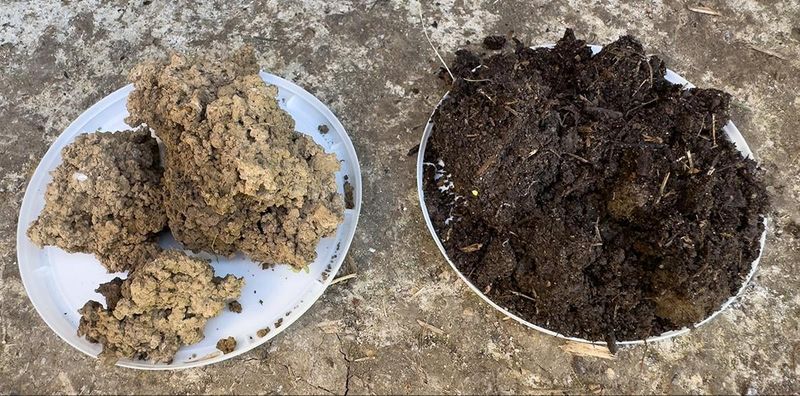
Soil rich in organic matter acts like a sponge. It drinks in rain and sprinkler water, then hands it out slowly to roots.
Here is the eye-popping stat. Boosting organic matter by just 1 percent can help soil hold up to 20,000 more gallons of water per acre.
Your backyard is far smaller than an acre, of course. Still, that same sponge effect works in a tiny herb bed too.
Better soil means fewer trips with the hose during dry spells. Plants handle a hot week in May with much less drama.
Compost also cuts down on runoff. Water soaks in where you want it instead of streaming off toward the street.
Less evaporation is another perk, especially if you top beds with mulch. The soil stays cooler, and moisture lingers longer.
Plenty of Florida towns have watering limits on certain days. Spongy soil helps your plants ride out the gaps between allowed watering times.
Start checking soil with your finger before turning on the tap. You may find that your garden is thirsty less often than you thought.
7. Pair Compost With Fertilizer For Steady Nutrients
Compost and fertilizer are a bit like peanut butter and jelly. Each one is fine alone, but together they make something better.
Compost feeds plants gently over time. Its nitrogen is mostly organic, so microbes have to break it down before roots can use it.
That slow pace is great for long-term soil health. Sometimes, though, a hungry crop needs a quicker snack.
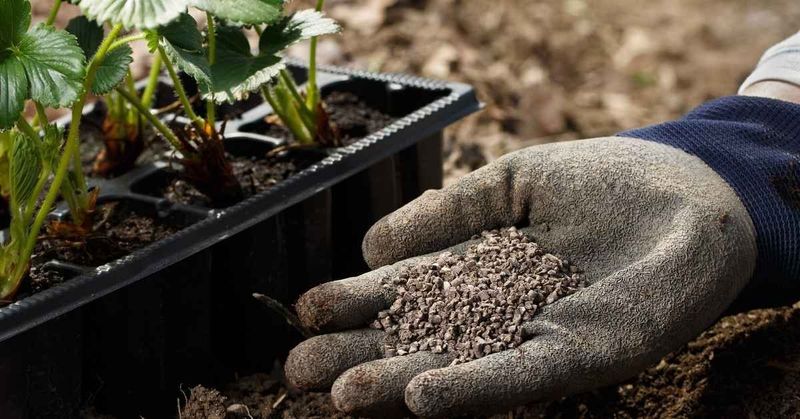
Fertilizer fills that gap with nutrients plants can grab right away. In sandy soil, a slow-release formula is often the smartest pick.
Slow-release products drip-feed nutrients instead of dumping them all at once. Less fertilizer washes past the roots and into groundwater.
Here is where compost becomes the hero again. Its organic matter helps hold onto fertilizer nutrients so they stick around longer.
Without compost, fertilizer in sand can act like water poured through a funnel. With it, the soil has places to store those nutrients for later.
Follow the label and resist the urge to add extra. More is not better, and Florida waterways do not need the overflow.
Some gardeners even mix in biochar along with compost. That combo can create more spots for nutrients to cling to, giving roots a well-stocked pantry.
8. Fallen Leaves And Yard Clippings Make Free Compost
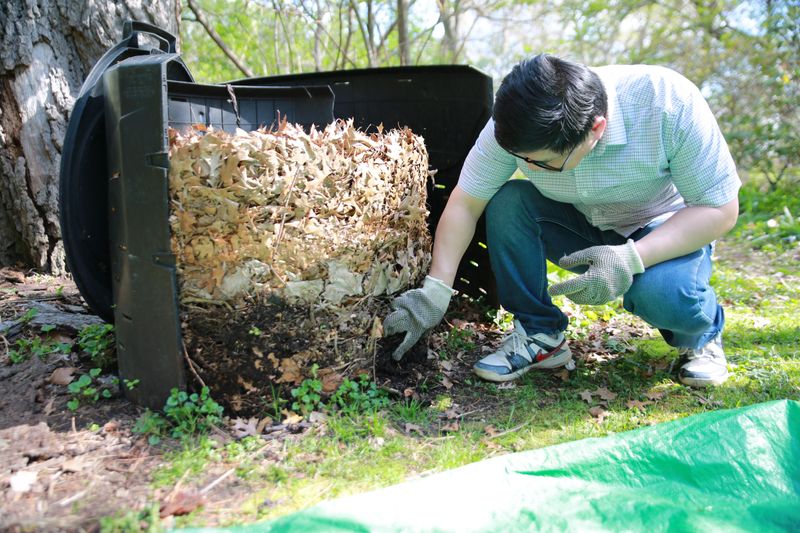
Every spring, live oaks rain leaves onto driveways like confetti. Many people bag them up for the curb, but gardeners know better.
Those leaves are free garden gold. They are a carbon-rich brown ingredient that every compost pile needs.
A balanced pile mixes browns and greens in roughly equal layers. Browns include dry leaves, twigs, shredded newspaper, and coffee grounds.
Greens bring in nitrogen and include grass clippings, food scraps, and fresh trimmings. Together, they cook into dark, crumbly compost.
Florida gives you leaf drops at different times of year. Bald cypress, Florida maple, and crape myrtle shed in fall, while some oaks and jacarandas drop in spring.
Shredding leaves first speeds things up a lot. Running a mower over a pile is an easy shortcut that saves time.
Keep the heap about as damp as a wrung-out sponge. Turn it with a pitchfork every week or so to add air.
With regular turning, compost can be ready in about six weeks. Ignore it, and it still breaks down, just more slowly.
Neighbors may even hand you their bagged leaves if you ask. Free materials plus free compost sounds like a pretty sweet deal.
9. Test Your Soil pH Too
Picture a full buffet with a locked door in front of it. That is what wrong soil pH does to your plants.
pH measures how acidic or alkaline the soil is. If it drifts too high or too low, roots struggle to absorb nutrients, even when plenty are present.
Most garden plants grow best between 6.0 and 6.5. Some coastal and limestone areas run more alkaline, while pinelands often lean acidic.
Sandy soil can shift pH faster than heavier soil. That makes checking it every year or two a smart habit.
Your local UF/IFAS Extension office offers soil testing for a small fee. They also share advice on what to add based on your results.
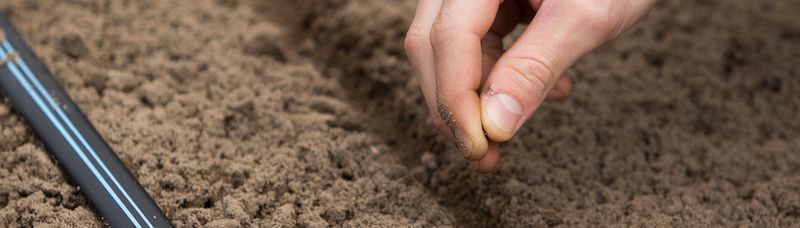
Collecting a sample is simple. Dig small scoops from several spots, mix them in a clean bucket, and send in about a cup.
Compost can help nudge things in a healthier direction over time. In alkaline soil, added organic matter often helps lower pH slightly.
Testing before you buy amendments saves money and guesswork. You will know if your bed needs lime, sulfur, or simply more compost.
Think of the test as a report card for your dirt. Once you know the grade, you can study smarter.