This Is The Last Chance To Bait Alabama Fire Ants Before Fall Ends
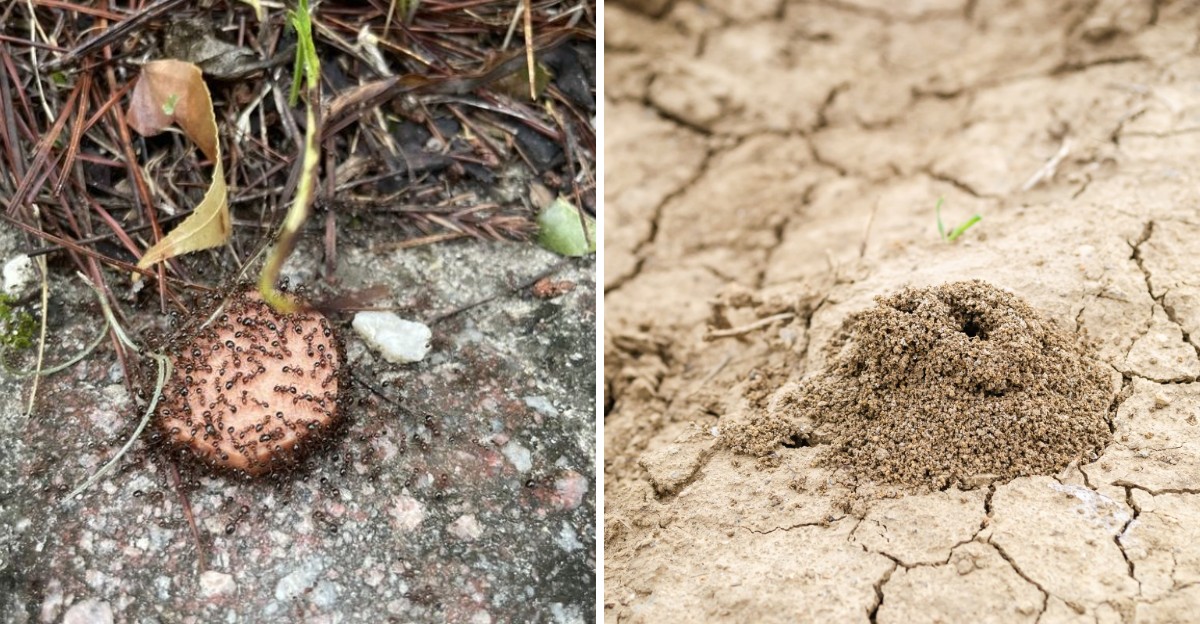
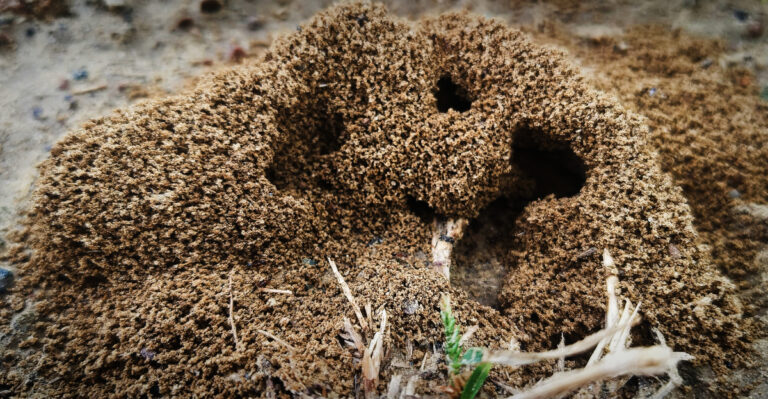
Those lumpy dirt domes near your mailbox hold a crowded, bustling city. Fire ants built them, and you have probably walked past without a glance.
Alabama autumn gives you a short window to change that. Workers are restless right now, roaming your lawn for extra food.
Cooling air shortens their daily foraging window before the colony settles deep underground. Foragers haul bait home to the queen, and she is your real goal.
Treat now, and you reach the colony while it still roams. Wait too long, and that advantage slips away.
Colonies slip deeper into the soil, where your bait cannot follow. Spring then hands you open shoes, fresh mounds, and unwelcome surprises.
Mild Alabama lawns stay warm long enough to reward you for acting this month. Grab granular bait today and give those busy mounds a reason to leave.
Hungry Colonies Still Forage Before The Cold Arrives
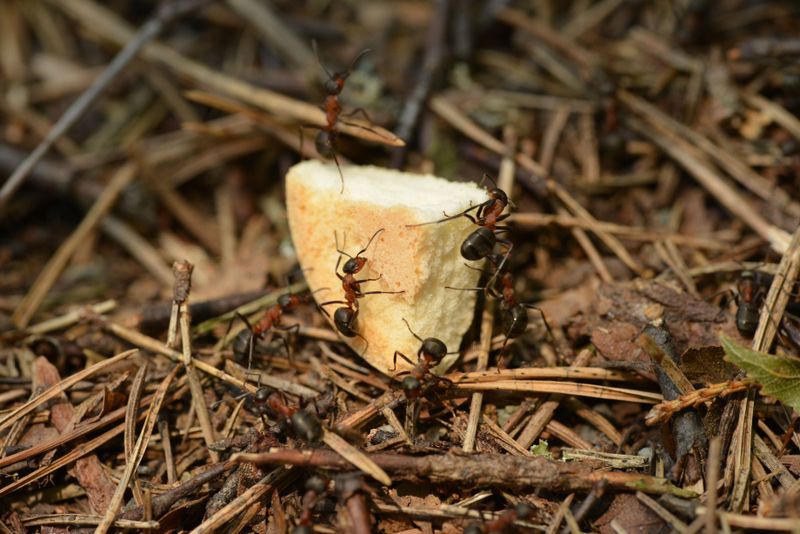
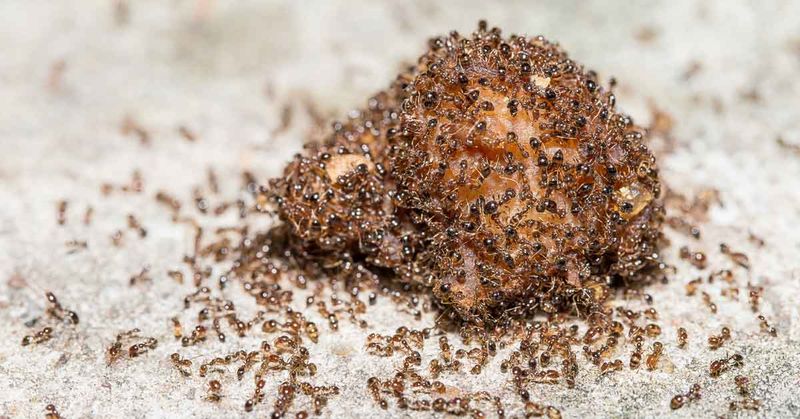
Picture a shopper filling a cart before a holiday, and you have the right idea about October ants. Fire ant workers spend early fall gathering food to feed the brood and keep the colony active through the cooler months.
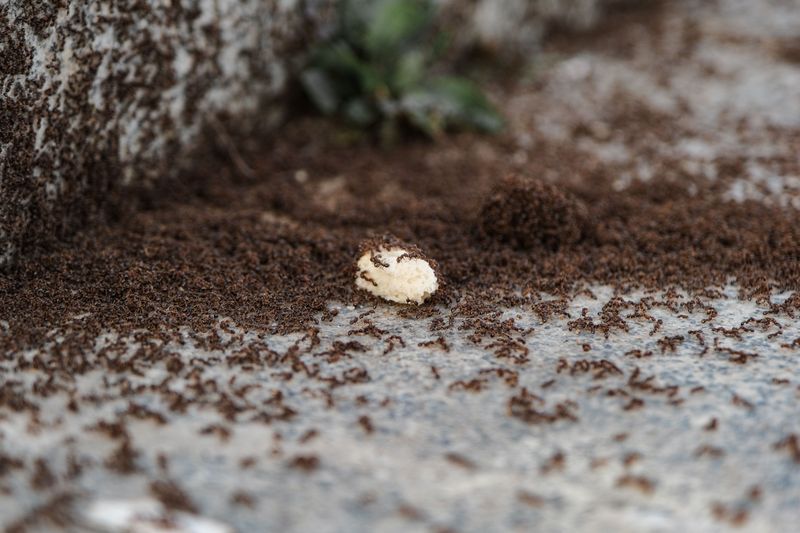
Bait works because workers carry it home and share it with everyone, including the queen. Once the queen stops laying eggs, the whole mound slowly fades away over several weeks.
That sharing only happens when ants are actively out searching for food on the surface. In Alabama, that activity slows as soil temperatures cool into the sixties. Cold, wet, or windy days keep workers inside, so bait sits untouched on the lawn.
North Alabama often hits that cooler mark by early November, while the coast holds warmth longer. Either way, the calendar is running short for most yards across the state right now.
Many people treat in spring, but fall treatment carries an added advantage over the cold season. Colonies reduced now may start next spring smaller.
Auburn University experts suggest fall as one of two main baiting seasons for Alabama lawns. Spring is the other, so October treatment pairs nicely with a spring round.
Think of it as tidying the whole house before your holiday guests come knocking. A little effort this month saves your family plenty of itchy bumps later.
The Sweet Spot Between Seventy And Ninety Degrees
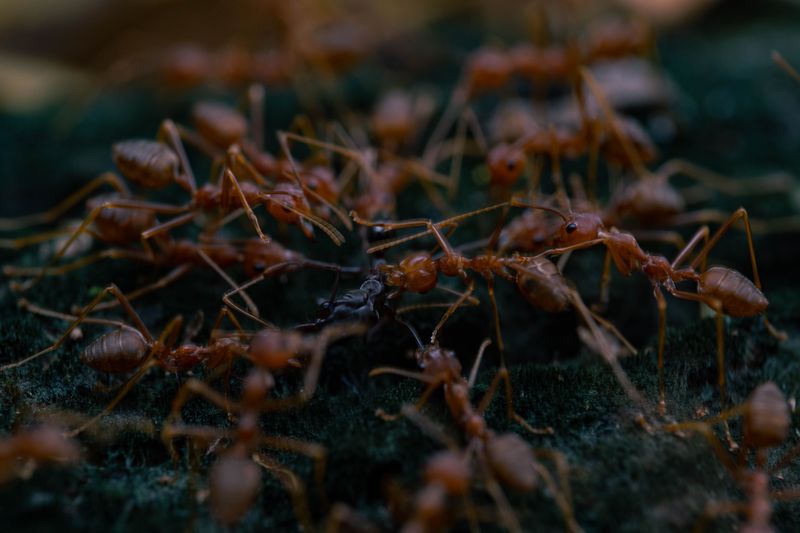
Here is a simple kitchen test you can try before you ever open a bag of bait. Toss a small potato chip near a mound and check it after thirty minutes.
If ants are swarming the chip, they are hungry and ready to take your bait home. No ants means you should wait for a warmer day before spreading anything.
Fire ants forage best when soil surface temperatures sit between roughly seventy and ninety degrees. In October, that usually means late morning through mid afternoon on sunny, calm days.
Dry weather matters just as much as warmth for bait to do its job. Most baits use soybean oil on corn grit, and moisture makes them soggy and unappealing.
Your Alabama Garden Changes Every Week. Your Plan Should Too.
Gardening in Alabama changes quickly throughout the season. Every Friday you’ll receive a simple weekly plan showing exactly what to plant, prune, fertilize, harvest, and protect so you never miss the right timing.
Skip treating when grass is wet with dew or when rain is expected within a day. A quick look at the forecast can save you money and plenty of frustration.
Freshness is another quiet factor that many people overlook in the garage. Old, opened bait can turn rancid, and picky ants will simply walk right past it.
Buy only what you need this season, and store leftovers in a sealed container somewhere cool. Your nose can help too, since stale bait often smells sour instead of mild and nutty.
Timing feels fussy at first, but it quickly becomes second nature. Soon you will read the weather like a seasoned Alabama farmer.
Common Mound Treatment Pitfalls
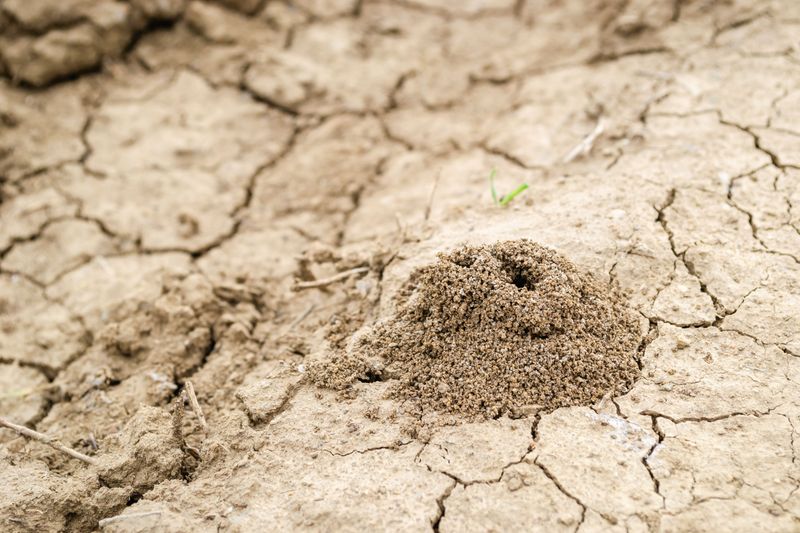
Pouring boiling water on a mound feels satisfying. Days later, fresh mounds often pop up a few feet away.
Disturbing a mound is a common mistake people make with fire ants. Kicking, digging, or soaking it tells the colony to grab the queen and relocate fast.
Mixing bait with drench products creates another problem that catches many careful gardeners off guard. Contact sprays can reduce the number of foraging workers before they carry bait back inside.
Without those workers, the active ingredient may not reach the queen, and the colony can rebuild. So avoid combining methods at the same moment, and give bait a full chance to work.
Piling bait directly on top of the mound is another habit worth breaking this fall. Workers feed outside the mound, so place bait a few feet around it instead.
Watering right after spreading also reduces the effect, since wet bait loses its appeal fast. Hold off on sprinklers for at least a day after treatment.
Patience might be the hardest part for anyone who wants instant results. Many baits take several weeks to work, so resist the urge to poke and check.
A hands-off approach works better than disturbing the mound. Leave the kettle in the kitchen where it belongs.
A Smarter Spreading Plan For The Whole Yard
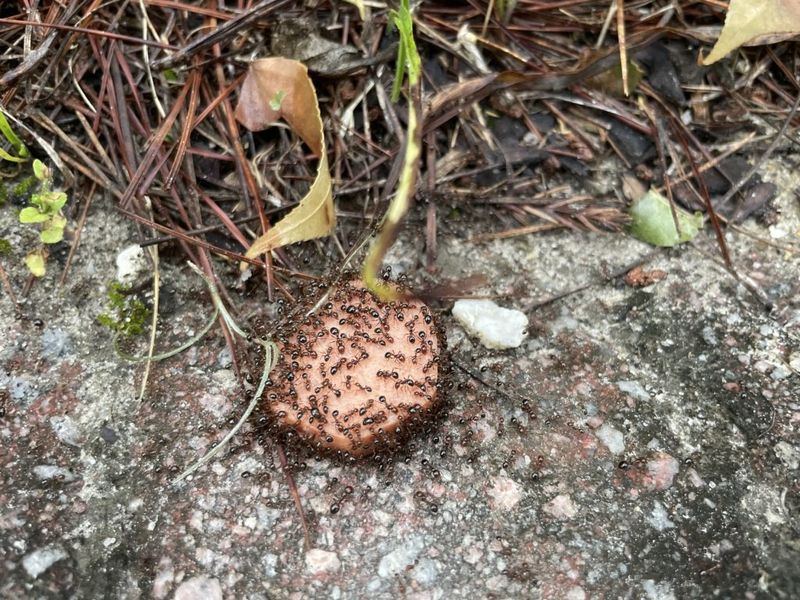
Treating one mound at a time covers only a small part of the problem. For most Alabama yards, a broadcast approach covers far more ground with much less effort.
Broadcasting means spreading bait evenly across the entire lawn, not just over visible mounds. Hidden colonies that have not built mounds yet get treated too, which saves future headaches.
A handheld seed spreader makes the job quick, even for a large yard. Set it to the lowest opening, since fire ant bait goes down at a small rate.
Many products call for only about one to one and a half pounds per acre. That looks like a surprisingly tiny amount, so read the label and resist adding extra.
Walk in straight lines, like mowing stripes, so you do not miss any patches. Keep your spreader just for bait, because leftover fertilizer or herbicide can repel hungry ants.
For a few stubborn mounds near patios or playsets, you can add a spot treatment. Sprinkle the label amount, often about a tablespoon, in a ring about three feet out from each mound.
Neighbors can help too, since ants happily wander across property lines without asking permission. Teaming up on the same weekend gives the whole street a cleaner start.
Wear gloves, wash your hands afterward, and keep pets off the lawn as the label directs. Then relax with some sweet tea while the ants handle delivery.
Fewer Mounds And Safer Feet Come Spring
Imagine walking shoe-free to grab the April newspaper without a hurried hopping dance. That pleasant scene is the real reward for a little October effort.
Colonies baited in fall often shrink noticeably during the cool months that follow. When spring warmth returns, far fewer mounds pop up across the lawn and garden beds.
Alabama Cooperative Extension System guidance notes that broadcast baits can substantially reduce colony numbers. Results vary by product, but the difference is easy to notice by Easter.
Kids can tumble on the grass again without coming inside with itchy white bumps. Dogs and cats also benefit, since curious noses often find mounds first.
Gardeners notice changes too, especially around vegetable beds and flower borders. Fire ants can chew young plants and protect sap-sucking pests like aphids from natural predators.
Mowing becomes easier when hard dirt mounds are not dulling blades or jolting the mower. Your lawn also looks smoother and greener without those lumpy brown patches scattered around.
Some new colonies will still fly in from nearby fields during mating flights in warm months. Even so, starting the season with fewer ants means any newcomers are easier to handle.
Picture spring as a fresh page rather than a challenge you are already facing. Your future self, enjoying a shoe-free stroll, will thank you.
A Simple Yearly Routine For Ongoing Control
Fire ants are like tenants who stop by uninvited every year. You cannot remove them permanently, but a steady routine keeps their visits short.
The two-step method recommended by Auburn University is a favorite plan for many homeowners. Broadcast bait across the lawn, then spot treat any mounds that pop up afterward.
Pair a spring treatment in April or May with a fall treatment in October. That rhythm hits colonies during both busy feeding seasons and keeps numbers low.
Mark your calendar or set a phone reminder so the dates do not slip past. October has a way of turning into Thanksgiving before anyone notices.
Keep a simple notebook of which products you used and how well they worked. Over a few seasons, you will learn what suits your soil, shade, and schedule.
Check new sod, potted plants, and hay bales before bringing them home. Fire ants often hitch rides in these items and quietly settle into fresh territory, and moving regulated items out of quarantine areas may require following state rules.
Ants favor open, sunny patches of disturbed soil, so watch those spots closely. Regular mowing, smart watering, and good soil care make your yard less inviting.
None of this demands hours of work, just a few smart moments each year. Treat the routine like changing smoke detector batteries, small, simple, and worth it.