How To Get Your Meyer Lemon To Fruit Indoors During An Ohio Winter
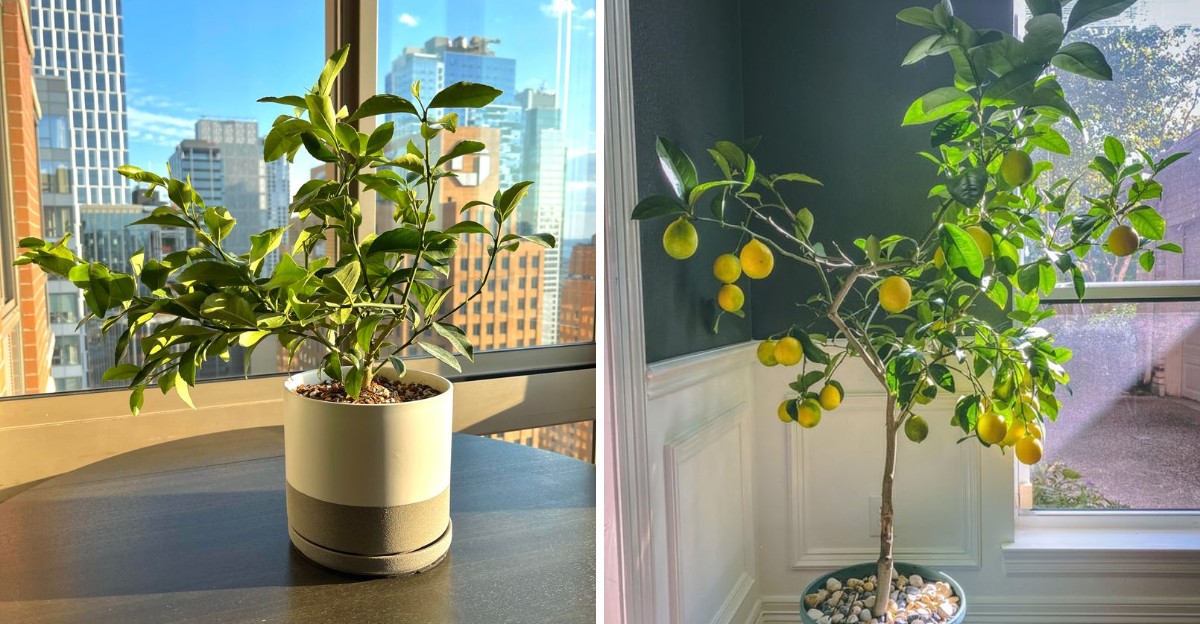
Fresh lemons in January, picked from a tree in your living room while snow piles up outside. Ohio winters don’t have to be all gray.
Meyer lemons are the friendliest citrus to bring indoors. Friendly isn’t the same as foolproof, though.
Plenty of owners end up with a handsome green plant and zero fruit, wondering what they missed.
The tree wants a few things from you, and most of them sound odd until you hear the reason. Light, temperature, and a little helping hand all play a role.
Skip one and the blossoms drop before they ever turn into lemons.
Set up your spot before the cold settles in. Get the early moves right and the harvest takes care of itself.
1. Meyer Lemons Bloom In Fall And Again In Early Spring
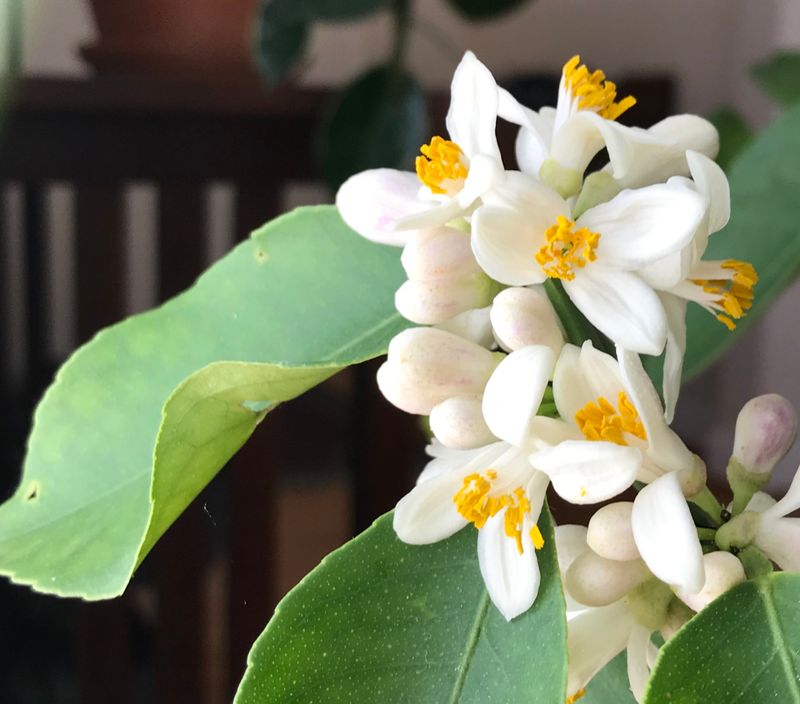
Two flower shows a year sounds like a great deal, right? Your Meyer lemon usually puts on one in fall and another in early spring.
Knowing this rhythm helps you plan. When the weather in Ohio turns chilly in October, you will probably carry your tree inside just as buds start forming.
That timing matters, because those fall flowers can become the lemons you pick next summer.
Watch for tiny round buds tucked near the leaf joints. They look like little white or pink pearls before they open.
Once you spot them, start paying extra attention to light, water, and temperature.
The early spring bloom often shows up around February or March. Days are getting longer then, and your tree can sense the change.
Many Ohio growers find this second wave even stronger than the first.
Indoor trees sometimes break the rules a bit. With steady warmth and good light, a Meyer lemon may push out a few flowers almost any month.
You might even see blossoms, green fruit, and ripe lemons on the same branch.
Keep a simple notebook or phone note with bloom dates. After a year or two, you will know your own tree’s habits.
That record makes it much easier to time feeding and care.
2. One Tree Is Enough To Get Fruit
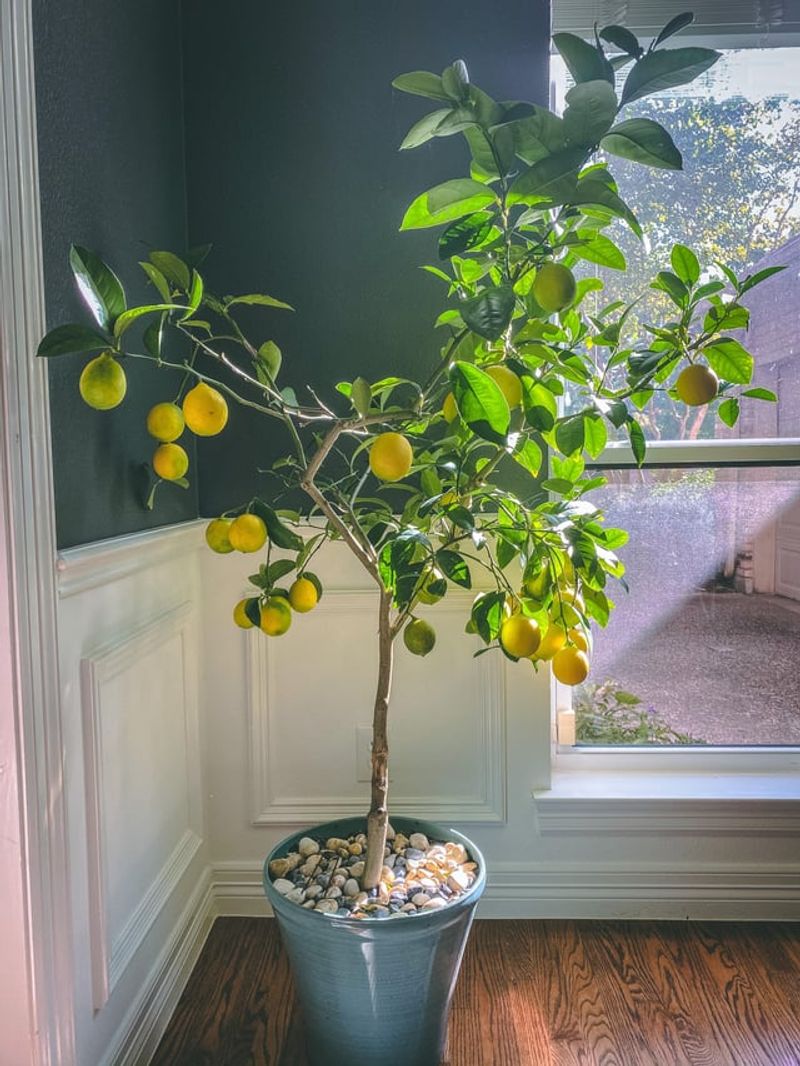
Good news for small apartments everywhere. You do not need a second tree to get lemons, because Meyer lemons are self-pollinating.
That means each flower carries both the male and female parts it needs. Pollen from a blossom can fertilize that same blossom, or a neighbor on the same branch.
No partner tree required.
Some fruit trees, like many apples, need a buddy of a different kind nearby. Lemon growers in snowy states can skip that hassle.
One healthy tree in a sunny corner can give you a real harvest.
Still, a little extra help goes a long way. Studies and growers agree that assisting pollination often boosts how many lemons actually form.
Having two trees can also help, but it is a bonus, not a must.
Fun fact: the Meyer lemon is likely a cross between a regular lemon and a mandarin orange. Frank Meyer brought it to the United States from China in 1908.
Your Ohio Garden Changes Every Week. Your Plan Should Too.
Gardening in Ohio changes quickly throughout the season. Every Friday you’ll receive a simple weekly plan showing exactly what to plant, prune, fertilize, harvest, and protect so you never miss the right timing.
That mixed family tree is why the fruit tastes sweeter and less sour.
So if space is tight, relax. Put your energy into one strong, well-fed tree.
A single happy plant can surprise you with more fruit than you expect.
3. Indoors, You Have To Play The Role Of The Bee
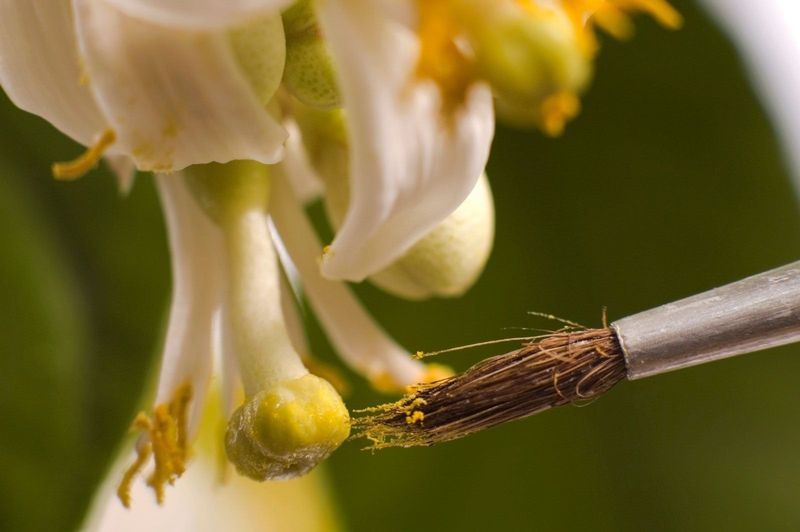
Bees take the winter off, and so does the breeze in your living room. That leaves one pollinator on duty: you.
Outdoors, lemon flowers get visits from bees, flies, and gusts of wind. Each visit shakes pollen loose and moves it to the sticky center of the bloom.
Inside a closed Ohio house in January, none of that happens.
Without help, many flowers simply fall off without forming fruit. You may enjoy the scent, but end up with bare branches.
A few minutes of hand pollination can change that story.
Think of it as a tiny daily chore, like feeding a pet fish. Check your tree each morning while it is blooming.
Any freshly opened flower is a candidate.
Morning works well because pollen tends to be dry and powdery then. Flowers that have just opened are usually the most ready to accept it.
Older flowers with brown edges are past their prime.
Some growers also set a small fan on low nearby. Gentle air movement can shake a bit of pollen around and keeps leaves healthy too.
It will not replace you, but it makes a nice assistant.
Kids love this job, by the way. Calling it bee duty makes it feel like a game.
4. A Small, Dry Paintbrush Does The Job
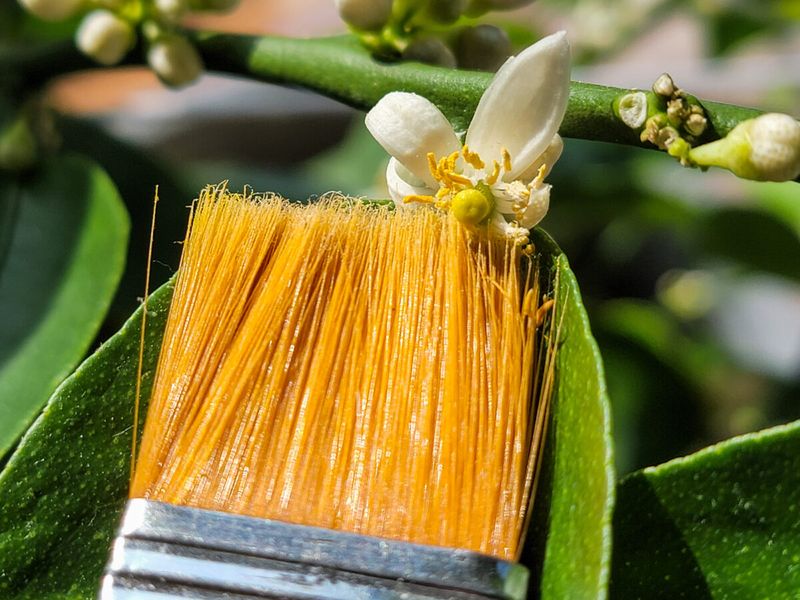
Fancy tools are not needed here. A cheap, soft paintbrush from a kids art kit works just fine.
First, get to know the flower. The skinny stalks around the edge, topped with yellow dust, are the anthers.
That dust is pollen. The single thicker post in the middle is the stigma, and that is where the pollen needs to land.
Gently swirl the brush tip over the anthers. You should see a faint yellow coating on the bristles.
Then lightly dab that pollen onto the sticky stigma of the same flower or another one.
Move from bloom to bloom, picking up and dropping off pollen as you go. Be soft and slow, since petals bruise easily.
Go back over the flowers once a day while your tree is in bloom.
Keep the brush dry. A wet brush clumps the pollen and makes it hard to transfer.
Store it in a small jar near the tree so it is easy to grab.
A cotton swab works in a pinch, too. Some people even use an electric toothbrush held near the stem, since the buzzing shakes pollen loose.
Whatever you pick, the goal is simple: dust from the edges onto the center.
5. Give It At Least 6 Hours Of Bright Light
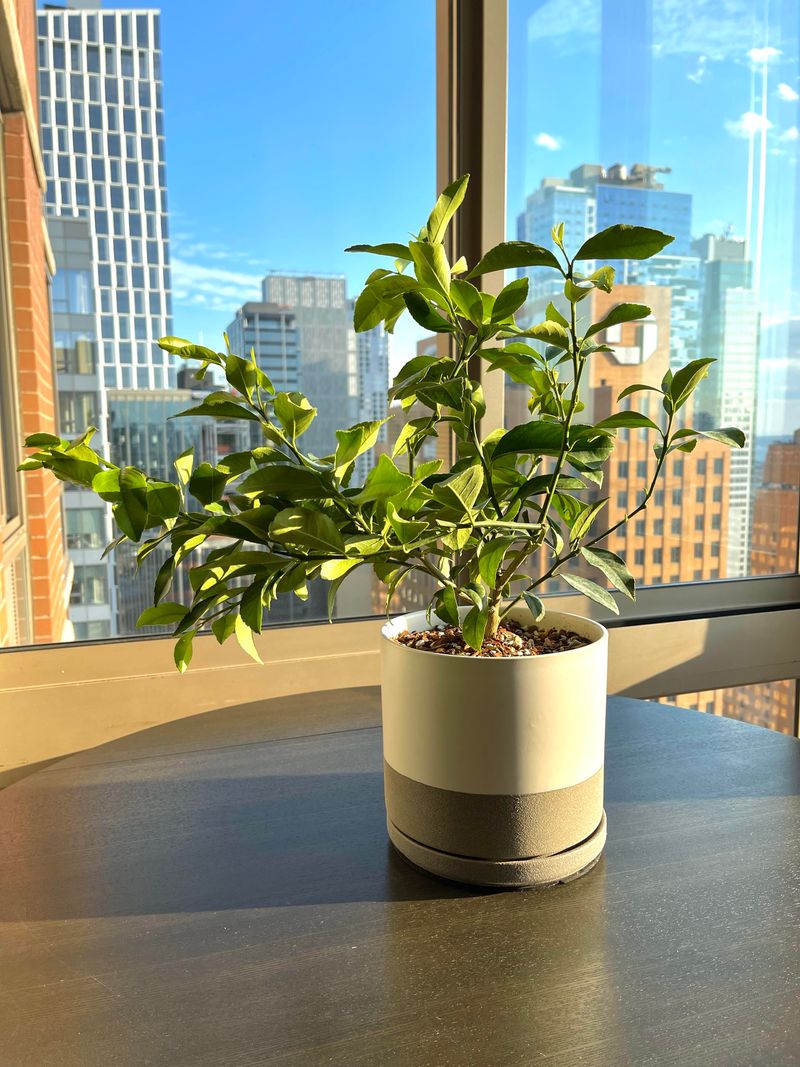
Sunshine is the fuel behind every lemon. Without enough of it, your tree may stay green and leafy but skip the fruit.
Meyer lemons want at least six hours of bright, direct light every day. Many growers say eight to twelve hours gives even better results.
That can feel like a tall order during gray Ohio winters, when cloudy days stack up.
Start with your sunniest window. In most homes, that is a south-facing one.
West-facing windows are a decent second choice, since they catch strong afternoon light.
Place the tree as close to the glass as you safely can. Light weakens quickly as it moves across a room.
Even a few feet back can cut the brightness a lot.
Turn the pot a quarter turn every week or so. That way all sides get a fair share of sun, and the tree grows evenly instead of leaning.
A plant caddy with wheels makes this much easier.
Clean windows help more than you might think. Winter grime and screens can block a surprising amount of light.
Wiping the glass is one of the easiest upgrades you can make.
Pale leaves or long, stretched stems are clues that light is too low.
6. Add A Grow Light If Your Windows Fall Short
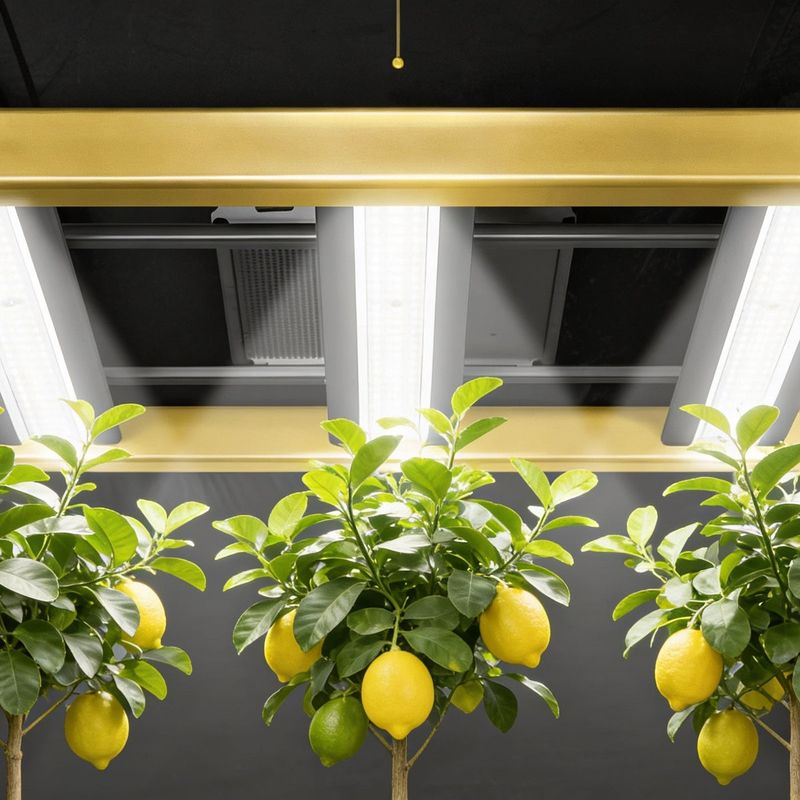
Let us be honest about Ohio in December. Some weeks the sun barely shows up, and a window alone just cannot keep up.
Experts point to light as the biggest limit on indoor citrus fruit. A full-spectrum LED grow light can fill that gap nicely.
LEDs stay fairly cool, use little power, and last for years.
Hang the light about 6 to 18 inches above the top of the tree. Closer gives more intensity, but watch for any leaf scorching.
Raise it a bit if leaves look bleached.
Run the light 12 to 16 hours a day. A simple outlet timer makes this easy, so you are not flipping switches every morning and night.
Your tree likes a steady schedule.
Do not leave it on all 24 hours. Plants need a rest period of darkness, just like people need sleep.
Giving the tree a dark break supports healthy growth.
If your tree is wide, one bulb may not cover it all. Clip-on lamps or a panel style light can spread brightness more evenly.
Pair the grow light with your window for a strong combo.
Many growers notice deeper green leaves within a few weeks. That color is a happy sign.
7. Expect Many Blossoms And Baby Lemons To Drop
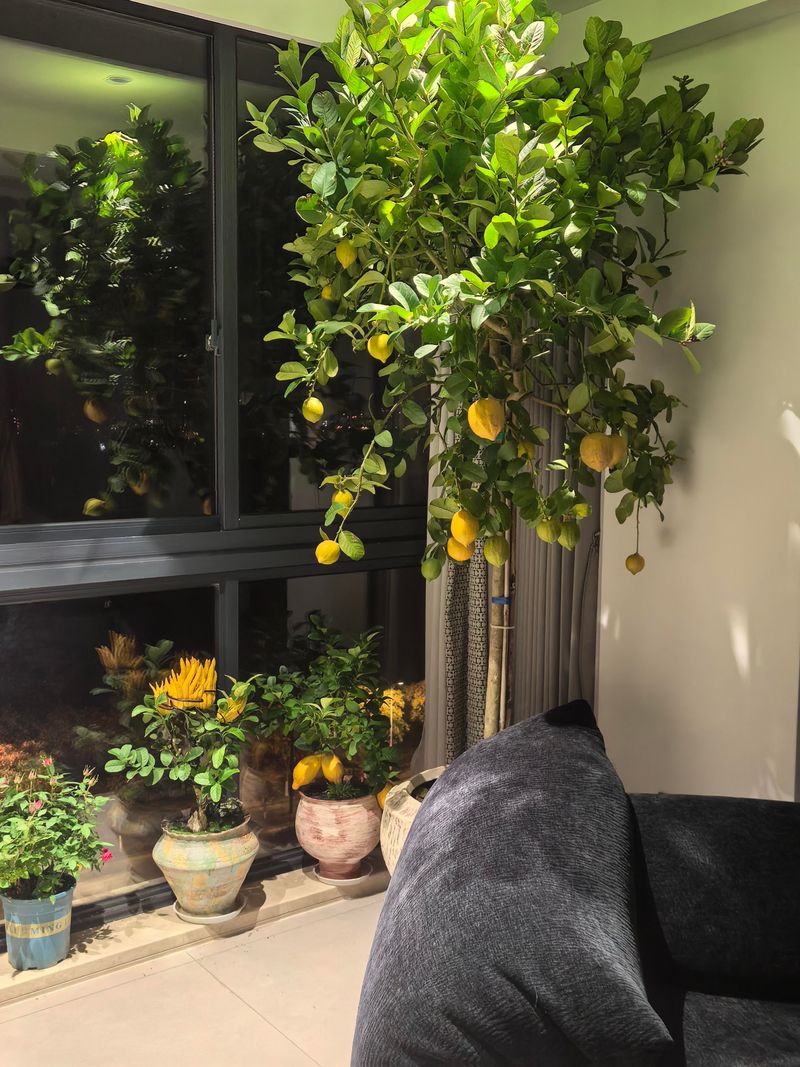
One morning you will find tiny green lemons scattered on the floor. Take a breath, because this happens to nearly everyone.
A lemon tree often sets far more flowers and baby fruit than it can carry. So it lets many go on purpose.
Growers call this natural thinning, and it helps the remaining lemons grow bigger and healthier.
Moving a tree indoors for winter also adds stress. Changes in light, heat, and humidity can cause extra dropping for a few weeks.
Most trees settle down once they adjust.
You can lower the losses with steady care. Water when the top inch or two of soil feels dry, then soak until water runs out the bottom.
Soggy soil and bone-dry soil both lead to more drop.
Indoor air in winter gets very dry from furnaces. A pebble tray with water under the pot or a small humidifier nearby can help.
Feeding with a citrus fertilizer during active growth also supports fruit.
Here is a helpful mindset. If you start with a hundred blossoms and end with a handful of lemons, that is a win.
A young tree carrying four to eight fruits is doing great work.
8. Avoid Sudden Temperature Swings
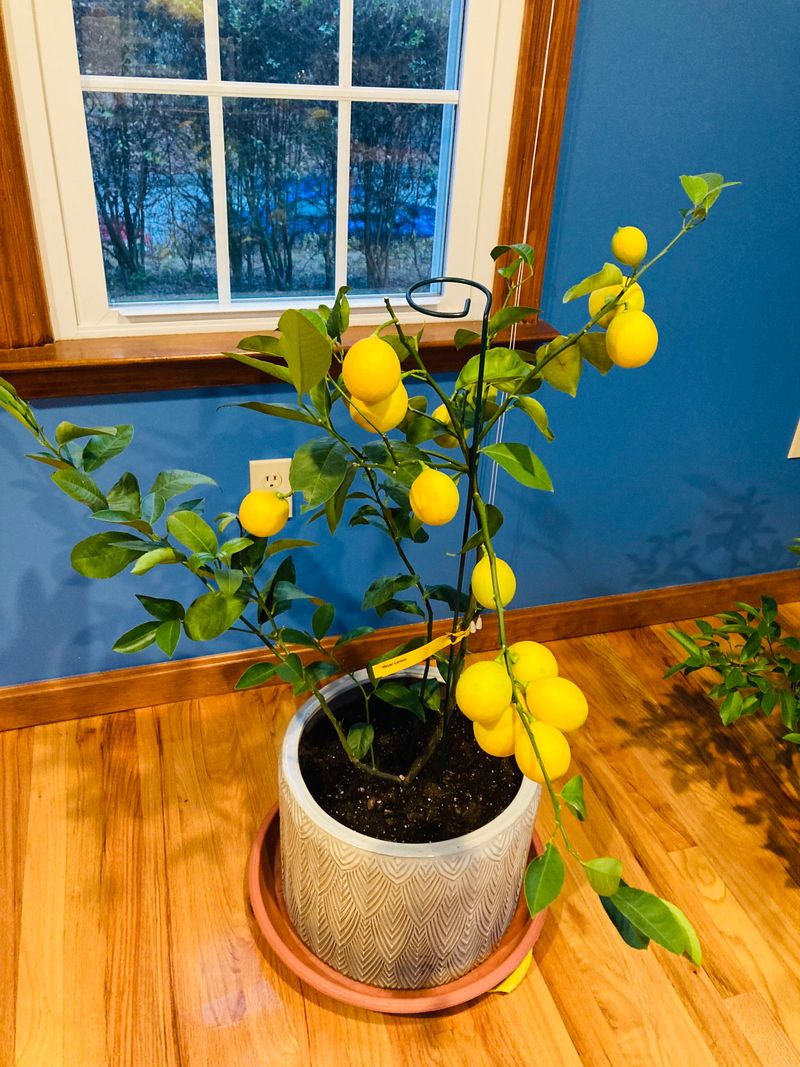
Imagine stepping from a hot shower straight into a snowbank. Your lemon tree feels the same shock when temperatures jump around.
Meyer lemons do best between roughly 55 and 85 degrees Fahrenheit. Most homes fall right in that range.
The trouble comes from hot and cold spots you might not notice.
Heating vents blow dry, hot air that can crisp leaves. Front doors and drafty windows let icy gusts sneak in.
Try to keep your tree several feet away from both.
Bringing the tree inside in fall also deserves care. Ohio nights can dip fast in October.
Move it in before temperatures drop near 50, and ease it over a week or so if possible.
One trick is to bring the pot into a garage or covered porch first. Then shift it to its indoor spot a few days later.
This gentler change helps prevent sudden leaf and fruit drop.
Watch the windows on frigid nights, too. Leaves touching cold glass can get chilled.
Pull the pot back a few inches when the forecast calls for single digits.
A cheap indoor thermometer near the tree tells you a lot. Steady numbers mean a calmer, more productive plant.
9. Be Patient, Lemons Take 6 To 9 Months To Ripen
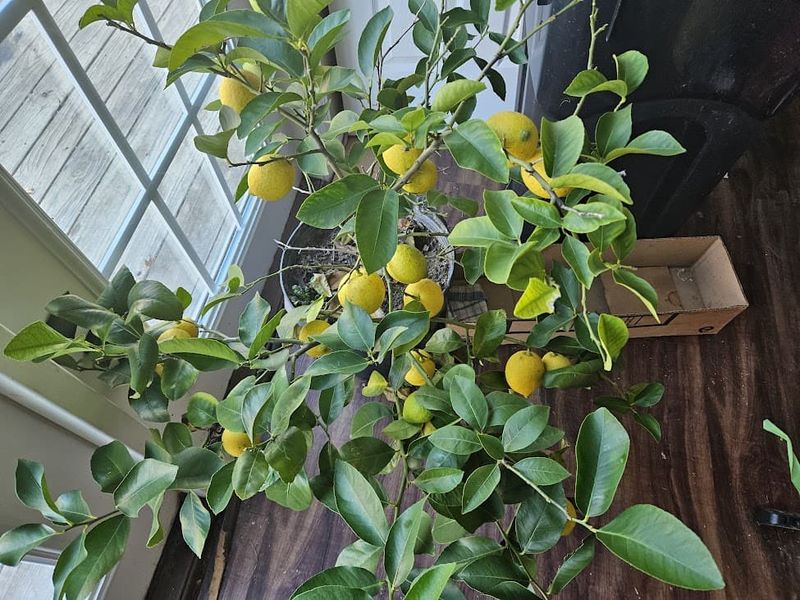
Patience may be the hardest step of all. A Meyer lemon often needs six to nine months to go from flower to ripe fruit.
Some fruit finishes a bit faster, around four months, but most take their sweet time. A flower you pollinate in November might not be ready until summer.
That slow pace is normal, so do not rush it.
Watch the color change. Green lemons slowly turn yellow, then a rich golden shade with a hint of orange.
Ripe fruit also feels slightly soft when you give it a gentle squeeze.
Leave the lemons on the tree until they look fully ready. Unlike bananas, lemons do not keep ripening or getting sweeter after you pick them.
Picking early means sour, hard fruit.
The good news is that ripe Meyer lemons can hang on the branch for weeks. Think of the tree as a living fruit bowl.
Pick one when you need it for tea, cookies, or a salad dressing.
Once you taste a homegrown Meyer lemon in the middle of an Ohio winter, the wait feels worth it. The thin skin and sweet, floral juice are hard to find in stores.
Your little indoor orchard has earned its spot.