The Meaning Behind Standing Water In Your Florida Yard After October Storms
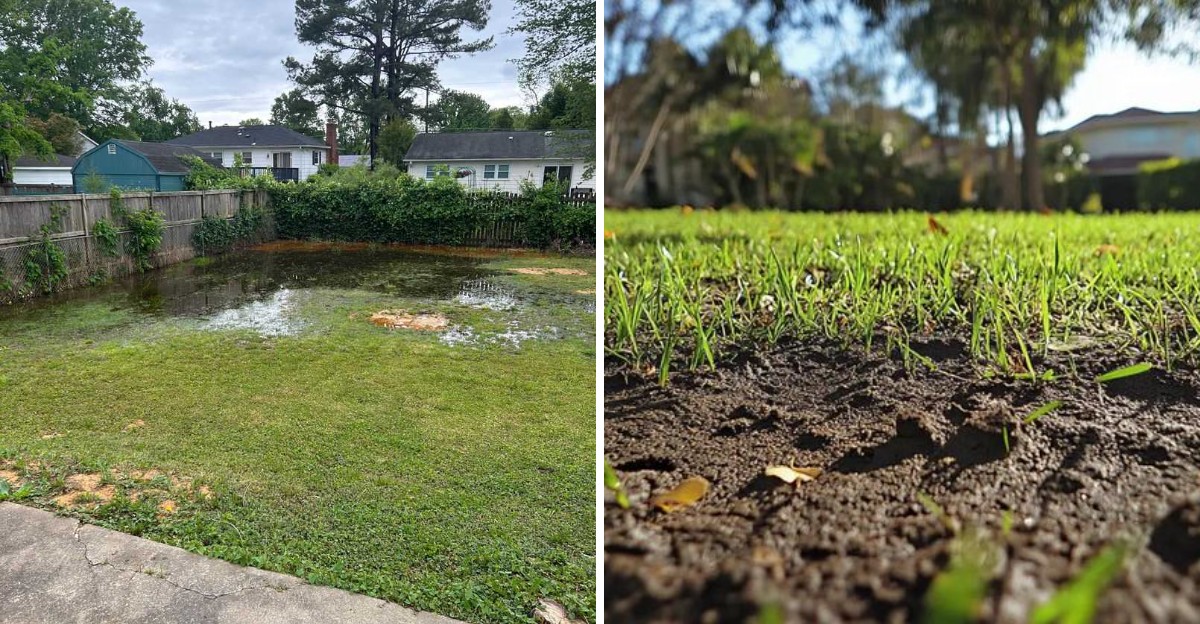
The rain stops, the clouds move on, and you step outside to find your yard has turned into something that looks suspiciously like a shallow lake. A frog is absolutely thriving out there.
Your shoes, less so. Standing water after a Florida October storm is one of those yard situations that most homeowners just wait out, assuming it will disappear on its own.
Sometimes it does. Sometimes the same puddle shows up in the same spot after every single storm for years, and that is when it stops being a nuisance and starts being a message worth paying attention to.
Those pools of water are actually telling you something useful about your soil, your grading, your drainage, and sometimes even what is happening several feet underground.
Learning to read what your yard is trying to say can save your lawn, your foundation, and a surprising amount of frustration.
1. Florida Water Tables Rise High By Late October
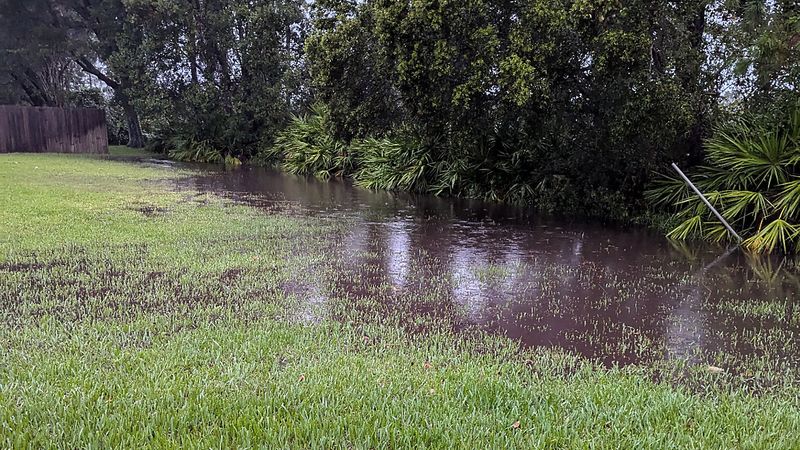
Underground water acts a lot like a sponge that is already full. By late October, months of summer rain have pushed the water table close to the surface in many parts of Florida.
When a fresh storm rolls in, there is simply no room left below. The rain sits on top because the soil beneath is soaked from the bottom up, not just the top down.
Here is a quick way to check. Dig a small hole about a foot deep in a low spot and wait an hour.
If water seeps in from the sides, the ground water is sitting high, and your drainage is not the real problem.
Fun fact: in some coastal and central areas, the water table can sit just a foot or two below the grass during the wet season. That is why some neighborhoods seem to puddle no matter how much effort goes into grading.
The good news is that this kind of flooding usually fades as the dry season begins in November. Patience really is the main tool here.
Avoid walking or driving on saturated turf, since soggy ground packs down easily and damages grass roots.
Hold off on fertilizing until the soil dries out a bit. Nutrients can wash right off into storm drains and lakes, which wastes money and feeds algae blooms downstream.
2. Compacted Soil Can Trap Puddles In Lawns
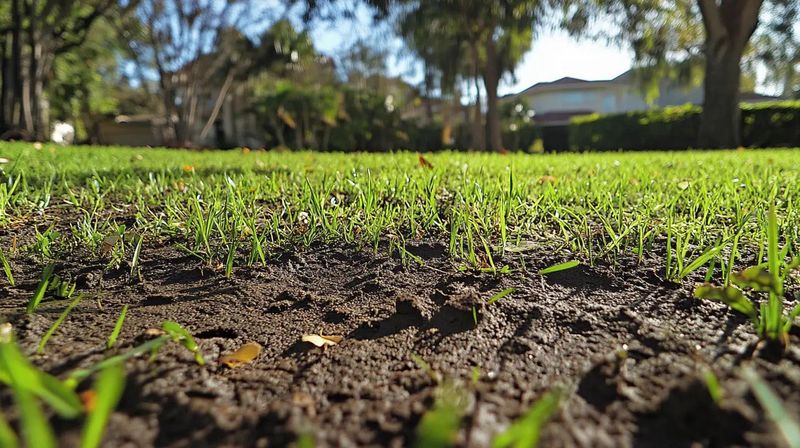
Ever notice a puddle that shows up in the exact same spot after every rain? Chances are good that the ground there has been squished tight like a packed suitcase.
Foot traffic, parked cars, kids playing ball, and heavy mowers all press soil particles together. Once the tiny air pockets disappear, water has nowhere to slip into, so it just sits there.
Plenty of Florida homes are built on sandy fill that drains well at first. Over the years, though, construction equipment and daily use can create a crusty layer just under the surface.
A simple screwdriver test helps. Push a long screwdriver into damp soil.
Your Florida Garden Changes Every Week. Your Plan Should Too.
Gardening in Florida changes quickly throughout the season. Every Friday you’ll receive a simple weekly plan showing exactly what to plant, prune, fertilize, harvest, and protect so you never miss the right timing.
If it slides in easily, your soil is loose and healthy, but if you have to lean your whole weight on it, compaction is likely the culprit.
Core aeration is the classic fix. A machine pulls small plugs of soil out of the lawn, opening channels for air, water, and roots.
Renting one for an afternoon is often cheaper than you might think.
After aerating, sprinkle a thin layer of compost across the area. The organic matter works its way into the holes and keeps the soil from packing down again so fast.
Changing walking paths with stepping stones also gives tired turf a break.
3. Low Spots Reveal How Your Yard Is Graded
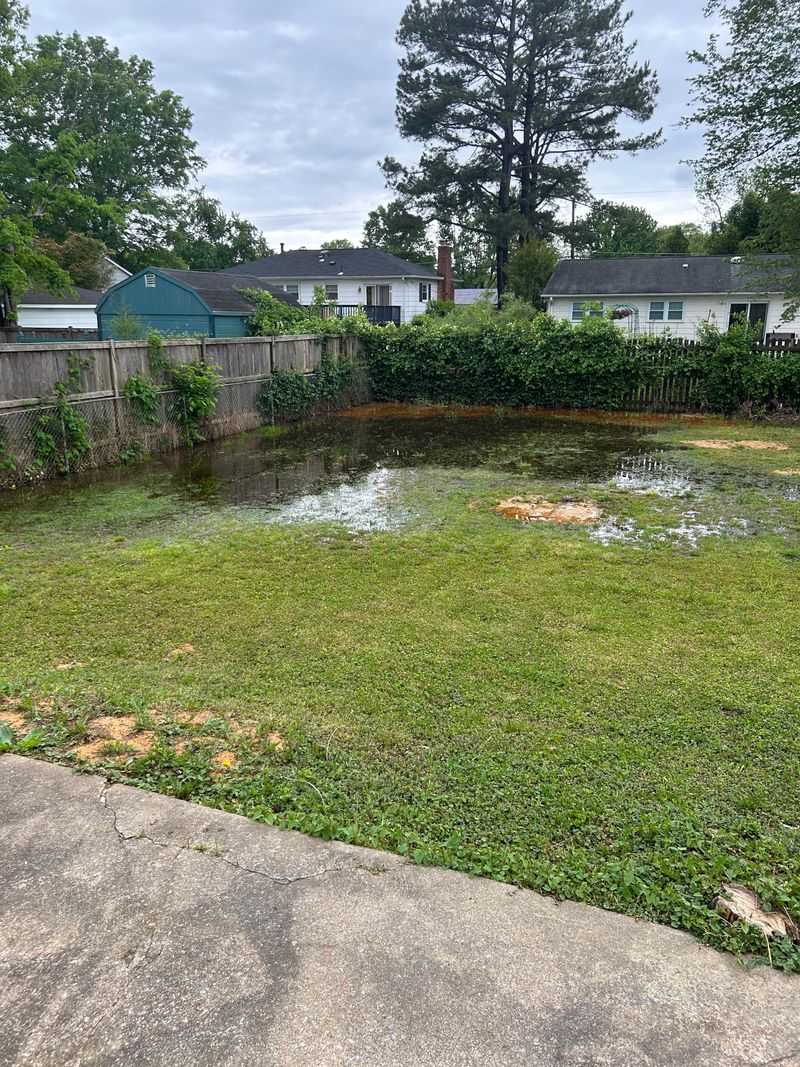
Water is honest about one thing: it rolls downhill every chance it gets. So when a storm passes, the puddles in your yard draw a perfect map of where the ground dips.
Much of Florida is pretty flat, so even a tiny slope makes a big difference. A drop of just an inch or two can decide whether rain flows to the street or settles right next to your patio.
Grab your phone and snap photos of the puddles while they are still there. Those pictures become a handy guide later when you plan repairs, because the low spots can be hard to spot once the grass dries.
For small dips, a technique called topdressing works well. Spread a thin layer of sandy soil mix over the area, about half an inch at a time, and let the grass grow through before adding more.
Bigger problems might need regrading. Experts generally recommend the soil slope away from your house by around six inches over the first ten feet.
That keeps water away from your foundation and out of your garage.
A string line and a simple level can help you check slopes yourself. Tie string between two stakes, level it, and measure down to the ground at different points.
Numbers do not lie, and neither do puddles.
4. Mosquitoes See Puddles As An Open Invitation
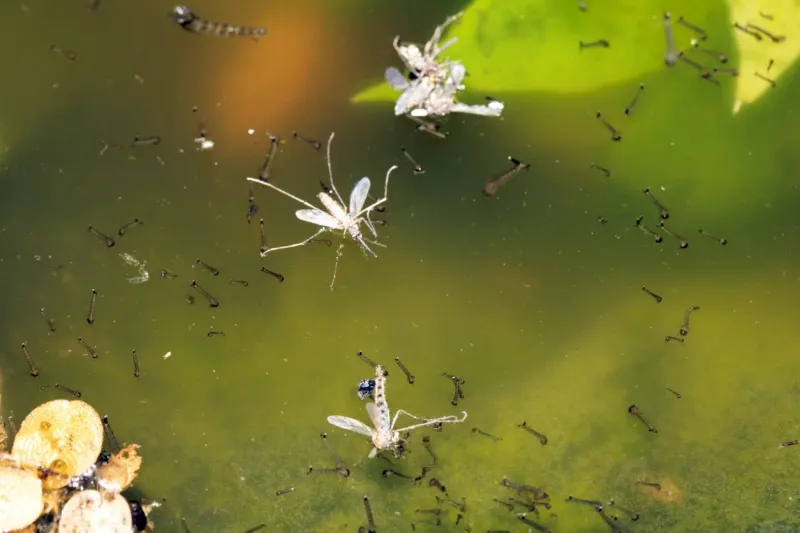
Mosquitoes are small, but their timing is impressive. Give them a few days of still water, and a brand new batch can hatch right in your backyard.
Many mosquito species can go from egg to flying adult in about a week when temperatures stay warm. Florida evenings in October are still mild, so these pests stay busy well into fall.
Standing water in the lawn is only part of the story. Flower pot saucers, old tires, clogged gutters, kids’ toys, and even bottle caps can hold enough water for larvae to grow.
Walk your property the day after a storm with a bucket in hand. Tip, toss, and drain anything holding water.
Health officials often call this the tip and toss routine, and it works surprisingly well.
For bigger puddles that will not drain soon, mosquito dunks are a helpful tool. They contain a natural bacteria called Bti that targets mosquito larvae while being considered safe for pets, birds, and fish.
Do not forget birdbaths and decorative fountains. Rinse birdbaths and refill them every few days so eggs never have time to hatch.
A little routine now means more peaceful evenings on the porch later in the season.
5. Soggy Grass Can Signal Root And Fungus Trouble
Grass roots need to breathe, believe it or not. When water sits on the lawn for days, those roots run short on oxygen and start to struggle.
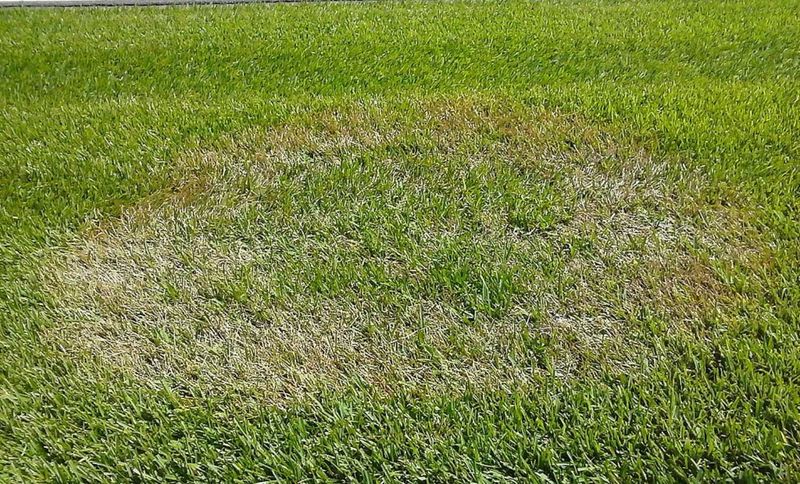
Warm, wet, and humid conditions are a dream for lawn fungus. In Florida, a disease called large patch, also known as brown patch, often shows up in the fall on St. Augustine and zoysia grass.
Look for circular areas of yellow or orange grass, sometimes with a darker ring on the edge. The blades may pull away easily at the base and feel slimy where they meet the soil.
Quick action helps a lot. Cut back on watering right away, since your sprinklers are the last thing a soaked lawn needs.
Many homeowners forget to switch off automatic timers after storms.
Water early in the morning if you must water at all. That lets the blades dry out during the day instead of staying damp overnight, which fungus loves.
Skip heavy nitrogen fertilizer in the fall, because lush new growth is extra tempting to disease. If patches spread quickly, a fungicide labeled for large patch can help, but read the directions closely.
Most lawns bounce back in spring once the soil dries and temperatures cool down.
6. Water Near Your Home Foundation Needs Attention
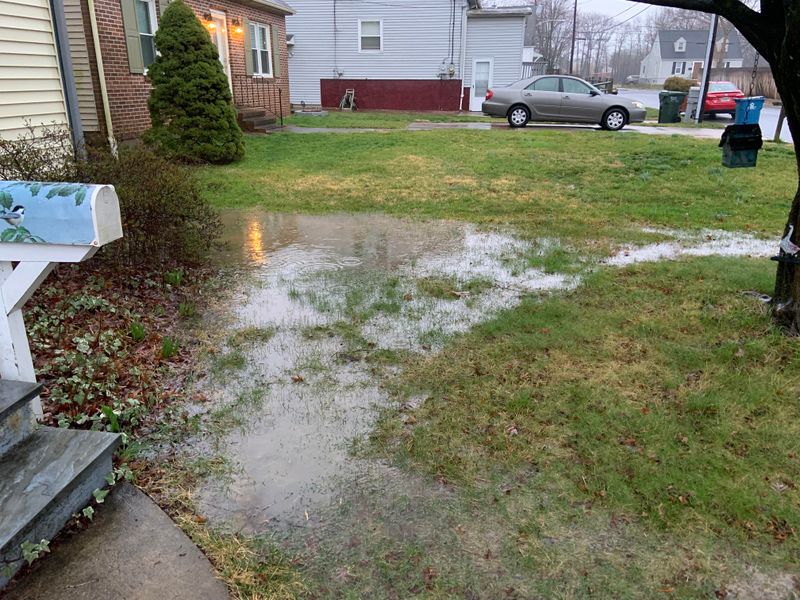
Few things worry homeowners more than a pond forming against the side of the house. That wet strip along the wall deserves a closer look before the next storm.
Most Florida homes sit on concrete slabs. While slabs are tough, water that keeps pooling against them can sneak into cracks, soak walls, and invite mold or termites inside.
Start with the gutters and downspouts. A clogged gutter spills water right at the base of the wall, and a downspout that ends too close to the house does the same thing.
Downspout extensions are cheap and easy to install. Aim to move roof water at least four to six feet away from the foundation, and point it toward an area that slopes away.
Check landscape beds too. Mulch and soil piled high against the wall can trap moisture and give pests a hidden highway into your home.
Keep a few inches of clear space between the beds and the siding.
Watch for warning signs indoors after heavy rain. Damp baseboards, musty smells, or bubbling paint near the floor could mean water is getting in.
Catching small issues early tends to cost far less than fixing bigger damage down the road, so a quick walkaround matters.
7. Clogged Storm Drains And Swales Back Up Fast
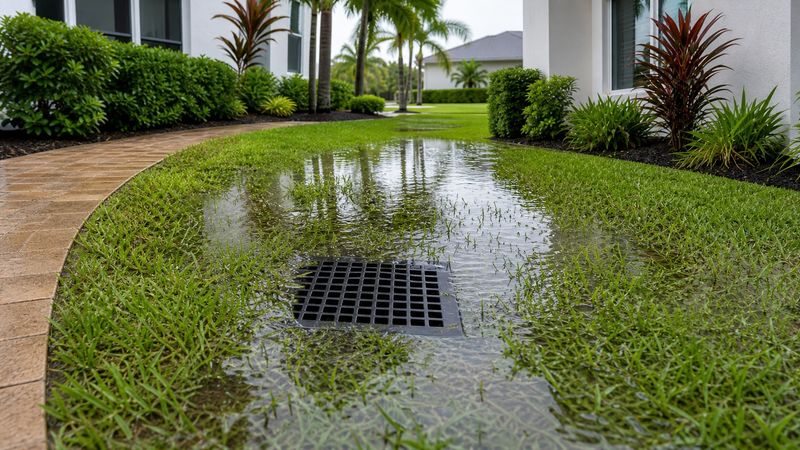
Sometimes the problem is not in your yard at all. It might be sitting at the edge of the street, quietly choked with leaves and grass clippings.
Many Florida neighborhoods use swales, which are shallow grassy ditches along the road. They are designed to hold rainwater for a short time and let it soak into the ground slowly.
When swales get filled in, paved over, or packed with debris, water has nowhere to go. It then backs up into nearby yards and driveways, sometimes for days after the rain ends.
A friendly tip: never blow lawn clippings into the street or the swale. They wash into storm drains, block the flow, and add extra nutrients to local lakes and rivers.
If a swale in front of your home holds water longer than about 72 hours, that is a sign something is off. Gently clear visible debris from drain grates when it is safe, but avoid stepping into fast moving water.
Your city or county public works office usually maintains storm drains. Give them a call or use their online service request form to report problems.
Neighbors working together can make a real difference, especially before the next big system rolls through the area.
8. Florida Plants That Love A Good Soak Can Help
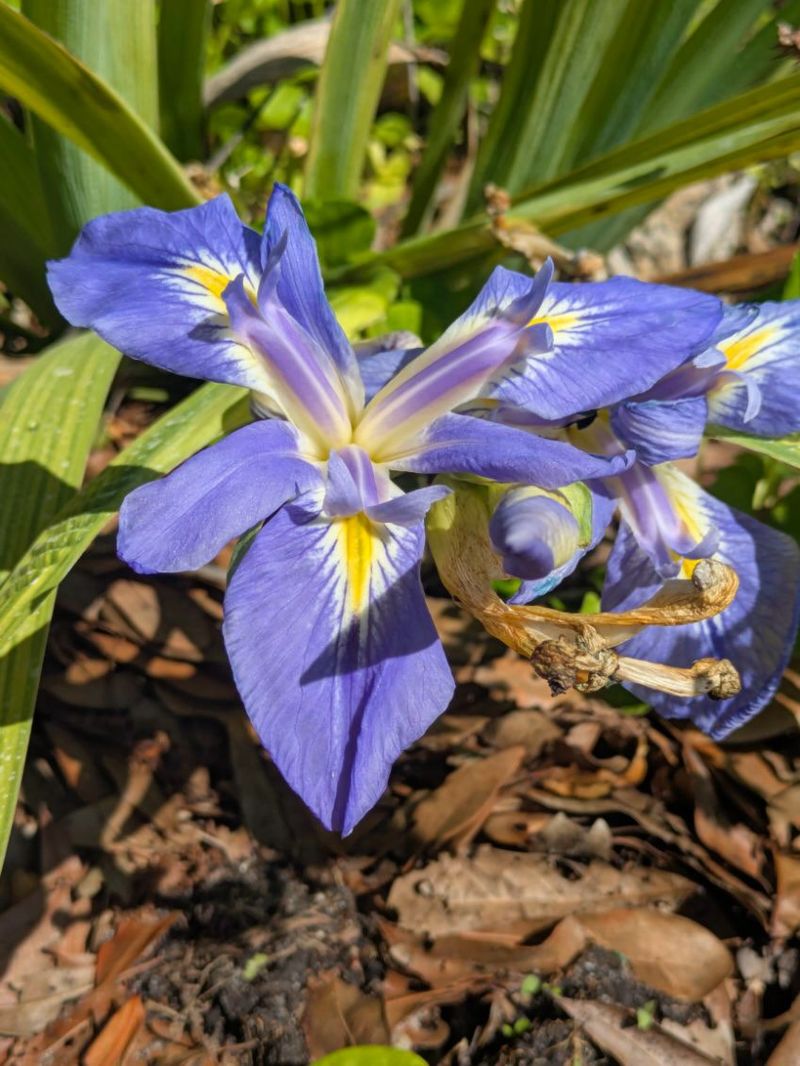
Mother Nature already has a solution for soggy ground, and it comes with flowers. Some native plants actually enjoy having wet feet for a while.
A rain garden is a shallow, planted dip that catches runoff and lets it soak in slowly. Instead of fighting a low spot, you turn it into a pretty feature that works for you.
Great Florida natives for these spots include blue flag iris, swamp milkweed, and Fakahatchee grass. Shrubs like wax myrtle and buttonbush also handle damp soil well and attract helpful wildlife.
If you love ornamental grasses and want something for the drier edges of your rain garden rather than the wet center, muhly grass is a beautiful native option that thrives in well-drained to moderately moist conditions and adds stunning fall color to the surrounding area.
Butterflies especially adore swamp milkweed. Monarchs lay their eggs on it, so your rain garden could double as a tiny nursery for these orange and black beauties.
To build one, choose a spot at least ten feet from your home. Dig a gentle bowl a few inches deep, loosen the soil, add some compost, and plant your water loving picks in the center where moisture collects longest.
Use plants that tolerate drier spells along the outer edges, since those areas drain faster after storms.
Mulch lightly to hold soil in place, but avoid piling it so thick that it floats away during storms. Within a season or two, the roots grow deep and open channels in the soil.
Those channels help the water drain faster, making the whole area less soggy over time.
9. Long Term Drainage Fixes For Your Property
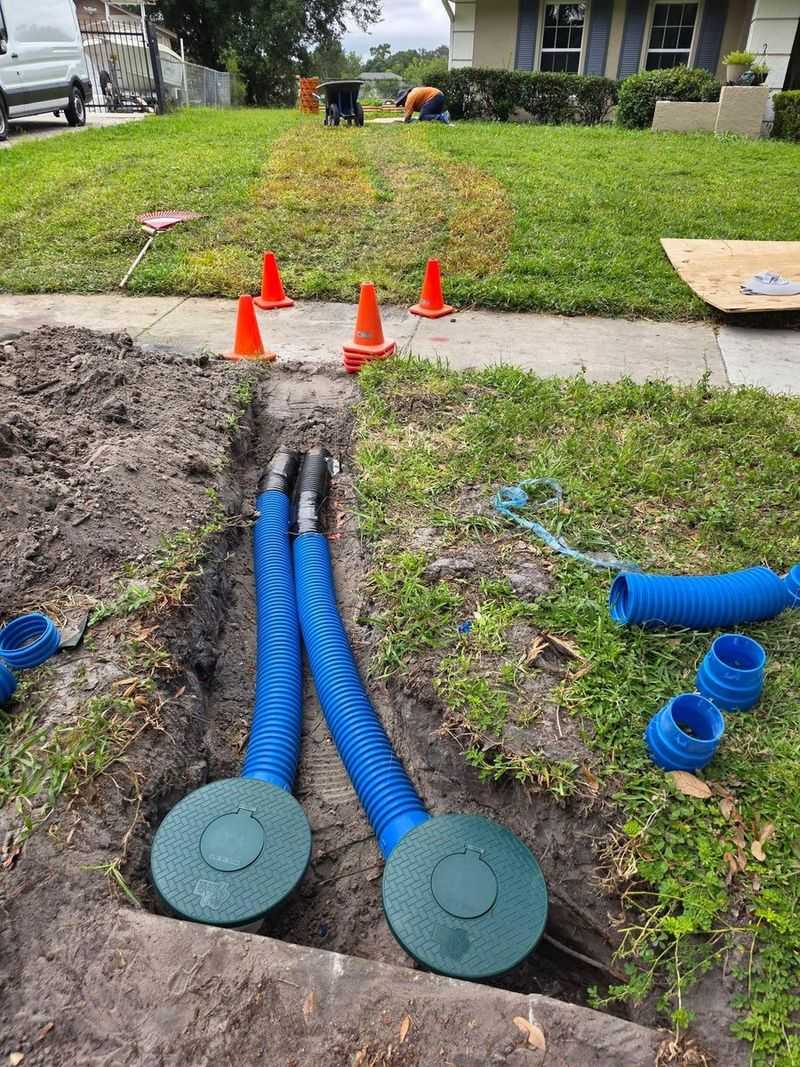
Puddles that keep coming back year after year are your yard’s way of asking for a bigger plan. A few smart upgrades can turn a swampy lawn into solid ground.
French drains are one popular choice. A trench is lined with fabric, filled with gravel, and fitted with a perforated pipe that carries water to a better spot, like a swale or dry well.
Dry wells are underground chambers that collect water and let it seep out slowly. They work best where the water table is not too high, so test your soil first in Florida’s low lying areas.
Swapping some solid paving for permeable pavers is another clever move. Water slips between the gaps instead of rushing across the surface, and patios or driveways still look sharp.
Before you dig, call 811 to have underground utility lines marked. The service is free, and it keeps you from hitting a gas or cable line by accident.
Check local rules too, since some cities and homeowners associations have guidelines about where water can be sent. Pushing your runoff onto a neighbor’s property can cause friction.
A licensed landscape or drainage contractor can design a system that fits your lot and budget, and protects your home for many stormy seasons ahead.