Why Your New Jersey Asters Are Suddenly Busy With Visitors Who Are Headed To Mexico
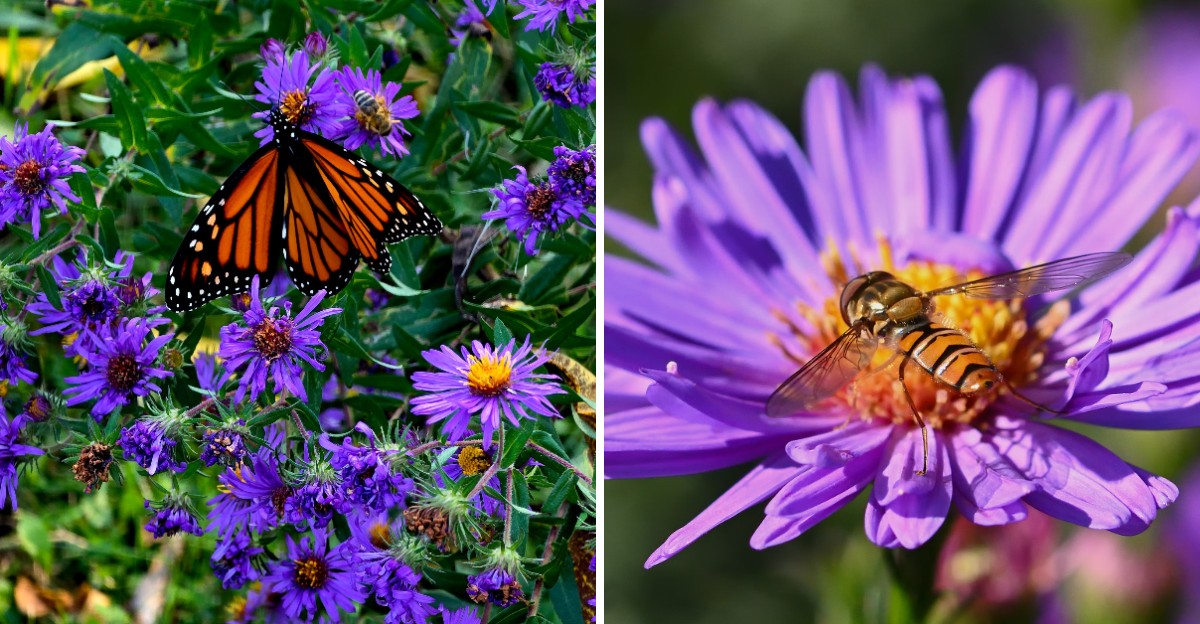
Look closely, because you are hosting monarch butterflies on a brisk timetable. Their wings, coated in tiny scales, have carried them from Canada to your fence.
New Jersey is a vital checkpoint, and you can help them cross it. Nectar is fuel, so you need blooms that stay open through October.
Goldenrod, asters, and zinnias turn your beds into refueling stations. Sugar from your blooms converts to fat that powers their flight across New Jersey.
Dusk sends them searching for sheltered branches, and you may find clusters roosting. Oyamel fir forests in the southern mountains await them, and you hold a key stop.
You decide whether tonight’s travelers find fuel or bare stems. Leave seed heads and sturdy stems standing, and you give them a landing zone. Plan late bloomers now, and you turn a rest stop into a haven.
1. Monarchs Are Riding A Butterfly Highway Through New Jersey
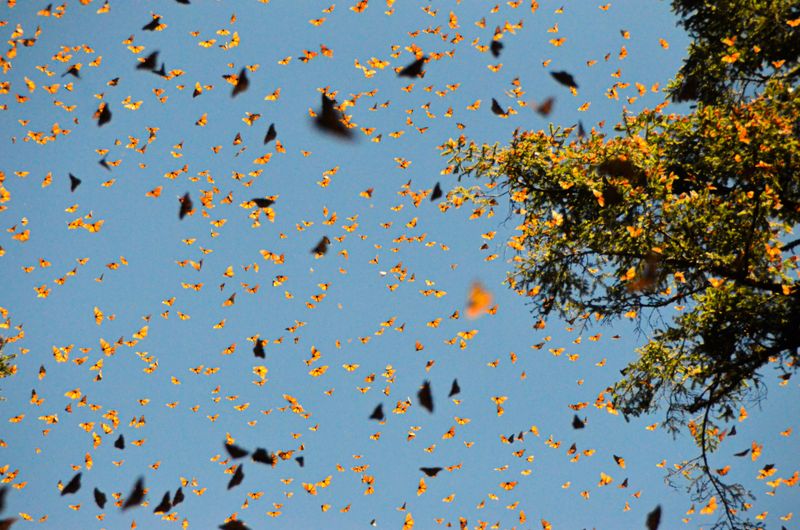
Picture a highway with no asphalt, no tolls, and millions of orange travelers. Every fall, eastern monarchs follow invisible routes south, and New Jersey sits right on one.
These butterflies are a special generation, often called the super generation. They can live around eight months, while their summer parents last only a few weeks.
Their goal is the oyamel fir forests in the mountains of central Mexico. Some will travel up to 3,000 miles to get there, which is remarkable for an insect this small.
Late September through October is peak time for this trip in the Garden State. Warm days and north winds push waves of butterflies down the coast and across inland towns.
Volunteers at Cape May have counted monarchs for decades through the Monarch Monitoring Project. On big days, they spot thousands drifting over beaches, dunes, and backyards.
So that orange flash on your asters is not random. A traveler is following a long-established route, and your garden happens to sit along it.
Grab a lawn chair on a sunny afternoon and watch for a while. You might see a butterfly sip, rest, and lift off southward within minutes.
Try counting how many arrive in an hour, then compare next week. The numbers often rise and fall with the weather, like a living traffic report.
2. Late-Blooming Asters Fill The Gap After Other Flowers Finish
Late in the season, the garden can look like a party after everyone went home. Daylilies droop, coneflowers turn to seed heads, and the lawn gets crunchy.
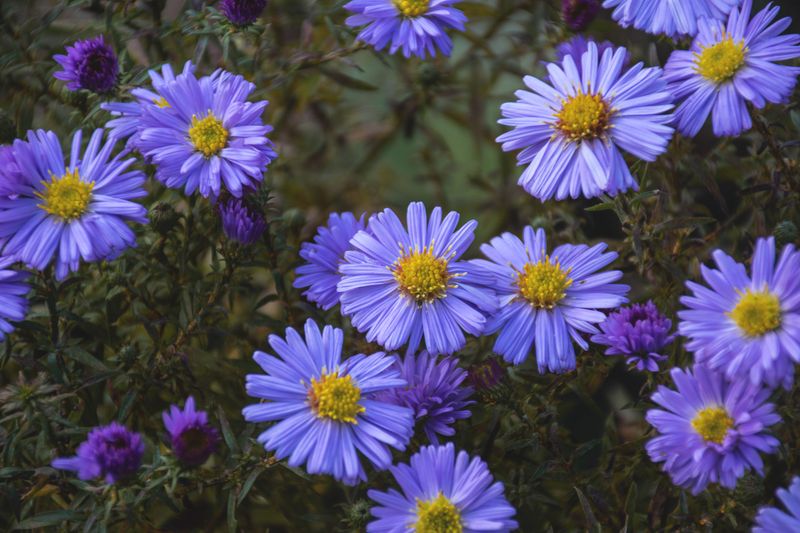
Then asters show up fashionably late, covered in starry blooms. Their name even comes from the Greek word for star, which fits perfectly.
New England aster and aromatic aster can flower well into October in New Jersey. Some keep going until the first hard frost finally calls time. Their blooms open as days shorten, which matches the monarch schedule.
For a hungry butterfly, that timing is everything. Flying south burns energy, and an empty flower bed is like a closed gas station.
Asters fill a gap that few other plants cover. Goldenrod helps too, but asters can keep blooming after it fades.
Your New Jersey Garden Changes Every Week. Your Plan Should Too.
Gardening in New Jersey changes quickly throughout the season. Every Friday you’ll receive a simple weekly plan showing exactly what to plant, prune, fertilize, harvest, and protect so you never miss the right timing.
Each aster flower head is actually a cluster of tiny flowers. The yellow centers hold dozens of little nectar cups, so one landing offers a long meal.
Butterflies can sip from several of those florets without moving far, which saves precious energy.
If your garden lacks late color, mark this on your planning list. Spring is a smart time to plant native asters so they settle in before summer heat.
Choose a sunny spot with decent drainage for the best show. Water new plants during their first season so roots grow deep.
Pinch the stems back once in early summer for bushier plants and more blooms. You will see the payoff next October. The butterflies will return the favor by visiting.
3. Nectar Turns Into Fat Reserves For The Long Winter
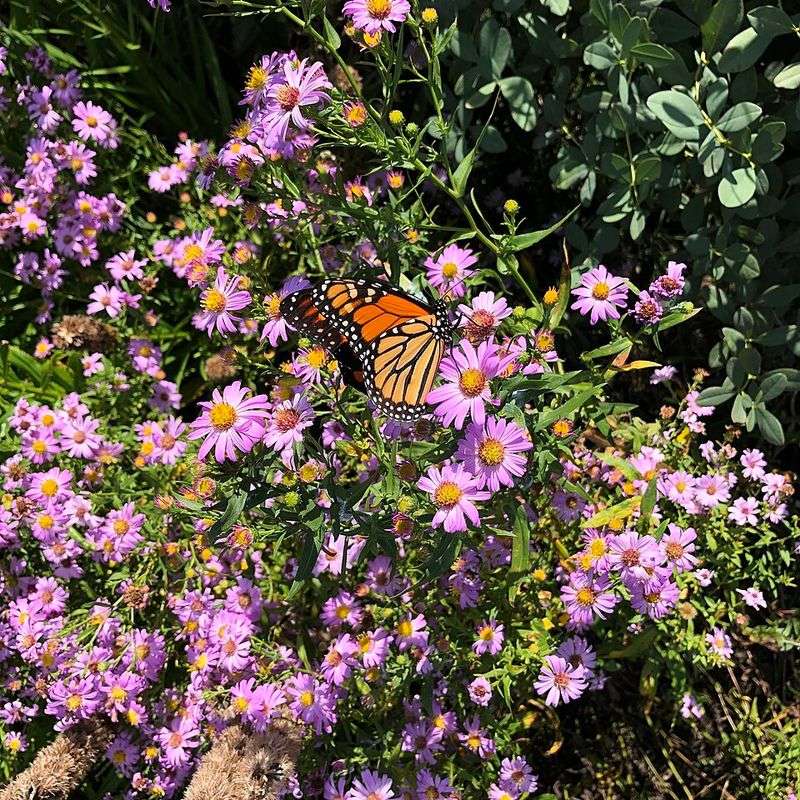
Many migrating monarchs actually gain weight during their trip instead of losing it. Nectar from flowers turns into fat stored in their abdomens. That fat has to last through a long winter roosting in Mexican forests.
Once they reach the mountains, food gets scarce for months. The butterflies cluster on trees and live mostly off those saved reserves.
Think of your asters as a fuel station with a buffet attached. Every sip helps a butterfly build the energy it needs for the next stretch.
Research suggests that monarchs reaching Mexico in better condition handle winter more successfully. Strong fall nectar sources make a real difference for the whole population.
That makes a small backyard patch more important than it looks. Even a few healthy aster clumps can feed many travelers over a week.
Keep your plants watered during dry October spells. Drought-stressed asters can produce less nectar, so steady watering helps.
Skip insect sprays on and around your blooms this time of year. Even products labeled for garden use can harm visiting butterflies and other pollinators.
Your garden does not need to be fancy or huge. It just needs to keep the snack bar open and safe for business.
A clean, well-stocked stop is all these travelers ask. In return, you get a front-row seat to a remarkable journey.
4. Cape May Works Like A Funnel For Migrating Monarchs
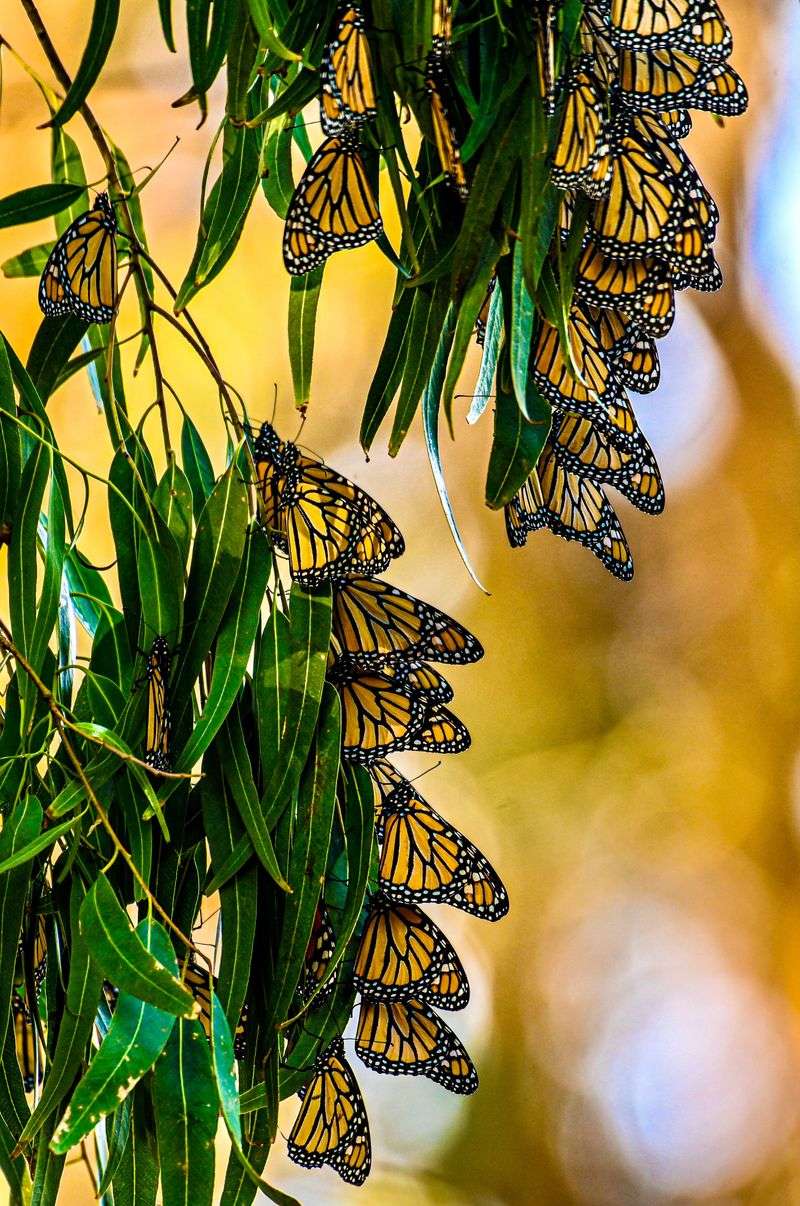
Look at a map of New Jersey and notice its pointy southern tip. That shape plays a huge role in why butterflies crowd local gardens.
Monarchs moving south along the coast hesitate to cross Delaware Bay. The open water is about twelve miles wide, which feels risky for a small flier.
So they pile up on the Cape May peninsula, waiting for good weather. Gardens, fields, and roadside flowers suddenly host far more visitors than usual.
Calm days or gentle north winds help them make the crossing. Strong headwinds keep them parked, sometimes for several days at a time.
During those waits, butterflies roost together in trees at night. Visitors sometimes find branches covered with hundreds of monarchs at dusk.
Even if you live far from the shore, the funnel effect matters. Monarchs pass through the whole state, not just the shore.
Coastal gardens, especially near Cape May, often see the biggest crowds. Still, inland towns along rivers and ridges can host steady traffic too.
Planning a fall road trip? Cape May Point State Park is a favorite spot for watching the migration in late September and October.
Bring binoculars, a snack, and plenty of patience. Then come home and see who stopped by your own purple flowers while you were out.
5. Purple Petals Stand Out To Butterflies
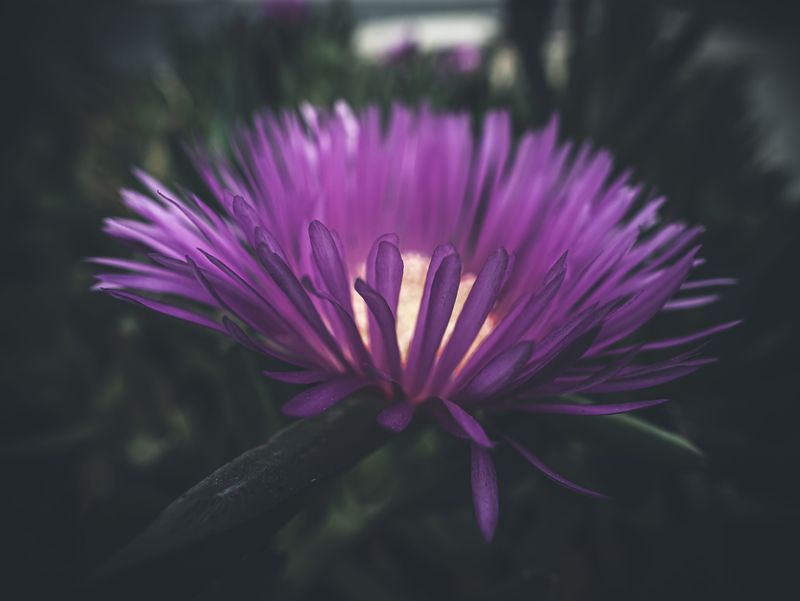
Butterflies do not read menus, but they respond strongly to color. Purple, pink, and bright yellow flowers catch their eye from surprising distances.
Monarchs can see some ultraviolet light that human eyes miss. Many flowers have hidden patterns in that range, pointing toward the nectar like runway lights.
Aster petals pair beautifully with their golden centers. That contrast works like a bullseye, telling a tired traveler exactly where to land.
Shape matters too, not just color. Asters offer flat, open flower heads that act as sturdy landing pads for long-legged visitors.
Monarchs sip through a long, straw-like tongue called a proboscis. It coils up neatly when not in use, then unrolls to probe each tiny flower.
Big, bold patches are easier to spot than single scattered plants. Grouping asters in clumps of three or more creates a stronger signal from above.
Mixing colors can help as well. Try pairing purple New England asters with blue smooth asters and a few golden stems of goldenrod.
Sunlight makes the whole display even brighter. Plant in a spot that gets at least six hours of direct sun for the richest colors.
Think of it as decorating for very picky, very hungry guests. When your flowers stand out, the butterflies find them faster and stay longer.
Some gardeners even notice favorite plants getting the most visits each afternoon. Keep notes, and you may discover which shade your local travelers like best.
6. Cool Nights Make Sunny Afternoons Count
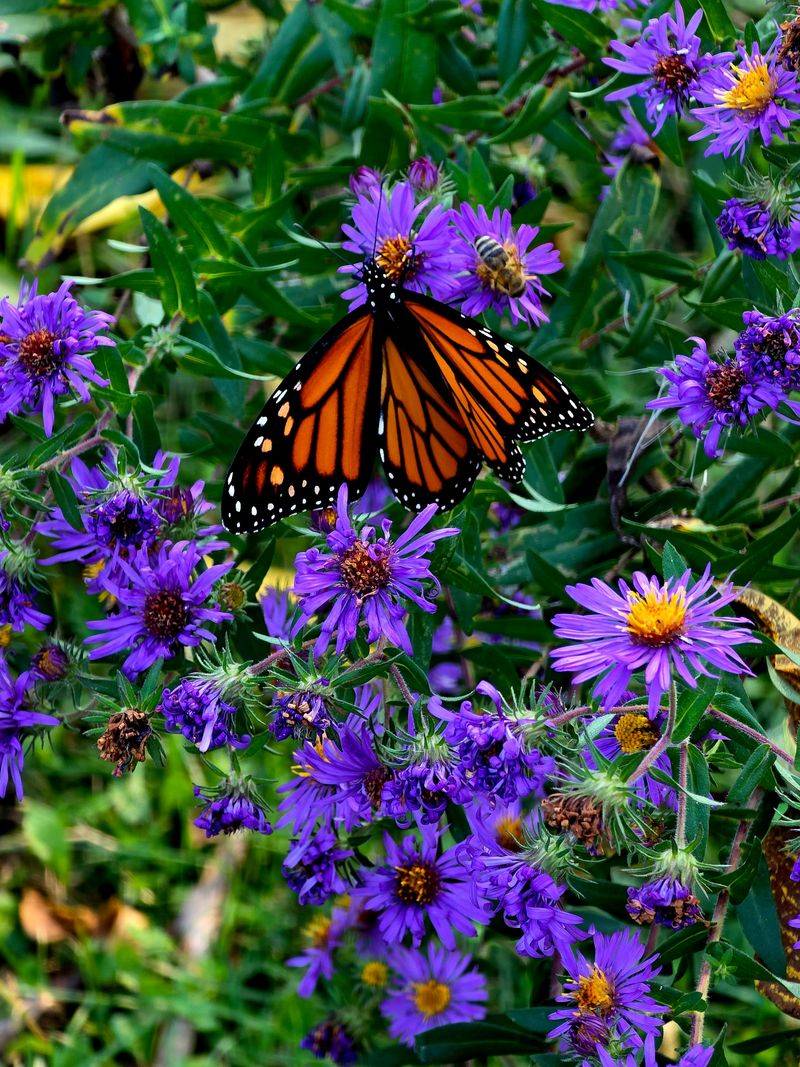
Ever tried doing anything fast on a freezing morning? Monarchs feel that struggle in a big way during October.
Butterflies are cold-blooded, so their bodies match the air around them. They usually need temperatures above about 55 degrees to fly well.
On cool mornings, you may see them basking with wings spread wide. They are soaking up sunshine like tiny solar panels before taking off.
That leaves a shorter window each day for feeding and flying. Late morning through mid-afternoon becomes prime time at your aster patch.
So when the sun pops out, the garden can suddenly fill with activity. Warm hours matter, and the butterflies seem to know it.
Gardeners can help by thinking about where warmth collects. A south-facing bed near a wall or fence heats up faster and stays cozy longer.
Flat stones placed near your asters give butterflies a warm spot to bask. Dark rocks soak up heat and release it slowly through the afternoon.
Shelter from wind matters too. Shrubs or tall grasses on the north side of a bed block chilly gusts and create a calmer pocket.
Watch the forecast for those golden autumn afternoons. They are perfect for butterfly watching, and a cup of cider makes the experience even better.
Note the temperature when the first visitors arrive each day. You will start predicting their schedule like a seasoned airport controller.
7. Many Fall Visitors Feed On Asters Besides Monarchs
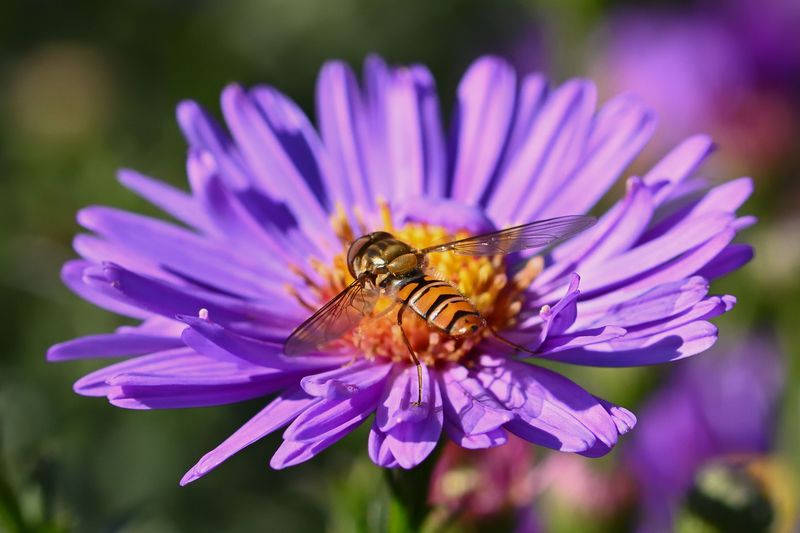
Monarchs get most of the fame, but they are not dining alone. Your asters are probably hosting a lively mix of guests right now.
Bumblebee queens load up on aster nectar and pollen before winter. Only queens survive the cold, so this meal truly matters.
Painted ladies, common buckeyes, and cloudless sulphurs may also stop by. Some of these butterflies are migrating south too, just with less publicity.
Hover flies, small native bees, and even some wasps visit regularly. Each one plays a part in the late-season garden food web.
Native asters have a long history with these insects. Groups like the Xerces Society recommend them as some of the best fall plants for pollinators.
Non-native mums look pretty on the porch, but they offer less nectar. Many are bred for big petals rather than useful nectar.
If you want maximum activity, choose species that grow wild in New Jersey. New England aster, New York aster, and smooth aster are great picks.
Local garden centers and native plant sales often stock them in spring and fall. Ask for straight species when possible, since some fancy varieties offer less.
Spend ten quiet minutes beside your blooms on a warm day. You might be amazed how many different creatures share one patch of purple.
8. Your Yard Can Become A Reliable Rest Stop
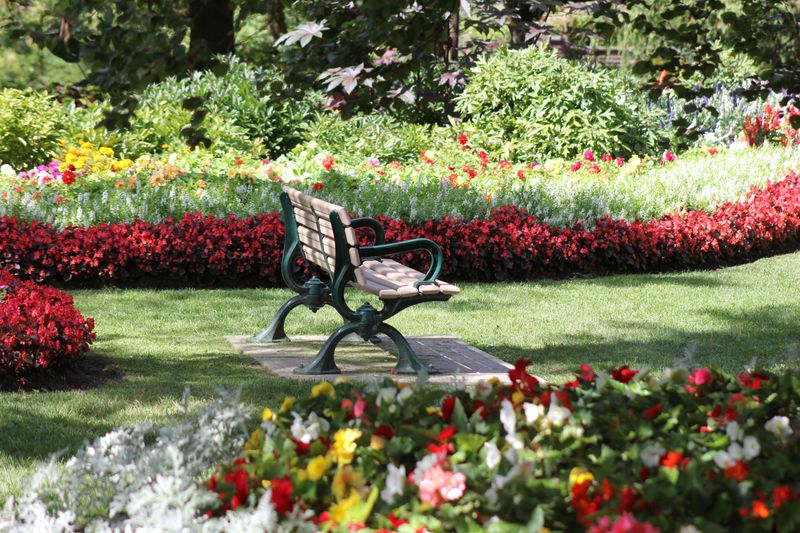
Monarch numbers in eastern North America have dropped sharply since the 1990s. Habitat loss, pesticides, and a changing climate are among the reasons why.
That makes backyard stops more valuable. A few smart choices can turn your garden into a dependable fall refuge.
Start by leaving asters standing after they finish blooming. Seed heads feed birds, and standing stems shelter overwintering native bees.
Add milkweed for next year’s caterpillars, since it is the only plant they eat. Common, swamp, and butterfly milkweed all grow well in New Jersey.
Plan for blooms from spring through fall so traveling butterflies find food at every stage. Asters and goldenrod anchor the season’s final chapter beautifully.
A shallow dish of damp sand can make a handy drinking spot. Butterflies sip minerals from wet soil in a habit called puddling.
Consider registering your yard as a Monarch Waystation through Monarch Watch. Their guidelines are free to read online, and a posted sign can inspire neighbors.
Some families even tag monarchs as part of citizen science programs. Tiny stickers on the wings help researchers track where butterflies end up in Mexico.
Share extra aster divisions with friends each spring. More gardens along the route mean more safe stops for travelers heading south.
Next October, your asters could be busier than ever. That is a worthwhile reward for letting a few flowers grow a little wild.