Spider Crickets Are Turning Up In Georgia Basements And Garages This Fall
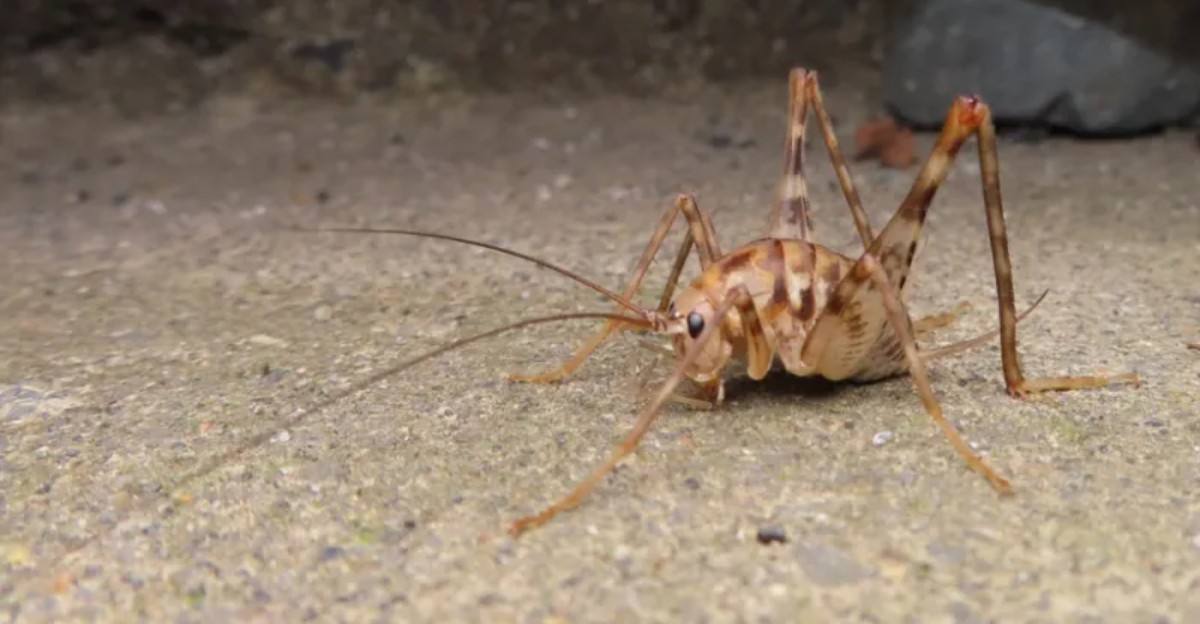
Something leaping straight at you when you flip on the garage light is enough to make anyone jump back.
Spider crickets, also called camel crickets, have long legs and humped backs that make them look stranger than they are.
They cannot bite or sting, and they are not dangerous to you or your pets. Their habit of jumping toward movement is mostly a clumsy attempt to escape.
Fall often brings more of them indoors as they look for damp, sheltered places to wait out cooler weather.
Basements, crawl spaces, and garages tend to offer exactly what they want. Large numbers can also point to a moisture issue worth fixing for other reasons.
Many homes in Georgia see them every year, but a few simple changes can keep the numbers down.
1. That Humpbacked Jumper In The Garage Isn’t A Spider At All
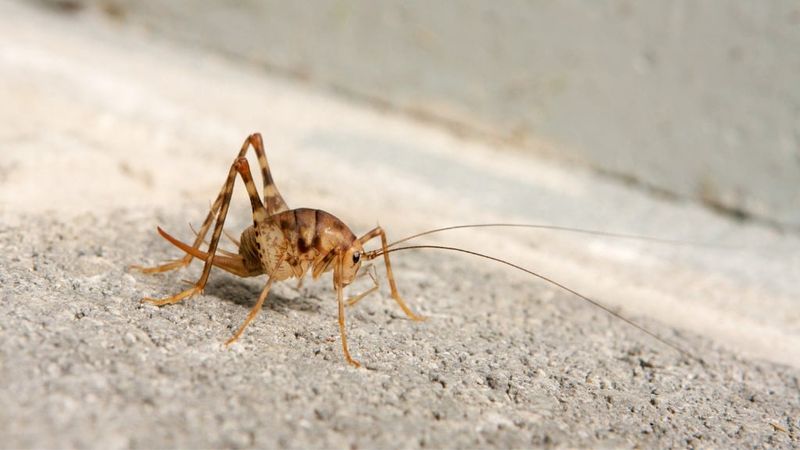
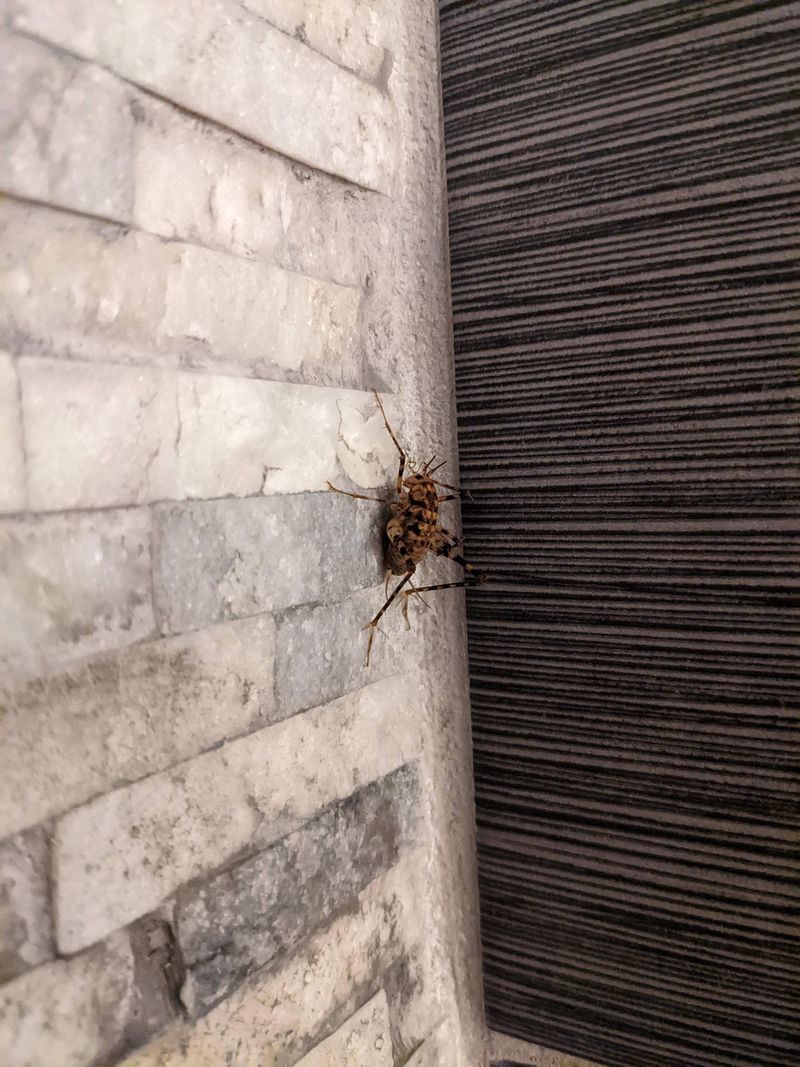
Look closely and you will spot six legs, not eight. Spider crickets are insects in the camel cricket family, so they are related to grasshoppers and other crickets rather than spiders.
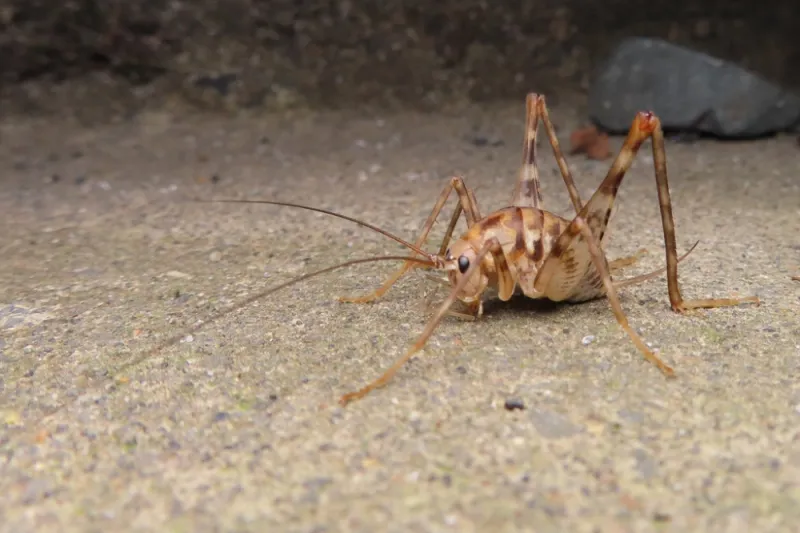
Their arched, humped back is one of the easiest clues to watch for when you see one hopping across the floor.
Most of the ones found in homes are light to dark brown, often with a mottled or banded pattern. Some homeowners in Georgia notice an introduced Asian species in their homes, while native camel crickets also turn up in damp places.
Wings are missing on these crickets, which surprises people who expect cricket chirping.
Since they lack the wing parts other crickets use to make sound, spider crickets stay quiet. That silence is why they can go unnoticed in a garage until someone moves a box and several jump out.
Size can vary quite a bit between young and adult crickets.
Smaller nymphs look like tiny versions of the adults and grow larger as they shed their skin over time. If you find a mix of sizes, that can be a sign they are living and breeding nearby rather than just wandering in.
Snapping a quick photo before reacting helps with identification. A local Extension office can confirm what you found if you are unsure.
2. Long Legs And Antennae Give Them A Spidery Look
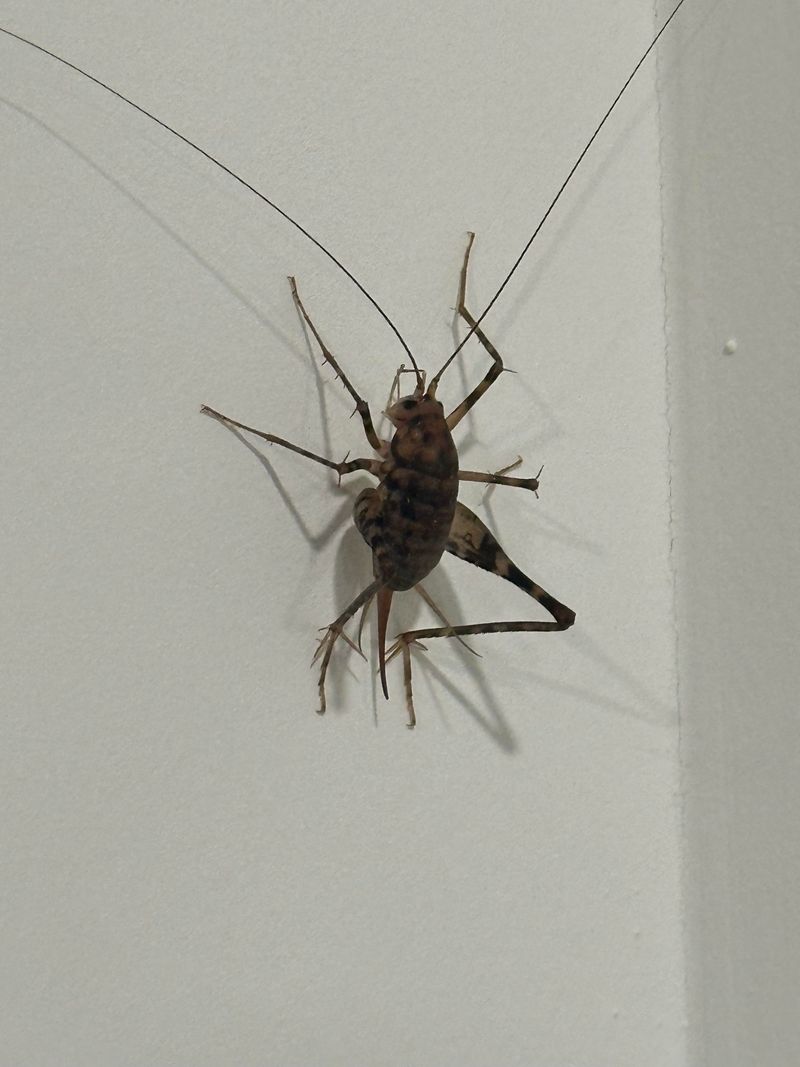
Picture a tiny body sitting on stilts. That is the first impression a spider cricket gives, and it explains the nickname better than anything else.
Their hind legs are large and powerful, built mainly for jumping rather than walking.
Thin front and middle legs stretch out to the sides, which creates a sprawling outline. In a dim corner, that shape can look a lot like a spider, especially from a few feet away or out of the corner of your eye.
Antennae add to the effect in a big way.
On many spider crickets, the antennae are long, sometimes longer than the body itself. They wave and sweep constantly, which helps the insect sense its surroundings in the dark places it prefers.
Movement also plays a role in the confusion. A spider tends to crawl, while these crickets usually sit still and then spring suddenly.
Your Georgia Garden Changes Every Week. Your Plan Should Too.
Gardening in Georgia changes quickly throughout the season. Every Friday you’ll receive a simple weekly plan showing exactly what to plant, prune, fertilize, harvest, and protect so you never miss the right timing.
If you count body parts, the difference becomes clear quickly.
Spiders have two main body sections and no antennae, while crickets have three sections plus antennae. Once you notice that, the spooky look fades fast for most people.
Homeowners in Georgia often report them clinging to walls near the floor in basements. Seeing them up close in good light usually makes them seem less alarming and more like the odd little crickets they are.
3. Unpredictable Leaps Are A Startle Response, Not An Attack
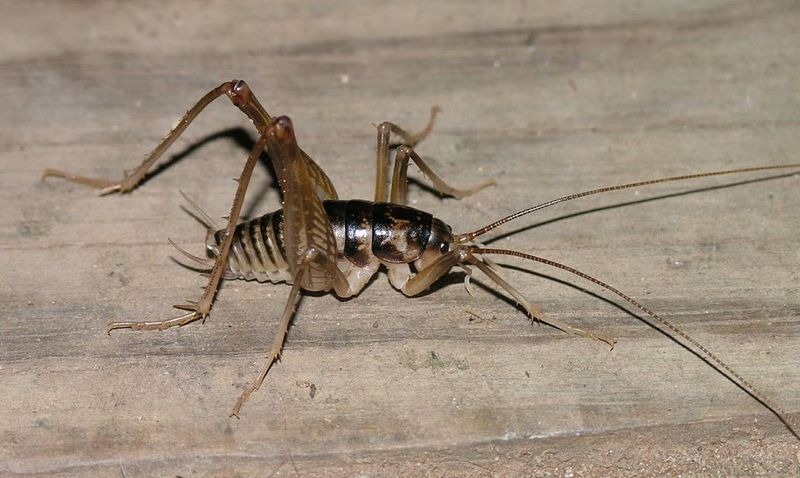
Nobody enjoys a cricket landing on their sock. Still, that sudden jump toward you is almost certainly a panic move, not an act of aggression.
When a spider cricket senses vibration, light, or movement, its main defense is to leap away from the threat.
Poor eyesight and a cramped space can send it flying in random directions. Sometimes that direction happens to be right at your legs, which feels personal even though it is not.
Some people believe the crickets jump at them on purpose to scare them off. A simpler explanation fits better, since jumping is the cricket’s quickest escape when something large moves nearby.
Staying calm makes cleanup much easier.
Moving slowly when you enter a dark garage or basement can reduce how many crickets spring at once. Turning on a light first and pausing for a moment gives them a chance to scatter on their own.
Wearing closed shoes in storage areas also helps if the jumps bother you.
A broom and dustpan or a vacuum works well for removing a few crickets without chasing them around the room. Across Georgia, plenty of families simply sweep them outdoors, and that is a perfectly reasonable choice.
Understanding the jump turns a jolt of fear into a small annoyance you can manage.
4. Cool, Damp, Dark Spaces Are Exactly Where They Thrive
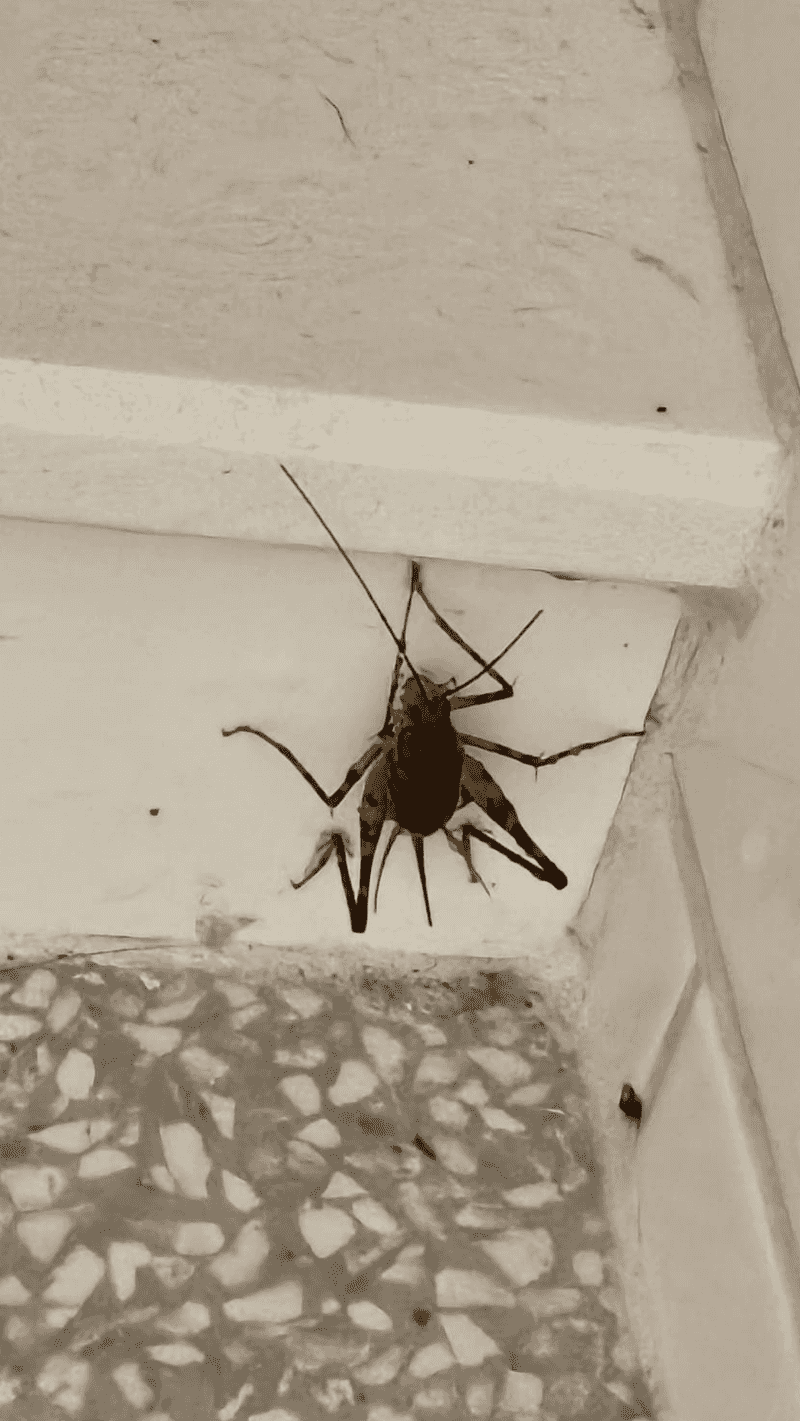
Moisture is the magnet. Spider crickets need humid conditions to stay healthy, so they gather where air stays damp and light stays low.
Outdoors, they often live under logs, stones, mulch, and leaf piles, or inside hollow trees and animal burrows.
When outdoor conditions change in fall, some wander indoors through small openings. Weather can vary from year to year, so the number you see may rise or drop depending on rain and temperatures.
Inside the house, basements, crawl spaces, and garages tend to match what they like best.
Look near water heaters, washing machines, sump pumps, and utility sinks. Leaky pipes and condensation can create just the right humid pockets for them to hide and feed.
Clutter gives them more places to tuck away during the day. Cardboard boxes, stacked newspapers, and piles of old clothes are common hiding spots.
Georgia’s humid climate can make these areas especially inviting, particularly in homes with older foundations or poor drainage.
Moving stored items onto shelves and switching to sealed plastic bins can cut down on hiding places. Clearing mulch, firewood, and leaf piles away from the foundation may also reduce how many crickets live close to your walls.
Fixing small leaks is one of the most useful steps you can take. Less water usually means fewer crickets over time.
5. They Don’t Bite Or Sting And Usually Cause Little Indoor Damage
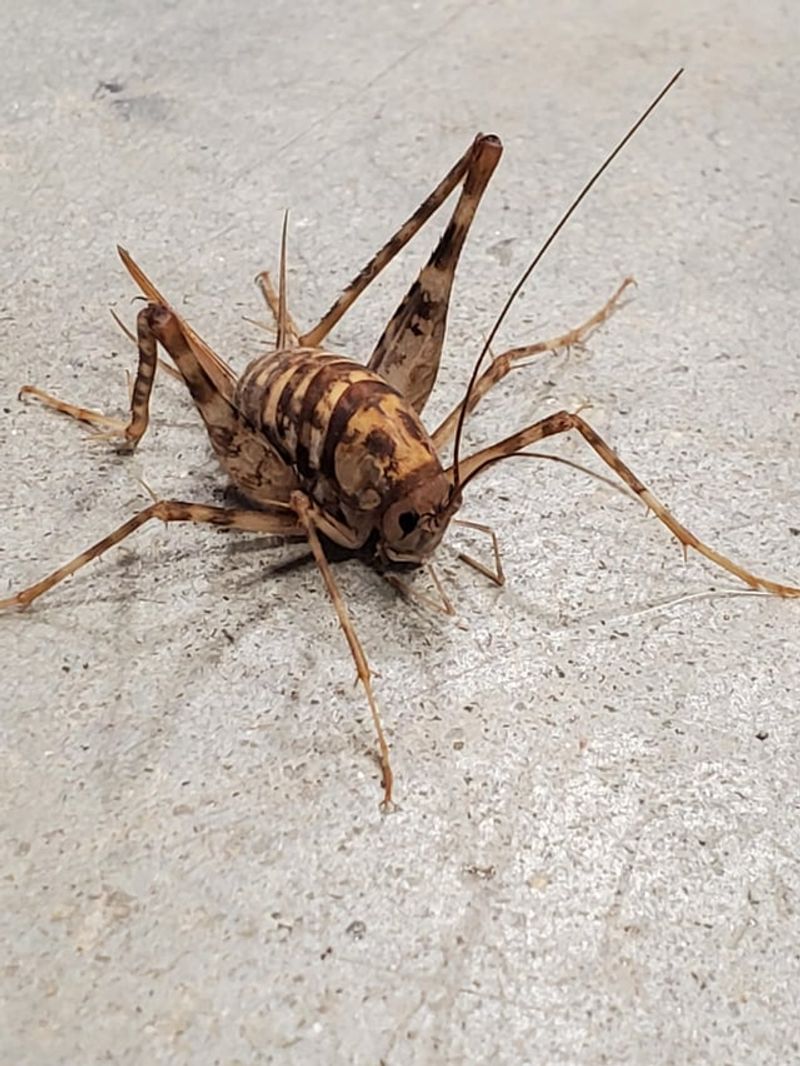
Here is some welcome news. Spider crickets are not known to bite people, and they have no stinger at all.
They also are not considered carriers of human disease, which makes them more of a nuisance than a health worry.
Damage indoors is usually minor. Since they are scavengers, they nibble on things like fungi, plant material, and other insects, plus a range of organic debris.
Large groups can occasionally chew on stored fabrics, paper, or cardboard, especially when those items are damp.
Most homes never see that kind of harm, but heavy numbers in a soggy basement raise the chances. Keeping stored items dry and off the floor is a simple way to protect things you care about.
Pets and kids may be curious about them.
A dog or cat swatting at a spider cricket is generally not a cause for alarm. Still, it makes sense to avoid using insect sprays where pets or children play, and to follow every label carefully if you do use a product.
Across Georgia, crickets that wander into living spaces often do not last long, since those rooms are usually too dry for them. Finding one in a bedroom does not mean the whole house is overrun.
Treat them as a sign of moisture to fix rather than a danger to fear.
6. Running A Dehumidifier Makes Basements Less Welcoming
Dry air changes everything. When a basement loses its damp feel, spider crickets lose one of their main reasons to stay.
A dehumidifier pulls moisture from the air and can make lower levels noticeably less inviting to them.
Choosing the right size matters. Larger or very damp spaces may need a unit rated for more capacity, so check the label and match it to your room.
Emptying the bucket regularly keeps the machine working, unless you set it up to drain into a floor drain or sump.
A simple humidity meter, often called a hygrometer, helps you see whether the space is actually drying out. Many experts suggest keeping indoor humidity moderate, though the best setting can depend on your home and the season.
Results will not be instant.
Lowering moisture may take some time, and a dehumidifier alone might not solve a heavy problem. Pair it with fixing leaks, improving airflow, and making sure gutters and downspouts carry water away from the foundation.
Homeowners in Georgia often run dehumidifiers through much of the year because summers stay muggy. In fall, keeping one going can still help as crickets look for sheltered spots indoors.
Ventilating a crawl space or adding a vapor barrier is another option worth discussing with a contractor. Those upgrades can help with other moisture issues too.
7. Sealed Gaps And Sticky Traps Keep Numbers Down
Small cracks invite big visitors. Spider crickets slip in through gaps around doors, windows, vents, and spots where pipes or wires enter the house.
Walking around your foundation with a flashlight is a smart way to find those openings.
Caulk works well for narrow cracks, while weatherstripping and door sweeps help close gaps under doors. A garage door with a worn bottom seal is a common entry point, and replacing that seal can make a real difference.
Screens on vents and crawl space openings add another layer of protection.
Sticky traps, sometimes called glue boards, are a popular low-effort tool. Place them along walls and in corners, since crickets tend to travel along edges.
Checking the traps every week or so shows you where activity is heaviest.
That information helps you focus on the right spots for sealing and drying. Keep traps out of reach of pets and children, because the glue can stick to fur and skin.
Some people consider insecticides, but they are usually not the first step for a nuisance like this. If numbers stay high in your Georgia home after sealing and drying, a licensed pest professional can suggest options that fit your situation.
Steady upkeep tends to work better than a one-time fix. Recheck seals each fall as the weather cools.