Georgia Perennials Stressed By Summer Heat Need Careful Cleanup This Fall
Coneflowers with scorched leaves and daylilies flattened by August heat can make a perennial bed look ready for a full reset. Cutting everything down to the ground feels like the fastest way to start fresh.
Hold that thought for a moment, because plants that struggled all summer often need a gentler approach.
Heat stress can drain some of the energy perennials would normally store up before winter.
Even tired-looking leaves can still feed the roots for a few more weeks while the weather slowly cools.
Some foliage is worth removing now, especially anything spotted with disease. Other growth is better left alone through winter, and telling the two apart is where many Georgia gardeners slip up.
Tidy beds in October do not always lead to stronger, fuller plants in spring.
1. Tired, Scorched Foliage Tempts Gardeners To Cut Everything Down
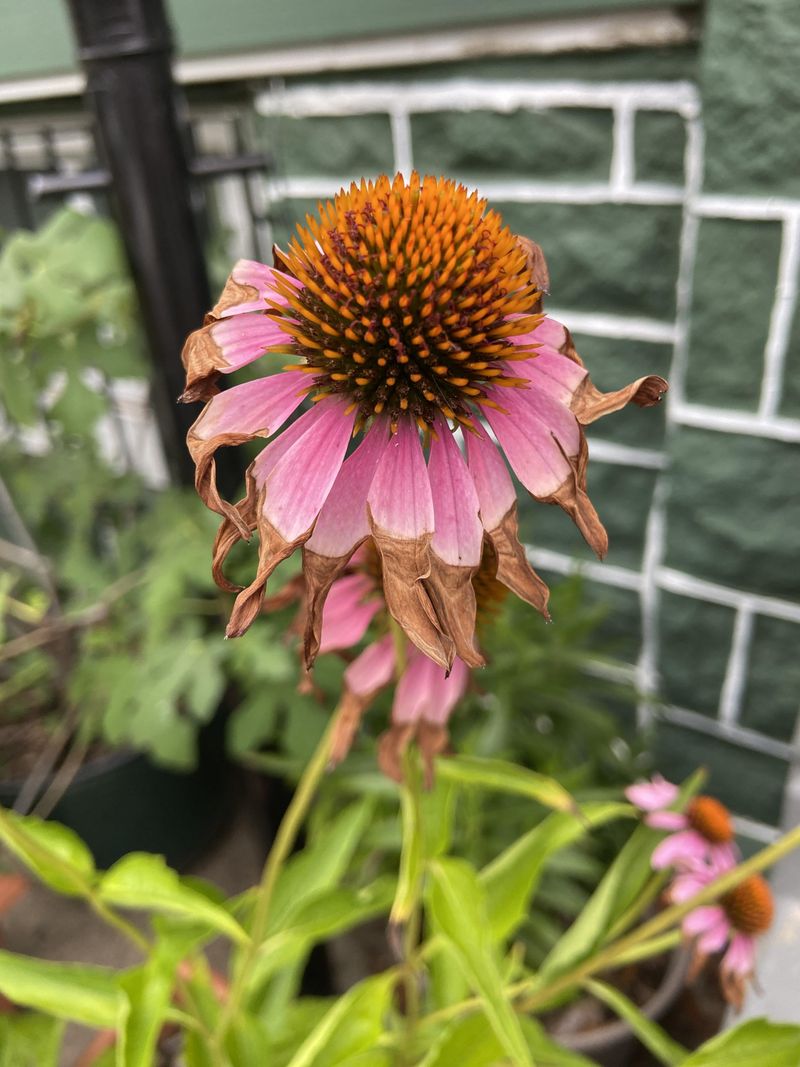
Brown, crunchy leaves make a garden look finished long before it actually is. After a hot Georgia summer, that worn-out look can push even patient gardeners toward a full cutback.
Hold off on clearing the whole bed in one afternoon.
Scorched foliage is often a sign of heat and drought stress, not a plant in serious trouble. Roots and crowns below the soil may still be healthy and storing energy for next year.
Leaves that still have some green can keep making food for the plant into fall. Removing them early may take away a source of energy the plant could still use.
A better approach is to sort plants by condition instead of cutting on autopilot.
Fully brown, flattened foliage on plants like daylilies or hostas can usually be trimmed once it has collapsed. Leaves with green color can stay until frost or until they fade naturally.
Watch for signs of disease or pests while you look things over, since those leaves need different handling.
Consider the look you can live with, too. A slightly messy bed in October is normal, and it often supports more life than a bare one.
Results vary by plant type, soil, and rainfall, so treat each clump on its own terms rather than following one rule for the entire yard.
2. Removing Mildewed Or Spotted Leaves Lowers Disease Pressure Next Year
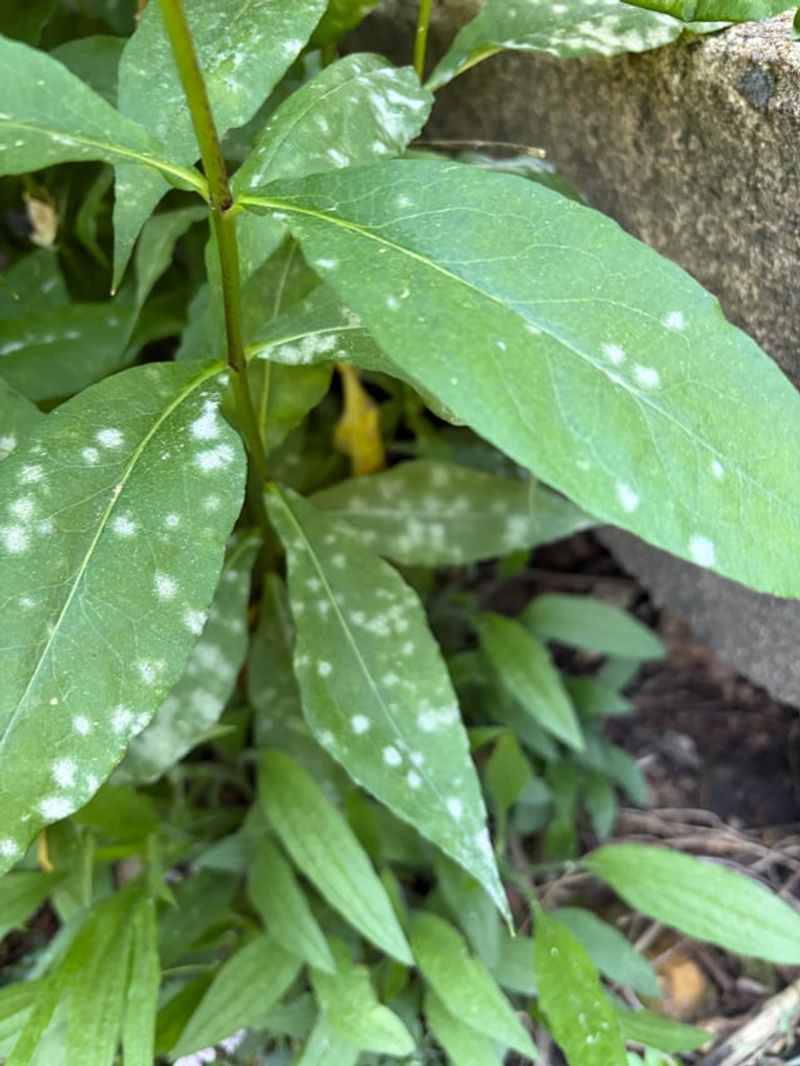
Powdery white coating on phlox or bee balm is hard to miss by late summer. Humid weather creates good conditions for fungal problems on a range of perennials.
Leaf spot diseases and mildew can leave spores on fallen foliage, and some of them may carry over to the next season. Cleaning up infected leaves is a simple way to reduce that source.
Gather affected leaves from the plant and from the ground around it.
Bag them or send them out with yard waste. Home compost piles often do not get hot enough to break down disease organisms reliably, so many Extension experts suggest keeping sick foliage out.
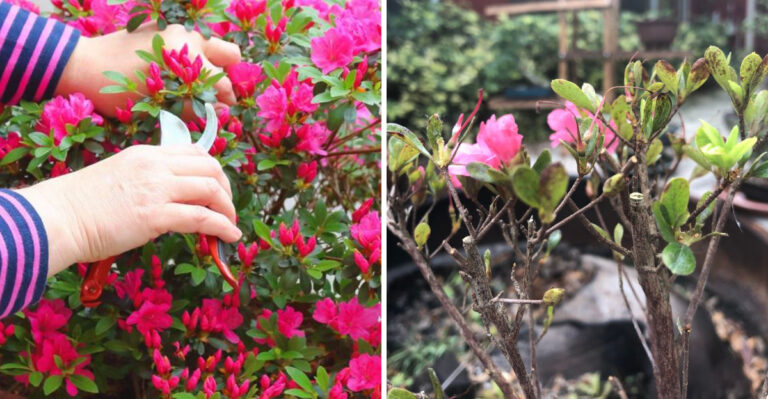
Clean your pruners between plants when you are cutting diseased stems.
Rubbing blades with a household disinfectant helps limit spreading problems from one clump to another. Let the tools dry before you put them away.
Your Georgia Garden Changes Every Week. Your Plan Should Too.
Gardening in Georgia changes quickly throughout the season. Every Friday you’ll receive a simple weekly plan showing exactly what to plant, prune, fertilize, harvest, and protect so you never miss the right timing.
Cleanup alone will not solve every issue. Weather, air flow, and plant variety all affect how much disease shows up next year.
If the same plant struggles every summer, think about thinning nearby growth for better air movement or choosing mildew-resistant cultivars. Your county Extension office in Georgia can help identify a specific leaf problem if you are unsure what you are seeing.
3. Seed Heads On Coneflowers And Black-Eyed Susans Feed Finches
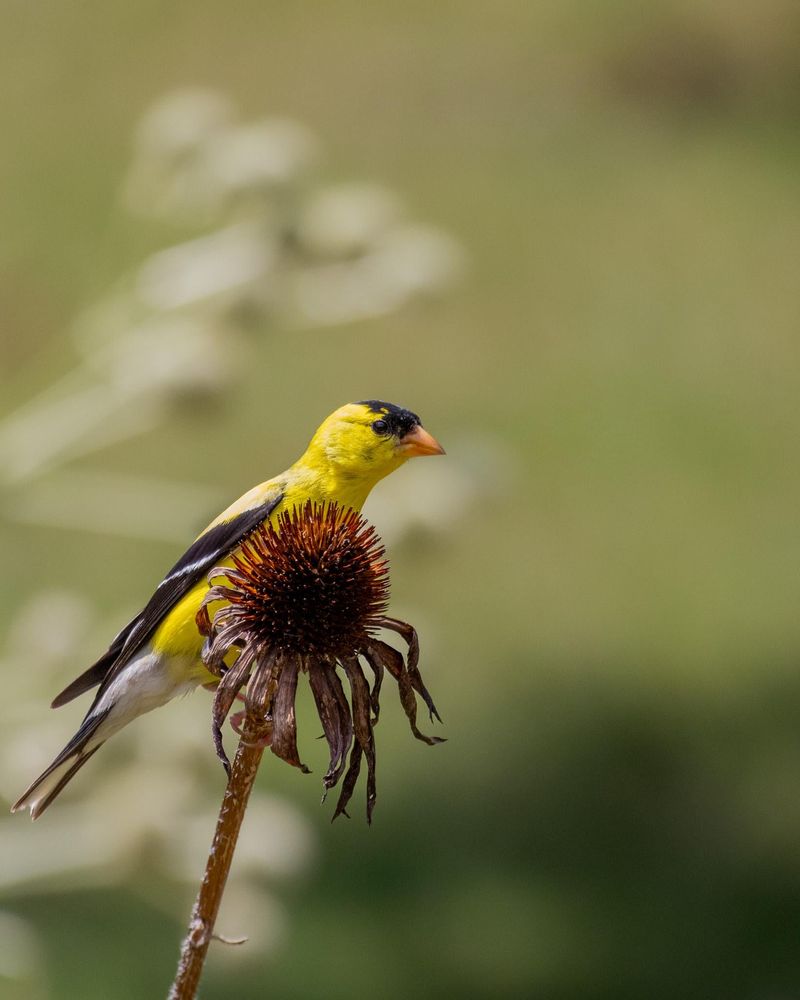
Spiky brown cones look scruffy to some people, but goldfinches see a snack bar. Purple coneflowers and black-eyed Susans both hold seeds that small birds will pick at through fall and into winter.
Leaving those seed heads standing is one of the easiest wildlife-friendly choices you can make.
American goldfinches are year-round residents across Georgia, and they are well known for visiting coneflower seed heads. Other seed-eating birds may stop by too, depending on your neighborhood and nearby habitat.
You do not need to keep every stem.
Trim any that are flopping onto paths or look diseased, and leave the sturdy ones upright where birds can perch. A few clusters near a window make the visits easy to enjoy.
Expect some reseeding as a side effect. Black-eyed Susans in particular may scatter seedlings around the bed, which some gardeners welcome and others pull out in spring.
Bird activity varies from year to year, so a quiet patch does not mean you made a mistake.
Once the seed is mostly gone or stems collapse in late winter, cut them back before new growth starts. That timing gives birds a long window to feed while keeping the bed tidy for spring.
4. Hollow Stems Left Standing Shelter Native Bees Over Winter
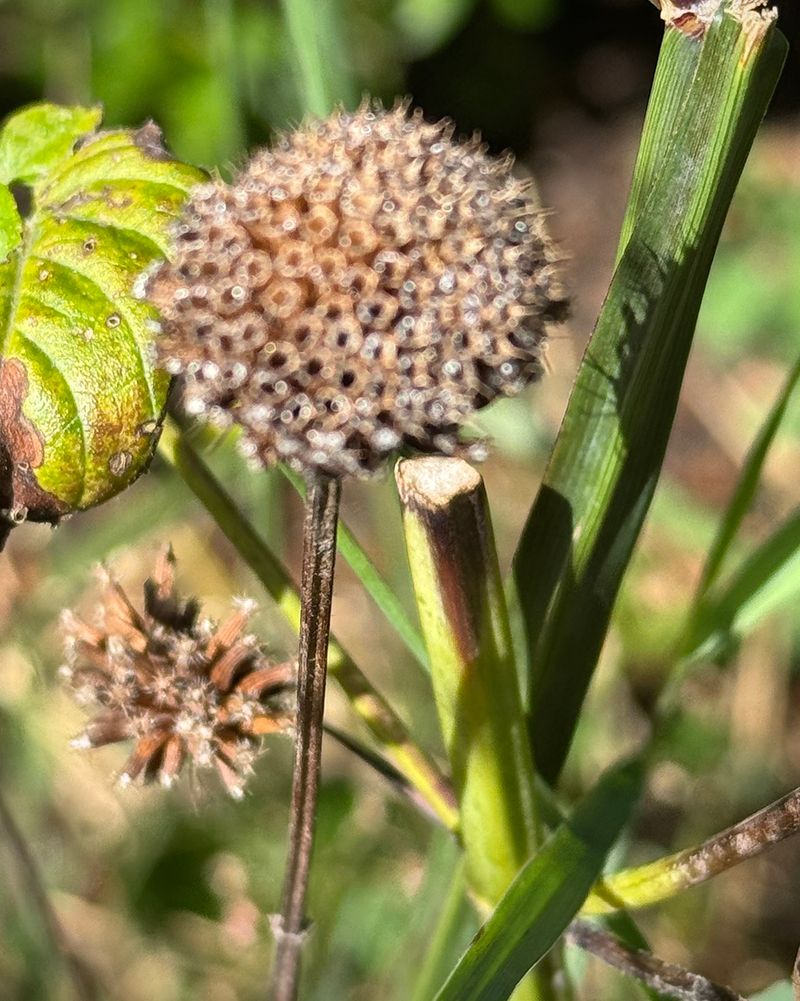
Some of the busiest pollinators in your yard never visit a hive. Small native bees, such as certain mason bees and small carpenter bees, nest inside hollow or pithy plant stems.
Standing stems can give these insects a protected place to spend the cold months.
Plants like bee balm, Joe Pye weed, and some native sunflowers produce stems that may work for nesting. Not every stem gets used, and activity depends on local bee populations.
One helpful trick is to leave stems at varied heights, roughly knee-high or a bit taller.
New spring growth often hides the old stubs, so the bed still looks fresh. Bees that nest the following season may use those cut ends as well.
Avoid shredding or burning the stems you plan to leave. Pulling them out in early spring could disturb insects that have not yet emerged.
Georgia gardeners in neighborhoods with strict appearance rules can still help. Keep a less visible corner or a back border with standing stems while tidying the front walk.
Patience is the main cost here, and it is a small one.
When spring arrives, let old stems stay in place or set cut pieces in a quiet spot rather than bagging them right away. That gives late emerging insects a better chance to leave on their own.
5. Some Tender Perennials Are Better Left Unpruned Until Spring
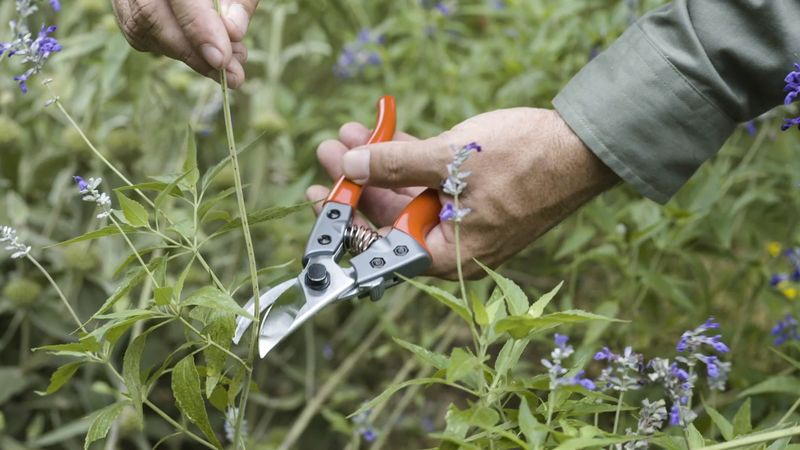
Pruning too early can leave a borderline-hardy plant more exposed to winter cold. Plants such as lantana, some salvias, and Mexican petunia often come through winter better when old stems stay in place.
Gardeners commonly believe the old growth offers some protection to the crown, though results are not certain.
Fall pruning may also encourage tender new growth if warm days follow. That soft growth can be damaged by the next frost, which adds stress the plant did not need.
Location makes a big difference here.
In north Georgia and the mountains, winters are colder, and plants that act as perennials farther south may struggle. Near the coast, the same plants often return with less trouble.
Wait until new growth appears in spring before cutting back. You can then see which stems are healthy and which ones did not make it through.
Scratch a stem lightly with a fingernail if you are unsure.
Green tissue under the bark suggests that part is still alive, while brown and dry tissue usually means it can come off. Cut back to just above healthy growth and remove any brittle tips.
Plant labels and local nursery staff can help confirm hardiness for your specific variety and zone.
6. Weakened Clumps May Need A Season Of Rest Before Dividing
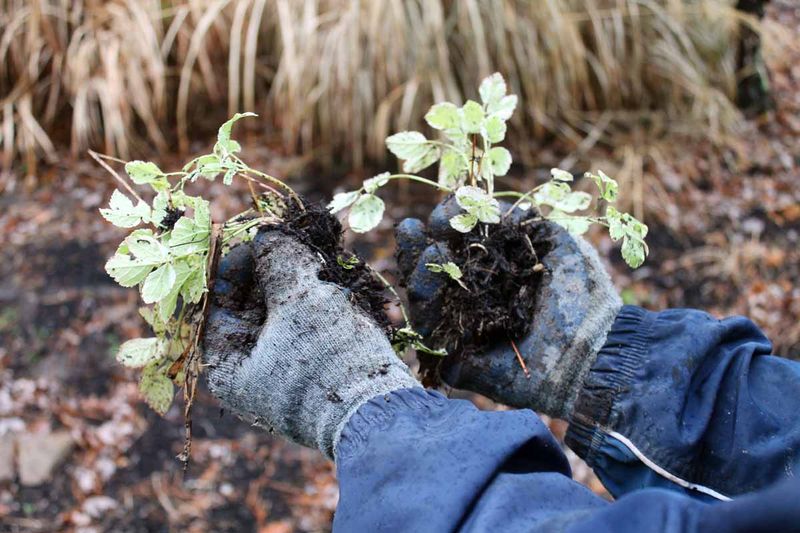
Dividing a stressed plant is a bit like asking a tired runner to sprint again. Fall can be a good time to divide many perennials, but a clump weakened by drought may not be ready.
Root systems that struggled all summer often have less stored energy.
Splitting them into smaller pieces could leave each section with limited reserves to settle in before winter. Waiting a season may give the plant time to rebuild strength.
So how can you tell? Look for thin growth, small leaves, few blooms, or a clump that shrank since last year.
Healthy, crowded clumps with a bare center are often better candidates, though that center pattern can have other causes too. Firm roots and plenty of new shoots are good signs.
Steady watering during dry fall spells can help a weak plant recover.
Skip heavy fertilizer late in the season, since it may push soft growth at the wrong time. A light layer of compost on top of the soil is a gentler option.
Spring division can work well for some plants that seem worn out now. Timing varies by species, so check guidance for each one, especially for spring bloomers that are usually divided after flowering.
Georgia gardeners have options, and a short delay rarely hurts.
7. Mulching After The Soil Cools Protects Crowns Through Winter
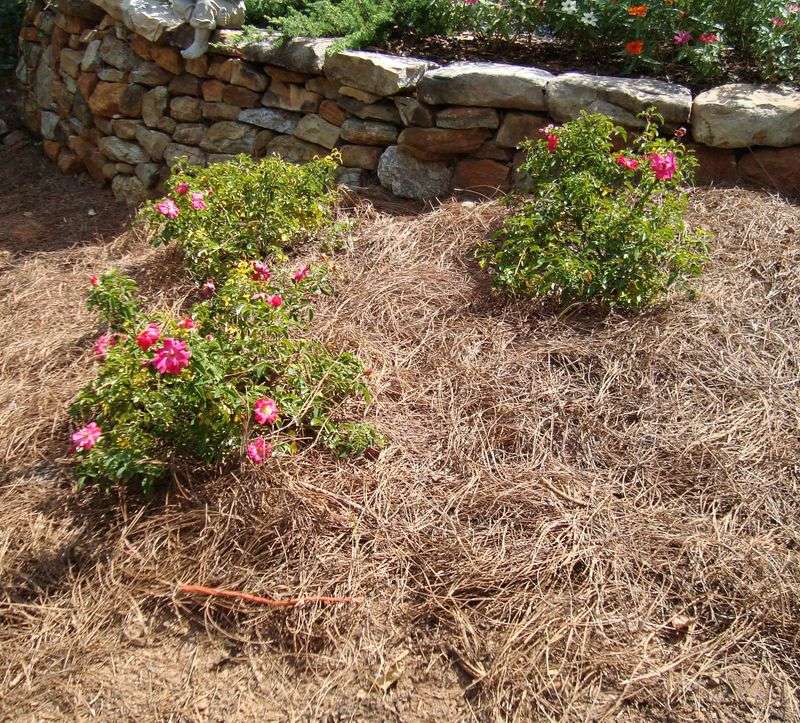
A blanket of mulch works best when it goes down at the right moment. Spreading it after the soil has cooled helps hold steady temperatures around plant crowns during winter.
Freezing and thawing cycles can heave shallow-rooted perennials partly out of the ground.
Mulch slows those swings by keeping the soil temperature more even. Results depend on your soil type, drainage, and how much cold your area gets.
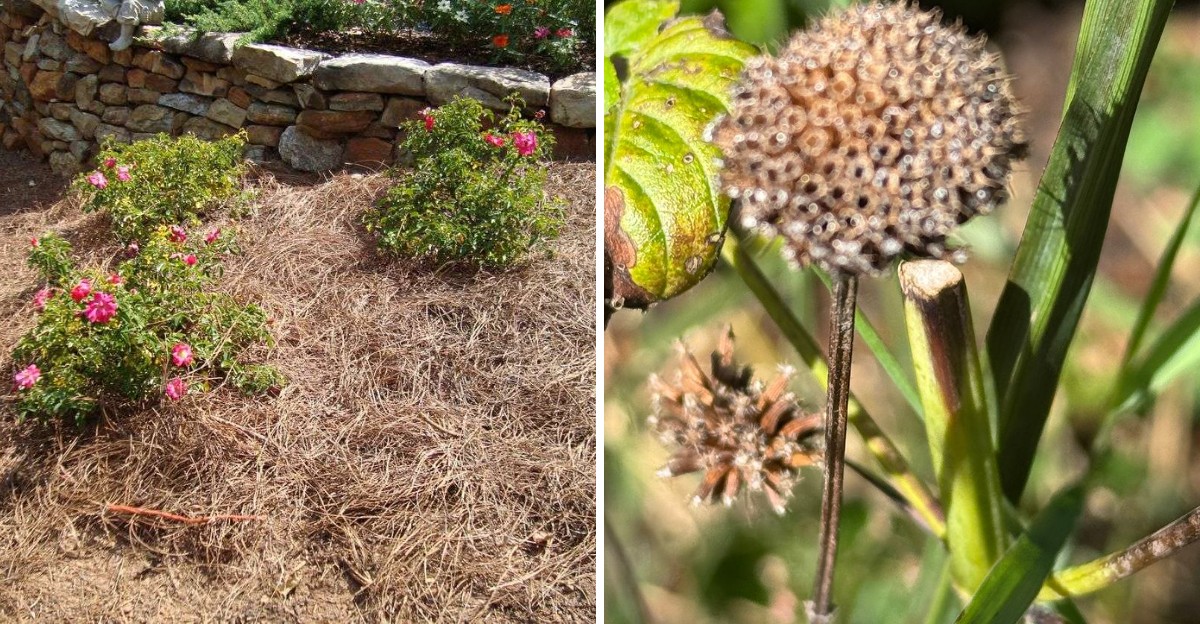
Pine straw is a popular choice in Georgia because it is easy to find and lets water pass through. Shredded leaves and pine bark also work well in most beds.
Keep the layer moderate, usually a couple of inches deep.
Pull mulch back slightly from the crown itself so it does not sit against the stems. Damp material piled right on the crown can encourage rot in some plants.
Timing shifts across the state, with cooler soil arriving earlier in the mountains than along the coast. Watching for steady cool nights is a practical cue.
Mulching too soon in warm soil may give voles and other pests a cozy place to settle.
Check beds once or twice during winter, especially after heavy rain. Replace any spots that washed away, and gently press back any plants that lifted out of the soil.