Free Boxwood Shrubs Start With A Few Snips Taken In Georgia This Fall
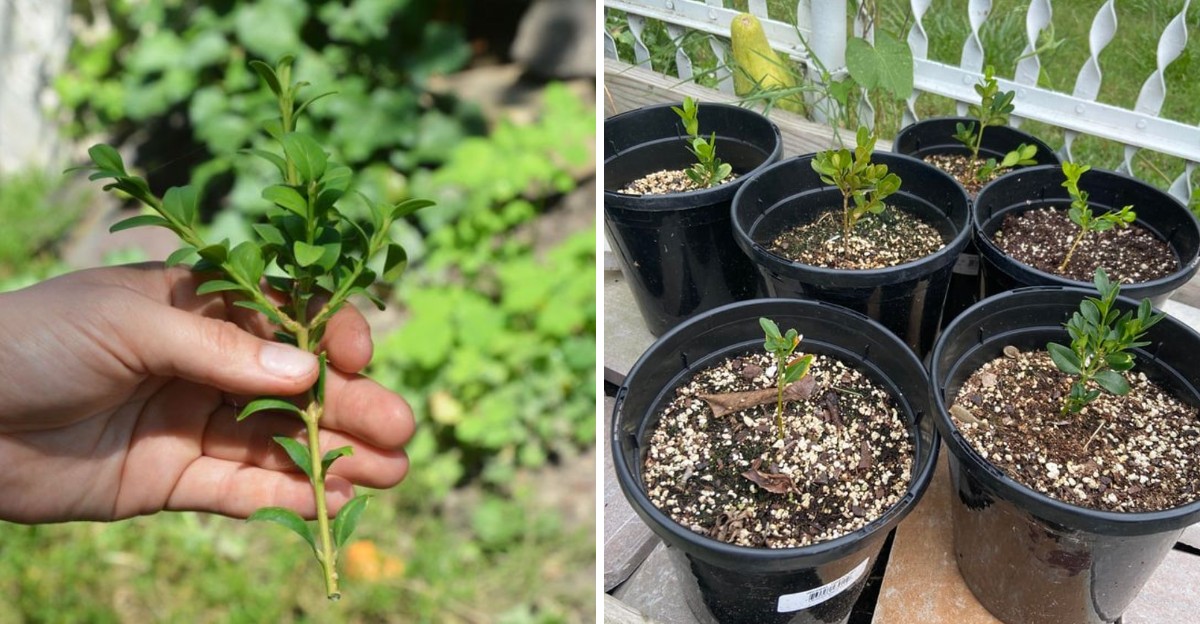
Buying enough boxwoods to line a walkway or border a bed can add up quickly at a Georgia nursery.
There is a cheaper route, and it starts with the shrubs you already have.
Boxwood cuttings taken in fall often root well, since the stems have firmed up after a season of growth. Given time and steady moisture, a short snip can turn into a small new plant by spring.
The process takes patience more than skill, which makes it a good project for the slower months.
Not every cut works the same way, though. Choosing the right stems and keeping them from drying out makes a big difference in how many actually take root.
A healthy, established boxwood in your yard could be the start of a whole new hedge.
1. Clippings From One Healthy Shrub Can Grow Into A Whole Row
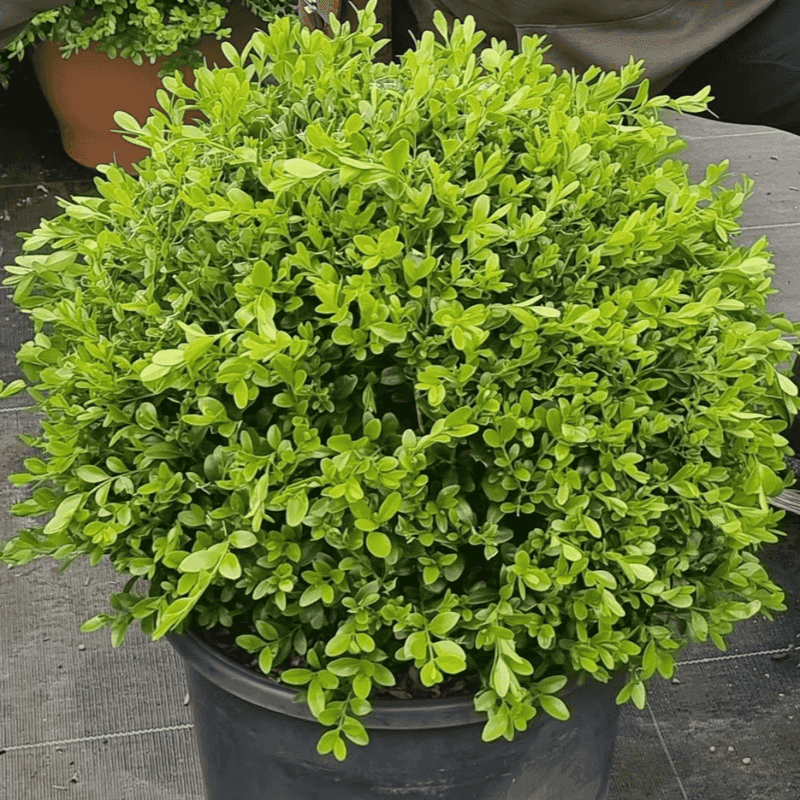
Nursery boxwoods add up fast when you need a dozen for a hedge. Yet the stems you snip off during a light fall trim already hold what a new plant needs to get started.
Each healthy cutting has leaves to make food and a stem that can form roots under the right conditions.
One mature shrub can usually spare plenty of stems without looking thin. Taking cuttings from several spots around the plant keeps its shape even and avoids leaving bare patches.
Results do vary, so plan for some losses along the way.
Boxwood is known as a slow rooter, and some cuttings may never form roots at all. Starting extra pieces gives you a cushion, so you still end up with enough young plants to fill your space.
Across much of Georgia, fall offers milder days that are easier on freshly cut stems than the summer heat.
Varieties also behave differently. Some types of boxwood root more readily than others, so your success rate may change depending on what grows in your yard.
Patience matters more than skill here. Young plants grown this way can take a year or longer to reach a size worth setting out in the landscape.
Even so, watching a small cutting grow into a sturdy shrub is a rewarding way to stretch your garden budget.
2. Firm, Mature Growth From This Season Takes Root More Easily
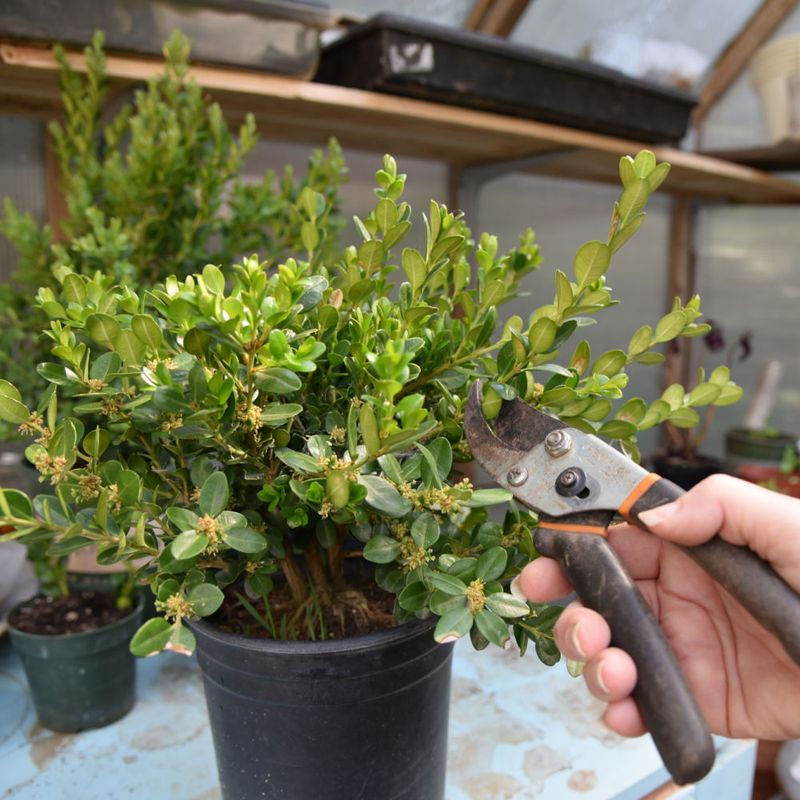
Soft green tips look tempting, but they often wilt before they ever root. Stems that have firmed up over the growing season usually hold up much better.
A quick bend test tells you a lot before you make a single cut.
Gently flex a stem between your fingers. If it bends with a little resistance and springs back, it has reached the semi-hardwood stage that gardeners usually look for.
Brand-new shoots tend to flop and droop instead.
Those tender tips lose water quickly and can collapse in a pot. Very old, woody stems sit at the other extreme, since they may root slowly or not at all.
In Georgia, this firmer growth is often ready by early to mid fall, though timing shifts between the mountains and the coast.
Your Georgia Garden Changes Every Week. Your Plan Should Too.
Gardening in Georgia changes quickly throughout the season. Every Friday you’ll receive a simple weekly plan showing exactly what to plant, prune, fertilize, harvest, and protect so you never miss the right timing.
Weather plays a role too. A late warm spell can push out fresh growth, so check each stem rather than assuming the whole shrub is at the same stage.
Morning is a handy time to collect cuttings, while stems are well hydrated.
Place each piece in a plastic bag or a damp paper towel right away. Keeping them cool and moist until planting helps them stay crisp instead of wilting on the walk back to your potting area.
3. Choose Parent Plants With No Signs Of Blight Or Leaf Spots
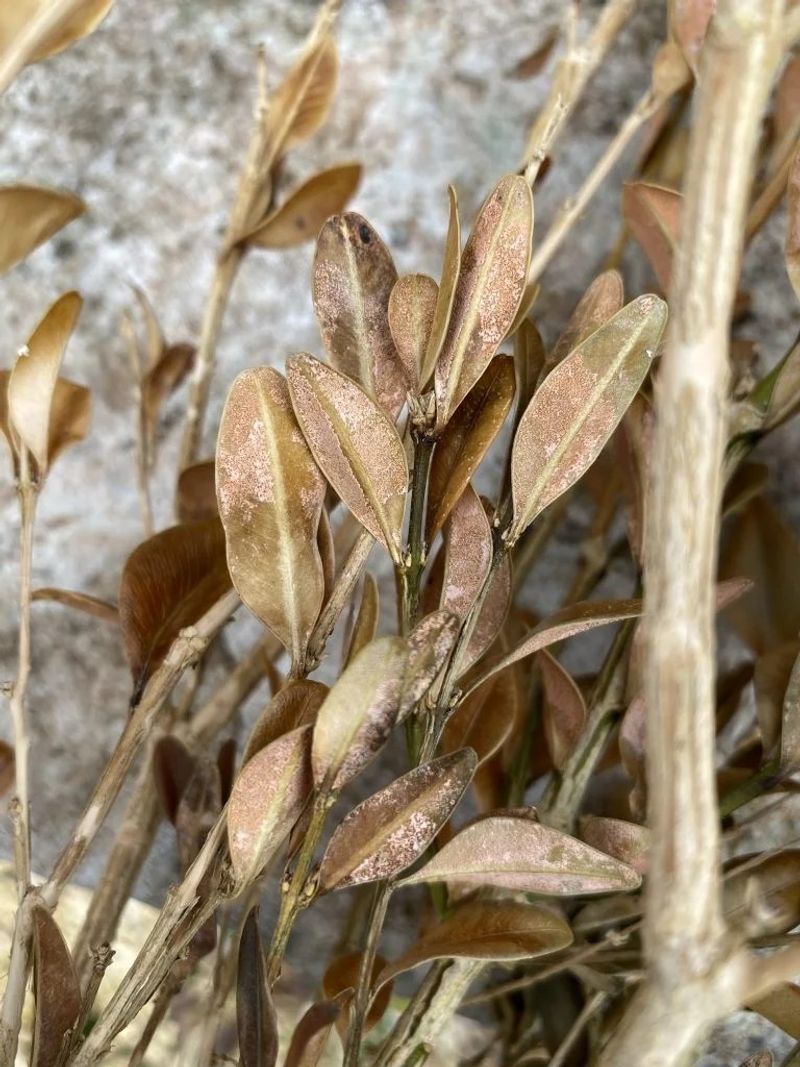
A sick shrub can quietly pass its trouble to every stem you take. Boxwood blight is a fungal disease that can spread on tools, hands, clothing, and plant material.
Before cutting anything, look closely at the leaves and stems.
Blight often shows up as dark or tan leaf spots, black streaks on stems, and sudden leaf drop. Other problems can cause similar spots, so any odd symptoms are a good reason to choose a different plant.
Healthy parents tend to have even color and dense, steady growth.
Skip shrubs with thin patches or heavy leaf loss, even if you are not sure of the cause. Pests like boxwood leafminer can also weaken a plant and leave stems less vigorous.
Clean your pruners before and after each plant. A disinfectant made for garden tools, used as the label directs, helps reduce the chance of carrying disease from shrub to shrub.
Georgia gardeners who spot suspicious symptoms can send a sample through their county Extension office for diagnosis.
Getting a clear answer protects both your cuttings and the shrubs already in your landscape. It also keeps you from spreading a problem to a friend’s yard if you share plants later.
4. Stripped Stems Dipped In Rooting Hormone Get A Better Start
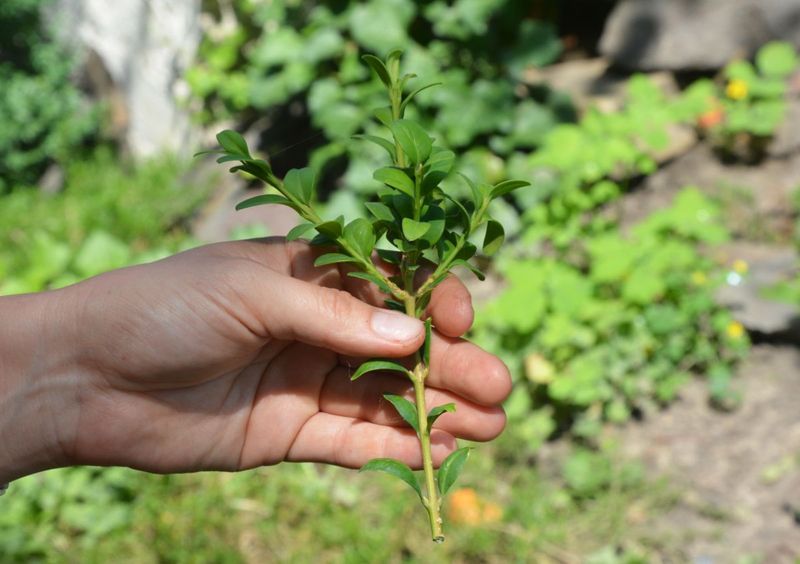
Buried leaves rarely help a cutting. On a stem about four to six inches long, the lower leaves would end up in the potting mix, where they tend to rot.
Strip those leaves from roughly the bottom third to half of the stem.
Pinch or snip them off carefully so the bark stays intact. Torn bark can create openings for decay, which is the last thing a slow-rooting stem needs.
Next, make a fresh, clean cut just below a leaf node at the base.
Rooting hormone is optional, but it may improve results with tricky plants like boxwood. Many growers use a product with indolebutyric acid, often called IBA, which comes as a powder or gel.
Pour a small amount into a separate dish instead of dipping straight into the container. Doing that keeps the rest of the product clean for future use.
Dip only the cut end, then tap off the extra. Too much hormone does not speed things up and could harm the stem.
Results still depend on variety, timing, and care. Some Georgia gardeners root boxwood without hormone at all, but a light coating is a simple step that can tilt the odds in your favor.
5. Coarse, Well-Drained Mix Keeps Cut Stems From Rotting
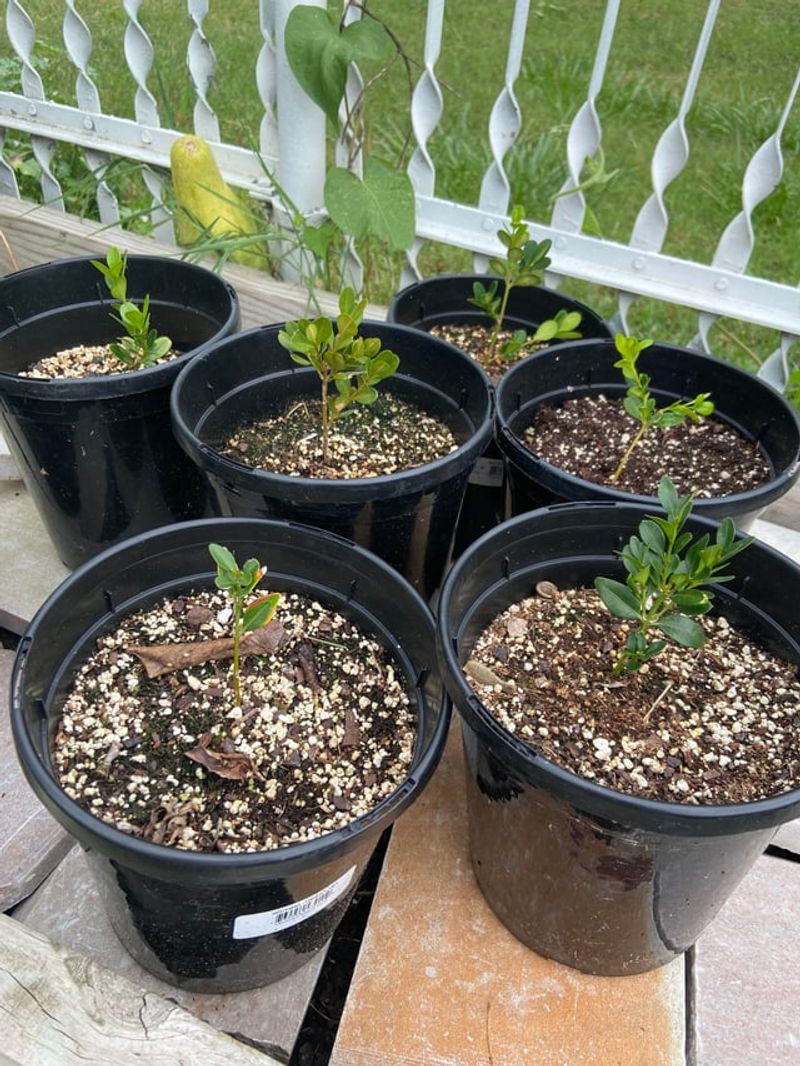
Soggy soil is the quiet enemy of a boxwood cutting. Because roots can take weeks or even months to form, wet conditions have plenty of time to cause decay.
A loose, airy mix gives stems moisture without drowning them.
Gardeners often blend perlite with peat moss or coir, or use coarse sand in place of perlite. These mixes drain freely while still holding some water around the stem.
Skip heavy garden soil, especially the dense red clay found across much of Georgia.
Clay packs tight in containers and holds too much water. It also tends to carry more fungus spores and weed seeds than a fresh soilless mix.
Choose pots or trays with drainage holes in the bottom.
Moisten the mix before planting, then poke a hole with a pencil or stick. That way the hormone stays on the stem instead of rubbing off as you push it in.
Firm the mix gently so the cutting stands upright. Space stems far enough apart that leaves are not crowding one another, which helps air move between them.
Water when the surface starts to feel slightly dry rather than on a fixed schedule. Indoor heat, sunlight, and humidity all change how fast pots dry out.
6. Bright Indirect Light And Humidity Help Cuttings Through Winter
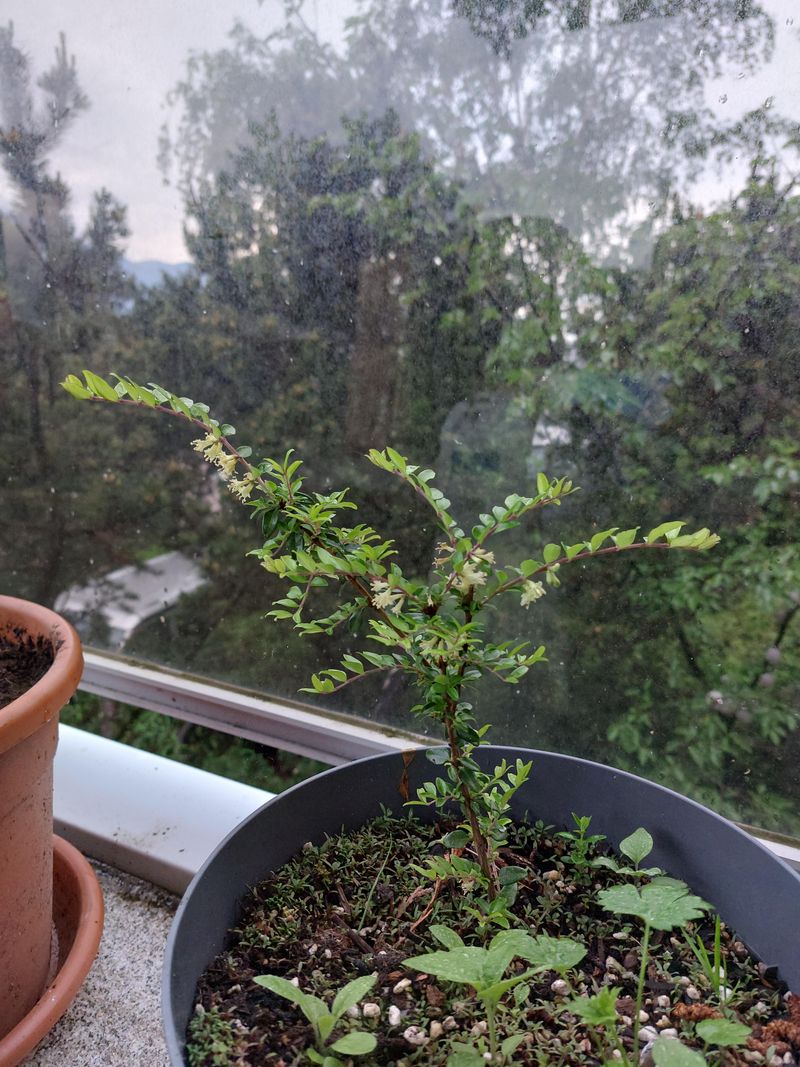
Without roots, a cutting has no easy way to replace lost water. Keeping moist air around the leaves helps slow that loss while new roots slowly form.
A clear plastic dome, a bag tented over the pot, or a cold frame can all hold in humidity.
Prop the cover so it does not rest on the leaves. Open it now and then to let fresh air in, since constant dampness can encourage mold.
Light needs to be bright but gentle.
Direct sun on a covered pot can heat it up quickly and scorch the foliage. A spot near a bright window, or outdoors in light shade, usually works better.
Winter weather in Georgia changes a lot from the north Georgia mountains to the coastal plain.
Hard freezes are more common up north, while southern areas may see only a few cold nights. Either way, move cuttings to a sheltered spot like a garage, porch, or cold frame when freezing weather is expected.
Bottom heat from a seedling mat may help some growers, though it is not required. Keep an eye on moisture if you use one, since warm pots dry out faster.
7. Check For Healthy Roots Before Moving Cuttings Into Larger Pots
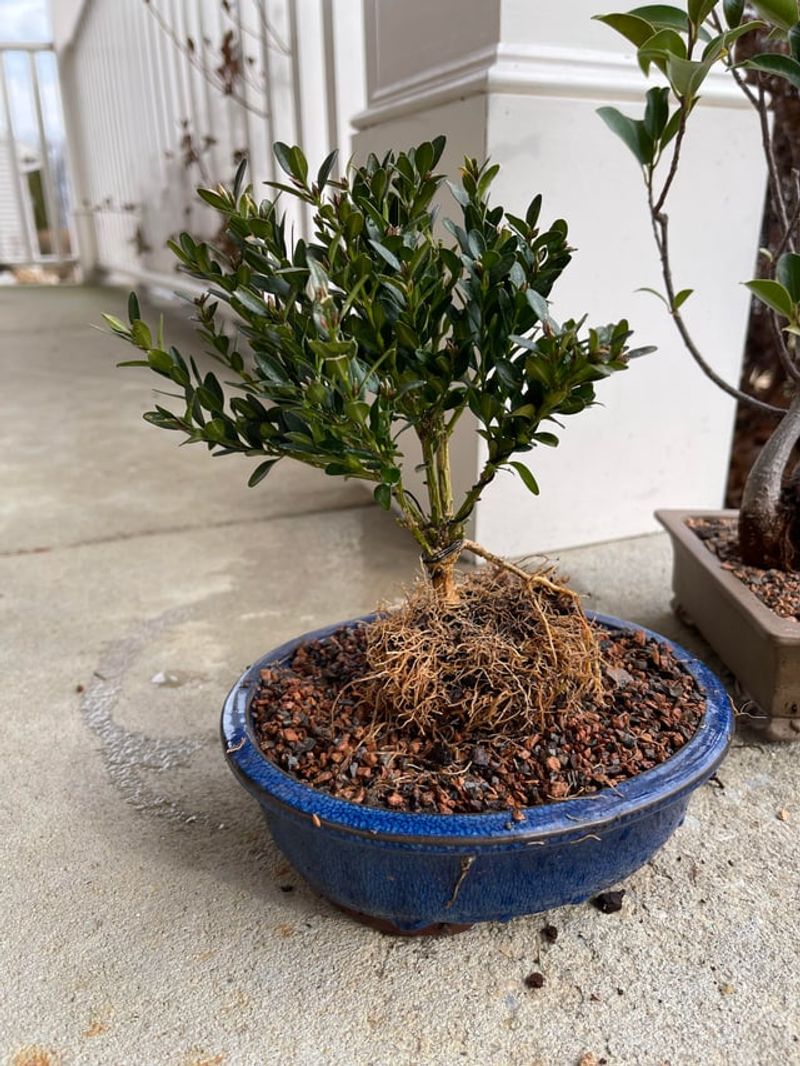
Rushing a transplant can undo months of waiting. Young roots are fragile, and moving a cutting too early can set it back.
A gentle tug test offers a first clue.
If the stem resists slightly when you pull, roots may be forming. New leaf growth is another hopeful sign, though leaves can sometimes push out before roots are strong.
Clear pots or roots peeking from drainage holes give a better look. Healthy roots are usually light colored and firm, while brown, mushy roots can point to rot.
Boxwood often needs several months to build a decent root system, and some take longer.
Once roots fill much of the pot, move each plant into its own container with a quality potting mix. Handle the root ball gently and avoid shaking off the soil.
Give new transplants some shade for a week or two. Then slowly introduce them to more light so the leaves can adjust.
Most young plants benefit from another season in containers before going into the ground.
In Georgia, fall is often a good planting season for shrubs, since cooler air and warm soil support root growth. Your timing will depend on how fast your cuttings grow and on local weather.