This Dahlia Storage Mistake Can Cause Tubers To Rot In Georgia Basements
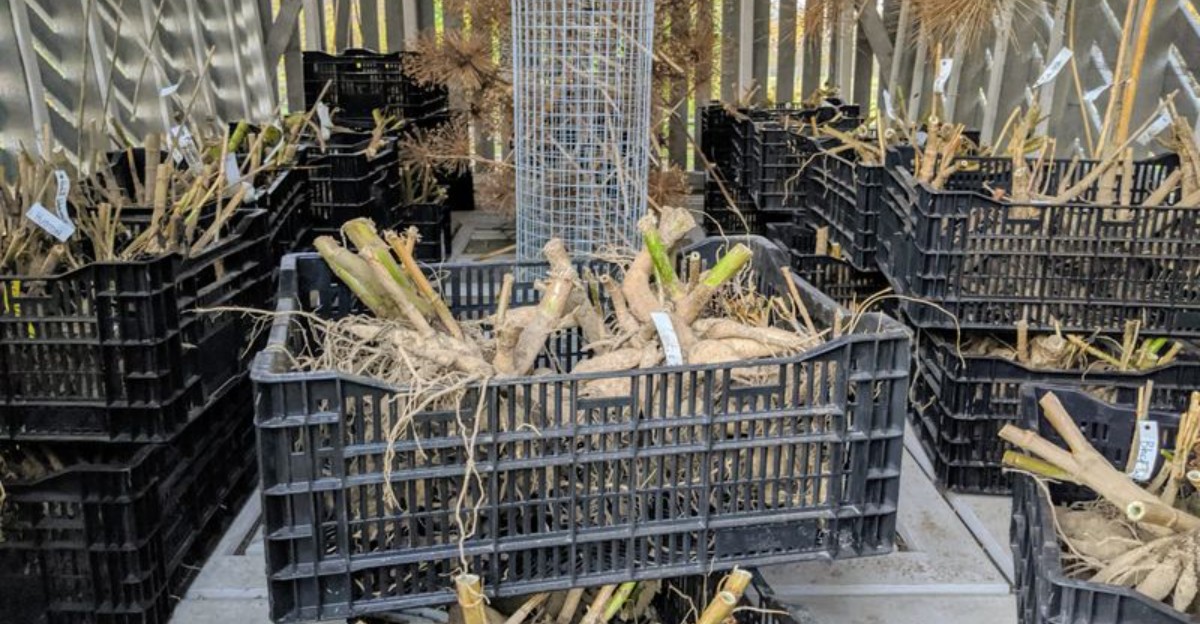
Opening a storage box in spring and finding mushy, moldy dahlia tubers is a hard way to lose a favorite variety.
Many gardeners dig their dahlias in fall to protect them from cold and wet soil. Basements seem like the safest place to keep them, especially in north Georgia.
Damp air and poor airflow can work against tubers stored below ground level, though, during a long winter.
One common habit during storage can trap moisture right against their skin for months.
Rot often starts quietly and spreads from one tuber to the next before anyone notices. By the time the smell gives it away, much of the clump may already be lost.
Small choices made right after digging can make a big difference in what is still firm come April.
1. Healthy-Looking Tubers In Fall Can Turn To Mush By Spring
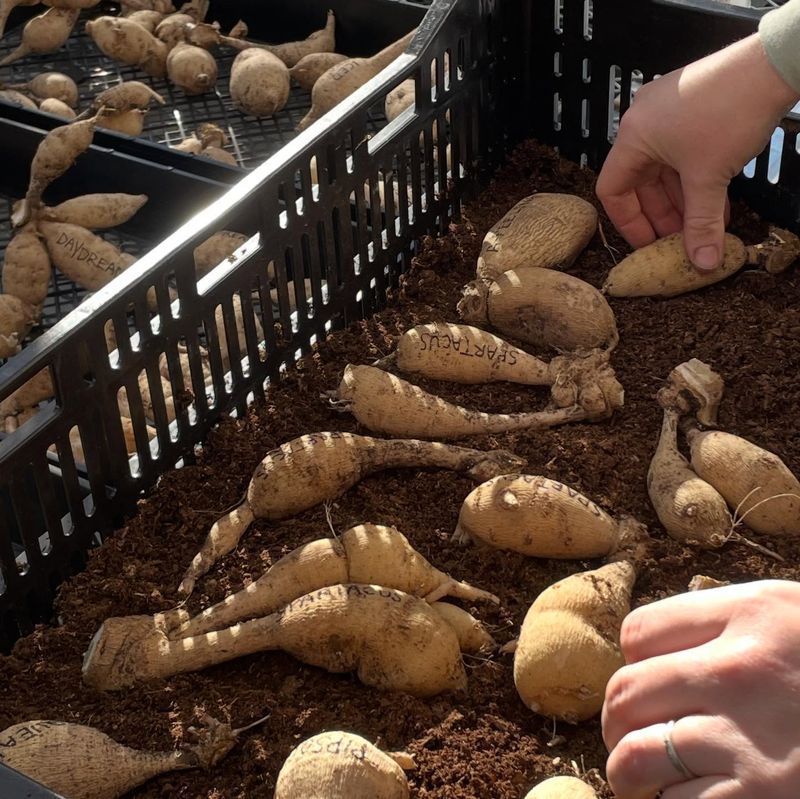
Firm and plump in October does not mean safe until April. A dahlia clump can look perfect the day you dig it and still go soft weeks later in storage.
So what goes wrong? Often the problem is storing freshly dug tubers while they are still damp.
Right out of the ground, tubers carry wet soil and moist skin. When they go straight into a closed bin or bag, that moisture has nowhere to escape.
Trapped dampness gives rot organisms a comfortable place to grow, and the damage may not show for a while.
Gardeners in Georgia often dig after the first frost blackens the foliage, which can land in late fall. Soil at that time is frequently wet from rain, so tubers come up muddier than you might expect.
Rot can also start at broken necks, cuts, or bruises made while digging. Handling clumps gently with a garden fork, set a good distance from the stem, helps limit that damage.
Keep in mind that not every soft tuber was ruined by moisture alone. Some varieties store better than others, and a tuber that was already diseased may decline no matter how well you treat it.
Still, letting tubers dry before packing is one of the simplest ways to improve your odds.
2. Moist Skin And Stale Air Invite Mold And Rot
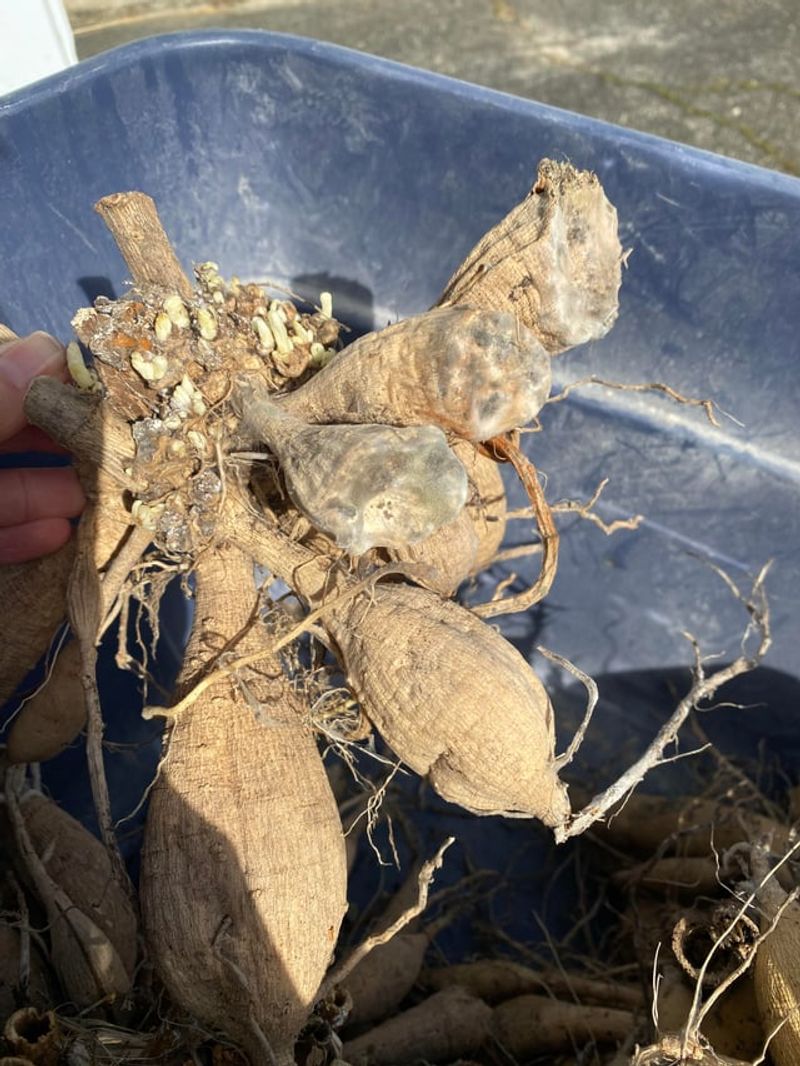
Mold loves two things, and a sealed tub of wet tubers offers both. Moisture on the skin plus air that never moves creates the kind of spot where fungi and bacteria do well.
Fuzzy white, gray, or bluish growth is often the first warning sign you notice.
Surface mold is not always the end of a tuber. If the flesh underneath is still firm, some gardeners wipe the spot clean and let it dry, then keep an eye on it.
Soft, mushy, or foul-smelling tubers are a different story and are better removed.
Rot can spread from one tuber to its neighbors when they touch. Pulling out a bad one quickly may help protect the rest of the box.
Plastic bags and airtight bins are a common trap here. They hold in humidity well, which helps in very dry storage but can backfire when tubers go in wet.
Your Georgia Garden Changes Every Week. Your Plan Should Too.
Gardening in Georgia changes quickly throughout the season. Every Friday you’ll receive a simple weekly plan showing exactly what to plant, prune, fertilize, harvest, and protect so you never miss the right timing.
Cardboard boxes, paper bags, or crates with a little breathing room tend to be more forgiving in many Georgia homes. A few small holes in a plastic bin can also help if that is what you have.
Balance matters, though, because too much air in a dry room can shrivel tubers instead. Aim for slightly moist packing, not soggy and not bone dry.
3. A Few Days Of Air-Drying Lets The Skin Toughen Up
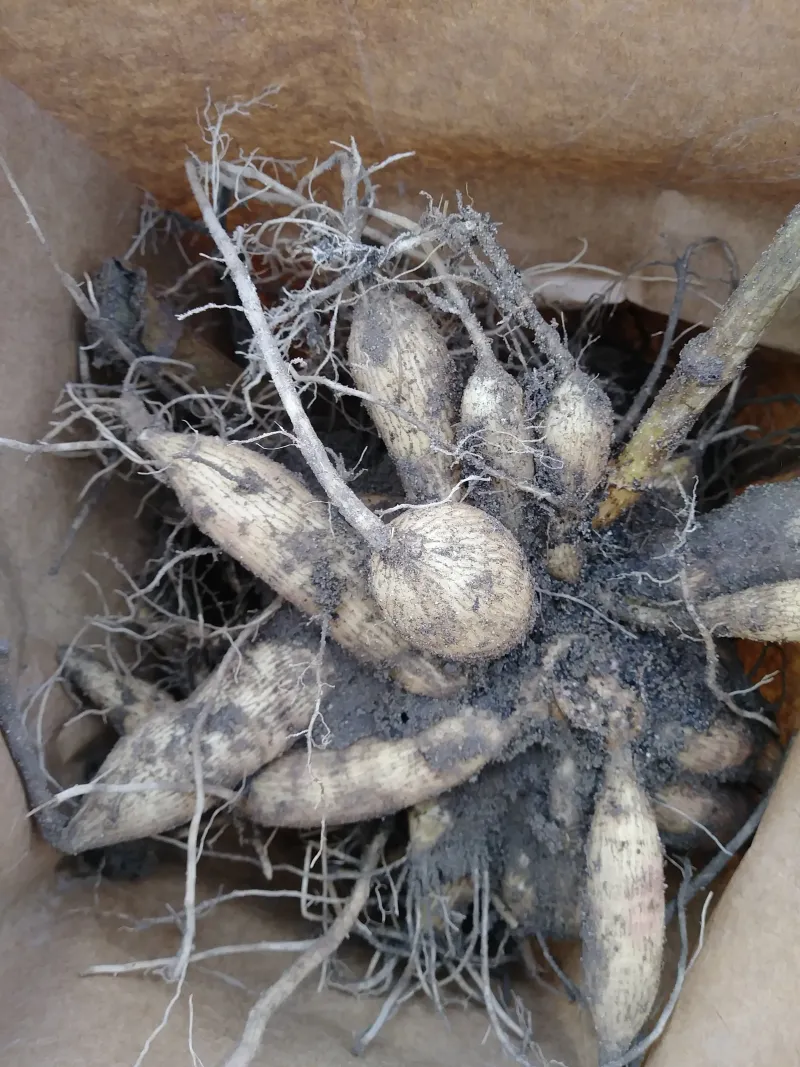
Patience pays off right after digging. Giving tubers some time to dry, often called curing, helps the outer skin firm up before storage.
Start by rinsing or gently brushing off most of the soil so you can spot damage.
Next, set the clumps in a shaded, sheltered spot with decent airflow. A garage, carport, or covered porch works well, as long as the tubers stay protected from freezing nights.
Turning clumps upside down for a while lets water drain out of the hollow stems.
Drying time varies with weather and humidity. Many growers suggest a few days up to about a week, but a muggy Georgia fall may call for a bit longer than a crisp, dry spell.
Watch the tubers instead of the calendar. The surface should feel dry to the touch, and the skin should look slightly tougher, not wrinkled and shrunken.
Over-drying is possible, especially near a heater or in strong sun. Tubers that shrivel badly may struggle to sprout later.
Some gardeners divide clumps before curing, while others wait until spring when eyes are easier to see. Either way, letting cut surfaces dry helps them seal over before packing.
4. Humid Basements Make Good Airflow Even More Important
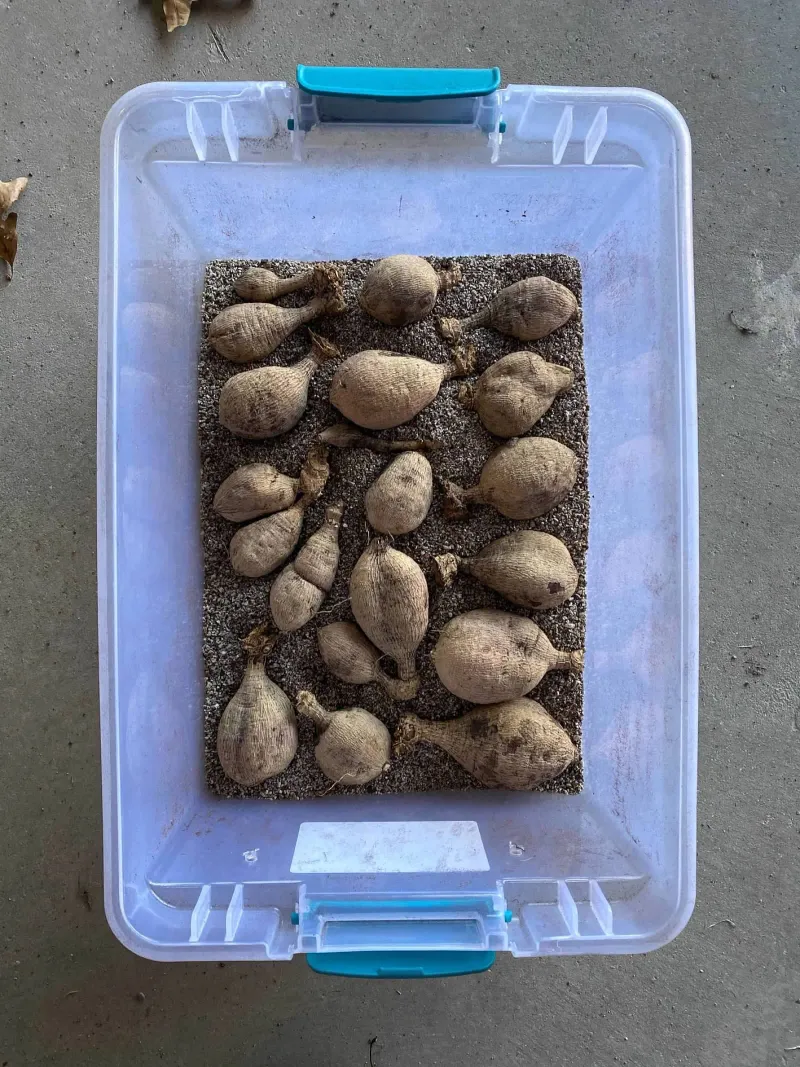
Basements in the South rarely feel like a dry cellar out of an old storybook. Damp walls, poor ventilation, and occasional water seepage are pretty common in Georgia homes with below-ground spaces.
All that humidity can work against tubers stored in tight containers.
Getting boxes off the floor is a smart first step. Wire shelves or pallets keep them away from cold, damp concrete and let air move underneath.
Spacing helps too. Packing boxes tightly together traps moisture between them, while a little gap lets air circulate.
A small fan running now and then can freshen stale air. Some gardeners also use a dehumidifier, especially if the basement smells musty or shows mold on walls.
If you go that route, check that the room does not get too dry. Tubers still need a little moisture to stay plump.
Not every basement is a poor choice. Some stay fairly dry and cool, and those can work nicely.
A cheap hygrometer can tell you what you are dealing with. It takes the guesswork out and helps you adjust packing materials to match the space.
When a basement stays soggy no matter what, an interior closet or cool spare room may be worth trying instead.
5. Peat, Vermiculite, Or Wood Shavings Can Cushion Stored Tubers
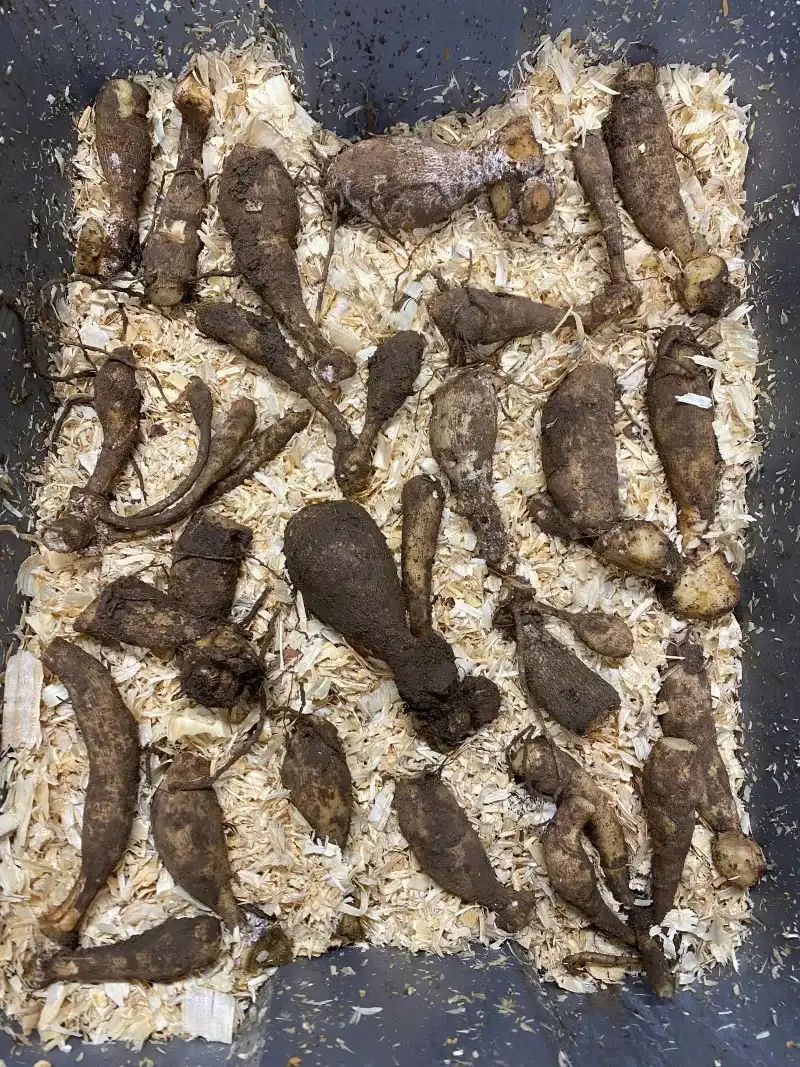
Think of packing material as a buffer between your tubers and the room. It helps hold steady moisture so tubers neither soak nor shrivel.
Peat moss, vermiculite, and wood shavings are common choices among dahlia growers.
Each one behaves a little differently. Vermiculite and peat can hold some moisture, while wood shavings tend to stay drier and breathe well, which may suit a damp Georgia basement.
Use the material dry or only barely damp. Adding wet packing to tubers in a humid space can bring back the same rot problem you worked to avoid.
Layer the tubers so they do not touch each other. If one starts to rot, the packing helps slow its spread to nearby pieces.
Pet bedding shavings from a store are handy, but skip cedar if you can, since some growers prefer plain pine or aspen.
Other gardeners skip loose fill and wrap each tuber in plastic wrap or newspaper. Results vary with the room and the variety, so trying two methods side by side can show what works best in your home.
Label every box or tuber with its variety name. A permanent marker written right on the skin works for many growers and saves confusion at planting time.
6. Checking Monthly Helps Catch Soft Spots Early
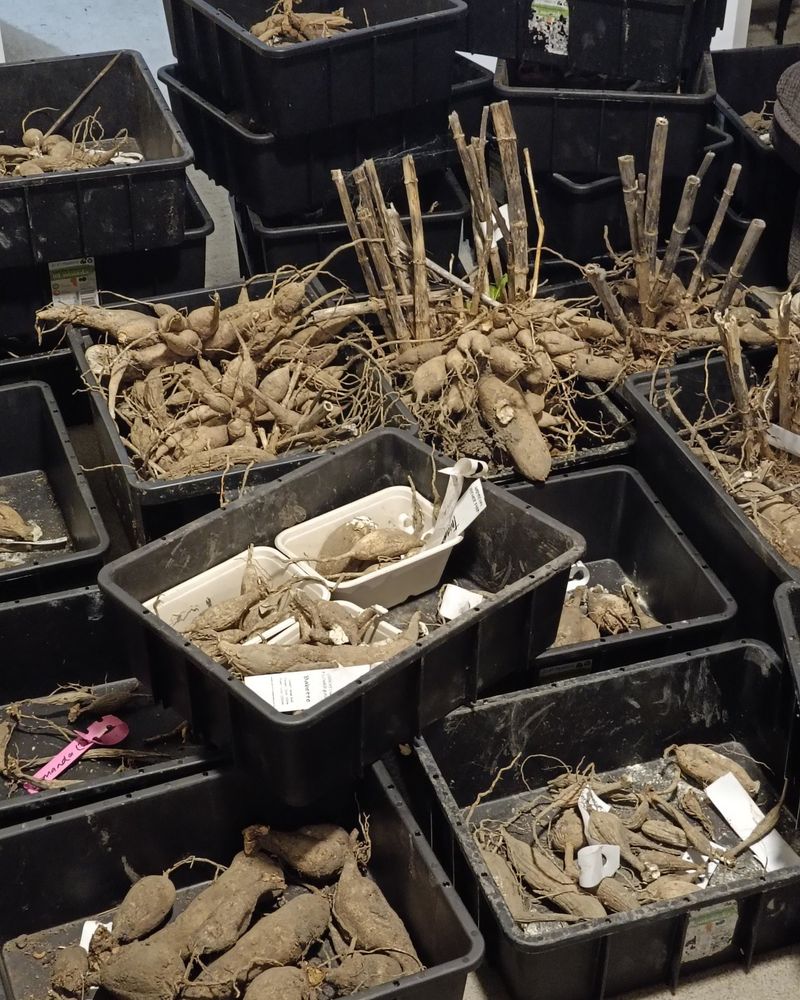
Out of sight should not mean out of mind. A quick look at your stored tubers about once a month can save a whole box from trouble.
Gently squeeze a few tubers in each container during these checks.
Firm is good news. Soft, squishy, or sunken areas usually point to rot, and those tubers are best tossed or trimmed right away.
Shriveling sends a different message. If tubers look wrinkled and light, the air may be too dry, and lightly misting the packing material can help bring balance back.
Small wrinkles are fairly normal over winter, so do not panic at the first sign.
Moldy spots on firm tubers can sometimes be wiped off. Let the tuber dry before returning it, and set it apart if you want to watch it closely.
Georgia winters can swing from mild to chilly, and basement conditions may shift with them. Monthly checks help you notice those changes before they become a bigger issue.
Keep a simple notebook if you store several varieties. Jotting down which ones hold up well and which struggle makes next year easier.
Handle tubers gently each time, since rough treatment can snap fragile necks that hold the eyes.
7. A Cool Storage Spot Helps Keep Tubers In Good Shape Until Spring
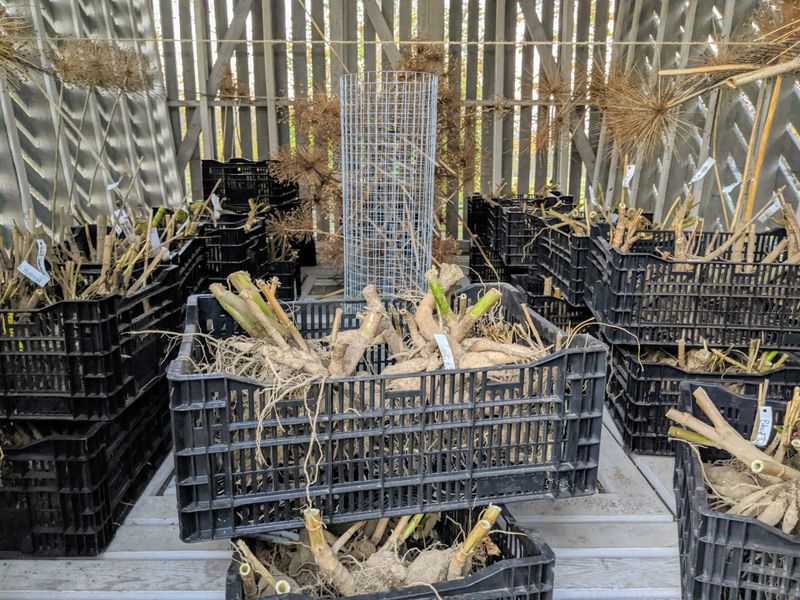
Cool, not cold, is the sweet spot for resting tubers. Many dahlia growers and Extension sources suggest storage roughly in the 40s Fahrenheit, kept safely above freezing.
Freezing temperatures can damage tubers, while warm rooms may push them to sprout early or dry out.
Finding that range is not always easy in Georgia. Basements in the north Georgia mountains may stay cooler, while homes farther south often run warmer.
A basic thermometer helps you see what your space actually does. Placing it near the boxes gives a more accurate reading than one across the room.
If your basement stays too warm, try the coolest corner, often near an outside wall. Unheated garages can work in some areas, though cold snaps call for extra insulation like blankets or a foam cooler.
Steady conditions matter as much as the number itself.
Wide swings in temperature or humidity can stress tubers over a long winter. Small adjustments, like moving boxes or adding insulation, can make a real difference.
As spring nears, check tubers for swelling eyes. Planting usually waits until frost danger passes and soil warms, which comes earlier in south Georgia than in the north.
With a cool spot and regular care, your tubers have a better shot at a strong start.