10 Fixes To Make When Aerating And Overseeding Didn’t Fill Your New York Lawn Patches
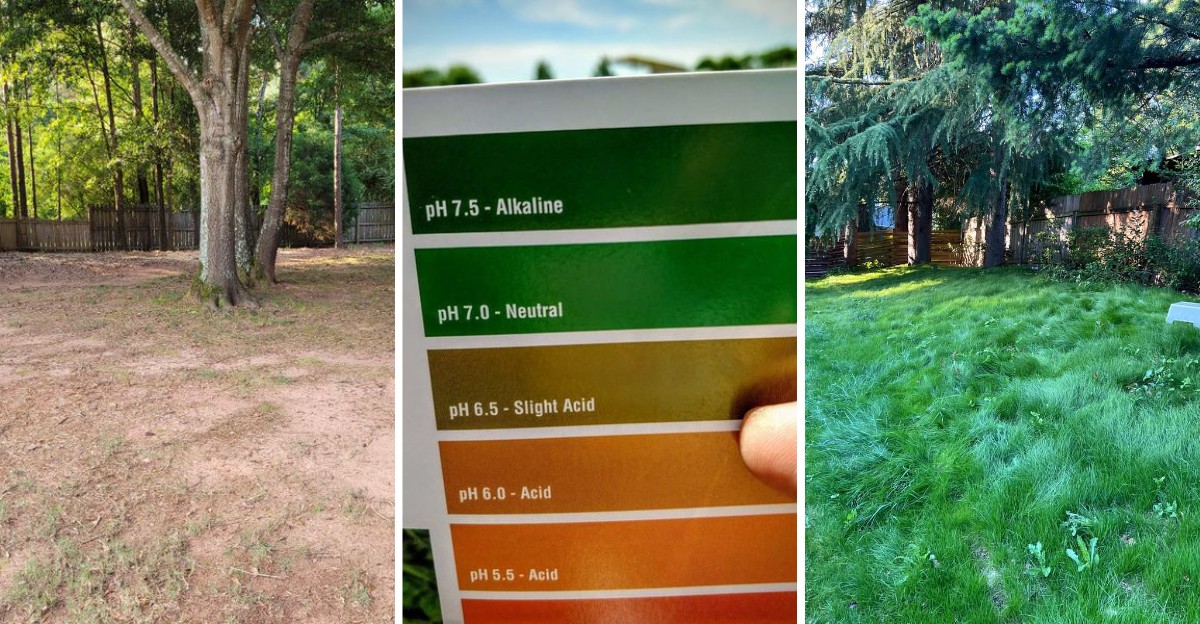
You did everything right, yet those bare spots are still staring back at you like a bad haircut. The aerator rumbled, the seed flew, and you watered faithfully through those cold New York mornings.
Still, the patches look about as fuzzy as a tennis ball that lost a fight. Before you toss the spreader in the garage and give up, take a breath.
Thin spots usually have a reason, and most of those reasons are fixable. Sometimes the culprit hides underground, chewing roots or locking up nutrients.
Other times the seed simply never got a fair shot at the soil. Your yard is not cursed, even if it feels that way by late October.
With a few smart adjustments, those stubborn gaps can finally turn green and soft underfoot.
1. Check For Shade, Compaction, Or Poor Drainage
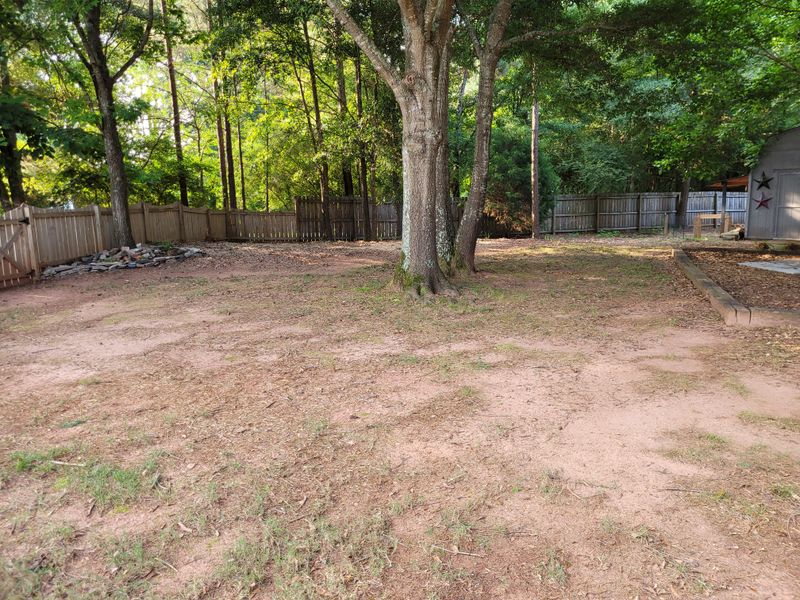
Picture a lawn chair parked in the same spot all summer. Grass beneath a big oak can feel just as left out, starving for sunlight day after day.
Spend one sunny Saturday watching your patches closely. Note how many hours of direct sun each spot actually gets.
Fewer than four hours usually means trouble for most grass types. Seed can sprout there, yet it often fades before it fills in.
Next, grab a long screwdriver and push it into the soil. Easy sliding means healthy ground, while stiff resistance points to compaction.
Packed soil squeezes out air and blocks roots from spreading. Many New York yards with heavy clay feel like pavement by midsummer.
Drainage deserves a quick look as well. Puddles that linger a day after rain are a big warning sign.
Soggy ground starves roots of oxygen and invites fungus. Yellow grass that looks thirsty despite plenty of water often tells this story.
Fixes depend on what you find out there. Prune lower tree limbs to let more light reach the ground below.
Core aerate compacted areas again, ideally when the soil feels slightly damp. A second pass in a crisscross pattern pulls even more plugs.
Low, soggy spots may need extra topsoil to raise the grade. Adding compost also loosens heavy clay over time.
Solving these root issues first saves you money on wasted seed. Grass grows best when the ground beneath it finally cooperates.
2. Test Soil pH Before Adding More Seed
Here is a sneaky truth about lawns. Your soil can be packed with food, yet grass may still go hungry.
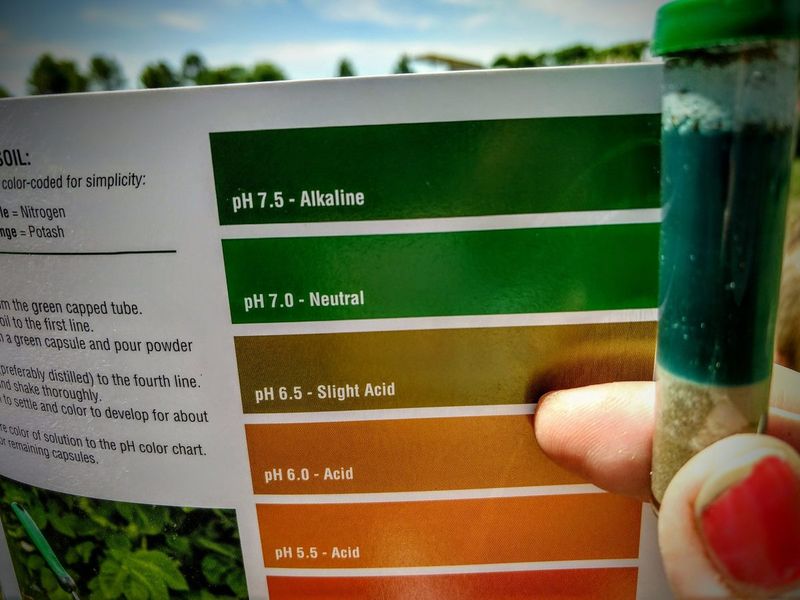
Soil pH works like a lock on a pantry door. When the number drifts too far, nutrients like nitrogen and phosphorus get stuck.
Most cool-season grasses enjoy a pH between 6.0 and 7.0. Aiming for the middle, around 6.5, is a safe bet for most lawns in the Northeast.
Rainy regions often lean acidic over the years. Pine needles and certain fertilizers can push numbers lower too.
Testing is cheap and pretty simple. A home kit gives a quick reading in just a few minutes.
For deeper answers, send a sample to your local Cornell Cooperative Extension office. Their reports explain exactly what to add and how much.
Your New York Garden Changes Every Week. Your Plan Should Too.
Gardening in New York changes quickly throughout the season. Every Friday you’ll receive a simple weekly plan showing exactly what to plant, prune, fertilize, harvest, and protect so you never miss the right timing.
Collect soil from several spots, about four inches deep. Mix everything in a clean bucket for a fair average.
Results that come back acidic usually call for garden lime. Pelletized lime spreads easily and avoids a dusty mess.
Soil that reads too alkaline needs elemental sulfur instead. Changes happen slowly, so patience pays off here.
Fall is a smart time to apply lime in most yards. Winter freezes and thaws help work it into the ground.
Fun fact: lime can take several months to shift pH noticeably. Planning ahead gives next season’s seed a better chance to thrive.
3. Look For Grubs And Chinch Bugs
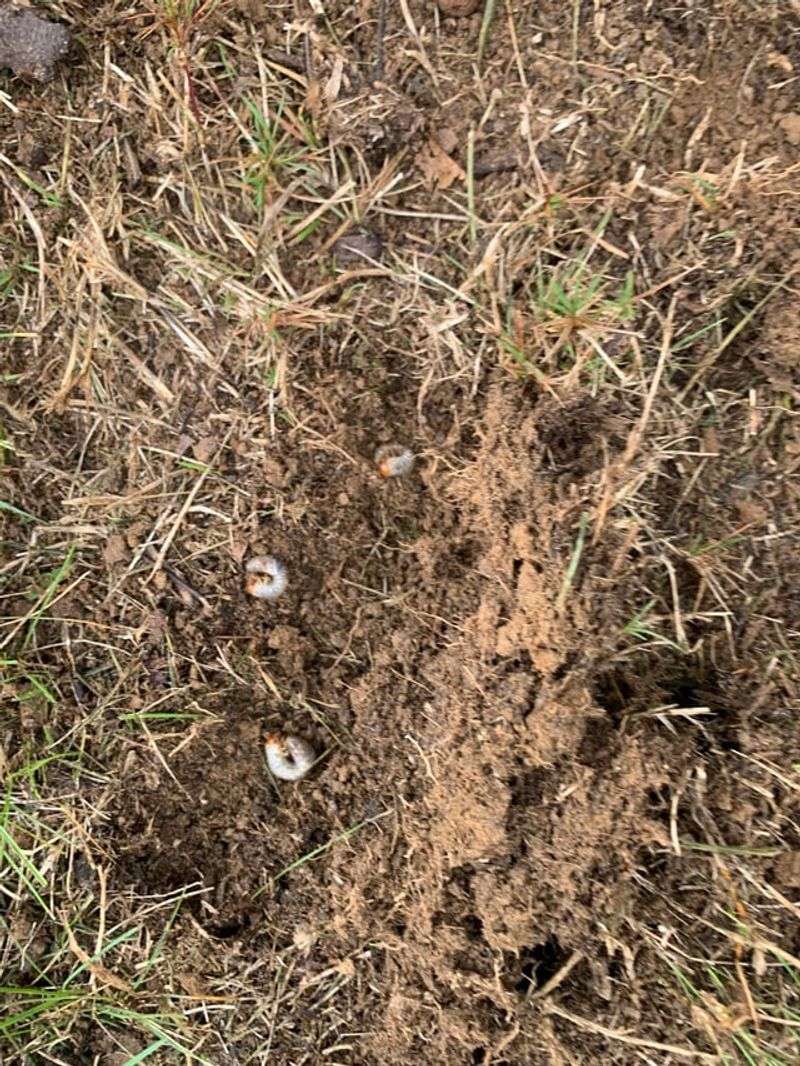
Raccoons tearing up your yard at midnight might be doing you a favor. Those masked bandits often dig because grubs are feasting below.
Grubs are plump, white, C-shaped larvae of beetles. They munch on grass roots and leave turf loose and brown.
Tug gently on a damaged patch to check. Grass that peels back like an old carpet strongly hints at grubs.
For a closer look, cut a one-foot square of sod. Fold it back and count the grubs in the top three inches.
Finding more than eight or ten per square foot usually calls for treatment. Fewer than that, healthy grass can often handle the damage.
Chinch bugs are a different headache entirely. These tiny insects suck juices from grass blades and inject harmful toxins.
Damage often shows up near sidewalks and driveways where heat builds. Patches look drought stressed but stay brown even after watering.
Try the classic tin can test for chinch bugs. Remove both ends, press one into the turf, and fill it with water.
Within ten minutes, any chinch bugs should float to the top. Check a few spots along the patch edges for best results.
Treat confirmed pests with a product labeled for lawns in New York. Follow label timing closely, since grubs feed most in late summer.
Heads-up: starting in 2027, New York bans imidacloprid and other neonics on lawns, so check that your grub product isn’t one of them.
Reseeding without solving pests just feeds the problem again. Clear them out first, then try new seed.
4. Press Seed Into The Soil With A Light Roller
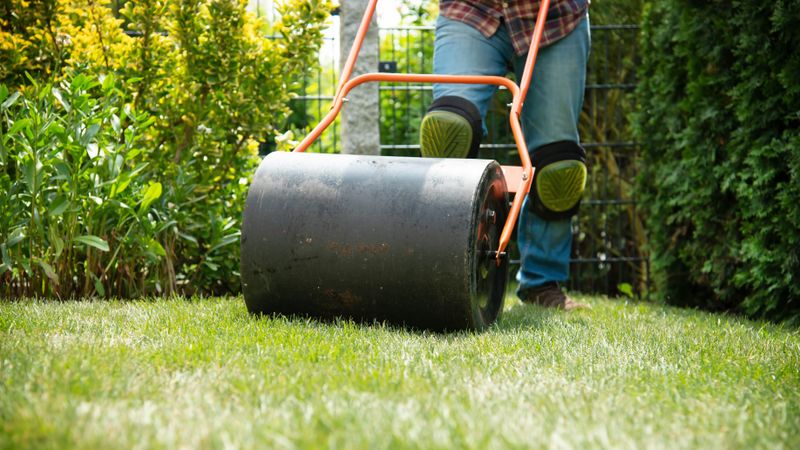
Grass seed is a bit like a shy kid at a party. It needs a close, snug connection before it feels ready to grow.
Seed sitting on top of the ground struggles badly. Air pockets keep moisture away, and germination slows or stops.
A light lawn roller fixes that problem quickly. It presses each seed firmly against the soil so water can soak in.
Many homeowners skip this step after aerating. Those seeds may land in holes or bounce on hard crust instead.
Roll when the soil feels slightly damp to the touch. Overly wet ground turns muddy, while dry ground barely responds.
Keep the roller light, especially on clay soil. Adding just a little water to a fillable roller works well.
Too much weight can undo the benefits of aerating. Packed ground is exactly what you were trying to avoid.
No roller in the shed? Laying a wide board down and walking on it does a fine job.
Small patches respond well to stepping carefully in flat shoes. Some gardeners even tamp spots with the back of a rake.
Rolling also smooths out small bumps and dips. Your future lawn will look tidier and mow more evenly.
Quick tip: rake seed in lightly before rolling. A quarter inch of soil cover is plenty for most grass types.
5. Dormant Seed Later This Fall At A Higher Rate
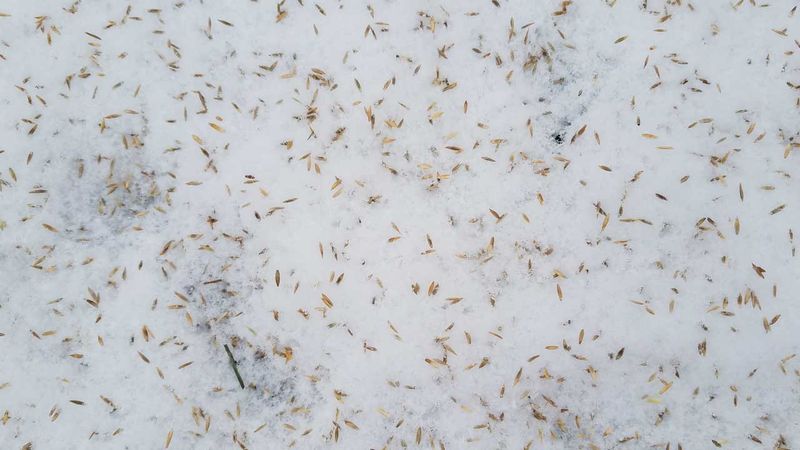
Planting seed right before winter sounds a little backward. Yet dormant seeding is one of the cleverest tricks for cold climates.
The idea is simple and pretty laid back. You spread seed when soil is too cold for it to sprout.
Wait until soil temperatures an inch down sit around 40 to 45 degrees Fahrenheit. Across much of New York, that happens from late November into December.
Seeds rest quietly through the winter months. Freezing and thawing cycles gently work them deeper into the soil.
Come early spring, they wake up on their own schedule. Growth starts the moment conditions feel right, often before you notice.
Here is the real bonus. Those seedlings jump ahead of crabgrass and other spring weeds.
Shady spots benefit in a special way too. Grass can root before tree leaves fill in and block the light.
Some seed will get lost over winter, though. Birds snack, heavy rains wash some away, and a few simply fail.
Bump your seeding rate up by about 50 percent. Extra seed makes up for those natural winter losses.
Skip starter fertilizer for now, since nothing is growing yet. Save that feeding for early spring when seedlings appear.
Patience is the hardest part of this method. Mark the spots on a calendar and watch for green in April.
6. Keep Soil Moist Without Drowning The Seed
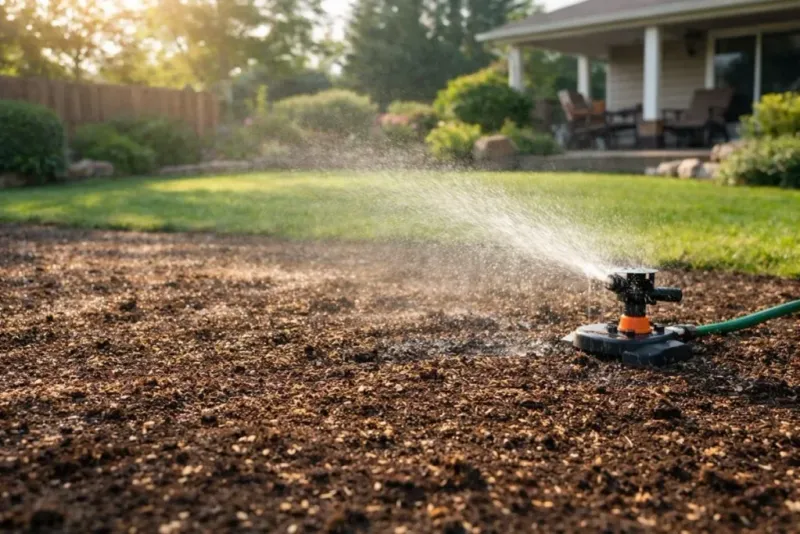
Watering new seed is a balancing act worthy of a circus. Too little dries it out, while too much floats it away.
Your goal is soil that feels like a wrung-out sponge. The top inch should stay damp but never soggy.
Short, frequent sessions work best in the early weeks. Two or three rounds of five to ten minutes each day usually does the trick.
Seeds that dry out after swelling may stop growing for good. One hot, windy afternoon can undo days of effort.
Morning is the ideal time for the first round. Less wind and cooler air mean less water lost to evaporation.
Watch closely for signs of too much water. Puddles, mushy soil, or green slime are clear red flags.
Fungus loves overly wet seedlings. Weeds also tend to pop up fast in soggy conditions.
Underwatering leaves its own clues behind. Pale, crunchy soil and footprints that stay visible mean the patch is thirsty.
Once grass reaches about two inches, change your routine. Water less often but more deeply to coax roots downward.
A cheap hose timer can be a real lifesaver. Fall days swing quickly, so check the weather often.
Fun tip: stick a finger in the soil daily. Damp at the first knuckle means you are right on track.
7. Match The Seed To The Site, With Fine Fescue For Shade
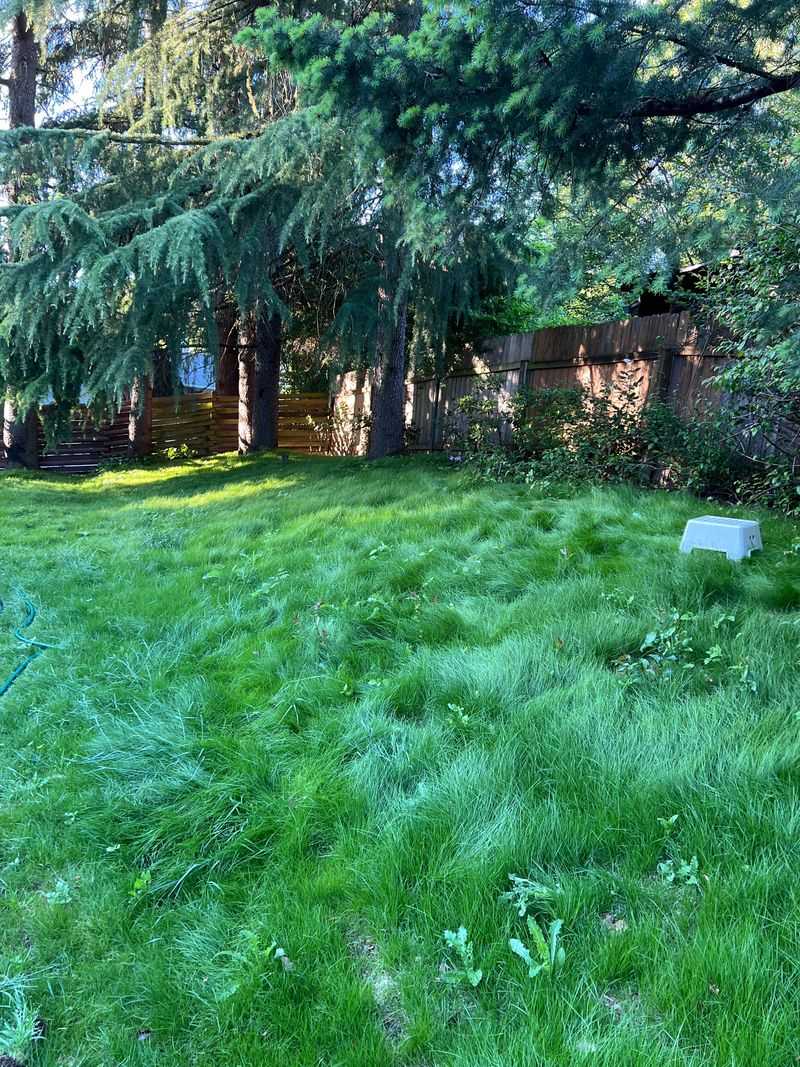
Would you wear flip-flops to shovel snow? Planting the wrong grass in the wrong spot is a similar mismatch.
New York lawns rely on cool-season grasses. Kentucky bluegrass, perennial ryegrass, tall fescue, and fine fescue lead the pack.
Each one has its own personality and strengths. Picking the right one for your patch matters more than many people realize.
Shady corners call for fine fescue above all. These narrow-bladed grasses handle just two to four hours of direct sun.
Creeping red fescue spreads slowly to fill thin areas. Chewings, hard, and sheep fescue round out this tough shade-loving family.
Fine fescues also need less fertilizer and water. They are a great fit for low-fuss homeowners.
Partial shade with kids running around? Tall fescue handles traffic better while still tolerating some shade.
Bright, busy yards need a different approach. Kentucky bluegrass and perennial ryegrass blends shine in full sun.
Bluegrass spreads by underground runners and repairs itself nicely. Ryegrass sprouts quickly, sometimes within a week.
Read seed labels carefully before buying anything. Look for low weed content and a recent test date.
Many quality mixes combine several species together. Each type then settles into the spots where it grows best.
Cheap bargain bags often contain filler and annual grasses. Spending a bit more usually pays off in the long run.
8. Cover Seed With Compost Or Straw
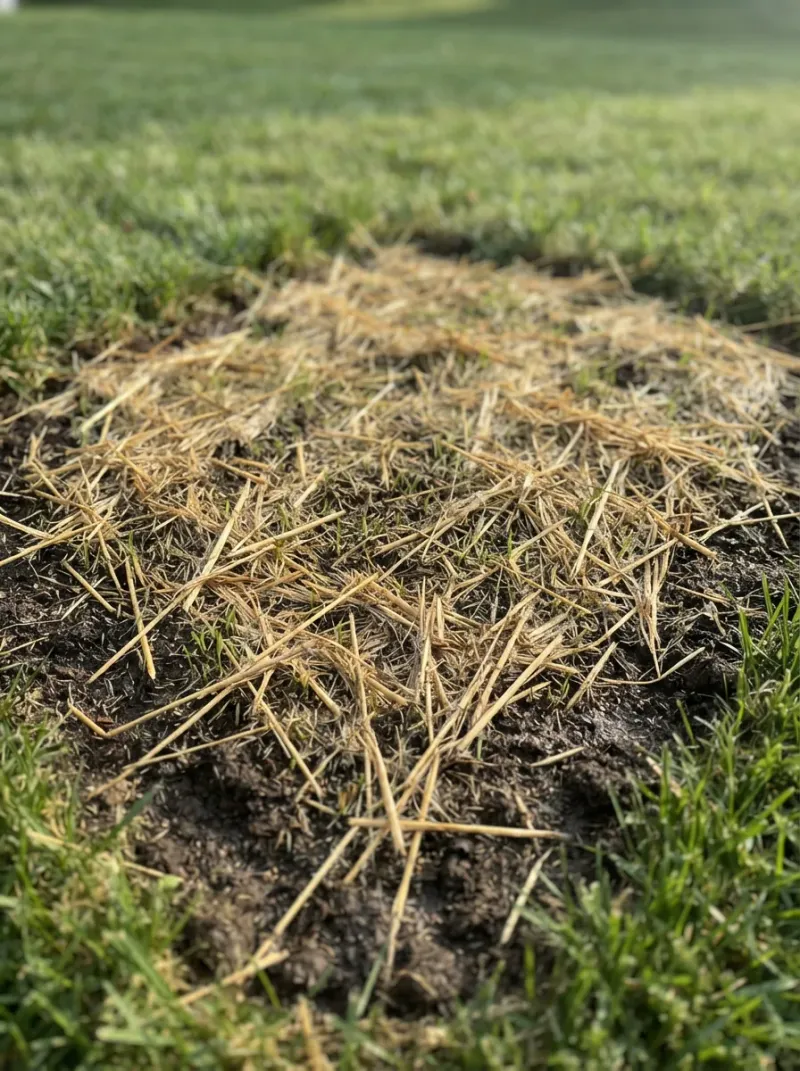
Hungry birds see a freshly seeded patch as an all-you-can-eat buffet. A light cover helps protect your investment.
Mulch does several jobs at the same time. It holds moisture, blocks hungry beaks, and keeps seed from washing away.
Straw is a classic and budget-friendly choice. Wheat, barley, or oat straw all work nicely for patches.
Avoid regular hay, which often hides weed seeds. You do not want to plant a fresh crop of weeds.
Spread straw thin enough to see about half the soil. Thick layers can smother young seedlings before they break through.
One small bale covers roughly 1,000 square feet. Most small patches need only a few handfuls.
Compost is another excellent option for bare spots. It adds nutrients and improves soil structure as it breaks down.
Apply compost about a quarter to half inch deep. Use a rake to spread it gently and evenly.
Peat moss also holds moisture really well. Wet it first, since dry peat can repel water at the start.
On slopes, biodegradable erosion blankets offer extra grip. Heavy storms can wash loose seed downhill quickly.
Leave straw in place while grass grows through. Most of it breaks down or gets mulched in by the mower.
9. Patch Stubborn Spots With Sod
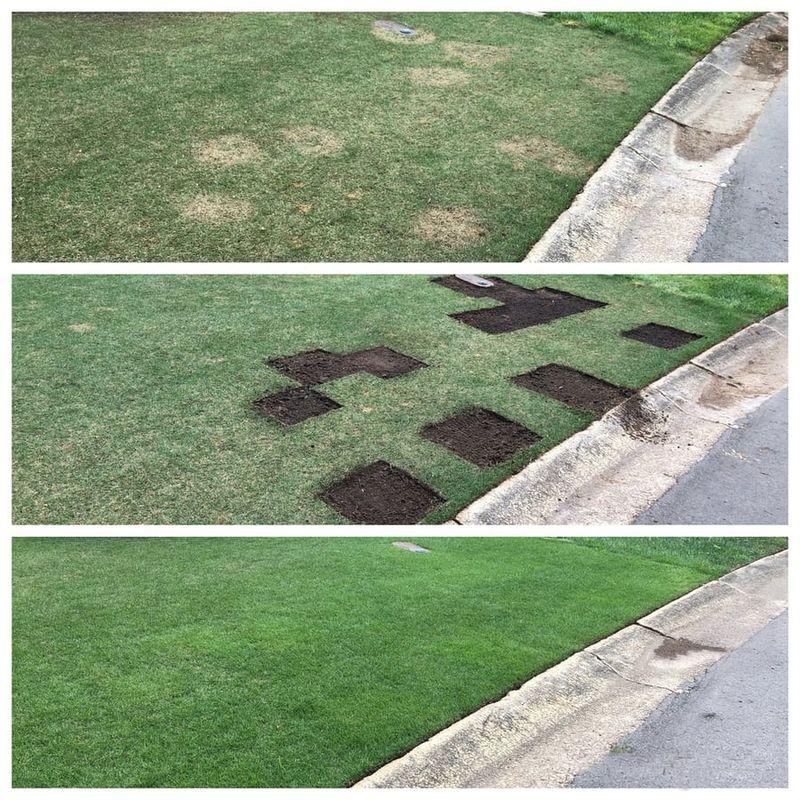
Sometimes the quickest path to green is skipping the waiting game entirely. Sod gives you an instant patch, ready in an afternoon.
Think of it as a lawn in a roll. The grass is already grown and usually free of weeds.
Slopes and high-traffic paths are perfect candidates. Sod holds soil in place right away and handles wear sooner.
Preparation still matters, though, even with sod. Cut out old grass and rake away rocks and debris.
Loosen the top few inches of soil with a garden fork. Mix in compost or fresh topsoil for better drainage.
Moisten the ground lightly before laying anything down. Damp soil helps roots grab hold faster.
Lay pieces in a staggered, brick-like pattern. Push edges tightly together so no gaps dry out.
Set the sod level with the surrounding lawn. A patch that sits too high scalps easily when mowing.
Water deeply right after installation. Keep it moist for the first two weeks until roots knit in.
Lift a corner gently after ten days to check progress. Resistance means the roots are anchoring nicely.
Timing helps sod succeed. Mid-August through early October works well, and April through early June is another option.
Buy sod as fresh as possible. Rolls left sitting in the sun can turn yellow quickly.
10. Plan An Early Spring Seeding As Backup
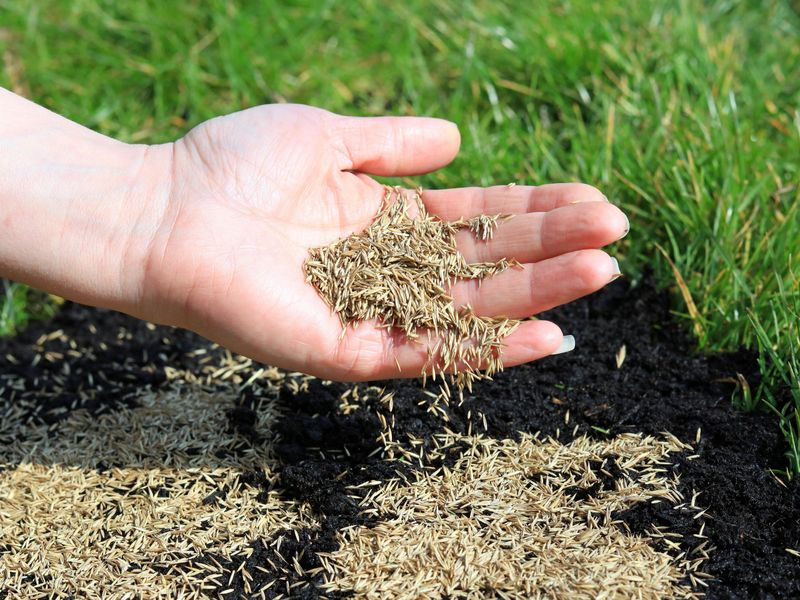
Every good coach keeps a backup play ready. Early spring seeding can be yours if fall efforts fall short.
Fall is still the prime season for cool-season grass. Warm soil and cooler air give seedlings an easy start.
Spring works when soil temperatures reach 50 to 65 degrees. Across much of New York, that falls between mid-April and mid-May.
A simple soil thermometer takes out the guesswork. Push it about two inches deep and check readings in the morning.
Spring brings a few challenges worth knowing. Young grass gets less time to root before summer heat arrives.
Weeds also wake up hungry in spring. Crabgrass especially loves bare soil and warm afternoons.
Many crabgrass preventers stop grass seed from sprouting too. Avoid using them on patches you plan to seed.
Some products, like mesotrione, allow seeding and weed control together. Read labels carefully before mixing any plans.
Keep spring repairs small and targeted. Focus on the worst patches instead of the whole yard.
Use a starter fertilizer to push strong root growth. Water consistently as temperatures start climbing.
Mow new grass only after it reaches about three inches. Sharp mower blades protect tender blades from tearing.
With a solid backup plan, those patches lose their power to frustrate you. Your lawn can look full and healthy by summer.