Your New York Hydrangeas Looking Tired? Try These Simple Fixes
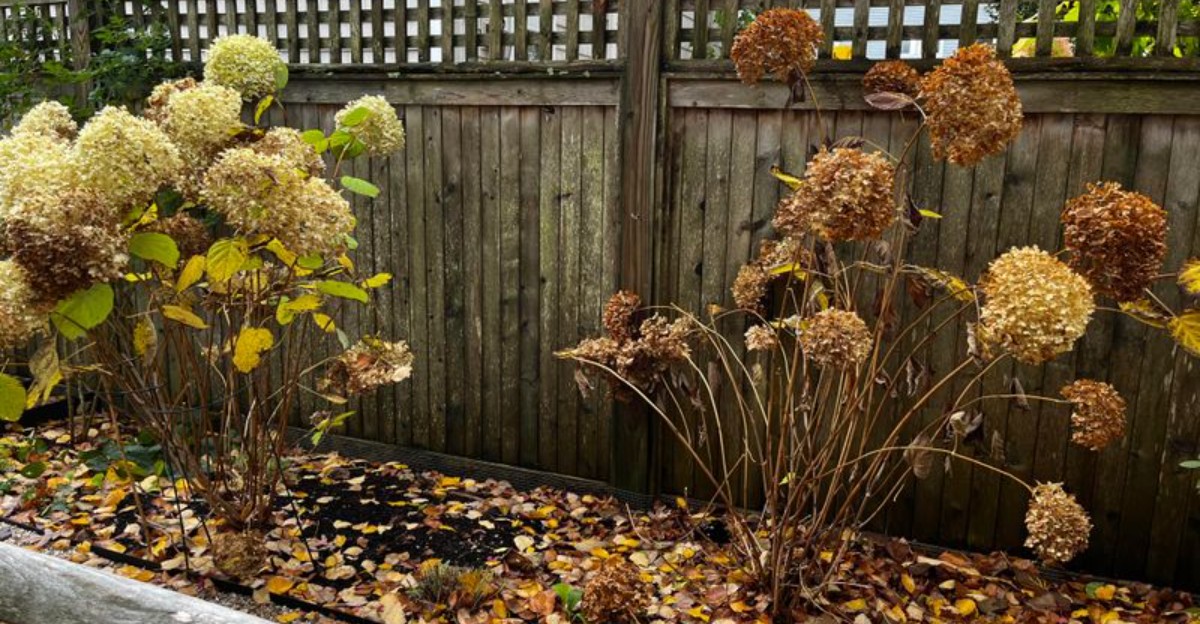
Your hydrangeas looked like a magazine cover back in July. Now the petals are crunchy, the stems droop, and the leaves curl like old paper.
Before you panic, know that this tired look is mostly normal. Cooler nights and shorter days trigger big changes inside these shrubs as they prepare for winter.
Gardeners all over New York face the same autumn slump every single year. What you do over the next few weeks shapes how your plants wake up next spring.
Some steps take a little effort, like a deep watering or a fresh layer of mulch. Others are about holding back and letting nature do the heavy lifting.
Knowing the difference can mean bigger blooms and fewer bare stems next summer. These easy habits will help your hydrangeas settle in for the cold and come back strong.
1. A Deep Watering Before The Ground Freezes
Picture a sponge left on the counter for a week. Hydrangea roots dry out the same way when fall rain runs short.
Thirsty shrubs head into winter stressed, and cold wind makes that stress worse. A long, slow drink in autumn gives roots a moisture reserve to use for months.
New York weather can swing from warm and dry to icy in days. Watching the rain gauge helps you decide when your shrubs need extra help.
Aim the hose at the base of the plant, not the leaves. Wet foliage invites fungus, while soil-level watering sends moisture right where roots can grab it.
Let the water trickle for several minutes so it soaks deep. A quick splash only wets the top inch and leaves deeper roots wanting more.
Here is an easy test for your garden. Push a finger two inches into the soil, and water if it feels dry.
Keep up this routine until the ground freezes solid. Once the soil turns hard, water cannot soak in, so you can coil the hose away.
Soaker hoses make the job even simpler for busy weekends. Lay one around the shrub, turn it on low, and let it run for about thirty minutes.
Morning watering works best in cool months. Soil absorbs the moisture during daylight, and roots stay snug before temperatures drop again at night.
Fun fact for curious gardeners here. The name hydrangea comes from Greek words meaning water vessel, which fits this thirsty shrub nicely.
2. A Fresh Layer Of Mulch Around The Base
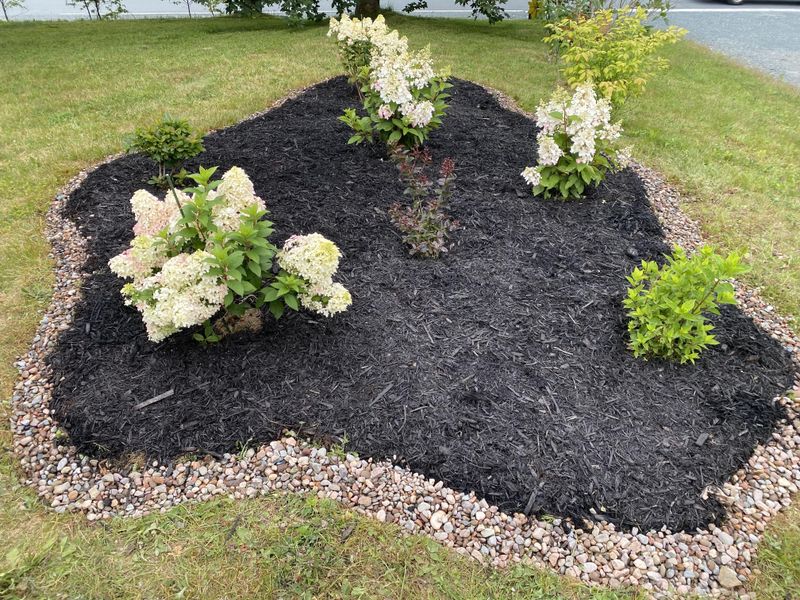
Think of mulch as a cozy winter blanket for roots. Without it, soil can freeze, thaw, and refreeze many times each season.
Those wild swings can heave roots upward and leave them exposed. A thick mulch layer keeps soil temperatures steady and holds in precious moisture.
Plenty of materials work well around hydrangeas. Shredded bark, pine needles, straw, marsh hay, and chopped fallen leaves are all solid choices.
Most experts suggest a layer two to three inches thick. Some cold-weather gardeners pile on more, especially in exposed upstate spots with harsh winds.
Timing matters more than many people expect. In colder parts of New York, wait until the ground freezes before spreading mulch.
Your New York Garden Changes Every Week. Your Plan Should Too.
Gardening in New York changes quickly throughout the season. Every Friday you’ll receive a simple weekly plan showing exactly what to plant, prune, fertilize, harvest, and protect so you never miss the right timing.
Going too early can cause trouble in a couple of ways. Warm mulch may attract mice looking for a home, and it can confuse the plant into waking up.
Leave a small gap between the mulch and the stems. Piling material right against the bark traps dampness and can lead to rot.
Free mulch might already be sitting on your lawn. Run a mower over fallen leaves, then rake the shredded bits around your shrubs.
Chopped leaves break down slowly and feed the soil as they go. By spring, worms will have pulled much of that goodness right into the root zone.
Check your mulch after big storms or strong winds. Topping it off keeps that blanket even and working hard all winter long.
3. Faded Blooms Left In Place
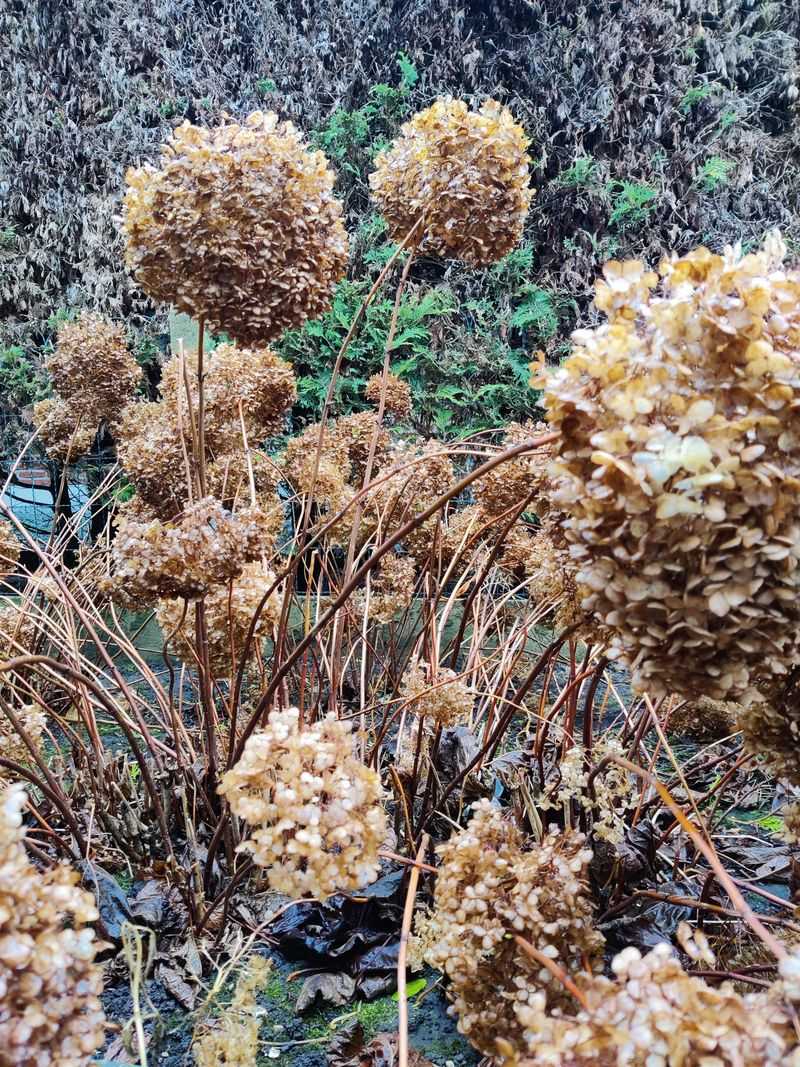
Some of the prettiest winter scenes start with a little laziness. Those papery, tan flower heads can look charming under a dusting of frost.
Many gardeners feel tempted to snip off faded blooms in fall. Holding off is usually the smarter choice for most hydrangeas across the country.
Bigleaf types set next year’s buds in late summer and early fall. Cutting old flowers now could remove those tiny buds by accident.
Old mophead blooms also act like little umbrellas. They help shield the tender buds tucked just below from harsh frost.
Panicle and smooth hydrangeas bloom on new wood each year. Their dried flowers will not affect next summer’s show, so they can stay for pure beauty.
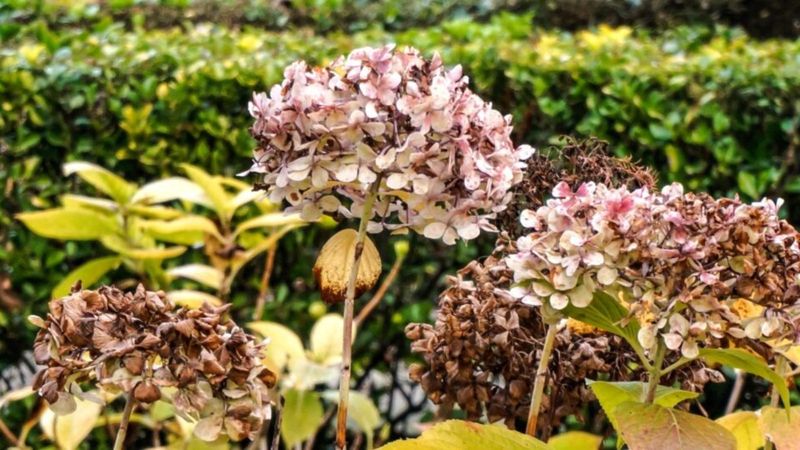
Look closely at the colors as fall moves along. Blues and pinks soften into antique rose, lavender, and parchment shades that feel almost vintage.
Snow resting on dried blooms makes a lovely sight. Birds sometimes perch on sturdy stems too, adding life to a quiet garden.
Early spring is the right time to tidy up. Snip off the old heads just above a healthy pair of fat green buds.
Want to bring some indoors for decoration? Cut a few panicle blooms, since those shrubs flower on fresh growth anyway.
Dried hydrangea flowers can last for months in a vase without water. A small bundle adds a rustic touch to a kitchen table all winter.
4. Pruners Kept Away Until Spring
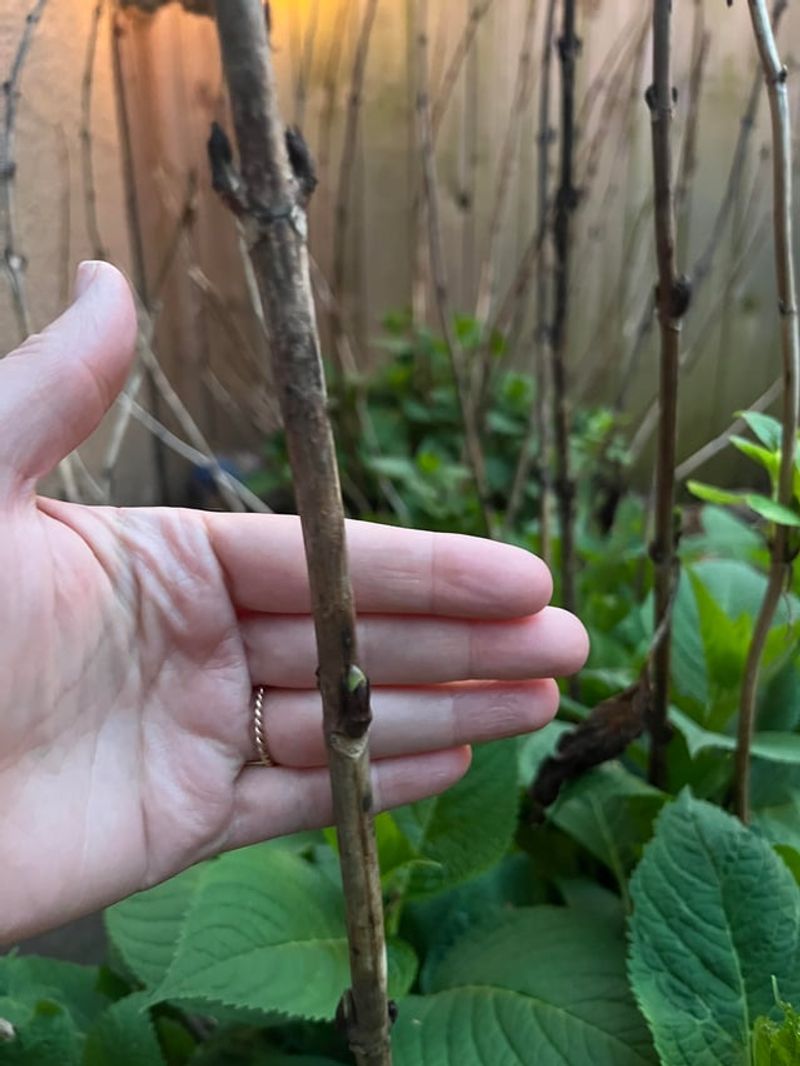
Ever pruned a shrub in October, then wondered why it skipped blooming? You are not alone, and the fix is simple.
Hydrangeas fall into two main camps when it comes to flowers. Bigleaf and oakleaf types bloom on old wood, while panicle and smooth types bloom on new wood.
Old-wood bloomers already carry next year’s flower buds right now. Fall pruning snips those buds off, leaving you with lots of leaves and few flowers.
For these types, the best window comes right after flowering ends. In New York City, that usually means July or early August.
Panicle and smooth hydrangeas play by friendlier rules. You can prune them in late winter or early spring, often February or March.
Not sure which type you own? Cone-shaped blooms usually mean a panicle variety, unless the leaves look like big oak leaves.
That’s an oakleaf hydrangea, and it blooms on old wood, so leave it alone until after it flowers.
A little cleanup during fall is perfectly fine. Removing broken, damaged, or lifeless stems helps the shrub without hurting future flowers.
Got a shrub that has grown wild and huge? Spring is the time for big renovation cuts, though blooms may drop for one season.
Clean tools make every cut healthier. Wipe pruner blades with rubbing alcohol between plants to avoid spreading disease.
Patience pays off in big, colorful ways here. Leaving the pruners in the shed this fall is one of the easiest favors you can do.
5. Only Diseased Leaves Pulled Off
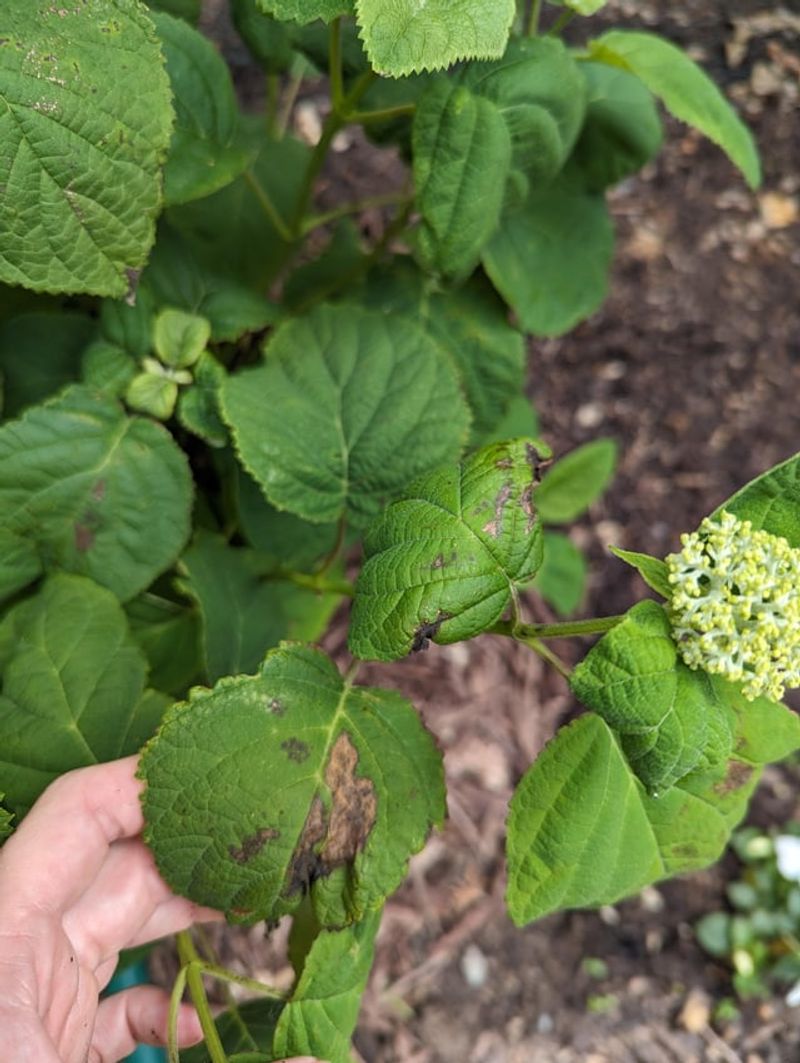
Spotty leaves can look alarming at first glance. Brown or purple specks often show up on hydrangeas in late summer and fall.
Most of these marks come from fungal leaf spot. The good news is that it rarely harms the overall health of the shrub.
Still, spores can linger in fallen leaves through winter. When spring rain splashes them back up, the cycle can start all over.
Focus your cleanup on leaves that clearly show disease. Pick spotted leaves off the plant and rake up any infected ones from the ground.
Healthy fallen leaves are a different story. Those can stay as natural mulch or go into a cage for winter protection.
Bag diseased leaves and toss them in the trash. Compost piles often do not get hot enough to wipe out fungal spores.
Good airflow helps keep fungus from settling in. Give shrubs some breathing room by trimming nearby plants that crowd them.
Watering habits play a big role too. Soak the soil at the base and keep the foliage as dry as possible.
Humid summers give fungus plenty of chances. A quick weekly leaf check catches problems before they spread too far.
Think of it like tidying a kitchen after dinner. A few minutes of cleanup now means fewer headaches when the garden wakes up again.
6. Fertilizer Held Back Until Spring
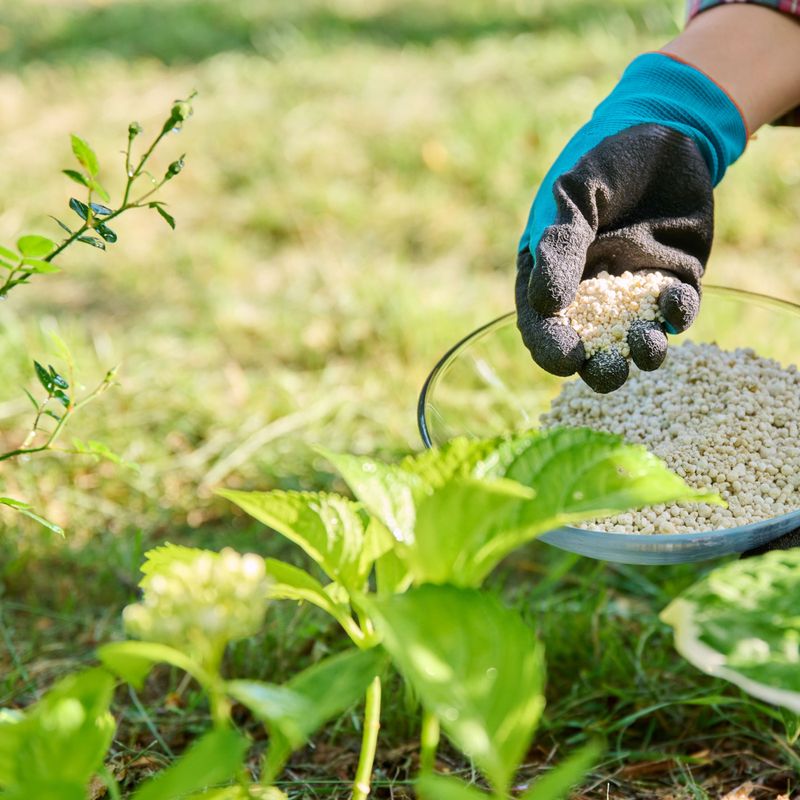
Feeding a tired plant feels kind, but timing changes everything. Fall fertilizer can do more harm than good for hydrangeas.
Plant food pushes out soft, fresh growth. Those tender shoots cannot toughen up before the first hard frost arrives.
Cold snaps hit that new growth hard. Damaged stems often mean fewer blooms when summer rolls around again.
Most experts recommend stopping fertilizer by early September. Some suggest wrapping up even sooner, around mid to late summer.
Early spring is the sweet spot for feeding. Wait until you see new leaves starting to unfold on the stems.
A balanced, slow-release product works well for most shrubs. Look for a 10-10-10 formula, or try a rose fertilizer instead.
Want to give the soil a gentle boost now? Spread a thin layer of compost after the ground freezes in colder regions.
Compost releases nutrients slowly as it breaks down. By the time spring arrives, those nutrients will be ready for hungry roots.
Follow the package directions carefully when you do feed. Too much fertilizer can burn roots and encourage leaves instead of flowers.
Here is a quick memory trick for busy gardeners. Feed when leaves appear, and rest when leaves fall.
7. A Leaf-Filled Cage For Bigleaf Types
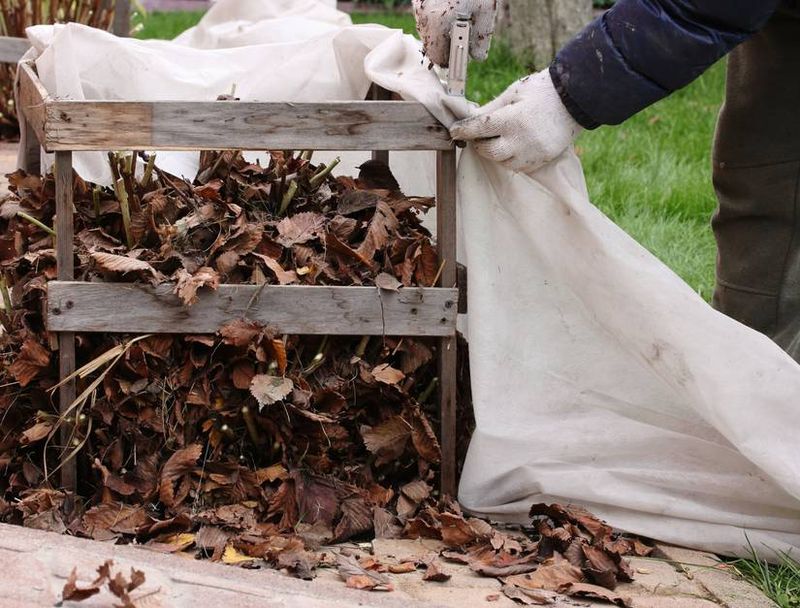
Neighbors might wonder why your shrub is wearing a wire sweater. That odd-looking cage could be the secret to big blue blooms next summer.
Bigleaf hydrangeas are the most cold-sensitive of the bunch. Their flower buds form on existing stems, so harsh winters can wipe them out.
The New York Botanical Garden suggests winter protection where temperatures fall below 5 or 10 degrees. Many upstate gardens hit those numbers often.
Building a cage is easier than it sounds. Pound three or four stakes around the shrub and wrap them with chicken wire.
Next, fill the cage with dry, fluffy material. Fallen leaves, straw, or pine needles all make great insulation.
Pack the material gently around the bare stems. Air pockets inside help trap warmth, so avoid crushing everything down too tightly.
Cover the top with plywood or a piece of foam board. A lid keeps heavy snow and rain from flattening the stems inside.
Burlap or breathable frost cloth works for quick cold snaps too. Wrap shrubs when forecasts call for temperatures below 20 degrees.
Panicle and smooth hydrangeas usually skip this step. They handle cold much better, though extreme winters can still nip branch tips.
Remove the cage gradually in spring once hard frosts pass. Pulling everything off too soon can expose tender buds to a late freeze.
8. Patience, Since Fall Browning Is Normal
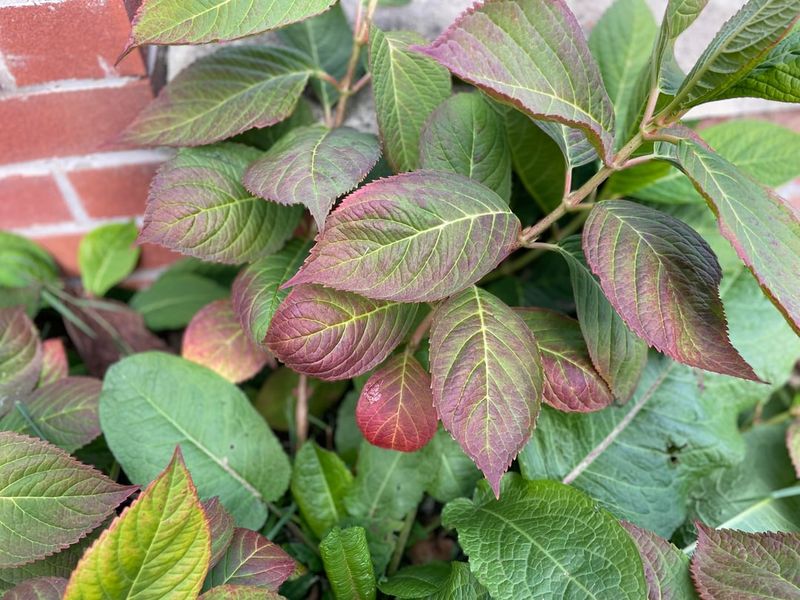
Sometimes the best fix is simply a deep breath. Browning hydrangeas in fall are usually doing exactly what nature intended.
Flowers shift colors as they age through the season. Bright blues, pinks, and whites mellow into green, burgundy, tan, and soft parchment.
Leaves follow a similar path as days grow shorter. Yellowing and browning signal that the shrub is slipping into its winter rest.
Inside, the plant is pulling energy down into its roots. That stored fuel powers fresh growth once spring warms the soil.
Timing helps you tell normal changes from real trouble. Browning in midsummer may point to heat stress, too much sun, or a lack of water.
Late-season browning in garden is rarely cause for worry. Cool nights and early frosts naturally nudge shrubs toward dormancy.
Snap a few photos of your shrubs through the seasons. Comparing pictures each year helps you spot patterns and true problems faster.
Gently scratch a stem with your fingernail if you feel unsure. Green tissue underneath means the stem is alive and simply resting.
Many New York gardeners learn to love this quiet stage. Bronzed blooms and rusty leaves bring warm color to gray November days.
Treat this season like a well-earned nap for your plants. With water, mulch, and a little restraint, they will return full of flowers.