Why Stink Bugs Gather On California Walls And Windows In Fall
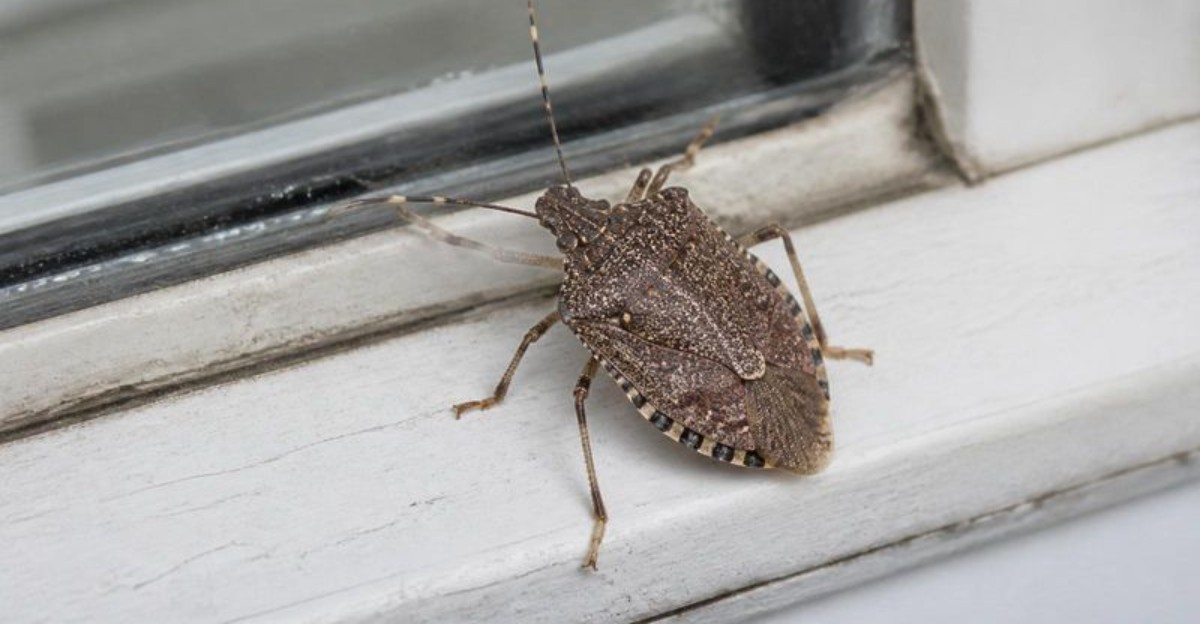
Autumn afternoons in parts of California bring an unexpected guest list. A sunny wall or window frame that looked perfectly ordinary all summer can suddenly host a crowd of small, shield-shaped visitors.
Their arrival seems to happen overnight, and the numbers can feel a little unsettling. Few people notice them before fall.
There’s a logic behind the gathering, though, and it makes more sense than it first appears.
Homes happen to offer exactly what these travelers want, often without anyone realizing it.
The good news involves more caulk than chemistry. A few simple steps can keep the party outside where it belongs.
Some houses, it turns out, make far more appealing winter resorts than their owners ever intended.
Cooling Nights Trigger The Move
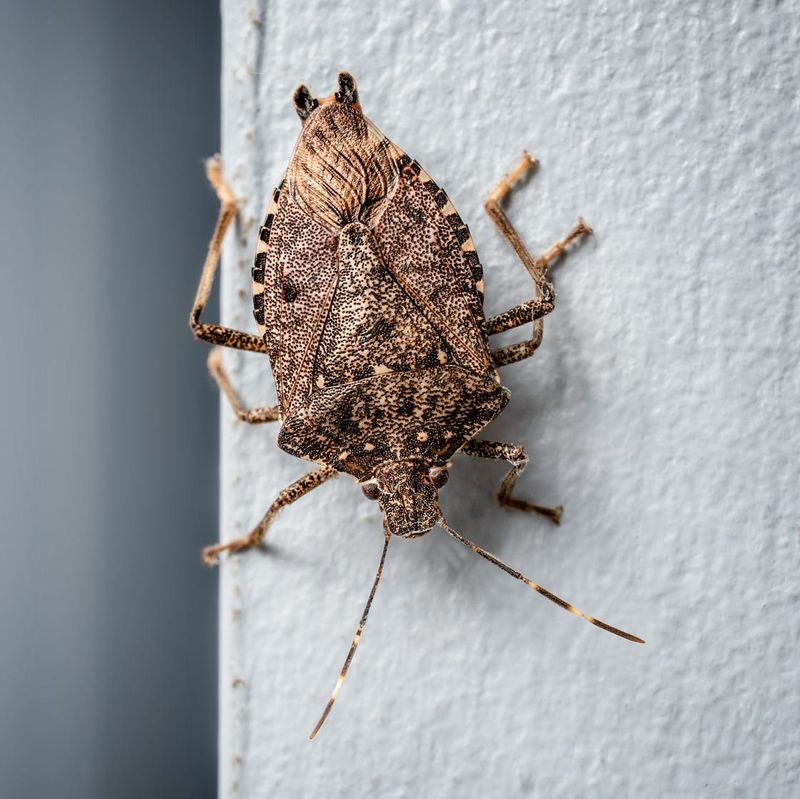
The first evening that calls for a sweatshirt on the porch sends a signal through the insect world. Stink bugs notice that chill, too, and treat it like an alarm clock.
Shorter days and cooler nights tell adults that summer feeding time is ending. A seasonal shift begins.
All season long, brown marmorated stink bugs feed on fruit trees, tomatoes, peppers, beans, and ornamental shrubs. They build fat reserves while the weather stays warm.
Once temperatures drop, their bodies shift from eating and egg-laying into a resting mode for winter. That change sets the fall journey in motion.
Only adults make this trip. Young stink bugs, called nymphs, can’t make it through the cold, so grown-ups carry the population to spring.
In late summer and early fall, they leave the garden and take flight in search of a protected spot. House walls are often the first big, solid surface they meet.
California weather adds a twist. In valley towns like Sacramento or Davis, nights can cool quickly while days stay hot.
That swing seems to nudge the bugs into moving in waves, so a crowd one week may thin out the next. Sunny, warm afternoons after a cool night tend to be the busiest times.
The calendar offers a helpful clue. A first few bugs on the siding in September serve as a heads-up that more are likely coming.
That moment makes an ideal time for sealing up the house before the main October rush.
They Are Searching For Winter Shelter
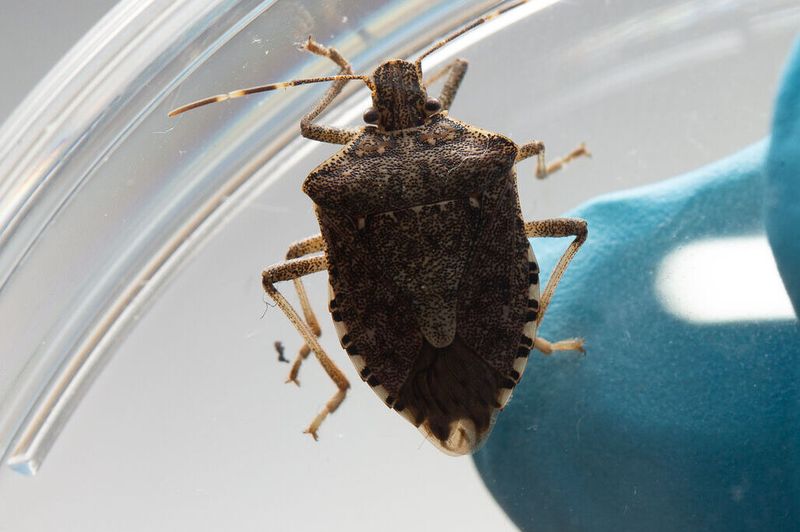
Out in the woods, a stink bug has no furnace and no blanket. What it does have is a talent for squeezing into tight, dry spaces.
According to the UC Statewide IPM Program, adults look for safe overwintering sites as fall arrives. Instinct drives the search.
In nature, those sites are humble. The bugs wedge into cracks in rocks, slip under loose tree bark, or hide in fallen logs and leaf piles.
A good hideout stays dry, blocks the wind, and keeps temperatures steady enough for rest until spring. Those three features matter most.
Once settled, the bugs enter a sleepy state called diapause. Activity slows way down, and feeding stops.
They simply wait for longer, warmer days. The result works like a winter nap lasting months, with no snacks required.
Your California Garden Changes Every Week. Your Plan Should Too.
Gardening in California changes quickly throughout the season. Every Friday you’ll receive a simple weekly plan showing exactly what to plant, prune, fertilize, harvest, and protect so you never miss the right timing.
Homes and sheds offer the same features as a hollow log, only better. Attics, wall voids, and garages stay dry and protected, and they rarely freeze.
From a stink bug’s point of view, an attic resembles a luxury tree trunk.
Spring brings the reverse trip. As days warm, the bugs wake and try to head back outside to feed and lay eggs.
Ones trapped indoors may wander toward windows looking for an exit. A few sluggish bugs in March or April simply mean they spent winter tucked inside somewhere, usually within walls or attic spaces.
Sunny Walls Offer Free Warmth
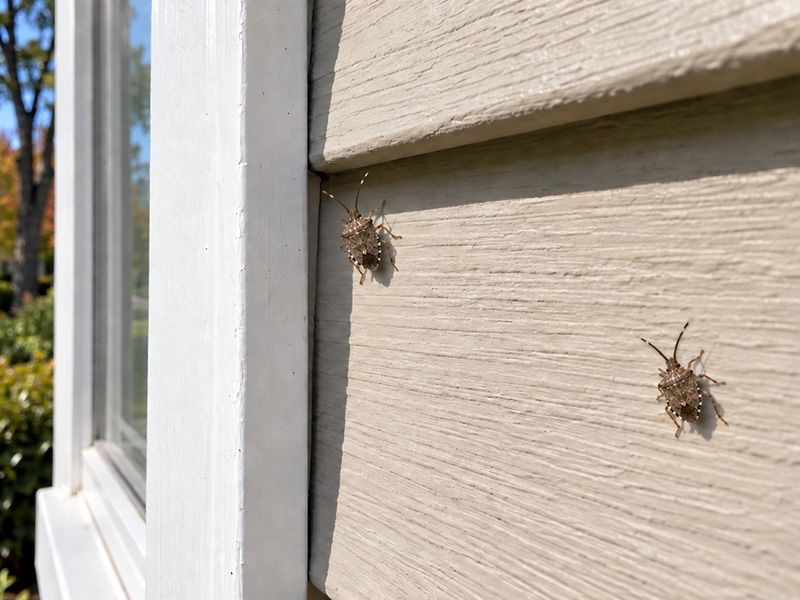
Most bugs tend to pick one side of the house and ignore the others.
A walk around the home on a sunny fall afternoon usually reveals the biggest crowds on the south or west side, where walls soak up the most sunshine.
Stink bugs are cold-blooded and can’t make their own body heat. They rely on their surroundings to warm up enough to crawl and fly.
A sun-baked wall works like a heating pad. It gives them an energy boost on chilly fall days.
Warm surfaces also serve as resting stops. The bugs land, bask for a while, then explore nearby edges and cracks for a winter hideout.
A wall that stays toasty late into the afternoon can hold a crowd for hours. On cloudy days, few may appear at all.
California sunshine makes this effect even stronger. Stucco, brick, and wood siding can stay warm well after the sun dips.
Areas near eaves, chimneys, and window frames trap heat especially well. That explains why bugs tend to cluster in those spots.
This pattern works to a homeowner’s advantage. Sunny walls make the best starting point when hunting for gaps to seal, especially around windows and vents on those sides.
A little focused work on the warm side of the house can stop a big share of the invasion before it starts. The effort pays off quickly.
Pheromones Draw Other Bugs To The Same Spot
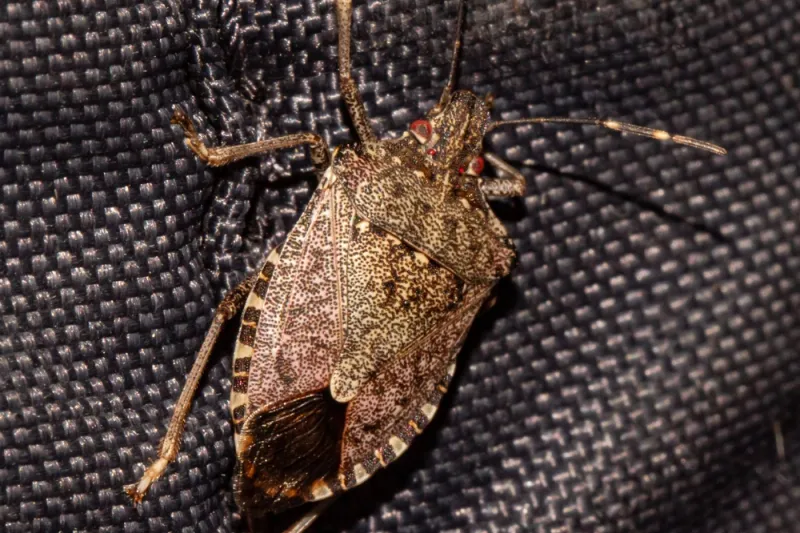
One bug on a window screen seems like no big deal. An hour later, though, twenty might gather there, and that snowball effect is no accident.
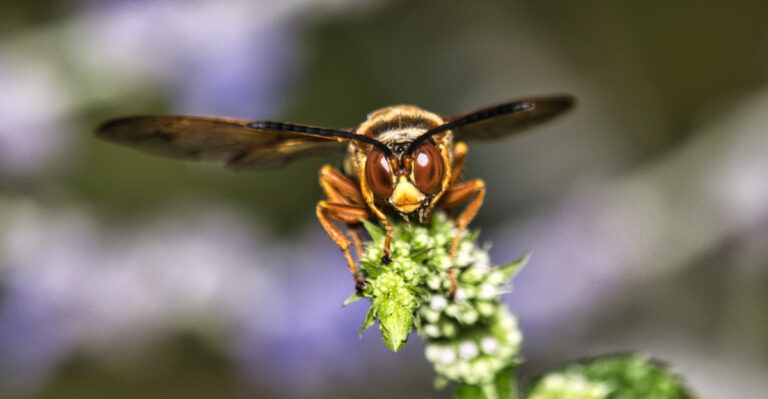
These insects communicate with scent. Males of the brown marmorated stink bug release an aggregation pheromone, a chemical signal that tells others to come over.
Scientists have studied this scent closely and now use it as bait in monitoring traps for farms and orchards. The signal draws both males and females, plus young nymphs during the growing season.
In fall, gathering in groups seems to help the bugs find good shelter. A few bugs landing on a promising wall can attract others flying nearby through their presence and scent.
A spot that worked one year can become a favorite gathering place again. Some homes see the same corners crowded year after year.
The famous stink comes from a different set of chemicals. Glands release that sharp, cilantro-like smell when a bug feels threatened or gets squished.
That odor serves as a defense rather than a dinner bell. It’s meant to warn predators away.
Understanding scent helps guide smart removal. Crushing bugs on walls or windowsills is best avoided, since it leaves a smelly mess behind.
Knocking them into a container of soapy water or vacuuming them up works far better. Clearing small groups early may help keep a few visitors from turning into a crowd on the siding.
Cracks And Peeling Bark Mimic Natural Shelter
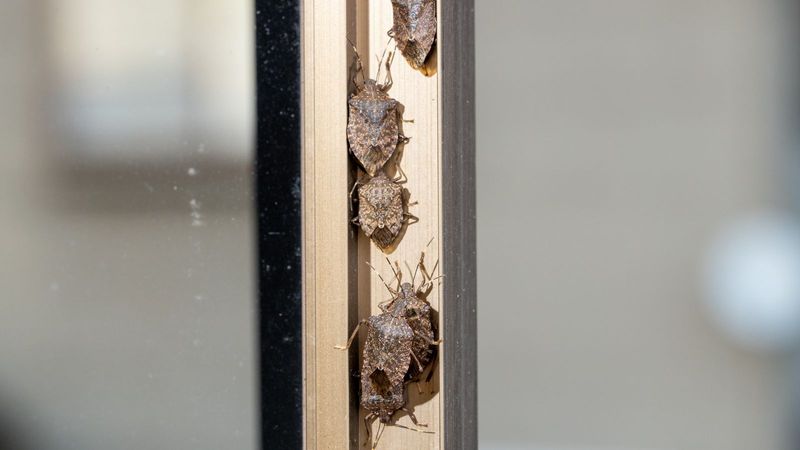
Old wood siding, seen through a stink bug’s eyes, looks like a forest full of hiding spots. Gaps between boards, loose trim, and chipped paint resemble the bark of a tree.
Wild stink bugs search for narrow, shaded openings to squeeze into. Their flat, shield-shaped bodies are built for slipping into slim spaces.
A crack in a fascia board or a gap behind a shutter matches that natural hideout almost perfectly. The resemblance is hard to resist.
Houses offer plenty of these lookalikes. Cracked stucco, spaces under roof shingles, openings around attic vents, and gaps where siding meets the foundation all fit the bill.
Even stacks of firewood and piles of patio furniture can serve as backup shelters. Clutter near the house adds options.
Older homes tend to have more of these openings, since wood shrinks and caulk breaks down over time. Newer homes aren’t immune, though.
Small gaps left during construction can be just as inviting to a bug the size of a fingernail. Age matters less than tightness.
A simple fall checkup helps. A flashlight walk around the house on a sunny afternoon reveals places where a credit card or business card could slide in.
Painter’s tape marks those spots for later sealing with caulk or patching material.
Repairing loose trim and peeling paint does double duty. The home looks better, and stink bugs lose a cozy place to bunk for winter.
Windows And Light Siding Stand Out
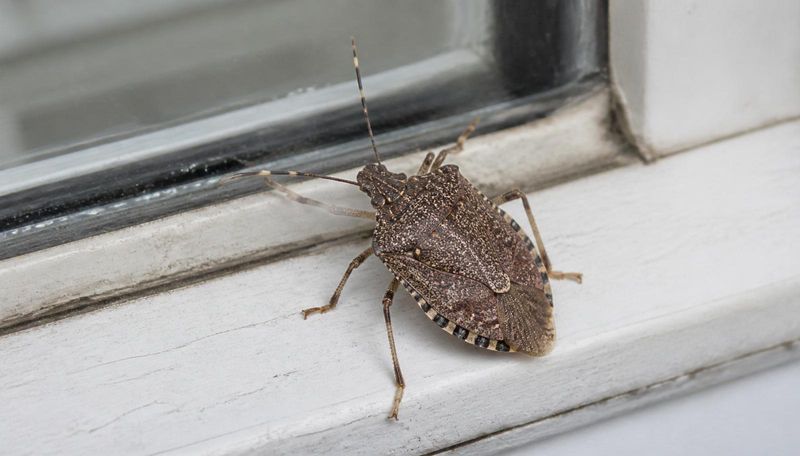
Bugs on a white window frame are easy to spot, but contrast tells only part of the story. Windows and pale surfaces seem to pull stink bugs in during the fall rush.
Glass and its frame heat up quickly in the sun. Edges where glass meets wood, vinyl, or metal often hold tiny seams.
To a bug hunting for a warm, snug crevice, a window makes a tempting target. Plenty of corners invite exploration.
Light-colored walls reflect sunlight brightly, and stink bugs tend to move toward light. Researchers have noticed the bugs often showing up on pale siding and sunny window areas.
Light surfaces may also simply make them easier to see. The crowd can look bigger than it truly is.
Inside the house, light matters again. Bugs that slipped into walls or attics may crawl toward lamps or bright windows on warm winter days.
That habit explains the occasional bug buzzing clumsily around a ceiling light in January. It’s simply following the glow.
A few easy fixes help. Torn window screens benefit from repair, and screens should fit snugly in their frames.
Cracked or flattened weatherstripping around windows deserves replacement. Outdoor lights switched off when not needed on fall evenings reduce the draw.
A new paint color isn’t necessary, but tightening up around every window makes a big difference in how many bugs find a way in.
Tiny Gaps Open The Door Indoors
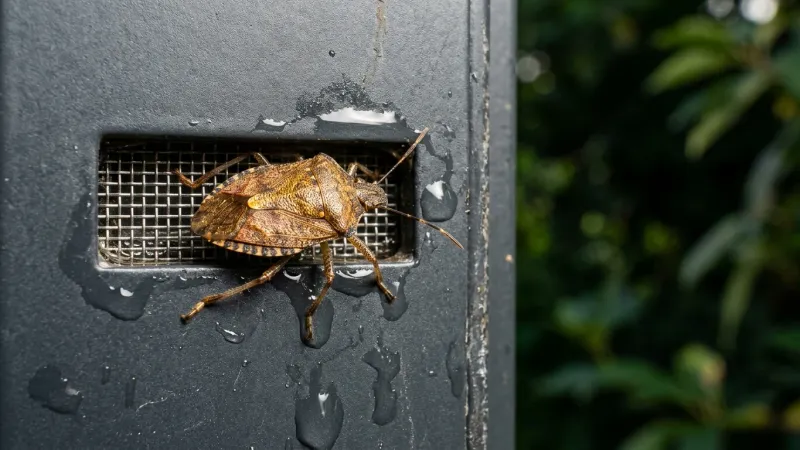
A gap no wider than a pencil lead can become a front door. Once a bug finds one, it crawls right through into wall spaces, attics, and eventually the living room.
UC IPM calls exclusion the best way to control these bugs. Keeping them out before they get in beats most other approaches.
Spraying pesticides on the outside of the house works poorly and can harm helpful insects. Energy spent sealing up pays off far better.
The usual trouble spots deserve a close look. Windows and doors, siding and trim, and places where pipes, cables, dryer vents, and outdoor faucets enter the house all need attention.
Chimneys and attic vents belong on the list, too.
Good quality silicone or silicone-latex caulk seals cracks and gaps nicely. Door sweeps and fresh weatherstripping help doors close tight.
Fine screen over attic and foundation vents blocks another entry route. Repairing rips in window screens closes yet another.
Timing matters most. Late summer, before bugs gather in large numbers, makes the ideal window for this work.
Sealing up after bugs are already inside the walls can trap them there, and they’ll wander out on warm days anyway. Even in October, though, closing remaining gaps limits new arrivals.
A tube of caulk costs only a few dollars but can save weeks of chasing bugs across the ceiling. Sealed gaps also keep out drafts, spiders, and other pests, and they may even trim the energy bill.