Why Florida Gardeners Should Wait Before Planting Pansies Even When Garden Centers Start Selling Them
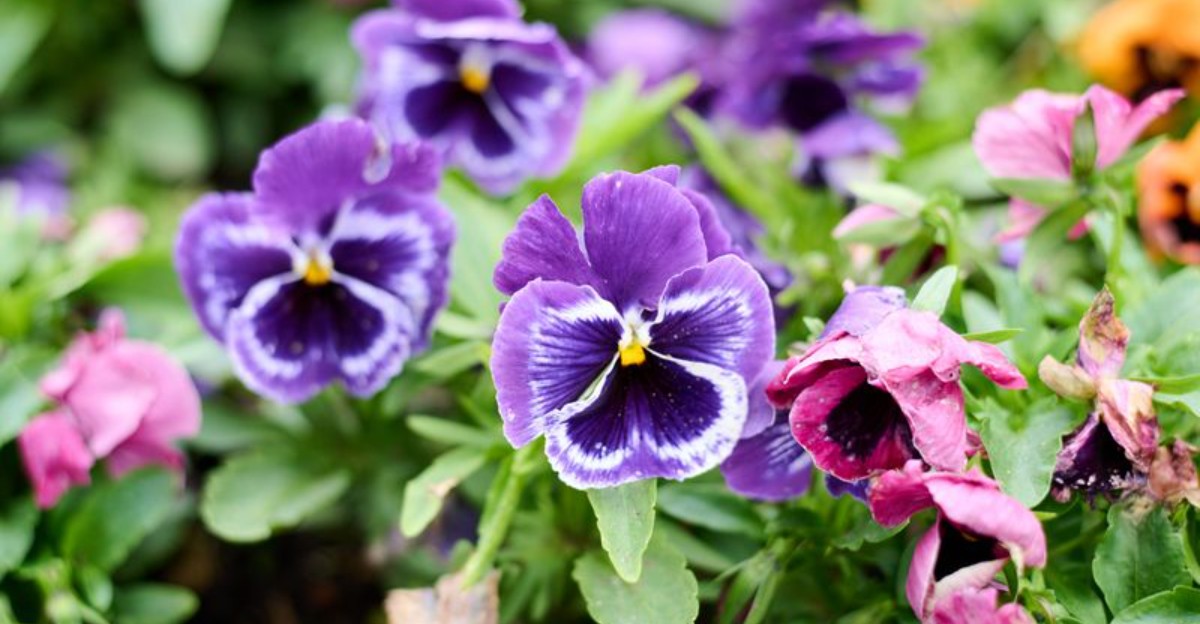
Pansy flats show up at the garden center in October looking like a dare. Bright faces, cheap price, and a whole season of color within reach.
Hold your horses.
Florida plays by its own calendar, and the plants on the shelf follow the national schedule instead. A lot of gardeners take the bait, haul home a trunk full, and watch the blooms sulk within weeks.
The nursery is happy to restock.
The right planting date depends on something stores never mention on the little plastic tag. Jump the gun and you pay for it twice.
Park the cart for now. A few weeks of patience can turn the same flats into a winter full of color.
1. Pansies Thrive Once Nights Drop Below 65 Degrees
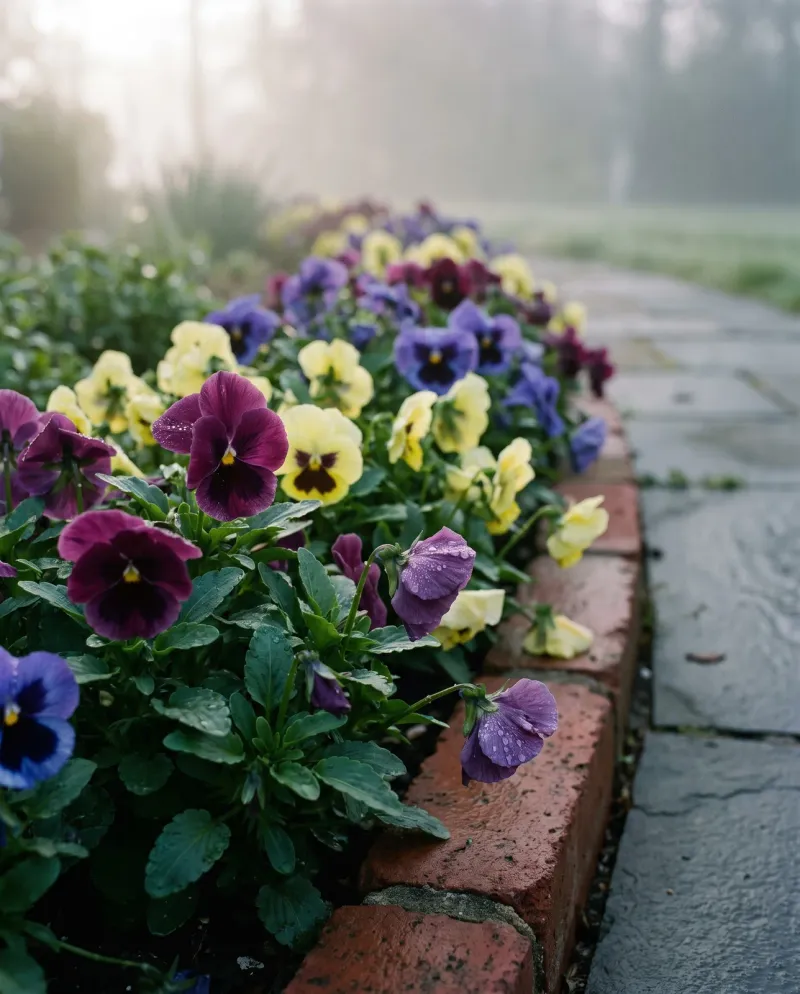
Think of pansies as fans of sweater weather. They do their best work when nights stay below 65 degrees and days hover near 60 degrees.
In that cool range, the plants grow thick roots and push out bloom after bloom. Their stems stay short and sturdy, and their leaves keep a rich green color.
Florida takes its time getting to that point. Inland areas often feel the first cool, dry air around mid-October, while coastal spots lag behind.
By November, most of the state sees nights dip under 60 degrees on a regular basis. South region may wait even longer, and some years it barely gets there at all.
So how do you know when it is time? Watch your local nighttime lows for about a week before you shop.
If those numbers stay in the low 60s or below, your pansies will feel right at home. If the lows keep sitting near 70, it is smarter to hold off a bit longer.
A cheap outdoor thermometer can help you track the trend without guessing. Check it early in the morning, when temperatures are usually at their lowest.
Fun fact: pansies are cousins of violets, which grow wild in cool woodlands. That family history explains why they love crisp air so much.
2. Warm, Humid Weather Stresses New Transplants
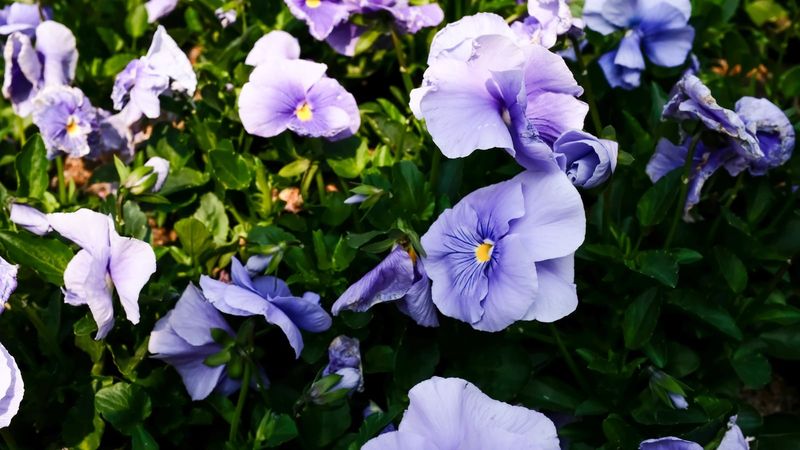
Picture moving to a new home during a heat wave with the air conditioning broken. That is roughly how a young pansy feels when it lands in warm, sticky Florida soil.
Transplants already go through a shock when they leave their cozy nursery pots. Their roots need time to spread out and settle into the ground.
Heat and humidity make that adjustment much harder. Instead of growing strong roots, the plant spends its energy just trying to cope.
You may start to see warning signs within a week or two. Leaves can turn yellow, and stems may stretch out tall and floppy as the plant reaches awkwardly.
Those weak, leggy plants become easy targets for bugs and diseases. Aphids and other pests seem to find stressed plants first.
Pansies are true cool-season flowers, so heat makes them sag and stop blooming. In summer, they basically shut down and wait for better days.
The good news is that you can avoid all of this with simple timing. Wait for a stretch of cooler, drier weather before you plant.
Your Florida Garden Changes Every Week. Your Plan Should Too.
Gardening in Florida changes quickly throughout the season. Every Friday you’ll receive a simple weekly plan showing exactly what to plant, prune, fertilize, harvest, and protect so you never miss the right timing.
If you already bought a flat, keep it in a shady spot and water it gently. Your little plants can hang out in their pots for a short while until the weather turns friendlier.
3. Warm, Wet Weather Invites Disease
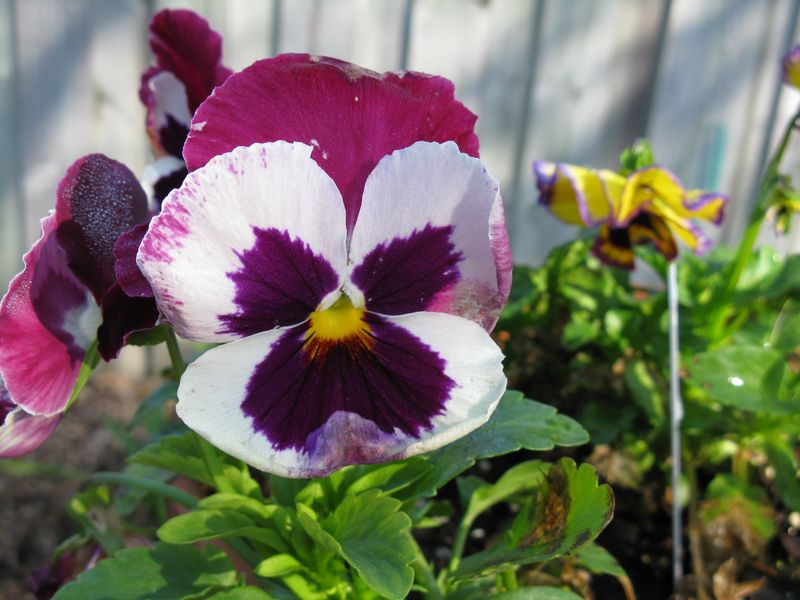
Fungi throw a party whenever warm air meets wet leaves. Unfortunately, your pansies are the snacks on the table.
Several troublemakers show up in these conditions. Black root rot, botrytis blight, downy mildew, crown rot, anthracnose, and Cercospora leaf spot all love warmth and moisture.
In our state, humidity often stays high well into October. Dew points in the mid-60s to mid-70s keep leaves damp for long hours.
That lingering moisture gives fungal spores the perfect chance to grow. Once they settle in, they can spread from plant to plant fast.
Your watering habits matter too. Soggy soil, poor drainage, or pots sitting in saucers of water can lead straight to root rot.
Try watering in the morning instead of late afternoon or evening. Leaves then have the whole day to dry off in the sun.
Aim your hose at the soil, not the foliage. A watering can with a long spout or a soaker hose works nicely for this.
Also, give each plant a little breathing room when you set them in the bed. Good airflow between plants helps leaves dry faster.
Planting after the humidity drops is the easiest defense of all. Cooler, drier air keeps many of these diseases from getting a foothold.
4. Your Zone Sets The Right Planting Month
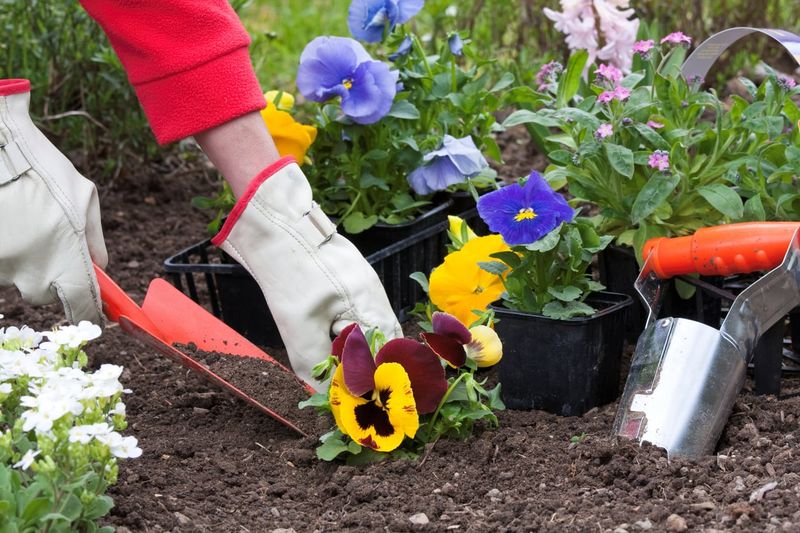
The state stretches more than 400 miles from the Panhandle to Key West. That means a pansy in Pensacola lives a very different life than one in Miami.
Your USDA hardiness zone is the best clue for timing. These zones are based on average winter low temperatures in your area.
Pansies can handle a huge range, from Zone 3 up to Zone 10. In warm places like our state, though, people grow them as cool-season annuals rather than year-round plants.
For warmer zones, the general advice is to plant once temperatures start heading downward. In Florida, that shift arrives at different times depending on where you live.
Not sure of your zone? You can look it up online by typing in your ZIP code.
The state mostly falls between Zone 8 in the north and Zone 11 in the far south. Each step up the scale usually means a later planting window.
Your county extension office is another great resource. The University of Florida runs offices around the state with free local advice.
Keep in mind that your own yard may have little pockets of warmth or chill. A spot near a brick wall stays warmer, while low areas can collect cool air.
Knowing your zone takes the guesswork out of shopping. You will buy pansies when your garden is ready, not just when the store is.
5. Zone 8 Can Start In October
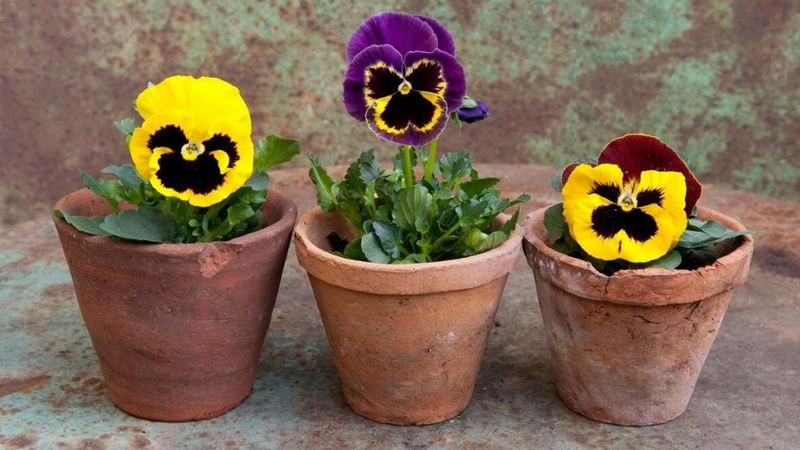
Good news, North Florida folks! You get first dibs on pansy season.
Zone 8 covers the Panhandle and parts of the northern tier of the state. Cities like Tallahassee and Pensacola sit in this cooler slice of the state.
Here, cool fronts tend to arrive sooner and stay longer. That gives you a head start compared to friends down south.
Gardeners in Zone 8 can plant pansies in October, November, December, or February. Many experts point to late October as a sweet spot for both 8a and 8b.
Why not early October? Warm spells can still sneak in during the first half of the month.
Waiting until the final weeks of October lowers that risk. Your plants get cool nights right away, which helps their roots settle in.
Planting earlier in the season also has a bonus. Pansies set in fall can bloom through winter and keep going into spring.
Zone 8 does get the occasional hard freeze, so be ready. Pansies can handle frost pretty well, but a light sheet or frost cloth helps on bitter nights.
A layer of pine straw mulch around the base keeps roots snug. It also holds moisture and keeps mud from splashing onto the petals.
With smart timing, a Zone 8 pansy bed can stay cheerful for months.
6. Most Of Florida Should Wait Until November
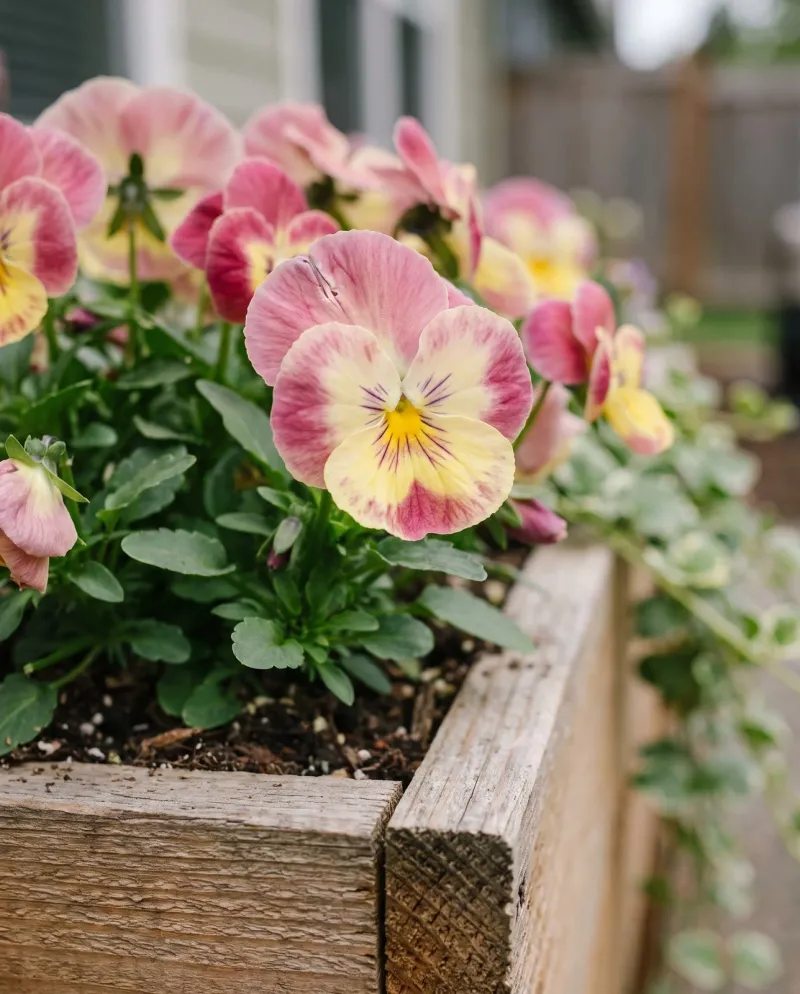
Patience pays off for the biggest chunk of the state. If you live in Central or South Florida, November is your green light.
Zone 9 covers places like Orlando, Tampa, and Gainesville. Gardeners here can plant in November, December, or February.
Zones 10 and 11 reach down through Fort Myers, Miami, and the Keys. Their best window is a bit tighter, running through November and December.
This timing lines up with when cooler air finally settles in. Across West Central and Southwest region, steady fall weather usually takes hold during November.
So why do stores sell pansies in September or early October? Retailers often follow national shipping schedules, not local weather.
That means the flowers may reach shelves weeks before your yard is ready. Buying them early is tempting, but planting early can backfire.
Here is a handy trick for the wait. Use October to prep your beds, test your soil, and add compost.
When November arrives, your garden will be ready to go. You can plant quickly while the plants are still fresh and full of buds.
Skipping January in Zone 9 is common because of cold snaps and busy holidays. February works nicely for a second round of color heading into spring.
Waiting a few extra weeks feels hard. The reward is a bed that blooms much longer.
7. A Sudden Warm Spell Can Make Pansies Wilt
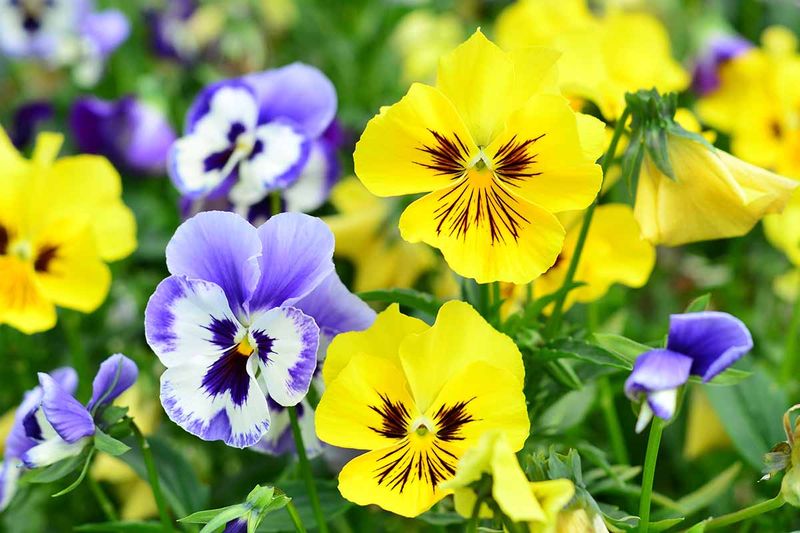
Florida weather loves a plot twist. One week feels like fall, and the next feels like summer came back for a visit.
Those surprise warm spells can hit pansies hard. Once temperatures stay above 70 degrees for a while, the plants often droop and sulk.
You might notice fewer flowers popping open. Pansies tend to pause blooming when they feel too warm, like taking a nap until the heat passes.
Wilting is not the only worry. Crown rot, caused by a pathogen called Phytophthora, becomes more active in warm conditions.
This disease attacks the base of the plant where stems meet soil. It can make a healthy-looking pansy collapse surprisingly fast.
So what can you do during a heat surprise? Start by checking the soil before you water.
Wilting does not always mean thirsty. If the soil is already moist, extra water may only invite rot.
Water deeply in the morning only when the top inch feels dry. Pull mulch back slightly from the stems so the crown stays airy.
Pinch off faded blooms to help the plant save energy. A temporary shade cloth during the hottest afternoons can also offer relief.
Most pansies bounce back once cooler air returns. Planting later in the season simply lowers the odds of facing these stressful swings at all.
8. Choose Heat-Tolerant Varieties If You Plant Early
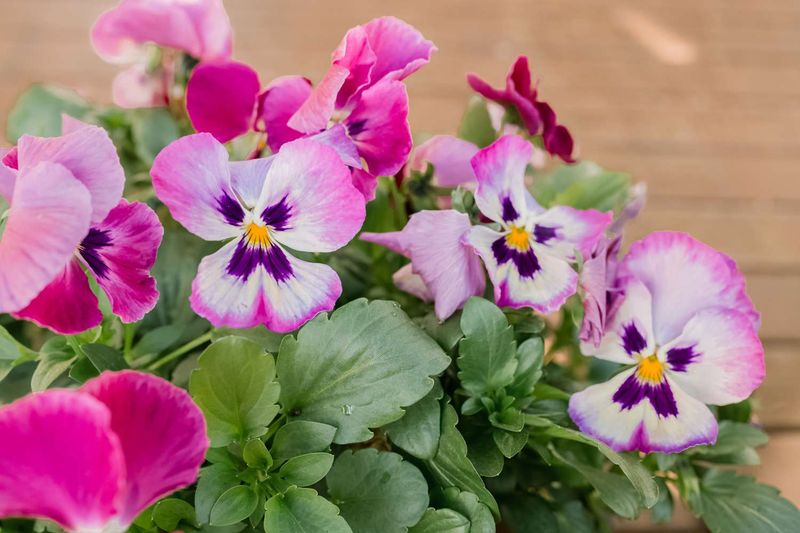
Okay, maybe you just cannot resist those early pansies. No judgment here, because some of us struggle with patience too.
If you plan to plant early, pick your plants wisely. Breeders have created varieties that handle warmth better than older types.
Look for names like Majestic Giants II, Dynamite, Supreme, and Colossus. Springtime, Maxim, Padparadja, Matrix, and Universal are also good choices.
Matrix is known for sturdy stems and big blooms. Universal earned a reputation for steady flowering through changing weather.
Padparadja stands out with its bright, glowing orange petals. The name comes from a rare orange-pink sapphire, which fits its jewel-like color.
Check plant tags carefully when you shop. Most labels list the variety name, and staff can often point you to tougher types.
Here is the honest truth, though. Even these hardy pansies can wilt once temperatures regularly climb above 70 degrees.
Heat tolerance gives you a little wiggle room, not a free pass. Think of it as wearing a raincoat in a storm, helpful but not magic.
Pair your tough varieties with smart care for the best results. Morning watering, good drainage, and a bit of afternoon shade all help.
Choose compact, healthy plants with lots of buds instead of full blooms. They usually adjust faster and keep flowering longer.
9. Give Them Well-Drained Soil And Some Shade
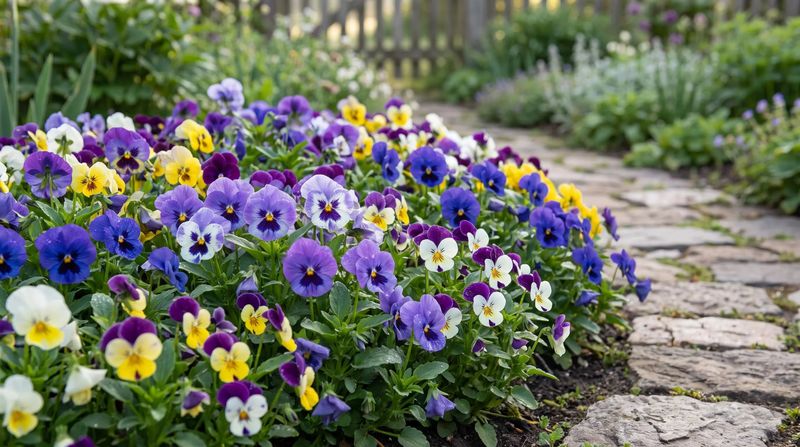
A happy pansy starts from the ground up. Rich, loose soil and a smart location can make all the difference.
Pansies like soil that stays moist but drains well. Soggy ground is a fast track to root rot, especially in our state.
Florida soil is often sandy, so mixing in compost helps a lot. It holds moisture while still letting extra water drain away.
These flowers also prefer slightly acidic soil. A pH between 5.4 and 5.8 suits them nicely.
A simple soil test kit can tell you where you stand. Your local extension office may offer testing for a small fee.
Raised beds are a great option if your yard stays wet. Lifting the soil just a few inches can improve drainage quite a bit.
Now let us talk about sunshine. In cool weather, pansies enjoy full sun and reward you with bigger flowers.
In our state, though, a little afternoon shade goes a long way. It helps prevent wilting and can stretch out the blooming season.
Just do not overdo it. Too much shade can shrink flower size and reduce blooms.
An east-facing bed with morning sun and afternoon cover is often ideal. Set things up right, and your pansies will brighten your yard well into spring.