This Native Arizona Shrub Releases A Scent That Mosquitoes Avoid Every Time You Brush Past It
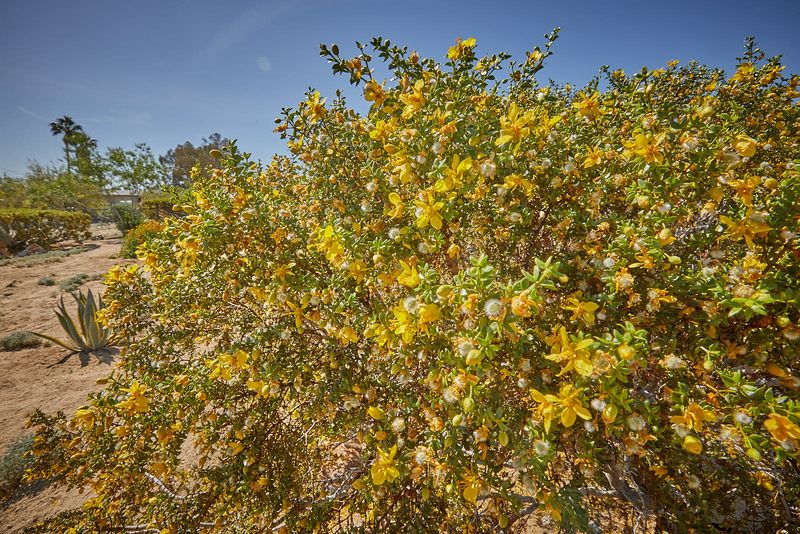
Walk past a creosote bush after a desert rain and you will know it right away. That smell is part of Arizona life, and some people say it keeps mosquitoes away.
Here is what we actually know about the scent, how to grow the shrub well, and what really helps with bites.
Creosote’s scent is not proof of mosquito protection
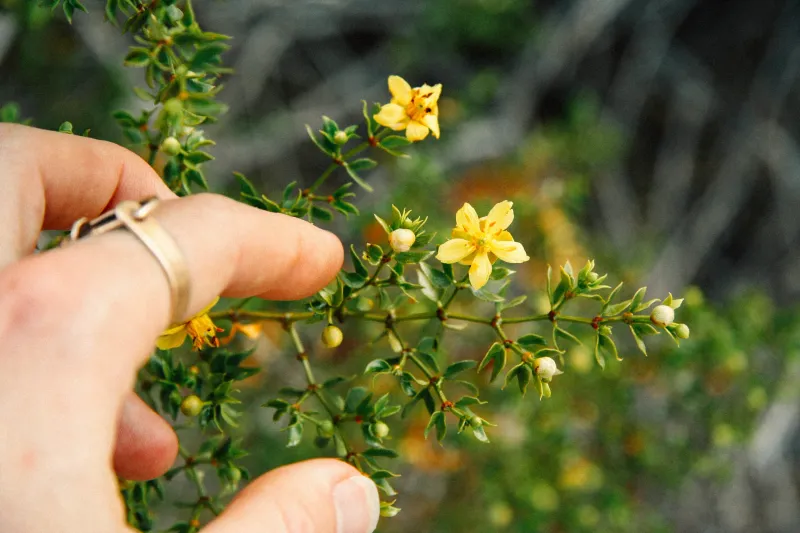
Creosote bush (Larrea tridentata) is the sharp-smelling shrub that dots the low deserts around Phoenix and Tucson. You may have heard that mosquitoes steer clear of it whenever you brush past.
That promise goes further than anything we can back up.
A strong smell is not the same as a repellent. Plenty of plants smell wonderful to us, yet that tells you nothing about what a mosquito does near them.
Iowa State Extension says aromatic plants sitting in a landscape do not repel mosquitoes.
Creosote does have a famous scent, and University of Arizona Extension describes it. What the sources do not show is that touching the shrub releases a scent that keeps mosquitoes off you or your yard.
That is a different claim, and it has not been verified.
Rain makes creosote’s leaf scent especially noticeable
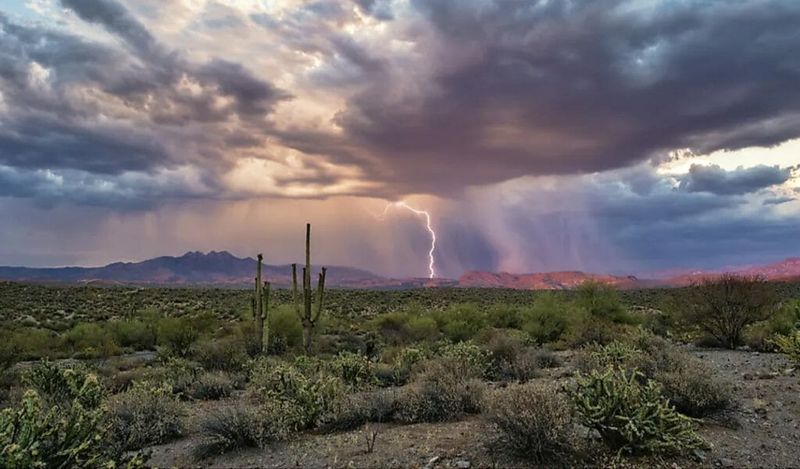
Ask any longtime Arizonan what the monsoon smells like, and creosote usually comes up. The leaves are strongly scented, and the odor stands out most when the foliage is wet.
A summer storm rolling over a stand of creosote can perfume a whole neighborhood.
That is a fact about fragrance, and it is where the solid information ends. The shrub clearly smells, especially after rain, but a pleasant or pungent odor tells us nothing about mosquito behavior.
The same goes for the idea of brushing against it. Nothing reviewed confirms that touching the leaves sets off a special burst of scent with a mosquito-deterring effect.
So enjoy the rain-day aroma for what it is, one of the signature smells of the low desert, and treat any bite-protection benefit as unproven.
If you want to check the plant description yourself, the Yavapai County plant profile covers its wet-leaf odor.
Measured volatile emissions do not prove mosquito avoidance
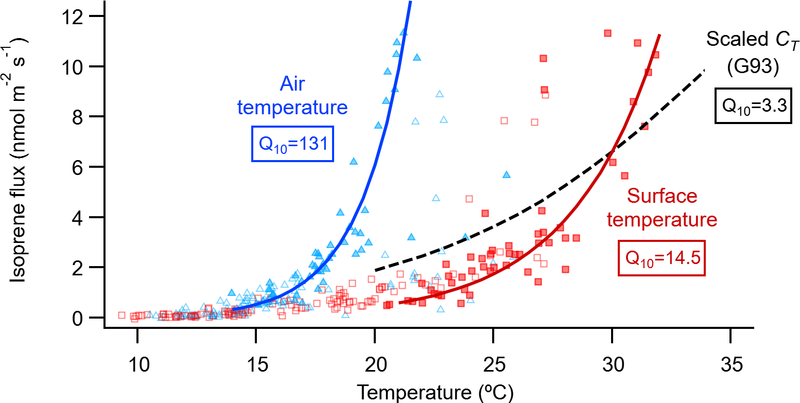
Scientists have put creosote under the microscope, so to speak. A study by Jardine and colleagues measured volatile organic compounds coming off creosote branches.
Volatiles are the airborne chemicals plants give off, and they are part of what you smell.
Here is the catch. That work looked at the emissions and what they mean for the atmosphere and the ecosystem.
It did not test mosquitoes, and it did not test whether anyone gets fewer bites near the plant.
Think of it this way: finding chemicals in the air around a shrub is like confirming that a bakery smells like bread. It explains the smell, not what a mosquito will do about it.
The study also did not test the brushing idea. So the measurements are real and interesting, but they stop short of showing that creosote keeps mosquitoes away.
Your Arizona Garden Changes Every Week. Your Plan Should Too.
Gardening in Arizona changes quickly throughout the season. Every Friday you’ll receive a simple weekly plan showing exactly what to plant, prune, fertilize, harvest, and protect so you never miss the right timing.
We are not saying no plant compound could ever affect mosquitoes, only that this evidence does not show it for creosote.
Creosote can suit a low-desert landscape
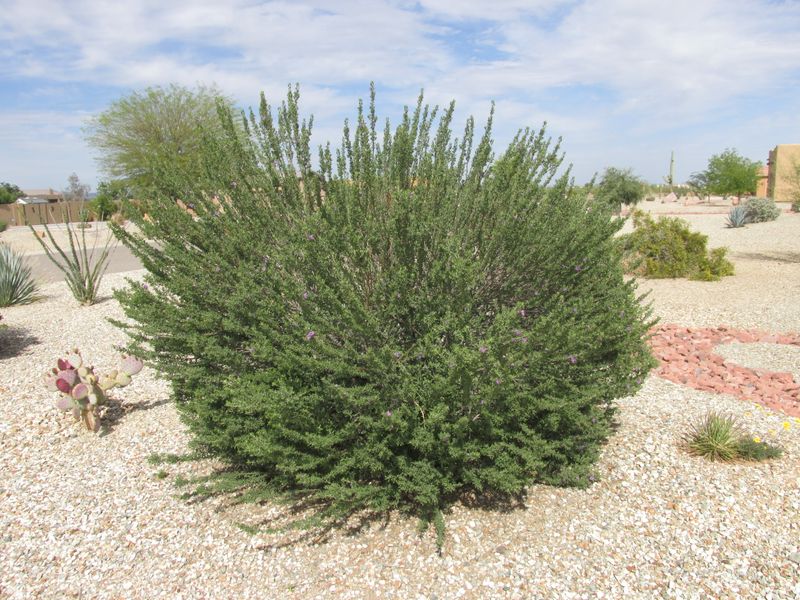
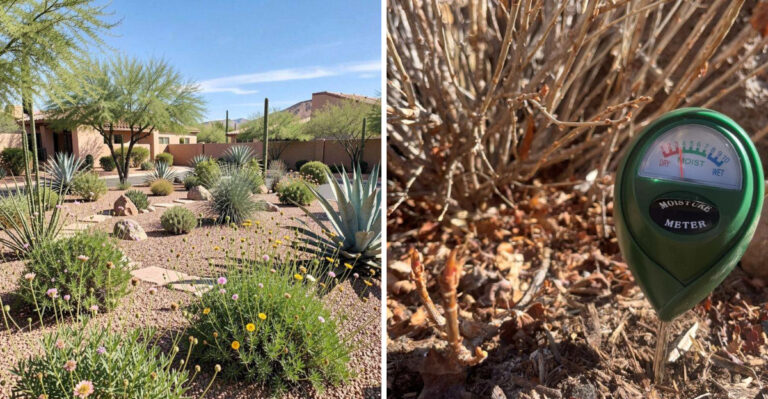
Leave the mosquito claims aside, and creosote still earns a spot in many yards. It is a resinous evergreen shrub native to Arizona’s low deserts, so it is built for the heat, the alkaline soil, and the thin rainfall you deal with.
Once it is established, creosote is drought tolerant, which makes it a good fit for a water-wise design. It holds its foliage through the year and adds small yellow flowers, plus that desert scent after storms.
It works well in naturalized areas, along property edges, and as a backdrop for smaller wildflowers and cacti. Give it room, since a healthy shrub can grow large over time.
You can read more about its habit and range in the Yavapai County profile and the University of Arizona creosote bush guide. Plant it for its toughness and local character, not as a mosquito fix.
Water creosote while it establishes, then reduce irrigation
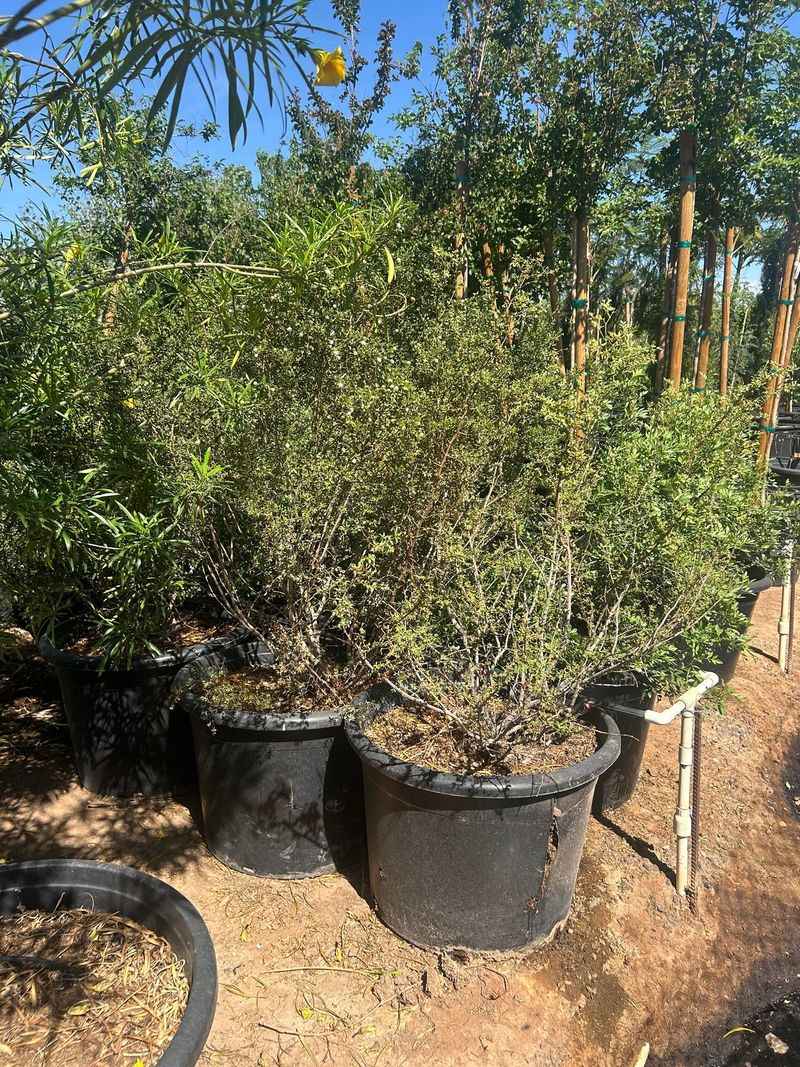
Drought tolerant does not mean no water from day one. A new creosote needs help getting its roots established.
Planting in fall or early spring gives it the gentlest start in the low desert.
University of Arizona Extension advises planting in loosened native soil and irrigating occasionally for the first one to two years. After that, you can cut back on watering and eventually stop, as the plant allows.
Watch the shrub as you taper off. Healthy, steady leaves are a good sign, while heavy leaf drop during a hot, dry stretch may mean it still needs a drink.
One more caution from the same guide: creosote may cause allergic reactions in some people. Do not rub or crush the foliage on your skin, and do not use homemade creosote preparations as a repellent or for any skin use.
Wear gloves when pruning if you are sensitive.
Use proven steps to reduce mosquito bites
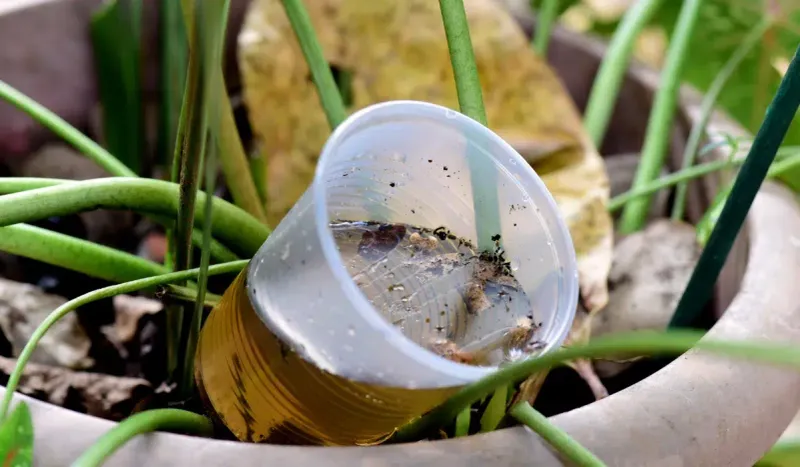
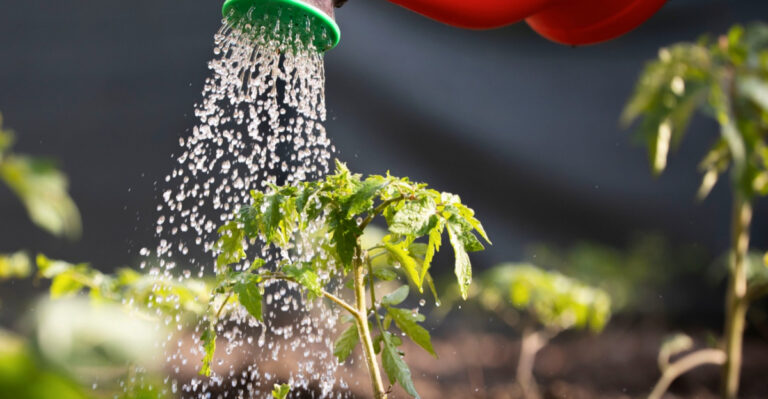
Mosquito control starts with water. Mosquitoes breed in standing water, so walk your yard once a week and empty anything that holds it, such as saucers, buckets, toys, and clogged gutters.
CDC guidance recommends exactly this routine.
For your own skin, use an EPA-registered repellent and follow the label. The CDC notes that the effectiveness of repellents without that registration is not known.
Indoors, repair torn window and door screens so mosquitoes stay out. Pima County also advises removing water sources around the yard.
Pay extra attention after monsoon storms, when puddles and full containers pop up fast.
Keep a creosote in the yard if you like the look and the desert-after-rain smell. Just let the water checks and the repellent do the bite-prevention work.