The Palmetto Bug Hiding Spot Most Florida Homeowners Never Think To Check
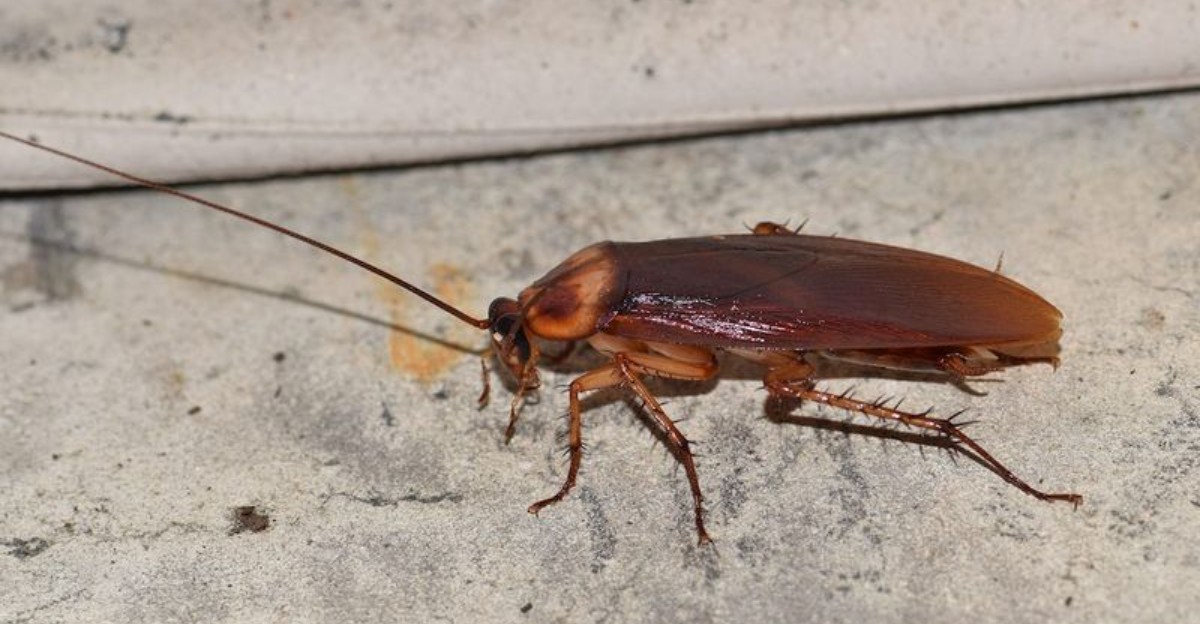
You scrubbed the kitchen, sealed the pantry, and still caught one strolling across the floor at midnight. Somewhere in your Florida home, a hideout is going unchecked.
Palmetto bugs are masters of the overlooked. They avoid the spots you clean and settle into places that never cross your mind.
Pest pros open this one first on service calls, and homeowners usually go quiet when they see what’s inside.
Spray all you want in the open and the problem stays put. The colony only needs one cozy corner and a little privacy to keep going.
Most people wait until the problem gets loud. By then the numbers have been growing in the dark for months.
Grab a flashlight and rethink your hunt tonight. The hiding spot is closer than you’d guess.
1. Palmetto Bug Is A Nickname For Several Big Roaches
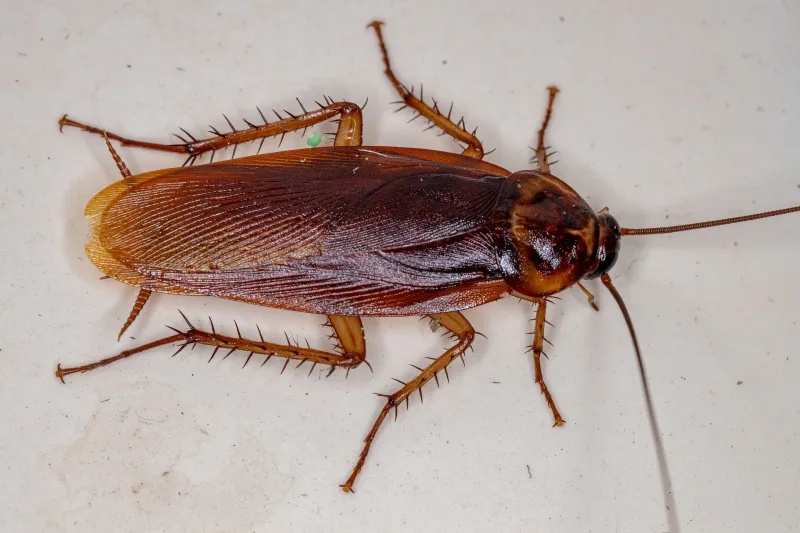
Ask five Floridians what a palmetto bug is, and you might get five different answers. Here is the truth: the name is a friendly nickname, not one single insect.
Most of the time, people mean one of three large cockroaches. The American cockroach is reddish-brown and can stretch close to two inches long.
The smokybrown cockroach is darker, with a shiny, almost mahogany look.
Then there is the Florida woods cockroach. Many experts call it the true palmetto bug.
It is wide, dark brown, and slow-moving, and it carries a funny second name, the Florida stinkroach.
Why stinkroach? When it feels threatened, it can release a strong, unpleasant smell.
That odor works like a tiny alarm that tells predators to back off.
Knowing which bug you spotted matters more than you might think. Each type has its own favorite hiding places and habits.
A smokybrown might be hanging out in your attic, while a woods roach probably wandered in from the garden.
Most of these insects measure between one and two inches. Snap a quick photo next time one shows up, and compare it with pictures online.
Once you can name your visitor, you can figure out where it came from and how to keep its cousins outside where they belong.
2. Your Palm Trees May Be Sheltering Them
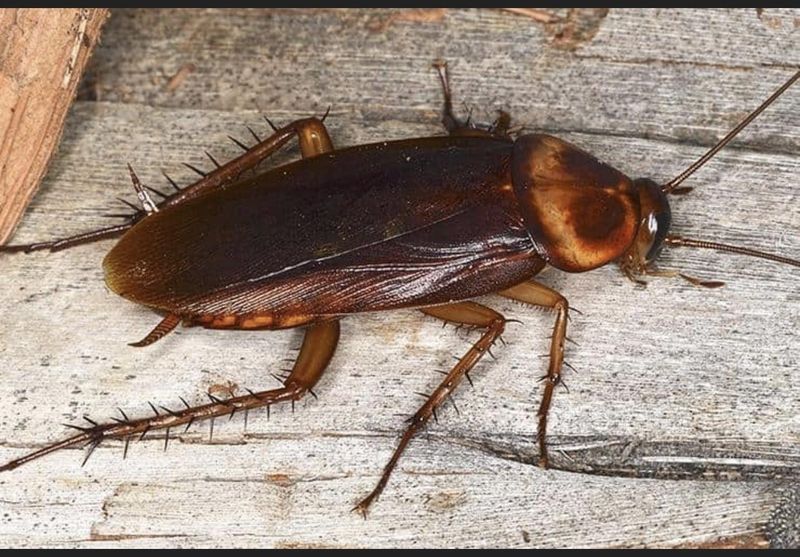
That beautiful palm swaying by your patio could be the busiest apartment building on your block. Its tenants just happen to have six legs and long antennae.
Palm trees offer everything a big roach wants. The overlapping fronds trap moisture, block the hot sun, and create dark pockets where insects can rest all day.
Old frond bases, sometimes called boots, make especially cozy hiding spots.
Here is a fun fact for your next cookout. These insects earned the palmetto bug nickname because people kept finding them under the broad leaves of palmetto plants.
The name stuck, and now it is part of Florida culture.
So what can you do without cutting down your favorite tree? Start by trimming away brown, drooping fronds.
Clean out the declined leaf boots when it is safe to reach them.
Next, look at how close the palm sits to your house. If fronds brush against your roof or walls, they act like a bridge.
Your Florida Garden Changes Every Week. Your Plan Should Too.
Gardening in Florida changes quickly throughout the season. Every Friday you’ll receive a simple weekly plan showing exactly what to plant, prune, fertilize, harvest, and protect so you never miss the right timing.
Insects can walk right across and find gaps near your eaves.
Keep a few feet of space between leaves and your home. A quick evening check with a flashlight can show you how active your palms really are.
You might be surprised by who comes out to say hello after sunset.
3. Tree Holes And Hollow Trees Make Hideouts Too
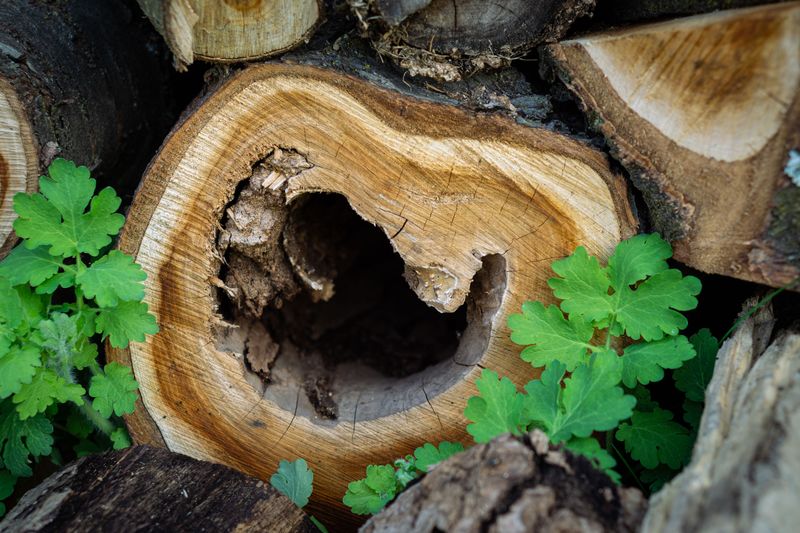
Picture an old oak in your backyard with a dark knothole halfway up the trunk. To a smokybrown cockroach, that hole looks like a five-star hotel.
Smokybrowns love tree holes because they stay damp and shaded. These insects dry out easily, so they hunt for spots that hold moisture.
A hollow trunk gives them steady humidity and safety from birds and lizards.
Florida woods roaches enjoy similar places. They tuck themselves into tree cavities, rotting stumps, and fallen logs.
Soft, decaying wood is easy to crawl into, and it often holds tasty bits of plant material.
Many homeowners walk past these spots every day without a second thought. A stump left after storm cleanup, or a cracked limb, can quietly host a whole crowd.
When night falls, those crowds go exploring, sometimes toward your porch light.
Take a slow walk around your property this weekend. Look for stumps, holes, and trees with loose bark.
If a tree is hollow and close to your house, an arborist can check whether it is still healthy and safe.
Grinding old stumps and clearing rotting logs near your home helps a lot. Keep any wildlife-friendly logs at the far edge of the yard.
That way, nature still gets its hideouts, and you get your space back.
4. Thick Mulch And Leaf Litter Keep Them Close To Home
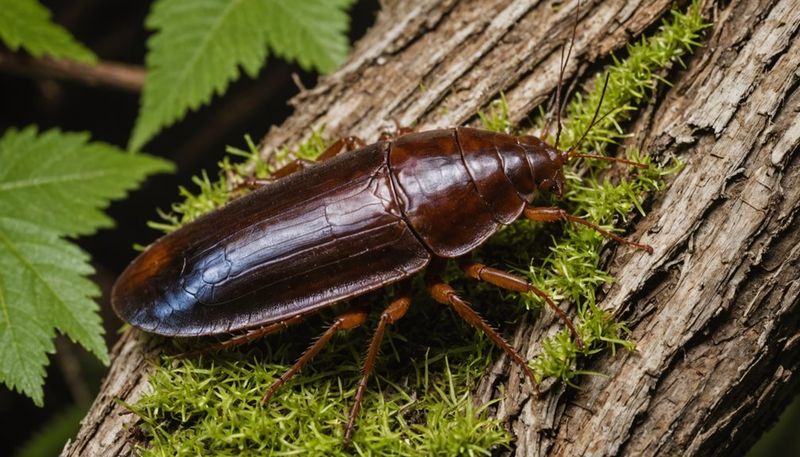
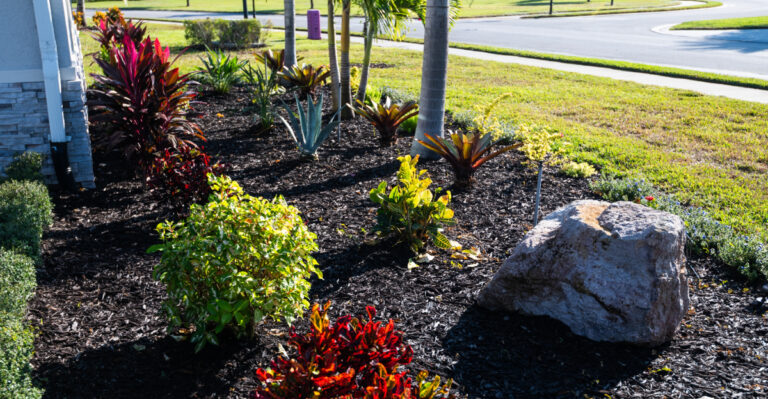
Mulch makes flower beds look neat and finished. Unfortunately, it can also roll out a welcome mat right against your walls.
Think about what happens under a thick mulch layer after a summer rain. It stays moist, dark, and cool for days.
For palmetto bugs, that is basically a spa day that never ends.
Leaf litter and tall grass work the same way. Fallen leaves pile up in corners, under shrubs, and along fences.
Each pile becomes a hidden shelter with plenty of snacks, since these insects happily munch on decaying plants.
The real trouble starts when mulch touches your foundation. Bugs living there are just inches from tiny cracks, weep holes, and gaps under doors.
One curious roach can wander inside before you even finish your morning coffee.
Fixing this is easier than you might expect. Pull mulch back so there is a bare strip, about a foot wide, next to your house.
Some people fill that strip with gravel or small stones, which dry quickly after rain.
Try keeping mulch around two to three inches deep instead of piling it higher. Rake leaves often, especially in fall and after storms.
Trim tall grass along the edges of your yard too. Your garden will still look lovely, and your foundation will feel a lot less crowded.
5. Woodpiles Give Them Another Place To Hide
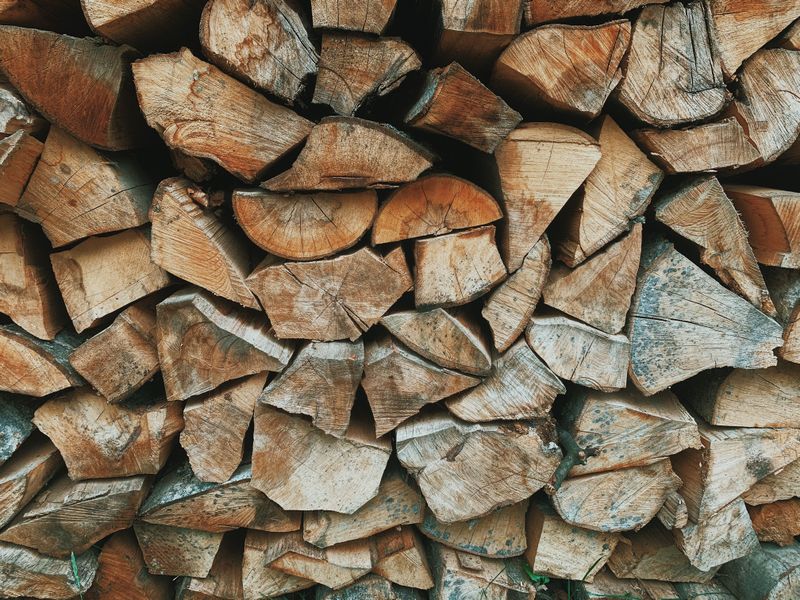
Nothing says cozy like a stack of firewood waiting for a cool Florida evening. Of course, the palmetto bugs think so too.
A woodpile is full of tight gaps, shady corners, and slowly softening bark. Moisture gets trapped between logs, especially near the bottom.
That combination turns your neat stack into a crowded insect neighborhood.
Here is where people get surprised. When you carry an armful of logs inside, you might be carrying a few hitchhikers too.
One minute you are lighting the fireplace, and the next you are chasing a roach across the living room rug.
A little planning goes a long way. Store firewood at least twenty feet from your house if you can.
Keep it raised off the ground on a rack, so air can flow underneath and the wood dries out faster.
Cover the top to keep rain off, but leave the sides open. Before bringing logs indoors, knock them together and give each one a quick look.
Only bring in what you plan to burn right away.
The same rule applies to lumber scraps, old boards, and stacked pallets. If you are not using them, clear them out.
Fewer hiding places in the yard means fewer surprise guests inside.
6. Some Travel Into Homes Through Sewer Lines
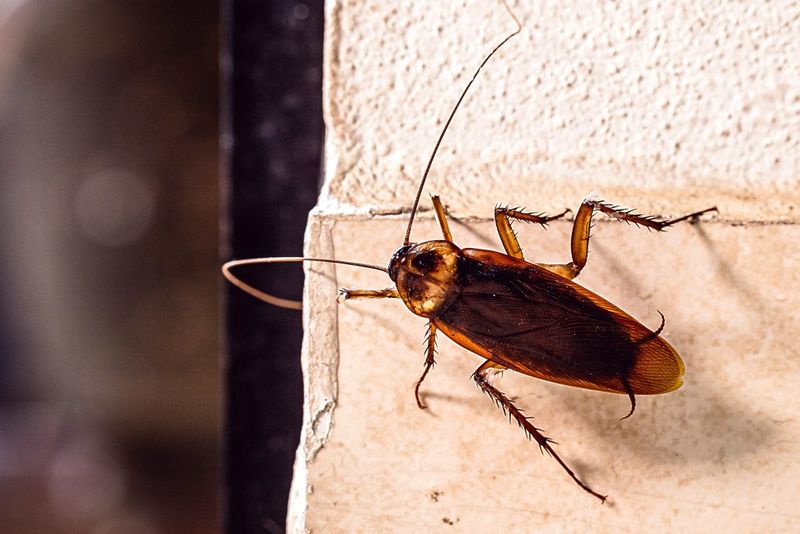
Here it is, the hiding spot most people skip entirely. Your drains are connected to a whole underground world, and American cockroaches know the route well.
These big reddish-brown insects often live in city sewer systems and septic tanks. It is warm, damp, and full of food down there.
From those pipes, they can climb up and pop out of floor drains, sinks, showers, and tubs.
Ever found a roach in a spotless bathtub and wondered how it got there? Now you know.
It may not have come from your kitchen at all, but from the plumbing below.
Several plumbing problems make this trip easier. Cracked pipes give them side doors.
Gaps around pipes under sinks let them slip into cabinets.
Dry P-traps are another big one. That curved pipe under your sink normally holds water, which blocks sewer gases and insects.
In a guest bathroom nobody uses, the water can evaporate, leaving an open pathway.
Check under your sinks with a flashlight. Look for gaps, drips, or damp wood around pipes.
If you notice bugs appearing near drains again and again, a plumber can inspect your lines for cracks. It is a small step that can solve a big mystery.
7. Screen Attic Vents And Seal Drain Openings
Good news, a few simple weekend chores can block many of these unwanted visitors. You do not need fancy tools, just some caulk, screen, and patience.
Start up high. Attic vents are a favorite entry for smokybrown cockroaches, which love warm, sheltered attics.
Cover vents with fine mesh screen and seal any gaps around the edges.
Next, walk around your home and look closely. Seal cracks near doors, windows, and spots where cables or pipes enter the walls.
Add weatherstripping under doors, and repair any torn window screens.
Outdoor drains deserve attention too. Larger openings around drainage lines and sewer vents should be screened or sealed.
A cheap cover can stop a whole parade of insects.
Now for an easy indoor trick. Run water in unused sinks, utility tubs, and showers about once a week.
Flush guest toilets as well, so the drain traps stay full and keep sewer travelers out.
Make a simple checklist and keep it on your fridge. Mark off each task as you finish.
Before long, your home will feel more like a fortress and less like a welcome center.
8. Florida Woods Roaches Can’t Thrive Indoors
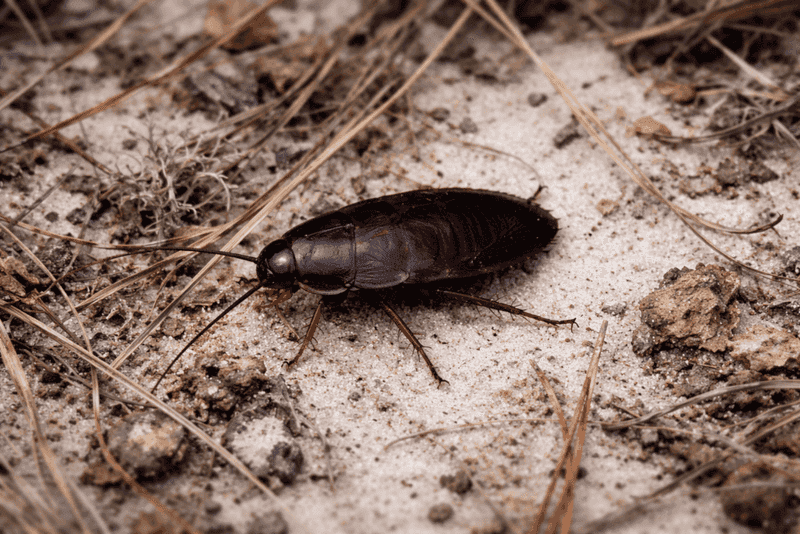
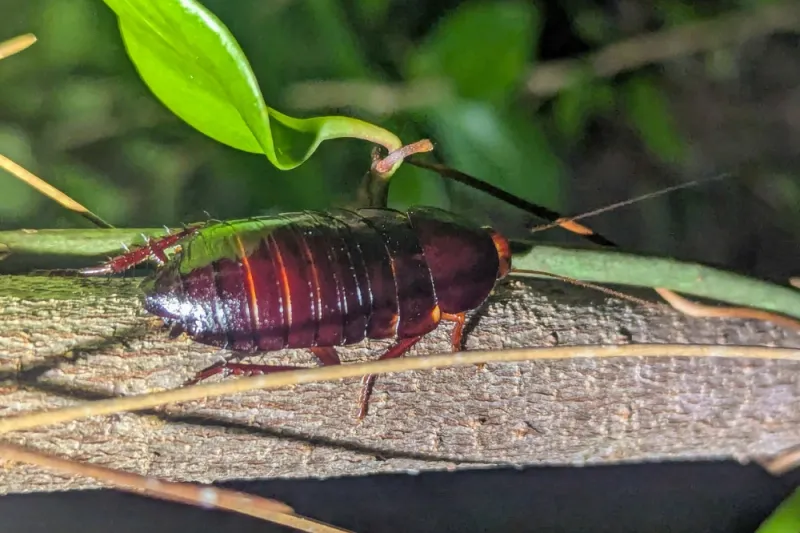
Spotted a wide, slow, dark roach on your living room floor? Take a deep breath, because it may be lost rather than moving in.
Florida woods roaches are outdoor creatures through and through. They prefer leaf piles, mulch, and damp wood.
They rarely set up lasting families inside homes.
Air-conditioned houses are much too dry for them. Without steady moisture, they usually struggle and last only about two to three days indoors.
To them, your cool living room feels like a desert.
Most sightings are simple accidents. A woods roach might slip under a door after heavy rain, or ride in on a potted plant.
It wanders around, confused, looking for a way back outside.
That is why experts call them nuisance pests instead of true indoor invaders. Seeing one does not mean your home has a hidden colony.
It mostly means there is a cozy outdoor hideout nearby.
When you find one, scoop it into a cup and carry it outdoors. Then check the entry point it likely used, such as a door gap.
If you are seeing lots of them, look around the yard for mulch, leaves, or wood close to the house.
9. Outdoors, They Recycle Nutrients And Feed Wildlife
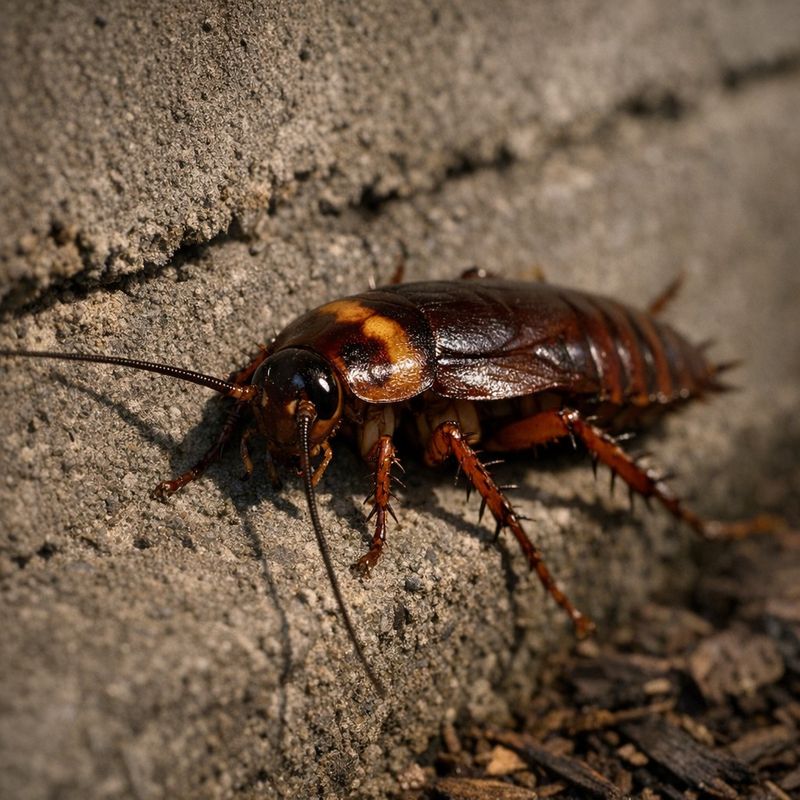
Believe it or not, these crawly critters have a real job outside. In the garden, they act like a tiny cleanup crew.
Outdoor roaches, including the Florida woods roach, are decomposers. They chew through fallen leaves, rotting wood, and other old plant material.
As they eat, they help break it down into nutrients that return to the soil.
Those nutrients feed your plants, trees, and flowers. In a way, the bugs hiding in your leaf pile are helping your hibiscus bloom.
Nature runs on recycling, and these insects do their share.
They are also part of the food web. Lizards, frogs, toads, birds, and even some spiders depend on insects like these for meals.
A healthy roach population outdoors can mean more anoles sunning themselves on your fence.
So the goal is not to wipe out every palmetto bug in the state. That would be impossible, and it would upset the balance of local wildlife.
Instead, think of it as setting boundaries.
Keep their favorite hideouts far from your walls, seal up entry points, and let them work in the back corners of your yard. They get to do their part for the ecosystem.
You get to enjoy a calmer, bug-free kitchen at midnight.